
Reviewed · LISBON COOKING CLASSES
Lisbon: Pastel de Nata Baking Class
Pastel de Nata class is fun and practical in one go. I love the hands-on dough work (you really touch and shape it) and the way the session ends with your own warm Pastel de Nata, plus Portuguese drinks like Porto wine and ginginha. One thing to plan for: it’s not central Lisbon, so getting to the Homecooking Lisbon HUB may take a short taxi ride.
This is a 2-hour, chef-led kitchen experience with clear step-by-step guidance in English, built for people who want real technique, not just a snack. If you’re coming with very young kids, or you need mobility-friendly accommodations, check the operator’s limits before you book.
In This Review
- Key highlights worth your time
- Pastel de Nata in Lisbon: what this 2-hour class really delivers
- Inside the kitchen: your step-by-step Pastel de Nata flow
- 1) Getting started with the pastry dough
- 2) Shaping and lining: where the tart shape happens
- 3) Custard filling: creamy, not runny
- 4) Baking: watching for the transformation
- Drinking Portuguese flavors: Porto wine, ginginha, and coffee
- Learning past the recipe: what you actually take home
- Price and value: is $64 for two hours a fair deal?
- Location at Homecooking Lisbon HUB: planning your arrival
- Who this class suits best (and when to skip it)
- Should you book Pastel de Nata baking in Lisbon?
- FAQ
- How long is the Lisbon Pastel de Nata baking class?
- How much does it cost?
- What’s included in the price?
- What drinks are served during the experience?
- Where do I meet for the class?
- Is hotel pickup or drop-off included?
- Can I cancel for a full refund?
- Is the class suitable for young children or mobility impairments?
Key highlights worth your time
- From dough feel to oven scent: you follow the process start to finish with instructors guiding each step
- Portuguese flavor pairing: drinks during the class include homemade juice, coffee, water, Porto wine, and ginginha tasting
- Chef and utensil setup: ingredients and tools are provided so you can focus on learning the method
- Small-group participation: reviews describe a group size around a dozen, with help available while you work
- End result you can trust: most people leave confident they can repeat the recipe at home
- Homecooking Lisbon HUB: a clean, ready-to-go kitchen space that’s easy to find once you know the meeting point
Pastel de Nata in Lisbon: what this 2-hour class really delivers
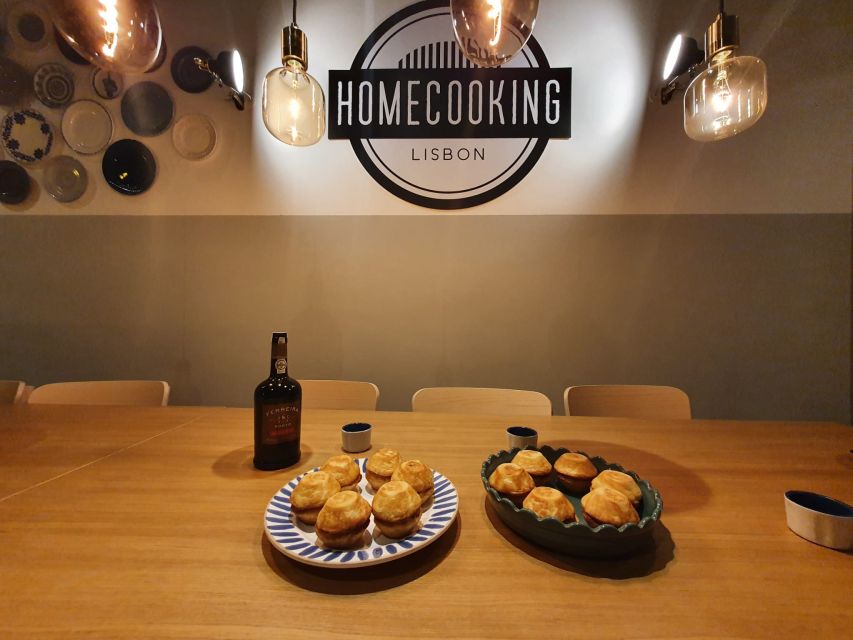
A lot of food tours in Lisbon end with you eating. This one ends with you making. In practical terms, that means you don’t just watch a chef assemble a tart while you hope for the best at home later. You learn the steps that create the signature contrast: flaky pastry and a creamy custard set with that classic top color and caramelized edges.
The other part I like is how the class is designed as a full experience, not a quick demo. You work in a real kitchen, you taste along the way, and you finish by eating what you baked while it’s still at its best temperature. Reviews repeatedly mention the warmth of the hosts and the attention to pacing, which matters because Pastel de Nata is time-sensitive. Get the pastry right, and the custard right, and you’ll taste the difference immediately.
The only drawback to keep in mind is logistical: Homecooking Lisbon HUB isn’t in the very heart of central Lisbon. A taxi is often the easiest way. If you’re planning your day tightly, add that travel buffer.
Roll your sleeves up for more nata baking
- Lisbon: Pastel de Nata Baking Class
★ 4.9 · 2,106 reviews - Pastel de Nata Masterclass at a Real Bakery in Downtown Lisbon
★ 5.0 · 491 reviews - Pastel de Nata Pastry Class: Bake and Enjoy Your Own Treats
★ 5.0 · 485 reviews - Lisbon: 2-Hour Pastel de Nata Cooking Class
★ 4.8 · 461 reviews
Inside the kitchen: your step-by-step Pastel de Nata flow
Expect a guided workflow that covers the major stages of Pastel de Nata without leaving you to figure things out alone. The experience is framed around learning technique from start to finish, which is what turns this from a treat into a skill.
1) Getting started with the pastry dough
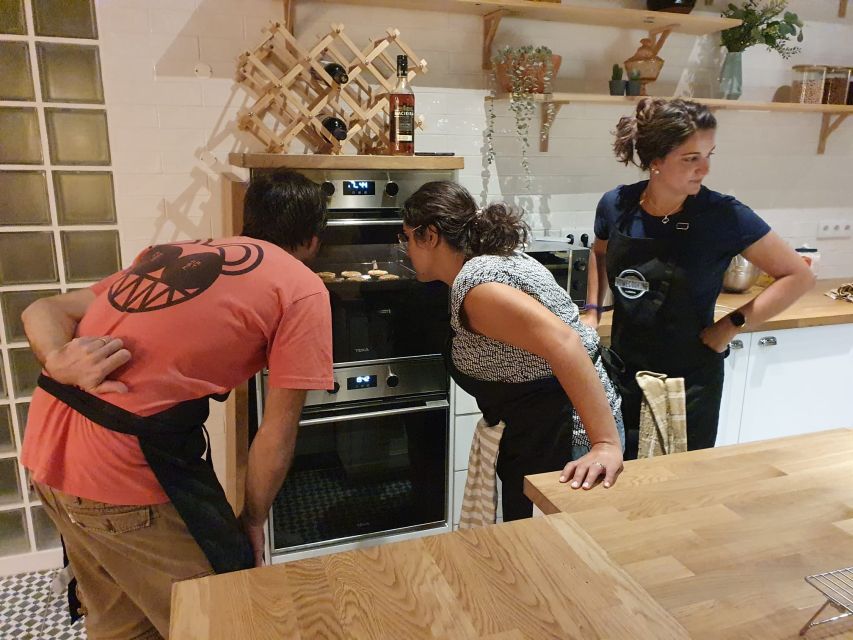
You’ll begin once you’re settled in the kitchen. You’re not just handed a finished base. You’ll work with the dough and get a feel for its texture—something many people don’t get when they only buy the pastry from a shop. The point isn’t to become a pastry chef overnight; it’s to understand how the dough moves and why the process matters.
In a bunch of classes like this, ingredients may be prepared or pre-measured to keep the timing realistic for a 2-hour slot. Reviews describe that parts are already portioned so you can focus on learning what you need to repeat at home. That’s a good trade-off: you still do the real shaping and steps, but you’re not waiting around for prep that would eat the whole session.
2) Shaping and lining: where the tart shape happens
This step is more important than it sounds. Pastel de Nata looks simple, but the way you line the pastry affects the final bake: thickness, how it cups, and how the custard expands. You’ll be guided as you shape, so you can correct mistakes before they turn into a “lesson” you don’t want.
A nice benefit of having an instructor in the room is getting immediate feedback. Multiple reviews mention hands-on help and patience—especially helpful if it’s your first time making layered pastry.
More aprons-on hours in a Lisbon kitchen
3) Custard filling: creamy, not runny
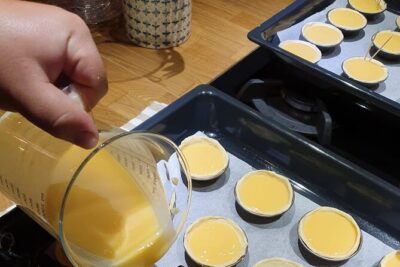
The custard is the soul of the tart. The class setup is designed so you can learn how the custard should look and how it behaves once it meets hot pastry. You’ll get instruction on the filling process and what “right” looks like, which is huge if you’re used to cakes and not custard tarts.
And yes, you’ll smell the baking process. The moment the oven warms up and the pastries start to go, the kitchen aroma changes fast. That’s part of why this class feels like a full food moment, not just a cooking exercise.
4) Baking: watching for the transformation
Once your tarts are in the oven, you get a chance to reset mentally and think like a baker: you know the timeline, and you understand how the pastry and custard are interacting. When they come out, the top should look properly set with that familiar look you associate with good Pastel de Nata.
Reviews mention the results being “fabulous” and “delicious right out of the oven,” which lines up with the goal of the session. You’re learning the technique, and you get instant confirmation that the tart worked.
Drinking Portuguese flavors: Porto wine, ginginha, and coffee
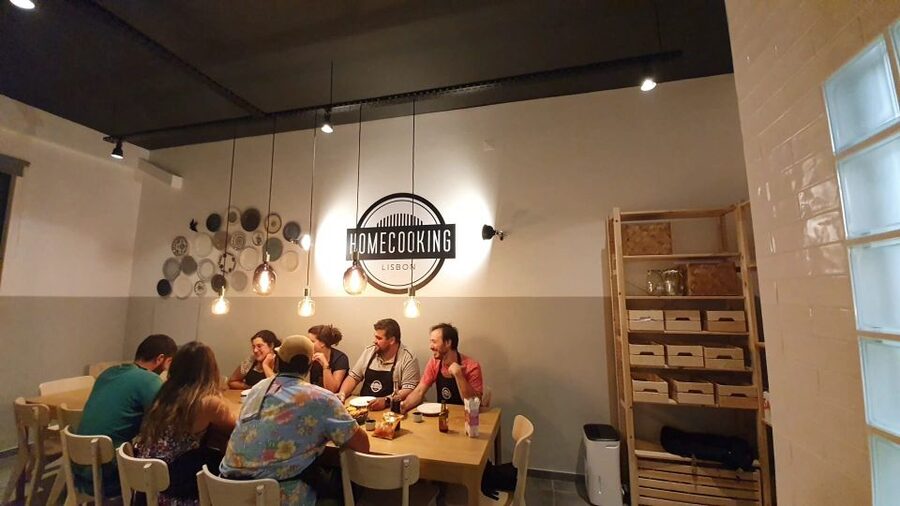
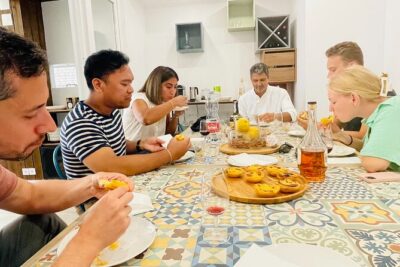
A lot of cooking classes skip pairing. This one doesn’t. Drinks are included throughout the experience, including homemade juice, coffee, water, Porto wine, and a ginginha tasting.
That matters for two reasons:
1) It keeps the class feeling like an outing, not just a workstation.
2) It helps you taste better—you’re not only focused on the pastry; you’re also sharpening your sense of sweet, creamy flavors against coffee, fruit notes, and liqueur.
Ginginha (cherry liqueur) is a classic Portuguese drink, and tasting it here gives you a small cultural anchor for the rest of your Lisbon day. If you want a simple plan: after your class, look for where the local bakeries serve Pastel de Nata and try them alongside coffee. You’ll likely notice details more clearly than if you never practiced the tart yourself.
One caution: Porto wine and other alcohol are listed as included, but a small number of comments mention drinking served differently in their session. If you’re strict about alcohol, plan around it and ask ahead when you book.
Learning past the recipe: what you actually take home
The best part of a good cooking class is that it gives you a repeatable mental model. Here, the model is built around method: dough handling, shaping, custard filling, and baking timing. That’s the stuff that keeps you from being stuck with a single successful batch that you can’t recreate.
Reviews also point to instructors explaining both the process and the background. People mention history and origins of the dessert, and they name specific hosts like Beatrice, Marta, Miyuki, Miguel, and Pedro as memorable parts of the experience. Even if you don’t care about dessert trivia, understanding where Pastel de Nata fits in Portuguese food culture makes the technique feel more meaningful.
Also, many people describe leaving with more than one reason to return: not just a tasty final result, but the confidence that they can try again at home. That confidence is usually what makes the class worth it long after the pastries are gone.
Price and value: is $64 for two hours a fair deal?
At $64 per person for a 2-hour class, the value depends on what you want from the experience.
Here’s what you get for that money, based on what’s included:
- all ingredients and cooking utensils
- instructors/chefs and hands-on guidance
- drinks (homemade juice, coffee, water, Porto wine, and ginginha tasting)
- insurance
Two big value points jump out.
First, ingredients and utensils are handled for you. If you were to buy the ingredients in Lisbon and then figure out the method on your own, you’d spend time and money on trial-and-error. The class gives you the technique quickly and reduces the risk of wasted ingredients.
Second, you’re not just paying for the recipe. You’re paying for timing, feedback, and the chance to taste what you make right away. Custard tarts are not forgiving if you don’t know what consistency to aim for or how the pastry should behave. Having a chef keep you on track is the main reason these classes work.
If you enjoy interactive experiences and like hands-on food learning, this price feels reasonable. If you just want the simplest Lisbon food stop, you might prefer a bakery. But if you want a practical skill and a memorable afternoon, $64 doesn’t feel inflated for what’s included.
Location at Homecooking Lisbon HUB: planning your arrival
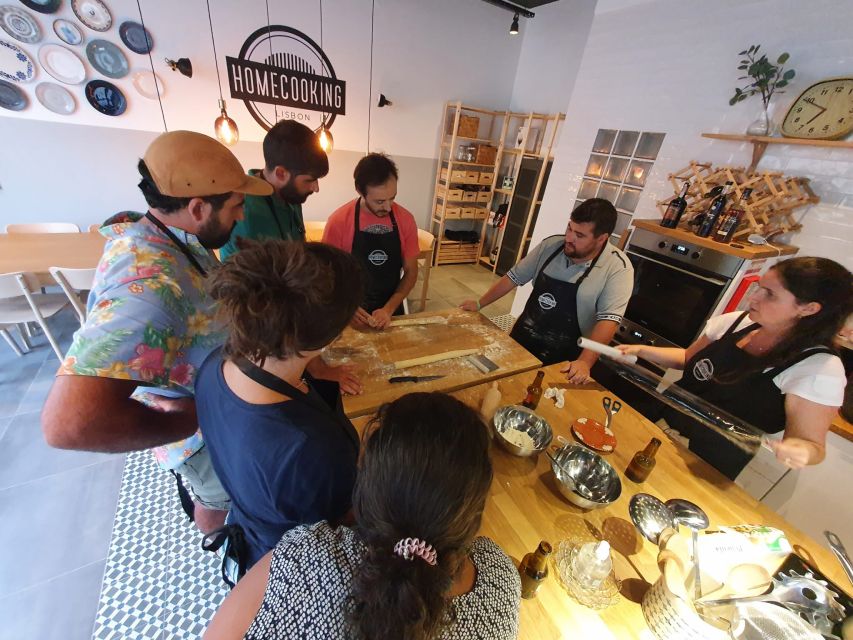
Meeting point is Homecooking Lisbon HUB. Reviews describe the kitchen facilities as clean and well set up, and they note the area isn’t right next to the busiest central spots.
What that means for your day:
- Give yourself some buffer time to get there.
- If you’re moving between neighborhoods, a taxi can be the easiest option.
- If you’re using public transport, look for convenience near the bus stop mentioned in comments.
No hotel pickup is included, so you’ll want to coordinate your own route. The upside is that once you’re there, everything is ready: a kitchen where you can concentrate on baking rather than waiting around for transfers.
Who this class suits best (and when to skip it)
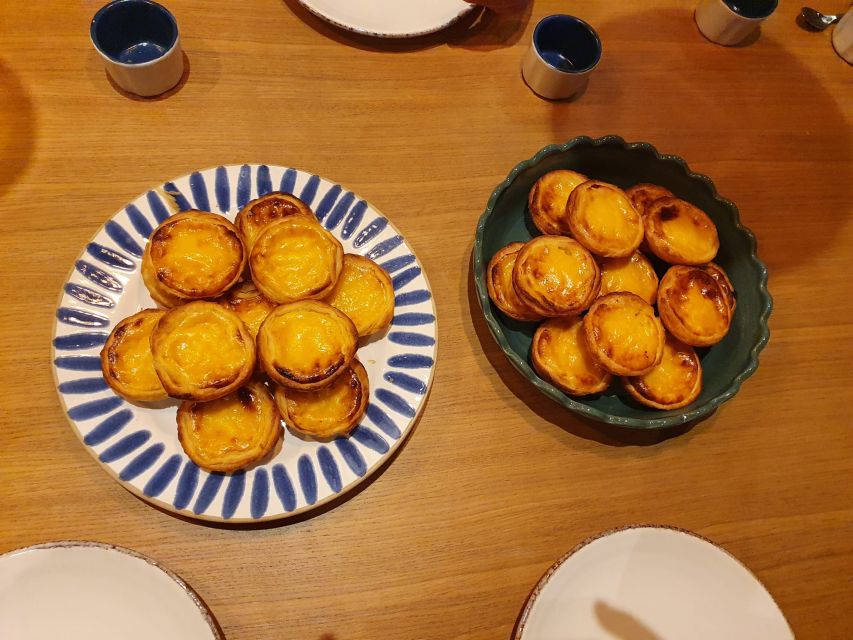
This activity is a strong fit if you:
- want a hands-on activity that teaches a real technique
- enjoy Portuguese food culture and want a focused dessert experience
- like small-group cooking with lots of instructor attention
- are traveling with teens or adults who enjoy learning and then eating
English instruction is included, and many people report that it feels approachable even if you’re not an experienced baker.
It may be less suitable if you:
- need accommodations for mobility impairments (the operator lists it as not suitable)
- are traveling with very young children (the operator lists children under 6 as not suitable)
Also, if you’re expecting a full walking tour of Lisbon, this isn’t that. It’s a kitchen-based class. For sightseeing time, plan separate blocks around it.
Should you book Pastel de Nata baking in Lisbon?
Book it if you want more than a dessert tasting. This is one of those experiences where you leave with a skill, a story, and pastries you can eat while they’re at their peak. The combination of step-by-step guidance, drinks like Porto wine and ginginha, and the fact that you actually make the tarts is what makes it feel like real value.
Skip it if your main goal is to simply sample Pastel de Nata as efficiently as possible. A bakery run is faster and cheaper. But if you care about learning the method and enjoying a social, guided baking session, this class is a great use of a couple hours in Lisbon.
FAQ
How long is the Lisbon Pastel de Nata baking class?
The class lasts 2 hours.
How much does it cost?
It costs $64 per person.
What’s included in the price?
The class includes all ingredients, cooking utensils, instructors or chefs, drinks (homemade juice, coffee, water, Porto wine, and ginginha tasting), and insurance.
What drinks are served during the experience?
You’ll be served drinks including homemade juice, coffee, water, Porto wine, and a ginginha tasting.
Where do I meet for the class?
You meet at Homecooking Lisbon HUB.
Is hotel pickup or drop-off included?
No. Hotel pickup and drop-off are not included.
Can I cancel for a full refund?
Yes. Free cancellation is available up to 24 hours in advance for a full refund.
Is the class suitable for young children or mobility impairments?
The activity is listed as not suitable for children under 6 and for people with mobility impairments.
More Tour Reviews in Lisbon
- Lisbon City Center Tour – The Unmissable Lisbon★ 5.0 · 22,234 reviews
- Lisbon: Sintra, Pena, Regaleira, Cabo da Roca & Cascais★ 4.7 · 19,656 reviews
- Lisbon Card: 24, 48, or 72-Hour Pass★ 4.5 · 17,944 reviews
- Lisbon: Jerónimos Monastery Entrance Ticket★ 4.1 · 14,164 reviews
- Lisbon: History, Stories and Lifestyle Walking Tour★ 4.8 · 10,902 reviews
More Time in a Lisbon Kitchen
- Lisbon: Traditional Portuguese Cooking Class★ 4.9 · 592 reviews
- Lisbon: 2-Hour Pastel de Nata Cooking Class★ 4.8 · 461 reviews
- Lisbon Portuguese Cooking Class with 3-Course Dinner★ 5.0 · 445 reviews
- Traditional Portuguese Cooking Class in Lisbon★ 5.0 · 287 reviews
- Pasteis de Nata Baking Class from Lisbon★ 5.0 · 248 reviews
Bake Another Batch of Nata
- Pastel de Nata Masterclass at a Real Bakery in Downtown Lisbon★ 5.0 · 491 reviews
- Pastel de Nata Pastry Class: Bake and Enjoy Your Own Treats★ 5.0 · 485 reviews
- Lisbon: 2-Hour Pastel de Nata Cooking Class★ 4.8 · 461 reviews
- Pasteis de Nata Baking Class from Lisbon★ 5.0 · 248 reviews
- Lisbon: Pastel de Nata Masterclass at a Real Bakery★ 4.9 · 206 reviews
Just in: fresh Lisbon reviews from the team





Lisbon Cooking Classes, compared.
 ★ 4.9Traditional Portuguese Cooking ClassFrom $100592 reviews
 ★ 4.82-Hour Pastel de Nata Cooking ClassFrom $64461 reviews
 ★ 5.0Lisbon Portuguese Cooking Class with 3-Course DinnerFrom $130445 reviews
 ★ 5.0Traditional Portuguese Cooking Class in LisbonFrom $102287 reviews
 ★ 5.0Pasteis de Nata Baking Class from LisbonFrom $78248 reviews
 ★ 5.0Portuguese Cooking Class in LisbonFrom $114141 reviews
 ★ 4.5Portuguese Cooking Experience in LisbonFrom $108140 reviews
 ★ 5.0Hands on Portuguese Cooking Class in LisbonFrom $82136 reviews
Browse the lists this tour appears in