
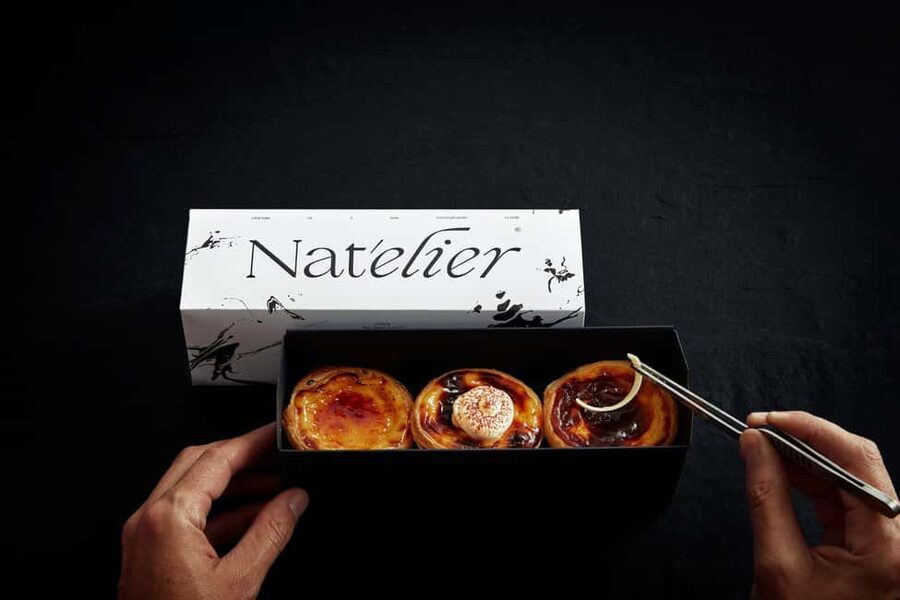
Reviewed · PASTEL DE NATA CLASSES
Lisbon: Pastel de Nata Masterclass at a Real Bakery
Pastel de nata magic happens in a real bakery. At Nat’elier, you learn puff-pastry lamination and custard tart technique from pros, then pull warm tarts from a professional oven. It runs in a working kitchen with lots of standing, so it is not suitable for mobility impairments.
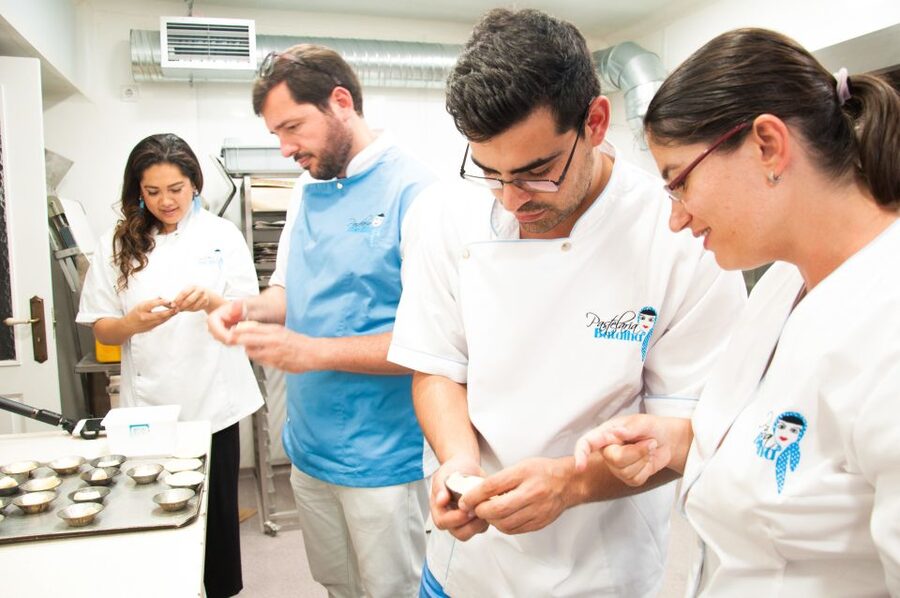
You’ll be in a max 12-person group, so you do real hands-on work (not just watching). Expect a quick history of the tart, aprons and hair nets, and a finish that pairs your baked pastries with a barista-made hot or cold beverage of choice, alcohol-free.
In This Review
- Key things to know before you go
- Entering Nat’elier near Baixa-Chiado for your Pastel de Nata lesson
- The 2-hour flow: history, prep, baking, and a drink finish
- What you learn for real: lamination and the Pastel de Nata technique
- Hands-on coaching in a max 12 group
- Baking like a pro: professional oven results and warm-tart tasting
- Value in plain terms: why $82 feels fair for what’s included
- Who this Pastel de Nata masterclass suits best
- Practical tips so your tarts turn out better
- Should you book this Pastel de Nata masterclass at Nat’elier?
- FAQ
- Where is the meeting point for the Pastel de Nata masterclass?
- How long does the masterclass last?
- What do I make during the workshop?
- What’s included in the price?
- Are alcoholic drinks included?
- What languages are the instructors?
- Is this class suitable for everyone, including mobility needs?
Key things to know before you go
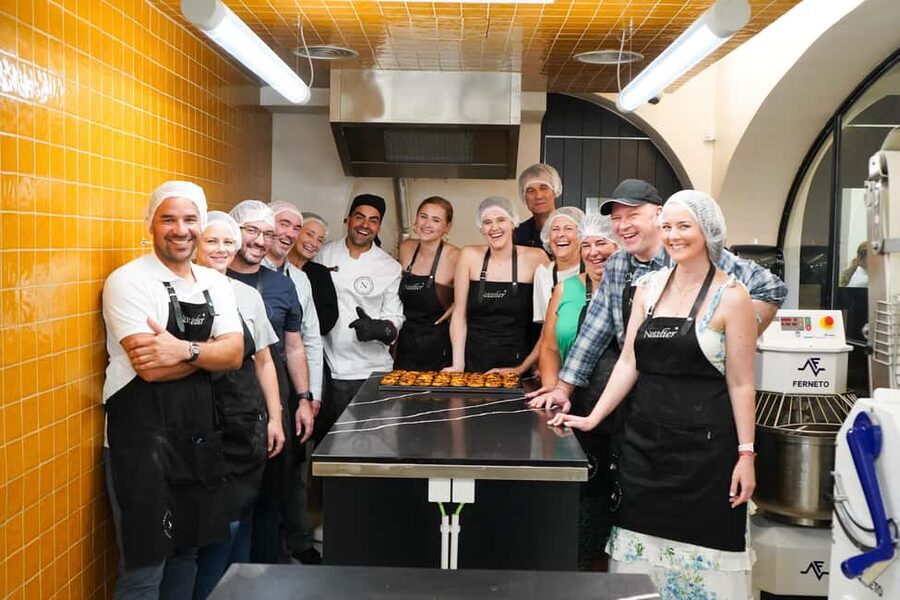
- Real bakery kitchen work: you’re inside a working setup, not a demo room.
- You make at least 3 tarts by hand: lamination, filling, and the Pastel de Nata spread steps.
- Professional oven baking: the class includes baking on real equipment.
- Chefs with names you’ll recognize: hosts can include João Batalha, with other in-house instructors like Silvia Sousa, Adriano Cardoso, or Sergio Garcia.
- Warm tasting at the end: you enjoy what you bake with a drink made by baristas.
Entering Nat’elier near Baixa-Chiado for your Pastel de Nata lesson
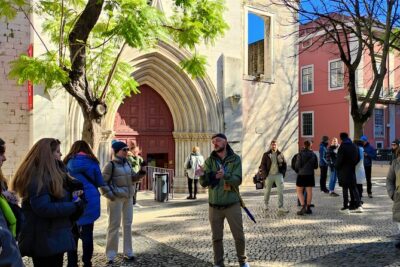
This class is based at Nat’elier, a pastry store in Lisbon’s old center area. It’s outside the metro station of Baixa-Chiado on the blue line, which makes it easy to stitch into a day of walking. If you’re arriving by foot, aim for the store first, then follow staff directions once you’re there.
Meeting point matters here because you’ll be joining a working kitchen process right away. When the class starts, you’ll get geared up (apron and hair nets), then head into the pro workflow. Show up a few minutes early so you can settle in, find the right spot, and not feel rushed before you touch the dough.
Also, consider what this means for your day plan: this is a 2-hour focused activity, so schedule something calm before or after. You’ll likely want a bit of breathing room afterward so your pastries and photos don’t become a race against your next reservation.
Roll your sleeves up for more nata baking
- Lisbon: Pastel de Nata Baking Class
★ 4.9 · 2,106 reviews - Pastel de Nata Masterclass at a Real Bakery in Downtown Lisbon
★ 5.0 · 491 reviews - Pastel de Nata Pastry Class: Bake and Enjoy Your Own Treats
★ 5.0 · 485 reviews - Lisbon: 2-Hour Pastel de Nata Cooking Class
★ 4.8 · 461 reviews
The 2-hour flow: history, prep, baking, and a drink finish
The masterclass follows a clear arc, and that’s a big part of why it feels beginner-friendly without being shallow.
First, you start with a history intro to Pastel de Nata—where the tart comes from and why Lisbon treats it like a daily-life icon. You don’t need to be a pastry nerd to enjoy this bit; it gives context for the techniques you’ll use later.
Next comes gear-up and kitchen time. You’ll move into the working kitchen space where pro pastry workflows happen. From there, the class focuses on the core steps: you’ll learn how to laminate puff pastry from zero, and then you’ll build the custard filling and bake the tarts.
By the end, you’ll taste the warm Pastéis de Nata. Your drink is included too—hot or cold, barista-made, and alcohol excluded. It’s a smart wrap-up: you get instant feedback on how the dough and custard should feel when they’re fresh from the oven.
Finally, you leave with your certificate of participation, plus the satisfaction of having made a Lisbon classic with your own hands.
What you learn for real: lamination and the Pastel de Nata technique

Pastel de Nata is popular, but the technique is what separates a good tart from a truly great one. In this class, you don’t just get the idea—you get the steps.
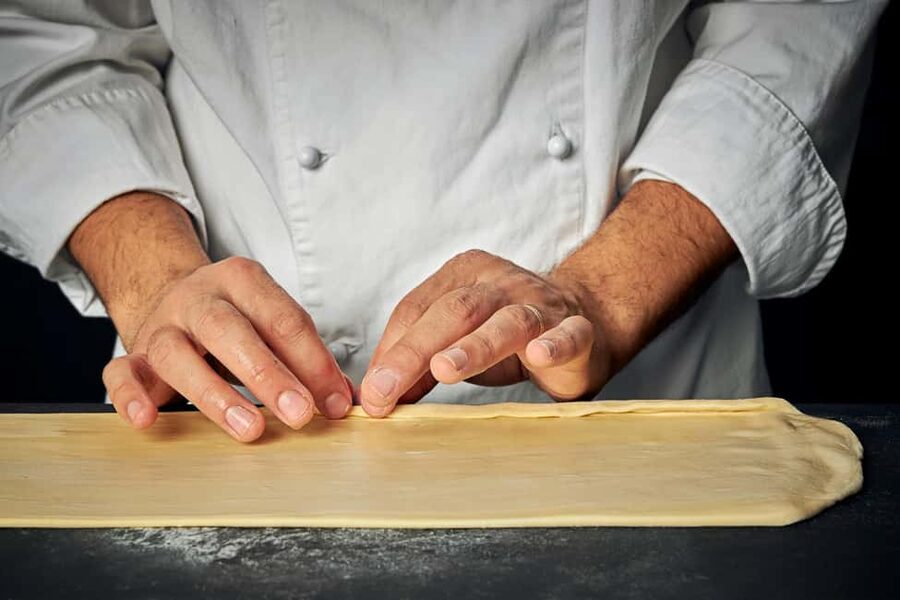
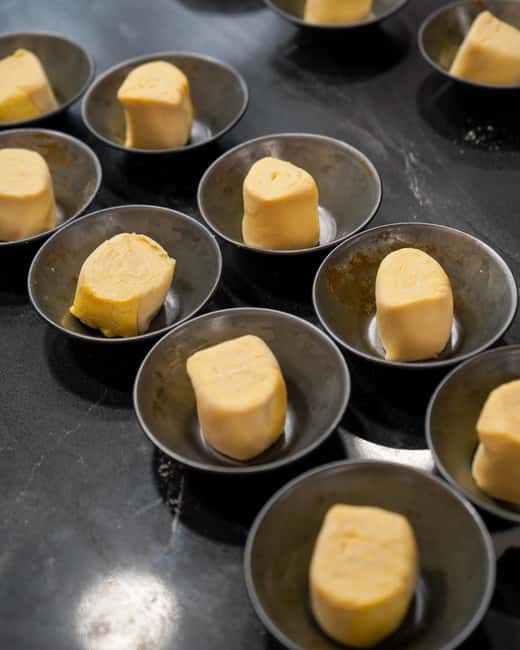
You’ll learn puff pastry lamination from scratch. That means understanding how dough layers are built so the tart bakes with the right texture. Even if you’ve never baked anything before, you’ll get guided instruction on how to handle the dough and keep the process on track.
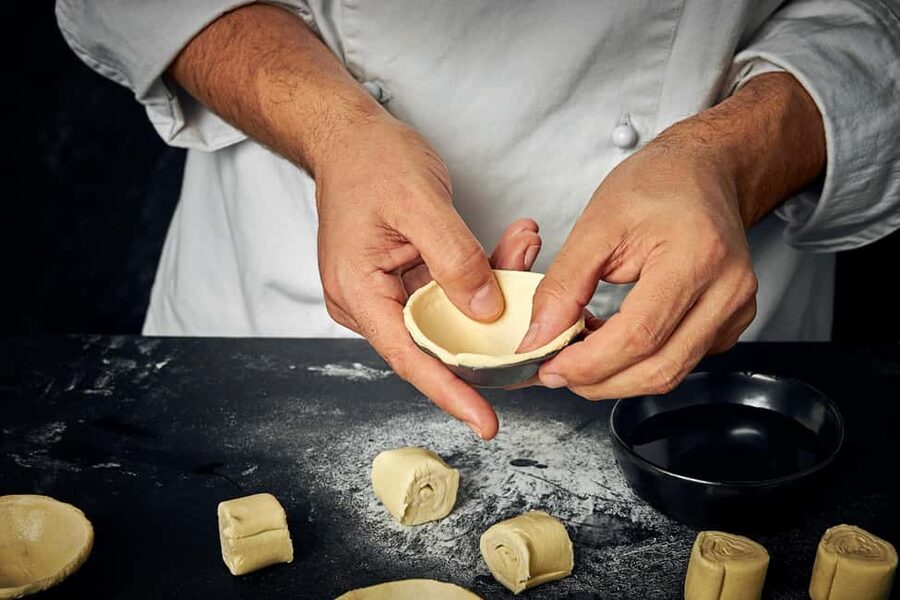
Then you move to the Pastel de Nata technique for shaping and spreading. This is where the class earns its name as a masterclass rather than a quick cooking demo. You practice the specific method for spreading into the tart form so the custard has the right home and the pastry behaves in the oven.
After that, you make the custard and fill the tarts. Timing and consistency matter here, and that’s why working in a real bakery kitchen helps. Pro ovens and proper baking equipment change the results, and the class uses those conditions so you can actually connect what you do to what you see.
Hands-on coaching in a max 12 group
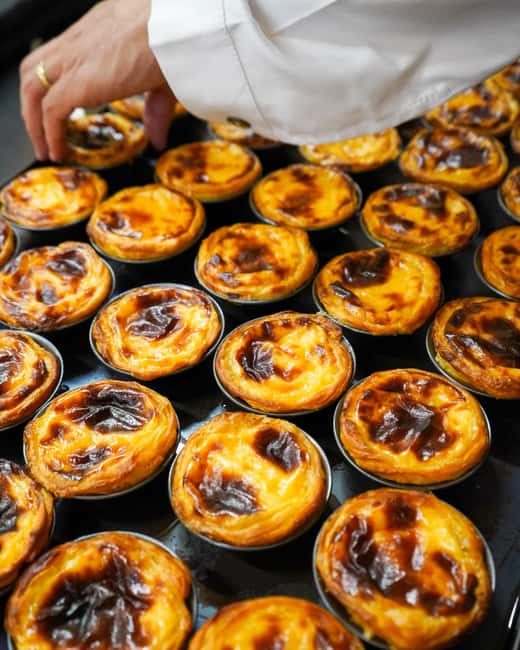
Here’s the key promise, and it’s what you’re paying for: everyone makes at least 3 Pastéis de Nata by hand. With a max 12 group, you’re not stuck waiting your turn while others do the work.
In practice, the class is set up as team work. You might work in pairs for dough tasks, then rotate into small groups for filling and shaping. The goal stays the same: you touch each step, from dough lamination to filling to baking.
Instruction quality is a standout theme. In different class sessions, instructors like Adriano and Sergio (and also Silvia in other schedules) are known for explaining not just what to do, but why each step matters. That helps your brain lock in the technique, and it also makes it easier to repeat the process at home.
If you’re a solo traveler, this format is also social in a natural way. You’ll talk while your hands are busy. That’s often more comfortable than a tour where you stand around waiting for a guide to finish a speech.
One thing to consider: since everyone bakes in the same window of time, the class stays structured. If you prefer maximum personalization on every second detail, you may wish the group were smaller, but you still get real hands-on output.



Baking like a pro: professional oven results and warm-tart tasting
The “real bakery” part shows up most clearly at the oven stage. You bake inside a professional oven, which means you’re not guessing about temperature behavior or airflow. The class is designed around the oven’s reality.
While your tarts bake, you still stay part of the flow. After the baking stage, you’ll end with tasting warm pastries alongside a drink of your choice, crafted by baristas. This is a nice contrast to the hands-on cooking phase: you get to enjoy the result while it’s fresh, warm, and at its best.
This tasting moment matters because it closes the loop. If your pastry layers looked right, you’ll see it in the texture. If your custard is filled properly, it sets the way you expect. You’re learning by doing, but you’re also learning by tasting what “done well” actually feels like.
And yes, you’ll likely take plenty of photos during the process. One of the joys of this kind of class in Lisbon is that you’re making something instantly recognizable, right in the middle of the real food culture.
Value in plain terms: why $82 feels fair for what’s included
$82 per person sounds steep until you match it to what’s included and what you gain.
You’re getting:
- enough class instruction to bake from scratch
- ingredients and equipment
- aprons and hair nets
- a beverage of choice (hot or cold), alcohol excluded
- water
- and you eat 3 Pastéis de Nata that you made
That combination is the value. You’re not paying for a snack. You’re paying for a guided baking workflow in a pro kitchen, plus the skill to recreate a Lisbon favorite later.
Also, you’re paying for small-group attention. A max 12-person class means your instructor can actually correct technique and keep you moving. That’s hard to get in “watch and eat” cooking experiences.
If you compare it to simply buying pastries and moving on, the math changes fast. You’re paying for time with pros and repeatable know-how, not only for dessert.
If you’re on a tight budget, plan to treat this as a highlight activity. If Lisbon is about experiences as much as eating, it’s the kind of class that sticks.
Who this Pastel de Nata masterclass suits best
This works especially well if you fall into one of these groups:
- Beginners who want a real foundation: You start from puff pastry from zero, with step-by-step guidance.
- Foodies who like process: You learn technique, not only flavor.
- Solo travelers: Small-group baking creates easy conversation without awkward downtime.
- People who want a Lisbon souvenir you can make again: the output is edible, and the skills are repeatable.
Families can work too, but the class data here doesn’t list an age minimum. If you’re bringing a younger baker, you might find it fun because the format is hands-on and team-based, but do plan for a working kitchen environment.
On the other hand, it’s not suitable for people with mobility impairments. Even if you’re capable with some tasks, the kitchen setup involves standing and working near equipment.
Practical tips so your tarts turn out better
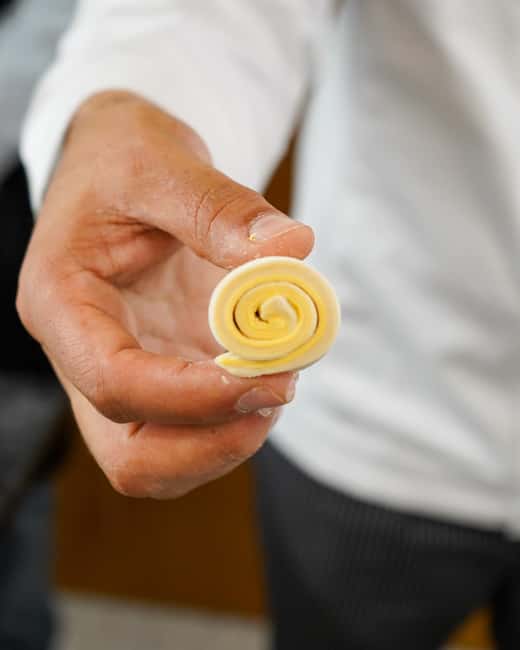
You don’t need fancy baking talent. You do need to follow directions and keep your rhythm.
- Wear clothes you’re okay getting flour on. You’ll get an apron, but dough doesn’t always respect formal wear.
- Expect to be active. This is a working kitchen class, not a seated tasting.
- Listen for technique cues. Instructors tend to explain the purpose behind steps, and that helps you correct yourself in real time.
- Bring curiosity, not perfectionism. Even if your first attempt looks messy, you’re learning layering and spread technique—then baking is the proof.
One small but helpful mindset shift: think of it as learning a method. If you treat each tart as a chance to practice, you’ll leave with confidence, not just custard.
Should you book this Pastel de Nata masterclass at Nat’elier?
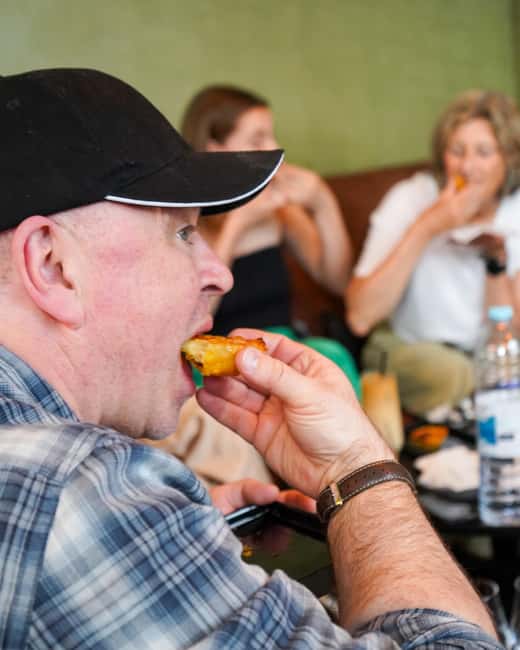
Book it if you want an authentic Lisbon food experience with real instruction and an edible payoff. You’ll be baking in a real bakery kitchen, in a small group, with pro oven results and enough hands-on time that you can actually repeat the process at home.
Skip it (or choose another option) if you can’t do a standing, hands-on kitchen activity. And if you’re hoping for a super casual, low-effort event, this one is more craft-focused than that.
If your trip includes a day around Baixa-Chiado, this is a strong fit because it’s centrally located and finishes with a warm-tasting moment. For many visitors, it becomes the one Lisbon activity that feels both fun and useful the moment you leave.
FAQ
Where is the meeting point for the Pastel de Nata masterclass?
You meet at the pastry store Nat’elier and let the staff know you are attending the Pastel de Nata Masterclass. It’s located outside the metro station of Baixa-Chiado on the blue line.
How long does the masterclass last?
The class duration is 2 hours.
What do I make during the workshop?
During the class, you learn to bake Portuguese Custard Tarts (Pastéis de Nata) and each participant makes at least 3 tarts by hand.
What’s included in the price?
Included are 3 Pastéis de Nata, a barista-crafted hot or cold beverage of your choice (alcohol excluded), a certificate of participation, ingredients, and all baking equipment. Water is also included.
Are alcoholic drinks included?
No. The beverage included is alcohol excluded.
What languages are the instructors?
The instructor speaks English and Portuguese.
Is this class suitable for everyone, including mobility needs?
No. It is not suitable for people with mobility impairments.
More Tour Reviews in Lisbon
- Lisbon City Center Tour – The Unmissable Lisbon★ 5.0 · 22,234 reviews
- Lisbon: Sintra, Pena, Regaleira, Cabo da Roca & Cascais★ 4.7 · 19,656 reviews
- Lisbon Card: 24, 48, or 72-Hour Pass★ 4.5 · 17,944 reviews
- Lisbon: Jerónimos Monastery Entrance Ticket★ 4.1 · 14,164 reviews
- Lisbon: History, Stories and Lifestyle Walking Tour★ 4.8 · 10,902 reviews
Bake Another Batch of Nata
- Lisbon: Pastel de Nata Baking Class★ 4.9 · 2,106 reviews
- Pastel de Nata Masterclass at a Real Bakery in Downtown Lisbon★ 5.0 · 491 reviews
- Pastel de Nata Pastry Class: Bake and Enjoy Your Own Treats★ 5.0 · 485 reviews
- Lisbon: 2-Hour Pastel de Nata Cooking Class★ 4.8 · 461 reviews
- Pasteis de Nata Baking Class from Lisbon★ 5.0 · 248 reviews
Just in: fresh Lisbon reviews from the team





Pastel de Nata Classes, compared.
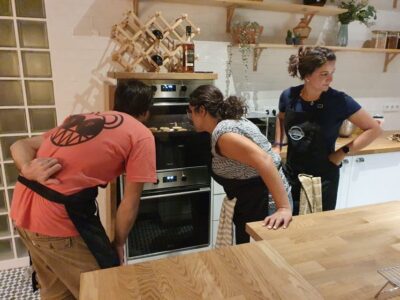 ★ 4.9Pastel de Nata Baking ClassFrom $642,106 reviews
 ★ 5.0Pastel de Nata Masterclass at a Real Bakery in Downtown LisbonFrom $84491 reviews
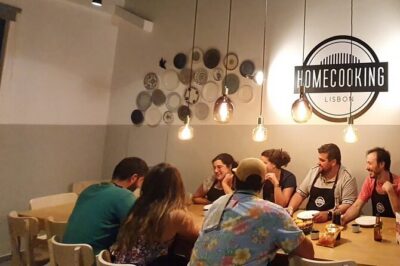 ★ 5.0Pastel de Nata Pastry Class: Bake and Enjoy Your Own TreatsFrom $66485 reviews
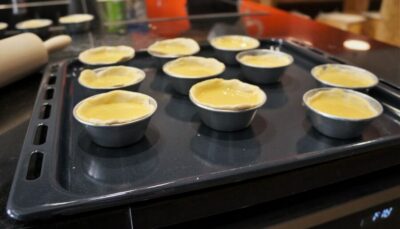 ★ 4.82-Hour Pastel de Nata Cooking ClassFrom $64461 reviews
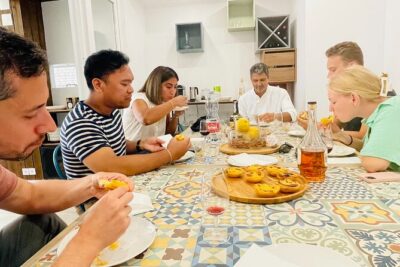 ★ 5.0Pasteis de Nata Baking Class from LisbonFrom $78248 reviews
 ★ 4.9Catamaran Cruise with Drinks & Pastel de NataFrom $47153 reviews
 ★ 5.0Pasteis de Nata Baking ClassFrom $76134 reviews
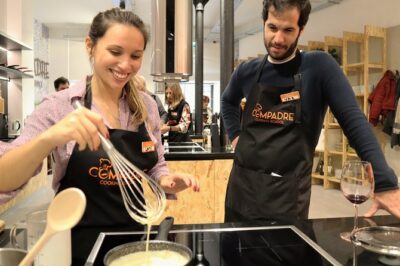 ★ 5.0Pastel de Nata Cooking Class in LisbonFrom $62118 reviews
Browse the lists this tour appears in