
Reviewed · LISBON COOKING CLASSES
Traditional Portuguese Cooking Class in Lisbon
Cooking Portuguese food feels like a shortcut. In Lisbon, you’ll tackle a 4-course menu step-by-step in a small group (up to 10), with drinks and finger foods keeping things relaxed and social.
I love how the class is designed for real beginners, with clear guidance that helps you actually finish each course instead of just watching. I also love that Portuguese wine and beer are included with the meal, not saved for a tiny toast.
One thing to plan for: the kitchen isn’t always in the densest city-center spot, so check the exact meeting address (and consider a quick bus or taxi if needed).
In This Review
- Key things that make this class worth your time
- What You’ll Cook in a Traditional Lisbon 4-Course Menu
- Starters (the welcome to Portuguese comfort)
- Mains (where the class turns hearty)
- Desserts (and yes, Pastel de Nata)
- The 3-Hour Rhythm: How the Class Stays Fun (Not Stressful)
- The practical downside of family-style cooking
- Small Group Attention (Up to 10 People) and Why It Changes Everything
- Drinks, Food Sharing, and What Is Actually Included
- Lisbon Location Reality Check: Near Transit, But Not Always Downtown
- Seasonal Menus: Why You Should Expect Slight Differences
- Price and Value: What $102.84 Really Buys
- Who This Lisbon Cooking Class Is Best For
- Booking Tips That Make the Experience Smoother
- Should You Book This Traditional Portuguese Cooking Class in Lisbon?
- FAQ
- How long is the Portuguese cooking class in Lisbon?
- Is the class offered in English?
- How many people are in each class?
- What times are available?
- What dishes are included?
- Is Pastel de Nata part of the experience?
- Are drinks included?
- Are alcoholic drinks served to minors?
- What is the cancellation policy?
Key things that make this class worth your time
- Real participation: you’ll get tasks across a 4-course meal, not just one dish
- Beginner-friendly pacing with step-by-step instruction from hosts like Miguel, Pedro, Beatriz/Beatrice, or Teresa
- Pastel de Nata included, with pastry already prepped so you can focus on learning and baking
- Included drinks with wine and beer for adults, plus water and soft options
- A small group vibe that makes it easier to ask questions and share a table
What You’ll Cook in a Traditional Lisbon 4-Course Menu
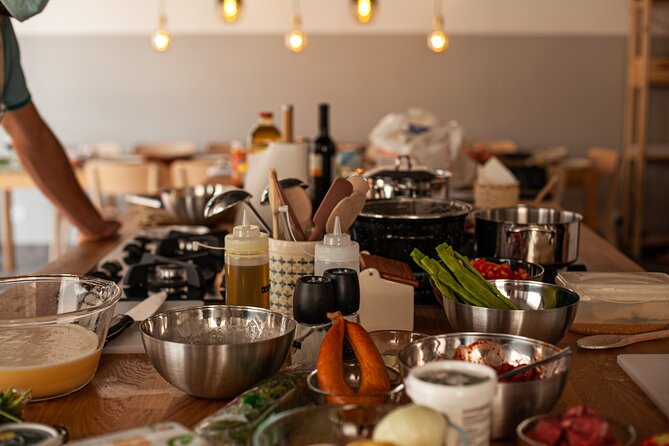
This is a hands-on cooking class built around typical Portuguese home-and-tavern flavors. The big idea is simple: you learn by doing. You’ll move through a full starter–main–dessert flow over about 3 hours, then sit down to eat what you made family-style.
The menus change seasonally, so your exact dishes may differ from the sample menu. Still, the class theme stays consistent: classic Portuguese comfort food, salt-cod favorites, hearty mains, and Lisbon’s most famous pastry at the end.
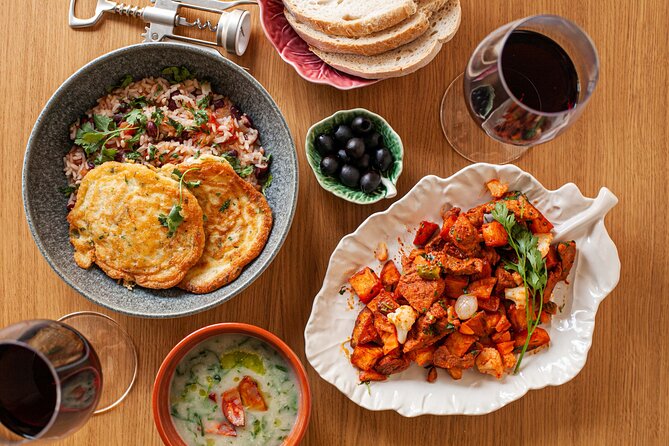
Here’s the sample menu you can expect to see parts of (season permitting):
More aprons-on hours in a Lisbon kitchen
- Lisbon: Pastel de Nata Baking Class
★ 4.9 · 2,106 reviews - Lisbon: Traditional Portuguese Cooking Class
★ 4.9 · 592 reviews - Lisbon: 2-Hour Pastel de Nata Cooking Class
★ 4.8 · 461 reviews - Lisbon Portuguese Cooking Class with 3-Course Dinner
★ 5.0 · 445 reviews
Starters (the welcome to Portuguese comfort)
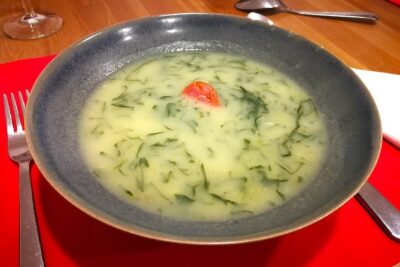
Caldo-verde is the cozy start: a soup that’s strongly associated with Portugal, usually based on greens and often served warm and filling.
Pica-pau is a Portuguese staple that centers on bite-size meat, typically served as a snack-style dish. It’s a good starter because it teaches you how Portuguese cooking often leans into simple, bold flavor building rather than fancy technique.
Amêijoa à Bulhão Pato brings in clams (amêijoas). Even if you’ve cooked seafood before, this style is a nice way to learn how Portuguese kitchens treat quick-cooking ingredients and sauce work.
Why this starter mix matters for value: you’re not only learning “one thing.” You’ll get practice with soup-making, snack-style cooking, and a seafood dish that’s usually about quick timing and sauce balance.
Mains (where the class turns hearty)
The main courses lean hard into Portuguese favorites:
Bacalhau à Brás is codfish in a classic Portuguese format. It’s a great choice for a class because it teaches you how Portuguese cooking treats salted fish: not delicate, but satisfying.
Pataniscas de Bacalhau are cod fritters. Expect a different texture lesson than the flaked-cod style, since frying teaches attention to heat and consistency.
Carne de Porco com Amêijoas pairs pork with clams. It’s the kind of dish that makes Portugal feel hearty and practical rather than fussy.
Migas com Entrecosto adds ribs and migas (crumb-like components). This is the “stick-to-your-ribs” portion of the meal, and it’s also where Portuguese home cooking shows its personality.
Desserts (and yes, Pastel de Nata)
You’ll make Pastel de Nata and also get dessert options from the sample menu, like:
- Arroz Doce (rice pudding)
- Torta de laranja (orange roll)
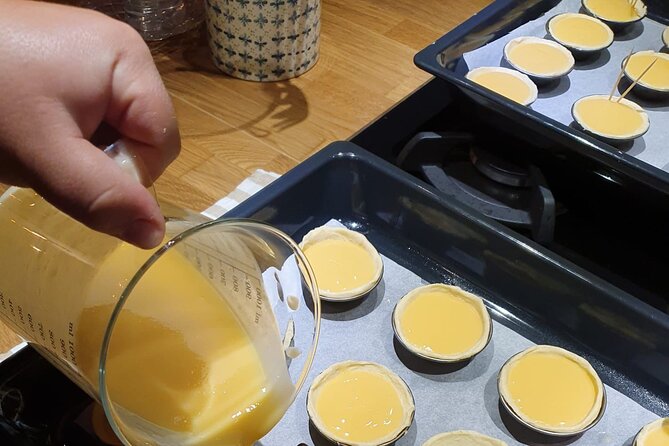
Pastel de Nata is the headline. The class includes pre-prepared puff pastry, so you’re not starting from scratch with dough chemistry. You’ll still learn the steps, and you’ll be able to point to the exact part of the process you did when the pastry comes out of the oven.
Worth a look before you lock anything else in around Lisbon:
The 3-Hour Rhythm: How the Class Stays Fun (Not Stressful)
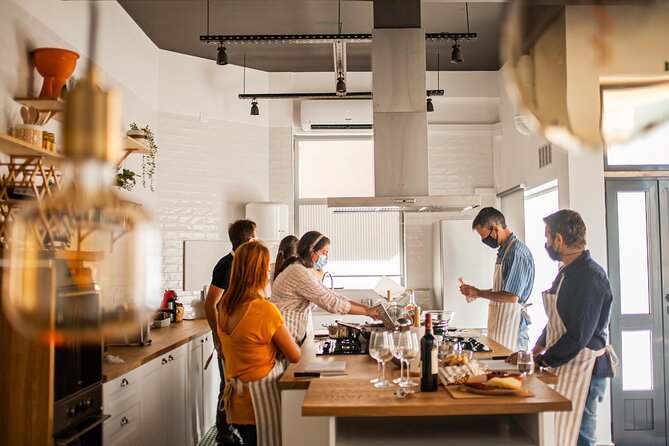
The class runs about 3 hours, with morning or evening time slots. That matters because it changes how the day feels in Lisbon. If you do the evening class, you can pair it with a relaxed dinner plan after, not a rushed one. If you do the morning, it can set you up with local food confidence before you start ordering around the city.
While exact timing can vary, the experience is built around the same flow:
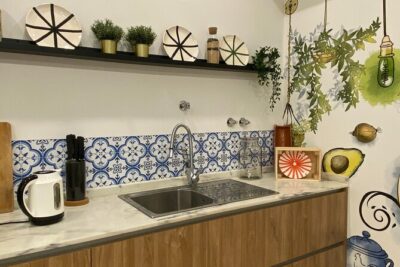
You arrive to a kitchen and dining setup that’s clean and modern. Then the host pulls you into the cooking without turning it into a lecture. Drinks and finger foods show up to help you settle in while you get assigned tasks.
As cooking progresses, you work on different components of the meal. One of the best parts is that it’s interactive but not frantic. A cooking class that’s too strict can feel mechanical. Here, the pace is designed to feel like you’re in a real Portuguese kitchen system: guide the steps, let people participate, and keep moving.
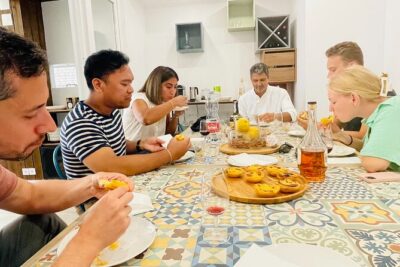
Then you eat. The meal is served family style, which means you’ll pass dishes and gather around the table as everything finishes cooking.
The practical downside of family-style cooking
Because it’s shared and tasks are split, it can feel a bit chaotic at first, especially when multiple dishes hit the table around the same time. The upside is that the group usually clicks quickly, and it turns into a social meal where everyone is learning and tasting together.
Small Group Attention (Up to 10 People) and Why It Changes Everything
This is capped at 10 travelers, and that’s a major quality signal. In small-group classes, you’re not stuck waiting for your turn. You can ask, get corrected fast, and move on without feeling behind.
In the kitchen, the hosts use a hands-on method that includes explaining what you’re doing and why. I like that approach because it turns a dish into a skill you can reuse at home. You’re not just collecting recipes; you’re learning the logic behind Portuguese flavor building.
Also, small group means conversation. Several hosts stood out in the feedback: names like Miguel, Pedro, Beatriz/Beatrice, Teresa, and Rita show up as the kind of instructors who keep things welcoming and include the whole group. If you’re traveling solo, that social structure helps a lot since you’re not stuck eating your meal alone afterward.
Drinks, Food Sharing, and What Is Actually Included

Here’s what’s included in the experience that directly impacts value:
- Wine and beer for adults
- Other non-alcoholic beverages, plus water/soft options
- Finger foods while you cook
- A full meal: starters, mains, and dessert
If you’re under 18, alcoholic beverages won’t be served and you’ll have water, juices, or tea instead. This keeps the class comfortable for mixed ages and not awkward for anyone in your group.
One more practical bonus: you should expect a more communal meal than a quiet plated dinner. That’s a plus if you like talking while you eat. One review detail that stuck with me is that the hosts often make the experience feel personal, even going beyond food. In one case, a host sang Happy Birthday for a birthday in the group, which is the kind of small human touch that turns a “class” into a memory.
And you may also receive a link to recipes, which helps if you want to recreate your favorite Portuguese dish later. For me, this is part of the real value: the lesson sticks.
Lisbon Location Reality Check: Near Transit, But Not Always Downtown
The meeting point is listed at R. Aliança Operária 54, 1300-049 Lisboa, Portugal, and the activity ends back there.
Two practical things to keep in mind:
First, it’s near public transportation, so you have options if you don’t want to rely on a single taxi ride.
Second, the venue may not be in the thickest Lisbon city-center. One person noted that it wasn’t in central Lisbon and they used a taxi to get there and bus back. That’s not a problem if you’re prepared for it, but it is worth planning around so the start time feels smooth, not stressful.
Tip: double-check the exact location details in your confirmation message. Some companies can show the wrong meeting address for the wrong site if they list multiple locations. It’s usually fixable, but a quick check saves you time.
Seasonal Menus: Why You Should Expect Slight Differences
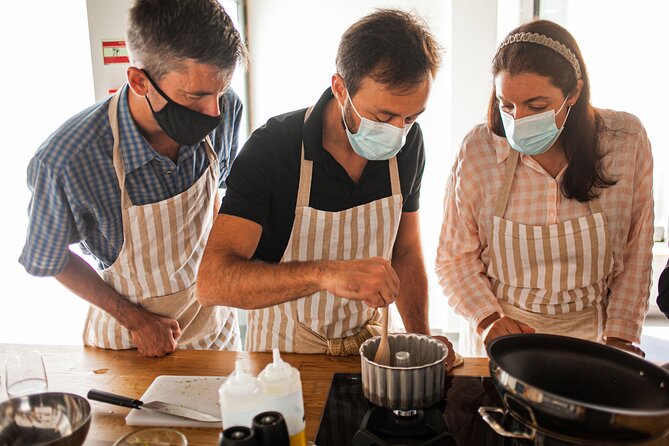
The menu changes seasonally, and that’s actually a good thing. It signals that you’re cooking with fresher ingredients rather than a fixed lineup that can get stale.
It also means you should not expect a single iconic dish every month. One example mentioned is that a particular bean-and-chorizo style dish isn’t offered when it’s hottest. That’s sensible cooking. It also helps you understand how Portuguese menus respond to weather and season.
So what should you do? Pick a time slot based on your schedule, not based on a hope that you’ll get a specific dish. If a fish-based main or clams starter is a must for you, that’s likely to appear, but the exact combination can shift.
Price and Value: What $102.84 Really Buys
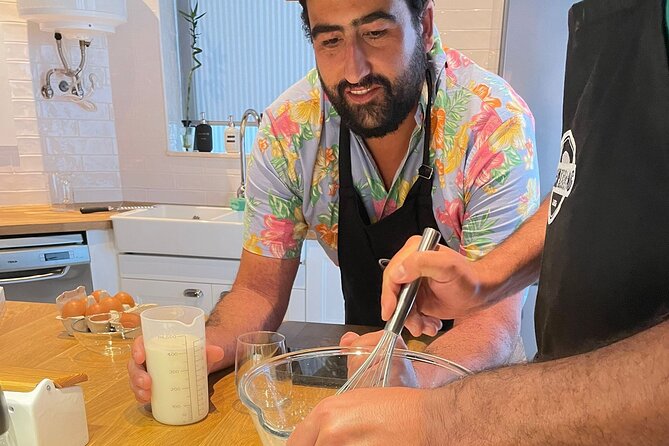
At $102.84 per person (about a 3-hour class), you’re not just paying for a recipe card. You’re paying for:
1) a small-group cooking experience (up to 10)
2) step-by-step instruction by the host
3) ingredients and a full 4-course meal
4) drinks, including wine and beer (for adults)
5) a baked highlight in the form of Pastel de Nata
If you compare it to what you’d pay for the same level of food plus beverages at a restaurant, the price starts to make sense. You’re essentially getting a structured meal experience with the added benefit of learning how Portuguese dishes are put together.
One more value angle: because the pastry dough is pre-prepared, you’re focusing on learning what matters instead of spending time wrestling complicated prep. That keeps the class practical for beginners and makes it more likely you’ll finish every part of the menu.
Who This Lisbon Cooking Class Is Best For
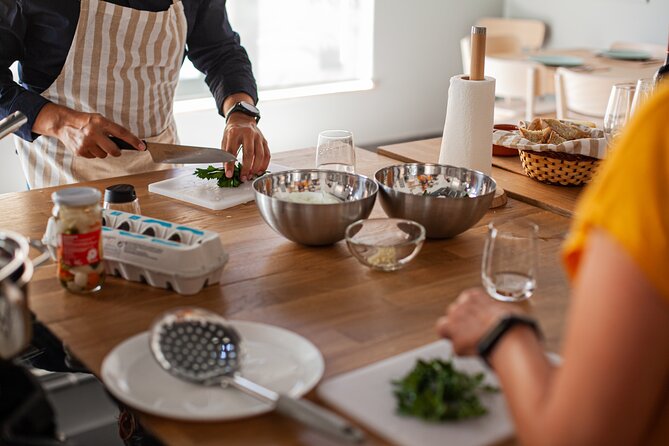
This class fits best if you want your Lisbon day to include food and learning, without needing advanced cooking skills.
You’ll likely love it if:
- you’re a first-time Portugal visitor and want a grounded introduction to Portuguese flavors
- you like social activities that end with you eating what you made
- you want a small group class instead of a big production
- you travel solo or in pairs and want an easy way to meet other people
It may be less ideal if:
- you prefer a strict, regimented cooking format where every person does one exact task the entire time
- you don’t enjoy family-style meals and passing dishes at a shared table
- you want something extremely chef-lab technical (this class stays friendly and approachable)
Still, even for people who consider themselves picky about instruction style, the overall structure is built to keep you moving and included.
Booking Tips That Make the Experience Smoother
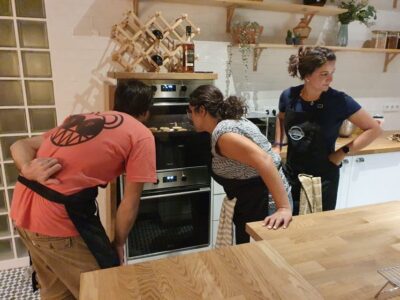
Before you book, here are smart, practical checks based on what can affect your day:
- Choose morning vs evening based on when you want your meal. Morning classes can act like your first big food anchor; evenings turn it into a late dinner plan with energy.
- Plan to get to the meeting point on time. Cooking classes run on timing, and late arrivals can throw off the schedule.
- Confirm the location in your message, especially if you see references to more than one possible meeting site.
- If you’re traveling with kids, this is often a friendly option, but you should still check the adult drink policy because it can affect how your group experiences the class.
Should You Book This Traditional Portuguese Cooking Class in Lisbon?
Yes, if your goal is a fun, hands-on introduction to Portuguese food with a real meal at the end. The biggest strengths are the beginner-friendly pacing, the small-group size, and the fact that drinks and a full 4-course menu are built into the experience. Pastel de Nata is a strong reason by itself, but the starters and cod-based mains are what make the class feel truly Lisbon.
I’d book this when you want a structured food day that doesn’t require planning restaurants, and when you’re okay with a family-style table where the group cooks together and shares the results.
If you want something completely rigid or highly technical, you might not get that. But if you want practical learning, good food, and a relaxed atmosphere in Lisbon, this is a solid bet.
FAQ
How long is the Portuguese cooking class in Lisbon?
The class runs for about 3 hours.
Is the class offered in English?
Yes, it is offered in English.
How many people are in each class?
The group size is limited to a maximum of 10 travelers.
What times are available?
You can choose between a morning or evening class time.
What dishes are included?
The menu changes seasonally, but the sample menu includes items like Caldo-verde, Pica-pau, Amêijoa à Bulhão Pato, Bacalhau à Brás, Pataniscas de Bacalhau, Arroz Doce, and Torta de laranja, plus Pastel de Nata.
Is Pastel de Nata part of the experience?
Yes. You’ll prepare and bake Pastel de Nata, and the pastry puff base is pre-prepared.
Are drinks included?
Yes. Portuguese wines and beers are included, along with other non-alcoholic beverages.
Are alcoholic drinks served to minors?
No. Alcoholic beverages won’t be served to participants under 18. Water, juices, or tea will be available instead.
What is the cancellation policy?
You can cancel for a full refund up to 24 hours in advance of the start time. If you cancel less than 24 hours before, the amount paid won’t be refunded. The experience can also be rescheduled or refunded if poor weather cancels it, and if the minimum traveler requirement isn’t met.
More Cooking Classes in Lisbon
- Lisbon: Pastel de Nata Baking Class★ 4.9 · 2,106 reviews
- Lisbon: Traditional Portuguese Cooking Class★ 4.9 · 592 reviews
- Lisbon: 2-Hour Pastel de Nata Cooking Class★ 4.8 · 461 reviews
- Lisbon Portuguese Cooking Class with 3-Course Dinner★ 5.0 · 445 reviews
- Pasteis de Nata Baking Class from Lisbon★ 5.0 · 248 reviews
More Tour Reviews in Lisbon
- Lisbon City Center Tour – The Unmissable Lisbon★ 5.0 · 22,234 reviews
- Lisbon: Sintra, Pena, Regaleira, Cabo da Roca & Cascais★ 4.7 · 19,656 reviews
- Lisbon Card: 24, 48, or 72-Hour Pass★ 4.5 · 17,944 reviews
- Lisbon: Jerónimos Monastery Entrance Ticket★ 4.1 · 14,164 reviews
- Lisbon: History, Stories and Lifestyle Walking Tour★ 4.8 · 10,902 reviews
More Time in a Lisbon Kitchen
- Lisbon: Pastel de Nata Baking Class★ 4.9 · 2,106 reviews
- Lisbon: Traditional Portuguese Cooking Class★ 4.9 · 592 reviews
- Lisbon: 2-Hour Pastel de Nata Cooking Class★ 4.8 · 461 reviews
- Lisbon Portuguese Cooking Class with 3-Course Dinner★ 5.0 · 445 reviews
- Pasteis de Nata Baking Class from Lisbon★ 5.0 · 248 reviews
Just in: fresh Lisbon reviews from the team





Lisbon Cooking Classes, compared.
 ★ 4.9Pastel de Nata Baking ClassFrom $642,106 reviews
 ★ 4.9Traditional Portuguese Cooking ClassFrom $100592 reviews
 ★ 4.82-Hour Pastel de Nata Cooking ClassFrom $64461 reviews
 ★ 5.0Lisbon Portuguese Cooking Class with 3-Course DinnerFrom $130445 reviews
 ★ 5.0Pasteis de Nata Baking Class from LisbonFrom $78248 reviews
 ★ 5.0Portuguese Cooking Class in LisbonFrom $114141 reviews
 ★ 4.5Portuguese Cooking Experience in LisbonFrom $108140 reviews
 ★ 5.0Hands on Portuguese Cooking Class in LisbonFrom $82136 reviews
Browse the lists this tour appears in