
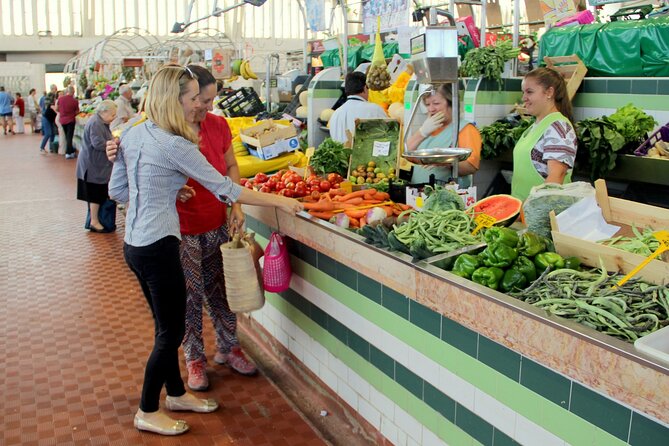
Reviewed · LISBON COOKING CLASSES
Portuguese Cooking Class in Lisbon
Portuguese cooking class in Lisbon can be surprisingly social. You’ll work side-by-side in a small group to make a 3-course Portuguese meal and enjoy it with Portuguese wine, guided in English by local chefs. Think hands-on prep, shared laughs, and a finish that feels like dinner with new friends.
The best part for me is how practical it is: you’re not just watching. Chefs such as Chef Beatriz (Bea), Chef Bernardo, and Chef Flavio are the kind of instructors who explain what you’re doing and why, while still keeping the mood friendly. One watch-out: the hands-on cooking can take every bit of the 3.5 hours, so come ready to stay hungry and seated until your meal is complete.
In This Review
- Key highlights you’ll care about
- Where you meet and what the start feels like on Av. de Roma
- Small-group format in English: how the class stays hands-on
- The 3-course Portuguese menu: what you cook and how it changes
- Starter: cheese and ham board with Portuguese bread
- Main dish: fish, seafood, or meat (plus vegetarian options)
- Dessert: a traditional Portuguese dessert
- The wine and meal rhythm: what you eat, what you drink, and when
- What you actually learn: Portuguese techniques, herbs, and context
- Price and value: why $114.93 can make sense in Lisbon
- Who this Portuguese cooking class fits best
- Should you book Portuguese Cooking Class in Lisbon?
- FAQ
- How long is the Portuguese cooking class in Lisbon?
- What is included in the price?
- Is the class taught in English?
- Is there a small group size?
- What do we cook during the class?
- Is there an option for vegetarians?
- Will there be wine during the class?
- Do I get recipes to take home?
- Where is the meeting point?
- Is private transportation included?
Key highlights you’ll care about
- A small group (max 12 people) means you actually get hands-on time, not just standing around
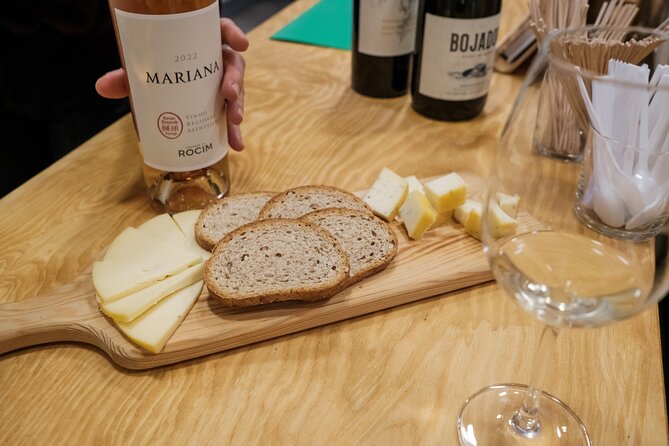
- 3 courses plus wine: you cook a starter, main, and dessert, then eat what you make
- English instruction from local chefs, with techniques explained clearly while you work
- Seasonal flexibility: starters and the main dish can shift with what’s fresh, with seafood/fish/meat plus vegetarian options
- Digital recipes emailed so you can recreate dishes at home
Where you meet and what the start feels like on Av. de Roma
Your class meets at Lisbon Affair – Cooking Classes Lisbon, Av. de Roma 87B, 1700-344 Lisboa. The location is convenient for transit, and the activity ends back at the same meeting point, which keeps your evening simple.
The first moments matter more than you’d think. You usually arrive to a setup that’s already organized for group cooking: stations, assignments, and a clear path from snacks to hands-on steps. In classes taught by chefs like Beatriz, there’s often a quick bit of Lisbon context before you cook, which helps the meal feel connected to place rather than just another cooking workshop.
If you’re mapping your timing: plan to arrive a few minutes early. Lisbon traffic and getting parked/into the right building can be a wildcard. Being early helps you settle in before the cooking rhythm ramps up.
More aprons-on hours in a Lisbon kitchen
- Lisbon: Pastel de Nata Baking Class
★ 4.9 · 2,106 reviews - Lisbon: Traditional Portuguese Cooking Class
★ 4.9 · 592 reviews - Lisbon: 2-Hour Pastel de Nata Cooking Class
★ 4.8 · 461 reviews - Lisbon Portuguese Cooking Class with 3-Course Dinner
★ 5.0 · 445 reviews
Small-group format in English: how the class stays hands-on
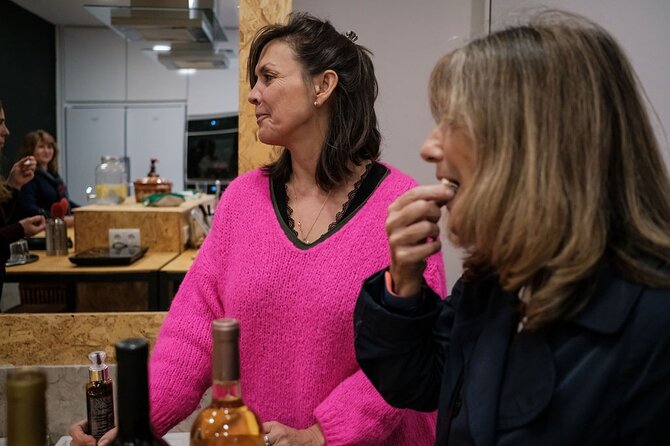
This isn’t a huge, show-and-tell style class. The cap is 12 people, and the structure is built so everyone participates in the final meal. That’s a big quality signal, because it usually means you’ll get assigned tasks rather than “watching from the sidelines.”
Most instructors keep things moving in an upbeat, interactive way. People describe chefs like Bea and Bernardo as engaging, patient with different experience levels, and quick to include everyone in the work. In at least one session, a chef was praised for being great with a teen, which hints at how the class can scale across ages and comfort levels.
Still, one thing to consider: cooking classes can vary in tone depending on the chef’s teaching style. There’s at least one negative experience where a guest found the atmosphere tense or overly intense. That’s not typical based on the overall scoring, but it does mean you should go in expecting direct coaching and food standards, not a fully relaxed “demo only” vibe.
My practical tip: if you want a mellow evening, show up hungry, ask questions early, and tell your chef what pace helps you learn best. Clear communication at the start can make a big difference.
The 3-course Portuguese menu: what you cook and how it changes
The class centers on building a starter, main, and dessert. Your menu is described as traditional Portuguese food with some seasonal adjustments, so you’re not guaranteed the exact same plates every time. That’s actually a good thing if you like real-world eating—Portuguese cuisine relies on what’s fresh and seasonal.
Starter: cheese and ham board with Portuguese bread
Your starter is typically a cheese and ham board with Portuguese bread. Even if your main course is still pending, this early stage sets the tone: snack while you learn, sip as you cook, and get comfortable with ingredients used across Portuguese tables.
Worth a look before you lock anything else in around Lisbon:
Main dish: fish, seafood, or meat (plus vegetarian options)
The main dish varies by session. It can be seafood, fish, or meat, and there are vegetarian options available. In practice, this means you’re likely to learn core Portuguese flavors and techniques rather than one narrow recipe that only works one way.
A couple of details from real classes that help you picture it:
- One chef handled a vegetarian request well, keeping the menu vegetarian without losing the Portuguese feel.
- Another class adapted around a specific avoidance preference (pork), which suggests the kitchen can sometimes adjust when possible.
If you have dietary needs, go with the menu options that are explicitly supported (like vegetarian). If your needs are more specific, you’ll want to confirm what can be adapted at booking.
Dessert: a traditional Portuguese dessert
Dessert is a classic Portuguese finish. It’s described simply as a typical Portuguese dessert, with the exact item not fixed in the info you have here—so expect variety by season or chef selection.
In one especially memorable class, dessert involved a custard-like dish, and people were genuinely excited about being able to recreate it later. That’s the point: the dessert should be something you can pull off at home, not just something pretty on a plate.
The wine and meal rhythm: what you eat, what you drink, and when
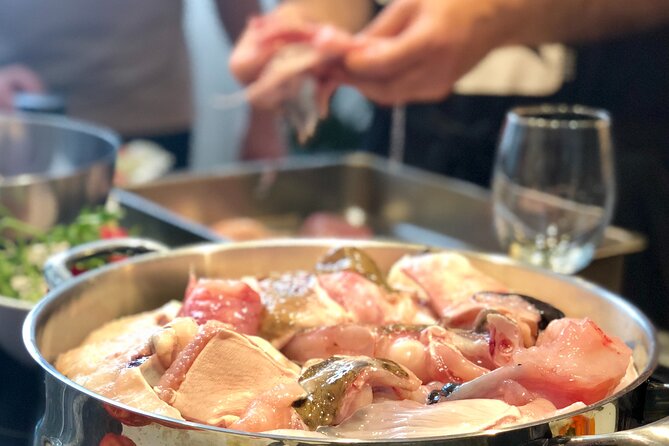
Alcohol is part of the experience, but there’s structure around it. Alcoholic drinks are permitted for people 18+, served with moderation throughout. Non-alcoholic options are available too.
This matters for value and comfort. You’re paying for a guided meal that includes more than a single tasting. The wine pairing isn’t just an add-on; it’s part of how the meal is paced. You’ll likely start with snacks and drinks, then move into prep and cooking, and finally sit down for what you made.
Included beverages and support items:
- Bottled water
- Coffee and/or tea
- Soda/pop
- Alcoholic drinks (18+), with moderation
Timing-wise, treat it like a proper dinner experience. Multiple people noted that it takes the full stated time to prepare and cook, which makes sense: this is a real, hands-on multi-course meal. If you’re trying to squeeze a show right after, you’ll probably regret it. Build your evening around this class.
My rule: if you book it late afternoon or early evening, keep your first meal later than usual. You’ll be busy cooking, and you’ll want your appetite to match the schedule.
What you actually learn: Portuguese techniques, herbs, and context
A big reason people love this class is that it doesn’t stop at recipes. You’re learning techniques and the logic behind Portuguese cooking—how ingredients behave, why certain steps matter, and how chefs build flavor.
Here’s the kind of learning you should expect based on the way instructors are described:
- Explanations during the process, not just after plating
- Stories about Portuguese food traditions and how dishes fit into local life
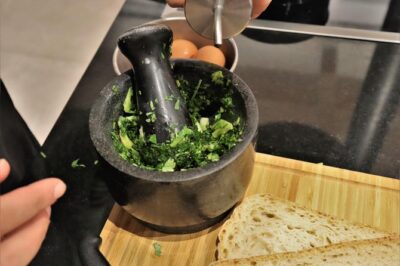
- Guidance on herbs and ingredients, including how they show up across Portuguese staples
Chefs like Flavio and Renardo were praised for being informative while still warm and fun. Chef Beatriz, in particular, gets recurring credit for bringing culture into the class while also teaching you step-by-step. Chef Bernardo also comes up for being engaging and able to teach in a way that keeps a teen involved.
Even if you’re a beginner, the class is set up for all skill levels. You’ll be assigned tasks, and you’ll learn by doing. If you already cook, you’ll still get value from technique and flavor reasoning—especially if you want to understand what makes Portuguese dishes taste Portuguese.
One more practical perk: you don’t have to memorize everything. You’ll receive digital recipes by email, so you can cook from your notes later.
Price and value: why $114.93 can make sense in Lisbon

At $114.93 per person, this isn’t a casual snack class. But it also isn’t “just a meal.” You’re paying for several things at once:
- A 3-course meal you help cook
- Instruction in English from trained local chefs
- Wine included, plus other drinks like water and coffee/tea
- A small-group setup (max 12) that keeps you involved
- Digital recipes emailed afterward
If you try to recreate this at home, you’d have to buy ingredients, pay for cooking time at your lodging, and still figure out techniques. Here, the chefs handle the structure and you get coaching plus a full meal outcome.
You’re also buying a specific kind of Lisbon experience: not a museum lesson, not a tasting room where you stand and swallow. It’s a hands-on evening that ends with you eating what you made, in a group size where it’s hard to feel anonymous.
The one “cost” to consider is opportunity time. It’s a 3.5-hour chunk of your day or evening. If you’re the type who wants shorter activities, this may feel long even if you’re having fun.
Who this Portuguese cooking class fits best
This class is a strong match if you want:
- A hands-on activity that ends with a full meal
- A social evening with an international group
- English instruction and clear step-by-step guidance
- A practical way to take Portuguese cooking home with you via digital recipes
It’s also a good choice if you care about dietary options. Vegetarian options are available, and there are examples of menus adapting to vegetarian and other food preferences when possible.
It may be less ideal if:
- You dislike cooking and prefer only tasting or short demos
- You’re very time-tight and can’t spare 3+ hours
- You’re sensitive to instructors with a stricter style (even though most experiences describe a welcoming mood)
For couples, it can feel like a shared project that ends in dinner. For families and mixed ages, it can work well when the chef keeps everyone involved, including teens.
Should you book Portuguese Cooking Class in Lisbon?
Yes—if you want a real Portuguese meal experience that’s hands-on and structured. If you show up ready to cook, you’ll likely love the 3-course payoff, the English-speaking chef guidance, and the chance to eat what you made with Portuguese wine.
Book it especially if you like activities where the “ending” is part of the learning. A cooking class like this is designed so you don’t leave hungry or empty-handed. The emailed digital recipes help the experience continue after you get home.
I’d skip it only if you’re looking for a short tasting or an ultra-low-effort evening, or if you know you get stressed by firm coaching during cooking. Otherwise, this is a good value for a guided, meal-centered night in Lisbon.
FAQ
How long is the Portuguese cooking class in Lisbon?
It lasts about 3 hours 30 minutes.
What is included in the price?
Lunch and dinner are included, along with bottled water, coffee and/or tea, and soda/pop. Alcoholic beverages are included for participants 18+.
Is the class taught in English?
Yes, the class is offered in English.
Is there a small group size?
Yes. The maximum group size is 12 travelers.
What do we cook during the class?
You’ll prepare a 3-course Portuguese meal: a starter, a main dish, and a traditional Portuguese dessert.
Is there an option for vegetarians?
Vegetarian options are available, and the main dish can vary (fish, seafood, or meat) depending on the class menu.
Will there be wine during the class?
Yes, Portuguese wines are paired with the menu. Alcohol is served with moderation for participants 18+ and non-alcoholic options are available.
Do I get recipes to take home?
Yes. Digital recipes are sent to your email so you can replicate the dishes later.
Where is the meeting point?
Lisbon Affair – Cooking Classes Lisbon, Av. de Roma 87B, 1700-344 Lisboa, Portugal. The activity ends back at the meeting point.
Is private transportation included?
No. Private transportation is not included.
More Cooking Classes in Lisbon
- Lisbon: Pastel de Nata Baking Class★ 4.9 · 2,106 reviews
- Lisbon: Traditional Portuguese Cooking Class★ 4.9 · 592 reviews
- Lisbon: 2-Hour Pastel de Nata Cooking Class★ 4.8 · 461 reviews
- Lisbon Portuguese Cooking Class with 3-Course Dinner★ 5.0 · 445 reviews
- Traditional Portuguese Cooking Class in Lisbon★ 5.0 · 287 reviews
More Tour Reviews in Lisbon
- Lisbon City Center Tour – The Unmissable Lisbon★ 5.0 · 22,234 reviews
- Lisbon: Sintra, Pena, Regaleira, Cabo da Roca & Cascais★ 4.7 · 19,656 reviews
- Lisbon Card: 24, 48, or 72-Hour Pass★ 4.5 · 17,944 reviews
- Lisbon: Jerónimos Monastery Entrance Ticket★ 4.1 · 14,164 reviews
- Lisbon: History, Stories and Lifestyle Walking Tour★ 4.8 · 10,902 reviews
More Time in a Lisbon Kitchen
- Lisbon: Pastel de Nata Baking Class★ 4.9 · 2,106 reviews
- Lisbon: Traditional Portuguese Cooking Class★ 4.9 · 592 reviews
- Lisbon: 2-Hour Pastel de Nata Cooking Class★ 4.8 · 461 reviews
- Lisbon Portuguese Cooking Class with 3-Course Dinner★ 5.0 · 445 reviews
- Traditional Portuguese Cooking Class in Lisbon★ 5.0 · 287 reviews
Just in: fresh Lisbon reviews from the team





Lisbon Cooking Classes, compared.
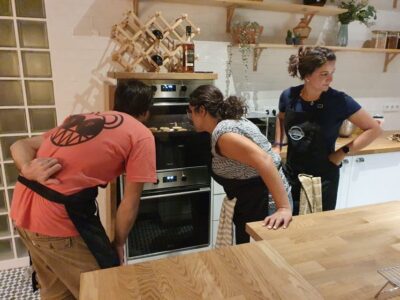 ★ 4.9Pastel de Nata Baking ClassFrom $642,106 reviews
 ★ 4.9Traditional Portuguese Cooking ClassFrom $100592 reviews
 ★ 4.82-Hour Pastel de Nata Cooking ClassFrom $64461 reviews
 ★ 5.0Lisbon Portuguese Cooking Class with 3-Course DinnerFrom $130445 reviews
 ★ 5.0Traditional Portuguese Cooking Class in LisbonFrom $102287 reviews
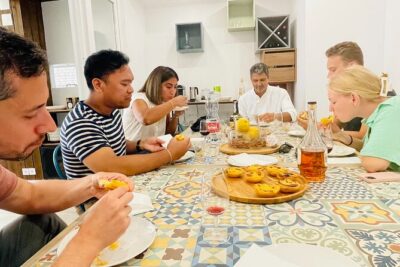 ★ 5.0Pasteis de Nata Baking Class from LisbonFrom $78248 reviews
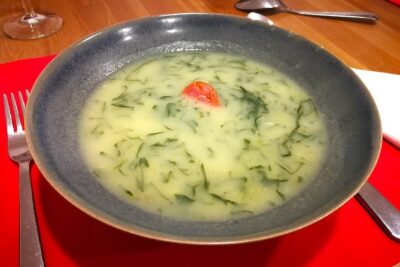 ★ 4.5Portuguese Cooking Experience in LisbonFrom $108140 reviews
 ★ 5.0Hands on Portuguese Cooking Class in LisbonFrom $82136 reviews
Browse the lists this tour appears in