
Reviewed · LISBON COOKING CLASSES
Portuguese Cooking Experience in Lisbon
Cooking dinner in Lisbon, but actually learn it.
This 3.5-hour Portuguese cooking class is a fun way to turn the city’s food culture into something you can taste and remember. I like that it’s truly hands-on: you’ll wash up, apron on, and work through prep and cooking steps for a full 3-course meal. I also love the food add-ons, like tasting premium olive oil and wine while the chef explains what makes Portuguese cooking tick. One possible drawback: the class can feel like shared teamwork more than each person running an individual station start to finish, so adjust expectations if you want maximum technique time at your own cutting board.
You’ll meet at a cookery school in central Lisbon (R. Bernardim Ribeiro 9), then settle into an easy rhythm: learn a bit, taste a bit, cook a lot, eat what you made. Chefs who’ve led these sessions include people like Ana, Pedro, Yvonne, David, Tomas, and Gonçalo, and the consistent vibe is practical guidance plus a social dinner at the end.
It starts at 6:30 pm and finishes back where you began, so you can plan it as your evening anchor without worrying about complicated logistics. If you’re traveling with kids, note the alcohol rule: it won’t be served to anyone under 17, and they’ll be offered water or juice instead.
In This Review
- Key things to know before you go
- Arriving in Lisbon: a simple 6:30 pm plan
- What you cook: fish, meat, and dessert with Portuguese soul
- Hands-on cooking in a real workflow (not a demo theatre)
- Olive oil and wine: the tastings that make the lessons stick
- Small-group dinner energy: meeting people without losing the focus
- Recipes in PDF: a real souvenir you’ll use
- Price and value: what $108.89 really covers
- The realistic trade-offs: shared cooking, varying roles
- Who should book this class in Lisbon
- Should you book Cooking Lisbon?
- Quick tip before you go
- FAQ
- How long is the Portuguese cooking class in Lisbon?
- What time does the class start?
- Is it a hands-on cooking class?
- What meals and dishes are included?
- What drinks are included?
- Are recipes included after the class?
- Do I need pickup or drop-off?
Key things to know before you go
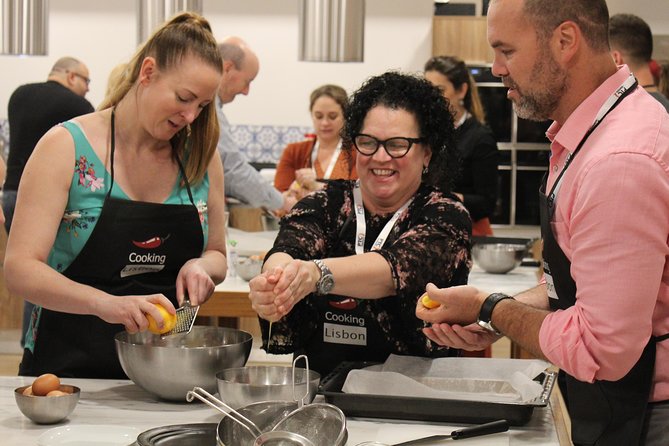
- A small group (max 14) makes it feel like a real kitchen class, not a factory tour
- 3-course menu with options that change for health and religious restrictions
- Wine, soft drinks, and coffee are included, plus tasting premium olive oil
- You get recipes in PDF format after the class, so you can repeat the dishes at home
- Your role is hands-on, but it may be a shared team workflow rather than solo stations for every step
- The class is chef-led and structured, and it’s suited to beginners through decent home cooks
Arriving in Lisbon: a simple 6:30 pm plan
This class is timed for evenings, starting at 6:30 pm. That matters in Lisbon. Mornings can be all sightseeing and hills, and by 6:30 pm most days feel like you’ve earned dinner instead of chasing it. You’ll just go straight to the cookery school location in central Lisbon at R. Bernardim Ribeiro 9, 1150-068 Lisboa and get rolling.
There’s no pickup or drop-off, so you’ll want to be comfortable using local transit or a short taxi/ride to get there. The good news: it’s near public transportation, which keeps your evening flexible. Also, because it ends back at the meeting point, you don’t have to figure out how to get home from some far corner of the city right after dinner.
The experience runs about 3 hours 30 minutes. That’s long enough to do real cooking, but short enough that it won’t eat your whole night. Think of it as a full reset: you arrive, cook, eat, and leave with new ideas for what to cook next week.
More aprons-on hours in a Lisbon kitchen
- Lisbon: Pastel de Nata Baking Class
★ 4.9 · 2,106 reviews - Lisbon: Traditional Portuguese Cooking Class
★ 4.9 · 592 reviews - Lisbon: 2-Hour Pastel de Nata Cooking Class
★ 4.8 · 461 reviews - Lisbon Portuguese Cooking Class with 3-Course Dinner
★ 5.0 · 445 reviews
What you cook: fish, meat, and dessert with Portuguese soul
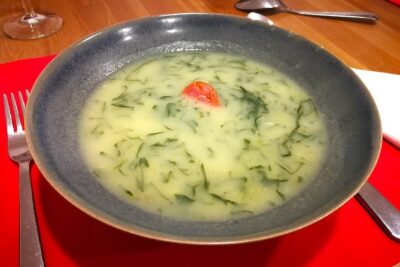
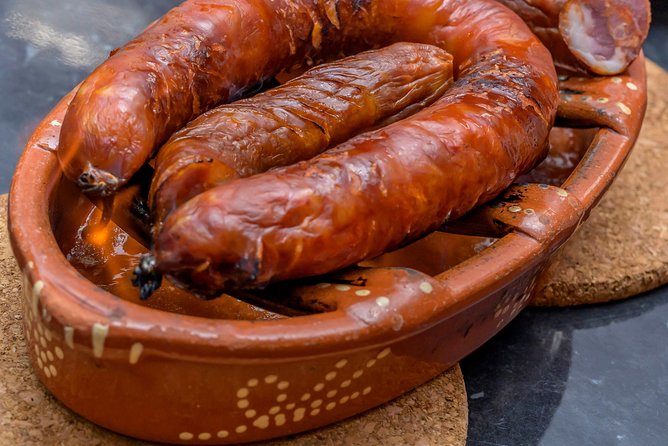
You’re making a 3-course meal. The exact dishes can vary, and they’ll adjust for health and religious restrictions. That’s important, because Portuguese cuisine can be wonderfully flexible, but it’s also easy for a standard menu to miss dietary needs if a class doesn’t plan ahead.
From what’s described, you should expect:
- A starter
- A main course with both fish and meat components across the menu
- A dessert
Even when dishes vary day to day, the goal is consistent: you’ll learn how Portuguese home cooking gets built. That often means learning ingredient logic, not just following steps. Why olive oil shows up often. How seasoning and timing shape flavor. How to balance salt, fat, and acid so food tastes like it belongs together.
And yes, dessert is part of the deal. One chef example that shows up in the experience style: Tomas has guided small groups through things like meringue with custard. That sort of finish is why cooking classes can beat a restaurant meal. You’re not just tasting the ending, you’re building it.
Hands-on cooking in a real workflow (not a demo theatre)
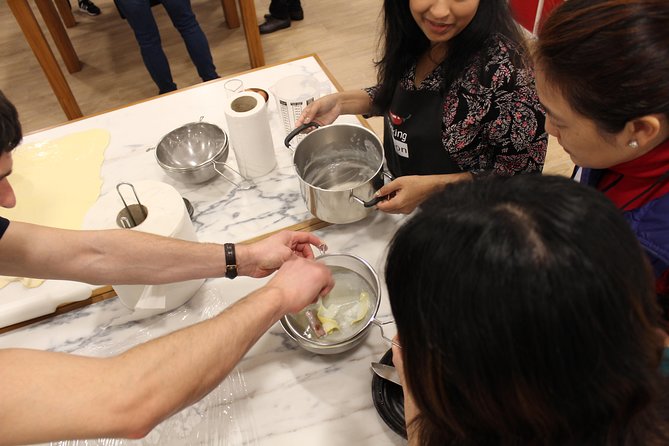
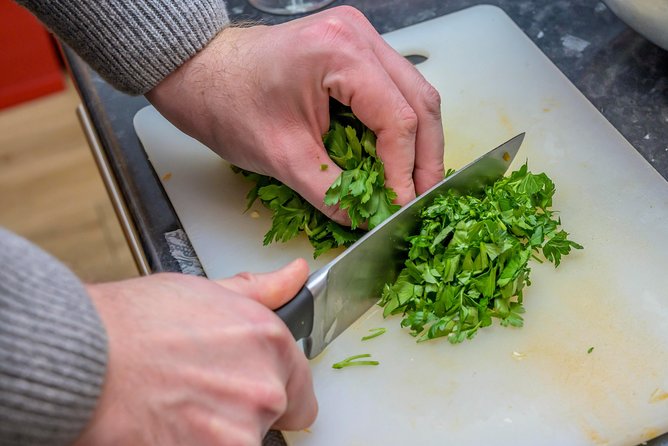
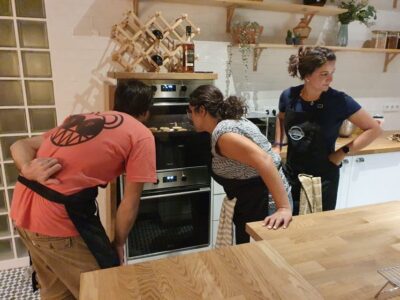
The class is guided by a professional chef, and you’ll cook under their direction. The structure is practical: wash hands, put on your apron, learn what’s on the menu, then start prepping and cooking. You’ll also taste samples of olive oil and wine as you go, which helps the food feel connected to real Portuguese table flavors.
What you’ll do in the kitchen depends on the group and what’s being prepared at each stage. In a class like this, some tasks can be more active (chopping, prepping ingredients), and some can be more observational (watching key technique steps before you repeat them). In my view, that’s normal for a kitchen class with a full menu. You don’t want chaos around hot pans, and you want everyone safe and moving at the same pace.
The helpful part is that multiple chefs have been noted for keeping people involved. Names that have led classes include Pedro, Ana, Yvonne, David, Tomas, and Gonçalo. Several of the described experiences highlight learning basics you can take home fast, like improving technique with garlic or even learning how to separate an egg without stress. Those are the kinds of skills that feel small until you try them later and realize they actually upgrade your cooking.
That said, here’s the balanced note: because the class is designed as a shared group meal, you might do more “team prep” than “one-person cooking mastery” in every step. If you’re an experienced home cook who really wants to practice techniques at length, you may want to temper expectations or choose a more advanced format if offered. The class is excellent for learning Portuguese cooking fundamentals, but it’s not always built for deep solo technique drilling.
Olive oil and wine: the tastings that make the lessons stick
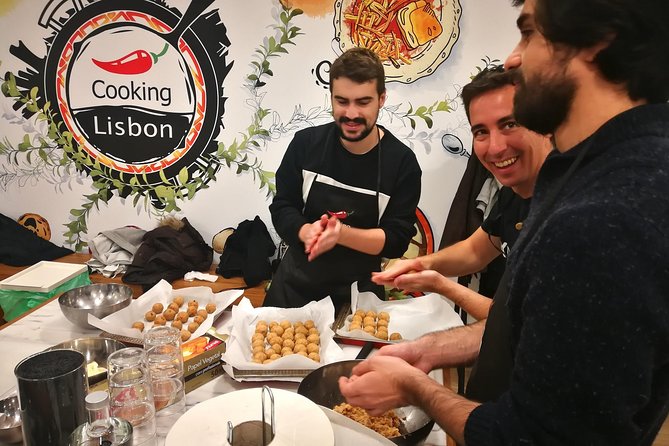
This is not just a cooking class with snacks. Drinks are included, including wine, water, juice, beer, coke, and coffee. There’s also tasting of premium olive oil. That combination matters because Portuguese cooking is heavily flavor-driven, and oil and wine aren’t side characters. They’re part of the seasoning language.
Here’s what I like about this approach: you can connect instruction to taste quickly. The chef shows you how ingredients are used, then you taste something that explains why. Olive oil tasting is especially useful if you’ve only thought of olive oil as a generic pantry item. A good tasting helps you notice differences and understand how oil affects mouthfeel and finishing.
For wine, keep it practical. If you’ll be walking around after, sip and pace yourself. The class includes plenty of drinking options, but the real goal is learning cooking decisions. A little wine can make it feel like a proper Portuguese dinner night. Too much can make it hard to remember what the chef said about timing.
Worth a look before you lock anything else in around Lisbon:
Small-group dinner energy: meeting people without losing the focus
The maximum group size is 14 travelers. That’s a sweet spot. Big enough that you’ll likely meet people from other places, small enough that it still feels like you’re part of the cooking team.
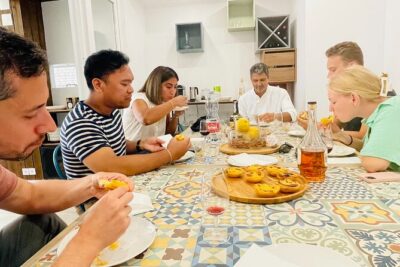
A lot of the joy here comes from the group energy at workstations and then at the table. Several described experiences highlight conversation across international backgrounds, and the class layout encourages that. You’re not stuck on a bus or inside a lecture. You’re passing ingredients, waiting for steps, tasting, and then sitting down to eat together.
In other words, it’s social, but it’s not random. You’re socializing because you’re doing something together. And that makes the experience feel warmer than typical tours.
Recipes in PDF: a real souvenir you’ll use
One underrated value point: you’ll get recipes sent after the cooking experience in PDF files. That matters because Portuguese home cooking is the kind of food you can reproduce at home, as long as you have the exact ingredient logic and steps.
Also, small extra details can signal a class that cares. One experience specifically notes that participants were able to keep the apron. It’s not life-changing, but it’s a nice practical keepsake. It reminds you that this was a hands-on night, not just a guided meal out.
The PDF recipes mean you won’t lose the food to memory’s slow fade. You’ll be able to cook again, maybe for friends, maybe just for yourself on a weeknight when you want something that feels like a travel story.
Price and value: what $108.89 really covers
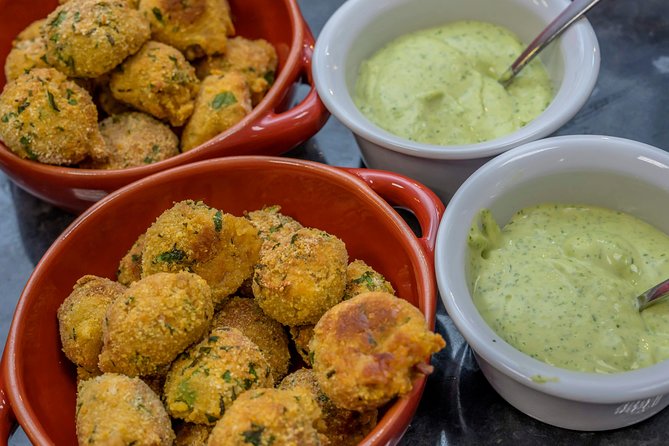
At $108.89 per person, this isn’t a cheap evening activity. But when you look at what’s included, the value starts to make sense.
You’re paying for:
- A professional chef-led, hands-on class (not a quick tasting walk-through)
- A full 3-course meal that you help prepare
- Drinks included: wine plus soft drinks, water, and coffee
- Olive oil tasting integrated into the lesson
- Recipes delivered afterward in PDF form
- Mandatory insurance
For Lisbon, that combination is a good match for travelers who want more than a restaurant meal. You’re getting instruction and a structured dinner, and you’re also saving time. Instead of finding a wine-and-food pairing place and paying for everything separately, you’re building a complete evening in one go.
Is it worth it if you just want to eat? Maybe not. But if you want the skills and the story behind Portuguese flavors, the price starts to feel fair quickly.
The realistic trade-offs: shared cooking, varying roles

A few things can influence how satisfying the “hands-on” part feels.
First, your tasks may change as the menu shifts from starter to mains to dessert. Some sessions can be very participatory, with people clearly assigned jobs. Other sessions may still keep you active, but you could end up doing more prep work than you expected, especially if the chef is working quickly through key technique moments.
Second, your comfort level matters. Beginners often love this style because it’s supportive and step-by-step. Intermediate home cooks usually enjoy it too, especially when they learn a few practical upgrades (like garlic handling or egg technique). Advanced cooks might feel like they want more time practicing the more technical steps themselves, not just assisting around them.
If you’re the “I want to control the pan” type, look for clues before you book (when available) about whether it’s station-based or more team-based. If you’re unsure, plan to treat this as an introduction to Portuguese cuisine and kitchen flow, rather than a high-skill technique workshop.
Who should book this class in Lisbon
You’ll likely love it if you:
- Want a fun small-group evening that doesn’t require special culinary knowledge
- Like Portuguese food and want to cook recognizable dishes at home
- Enjoy meeting people while you work, taste, and eat
- Prefer learning fundamentals, not just ordering from a menu
This can be a great “first cooking class” on your trip. It’s also a strong option for couples and small friend groups who want a shared activity with an end payoff: eating the meal you made.
If you’re traveling with kids, remember: alcohol isn’t served to children under 17, and they’ll be offered water or juice. Children (up to age 17 included) must be accompanied by one adult participating in the activity, so plan adults accordingly.
Should you book Cooking Lisbon?
If your goal is a Portuguese food night that blends real cooking, flavor tastings, and a sit-down meal you can feel proud of, I’d book it. The value improves further because drinks, olive oil tasting, and PDF recipes are part of the package, not extras you have to track down later.
Skip it or choose carefully if you expect every participant to get equal, station-style technique time. This class leans toward shared teamwork around a guided chef-led process. For most people, that’s the point. For a few, it can feel less like individual instruction.
Quick tip before you go
Go in hungry, bring curiosity, and don’t overthink the menu. Even if the exact dishes shift with dietary needs, you’ll still come away with Portuguese cooking methods you can use again.
FAQ
How long is the Portuguese cooking class in Lisbon?
It runs for about 3 hours 30 minutes.
What time does the class start?
The start time is 6:30 pm.
Is it a hands-on cooking class?
Yes. You’ll participate in preparing a 3-course meal under the guidance of a professional chef.
What meals and dishes are included?
You’ll make a starter, a main dish (with fish and meat components depending on the menu), and dessert. The menu can change for health and religious restrictions.
What drinks are included?
Drinks included are wines, water, juice, beer, coke, and coffee.
Are recipes included after the class?
Yes. You’ll receive recipes sent after the experience in PDF files.
Do I need pickup or drop-off?
No. Pick-up and drop-off are not included, and the activity ends back at the meeting point.
More Cooking Classes in Lisbon
- Lisbon: Pastel de Nata Baking Class★ 4.9 · 2,106 reviews
- Lisbon: Traditional Portuguese Cooking Class★ 4.9 · 592 reviews
- Lisbon: 2-Hour Pastel de Nata Cooking Class★ 4.8 · 461 reviews
- Lisbon Portuguese Cooking Class with 3-Course Dinner★ 5.0 · 445 reviews
- Traditional Portuguese Cooking Class in Lisbon★ 5.0 · 287 reviews
More Tour Reviews in Lisbon
- Lisbon City Center Tour – The Unmissable Lisbon★ 5.0 · 22,234 reviews
- Lisbon: Sintra, Pena, Regaleira, Cabo da Roca & Cascais★ 4.7 · 19,656 reviews
- Lisbon Card: 24, 48, or 72-Hour Pass★ 4.5 · 17,944 reviews
- Lisbon: Jerónimos Monastery Entrance Ticket★ 4.1 · 14,164 reviews
- Lisbon: History, Stories and Lifestyle Walking Tour★ 4.8 · 10,902 reviews
More Time in a Lisbon Kitchen
- Lisbon: Pastel de Nata Baking Class★ 4.9 · 2,106 reviews
- Lisbon: Traditional Portuguese Cooking Class★ 4.9 · 592 reviews
- Lisbon: 2-Hour Pastel de Nata Cooking Class★ 4.8 · 461 reviews
- Lisbon Portuguese Cooking Class with 3-Course Dinner★ 5.0 · 445 reviews
- Traditional Portuguese Cooking Class in Lisbon★ 5.0 · 287 reviews
Just in: fresh Lisbon reviews from the team





Lisbon Cooking Classes, compared.
 ★ 4.9Pastel de Nata Baking ClassFrom $642,106 reviews
 ★ 4.9Traditional Portuguese Cooking ClassFrom $100592 reviews
 ★ 4.82-Hour Pastel de Nata Cooking ClassFrom $64461 reviews
 ★ 5.0Lisbon Portuguese Cooking Class with 3-Course DinnerFrom $130445 reviews
 ★ 5.0Traditional Portuguese Cooking Class in LisbonFrom $102287 reviews
 ★ 5.0Pasteis de Nata Baking Class from LisbonFrom $78248 reviews
 ★ 5.0Portuguese Cooking Class in LisbonFrom $114141 reviews
 ★ 5.0Hands on Portuguese Cooking Class in LisbonFrom $82136 reviews
Browse the lists this tour appears in