
Reviewed · LISBON COOKING CLASSES
Pastel de Nata Cooking Class in a Lisbon Pastry Shop
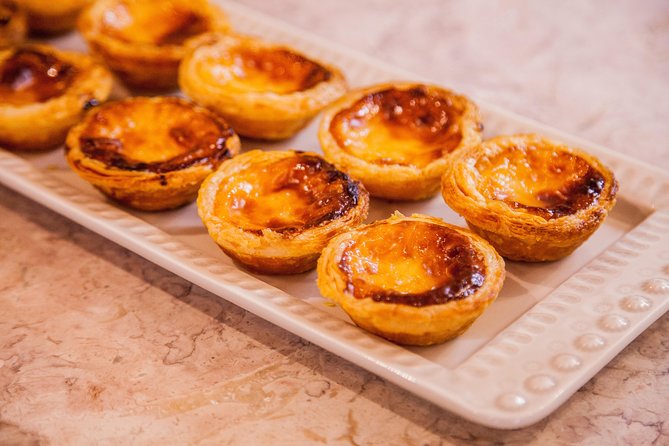
Custard tarts can be learned fast. In Lisbon, you step into a working pastry shop to make Pastel de Nata from scratch, with a small group and plenty of tasting built in.
I like that this is genuinely hands-on, with close coaching from Filipa and her helper Beatrix as you work dough and filling. I also love the pairing: port wine and ginja liquor, served alongside what you bake, so the class ends like a proper Portuguese snack.
One possible drawback: it’s a shared team process. You’ll do hands-on parts, but you may not be the single person doing every step end-to-end.
In This Review
- Key highlights you should care about
- Casa dos Ovos Moles, Filipa, and the feel of a real pastry shop
- Where you meet in Lisbon (and why the location helps)
- The hands-on part: what you’ll make during the class
- A key reality check: you’re part of a team effort
- What you actually get to taste (port wine, ginja, and fresh pastéis)
- The history lesson you’ll actually remember
- Why the small-group size matters (beyond the marketing line)
- A realistic breakdown of the session flow
- 1) Set up with Portuguese sweets context
- 2) Cooking with step-by-step coaching
- 3) Baking results and tasting immediately
- Price and value: what you’re paying for at $99.72
- Who this class is best for (and who might want a different activity)
- Practical tips so you enjoy it more
- Should you book this Pastel de Nata class with eatwith?
- FAQ
- How long is the Pastel de Nata cooking class?
- What time does it start in Lisbon?
- Is the class offered in English?
- What’s the minimum age for kids?
- What drinks and tastings are included?
- What if I have allergies or a dietary restriction?
Key highlights you should care about
- Small group size (max 6) for real attention and quick corrections
- From-scratch work on both the pastry dough and the custard filling
- Wine and ginja tasting as part of the experience, not an add-on
- Instructor-led history of the tarts while you cook
- Hands-on technique practice, including careful dough handling
- Ends with fresh tasting of the pastéis you helped make
Casa dos Ovos Moles, Filipa, and the feel of a real pastry shop
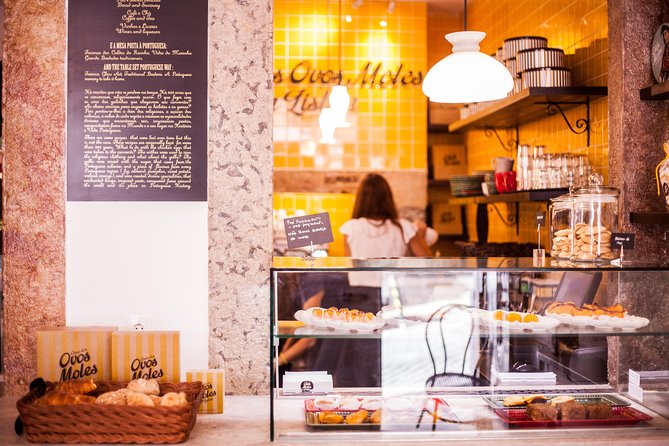
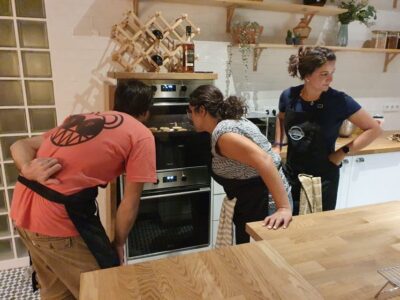
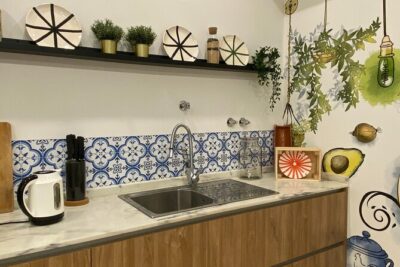
This class is set in Casa dos Ovos Moles, an established Lisbon pastry shop where the workbench matters. You’re not in a demo theater. You’re in a kitchen setup meant for pastry, which changes the whole vibe of learning.
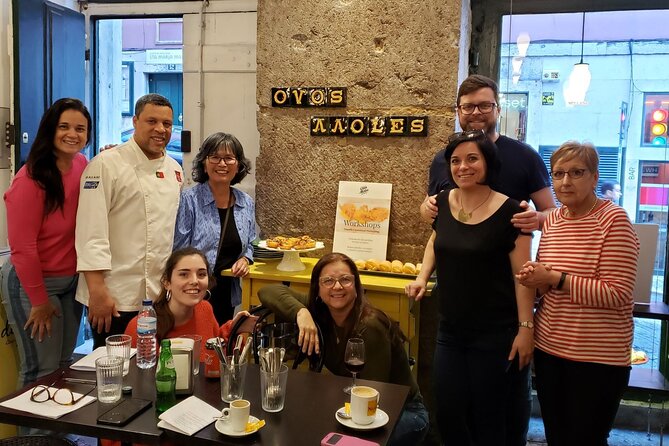
Filipa leads the session in English and keeps it interactive. Based on what you’re told to expect, the pace is meant to teach techniques, not just get you fed. With a small group (up to six), you get more than the usual “watch and hope” approach.
Also, it helps that the whole thing is built around a famous Lisbon classic. Pastel de Nata is one of those foods people list like a souvenir, but here you learn what goes into getting that flaky shell and creamy center right.
Roll your sleeves up for more nata baking
- Lisbon: Pastel de Nata Baking Class
★ 4.9 · 2,106 reviews - Pastel de Nata Masterclass at a Real Bakery in Downtown Lisbon
★ 5.0 · 491 reviews - Pastel de Nata Pastry Class: Bake and Enjoy Your Own Treats
★ 5.0 · 485 reviews - Lisbon: 2-Hour Pastel de Nata Cooking Class
★ 4.8 · 461 reviews
Where you meet in Lisbon (and why the location helps)
You meet at Calçada do Sacramento 25, 1200-393 Lisboa, and the experience ends back at the same spot. The start time is 3:00 pm, and the class runs about 1 hour 30 minutes.
This timing can be great if you’re doing a first “big thing” earlier in the day and want a productive, flavorful stop in the afternoon. And the neighborhood is convenient for pairing with sightseeing right after, since the meeting area sits near the castle-hill side of central Lisbon.
You won’t need to over-plan transportation. The experience notes say it’s near public transit, and the fixed start and end point makes it easy to plug into your day.
The hands-on part: what you’ll make during the class
The core promise here is simple: you make Pastel de Nata from scratch. That’s not a “we’ll assemble premade shells” situation. The class includes learning techniques for both the pastry and the custard.
From the way Filipa teaches, you’ll spend real time on dough handling. One standout technique mentioned in the class feedback is how you learn to move the dough without ruining it. That sounds minor until you’re the one trying to keep it intact, then it suddenly makes sense why pastry making takes practice.
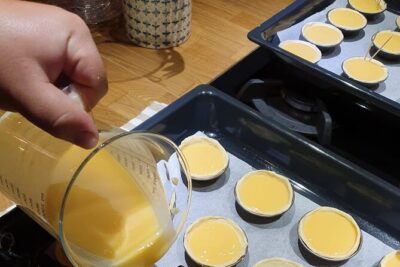
You also work on the filling. The big idea is that the custard isn’t just “pour and bake.” It has a method behind it, and Filipa guides you through the process step-by-step so you understand what you’re aiming for.
A key reality check: you’re part of a team effort
A lot of Pastel de Nata workshops act like you’re going home with your own perfect pastry story. This one is more honest. It’s team-based, with each participant doing parts of the work.
So if you’re expecting to personally complete every stage from dough to final baked tart, plan for something closer to shared production. The upside is that you still get hands-on practice and you see multiple steps up close, not just one moment.
More aprons-on hours in a Lisbon kitchen
What you actually get to taste (port wine, ginja, and fresh pastéis)
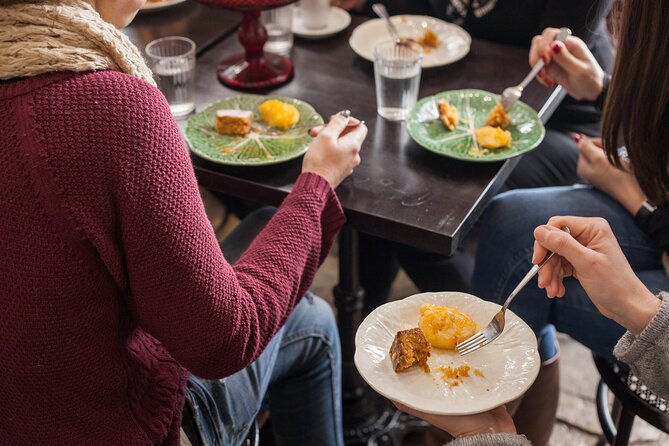
The starter is Pastel de Nata served with Porto wine and Ginja liquor. That’s a classic Portuguese pairing combo: the tart sweetness meets fortified port, and the ginja adds that cherry-liqueur punch.
Then you get drinks and small pours after the baking phase, with wine, aperitif, coffee, tea, and water included. It’s a helpful mix for keeping the “sweets only” feeling from taking over your taste buds.
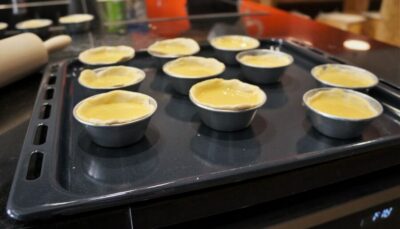
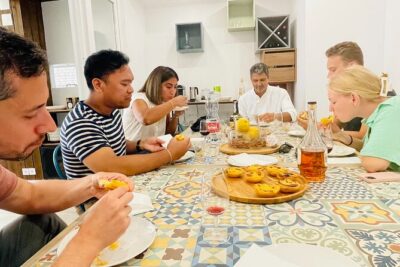
The best part is the timing. You get to eat what you make while it’s fresh from the oven, which is a big deal for Pastel de Nata. When it’s warm, the contrast between the crisp shell and the soft custard hits harder, and you taste what you worked for instead of a lukewarm souvenir.
The history lesson you’ll actually remember
You’re told you’ll learn about the history of the tarts while you cook. The useful part of this isn’t trivia dumped at you. It’s context tied to the technique.
When the instructor explains where the pastry fits in Lisbon culture as you’re making it, you’re more likely to remember the lesson. You’re also more likely to notice details later, like why small handling choices matter.
Since you’re learning in parallel—hands busy, information flowing—you don’t feel like history is a “break from baking.” It becomes part of understanding what you’re producing.
Why the small-group size matters (beyond the marketing line)
Max 6 travelers is not just a comfort detail. It changes how teaching works in a pastry class.
With six people, Filipa can correct your dough handling without having to repeat instructions 20 times. You’re also more likely to get questions answered in the moment. And if you’re bringing kids or you’re a first-timer, that immediate feedback is the difference between wobbling through and learning a method you can repeat later.
This matters even more for a pastry like Pastel de Nata. It’s not difficult in theory, but it’s fiddly in practice. The feedback style described here is patient and corrective, aimed at helping you finish with pastries that actually work.
A realistic breakdown of the session flow
You can think of the class in three layers: setup, cooking, and payoff.
1) Set up with Portuguese sweets context
You start in the shop with a welcome and orientation to authentic Portuguese sweets. Then the cooking portion begins with technique focus, plus the history bits threaded in as you go.
2) Cooking with step-by-step coaching
You work dough and filling under Filipa’s guidance. The teaching emphasizes what to do, what to watch for, and how to fix mistakes without panicking. That correction is especially important because dough can go wrong fast if you handle it casually.
Also, because it’s a small group, you get more chances to do each active step rather than just standing nearby.
3) Baking results and tasting immediately
As the baking finishes, you eat the results on site. The included menu makes sure you have drinks and a full finish, including the port and ginja tasting at the beginning and more options later.
The overall effect: you don’t just leave with knowledge. You leave with the sensory proof.
Price and value: what you’re paying for at $99.72
At $99.72 per person, this is a premium price for a 90-minute pastry class. That’s fair to say up front.
But here’s where the value comes from. You’re paying for:
- Small-group, hands-on instruction with corrections
- From-scratch practice on dough and custard, not just assembly
- Included tastings (port wine and ginja liquor, plus additional drinks)
- A shop setting where the experience feels like real pastry-making, not a craft-table substitute
One review note you may want to take seriously: a few people felt it’s pricey, but also said the detail level justified it. If you’re looking for the cheapest cooking class in Lisbon, this may not be it. If you’re looking for the most instructive and delicious version of this specific pastry, it holds up.
Who this class is best for (and who might want a different activity)
This workshop is suitable for children aged 12 and older. That’s a plus if you’re traveling as a family and you want something structured and cultural that keeps hands busy.
It’s also a great fit if:
- You love Portuguese food and want to understand how it’s made
- You enjoy hands-on cooking lessons more than guided tours
- You want a small group instead of a big, loud crowd
What I’d consider carefully if you’re:
- Only interested in a quick sugar fix with minimal effort (this is real work)
- Hoping to create a tart entirely on your own with zero team steps (it’s shared production)
Practical tips so you enjoy it more
A few simple things can make this class smoother:
- Come hungry but not starving. You’ll snack on Pastel de Nata and drinks are included, but you still need room to enjoy what you make.
- Expect technique, not shortcuts. The dough handling is the kind of skill that feels awkward until a coach shows you what “right” looks like.
- Ask about restrictions early. The experience notes say you need to communicate any allergies or special diets, so do it during booking so Filipa can plan accordingly.
- Plan the next hour well. Since the class ends back near the start point, you can head out for nearby sightseeing right after. It’s an easy way to keep momentum in your day.
Should you book this Pastel de Nata class with eatwith?
If you want a Lisbon food experience that’s more than just eating, I think this is a strong pick. The combination of small-group coaching, from-scratch pastry and filling, and the port and ginja tasting makes it feel complete.
Book it if:
- You’re excited to learn real technique
- You prefer intimate teaching over group chaos
- You’d enjoy ending with warm pastries you helped make
Skip it if:
- You want a hands-off tasting only
- You’re trying to keep activities ultra-budget
- You’re looking for an entirely solo end-to-end baking process rather than a team class
In short: this class is for people who want to go home with a better understanding of Pastel de Nata, not just a plate full of it.
FAQ
How long is the Pastel de Nata cooking class?
It runs for about 1 hour 30 minutes (approx.).
What time does it start in Lisbon?
The start time listed is 3:00 pm, and it ends back at the meeting point.
Is the class offered in English?
Yes, the experience is offered in English.
What’s the minimum age for kids?
The class is suitable for children aged 12 years and older.
What drinks and tastings are included?
You’ll have Porto wine and ginja liquor as part of the starter, and the experience also includes wine, aperitif, coffee, tea, and water.
What if I have allergies or a dietary restriction?
You need to communicate any food restrictions (allergy, special diet, etc.) so the host can accommodate you as part of the booking.
More Tour Reviews in Lisbon
- Lisbon City Center Tour – The Unmissable Lisbon★ 5.0 · 22,234 reviews
- Lisbon: Sintra, Pena, Regaleira, Cabo da Roca & Cascais★ 4.7 · 19,656 reviews
- Lisbon Card: 24, 48, or 72-Hour Pass★ 4.5 · 17,944 reviews
- Lisbon: Jerónimos Monastery Entrance Ticket★ 4.1 · 14,164 reviews
- Lisbon: History, Stories and Lifestyle Walking Tour★ 4.8 · 10,902 reviews
More Time in a Lisbon Kitchen
- Lisbon: Pastel de Nata Baking Class★ 4.9 · 2,106 reviews
- Lisbon: Traditional Portuguese Cooking Class★ 4.9 · 592 reviews
- Lisbon: 2-Hour Pastel de Nata Cooking Class★ 4.8 · 461 reviews
- Lisbon Portuguese Cooking Class with 3-Course Dinner★ 5.0 · 445 reviews
- Traditional Portuguese Cooking Class in Lisbon★ 5.0 · 287 reviews
Bake Another Batch of Nata
- Lisbon: Pastel de Nata Baking Class★ 4.9 · 2,106 reviews
- Pastel de Nata Masterclass at a Real Bakery in Downtown Lisbon★ 5.0 · 491 reviews
- Pastel de Nata Pastry Class: Bake and Enjoy Your Own Treats★ 5.0 · 485 reviews
- Lisbon: 2-Hour Pastel de Nata Cooking Class★ 4.8 · 461 reviews
- Pasteis de Nata Baking Class from Lisbon★ 5.0 · 248 reviews
Just in: fresh Lisbon reviews from the team

Lisbon Cooking Classes, compared.
 ★ 4.9Pastel de Nata Baking ClassFrom $642,106 reviews
 ★ 4.9Traditional Portuguese Cooking ClassFrom $100592 reviews
 ★ 4.82-Hour Pastel de Nata Cooking ClassFrom $64461 reviews
 ★ 5.0Lisbon Portuguese Cooking Class with 3-Course DinnerFrom $130445 reviews
 ★ 5.0Traditional Portuguese Cooking Class in LisbonFrom $102287 reviews
 ★ 5.0Pasteis de Nata Baking Class from LisbonFrom $78248 reviews
 ★ 5.0Portuguese Cooking Class in LisbonFrom $114141 reviews
 ★ 4.5Portuguese Cooking Experience in LisbonFrom $108140 reviews
Browse the lists this tour appears in