
Reviewed · LISBON COOKING CLASSES
Private Portuguese Home Cooking Class in Lisbon with Defne
A Lisbon kitchen can feel like a warm welcome. In Defne’s private Portuguese home cooking class, you’ll make an appetizer, main, and dessert from scratch, and I love how Defne connects each dish to Portuguese culture and real hands-on cooking.
One heads-up: the menu is seasonal, so the exact dishes can change based on what’s fresh and available.
You’ll be fed well, too. Many nights end with a relaxed meal at Defne’s table, and the conversation keeps moving because she shares the stories behind the food—how ingredients and traditions travel and mix in Portugal. The only drawback is simple: if you have a must-have dish, you should tell Defne ahead of time.
In This Review
- Key highlights worth knowing before you go
- A Lisbon Living Room Kitchen, Not a Performance
- Your Hands-On Schedule: Appetizer, Main, Dessert
- The Seasonal Menu Advantage (And What to Do If You’re Picky)
- How Portuguese Food Connects Cultures (In Plain English)
- Dining Time: Wine, Coffee, and Lisbon’s Ginjinha
- Dietary Needs: What’s Supported and How to Handle It
- Price and Value: Paying for Private Cooking, Drinks, and Real Food
- Practical Logistics: Where to Meet and How to Get There
- Who Should Book This Lisbon Cooking Class?
- Tips to Make the Evening Go Best for You
- Should You Book Defne’s Portuguese Home Cooking Class?
- FAQ
- What do I cook during the Portuguese home cooking class with Defne?
- Is this class private or shared with other people?
- Does the experience include wine, coffee, and ginjinha?
- Can Defne accommodate dietary restrictions like gluten free or vegan?
- How long is the cooking class in Lisbon?
- Where do we meet, and is there hotel pickup?
- Can I get a full refund if I cancel?
Key highlights worth knowing before you go
- Private, in-home format means it’s just your group, not a crowded class with strangers.
- Three dishes in 1.5 hours gives you real practice, not a long lecture.
- Seasonal menu with examples like caldeirada de peixe and arroz de doce keeps the food tied to what Lisbon has right now.
- Dietary flexibility on request includes lactose free, gluten free, vegetarian, and vegan options.
- Portuguese drinks are part of the experience: two glasses of Portuguese wine, plus coffee and ginjinha.
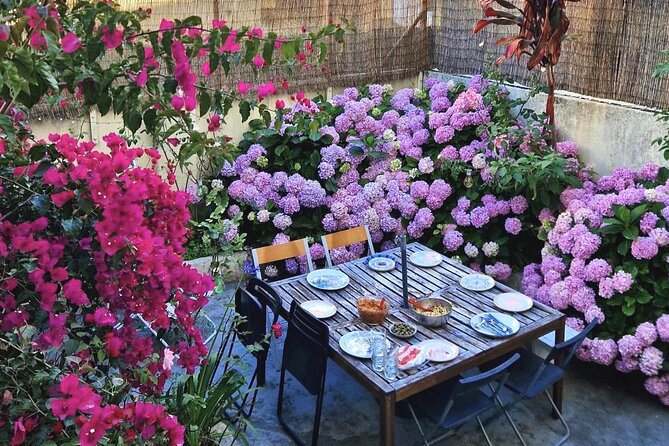
- Casual, cozy energy often includes time outside in the garden when the weather allows.
A Lisbon Living Room Kitchen, Not a Performance
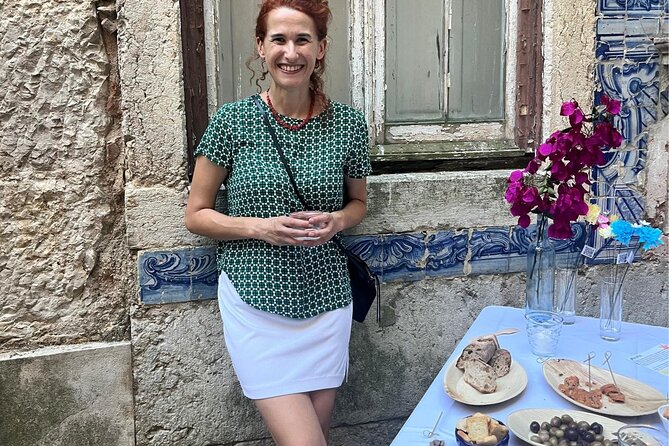
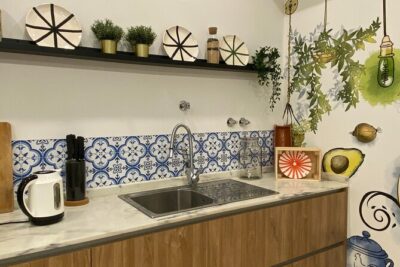
This is the kind of cooking class that feels like you’ve been invited into a real home. You meet at Praça Manuel Cerveira Pereira and then spend the evening at Defne’s dining table in her living room or in the garden if it’s pleasant outside. It’s practical, personal, and relaxed rather than formal.
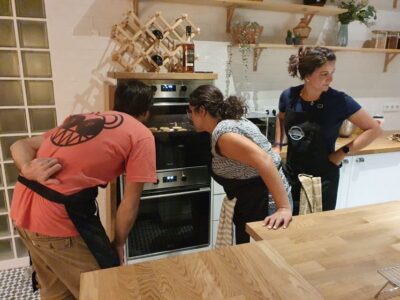
I like that the focus stays on doing. You’re not watching someone else cook for most of the time—you’re cooking alongside Defne, learning techniques you can actually repeat later. And because it’s private, you can ask questions as you go, instead of waiting your turn in a big group.
The class runs about 3 hours total, with 1.5 hours for hands-on cooking and the rest for eating, coffee, and the final ginjinha. That pacing matters. You’ll have time to learn, but you’ll still get a calm dinner experience at the table.
More aprons-on hours in a Lisbon kitchen
- Lisbon: Pastel de Nata Baking Class
★ 4.9 · 2,106 reviews - Lisbon: Traditional Portuguese Cooking Class
★ 4.9 · 592 reviews - Lisbon: 2-Hour Pastel de Nata Cooking Class
★ 4.8 · 461 reviews - Lisbon Portuguese Cooking Class with 3-Course Dinner
★ 5.0 · 445 reviews
Your Hands-On Schedule: Appetizer, Main, Dessert
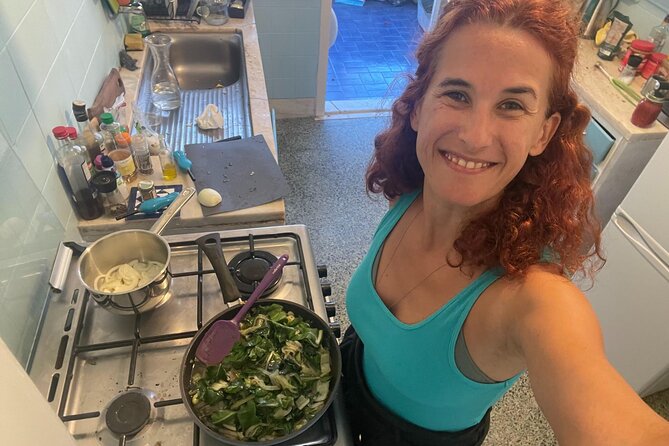
In the hands-on portion, you’ll work through three dishes—an appetizer, a main dish, and a dessert—all from scratch. Defne keeps it approachable, with tips and tricks as you cook, so you’re not just copying steps without context. I found that the structure helps a lot: you know what you’re making, you know when it changes gears, and the kitchen stays moving.
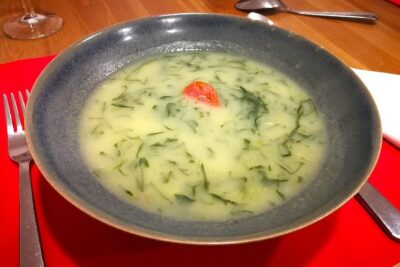
Your menu might include Portuguese classics and flavors from the Mediterranean and beyond. For appetizers, you could be looking at things like tremoços (pickled beans) and olives or salada de grão-de-bico (chickpea salad). For the main, a good bet is a dish like caldeirada de peixe (fish stew), which is the kind of hearty Lisbon comfort food Portugal does so well.
Dessert often lands in the sweet, classic lane, with arroz de doce (rice pudding) as one of the examples. The important detail is that Defne’s menu is seasonal, so you may not get the exact same dishes listed in advance. That doesn’t make it less authentic—it makes it more “Lisbon right now.” Just plan to be flexible.
The Seasonal Menu Advantage (And What to Do If You’re Picky)
Seasonal menus are one of those travel trade-offs that can go either way—if you’re careful, it’s a win. Defne’s offerings change based on local produce availability, so you’re more likely to taste ingredients at their best rather than forcing an out-of-season version of something.
Here’s how you protect yourself if you have strong preferences: send your requests when you book. The class notes that Defne can adapt for allergies and dietary needs, and that you should flag any dish preferences in advance. If there’s a specific dish you’d love—like the fish stew or rice pudding—tell her early so she can see whether it fits what’s fresh when you’re cooking.
Also, remember that seasonal doesn’t mean random. It usually means the recipe logic stays Portuguese, but the ingredient set shifts with the market. That’s a real lesson in how home cooks cook in Lisbon—using what’s good today, not what’s on a menu poster.
How Portuguese Food Connects Cultures (In Plain English)
Portuguese food has a history of mixing: sea and land, trade routes, and neighbor influence. Defne doesn’t treat this like trivia night. She shares stories while you cook, explaining how dishes connect to other cultures and traditions through ingredients, techniques, and the way Portuguese households adapt recipes over time.
This is where the class feels more than just meal-making. You’ll likely hear explanations tied directly to what’s on your cutting board and what’s simmering in the pot. It’s the kind of context that makes recipes stick, because you understand why something tastes the way it does—not just how to reproduce it.
If you like food that has a “why,” this is the right format. You’re not stuck with a thick script. Defne’s background includes globe-trotting and a focus on connection and empathy, so the whole evening has a human feel, not a lecture feel. For me, that matters. It makes the cooking less like a task and more like a conversation at workbench height.
Worth a look before you lock anything else in around Lisbon:




Dining Time: Wine, Coffee, and Lisbon’s Ginjinha
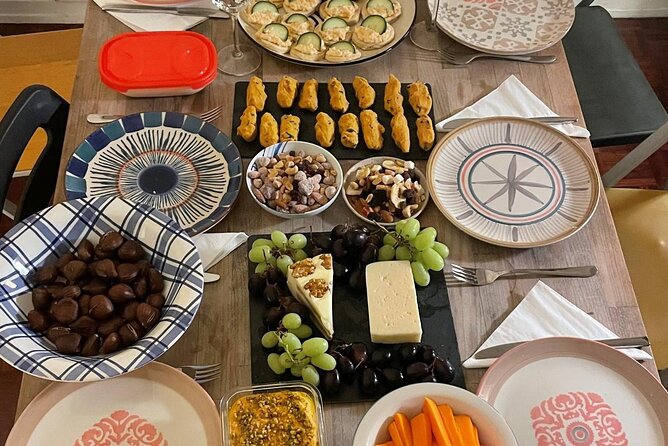
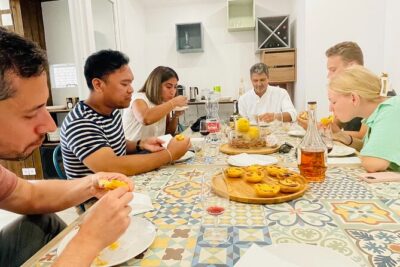
Cooking is the start, but the table is the payoff. Once your three dishes are ready, you sit down to enjoy an authentic meal at Defne’s home. The experience includes alcoholic beverages, and you’ll have two glasses of Portuguese wine with the meal.
Then comes the finish: coffee and a taste of ginjinha, a classic Lisbon liqueur. This isn’t just a random add-on. It’s a fun way to close out the evening with something you’ll remember as distinctly Portuguese, especially because it happens right where the meal was made.
If you’re someone who likes to slow down at the end of a day, this part is made for you. You’ll get a relaxed dinner rhythm rather than an rushed “cook, eat, run” flow. And the option to eat outdoors in the garden when weather permits adds a real sense of place. Even if you don’t usually care about setting, it can change the mood of the whole evening.
Dietary Needs: What’s Supported and How to Handle It
This class is built to be flexible. Defne can accommodate lactose free, gluten free, vegetarian, and vegan meals on request. That’s a big deal in cooking classes, because “dietary option” sometimes really means “we’ll make a sad side.”
Here, you should plan to communicate your needs during booking. The info says you should advise Defne about allergies, dietary restrictions, or cooking preferences at the time you book. Doing it early helps her plan the menu so you’re cooking and eating something that fits, not just substituting at the last minute.
If you have multiple restrictions, don’t assume they’ll automatically be handled—message her. But the good news is that she states these diet types are supported when you request them. That gives you confidence to book with less worry.
Price and Value: Paying for Private Cooking, Drinks, and Real Food
At $112 per person, this isn’t the cheapest activity in Lisbon. But you’re not paying for a ticket and a photo. You’re paying for a private class in a home kitchen, plus the time and ingredients involved in making three dishes, plus the meal itself.
The value angle is strongest in the “included” parts. You get:
- a private cooking class with Defne
- an authentic meal served with two glasses of Portuguese wine
- coffee and a taste of ginjinha
- alcoholic beverages included
That’s a lot folded into one price. Also, it helps that the format is private. In a group setting, you can spend a lot of the class waiting or watching. Here, you’re cooking your share, which is exactly what you want if your goal is to learn techniques, not just taste food.
One extra practical thought: because it’s private, your best value depends on your group size. If you’re booking for two, you’ll still be paying the per-person cost, but you’ll be gaining a quiet, personal pace. If you’re coming with friends, the listing mentions group discounts may be available—so it can become more cost-friendly when you assemble a small group.
Practical Logistics: Where to Meet and How to Get There
There’s no hotel pickup or drop-off. You’ll start at Praça Manuel Cerveira Pereira, 1900-208 Lisboa, Portugal, and the activity ends back at the same meeting point. That means you need to be comfortable making your way through Lisbon using public transport or walking.
The good part: it’s near public transportation, so you’re not stuck with an awkward route or long taxi bills. Also, you’ll get a mobile ticket and confirmation at booking, so you’re not juggling paper receipts or last-minute emails.
If you like a smooth start, plan to arrive a few minutes early. Lisbon homes can involve small transitions—kitchen prep, a quick welcome, and getting everyone set up. A calm arrival keeps the evening feeling easy.
Who Should Book This Lisbon Cooking Class?
This experience is a strong fit if you want more than a standard “food tour.” You’ll enjoy it if you like learning by doing and you care about the stories behind Portuguese food—how it connects to other traditions.
It also works well for couples or small groups who want a quiet, personal night. The class is private, and the setup encourages conversation rather than mass choreography. If you’re the type who remembers meals more than attractions, you’ll probably love this.
One more match: if you have dietary restrictions, it’s one of the better options because lactose free, gluten free, vegetarian, and vegan meals are supported when requested. Just make sure you tell Defne what you need in advance.
If you hate uncertainty at all, note the seasonal menu factor. You can still have a great time, but the exact dishes may shift with the market. For people who want a fixed, guaranteed menu, you’ll want to communicate preferences early.
Tips to Make the Evening Go Best for You
A few small moves help you get the most out of a home cooking class like this:
- Tell Defne your dietary needs and preferences when you book so the menu can match what you can eat.
- Be open about seasonal substitutions. If something different is available, it’s usually because it’s fresher.
- Ask questions while you’re cooking, not after. The tips you want are often tied to the step you’re on.
- Plan for a full meal, not a snack. Between the wine, the food, and ginjinha, you’ll be set for the evening.
- Dress for a home setting. Kitchens can involve a bit of movement and heat, especially when you’re cooking and chopping.
Also, don’t underestimate conversation time. Defne’s stories are part of the value, and they’re delivered in a way that keeps the kitchen feeling human.
Should You Book Defne’s Portuguese Home Cooking Class?
Book it if your idea of a great Lisbon night includes real cooking, good stories, and a dinner you actually sit down to enjoy. The private home format, the three-course hands-on structure, and the combination of wine plus coffee and ginjinha make this feel like more than a class—it’s an evening of Portuguese food culture.
Skip it only if you need a guaranteed, non-seasonal menu with zero variables. If you can handle seasonal changes and you communicate your preferences early, this is a strong choice for authentic Lisbon flavor in a setting you won’t forget.
FAQ
What do I cook during the Portuguese home cooking class with Defne?
You’ll learn to cook three dishes from scratch: an appetizer, a main dish, and a dessert. The specific dishes are seasonal and may change depending on what local produce is available.
Is this class private or shared with other people?
It’s private. Only your group participates.
Does the experience include wine, coffee, and ginjinha?
Yes. Your meal is served with two glasses of Portuguese wine, and the experience ends with coffee and a taste of ginjinha.
Can Defne accommodate dietary restrictions like gluten free or vegan?
Yes, on request. Options include lactose free, gluten free, vegetarian, and vegan meals. You should inform her of dietary restrictions at the time of booking.
How long is the cooking class in Lisbon?
The experience is about 3 hours total, with about 1.5 hours dedicated to hands-on cooking.
Where do we meet, and is there hotel pickup?
You meet at Praça Manuel Cerveira Pereira, 1900-208 Lisboa, Portugal. There is no hotel pickup and drop-off, and the activity ends back at the meeting point.
Can I get a full refund if I cancel?
Yes. Cancellation is free up to 24 hours in advance for a full refund. If you cancel less than 24 hours before the start time, the amount paid is not refunded.
More Private in Lisbon
- True 4Hour Private Tuk Tuk Tour: Discover Lisbon with a Local!★ 5.0 · 8,008 reviews
- Lisbon: Private Guided Tuk-Tuk Tour with Hotel Pickup★ 4.9 · 4,552 reviews
- Private Lisbon Sightseeing Tuk-Tuk Tour: Alfama, Belém & More★ 5.0 · 4,277 reviews
- Lisbon Highlights: Private Tuk Tuk Tour Adventure Sightseeing★ 5.0 · 3,284 reviews
- Welcome Lisbon Tour with Local Guide in Private Eco Tuk Tuk★ 5.0 · 1,691 reviews
More Tour Reviews in Lisbon
- Lisbon City Center Tour – The Unmissable Lisbon★ 5.0 · 22,234 reviews
- Lisbon: Sintra, Pena, Regaleira, Cabo da Roca & Cascais★ 4.7 · 19,656 reviews
- Lisbon Card: 24, 48, or 72-Hour Pass★ 4.5 · 17,944 reviews
- Lisbon: Jerónimos Monastery Entrance Ticket★ 4.1 · 14,164 reviews
- Lisbon: History, Stories and Lifestyle Walking Tour★ 4.8 · 10,902 reviews
More Time in a Lisbon Kitchen
- Lisbon: Pastel de Nata Baking Class★ 4.9 · 2,106 reviews
- Lisbon: Traditional Portuguese Cooking Class★ 4.9 · 592 reviews
- Lisbon: 2-Hour Pastel de Nata Cooking Class★ 4.8 · 461 reviews
- Lisbon Portuguese Cooking Class with 3-Course Dinner★ 5.0 · 445 reviews
- Traditional Portuguese Cooking Class in Lisbon★ 5.0 · 287 reviews
Just in: fresh Lisbon reviews from the team





Lisbon Cooking Classes, compared.
 ★ 4.9Pastel de Nata Baking ClassFrom $642,106 reviews
 ★ 4.9Traditional Portuguese Cooking ClassFrom $100592 reviews
 ★ 4.82-Hour Pastel de Nata Cooking ClassFrom $64461 reviews
 ★ 5.0Lisbon Portuguese Cooking Class with 3-Course DinnerFrom $130445 reviews
 ★ 5.0Traditional Portuguese Cooking Class in LisbonFrom $102287 reviews
 ★ 5.0Pasteis de Nata Baking Class from LisbonFrom $78248 reviews
 ★ 5.0Portuguese Cooking Class in LisbonFrom $114141 reviews
 ★ 4.5Portuguese Cooking Experience in LisbonFrom $108140 reviews
Browse the lists this tour appears in