
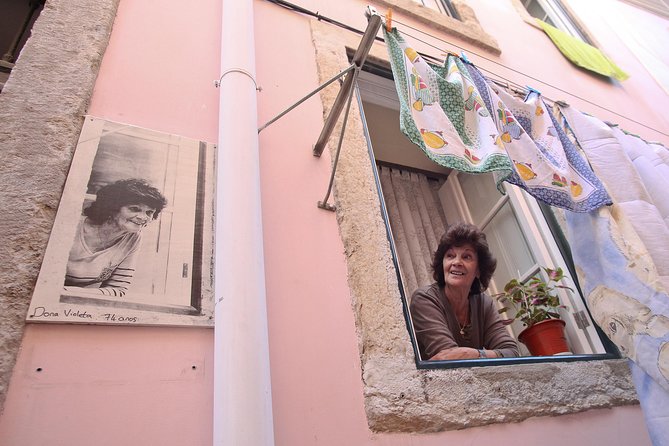
Reviewed · ALFAMA & OLD TOWN TOURS
Mouraria: The Multicultural District – Private Walking tour
Mouraria turns a simple walk into a story you can see on walls. I love how this route mixes street art with landmark churches and squares, and I also like that it ends in a neighborhood that still feels like Lisbon living, not a museum loop. The one thing to watch is that this is a city-walk style tour: you’ll be on uneven streets and you’ll want comfortable shoes for the slow-and-steady pace.
Because it’s a private tour, you get a personalized rhythm instead of a herd-moving schedule. You’ll also have a professional photographer guide along the way, which is handy if you want photos that actually make sense (and not just blurry “I was here” shots). You should expect walking between viewpoints and corners; if you’re looking for lots of sitting down, this isn’t that kind of tour.
In This Review
- Key highlights I’d prioritize
- Mouraria: Lisbon’s Moorish-Fado Neighborhood in One Walk
- Price and what you actually get for $32.51
- Meeting at R. dos Fanqueiros, ending near Intendente
- Stop-by-stop: churches, towers, and street art with meaning
- Miradouro Chao do Loureiro: the quick orientation viewpoint
- Igreja Paroquial de São Cristóvão e São Lourenço: a mix of styles in one place
- Casa da Achada – Centro Mario Dionisio: medieval buildings with XXI-century street art
- Largo dos Trigueiros: street art projects by Camila Watson
- Rua Marquês de Ponte de Lima: old remparts and the first modern street
- Igreja de Nossa Senhora do Socorro: Moorish suburb roots and the “little Punjab”
- Largo da Severa: the cradle of Fado music
- Praca Martim Moniz: a multicultural square with real energy
- Largo do Intendente Pina Manique: Lisbon urban renewal in action
- How the guide makes Mouraria click (especially around fado)
- Getting better photos at street-art stops (without slowing everyone down)
- Who this private Mouraria walk is best for
- Should you book Mouraria: The Multicultural District – Private Walking tour?
- FAQ
- FAQ
- How long is the Mouraria private walking tour?
- Is this tour private?
- What language is the tour offered in?
- Where does the tour start and where does it end?
- Are there admission fees at the stops?
- What’s included in the price?
- What isn’t included?
- Is there a minimum number of people needed?
- Can I cancel and get a full refund?
Key highlights I’d prioritize
- Moorish-to-Fado connections explained through the neighborhood’s key landmarks
- Street art stops tied to specific places like Largo dos Trigueiros and Casa da Achada
- Miradouro Chao do Loureiro viewpoint time to orient yourself fast
- Fado origins at Largo da Severa, plus the multicultural squares around it
- Professional photo guidance to help you get better results without stress
Mouraria: Lisbon’s Moorish-Fado Neighborhood in One Walk

If you’ve only heard of Alfama or Baixa, Mouraria is the shortcut to understanding a different Lisbon. This district carries Moorish influence in its background, and you’ll feel that layered past in the mix of places of worship, old walls, and squares where different communities have met over time. The tour’s big strength is that it doesn’t treat “history” as dates on a wall. It uses street-level details so you can connect why people ended up here and how that shaped culture.
What I like most is the balance between the visible and the explained. You’ll see stunning architecture and street art, but you’ll also get the why behind it—especially around the story of how fado is thought to have originated here. In other words, you’re not just collecting sights. You’re building a mental map of the neighborhood.
The name alone hints at the theme: Mouraria is often described as once being considered a slum, which makes its cultural climb feel real, not staged. The tour uses that arc to help you look past the Instagram angles and actually read the streets.
Deeper into Alfama's lanes and miradouros
- Alfama Tour in Lisbon Old Town
★ 5.0 · 4,936 reviews - Private Lisbon Sightseeing Tuk-Tuk Tour: Alfama, Belém & More
★ 5.0 · 4,277 reviews - Lisbon: Hills, Alfama, and Mouraria Tour by Electric Bike
★ 4.8 · 3,438 reviews - Best of Lisbon Walking Tour: Rossio, Chiado & Alfama
★ 4.9 · 2,700 reviews
Price and what you actually get for $32.51

At $32.51 per person for about 3 hours, this sits in the “worth considering” zone—especially because the tour is private and includes photo help. A lot of walking tours feel similar in content, but the inclusion of a professional photographer guide can change how valuable the experience feels for you. If you care about photos and don’t want to spend the whole time guessing angles, this is a legit advantage.
It’s also listed as having group discounts, and it’s offered in English. Most importantly, all the scheduled stops you’ll visit are marked with free admission tickets, so you aren’t hit with museum-style add-ons mid-walk.
One practical consideration: there’s a minimum of 2 people per booking, and adult pricing applies to all travelers. That matters if you’re a solo traveler hoping to do everything privately—your best bet is to check whether you can align with a second person in your party or join the timing that makes sense for your trip.
Meeting at R. dos Fanqueiros, ending near Intendente
The start is R. dos Fanqueiros 170, 1100-227 Lisboa. The end is Largo do Intendente Pina Manique, 1100-395 Lisboa, which is near the Intendente underground station. Translation: you’ll finish in an area that’s easier to connect to by public transit, rather than getting stuck far from the metro after your walk.
If you’re planning dinner afterward, this ending spot is useful because it’s not an awkward backtrack. It’s also right where you’re likely to find the kind of neighborhood energy the tour is trying to show you.
For this kind of walk, I strongly suggest planning your day so you aren’t rushing to another ticket right after. Even though it’s around three hours, Lisbon streets run on their own schedule—traffic, slow corners, and the best photo spots all take time.
Stop-by-stop: churches, towers, and street art with meaning
This route is designed to give you “layers.” First you orient yourself, then you move through religious architecture, social/cultural spaces, and finally the squares tied to multicultural life and fado.
Lisbon at walking pace, a few more routes


Miradouro Chao do Loureiro: the quick orientation viewpoint
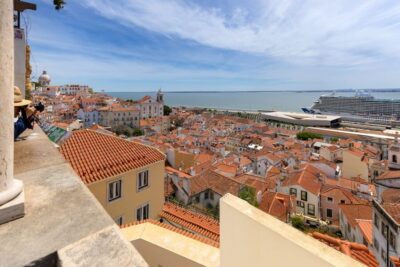
You’ll start at Miradouro Chao do Loureiro, a viewpoint hanging over downtown, somewhere between Alfama and Mouraria. It’s scheduled for about 20 minutes, and that time matters. Viewpoints early on help you place the neighborhood in context—so later, when you’re in alleys and squares, you understand where you are and how the district fits into Lisbon’s bigger shape.
Practical tip: have your camera ready, but don’t overstay. Viewpoints are great for bearings, not for turning into a photo marathon.
Igreja Paroquial de São Cristóvão e São Lourenço: a mix of styles in one place
Next is Igreja Paroquial de Sao Cristovao e Sao Lourenco, described as a Mannerist church with Baroque influences, plus a Gothic door. You’ll spend about 20 minutes, and it sits in one of the more popular squares in Mouraria.
This stop is where the tour teaches you how Lisbon buildings can look like a collage. Instead of one era dominating, you see different artistic languages piled on top of each other. It’s a good reminder that cities evolve in real time, not in neat chapters.
Casa da Achada – Centro Mario Dionisio: medieval buildings with XXI-century street art
At Casa da Achada – Centro Mario Dionísio, you get about 15 minutes in a social and cultural center tied to Mario Dionísio’s legacy. The key idea here is the contrast: medieval buildings plus street art from the XXI century.
This is the kind of stop that makes the neighborhood feel alive. Street art isn’t treated like decoration. It’s part of how the district communicates now—on top of the old stone.
Drawback to consider: because it’s a smaller, cultural-space stop, it’s not ideal if you’re craving a big “palace interior” kind of visit. You’ll get atmosphere more than formal touring.
Largo dos Trigueiros: street art projects by Camila Watson
You’ll spend about 15 minutes at Largo dos Trigueiros, focused on the street art projects of Camila Watson. This is a clear “look with context” stop. Instead of random murals, you’re guided to specific works and places, which helps you connect art choices to the neighborhood setting.
If you like street art, this is one of the places where having a guide pays off fast. You’ll probably notice more than you would on your own because the tour gives you a framework for what you’re seeing.
Rua Marquês de Ponte de Lima: old remparts and the first modern street
At Rua Marquês de Ponte de Lima you’ll get about 15 minutes. The tour frames this street as the first “modern” street in Mouraria, contrasted with old palaces, churches, and convents. It also points out the only genuine tower of the Old Remparts—so you’re not just walking along history; you’re hitting a specific remaining clue.
I like this stop because it shows how Lisbon changes shape over time. “Modern” here isn’t a brand-new sci-fi idea; it’s a historical moment that still leaves physical traces.
Igreja de Nossa Senhora do Socorro: Moorish suburb roots and the “little Punjab”
Next: Igreja de Nossa Senhora do Socorro, about 15 minutes. This is framed as a hub of Mouraria since the time it was a Moorish suburb, with Company of Christ legacy. The tour also highlights an area described as the astonishing little Punjab, pointing to the multicultural layer you can see around you.
This is where you’ll likely feel the tour’s theme most directly: Mouraria isn’t one culture with one label. It’s a neighborhood shaped by shifting communities across time, and the surrounding streets show that continuity.
If you’re sensitive to busy street corners, this is also a good moment to keep your pace steady. The “hub” feel can mean more people around.
Largo da Severa: the cradle of Fado music
Then you arrive at Largo da Severa for about 20 minutes, described as the cradle of Fado Music. This is the emotional centerpiece if you care about Portuguese culture beyond the basics.
What makes this stop work is timing: you’ve already seen viewpoint geography, religious architecture, and how the district’s social life is formed around squares. So when the guide ties Mouraria’s Moorish background and its evolving community story to fado, it lands with more weight than a quick history lecture.
Praca Martim Moniz: a multicultural square with real energy
At Praca Martim Moniz, you’ll spend about 20 minutes. It’s presented as one of the most multicultural squares in Lisbon. This is less about one specific building and more about a place where cultures overlap in daily life.
This stop helps you connect the historical story to what’s happening now. Even if you’ve read about Mouraria before, this kind of square-time turns the concept into something you can sense.
Largo do Intendente Pina Manique: Lisbon urban renewal in action
Finally, you end at Largo do Intendente Pina Manique, scheduled for about 15 minutes. It’s described as a case study in Lisbon urban renewal.
I appreciate ending here because it nudges you to think beyond “old vs new.” Urban renewal is messy, political, and human. Even without a big formal “tour inside,” the stop gives you a closing lens: cities keep changing, and neighborhoods keep getting rewritten.
How the guide makes Mouraria click (especially around fado)
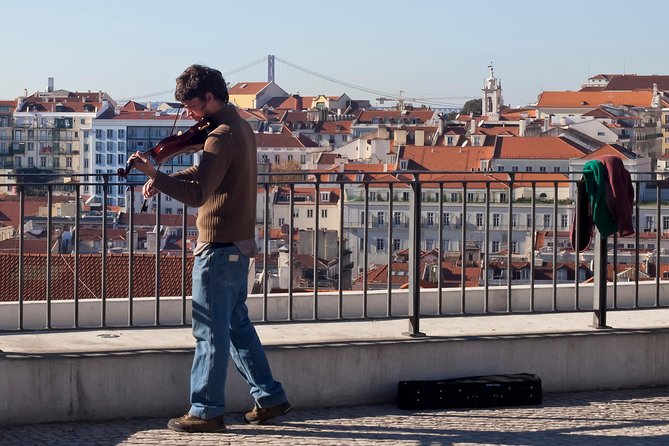
A big part of why this tour earns a near-perfect recommendation rate is the way the guide explains connections. One guide named Luis was praised for taking people through Mouraria’s history with real passion and for being accommodating to different needs. That matters, because Mouraria can feel like a visual collage. A good guide helps you turn that collage into a story you can follow.
If you want to get the most out of the experience, do this before you start: decide what you’re most curious about. If it’s fado, focus your attention on Largo da Severa and then ask how the neighborhood’s social fabric is linked to that music. If you care more about architecture, tune in at the church stops and the remnant features tied to old defenses.
Either way, the tour’s core value is that it ties Moorish history, religious landmarks, and street-level culture into one coherent walk. You leave with a better sense of why Mouraria became what it is.
Getting better photos at street-art stops (without slowing everyone down)

You’ll have a professional photographer guide, which is rare on walking tours. That inclusion is useful even if you’re not a serious photographer. Street art often looks cool from a distance but loses impact up close if you don’t know where to stand. The photographer guide can help you find angles, timing, and composition that match the street’s geometry.
My practical advice: treat this as a photo-and-walk balance. If you stop too long at one mural, the route gets heavy later. Try to move with the group, and use the guide’s moments to “lock in” a few strong shots rather than chasing dozens.
Also, bring a fully charged phone or camera battery. Lisbon walking tours don’t pause for low battery warnings.
Who this private Mouraria walk is best for
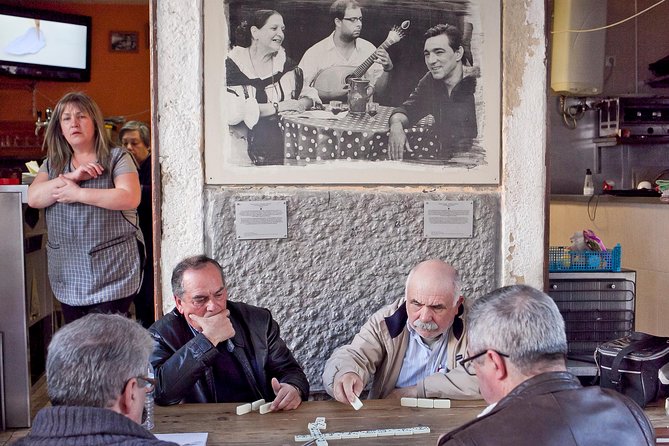
This tour is a good fit if you like any of these:
- Street art with explanations tied to specific places
- A guided sense of Moorish and multicultural Lisbon
- Culture fans who want fado placed in a neighborhood context
- Anyone who prefers a private experience over joining a big group
It’s also a strong choice for couples or small parties who want a slower pace and tailored attention. The tour ends near a metro station, which helps if you’re pairing it with other Lisbon sights later.
If you hate walking on uneven streets, or you’re expecting long indoor time, you might find the pacing challenging. Lisbon streets don’t care about your ideal itinerary.
Should you book Mouraria: The Multicultural District – Private Walking tour?
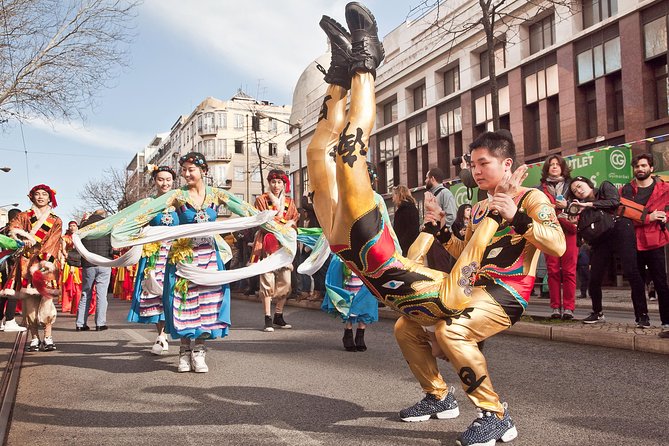
Yes—if you want a Lisbon walk that connects street art, religious architecture, and the story behind fado into one route. The price feels fair for what you get: a private setup, time at key viewpoint and square locations, free-admission stops, and a photographer guide who can help you make photos you’ll actually keep.
Book it especially if you’re the kind of person who likes understanding how a neighborhood works, not just collecting landmarks. This tour gives you that lens fast—by letting you see Mouraria’s layers in the order that makes sense.
If your priority is mostly famous tourist sights with lots of indoor comfort, this may not be your best first choice. But if you want Lisbon’s cultural DNA at street level, it’s a smart booking.
FAQ

FAQ
How long is the Mouraria private walking tour?
It’s listed as approximately 3 hours.
Is this tour private?
Yes. It’s a private tour/activity, so only your group participates.
What language is the tour offered in?
It’s offered in English, and it may be operated by a multi-lingual guide.
Where does the tour start and where does it end?
The start is at R. dos Fanqueiros 170, 1100-227 Lisboa. The end is Largo do Intendente Pina Manique, 1100-395 Lisboa, near the Intendente underground station.
Are there admission fees at the stops?
Each scheduled stop is listed with admission tickets as free.
What’s included in the price?
The tour includes a local guide, a professional guide, a professional photographer guide, and the private tour.
What isn’t included?
Alcoholic drinks (available to purchase), drinks, and snacks are not included.
Is there a minimum number of people needed?
Yes. A minimum of 2 people per booking is required.
Can I cancel and get a full refund?
Yes. You can cancel up to 24 hours in advance for a full refund.
More Tour Reviews in Lisbon
- Lisbon City Center Tour – The Unmissable Lisbon★ 5.0 · 22,234 reviews
- Lisbon: Sintra, Pena, Regaleira, Cabo da Roca & Cascais★ 4.7 · 19,656 reviews
- Lisbon Card: 24, 48, or 72-Hour Pass★ 4.5 · 17,944 reviews
- Lisbon: Jerónimos Monastery Entrance Ticket★ 4.1 · 14,164 reviews
- Lisbon: History, Stories and Lifestyle Walking Tour★ 4.8 · 10,902 reviews
More of Lisbon, One Hill at a Time
- Lisbon: History, Stories and Lifestyle Walking Tour★ 4.8 · 10,902 reviews
- Best of Lisbon Small-Group Guided Walking Tour★ 5.0 · 4,869 reviews
- Lisbon: Food and Wine Small Group Walking Tour★ 4.9 · 4,082 reviews
- Best of Lisbon Walking Tour: Rossio, Chiado & Alfama★ 4.9 · 2,700 reviews
- Age of Discoveries Walking Tour in Belém★ 5.0 · 1,513 reviews
Keep Wandering Old Alfama
- Alfama Tour in Lisbon Old Town★ 5.0 · 4,936 reviews
- Private Lisbon Sightseeing Tuk-Tuk Tour: Alfama, Belém & More★ 5.0 · 4,277 reviews
- Lisbon: Hills, Alfama, and Mouraria Tour by Electric Bike★ 4.8 · 3,438 reviews
- Best of Lisbon Walking Tour: Rossio, Chiado & Alfama★ 4.9 · 2,700 reviews
- Lisbon: Baixa District Food Tour with Dinner and Drinks★ 4.9 · 1,997 reviews
Just in: fresh Lisbon reviews from the team





Alfama & Old Town Tours, compared.
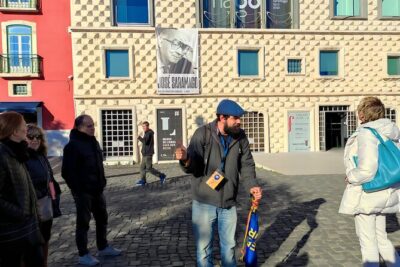 ★ 5.0Alfama Tour in Lisbon Old TownFrom $34,936 reviews
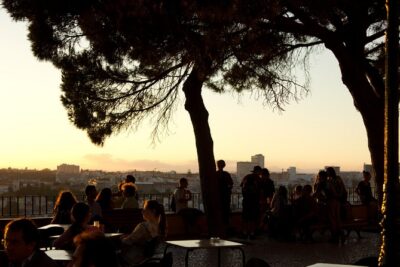 ★ 5.0Private Lisbon Sightseeing Tuk-Tuk Tour: Alfama, Belém & MoreFrom $524,277 reviews
 ★ 4.8Hills, Alfama, and Mouraria Tour by Electric BikeFrom $253,438 reviews
 ★ 4.9Best of Lisbon Walking Tour: Rossio, Chiado & AlfamaFrom $232,700 reviews
 ★ 4.9Baixa District Food Tour with Dinner and DrinksFrom $931,997 reviews
 ★ 5.0Lisbon Small-Group Food Tour with 18 Tastings in Alfama DistrictFrom $1261,967 reviews
 ★ 4.5Lisbon E-Bike Tour Commerce Square, Mouraria and AlfamaFrom $301,688 reviews
 ★ 5.0Old Town TukTuk Tour and Scenic Viewpoints in AlfamaFrom $35974 reviews
Browse the lists this tour appears in