
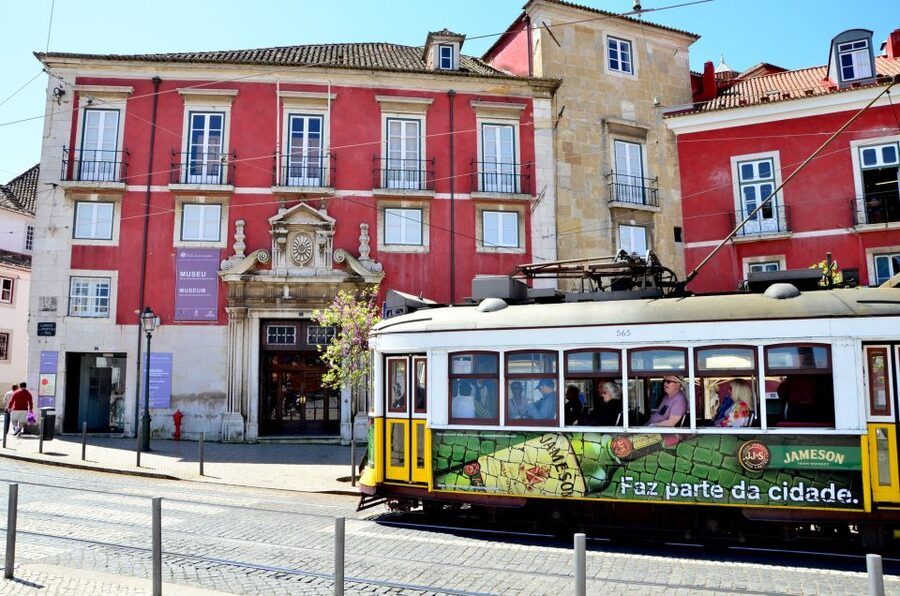
Reviewed · ALFAMA & OLD TOWN TOURS
Best of Lisbon Walking Tour: Rossio, Chiado & Alfama
Lisbon’s center comes at you fast. This guided loop through Rossio Square, Chiado, Baixa, and Alfama turns big landmarks into a walkable story, with a local guide and built-in tastings like pastel de nata. I especially like how the route connects the city’s modern identity to its older bones, and I like that you stop often enough to take photos without feeling herded.
The only drawback: it’s a 3-hour walking tour with multiple photo-and-snack pauses, so it can feel a bit packed if you prefer long, slow stops on your own.
In This Review
- Key Highlights You’ll Actually Feel
- Why This Rossio–Chiado–Alfama Walk Makes Sense
- Starting at Rossio Square: The Heartbeat of New Lisbon
- Rossio Railway Station to Restauradores Square: History in the Middle of Traffic
- Largo do Carmo Square and the Carnation Revolution Moment
- Chiado Stroll: Cafés, Theatres, Bookstores, and What They Signal
- Baixa and the Tasting Break: Where the City Was Rebuilt
- Alfama: Fado Mood, Wine Tasting, and the Tile-Facade Detail
- What $23 Gets You (and What It Doesn’t)
- Practical Tips That Keep the Walk Enjoyable
- Who This Tour Suits Best
- Should You Book This Rossio, Chiado & Alfama Walking Tour?
- FAQ
- Where do I meet the guide for this tour?
- What’s included with the $23 price?
- How long does the walking tour last?
- Is the guide available in English?
- Are entrance fees included?
- What should I bring, and are pets allowed?
Key Highlights You’ll Actually Feel
- Rossio Central Station’s neo-Manueline details: the kind of architecture you’ll want to point out to friends.
- Restauradores Square’s independence obelisk: a sharp history moment right in the middle of town.
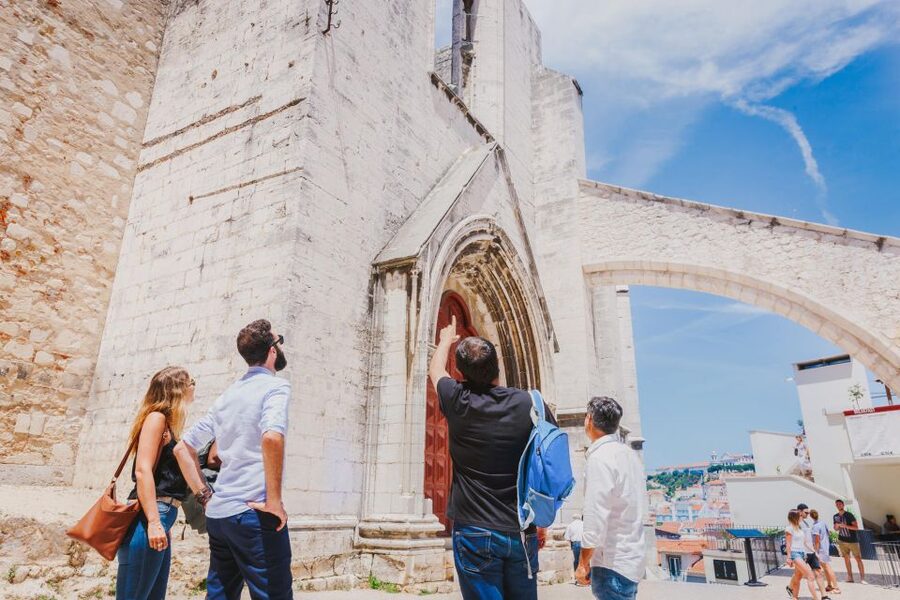
- Carmo Square and the Carnation Revolution: 1974 comes alive in plain language.
- Chiado’s café-and-bookshop vibe: you’ll learn what to look for beyond the storefronts.
- Alfama wine tasting paired with fado culture: you get the neighborhood mood, not just the postcard views.
Why This Rossio–Chiado–Alfama Walk Makes Sense
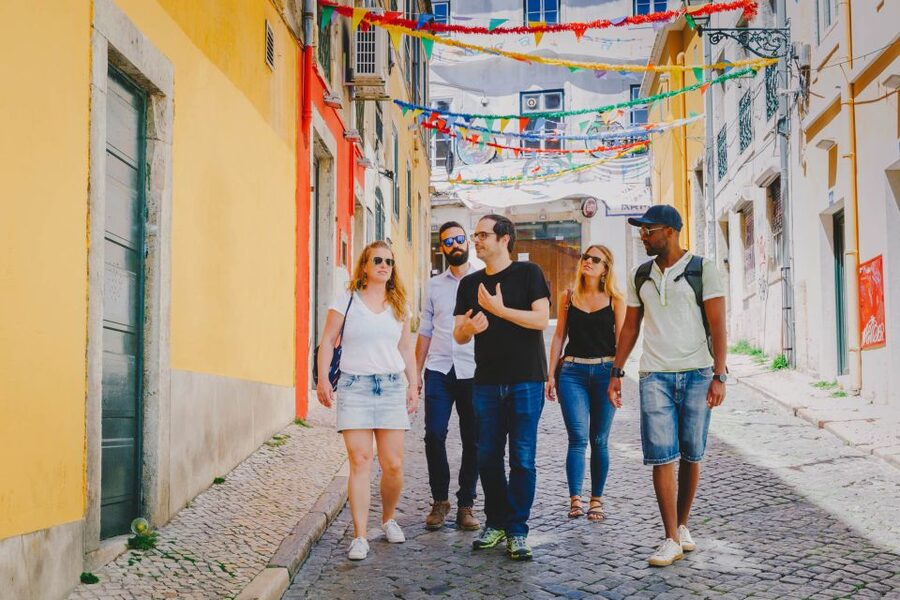
If it’s your first time in Lisbon, this is the kind of tour that helps you stop seeing the city as a blur of hills and photos. In about three hours, you cover the old-and-new core: plazas, viewpoints, and three very different neighborhoods—Rossio/Baixa (order and planning), Chiado (culture and strolling), and Alfama (age, alleys, and fado atmosphere).
I also like the pacing because it’s not only history monuments. You get little breaks that keep you moving—photo stops, viewpoint pauses, and tastings—so you end the walk with both context and taste memories.
One more practical win: the finish point lands you in the area where it’s easy to keep exploring afterward, rather than cutting you off somewhere far away.
Deeper into Alfama's lanes and miradouros
- Alfama Tour in Lisbon Old Town
★ 5.0 · 4,936 reviews - Private Lisbon Sightseeing Tuk-Tuk Tour: Alfama, Belém & More
★ 5.0 · 4,277 reviews - Lisbon: Hills, Alfama, and Mouraria Tour by Electric Bike
★ 4.8 · 3,438 reviews - Best of Lisbon Walking Tour: Rossio, Chiado & Alfama
★ 4.9 · 2,700 reviews
Starting at Rossio Square: The Heartbeat of New Lisbon
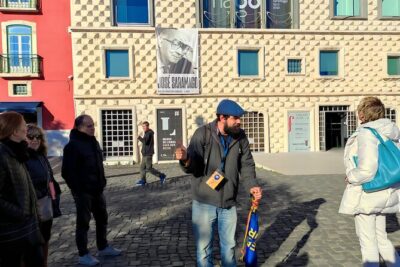
You meet near the Statue of D. Pedro IV by Rossio Square, a natural starting line because it’s the center where people actually converge. This matters: you’re not trying to figure out Lisbon’s street logic before the tour even starts—you start already oriented.
From there, the guide points out what to notice as you walk. One standout is Rossio’s nearby neo-Manueline-style details at Rossio Railway Station—that ornate look that feels Portuguese but also distinctly “of a period.” Even if you’re not the type to geek out on architecture, you’ll pick up enough to recognize why it’s special and how it reflects Portugal’s self-image.
On the way, you also pass St. Dominic’s Square for a quick photo stop. It’s short, but those little stops are useful because they prevent the walk from turning into a single long street march.
Rossio Railway Station to Restauradores Square: History in the Middle of Traffic
Next comes a smooth shift from “walk, look, listen” into “watch for specific symbols.” At the middle of the action is Restauradores Square, where you’ll see the obelisk tied to Portugal’s restoration of independence from Spain.
What I like about this moment is how concrete it feels. Instead of history being only dates and names, it’s literally a monument in open space—easy to remember, easy to point back to later when you’re reading on plaques or planning your next stops.
Then you move along with viewpoint pauses that help you keep your bearings. Those breaks also give you a chance to regroup if your feet or your camera get tired.
Largo do Carmo Square and the Carnation Revolution Moment
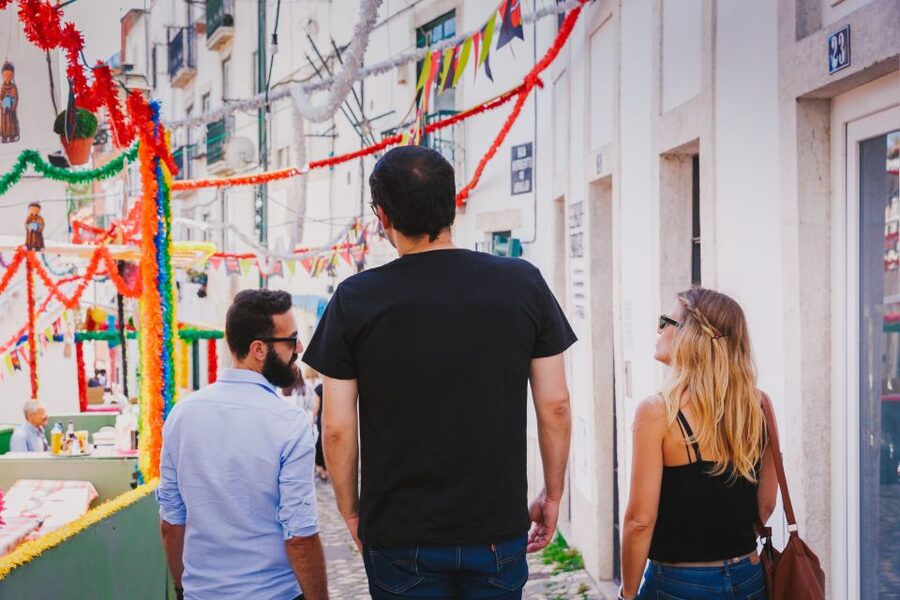
At Largo do Carmo Square, the tour shifts from monarchy-era symbols and city planning into modern political change. You learn about the Carnation Revolution of 1974, the uprising that ended 48 years of dictatorship.
I like this stop because it balances emotional weight with street-level clarity. You’re not tucked inside a museum where history becomes abstract—you’re outside, in a public square, where the story connects to Lisbon’s identity as a city that changed its direction.
This is also where the guide’s style really matters. Names like Filipa, Martin, and Joana show up in English-guided experiences I’ve seen described as lively and approachable. The common theme: you’ll get explanations that are clear enough to follow without turning into a lecture.
If you like to ask questions, this is a great moment to do it. The square format makes it easy for the group to listen without feeling rushed along.
Lisbon at walking pace, a few more routes


Chiado Stroll: Cafés, Theatres, Bookstores, and What They Signal
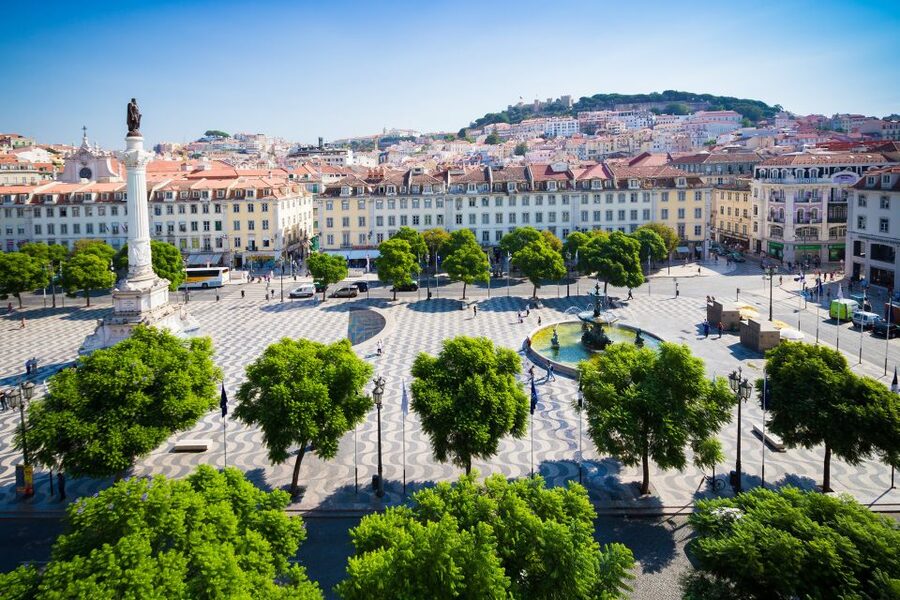
After the revolution stop, you head into Chiado, the district where the vibe turns from political squares to cultural browsing. The guide walks you through what to look for: old-style cafés, boutiques, theatres, and quaint bookstores.
This section is more about atmosphere than monuments. You’re learning how Chiado earns its reputation through daily life, not just big-ticket sights. I like that the tour tells you what each kind of place says about Lisbon—who it attracted, what kind of city it wanted to be, and why locals still treat it like a special zone.
You’ll also get passes with scenic views along the way. That’s important here because Chiado is one of those neighborhoods where you get better photos when you know which direction to look, not just when you happen to be standing still.
Baixa and the Tasting Break: Where the City Was Rebuilt
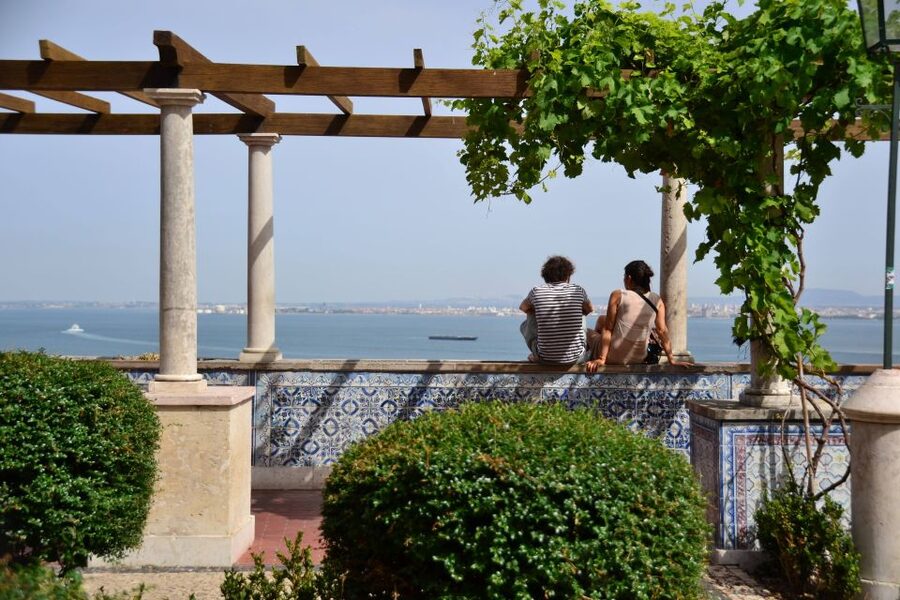
Then the tour brings you to Baixa de Lisboa, the central district known for its rebuild after the 18th-century earthquake. This is one of those rare Lisbon stories where urban planning is the main character. You’ll learn about the new rules of urbanism and what the tour calls anti-systemic architecture—meaning the rebuild followed a different approach than the older street patterns.
Even if you don’t care about planning theory, Baixa is worth it because it helps you understand why Lisbon looks the way it does today. When streets feel more “organized” here than elsewhere, that’s not random—it’s the result of a reset.
And this is where the tour leans into taste. You’ll stop for a food break in Baixa, and you’ll also have a pastel de nata (egg custard tart) included. I love that the tour doesn’t treat food as an afterthought; it times it so you’re hungry enough to enjoy it and not so stuffed that you can’t keep walking.
If you want to make the most of the tasting part, watch how the guide recommends what to try (and how to eat it). That little advice can save you confusion later when you’re ordering on your own.
Alfama: Fado Mood, Wine Tasting, and the Tile-Facade Detail
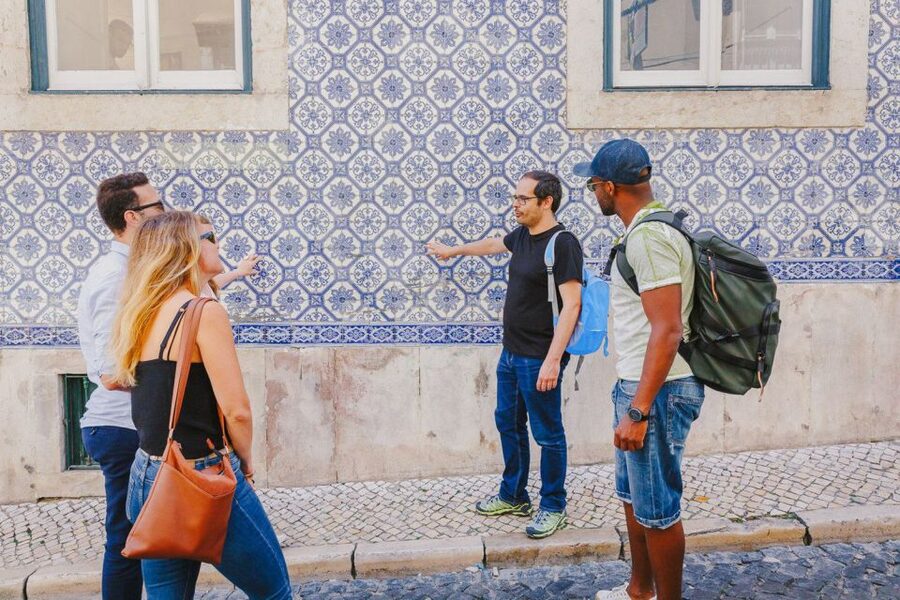
Finally, you head into Alfama, Lisbon’s older neighborhood with Moorish influences and that winding-street feel that makes it instantly different from Baixa or Chiado. This is where the pace often feels more intimate because the streets aren’t built for rushing.
The tour sets you up for the neighborhood’s most famous cultural thread: fado. Instead of only explaining it as a genre, you get an up-close experience of the environment where fado lives—alleys, small spaces, and the kind of everyday texture that makes music feel like it belongs there.
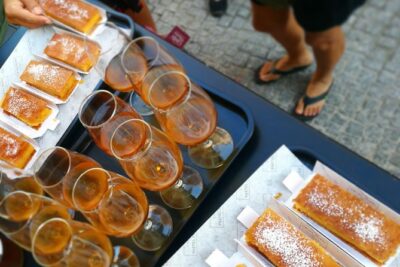
You’ll also have tastings here, including a wine tasting (plus another snack tasting as part of the included food moments). I like that you’re not just sampling sweets; you’re getting a fuller picture of what “local flavor” means in different settings.
One specific detail that’s worth asking about while you’re in Alfama: the reason many of the buildings have tiled facades. Guides often point this out, and it turns a simple visual into a story you’ll remember.
Photo stops in Alfama matter too. The neighborhood looks amazing, but you need a guide’s timing to hit the good angles—especially if you’re trying to avoid spending too long wandering aimlessly.
What $23 Gets You (and What It Doesn’t)
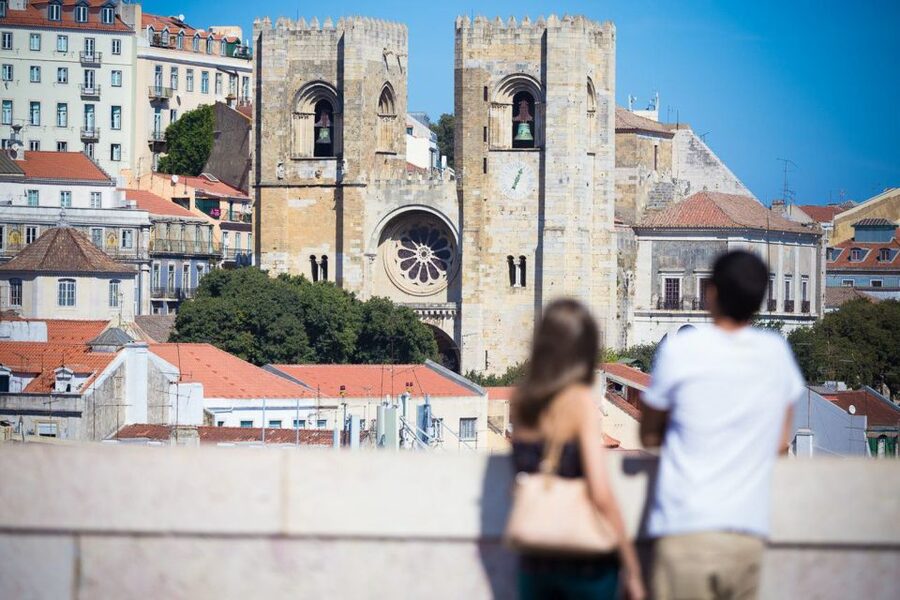
At $23 per person for about 3 hours, the value is mainly in three places:
- You’re buying a local guide’s filter. Without that, you’d likely spend more time figuring out what to notice and why it matters.
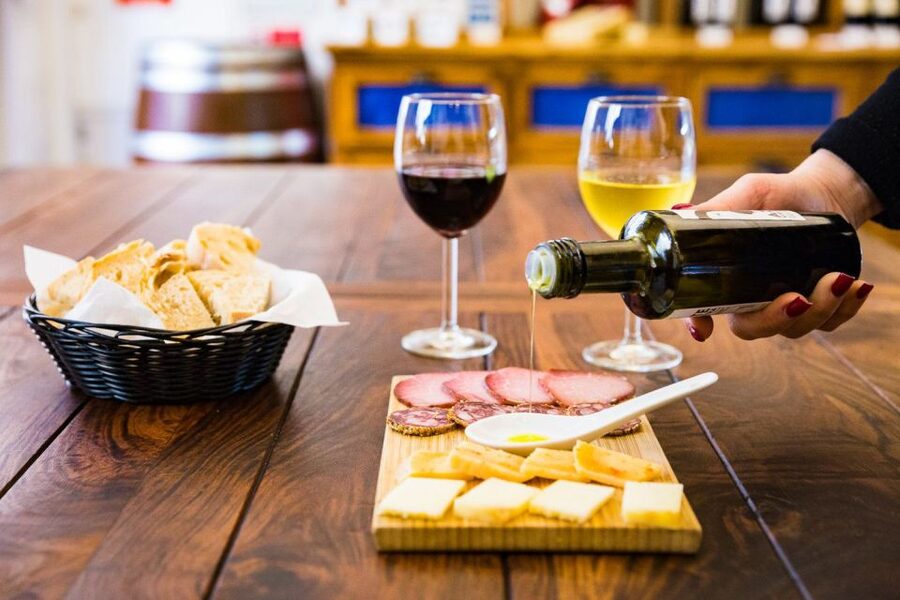
- You get included tastings: one pastel de nata, one snack tasting, and one wine tasting.
- You cover a strong first-day arc across Rossio, Chiado, Baixa, and Alfama, ending in a place where it’s easy to continue.
What’s not included is also clear: entrance fees and guiding at attractions. So if you’re hoping every stop turns into an inside visit, plan to treat most locations as look-and-learn from the street unless you choose to pay for later self-guided entry.
Also, because it’s a walking tour, the “price per hour” is only part of the story. You’re paying for direction—how to read Lisbon as you go.
Practical Tips That Keep the Walk Enjoyable
Bring comfortable shoes. This is an active tour, and the included photo and viewpoint moments still mean you’re walking between them.
Wear comfortable clothes—the tour is outdoors most of the time, and Lisbon’s weather can change quickly even when the day looks calm.
A few behavior tips help too:
- If you’re the type who likes to take photos, start by letting the guide lead you to the viewpoint before you stop to shoot.
- If you have questions, save them for the history and neighborhood segments. That’s when the guide’s explanations have the most payoff.
- In Alfama, slow down on the winding streets. The best moments come when you stop trying to move through quickly and start paying attention to what’s around you.
Who This Tour Suits Best
This tour is a strong fit if you want a first-time Lisbon orientation with a guided storyline. It’s also ideal if you like your history connected to real places—squares, stations, districts—rather than treated as a separate topic.
I’d especially recommend it if you:
- want to understand why Lisbon looks the way it does (Rossio/Baixa rebuild, architectural style)
- care about modern Portuguese history (the Carnation Revolution explanation)
- enjoy a food-and-wine component without turning the day into a full meal crawl
If you already know Lisbon extremely well and prefer deep, long museum stops, you might find it too “high level.” But for most people doing their first serious day in the center, it’s a smart use of time.
Should You Book This Rossio, Chiado & Alfama Walking Tour?
Yes, I’d book it if you want an organized way to see the core neighborhoods in one morning-style session, with tastings included and a guide who can connect landmarks to Lisbon’s political and cultural shifts. At $23 for a guide-led walk plus pastel de nata and wine, the math works for many budgets—especially when you’d otherwise pay for several separate local food stops.
I’d skip it only if you strongly dislike structured walking tours, or if you need long indoor time at specific attractions. In that case, you might prefer a more freeform plan and just pick your own cafés and viewpoints.
If you’re aiming to get your bearings fast and leave with both context and flavor, this one’s a solid starting move.
FAQ
Where do I meet the guide for this tour?
You meet at Rossio Square, close to the statue of D. Pedro IV.
What’s included with the $23 price?
The tour includes a local guide and walking tour, plus 1 pastel de nata (custard tart), 1 snack tasting, and 1 wine tasting.
How long does the walking tour last?
The tour lasts 3 hours.
Is the guide available in English?
Yes. The tour is offered with an English live tour guide.
Are entrance fees included?
No. Entrance fees and guiding at attractions and sites are not included.
What should I bring, and are pets allowed?
Bring comfortable shoes and comfortable clothes. Pets are not allowed.
More Tour Reviews in Lisbon
- Lisbon City Center Tour – The Unmissable Lisbon★ 5.0 · 22,234 reviews
- Lisbon: Sintra, Pena, Regaleira, Cabo da Roca & Cascais★ 4.7 · 19,656 reviews
- Lisbon Card: 24, 48, or 72-Hour Pass★ 4.5 · 17,944 reviews
- Lisbon: Jerónimos Monastery Entrance Ticket★ 4.1 · 14,164 reviews
- Lisbon: History, Stories and Lifestyle Walking Tour★ 4.8 · 10,902 reviews
More of Lisbon, One Hill at a Time
- Lisbon: History, Stories and Lifestyle Walking Tour★ 4.8 · 10,902 reviews
- Best of Lisbon Small-Group Guided Walking Tour★ 5.0 · 4,869 reviews
- Lisbon: Food and Wine Small Group Walking Tour★ 4.9 · 4,082 reviews
- Age of Discoveries Walking Tour in Belém★ 5.0 · 1,513 reviews
- Lisbon Roots – Small group Food & Culture Walking Tour w/tastings★ 5.0 · 910 reviews
Keep Wandering Old Alfama
- Alfama Tour in Lisbon Old Town★ 5.0 · 4,936 reviews
- Private Lisbon Sightseeing Tuk-Tuk Tour: Alfama, Belém & More★ 5.0 · 4,277 reviews
- Lisbon: Hills, Alfama, and Mouraria Tour by Electric Bike★ 4.8 · 3,438 reviews
- Lisbon: Baixa District Food Tour with Dinner and Drinks★ 4.9 · 1,997 reviews
- Lisbon Small-Group Food Tour with 18 Tastings in Alfama District★ 5.0 · 1,967 reviews
Just in: fresh Lisbon reviews from the team





Alfama & Old Town Tours, compared.
 ★ 5.0Alfama Tour in Lisbon Old TownFrom $34,936 reviews
 ★ 5.0Private Lisbon Sightseeing Tuk-Tuk Tour: Alfama, Belém & MoreFrom $524,277 reviews
 ★ 4.8Hills, Alfama, and Mouraria Tour by Electric BikeFrom $253,438 reviews
 ★ 4.9Baixa District Food Tour with Dinner and DrinksFrom $931,997 reviews
 ★ 5.0Lisbon Small-Group Food Tour with 18 Tastings in Alfama DistrictFrom $1261,967 reviews
 ★ 4.5Lisbon E-Bike Tour Commerce Square, Mouraria and AlfamaFrom $301,688 reviews
 ★ 5.0Old Town TukTuk Tour and Scenic Viewpoints in AlfamaFrom $35974 reviews
 ★ 4.4Alfama Tour and Live Fado with Traditional DinnerFrom $58970 reviews
Browse the lists this tour appears in