
Reviewed · LISBON COOKING CLASSES
Lisbon: Traditional Portuguese Cooking Class
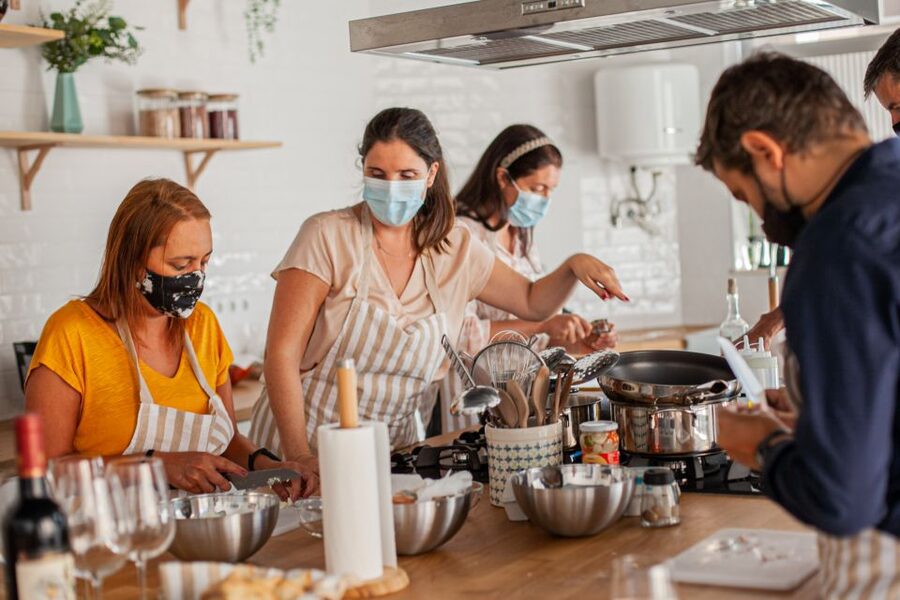
Your dinner starts with a cutting board. This is a hands-on Lisbon cooking class that turns Portuguese staples into something you actually make and eat, not just watch. I love the way you cook the full flow—starter, main, and dessert—while learning the story behind each dish, often with chefs like Ana and Karina adding the laughs.
One thing to plan for: this isn’t a good fit if you have food allergies or you need a vegan menu, and dietary needs require advance notice.
In This Review
- Key highlights worth your time
- A Lisbon cooking class that feels like dinner, not a demo
- The pre-cooking tasting: cheeses, chorizo, and wine
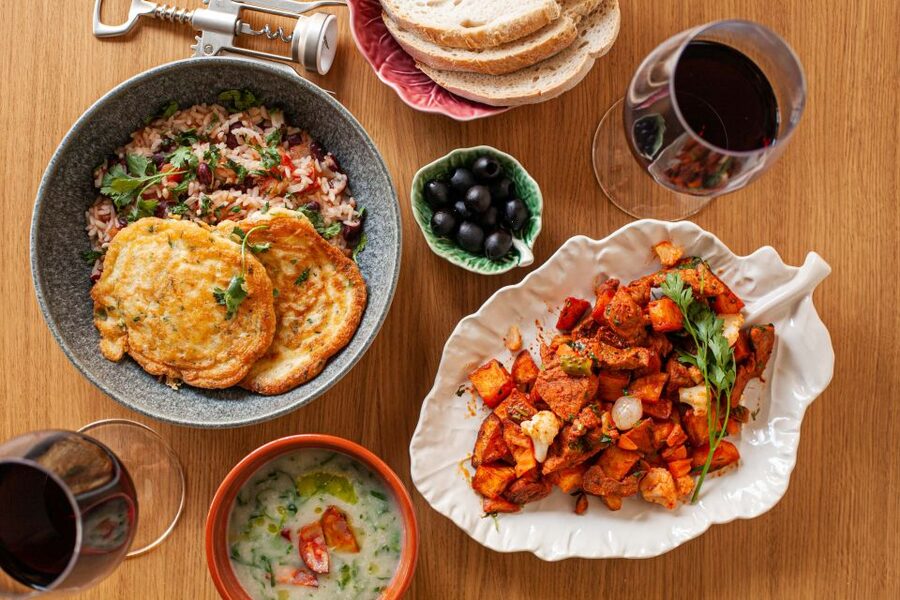
- What you cook in 3 hours: starter, main, dessert
- Starter: learn the “building blocks” of flavor
- Main course: the part that tests your technique
- Dessert: finish with a Portuguese sweet note
- Seasonal ingredients and the family-farm touches
- The chefs: names you might meet, and why their teaching works
- Finding the kitchen above Continente Bom Dia
- Price in context: what $94 buys you (and what it doesn’t)
- Who should book this class in Lisbon
- Practical tips to get more out of your evening
- Should you book Lisbon: Traditional Portuguese Cooking Class?
- FAQ
- How long is the Lisbon traditional Portuguese cooking class?
- How many people are in the class?
- What does the price include?
- Is transportation included?
- What languages are the instructors?
- Can vegetarians join?
- Can vegans or people with food allergies join?
- What’s the meeting point like?
- Is alcohol involved in the class?
- What’s the cancellation policy?
Key highlights worth your time
- Small group of up to 10 means more direct help while you cook
- Cheese, chorizo, and wine tasting before you start working on your meal
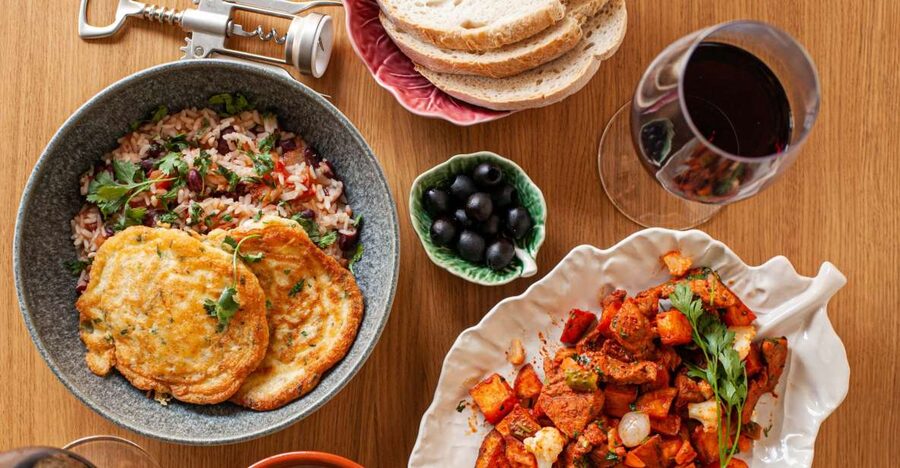
- Starter, main, and dessert, hands-on so you leave fed and with real technique
- Seasonal menu changes based on fresh local ingredients and availability
- Dish stories and family-food context help Portuguese cooking click on a deeper level
- English and Portuguese instruction with chefs who can explain as they teach
A Lisbon cooking class that feels like dinner, not a demo
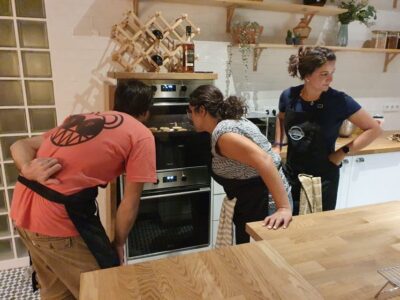
If you want Portuguese food with more than just a taste, this class is built for you. You work in a kitchen, with an instructor guiding your hands, and you end up eating what you made in a relaxed setting. The vibe is practical and warm, the kind of place where people ask questions and you don’t feel rushed.
What makes it different from many food tours is the emphasis on the why behind what you’re doing. The class doesn’t treat recipes like museum pieces. You’ll hear the narrative that ties ingredients and dishes to Portuguese traditions, and that storytelling sticks with you long after the last bite.
The food focus is strong, too. The format is designed around a full meal, not just one dish. You’ll taste a few things first, then roll up your sleeves for the starter, main course, and dessert, each tied to Portuguese flavor logic that’s easier to recreate later.
One more practical win: the group is limited to 10 participants, so you get real feedback while you cook, especially if you’re a less confident home cook.
More aprons-on hours in a Lisbon kitchen
- Lisbon: Pastel de Nata Baking Class
★ 4.9 · 2,106 reviews - Lisbon: Traditional Portuguese Cooking Class
★ 4.9 · 592 reviews - Lisbon: 2-Hour Pastel de Nata Cooking Class
★ 4.8 · 461 reviews - Lisbon Portuguese Cooking Class with 3-Course Dinner
★ 5.0 · 445 reviews
The pre-cooking tasting: cheeses, chorizo, and wine
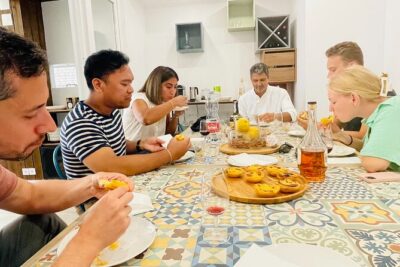
Before any stove time, you start with tastings that set the tone. You’ll sample cheeses, chorizo, and wines, which helps you understand what Portuguese flavor looks like when it’s at its best: salty-meaty depth, dairy richness, and wine that’s meant to match the table.
One review even described an antipasto-style start with wine that helped the group loosen up fast. That matters more than it sounds. When you start cooking already in a comfortable mood, the class feels like sharing a meal with locals rather than chasing instructions.
Tip for you: pace yourself. Yes, you’ll taste wine as part of the class, but keep enough clarity to follow steps and timings once your hands are busy. You want to enjoy the tasting and still cook confidently.
What you cook in 3 hours: starter, main, dessert

This is a true full hands-on Portuguese cooking class, organized around three parts. The menu changes with seasons and what’s available, so your exact dishes depend on the day. But the structure stays the same: starter first, then main, then dessert.
Starter: learn the “building blocks” of flavor
You’ll start with the starter, and this is where instructors usually show you the basics that make everything else work. Even if the specific dish varies by season, you’ll practice how Portuguese cooking layers flavor—salt, fat, acidity, and aromatic notes—into something that tastes balanced rather than heavy.
Think of the starter as your training ground. You get comfortable with the kitchen flow, you learn how your chef wants you to cut, mix, or assemble, and then you carry that confidence into the main course.
Worth a look before you lock anything else in around Lisbon:
Main course: the part that tests your technique
The main course is where most people feel the most satisfaction at the end. One review noted the cooking can be challenging in a good way—thought-provoking, but not chaotic. That’s what you want: some real technique, not mindless stirring.
The chefs teach in a way that makes the results come out right. You’re not just copying steps; you’re learning how ingredients behave. And because the class is small, you’re more likely to get help while it still matters—right when you need it.
Dessert: finish with a Portuguese sweet note
You’ll wrap up with dessert, completing the full meal arc. Portuguese desserts can be subtle or bold depending on the ingredients and season, and dessert is your chance to see how the sweetness side of the cuisine balances the savory side you just worked on.
Even better, dessert is often where people realize they can reproduce flavors at home. If you leave with one “I can do this” skill, dessert tends to be it.
Seasonal ingredients and the family-farm touches
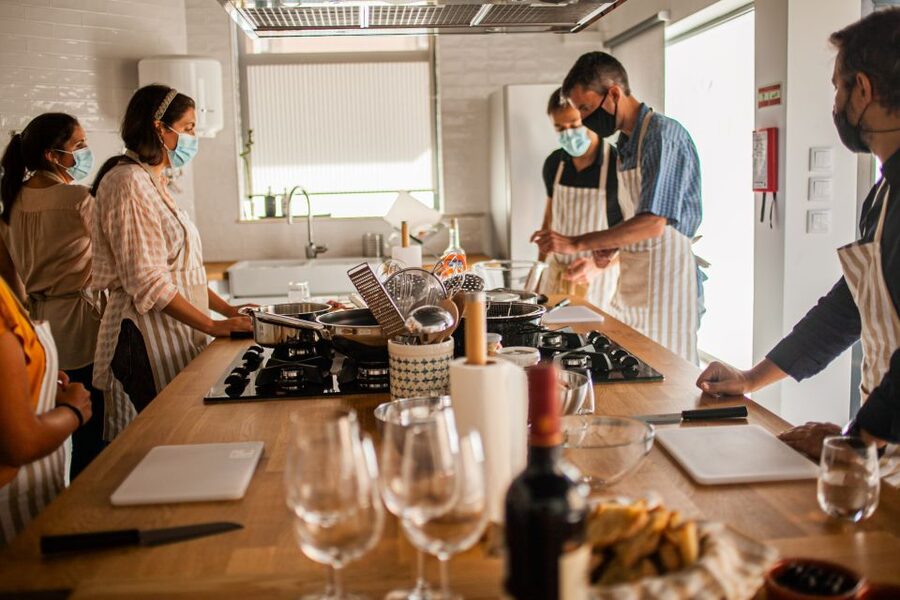
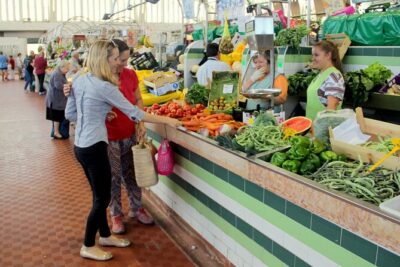
The class menu is described as fresh, local, and seasonal, which isn’t just marketing. It changes your expectations. Instead of a fixed script, you’re cooking with what’s actually good right now. That’s also why the class has the feel of a real kitchen rhythm.
Several reviews mention the personal, ingredient-level touches that make it feel more authentic. People talked about olive oil and figs coming from a family farm and breads from a hometown source. Even when you’re not told the full backstory of every ingredient, you can sense that the chefs aren’t relying on shortcuts.
For you, this matters because it changes what you learn. You’re not memorizing one frozen ingredient list. You’re learning principles—how Portuguese flavors fit together—so when ingredients vary on your next trip or at home, you’re not stuck.
The chefs: names you might meet, and why their teaching works
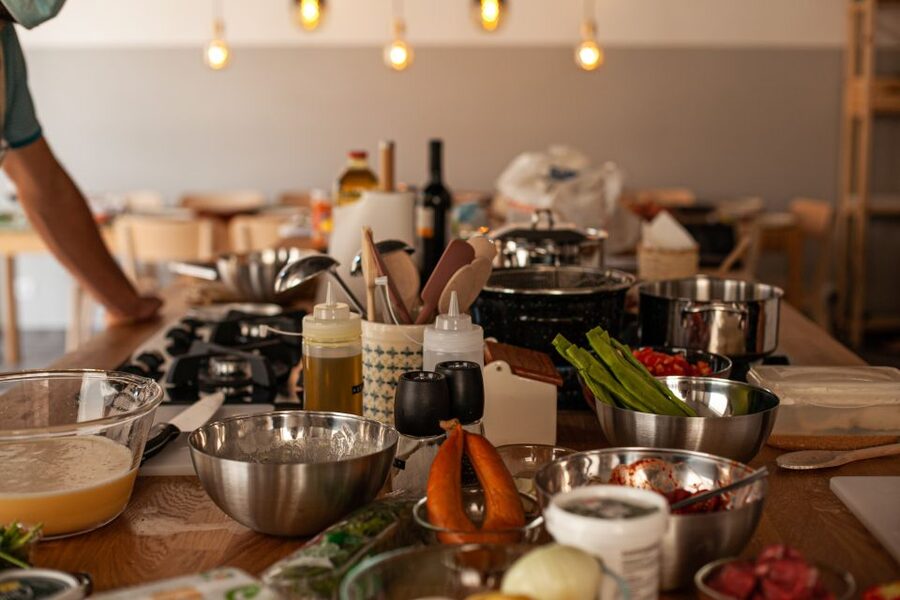
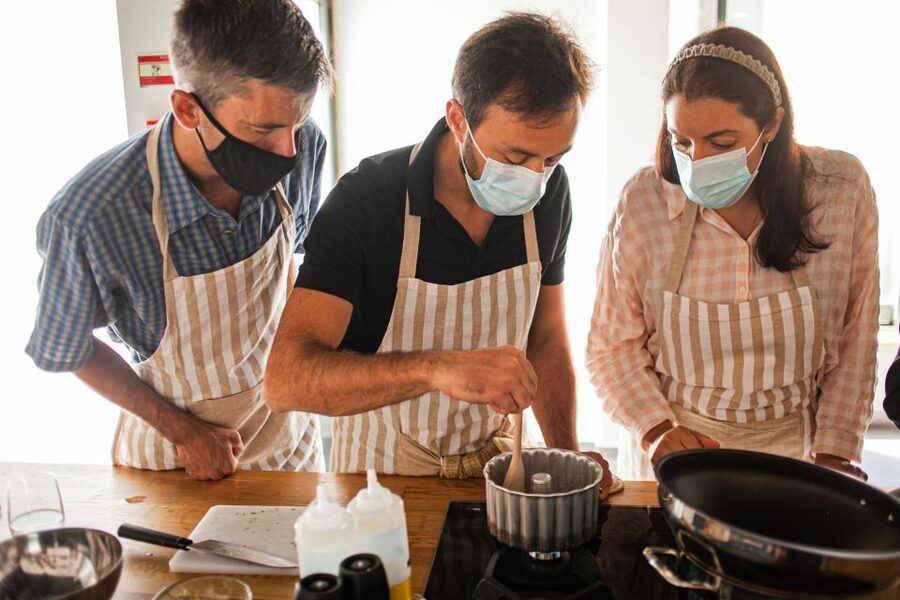
In the reviews, the chefs mentioned include Ana, Karina, and Carina (some sessions seem to list different names), and the theme is consistent: they teach with personality and structure. People describe them as funny and kind, and that matters, because good cooking instruction isn’t just technical. It’s also about keeping the room calm while you learn.
You’ll likely notice two teaching styles working at once:
- Technique first, so you don’t get lost in the recipe
- Story alongside the dish, so the food makes emotional sense, not just logical sense
That pairing is what turns the class into an experience you remember, not a one-night performance.
Also, the class is offered in English and Portuguese, so you’re not stuck if your Portuguese is still at the level of ordering coffee.
Finding the kitchen above Continente Bom Dia
Meeting up is straightforward once you know the landmark. The kitchen is on the top floor of a building on a main street. Look for the “Continente Bom Dia” supermarket. When you’re facing the main door, go left to find stairs. Go up until the end, and that’s where you’ll find the kitchen in the chef’s shop.
Practical tip: give yourself a couple extra minutes. Lisbon can be walk-friendly, but corners and signage can still throw you. Arriving early helps you start the tasting relaxed instead of hurried.
And since transportation isn’t included, plan how you’ll get there. If you’re staying in central Lisbon, you may find it easy to reach on foot or by short local rides, but the class won’t handle that part.
Price in context: what $94 buys you (and what it doesn’t)

The price is $94 per person for a 3-hour experience. On paper, that can look like a lot if you’re comparing it to a casual dinner. But cooking classes should be judged by what you get: time, instruction, ingredients, and the fact you eat the meal you make.
Here’s what your money is paying for:
- A structured meal (starter, main, dessert) rather than one dish
- Ingredient tastings (cheeses, chorizo, and wine)
- Hands-on teaching with a small group (max 10)
- Seasonal, fresh ingredients chosen for real flavor, not bulk efficiency
What you should not expect included:
- Pickup or drop-off transportation
So the best value here is for people who want a hands-on meal and instruction. If you only want to sample food and you’d rather not cook, another food tasting experience might be cheaper and more your style.
Who should book this class in Lisbon
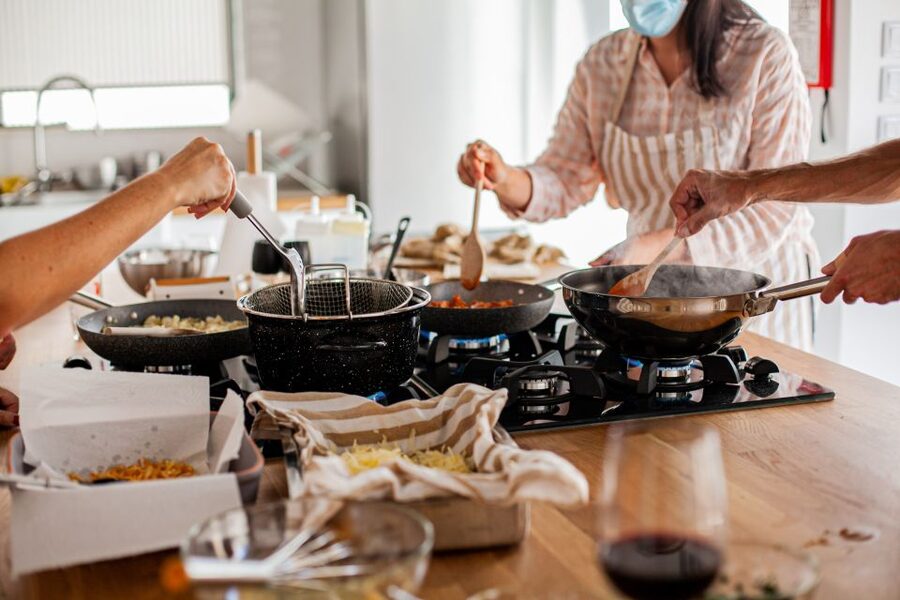
This is a strong match if you want:
- A hands-on Portuguese experience in Lisbon with real chef coaching
- A small group setting where you can ask questions
- A full meal, not just appetizers
- The “story behind the dish” angle so Portuguese food becomes easier to recognize on menus later
It’s also a good option for couples or small groups who want an activity that feels local without feeling like work.
Who should reconsider:
- Children under 8
- Wheelchair users
- Vegans
- People with food allergies
If you’re vegetarian, the menu can be adapted, but you must communicate your needs at least 72 hours in advance. Dietary planning isn’t optional here; it’s built into how the class prepares ingredients.
Practical tips to get more out of your evening
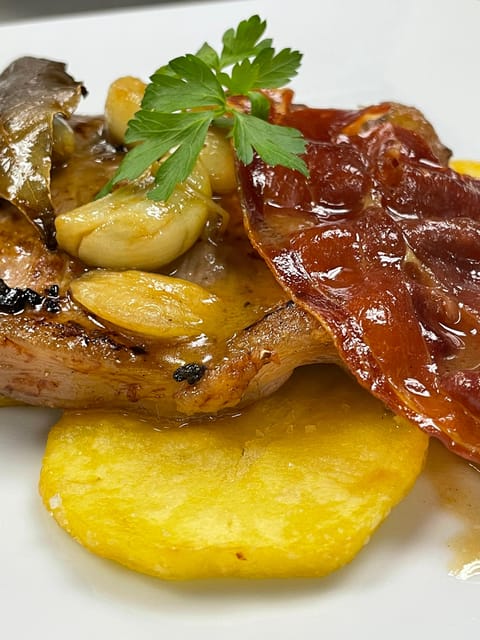
A cooking class goes smoother when you treat it like a workshop. You’ll enjoy it more if you come prepared for focused time.
Bring (or wear) what you’ll feel comfortable using:
- Closed-toe shoes for standing and moving around the kitchen space
- A light layer, since kitchen temperatures can change while you cook
- A ready-to-learn attitude, not a “just let me watch” mindset
Also, if you’re planning dietary needs, send them early. The class specifically notes that restrictions must be communicated at least 72 hours before the start of your reserved class. That lead time helps them adapt the menu safely.
And if you’re a bit nervous about cooking, don’t be. Reviews mention the chefs make the class approachable and provide clear instruction, even for people without much experience. You’ll be busy, but you won’t be abandoned.
Should you book Lisbon: Traditional Portuguese Cooking Class?
I think you should book this if your Lisbon trip includes a craving for more than sightseeing and a strong desire to learn Portuguese cooking you can actually repeat. The small group size, the full meal format, and the combination of technique plus dish stories are a real value package for the $94 price tag.
Skip it if food constraints are a big deal for you. It’s not built for vegans, and it’s not designed for people with food allergies. If that’s your situation, you’ll likely be better off choosing a different food experience that can handle your needs with less risk.
If you’re in the sweet spot—curious eater, willing cook, and able to plan dietary needs ahead—this is one of those Lisbon activities that leaves you satisfied in two ways: you eat a great meal, and you walk away with a better understanding of Portuguese flavor logic.
FAQ
How long is the Lisbon traditional Portuguese cooking class?
It lasts 3 hours.
How many people are in the class?
It’s a small group limited to 10 participants.
What does the price include?
You get a tasting of cheeses, chorizo, and wines, plus a hands-on cooking class where you prepare a starter, main course, and dessert.
Is transportation included?
No. Transportation to and from the location is not included.
What languages are the instructors?
The instructor teaches in English and Portuguese.
Can vegetarians join?
Yes, the menu can be adapted for vegetarians, but you must communicate your needs at least 72 hours before the class.
Can vegans or people with food allergies join?
No. The class is not suitable for vegans, and it’s not suitable for people with food allergies.
What’s the meeting point like?
The kitchen is on the top floor above the main street area. Find the Continente Bom Dia supermarket; facing its main door, go left to stairs, go up to the end, and the kitchen is in the chef’s shop.
Is alcohol involved in the class?
Wine is part of the included tasting. The activity also states that alcohol is not allowed, so you should not bring any alcohol yourself.
What’s the cancellation policy?
Free cancellation is available up to 24 hours in advance for a full refund.
More Cooking Classes in Lisbon
- Lisbon: Pastel de Nata Baking Class★ 4.9 · 2,106 reviews
- Lisbon: Traditional Portuguese Cooking Class★ 4.9 · 592 reviews
- Lisbon: 2-Hour Pastel de Nata Cooking Class★ 4.8 · 461 reviews
- Lisbon Portuguese Cooking Class with 3-Course Dinner★ 5.0 · 445 reviews
- Traditional Portuguese Cooking Class in Lisbon★ 5.0 · 287 reviews
More Tour Reviews in Lisbon
- Lisbon City Center Tour – The Unmissable Lisbon★ 5.0 · 22,234 reviews
- Lisbon: Sintra, Pena, Regaleira, Cabo da Roca & Cascais★ 4.7 · 19,656 reviews
- Lisbon Card: 24, 48, or 72-Hour Pass★ 4.5 · 17,944 reviews
- Lisbon: Jerónimos Monastery Entrance Ticket★ 4.1 · 14,164 reviews
- Lisbon: History, Stories and Lifestyle Walking Tour★ 4.8 · 10,902 reviews
More Time in a Lisbon Kitchen
- Lisbon: Pastel de Nata Baking Class★ 4.9 · 2,106 reviews
- Lisbon: Traditional Portuguese Cooking Class★ 4.9 · 592 reviews
- Lisbon: 2-Hour Pastel de Nata Cooking Class★ 4.8 · 461 reviews
- Lisbon Portuguese Cooking Class with 3-Course Dinner★ 5.0 · 445 reviews
- Traditional Portuguese Cooking Class in Lisbon★ 5.0 · 287 reviews
Just in: fresh Lisbon reviews from the team





Lisbon Cooking Classes, compared.
 ★ 4.9Pastel de Nata Baking ClassFrom $642,106 reviews
 ★ 4.9Traditional Portuguese Cooking ClassFrom $100592 reviews
 ★ 4.82-Hour Pastel de Nata Cooking ClassFrom $64461 reviews
 ★ 5.0Lisbon Portuguese Cooking Class with 3-Course DinnerFrom $130445 reviews
 ★ 5.0Traditional Portuguese Cooking Class in LisbonFrom $102287 reviews
 ★ 5.0Pasteis de Nata Baking Class from LisbonFrom $78248 reviews
 ★ 5.0Portuguese Cooking Class in LisbonFrom $114141 reviews
 ★ 4.5Portuguese Cooking Experience in LisbonFrom $108140 reviews
Browse the lists this tour appears in