
Reviewed · LISBON COOKING CLASSES
Lisbon: Portuguese street food cooking class with Drinks
Two hours, four classics, and a plate you made. This Lisbon class at Compadre Cooking School kitchen turns street snacks into hands-on cooking, then ends with a shared meal and local drinks. I especially like the mix of practical instruction and dish stories that explain why these foods matter. One possible drawback: you’ll be actively working at stations the whole time, so if you prefer lots of watching and less hands-on, this may feel a bit fast and busy.
I also love the focus on everyday Portuguese comfort foods you can actually recreate at home, not just a fancy one-off dish. Instructors teach in English, and you’ll learn key steps while you cook alongside the group. Still, plan around the 2-hour timeline and wear comfortable shoes, since there’s no long sit-down break.
In This Review
- Key Points Before You Go
- Compadre’s Kitchen in Lisbon: clean stations, clear rhythm, real comfort
- The 2-hour game plan: short stories, then hands-on stations, then a shared meal
- Bifana in Lisbon: learn the sandwich mechanics, not just the name
- Caldo verde: the soup that teaches you the Portuguese way of comfort
- Peixinhos da horta: the snack-fry that connects to tempura
- Wine and ginja: the ending that actually matches Lisbon
- Price and value: why $55 can be a good deal for a 2-hour class
- What you’ll likely love (based on real teaching vibes)
- Who should book this cooking class in Lisbon
- Quick tips that make the class easier
- Should you book this Lisbon street food cooking class?
- FAQ
- How long is the Portuguese street food cooking class in Lisbon?
- Where do I meet for the class?
- What dishes will I cook and eat?
- Do I need prior cooking experience?
- What drinks are included?
- What should I bring, and can they adapt for dietary needs?
Key Points Before You Go
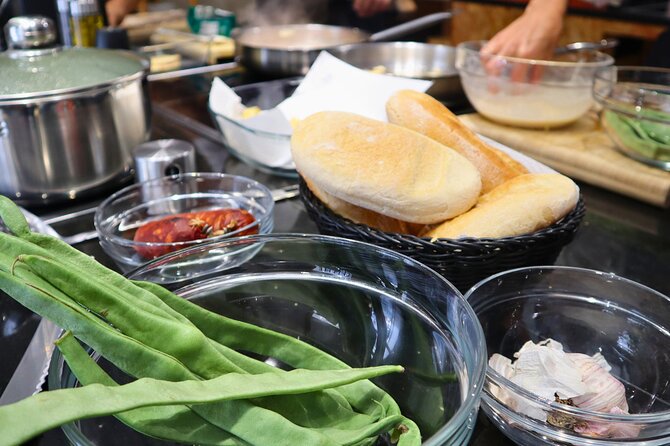
- Bifana, caldo verde, and peixinhos da horta are the core dishes, with simple methods you can repeat later
- Hands-on cooking stations mean you’ll chop, mix, and cook with the group, not just taste
- Portuguese dish origins are part of the lesson, including the connection between peixinhos da horta and tempura
- Wine plus a ginja tasting wrap up the meal in the most Portuguese way possible
- Small-room comfort: reviews point to a clean, modern, well-equipped kitchen setup
- Not wheelchair accessible and you’ll want comfortable shoes for standing and moving around
Compadre’s Kitchen in Lisbon: clean stations, clear rhythm, real comfort
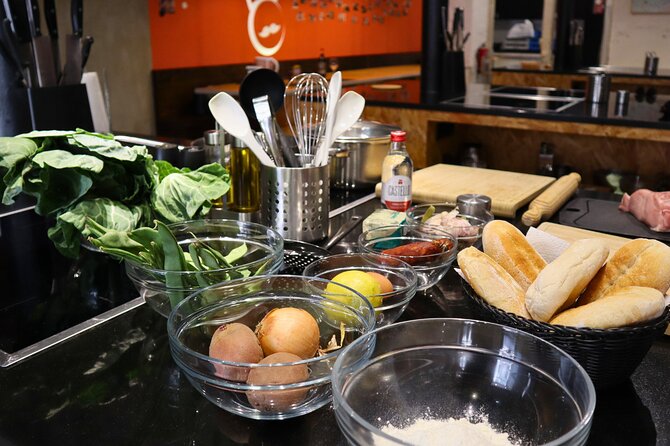
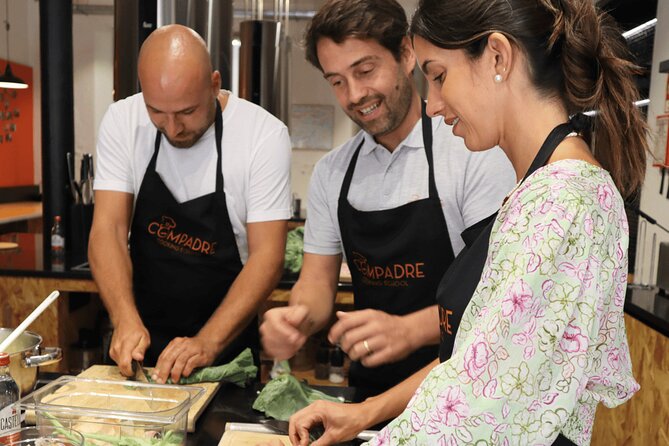
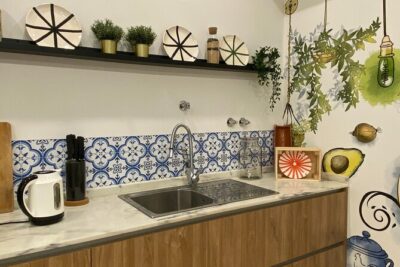
Lisbon has a way of making food feel casual even when it’s serious. This class fits that vibe. The action happens inside the Compadre Cooking School kitchen, and the setup is designed for real cooking: stations where you can work without feeling cramped, and an organized flow that keeps you moving through each dish.
I like that the room feels professional but friendly. Multiple people noted the space as spotless and modern, which matters when you’re doing hands-on work with hot pans, chopping, and sauces. A clean kitchen also keeps the mood relaxed—you focus on the food instead of worrying about the mess.
Also, don’t show up dressed for sightseeing. Even if it’s only two hours, you’ll stand, prep, and cook. Bring comfortable shoes and wear clothing you don’t mind getting a little kitchen-life on.
One more practical point: this experience is run in English, and there’s no requirement that you’ve cooked before. If you can follow directions and enjoy food, you’re in the right place.
More aprons-on hours in a Lisbon kitchen
- Lisbon: Pastel de Nata Baking Class
★ 4.9 · 2,106 reviews - Lisbon: Traditional Portuguese Cooking Class
★ 4.9 · 592 reviews - Lisbon: 2-Hour Pastel de Nata Cooking Class
★ 4.8 · 461 reviews - Lisbon Portuguese Cooking Class with 3-Course Dinner
★ 5.0 · 445 reviews
The 2-hour game plan: short stories, then hands-on stations, then a shared meal
Think of the class as three acts, all packed into a tight schedule.
First, you get an intro that sets the stage. You’ll learn where these dishes come from and how they show up in daily Portuguese food culture—street snack energy, festival food habits, and home-comfort classics. This matters because it turns cooking from a task into context. You’re not just making a sandwich; you’re learning the logic behind the flavors and the traditions.
Then comes the main part: you cook. You’ll work at stations side by side with other participants under the guidance of the chef. You’ll make the dishes you came for—typically broken into steps like prep, seasoning, cooking, and final assembly. The class is paced so everyone gets a chance to participate instead of waiting around.
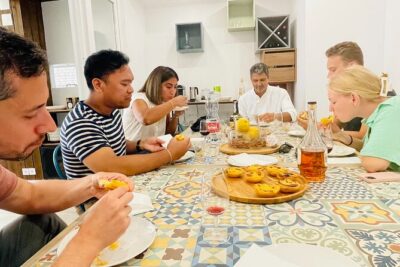
Finally, you sit together and eat what you made. This is one of those simple things that actually boosts the value: you’re not rushing through the lesson and leaving hungry. You’ll share the meal at the table, which also makes it easy to talk with your group and compare what you liked most.
Then, the drinks finish the circle. You’ll get a glass of wine (red or white) and you’ll taste ginja, a traditional Portuguese cherry liqueur. It’s a small ending, but it fits the theme: Portuguese street food, then Portuguese adult drinks—no complicated ceremony.
Bifana in Lisbon: learn the sandwich mechanics, not just the name
The bifana is one of Portugal’s most famous handheld comforts, and it’s also a great first dish because the technique is straightforward. You’ll learn how to build that classic pork sandwich style—savory, juicy, and designed for repeat bites.
What I like about teaching it in a class setting is that you’re not only learning ingredients. You’re learning how the flavors come together. Bifanas tend to be about balance: the pork needs enough seasoning to taste bold even in sandwich form, and the cooking method keeps it tender so it doesn’t turn dry and chewy when tucked into bread.
In your hands, that usually means you’ll be involved in the prep steps and seasoning, then cooking components until they’re ready for assembly. The class format helps because you can ask quick questions while the pan is hot.
When you eat your finished bifana with the rest of the meal, it’s also easier to notice the difference between a sandwich that’s just pork and bread and one that’s built for the Portuguese street-snack style. If you’ve ever tried a random version and felt it was too bland, you’ll understand why once you’ve done it yourself.
Caldo verde: the soup that teaches you the Portuguese way of comfort
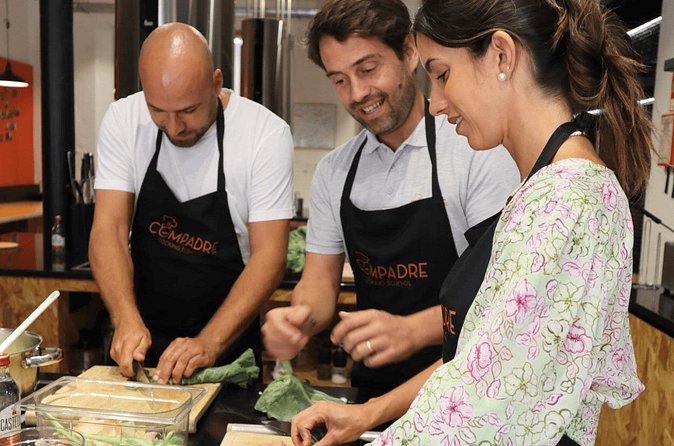
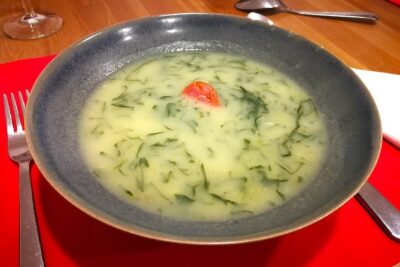
Caldo verde (collard greens soup) is the kind of dish that seems simple until you actually cook it. This is where the class pays off because you learn the basics that make it taste right instead of tasting like a generic greens soup.
There’s a reason caldo verde shows up everywhere: it’s hearty, soothing, and practical. Even within the category of comfort food, this is a dependable “everyone likes it” dish. In a cooking class, it’s also a smart choice because the steps are learnable and you can immediately taste the impact of your work as you go.
Expect to get hands-on with the parts that define the soup’s character: prepping the greens and managing how they cook so the texture stays pleasant. The end result is a warm bowl that tastes like an everyday Portuguese meal, not a tourist imitation.
One more thing I appreciate: learning this soup helps you understand how Portuguese cooking can be both modest and satisfying. You don’t need fancy ingredients. You need timing, seasoning, and technique.
Worth a look before you lock anything else in around Lisbon:

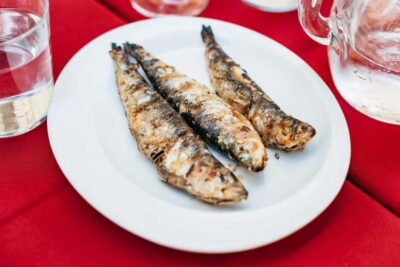


Peixinhos da horta: the snack-fry that connects to tempura
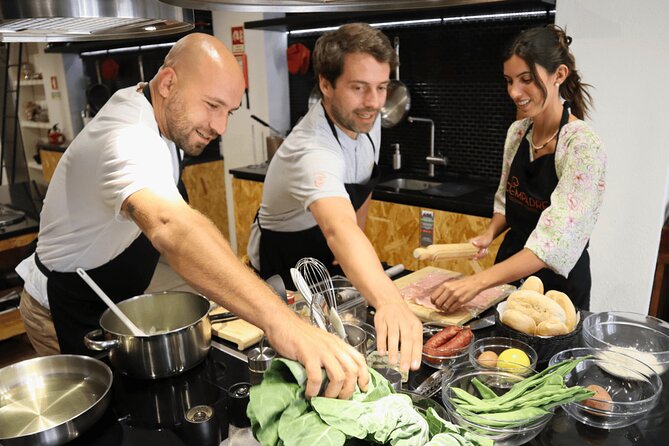
If you’ve ever wondered why “tempura” sounds familiar, peixinhos da horta is part of the answer. This Portuguese dish—often made with battered and fried vegetables—has a story about inspiring the world-famous tempura style.
In the class, this is a fun one because it’s very hands-on and sensory. You’ll see (and control) the batter texture, and you’ll learn how frying works in practice. A small difference in batter or oil temperature can change the outcome, so it’s the kind of cooking lesson that actually teaches you something you can reuse later.
Also, it’s a great dish for people who are nervous about cooking because it’s not complicated in theory. You’re working with a few key steps: prep the vegetables, coat properly, and fry until golden.
When you finish the peixinhos da horta and eat it as part of the shared meal, you’ll get the satisfaction of doing a snack that tastes like it belongs at a local food stall. And you’ll remember the origin note about tempura, which turns a fried snack into a mini cultural lesson.
Wine and ginja: the ending that actually matches Lisbon
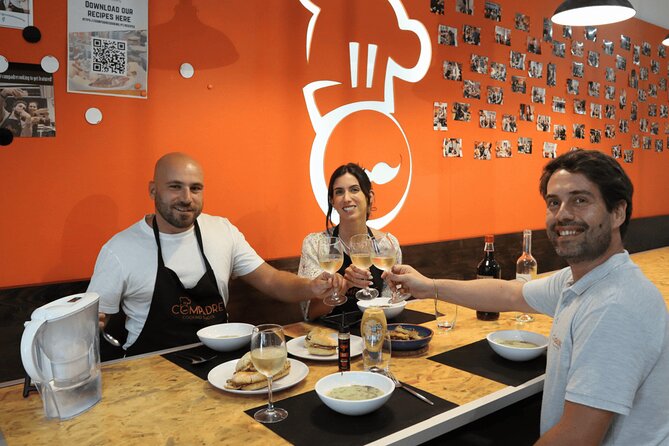
The drink part isn’t just an add-on. The class includes a glass of wine (red or white) and a tasting of ginja—Portuguese cherry liqueur.
This is the kind of pairing I like because it mirrors how Portuguese evenings can flow: you cook, you eat together, and then you add a drink that has a local identity. Wine makes sense with the meal you cooked, and ginja adds that sharp cherry note that stands out in the best way.
One tip: savor the ginja taste rather than treating it like a quick shot. It’s meant to be part of the meal’s finish, not a race to see how fast you can drink it.
Also note that the class provides the drinks listed. It doesn’t mean you can assume unlimited extra drinks—so if you’re a heavy drinker, plan to pace yourself with what’s included.
Price and value: why $55 can be a good deal for a 2-hour class
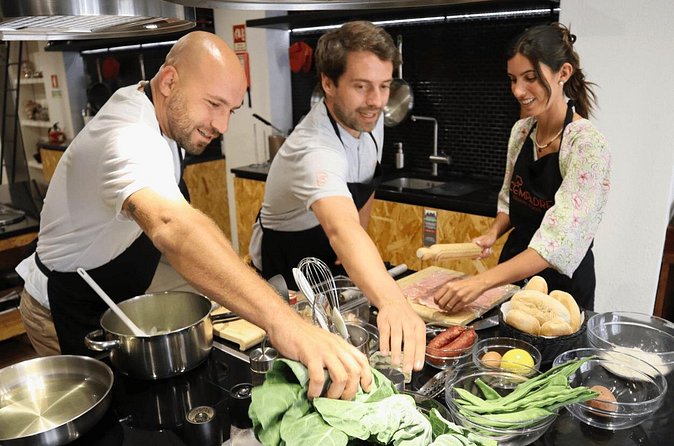
At $55 per person for a 2-hour cooking class, you’re paying for more than recipes. You’re paying for:
- Chef guidance while you cook
- All ingredients for the dishes
- A shared meal using what you make
- Included drinks: wine and a ginja tasting
In Lisbon, you can find food tours that cost similar or more, but they often focus on tasting only. Here, you leave with skills. That’s where the value really shows. If you’re the type who likes recreating meals at home, you’ll get more satisfaction than if you simply want a one-time bite tour.
Two things also influence whether it feels worth it:
1) You’ll spend the full time cooking, not waiting. Reviews praised the active, station-based participation—meaning the lesson stays engaging.
2) The dishes are core Portuguese comfort foods. You’ll be able to talk about them, not just name-drop them.
So, yes: $55 isn’t “cheap,” but it’s also not overpriced for an experience that gives you both food and technique.
What you’ll likely love (based on real teaching vibes)
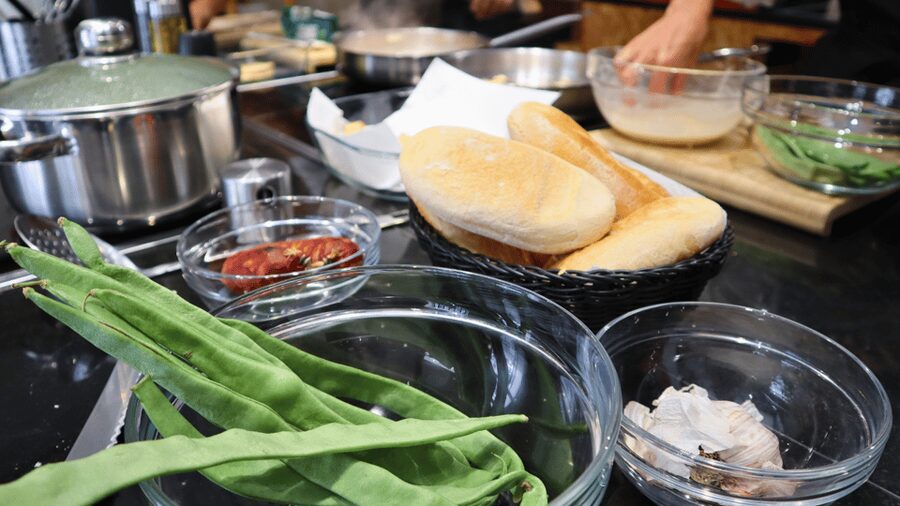
From what I see in how this is run, the most praised parts tend to line up with practical strengths.
First, instructors are described as clear, fun, and supportive—people like Marta and Anna show up in accounts of the class leadership, and Roy is mentioned for teaching a drink-focused moment and sharing industry standards. You don’t need to know them in advance to benefit, but the pattern is consistent: the teaching style aims to get you cooking.
Second, the class outcome is consistently good: participants talk about making multiple dishes and then eating them together at the end. That shared table moment isn’t just social. It’s the proof that you followed the steps and got results.
One small caution: at least one account mentions that the approach can feel more hands-on than teaching-first. That doesn’t mean the class is chaotic. It just means you should be comfortable jumping in. If you want a slow, mostly lecture-style cooking experience, you might prefer something else.
Who should book this cooking class in Lisbon
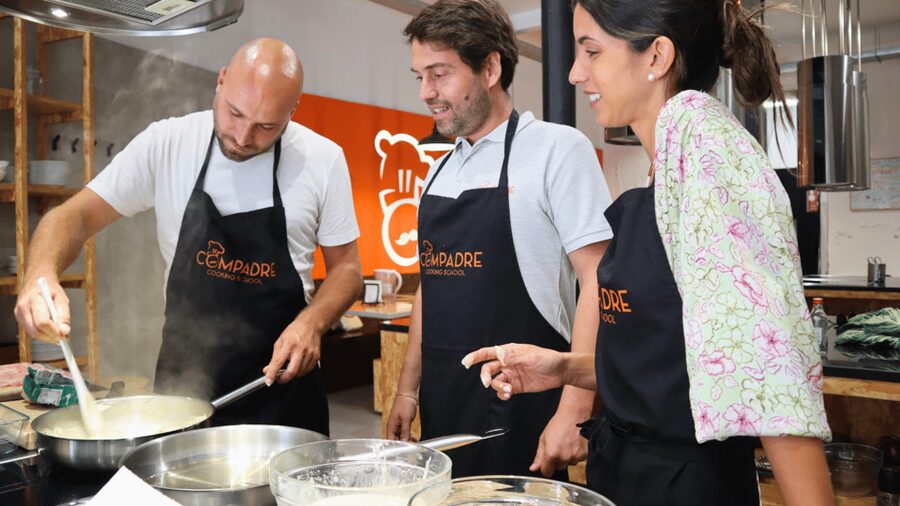
I’d book this if you:
- Love street food flavors but want to learn the method, not just buy it
- Want a skills-based class you can repeat back home
- Like meeting people around a table while you eat what you cooked
- Are okay with a 2-hour schedule and jumping into prep and cooking
You might skip it (or look for a different format) if you:
- Need wheelchair access (this class is not suitable for wheelchair users)
- Want a lot of sitting and watching instead of active cooking
- Prefer additional drinks beyond what’s included
If you’re traveling solo, this class can still work well because the meal is shared and the group cooking naturally creates conversation. If you’re traveling with a friend, it’s a fun “we cooked this together” moment.
Quick tips that make the class easier
Here’s how to set yourself up for a smoother experience.
- Arrive 5 minutes early. It helps you settle in without feeling rushed.
- Wear comfortable shoes. You’ll be standing and moving between steps.
- If you have dietary needs, contact the school ahead of time. The class says recipes can be adapted if you have a specific diet.
- Plan for a short, focused session. You won’t get a long list of take-home documents described here, so take notes on what you learned while the steps are fresh.
Also remember the rules: smoking is not allowed, and the activity lists alcohol and drugs as not allowed. Since wine and ginja are included, just follow the class flow and don’t assume you can bring extra alcohol.
Should you book this Lisbon street food cooking class?
I think it’s a smart book if you want Portuguese food that’s practical, teachable, and deeply tied to everyday culture. The combination of hands-on cooking, a shared meal, and the included finish of wine plus ginja tasting makes it feel like more than a short workshop.
Book it if you’re excited to cook bifana, learn how caldo verde becomes comfort food, and fry peixinhos da horta while learning why it connects to tempura’s story. If you hate standing, need wheelchair access, or want a slow demo style, you’ll likely be happier with another type of food experience.
If you’re unsure, ask yourself one question: do I want to leave Lisbon with a meal I can remake at home? If yes, this class fits that goal.
FAQ
How long is the Portuguese street food cooking class in Lisbon?
The class runs for 2 hours.
Where do I meet for the class?
You meet at Compadre Cooking School kitchen.
What dishes will I cook and eat?
You’ll learn to prepare and then enjoy a meal that includes bifana, caldo verde, and peixinhos da horta.
Do I need prior cooking experience?
No. The class states that no prior cooking experience is needed.
What drinks are included?
You get a glass of wine (red or white) and a tasting of ginja (Portuguese cherry liqueur). Additional drinks beyond those provided are not included.
What should I bring, and can they adapt for dietary needs?
Bring comfortable shoes and wear clothing suitable for cooking. If you have specific dietary needs, you should contact the provider, since the class says recipes can be adapted.
More Food & Drink in Lisbon
- Winner 2025 Undiscovered Lisbon Food & Wine Tour by Eating Europe★ 5.0 · 6,390 reviews
- Lisbon: Food and Wine Small Group Walking Tour★ 4.9 · 4,082 reviews
- Lisbon Small-Group Portuguese Food and Wine Tour★ 5.0 · 3,972 reviews
- Lisbon: Baixa District Food Tour with Dinner and Drinks★ 4.9 · 1,997 reviews
- Lisbon Small-Group Food Tour with 18 Tastings in Alfama District★ 5.0 · 1,967 reviews
More Tour Reviews in Lisbon
- Lisbon City Center Tour – The Unmissable Lisbon★ 5.0 · 22,234 reviews
- Lisbon: Sintra, Pena, Regaleira, Cabo da Roca & Cascais★ 4.7 · 19,656 reviews
- Lisbon Card: 24, 48, or 72-Hour Pass★ 4.5 · 17,944 reviews
- Lisbon: Jerónimos Monastery Entrance Ticket★ 4.1 · 14,164 reviews
- Lisbon: History, Stories and Lifestyle Walking Tour★ 4.8 · 10,902 reviews
More Time in a Lisbon Kitchen
- Lisbon: Pastel de Nata Baking Class★ 4.9 · 2,106 reviews
- Lisbon: Traditional Portuguese Cooking Class★ 4.9 · 592 reviews
- Lisbon: 2-Hour Pastel de Nata Cooking Class★ 4.8 · 461 reviews
- Lisbon Portuguese Cooking Class with 3-Course Dinner★ 5.0 · 445 reviews
- Traditional Portuguese Cooking Class in Lisbon★ 5.0 · 287 reviews
Just in: fresh Lisbon reviews from the team





Lisbon Cooking Classes, compared.
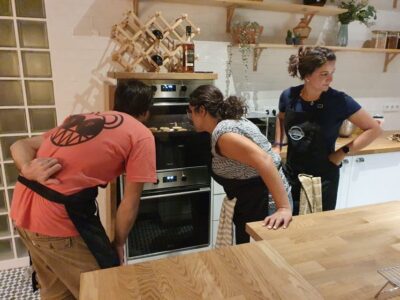 ★ 4.9Pastel de Nata Baking ClassFrom $642,106 reviews
 ★ 4.9Traditional Portuguese Cooking ClassFrom $100592 reviews
 ★ 4.82-Hour Pastel de Nata Cooking ClassFrom $64461 reviews
 ★ 5.0Lisbon Portuguese Cooking Class with 3-Course DinnerFrom $130445 reviews
 ★ 5.0Traditional Portuguese Cooking Class in LisbonFrom $102287 reviews
 ★ 5.0Pasteis de Nata Baking Class from LisbonFrom $78248 reviews
 ★ 5.0Portuguese Cooking Class in LisbonFrom $114141 reviews
 ★ 4.5Portuguese Cooking Experience in LisbonFrom $108140 reviews
Browse the lists this tour appears in