
Reviewed · LISBON COOKING CLASSES
Lisbon: Portuguese street food cooking class with Drinks
Street food skills in just two hours. This Lisbon class teaches you how to make Bifana, caldo verde, and peixinhos da horta in a hands-on way, and I love the small-group feel and the ginginha-and-wine pairing. One consideration: the menu follows classics closely, so if you avoid pork or greens, you’ll want to check ingredients before you go.
You’ll get a warm welcome with chef stories about where these foods come from, then you cook, eat, and sip through the recipes. The class runs about 2 hours and caps at 12 people, with English support (and Portuguese if you prefer).
In This Review
- Key Takeaways Before You Go
- Why This Lisbon Street Food Cooking Class Works Better Than Tastings
- What You’ll Cook: Caldo Verde, Bifana, and Peixinhos da Horta
- Caldo Verde (Collard Greens Soup)
- Bifana (Pork Loin Sandwich)
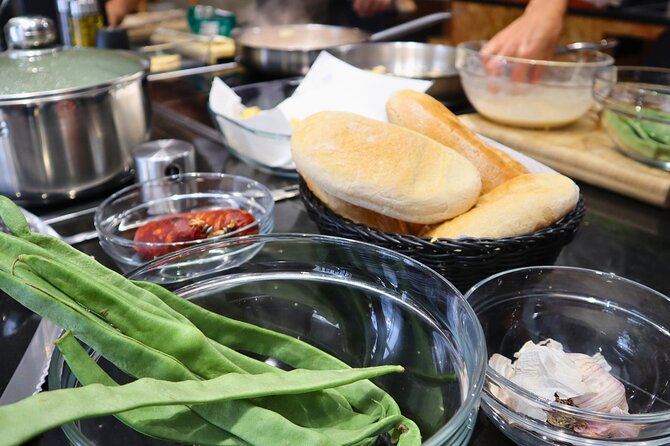
- Peixinhos da Horta (Green Bean Fritters, Portugal’s Tempura Cousin)
- The Two-Hour Flow: Welcome, Cooking, and a Light Lunch
- Drinks and Social Pace: Wine, Coffee/Tea, and Ginginha
- The Chef Factor: Real Guidance in a Small Cooking Room
- Meeting Point and Getting There Without Stress
- Price and Value: When $60 Buys Skills, Not Just a Meal
- Who This Class Fits Best (And Who Might Skip It)
- Should You Book This Lisbon Street Food Class?
- FAQ
- How long is the Lisbon street food cooking class with drinks?
- What dishes are included in the class menu?
- Are drinks included?
- What is the group size limit?
- What languages are offered during the class?
- Is there free cancellation?
Key Takeaways Before You Go
- Small-group attention (max 12): You’re not stuck watching from the sidelines.
- Hands-on street food, all skill levels: Expect simple steps you can copy at home.
- A real Portuguese drink lineup: Wine plus a taste of ginginha (cherry liqueur).
- Cook three iconic dishes: Caldo verde, Bifana, and peixinhos da horta (green bean fritters).
- Stories with your food: Origins and everyday culture, not just recipes.
Why This Lisbon Street Food Cooking Class Works Better Than Tastings
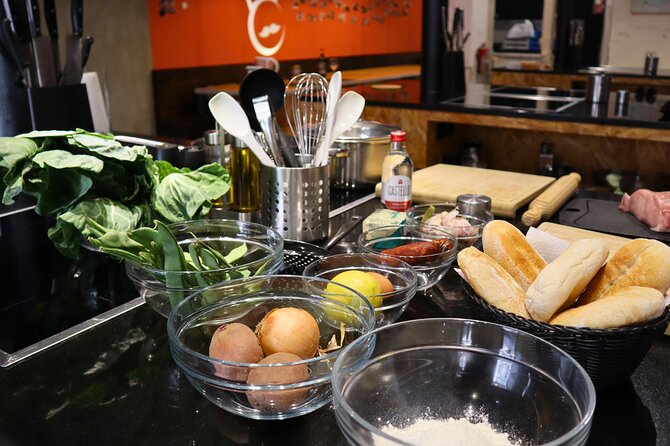
Lisbon is full of food stops. The problem is that tastings often stay abstract. This class fixes that by turning the street-food favorites you’d otherwise buy and walk away from into something you can actually make.
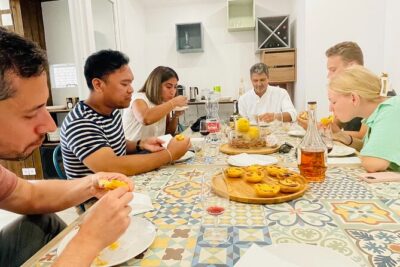
I like that it’s hands-on and built for all cooking skill levels. You’re guided through each dish step by step, so this doesn’t feel like a chef-only test kitchen. And since it’s small, you get more back-and-forth and fewer awkward moments trying to guess what the right consistency should look like.
The “with drinks” part matters too. One glass of white or red wine plus ginginha helps keep the mood relaxed, which makes it easier to ask questions. You’re learning, eating, and chatting, not racing.
More aprons-on hours in a Lisbon kitchen
- Lisbon: Pastel de Nata Baking Class
★ 4.9 · 2,106 reviews - Lisbon: Traditional Portuguese Cooking Class
★ 4.9 · 592 reviews - Lisbon: 2-Hour Pastel de Nata Cooking Class
★ 4.8 · 461 reviews - Lisbon Portuguese Cooking Class with 3-Course Dinner
★ 5.0 · 445 reviews
What You’ll Cook: Caldo Verde, Bifana, and Peixinhos da Horta
This is the heart of the experience: three Portuguese dishes that map food culture fast. You’ll start with soup, then move to the sandwich most people think of when they think Lisbon street food, then finish with a crisp vegetable fritter style that connects Portugal to the world.
Caldo Verde (Collard Greens Soup)
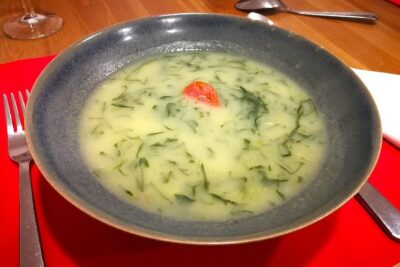
Caldo verde is one of those foods that feels like a daily comfort rather than a fancy presentation. It’s simple by design, which means the technique is what you want to learn.
In class, you’ll make it as the starter, so you see how collard greens fit into the soup’s character instead of just tasting it once. If you’re a home cook, this is a great dish to practice because small adjustments (salt level, texture, and balance) change everything.
Bifana (Pork Loin Sandwich)
Bifana is pork sandwich culture in action. It’s not fussy, but it’s very specific—both in flavor and in how you assemble it.
You’ll make the pork loin sandwich during the class, which is the part that often impresses people later at home. The bun, the meat, and the supporting flavors all work together, and you’ll get a clear picture of how to build it instead of just eating one.
The menu includes pork, so if you don’t eat it, this may not be your best match. If you do eat pork, you’ll likely find you can reproduce the basic sandwich approach with what you learn here.
Worth a look before you lock anything else in around Lisbon:


Peixinhos da Horta (Green Bean Fritters, Portugal’s Tempura Cousin)
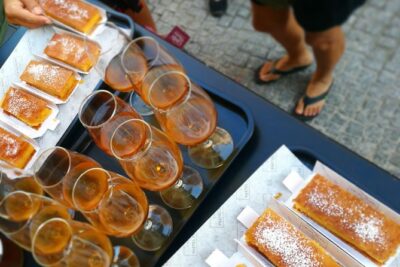
This is the most fun “street snack” moment: green beans fried in a light batter. The class calls out that this dish inspired the famous tempura around the world, which gives you extra context while you cook.
Even if you’ve had fried vegetables before, you’ll appreciate seeing how the batter and frying style create that crisp result without making everything taste heavy. Because you’re making it yourself, you also learn what to watch for so the fritters come out right.
And since this is an original named dish from Portugal’s street-food world, it’s also a strong souvenir skill. You’re leaving with a snack you can re-create in your kitchen that feels distinctly Lisbon.
The Two-Hour Flow: Welcome, Cooking, and a Light Lunch
The class is timed to keep you moving. You’re looking at roughly two hours from start to finish, and you’ll spend that time working through the dishes you’re planning to eat.
It typically starts with a warm welcome and a brief intro to history and culture tied to the foods. That might sound “extra,” but it’s actually useful. When you understand where a dish fits in everyday life, you cook with more intent. You’re not just following steps—you’re learning why each step exists.
Then comes the hands-on cooking portion. Since it’s designed for all skill levels, the pace is meant to be doable. You’ll also enjoy the recipes you cook as a light lunch during the experience, so there’s a satisfying end point where everything you made gets turned into food in front of you.
After that, coffee and/or tea rounds things out. It’s a simple finish that helps you keep tasting without feeling stuffed before you head back out.
Drinks and Social Pace: Wine, Coffee/Tea, and Ginginha
Food classes can go one of two ways: stiff and formal, or friendly and relaxed. This one leans friendly.
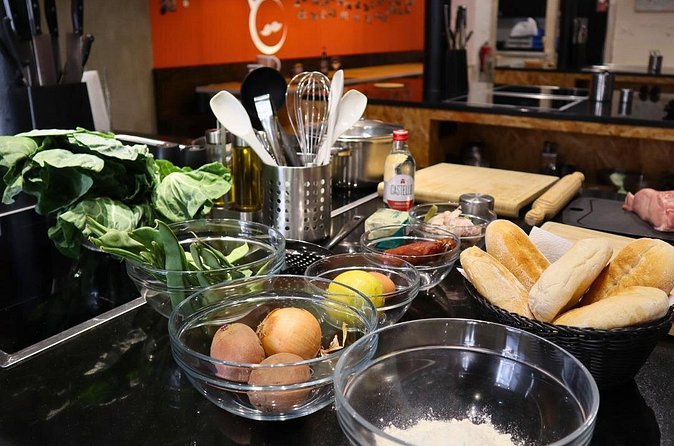
You’ll get alcoholic beverages as part of the package: one glass of white or red wine, plus a taste of ginginha (cherry liqueur). You’ll also have coffee and/or tea included. That’s a nice mix because it fits different moods—wine for the social energy and coffee/tea to cool things down when you’re done cooking.
Why this matters for you: when alcohol and good conversation are part of the structure, people ask more questions, and the chef can correct small mistakes early. That leads to better results in your food, not just a nicer atmosphere.
Also, pairing wine with specific Portuguese dishes is one of the best ways to learn taste matching without needing a sommelier degree. You’re getting a real-world cue for how Portuguese meals often move from savory to sweet-ish liqueurs.
The Chef Factor: Real Guidance in a Small Cooking Room
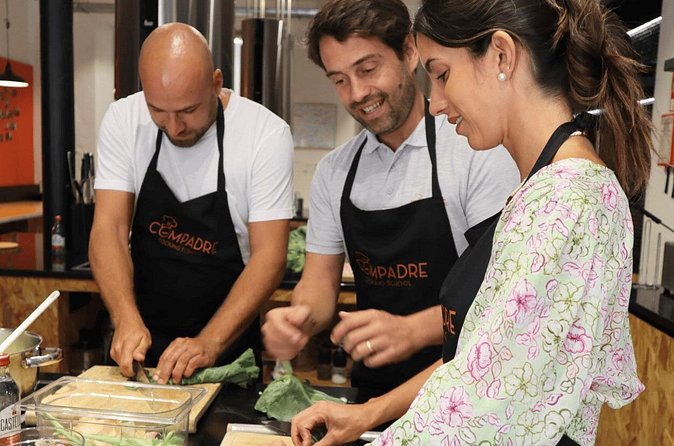
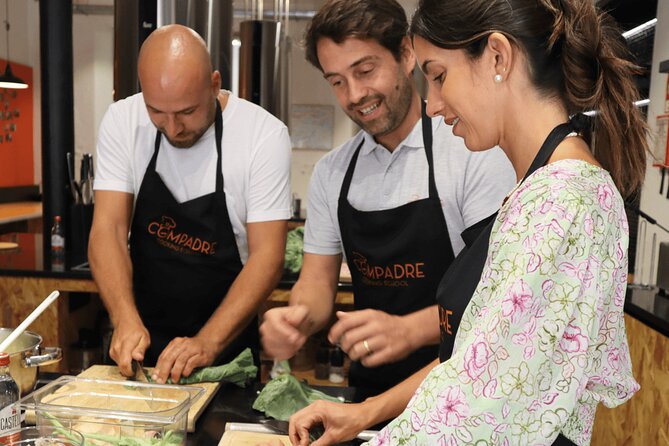
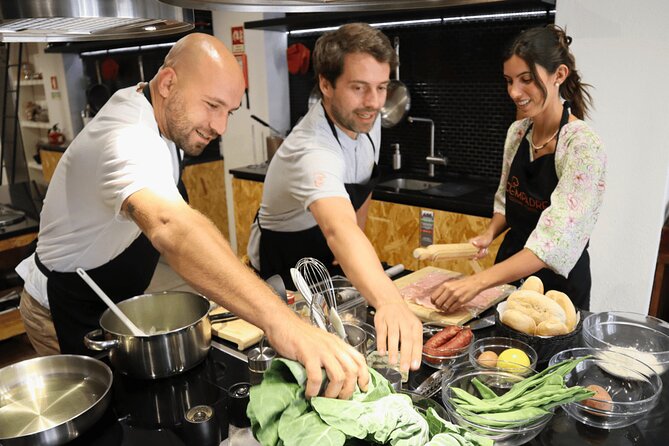
Compadre Cooking School runs this experience, and the setup is meant to keep you engaged. With a maximum of 12 travelers, you’re in a small room where an expert chef can actually see what you’re doing.
That’s the biggest value jump compared to big group “show and eat” formats. When you’re chopping, mixing, frying, or assembling, you need quick feedback. In a small group, that feedback is more likely to happen.
You’ll also notice how the class ties technique to tradition. It’s not only what you make, but how local ingredients show up in flavor and texture. You’ll likely walk away with a better instinct for what “Portuguese street-food style” means in practice.
And if your session happens to include guides like Marta or Anna, you might get extra cultural context and clear instruction. Other guides have also been praised for adding a layer of local music and storytelling, including Fado-style history and lyric translation in some formats led by Miguel.
If that sounds appealing, consider booking for a date that aligns with your schedule, because these extras may depend on the exact session flow.
Meeting Point and Getting There Without Stress
You’ll meet at R. Heliodoro Salgado 14, 1170-374 Lisboa, Portugal. The activity ends back at the meeting point.
The location is near public transportation, which is a big deal in Lisbon. You don’t want to spend your class time fighting transfers. Instead, you can arrive with your appetite intact and be ready to cook.
Also, because the class ends back where it started, you won’t need to plan a complicated post-class route. That’s helpful when you’re also trying to hit neighborhoods, viewpoints, or dinner plans afterward.
Finally, you’ll get a mobile ticket. That means less paper hassle and fewer last-minute surprises.
Price and Value: When $60 Buys Skills, Not Just a Meal
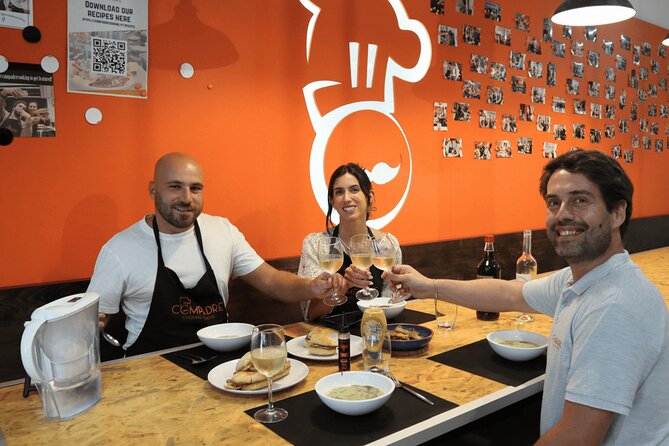
At $60.21 per person for about two hours, this isn’t a “grab-and-go” price. It’s closer to paying for instruction, a meal, and drinks in a structured setting.
Here’s what you’re really paying for:
- You cook multiple Portuguese staples, not just one dish.
- You get chef guidance in a small group.
- You eat what you make, so it’s not purely practice.
- Drinks are included, including wine and a taste of ginginha, plus coffee/tea.
If you’ve ever paid for a food tour and felt like you learned little beyond where to eat, this class is designed to fix that. You’re not only tasting Portugal—you’re building repeatable skills.
You should also factor in value for groups. If you’re going as a couple, this is one of those experiences where both people can participate and leave with something tangible. For solo travelers, it’s a great way to get conversation and guidance without needing to know anyone in advance.
Who This Class Fits Best (And Who Might Skip It)
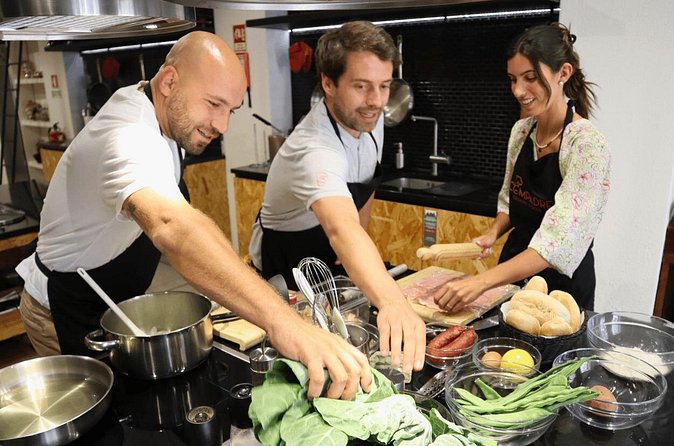
This class is a strong match if you want:
- A hands-on Portuguese street-food experience
- Recipes you can realistically recreate at home
- A social, relaxed pace with wine and ginginha
- A small group setting (max 12) where questions make sense
It’s also ideal on a day when Lisbon feels moody—when you don’t want to just wander hungry. The structure keeps you grounded.
You might want to skip or ask questions first if:
- You avoid pork or collard greens, since the featured dishes include both
- You’re hoping for a fully alcohol-free experience (the drinks are included, though you can decide how you handle your glass)
- You want a purely vegetarian menu (the sample food list includes pork and green beans fried in batter, though the exact handling of substitutions isn’t stated)
Should You Book This Lisbon Street Food Class?
If you want a Lisbon experience that’s fun and useful, I think this is a solid choice. You’re learning how to make three iconic items—caldo verde, Bifana, and peixinhos da horta—plus you get a drink lineup that keeps the atmosphere easy and social.
Book it if you like practical instruction and want a souvenir that isn’t just photos. Skip it if your diet restrictions are strict or if you prefer a food tour that’s mostly walking and tasting rather than cooking.
FAQ
How long is the Lisbon street food cooking class with drinks?
It lasts about 2 hours.
What dishes are included in the class menu?
You’ll cook and enjoy Caldo verde (collard greens soup), Bifana (pork loin sandwich), and Peixinhos da horta (green beans fritters).
Are drinks included?
Yes. You get one glass of white or red wine and a taste of ginginha, plus coffee and/or tea.
What is the group size limit?
The class has a maximum of 12 travelers.
What languages are offered during the class?
The experience is offered in English, with Portuguese also available.
Is there free cancellation?
Yes. You can cancel for a full refund up to 24 hours before the experience start time.
More Food & Drink in Lisbon
- Winner 2025 Undiscovered Lisbon Food & Wine Tour by Eating Europe★ 5.0 · 6,390 reviews
- Lisbon: Food and Wine Small Group Walking Tour★ 4.9 · 4,082 reviews
- Lisbon Small-Group Portuguese Food and Wine Tour★ 5.0 · 3,972 reviews
- Lisbon: Baixa District Food Tour with Dinner and Drinks★ 4.9 · 1,997 reviews
- Lisbon Small-Group Food Tour with 18 Tastings in Alfama District★ 5.0 · 1,967 reviews
More Tour Reviews in Lisbon
- Lisbon City Center Tour – The Unmissable Lisbon★ 5.0 · 22,234 reviews
- Lisbon: Sintra, Pena, Regaleira, Cabo da Roca & Cascais★ 4.7 · 19,656 reviews
- Lisbon Card: 24, 48, or 72-Hour Pass★ 4.5 · 17,944 reviews
- Lisbon: Jerónimos Monastery Entrance Ticket★ 4.1 · 14,164 reviews
- Lisbon: History, Stories and Lifestyle Walking Tour★ 4.8 · 10,902 reviews
More Time in a Lisbon Kitchen
- Lisbon: Pastel de Nata Baking Class★ 4.9 · 2,106 reviews
- Lisbon: Traditional Portuguese Cooking Class★ 4.9 · 592 reviews
- Lisbon: 2-Hour Pastel de Nata Cooking Class★ 4.8 · 461 reviews
- Lisbon Portuguese Cooking Class with 3-Course Dinner★ 5.0 · 445 reviews
- Traditional Portuguese Cooking Class in Lisbon★ 5.0 · 287 reviews
Just in: fresh Lisbon reviews from the team





Lisbon Cooking Classes, compared.
 ★ 4.9Pastel de Nata Baking ClassFrom $642,106 reviews
 ★ 4.9Traditional Portuguese Cooking ClassFrom $100592 reviews
 ★ 4.82-Hour Pastel de Nata Cooking ClassFrom $64461 reviews
 ★ 5.0Lisbon Portuguese Cooking Class with 3-Course DinnerFrom $130445 reviews
 ★ 5.0Traditional Portuguese Cooking Class in LisbonFrom $102287 reviews
 ★ 5.0Pasteis de Nata Baking Class from LisbonFrom $78248 reviews
 ★ 5.0Portuguese Cooking Class in LisbonFrom $114141 reviews
 ★ 4.5Portuguese Cooking Experience in LisbonFrom $108140 reviews
Browse the lists this tour appears in