
Reviewed · LISBON COOKING CLASSES
Lisbon: Portuguese Cooking Class for Beginners
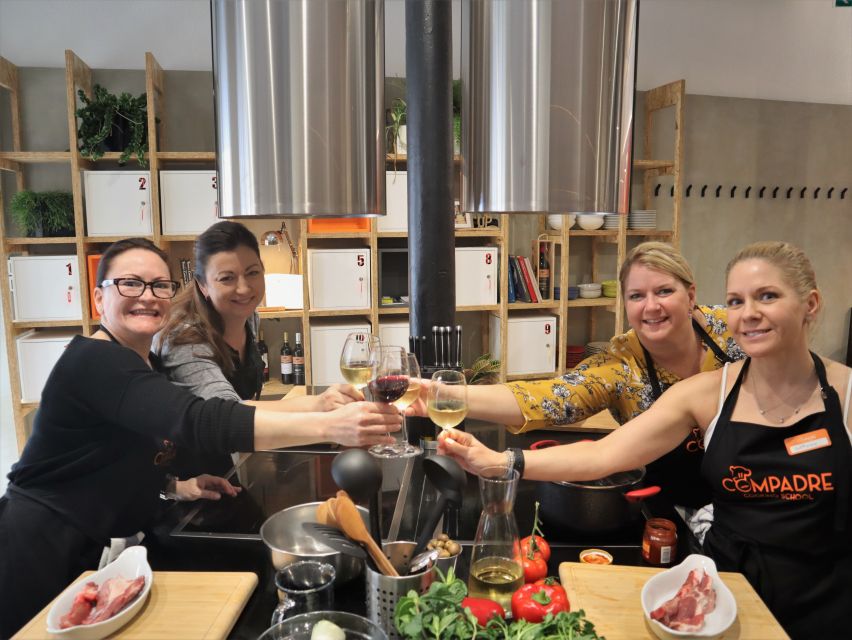
If you like food, this class makes Lisbon feel personal. You’ll cook a real Portuguese meal step by step in a small kitchen, then sit down and eat what you made. I like that it’s not just recipes on paper; it also explains the why behind the flavors and ingredients.
Two things I really like: the hands-on cooking with plenty of guidance, and the way the class connects food to everyday Portuguese life around the table. You also get a small group (up to 6), so you’re not lost in a crowd or waiting forever for help.
One consideration: you’ll be standing for at least 2 hours, so if you’ve got big back issues, this isn’t the best fit. Also, there’s no hotel pickup, so you’ll need to get yourself to the meeting point in Lisbon.
In This Review
- Key takeaways you’ll actually use
- Why Portuguese cooking feels like a cultural shortcut
- Your 3-hour flow at Compadre Cooking School
- The food lessons: stories behind recipes and ingredients
- Cooking 3 dishes from scratch (and getting real help)
- The meal and drinks: from kitchen work to a proper sit-down
- What you take home: recipes you can use for real
- Price and value: what $88 buys you in Lisbon
- Who this class suits best (and who should skip it)
- Practical stuff that keeps the experience smooth
- Should you book Lisbon Portuguese Cooking Class for Beginners?
- FAQ
- How long is the cooking class?
- What will I cook during the class?
- Does the price include food and drinks?
- Where do I meet for the class?
- Is hotel pickup included?
- What should I bring, and what rules apply?
- Is it suitable for people with back problems?
Key takeaways you’ll actually use
- Small group (up to 6) so you can ask questions and stay involved.
- Cook 3 dishes in 3 hours, not a demo you watch from the sidelines.
- Food culture context: you’ll learn how Portuguese recipes connect to history and daily life around the table.
- Meal + drinks are included, with wine, tea, and coffee served with what you cook.
- Take-home recipes so you can repeat the menu back home.
- Stand-up class setup: wear comfortable shoes and plan for time on your feet.
Why Portuguese cooking feels like a cultural shortcut
Portuguese food isn’t just fuel here. It’s how people meet, catch up, and celebrate. In this class, that idea is part of the lesson from the start: you’re not only learning how to cook, you’re learning why Portuguese meals matter.
I like that the instructor frames cooking as part of Portuguese culture and everyday life. You’ll hear stories about recipes and ingredients that have been passed down through generations, which helps the dishes make sense instead of feeling random.
And because this is a beginner-friendly class, you get structure. You’re guided through the process, so you can focus on learning the basics that actually translate to cooking later.
More aprons-on hours in a Lisbon kitchen
- Lisbon: Pastel de Nata Baking Class
★ 4.9 · 2,106 reviews - Lisbon: Traditional Portuguese Cooking Class
★ 4.9 · 592 reviews - Lisbon: 2-Hour Pastel de Nata Cooking Class
★ 4.8 · 461 reviews - Lisbon Portuguese Cooking Class with 3-Course Dinner
★ 5.0 · 445 reviews
Your 3-hour flow at Compadre Cooking School
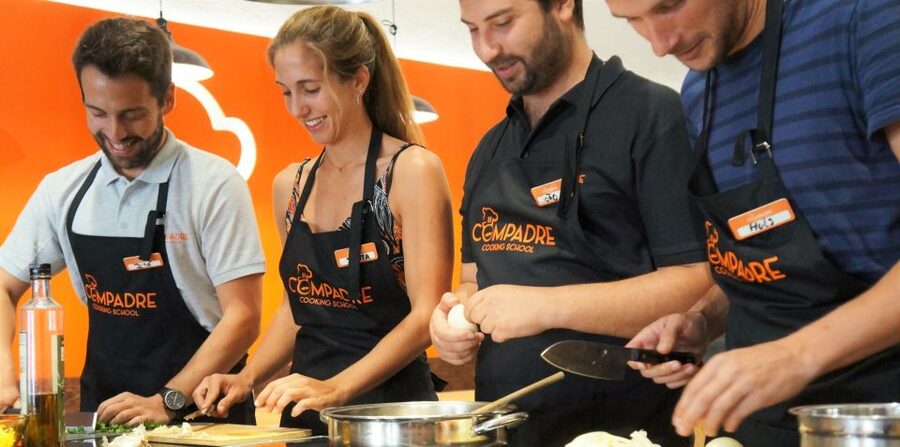
This experience runs for 3 hours, and it’s designed to move. You start in the kitchen, get the background and cooking plan, then roll up your sleeves and work through the menu.
The pattern is simple and effective:
1) Quick context about the dishes and ingredients
2) Guided cooking of 3 different dishes
3) Sit down and enjoy a full meal with included beverages
4) Leave with recipes for making it again
You’ll also be standing for at least 2 hours, so expect a real cooking workout, not a sit-and-watch show. It’s hands-on from early on, which is exactly why it works so well for beginners.
The meeting point is Compadre Cooking School in Lisbon. You’ll want to double-check you’re in the Lisbon District—this is Lisbon, Portugal, not another city with a similar name.
The food lessons: stories behind recipes and ingredients
A big part of the value here is the explanation layer. Each recipe isn’t treated like a secret trick. Instead, the instructor connects ingredients to Portuguese culinary tradition and the way people eat together.
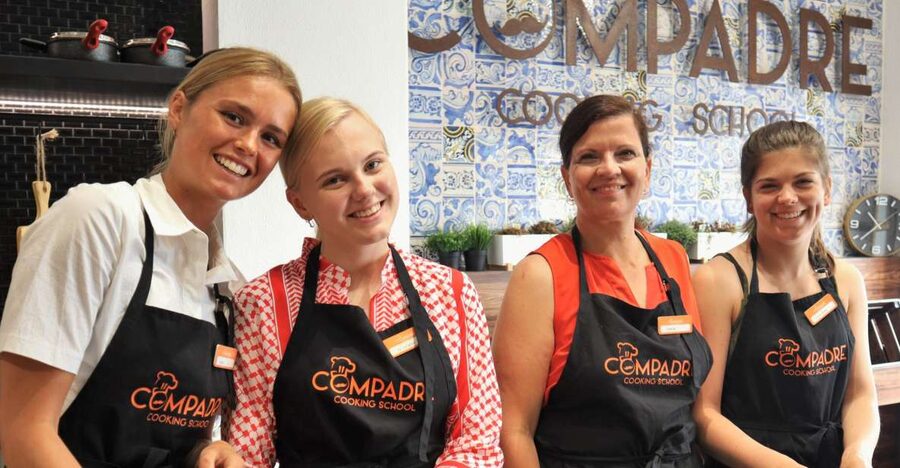
Instructors (you might meet Anna or Marta) are described as patient and step-by-step, and that matters because beginners often freeze when a recipe starts moving fast. In this class, you’re taught what you’re doing and why, so you don’t just follow motions.
The class also talks about Portuguese food as something shared—friends, family, and even strangers at the table. That’s not just a feel-good line. It changes the tone of the room: people cook, taste, and adjust together like they’re learning a local tradition.
Cooking 3 dishes from scratch (and getting real help)
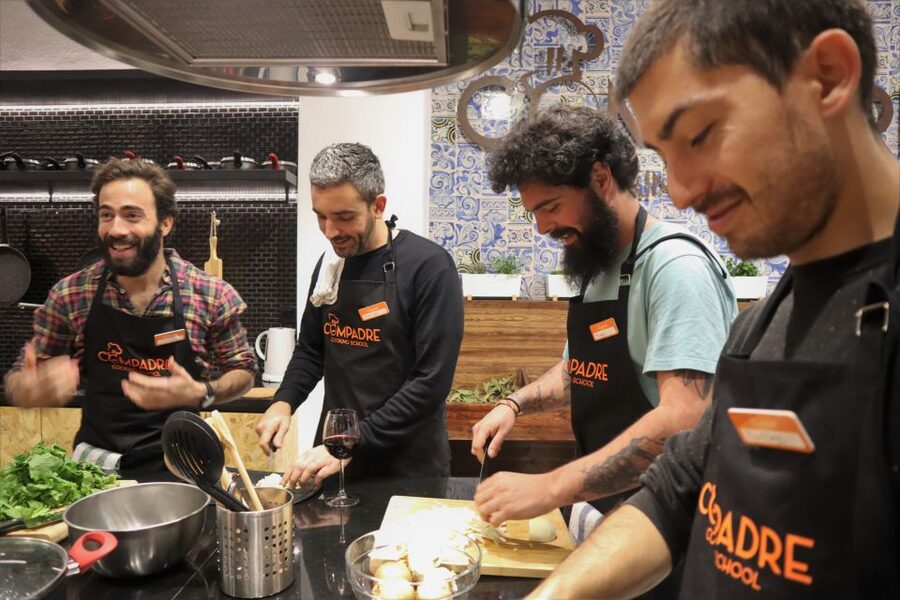
You’re learning to prepare three different dishes during the class. That’s the sweet spot for beginners: enough variety to feel like you gained real skills, without the schedule turning chaotic.
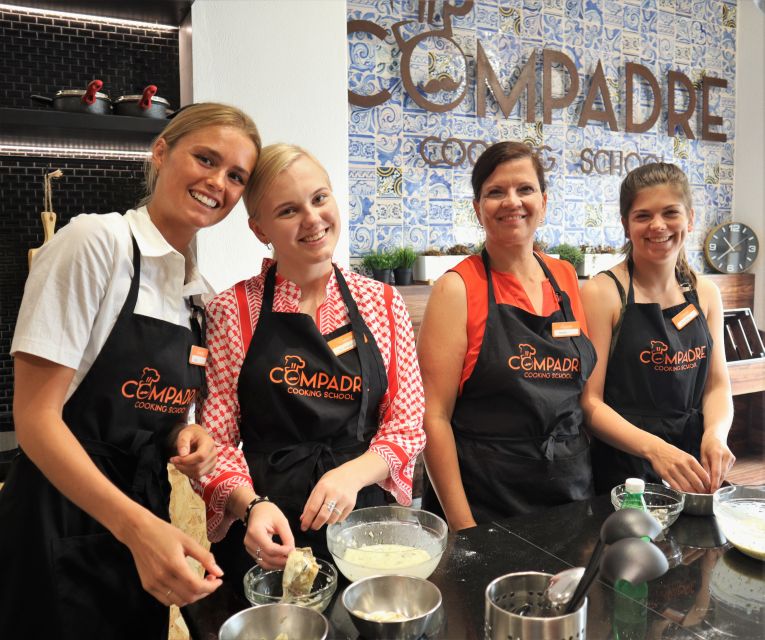
What makes it work is the hands-on support. You’re not left to figure out timing and technique by yourself. The instructor teaches, watches, and helps you correct as you go. In feedback, teachers are repeatedly praised for being friendly and knowledgeable while still staying patient—exactly what you want when you’re nervous about cooking.
Some menus may include seafood or pork, but there’s evidence the class can accommodate preferences. For example, one participant noted they were guided toward a chicken Piri Piri option and adjustments for seafood dishes. If you’re not a seafood fan, it’s worth asking at the start if there’s room for swaps.
You should also expect some prep and mixing steps. One participant mentioned making their own paste during the process, which is the kind of beginner task that teaches texture and flavor building.
Small group size (max 6) keeps things manageable. You’ll likely have more time with the instructor than in a large workshop.
Worth a look before you lock anything else in around Lisbon:
The meal and drinks: from kitchen work to a proper sit-down
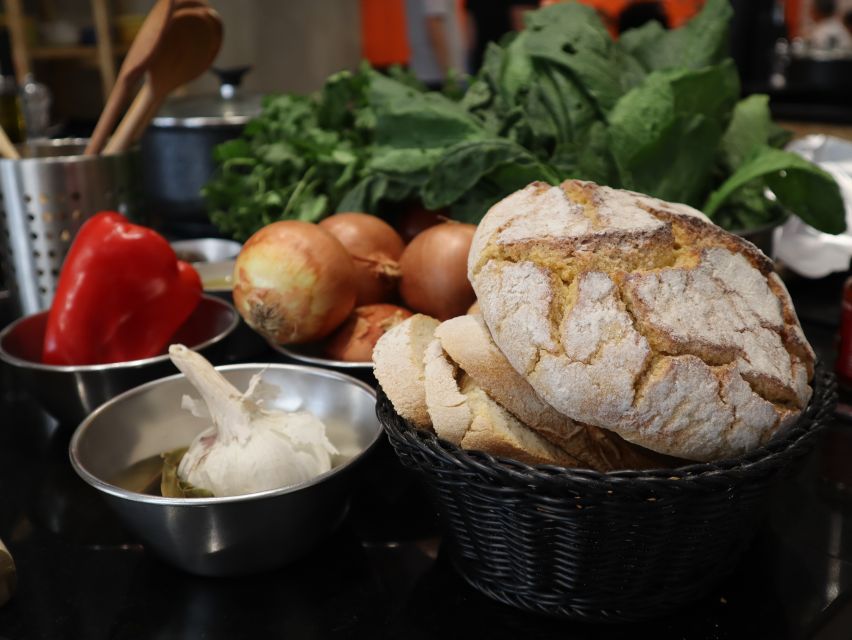
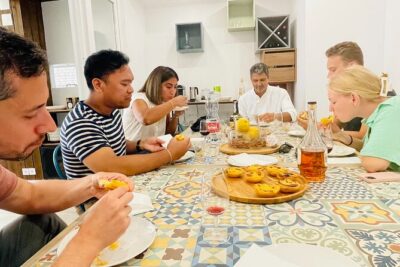
Once you finish cooking, you eat. That’s not an afterthought—it’s part of the experience design. You’ll enjoy a delicious full meal using what you prepared, and you’ll also have beverages such as wine, tea, and coffee.
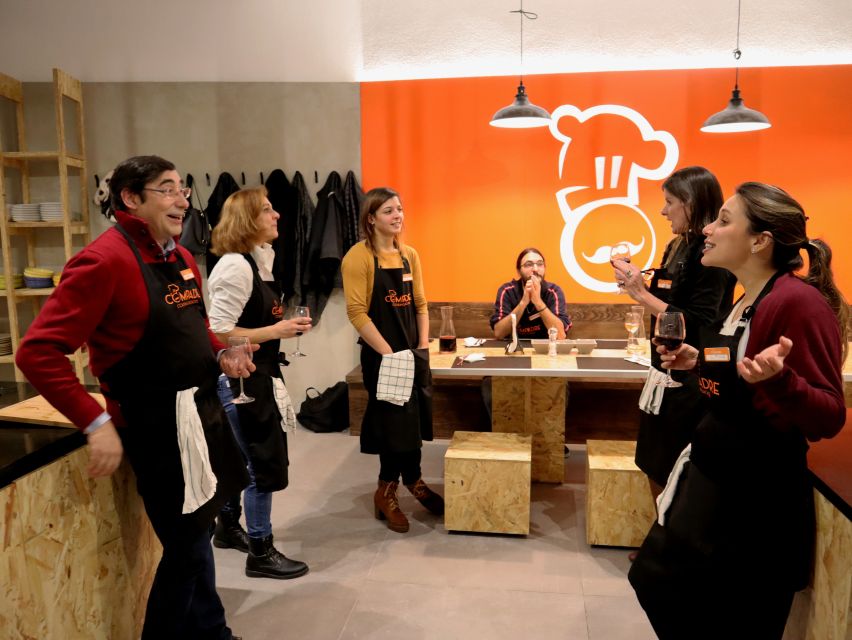
I also like that the drink component is integrated into the cooking-and-eating rhythm, so the meal feels like a continuation of the lesson instead of a separate event. Some sessions are described as including unlimited wine during cooking and eating, and at least one person specifically noted it was their own brand. Even if you don’t drink wine, it’s still good to know the class atmosphere can be relaxed and social.
The dinner is where the learning locks in. When you taste the sauce, the seasoning, or the texture you spent time on, you suddenly understand what the instructor meant earlier. That’s how “beginner cooking” becomes actual confidence.
What you take home: recipes you can use for real
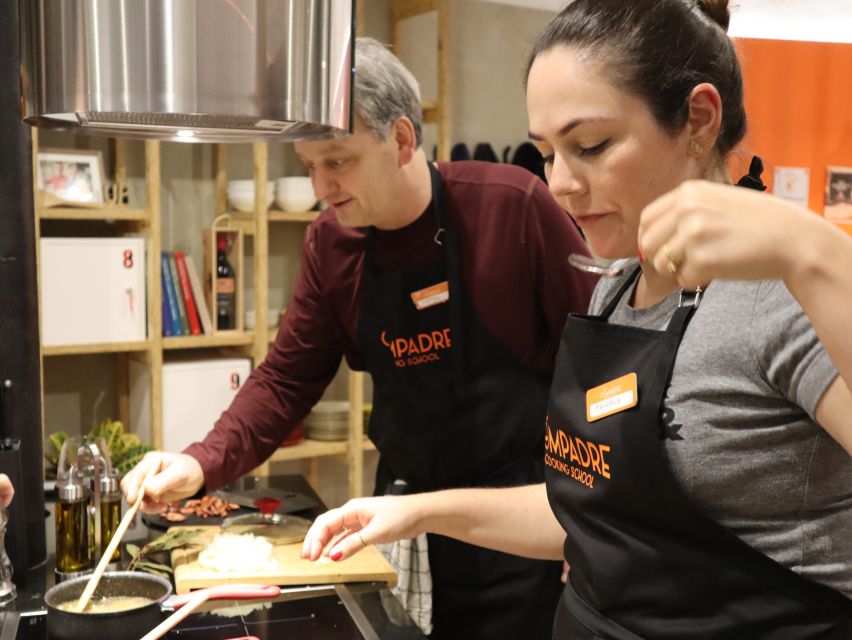
At the end, you’ll get recipes to take home. This is huge. One common problem with cooking classes is that people remember the fun but forget the steps. Having the recipes means you can recreate the meal instead of relying on memory.
You may also receive extra reference support. One participant mentioned a QR code to an extensive Portuguese cookbook, including dishes from the class. That’s practical because it helps you keep exploring Portuguese flavors after you leave.
If you want to use the class as a travel souvenir, take the recipes seriously. Cook the menu again soon after you return, while the smells and techniques are still fresh in your head.
Price and value: what $88 buys you in Lisbon
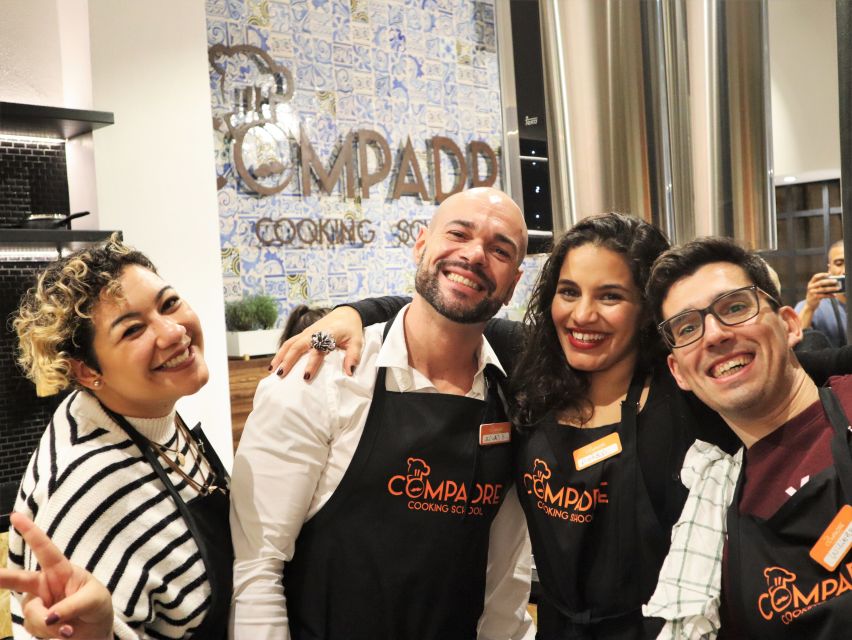
At $88 per person for 3 hours, this is priced like a full activity, not a quick tasting. The value comes from what’s included: instructor time, equipment and ingredients, a full meal, beverages, recipes, and insurance.
Here’s why that matters for real budgets:
- You’re paying for guided cooking, not just watching.
- Ingredients and tools are handled for you, so you don’t pay extra or go hunting for supplies.
- The meal is included, so you’re not forced to find food right after a class ends.
- Recipes and potential extra materials help extend the experience beyond the day-of.
If you compare it to eating out plus a cooking activity, $88 starts to look reasonable—especially because you’re leaving with skills, not just memories.
Also, the small group size helps with value. When you cook in a group of 6, you spend more time doing and less time waiting.
Who this class suits best (and who should skip it)
This is a great choice if:
- You’re a beginner and want structured help.
- You like meeting people while doing something active.
- You want Lisbon to feel more local than a standard sightseeing day.
- You care about the cultural context behind the food.
It’s less ideal if:
- You have big back problems. You’ll be standing up for at least 2 hours, so you need a class with sitting breaks. This one doesn’t offer that based on the provided info.
- You can’t do hands-on cooking or standing comfortably.
- You need hotel pickup. There’s no hotel pickup and drop-off, so plan to reach Compadre Cooking School on your own.
One more note: if you’re very picky about seafood, ask how the menu is handled. Some participants reported adjustments, which suggests you may have options.
Practical stuff that keeps the experience smooth
Bring comfortable shoes. You’re standing and working, and kitchens are hard on feet.
There are also a couple of clear rules: no smoking and no pets. If you’re traveling with anything furry, you’ll need to arrange that separately.
Language-wise, the instructor works in English and Portuguese. That’s useful if you’re comfortable in English but want to catch a few local phrases about food and technique.
Finally, remember the meeting point is Compadre Cooking School in Lisbon District. Showing up confidently matters more than you’d think when you’re juggling timing, hunger, and a kitchen class where the schedule moves.
Should you book Lisbon Portuguese Cooking Class for Beginners?
Book it if you want Lisbon through food, not just food as a photo stop. The best reason to choose this class is the mix of hands-on cooking and culture context, all for a set 3-hour block with 3 dishes and a real meal afterward.
I’d especially recommend it for first-time cooks who are tired of classes that feel like watch-only demos. The small group size, the instructor support, and the take-home recipes are a strong combination.
Skip it if your back can’t handle standing for at least 2 hours or if you strongly prefer activities where you mostly sit. Otherwise, this is a solid value use of time in Lisbon—and it gives you something you can repeat at home.
FAQ
How long is the cooking class?
The class lasts 3 hours.
What will I cook during the class?
You’ll learn to prepare 3 different Portuguese dishes.
Does the price include food and drinks?
Yes. You get a full meal experience plus beverages (including wine, tea, and coffee).
Where do I meet for the class?
Meet at Compadre Cooking School in Lisbon (make sure it’s the Lisbon District in Portugal).
Is hotel pickup included?
No. Hotel pickup and drop-off are not included.
What should I bring, and what rules apply?
Bring comfortable shoes. Smoking is not allowed and pets are not allowed.
Is it suitable for people with back problems?
It’s not recommended for people with big back problems because you’ll be standing up for at least 2 hours.
More Cooking Classes in Lisbon
- Lisbon: Pastel de Nata Baking Class★ 4.9 · 2,106 reviews
- Lisbon: Traditional Portuguese Cooking Class★ 4.9 · 592 reviews
- Lisbon: 2-Hour Pastel de Nata Cooking Class★ 4.8 · 461 reviews
- Lisbon Portuguese Cooking Class with 3-Course Dinner★ 5.0 · 445 reviews
- Traditional Portuguese Cooking Class in Lisbon★ 5.0 · 287 reviews
More Tour Reviews in Lisbon
- Lisbon City Center Tour – The Unmissable Lisbon★ 5.0 · 22,234 reviews
- Lisbon: Sintra, Pena, Regaleira, Cabo da Roca & Cascais★ 4.7 · 19,656 reviews
- Lisbon Card: 24, 48, or 72-Hour Pass★ 4.5 · 17,944 reviews
- Lisbon: Jerónimos Monastery Entrance Ticket★ 4.1 · 14,164 reviews
- Lisbon: History, Stories and Lifestyle Walking Tour★ 4.8 · 10,902 reviews
More Time in a Lisbon Kitchen
- Lisbon: Pastel de Nata Baking Class★ 4.9 · 2,106 reviews
- Lisbon: Traditional Portuguese Cooking Class★ 4.9 · 592 reviews
- Lisbon: 2-Hour Pastel de Nata Cooking Class★ 4.8 · 461 reviews
- Lisbon Portuguese Cooking Class with 3-Course Dinner★ 5.0 · 445 reviews
- Traditional Portuguese Cooking Class in Lisbon★ 5.0 · 287 reviews
Just in: fresh Lisbon reviews from the team





Lisbon Cooking Classes, compared.
 ★ 4.9Pastel de Nata Baking ClassFrom $642,106 reviews
 ★ 4.9Traditional Portuguese Cooking ClassFrom $100592 reviews
 ★ 4.82-Hour Pastel de Nata Cooking ClassFrom $64461 reviews
 ★ 5.0Lisbon Portuguese Cooking Class with 3-Course DinnerFrom $130445 reviews
 ★ 5.0Traditional Portuguese Cooking Class in LisbonFrom $102287 reviews
 ★ 5.0Pasteis de Nata Baking Class from LisbonFrom $78248 reviews
 ★ 5.0Portuguese Cooking Class in LisbonFrom $114141 reviews
 ★ 4.5Portuguese Cooking Experience in LisbonFrom $108140 reviews
Browse the lists this tour appears in