
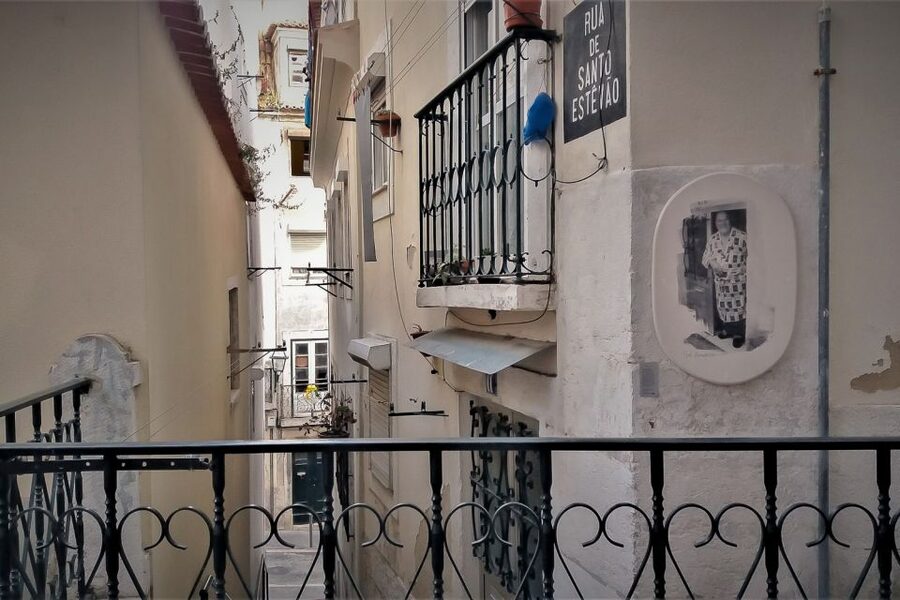
Reviewed · ALFAMA & OLD TOWN TOURS
Lisbon: Old Town Private Walking Tour
Lisbon’s old streets can feel like a maze. This private walk turns that maze into a readable map, with a local guide who takes you through neighborhoods like Rossio, Mouraria, and Alfama—and brings you inside monuments. I especially like the private pacing (no herding) and the chance to skip the ticket line so you spend more time looking and less time waiting.
Two big wins for me are the way the guide explains what you’re seeing—Roman traces, medieval walls, tile facades—and the freedom to keep the walk pointed at what you care about. One thing to consider: this is a proper walking tour with hills, so plan for up to an 8-kilometer day and bring truly comfortable shoes.
In This Review
- Quick hits before you go
- First Stop: D. Maria II Theater, Your Guide, and the Old-Town Rhythm
- Rossio and Baixa: Tiles, Squares, and Why Lisbon Feels Designed
- Mouraria and Alfama: Narrow Streets, Real Character, and Street-Level Context
- Going Inside: How Monument Stops Change the Whole Walk
- St Jorje Castle Lookouts: A Hill You’ll Actually Enjoy
- The Cathedral Area: Where Lisbon’s Past Stacks Up
- Coffee, Pastry, and Ginginha: A Local Break That Costs Extra
- Price and Value: Is $47 a Fair Deal?
- Who Should Book This Old Town Walk?
- Should You Book Lisbon: Old Town Private Walking Tour?
- FAQ
- How long is the Lisbon Old Town Private Walking Tour?
- What does the tour cost?
- Where do I meet the guide?
- Is this a private group tour?
- What languages are available?
- What’s included in the price?
- Are entrance fees included?
- Are meals and drinks included?
- What should I wear and bring?
- Are luggage and large bags allowed?
- FAQ
- Can I cancel and get a refund?
- Do I pay everything when I book?
- Does the tour skip ticket lines?
- How much walking should I expect?
Quick hits before you go
- Private group, not a crowd walk: You move at a human pace for a 4-hour old-town loop.
- Inside monuments with a geo/local guide: You’ll go beyond street photos and into key sites.
- Skip the ticket line: Helps you gain time for lookouts and neighborhoods.
- Rossio, Baixa, Mouraria, Alfama, plus St Jorje Castle and the Cathedral: The itinerary hits Lisbon’s classic layers.
- A required break for coffee/pastry and ginginha: Lisbon runs on rhythm, and this tour builds it in.
- No luggage or large bags: Pack light, because you’re moving for hours.
First Stop: D. Maria II Theater, Your Guide, and the Old-Town Rhythm
Meet at the front steps of D. Maria II theater. It’s a solid starting point because you’re at the edge of several classic areas, and the guide can steer you into the right streets fast. From there, the tone is simple: walk, stop, look closely, and get the story behind what’s in front of you.
This tour is led by a professional guide in Spanish, English, or Portuguese. That matters because Lisbon’s old town has layers—Roman traces, medieval stone, chapel-like devotion, and tilework details—and it’s hard to decode on your own. With a good guide, the city becomes less random and more logical.
The walking format is the point. You should expect a lively street-level route, including best lookouts as part of the flow. If you prefer museum-style time in one building, this won’t match that style.
Deeper into Alfama's lanes and miradouros
- Alfama Tour in Lisbon Old Town
★ 5.0 · 4,936 reviews - Private Lisbon Sightseeing Tuk-Tuk Tour: Alfama, Belém & More
★ 5.0 · 4,277 reviews - Lisbon: Hills, Alfama, and Mouraria Tour by Electric Bike
★ 4.8 · 3,438 reviews - Best of Lisbon Walking Tour: Rossio, Chiado & Alfama
★ 4.9 · 2,700 reviews
Rossio and Baixa: Tiles, Squares, and Why Lisbon Feels Designed
The walk starts by feeding you the core geography of Lisbon. You’ll pass through Rossio and Baixa, and you’ll get a feel for how the city’s old center connects without you needing to constantly check maps. Think of it as orientation you can experience in motion.
What I like here is the way Baixa and nearby streets teach you how Lisbon’s lookouts and routes work. Lisbon’s terrain makes many views feel earned, not accidental. A local guide helps you see where the streets want you to go next.
Baixa is also a place where the visual language hits hard: colorful tile facades and repeating street patterns. When you know what to look for, you start spotting details instead of only taking photos.
A practical note: the tour runs about 4 hours, and the focus is on walking segments plus stops. You’ll want to keep your attention on the street level—stairs, alleys, and facades—because that’s where most of the interpretation lands.
Mouraria and Alfama: Narrow Streets, Real Character, and Street-Level Context
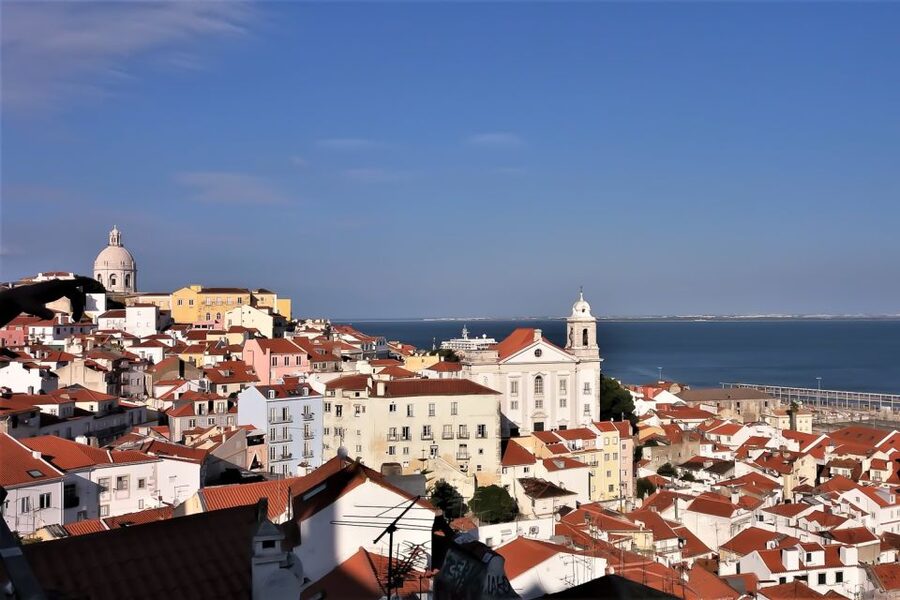
Then comes Mouraria and Alfama, where Lisbon shifts from open squares to tighter, older-feeling lanes. These districts are where the city’s “epochs” show up in everyday ways: stonework, irregular street lines, and religious architecture you can’t fully appreciate from a distance.
The guide experience matters most in these neighborhoods. Without context, you can walk through Alfama and still miss why certain places feel the way they do. With a local, you get the cultural meaning alongside the visuals—why there are distinct districts, why churches and chapels appear the way they do, and how the city evolved.
I also appreciate that this tour doesn’t act like a shopping quest. One review specifically called out that there was no forced participation in commercial buying or activities people didn’t want. That’s a good sign for anyone who prefers culture over pressure.
You’ll likely take breaks by necessity, not because the guide is stalling. Streets here can slow you down naturally, and the guide uses that time to point out what you’d otherwise rush past.
Going Inside: How Monument Stops Change the Whole Walk
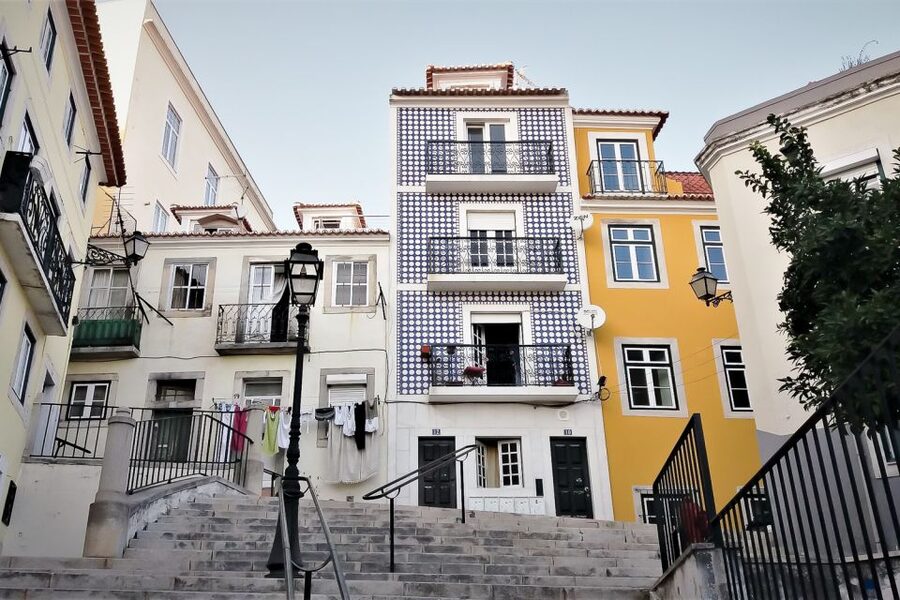
A key highlight is that the guide will lead you inside monuments. This is one of those upgrades that changes the experience from sightseeing to understanding. A facade tells you something, but stepping inside gives you the rest of the story—often through scale, ornament, and layout.
The tour also mentions skip the ticket line. That’s valuable because the old-town sites can have slow queues, and time adds up fast when you’re on a schedule. You still should expect some costs because entrance fees aren’t included, but at least the waiting part gets reduced by having a guide manage access.
Expect the “history layers” theme to show up again here. The visible story of Lisbon includes Roman ruins, medieval stone walls, and later religious or civic additions. The guide’s job is to connect the layers so you don’t just see a collection of old buildings—you get the sequence.
If you’re the kind of person who enjoys architecture, sacred spaces, or how cities evolve physically, this is where the tour earns its price.
Lisbon at walking pace, a few more routes


St Jorje Castle Lookouts: A Hill You’ll Actually Enjoy
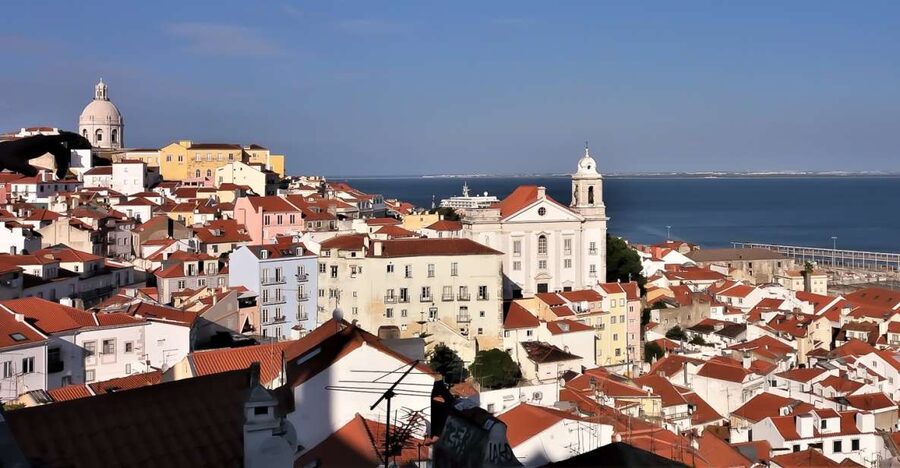
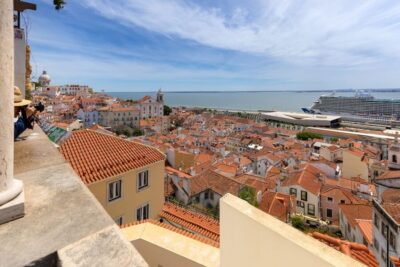
The route includes St Jorje Castle and the walk’s best lookouts. If hills aren’t your favorite thing, don’t panic. The reviews include a helpful reality check: even when people think they can’t make it up, the guide can plan the approach so it stays doable. Jet lag or not, the walk was still completed with a short refresh stop.
In practical terms, this stop matters because it changes your Lisbon understanding. From a lookout, you stop seeing streets as separate scenes and start seeing them as connected routes. That’s when the earlier neighborhood lessons click.
Also, a castle-area visit tends to be visually intense. The guide can help you focus on the right view directions rather than letting you get overwhelmed by photo angles.
Plan your energy. This isn’t a sprint uphill; it’s a steady walking tour where your pace should feel human.
The Cathedral Area: Where Lisbon’s Past Stacks Up
The walk includes the Cathedral as one of the big highlights. You’ll be in the kind of central area where Lisbon’s sacred architecture anchors the older city. Even if you’re not a deep religion person, these places show how communities gathered and how power and devotion shaped the city.
I like Cathedral stops because they add variety. After the castle lookouts, you get a different kind of atmosphere—more “structure and tradition” than “panoramic views.” The guide can help you understand what you’re seeing rather than leaving you to guess.
Just remember: this is still part of a walking loop. You’ll have time for the experience, but the tour isn’t built around lingering for hours inside.
Coffee, Pastry, and Ginginha: A Local Break That Costs Extra
The tour must stop for a coffee, pastry, and a ginginha drink. That’s great because it builds in a small, real Lisbon moment instead of leaving food as an afterthought. It’s also a smart way to keep energy steady during a multi-district walk.
Since meals and drinks aren’t included, you’ll pay for these during the tour. That’s not a deal-breaker, but it does affect your total cost. If you’re budgeting tightly, treat the food and drink stop as a planned extra rather than a surprise.
One more detail worth noting: the tour includes time to take a look in some traditional craft shops. This is best for people who enjoy browsing—textures, materials, and small local goods—without needing a hard sell.
Price and Value: Is $47 a Fair Deal?
At $47 per person for a 4-hour private walking tour, the value depends on what you want most: context, access, and time saved.
Here’s the simple math of what you get for the base price:
- A professional guide
- A walking tour
- Skip the ticket line
- Inside monuments (while keeping in mind entrance fees aren’t included)
The biggest value lever is the guide. Lisbon’s old town can be gorgeous and still confusing. Paying for a local who can interpret the layers—Roman traces, medieval elements, districts with distinct identities—often saves you from the “I saw a lot but learned little” feeling.
The second value lever is line-cutting. Even if you pay entrance fees separately, skipping waits helps you keep your day from stretching. That matters when you’re only in Lisbon for a short stay.
The main cost you should mentally add: entrance fees and your coffee/pastry/ginginha stop. If you’re planning to visit monuments anyway, this tour can feel like paying for the guide and organization while the fees cover the sites.
Who Should Book This Old Town Walk?
I’d recommend this tour if you want Lisbon’s old neighborhoods to make sense, not just look good in photos. It fits especially well for:
- First-time visitors who want a structured route through Rossio, Baixa, Mouraria, Alfama, and major monuments
- People who like private guiding and hate feeling rushed or grouped with strangers
- Travelers who enjoy architecture and religious sites, plus viewpoints from St Jorje Castle
- Anyone who prefers culture over pressure—one review specifically noted there was no forced buying
It might be less ideal if you struggle with stairs and hills. The tour can extend up to 8 kilometers in a hilly area, and you’re not bringing luggage.
Should You Book Lisbon: Old Town Private Walking Tour?
If you’re aiming to understand Lisbon’s layers in one focused block of time, I think booking this makes sense. The mix of neighborhood walking, monument access, and lookouts gives you more than a basic highlights route. Add in the private setup, and you’re more likely to get a tour that feels personal rather than scripted.
Before you book, do two quick checks: confirm you’re comfortable with a hilly walk (proper shoes are non-negotiable), and budget for entrance fees plus the built-in coffee/pastry/ginginha break. If that all sounds like your kind of day, this is a strong way to get your bearings and then go deeper.
FAQ
How long is the Lisbon Old Town Private Walking Tour?
It lasts 4 hours.
What does the tour cost?
The price is $47 per person.
Where do I meet the guide?
Meet at the front steps of D. Maria II theater.
Is this a private group tour?
Yes, it’s a private group.
What languages are available?
The guide speaks Spanish, English, and Portuguese.
What’s included in the price?
Included are a professional guide and the walking tour.
Are entrance fees included?
No. Entrance fees are not included.
Are meals and drinks included?
No. Meals and drinks are not included (the tour includes a stop for coffee, pastry, and a ginginha drink, so you’ll pay for it).
What should I wear and bring?
Bring comfortable shoes and comfortable clothes for a walking tour.
Are luggage and large bags allowed?
No. Luggage or large bags are not allowed.
FAQ
Can I cancel and get a refund?
Yes. You can cancel up to 24 hours in advance for a full refund.
Do I pay everything when I book?
You can use reserve now & pay later, meaning you can book your spot and pay nothing today.
Does the tour skip ticket lines?
Yes. It includes skip the ticket line.
How much walking should I expect?
It can extend up to 8 kilometers in a hilly area of Old Lisbon.
More Tour Reviews in Lisbon
- Lisbon City Center Tour – The Unmissable Lisbon★ 5.0 · 22,234 reviews
- Lisbon: Sintra, Pena, Regaleira, Cabo da Roca & Cascais★ 4.7 · 19,656 reviews
- Lisbon Card: 24, 48, or 72-Hour Pass★ 4.5 · 17,944 reviews
- Lisbon: Jerónimos Monastery Entrance Ticket★ 4.1 · 14,164 reviews
- Lisbon: History, Stories and Lifestyle Walking Tour★ 4.8 · 10,902 reviews
More of Lisbon, One Hill at a Time
- Lisbon: History, Stories and Lifestyle Walking Tour★ 4.8 · 10,902 reviews
- Best of Lisbon Small-Group Guided Walking Tour★ 5.0 · 4,869 reviews
- Lisbon: Food and Wine Small Group Walking Tour★ 4.9 · 4,082 reviews
- Best of Lisbon Walking Tour: Rossio, Chiado & Alfama★ 4.9 · 2,700 reviews
- Age of Discoveries Walking Tour in Belém★ 5.0 · 1,513 reviews
Keep Wandering Old Alfama
- Alfama Tour in Lisbon Old Town★ 5.0 · 4,936 reviews
- Private Lisbon Sightseeing Tuk-Tuk Tour: Alfama, Belém & More★ 5.0 · 4,277 reviews
- Lisbon: Hills, Alfama, and Mouraria Tour by Electric Bike★ 4.8 · 3,438 reviews
- Best of Lisbon Walking Tour: Rossio, Chiado & Alfama★ 4.9 · 2,700 reviews
- Lisbon: Baixa District Food Tour with Dinner and Drinks★ 4.9 · 1,997 reviews
Just in: fresh Lisbon reviews from the team





Alfama & Old Town Tours, compared.
 ★ 5.0Alfama Tour in Lisbon Old TownFrom $34,936 reviews
 ★ 5.0Private Lisbon Sightseeing Tuk-Tuk Tour: Alfama, Belém & MoreFrom $524,277 reviews
 ★ 4.8Hills, Alfama, and Mouraria Tour by Electric BikeFrom $253,438 reviews
 ★ 4.9Best of Lisbon Walking Tour: Rossio, Chiado & AlfamaFrom $232,700 reviews
 ★ 4.9Baixa District Food Tour with Dinner and DrinksFrom $931,997 reviews
 ★ 5.0Lisbon Small-Group Food Tour with 18 Tastings in Alfama DistrictFrom $1261,967 reviews
 ★ 4.5Lisbon E-Bike Tour Commerce Square, Mouraria and AlfamaFrom $301,688 reviews
 ★ 5.0Old Town TukTuk Tour and Scenic Viewpoints in AlfamaFrom $35974 reviews
Browse the lists this tour appears in