
Reviewed · LISBON WALKING TOURS
Lisbon: Jewish History in Portugal Guided Walking Tour
Jewish history in Lisbon has a twisty backstory. This 3-hour walking tour connects Alfama streets and central neighborhoods to the big Sephardic story, including the Marranos and the people who lived between acceptance and rejection. I especially like how the tour links Jewish life to the wider Portuguese world, including influence in areas like agriculture, finance, medicine, and early exploration-era industry.
My other favorite part is the way the guide brings the subject to street level. Guides named Al or Luciano are repeatedly highlighted for keeping the pace pleasant and the explanations grounded in real places. The one drawback to consider is that this is a hilly walking route, so it’s not suitable for people with mobility impairments.
In This Review
- Key moments you’ll care about
- Jewish Lisbon isn’t one story
- The 3-hour route: linking Alfama, Baixa, and Chiado to real history
- Alfama: where history climbs uphill
- Baixa: the money-and-industry connection
- Chiado: the cultural bridge in the middle
- Sephardic and Marranos: what you’ll actually be learning
- Why the guide’s storytelling pace matters on this walk
- Stop-and-savor moments: coffee, dates, and small breaks
- What the tour includes (and why it’s enough)
- Price and value: what $141 buys you in real terms
- Practical tips so the day feels easy
- Who should book this Lisbon Jewish history walk
- FAQ
- FAQ
- Where does the tour start?
- How long is the Lisbon Jewish History guided walking tour?
- How much does it cost?
- What languages is the tour offered in?
- Is transportation included?
- Is the tour suitable for people with mobility impairments?
- What is included in the price?
- Can I cancel for a refund?
- Should you book this Lisbon Jewish history walk?
Key moments you’ll care about
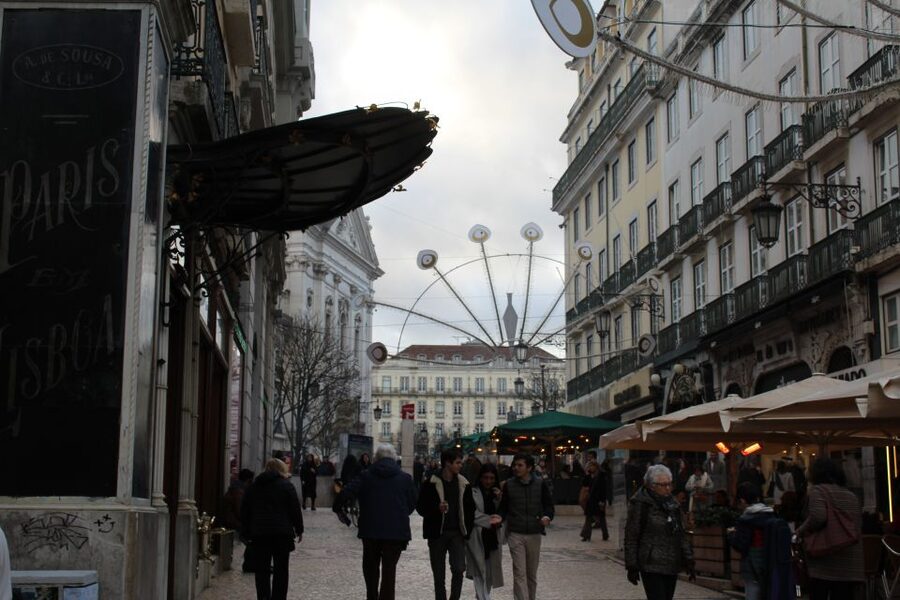
- Alfama to Baixa to Chiado: you’ll walk between neighborhoods tied to Jewish history in Lisbon
- Sephardic and Marranos focus: the story covers both outward Jewish identity and sheltered converts
- Portugal’s wider impact: the tour connects Jewish contributions to key Portuguese sectors
- 16th-century expulsion and aftermath: you’ll hear how this shaped communities in England, Holland, and the United States
- Small extras: expect touches like a coffee or tea break and treats such as dates from Israel in some departures
Jewish Lisbon isn’t one story
Lisbon’s Jewish history isn’t a straight line. It’s a push-pull story—periods of opportunity alongside moments of exclusion—and it shaped a very practical way of living. The tour frames this as ingenuity plus education plus entrepreneurship, not just tragedy.
What makes this angle useful is that it helps you understand how people adapted without pretending the hardships weren’t real. You’ll also get a clearer sense of how religious difference has always been part of Portuguese identity, in the same way it’s part of many European stories.
And yes, the tour leans into the human part: how communities survived, rebuilt, and influenced the country around them.
Lisbon at walking pace, a few more routes
- Lisbon: History, Stories and Lifestyle Walking Tour
★ 4.8 · 10,902 reviews - Best of Lisbon Small-Group Guided Walking Tour
★ 5.0 · 4,869 reviews - Lisbon: Food and Wine Small Group Walking Tour
★ 4.9 · 4,082 reviews - Best of Lisbon Walking Tour: Rossio, Chiado & Alfama
★ 4.9 · 2,700 reviews
The 3-hour route: linking Alfama, Baixa, and Chiado to real history
This is a walking tour that moves through central Lisbon neighborhoods tied to Jewish life. The exact stop-by-stop details can vary by guide, but the route is built around three areas: Alfama, Baixa, and Chiado.
Alfama: where history climbs uphill
Alfama is the kind of neighborhood where the street itself feels like a document. Here, you’ll get the strongest sense of older Lisbon and the way Jewish community life was woven into the city’s fabric. Since the tour includes a hilly walking element, this is where you’ll feel it most—so wear shoes you trust.
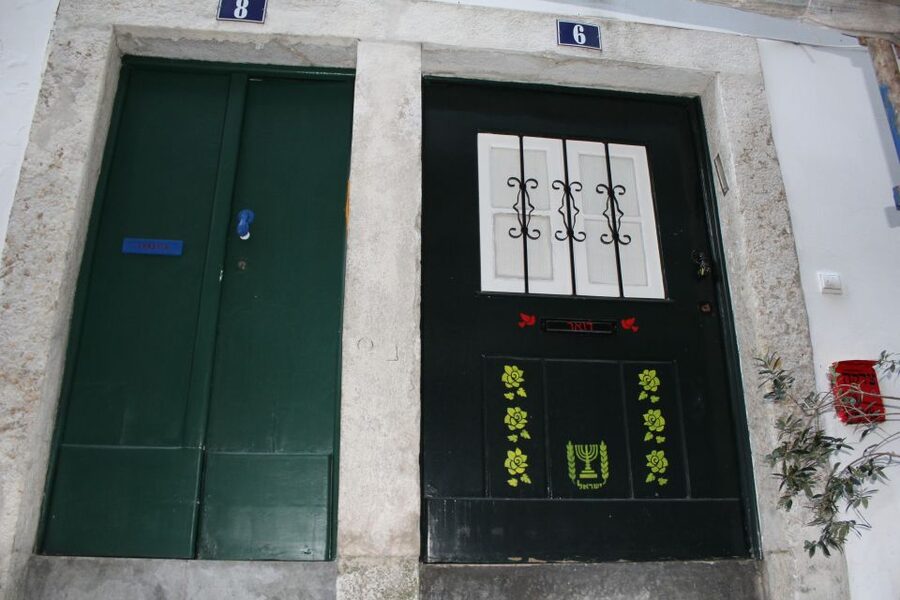
In reviews, people mention sights like viewpoints over the city and even specific markers connected to Jewish presence (including something like a wall marked with a star of David). Even if you’ve seen photos of Lisbon, Alfama tends to do something different once you’re looking with a historical guide’s lens.
Baixa: the money-and-industry connection
Baixa is practical—streets built for movement, trade, and the kind of civic life that runs on connections. This is where the tour’s “why it mattered” theme often shows up: Jewish influence in areas like finance and commerce, plus professional life that supported daily Portugal.
You’re not just learning dates. You’re learning how community skills translated into real roles—medicine, agriculture, and the business side of expansion-era progress. That matters because it turns history into cause and effect instead of a list of facts.
Worth a look before you lock anything else in around Lisbon:

Chiado: the cultural bridge in the middle
Chiado sits as a connector neighborhood: elegant, central, and ideal for explaining how identity and culture overlap. The tour uses this area to connect religious history to broader Portuguese society—how acceptance and rejection shaped who people became and how they were allowed to live openly.
This part also helps you connect the Lisbon story to a bigger map. People often finish this section with a sense that Lisbon was not isolated; it was part of a European network that changed after the 16th century.
Sephardic and Marranos: what you’ll actually be learning
The tour highlights Sephardic and Marranos history, and it explains them in a way that fits Lisbon’s street geography. If you’ve heard these terms but aren’t sure what they mean in lived experience, this tour is designed to fix that.
Here’s the core idea you should walk in expecting: the Jewish story in Portugal includes both visible community life and complicated survival strategies. The tour explains how some Jews became sheltered converts to Catholicism, shaping how people understood religion, belonging, and boundaries between groups.
That focus is valuable because it avoids a simplistic “persecuted or safe” framing. Instead, it treats history like people treated it—layered, negotiated, and real.
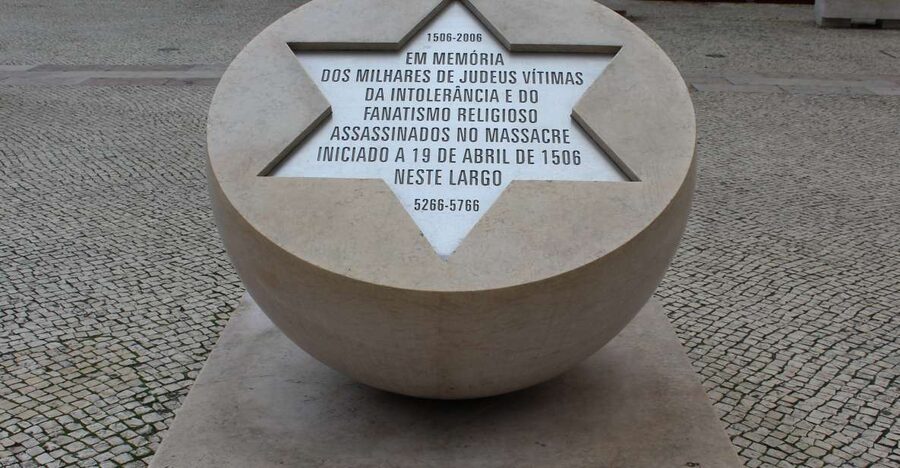
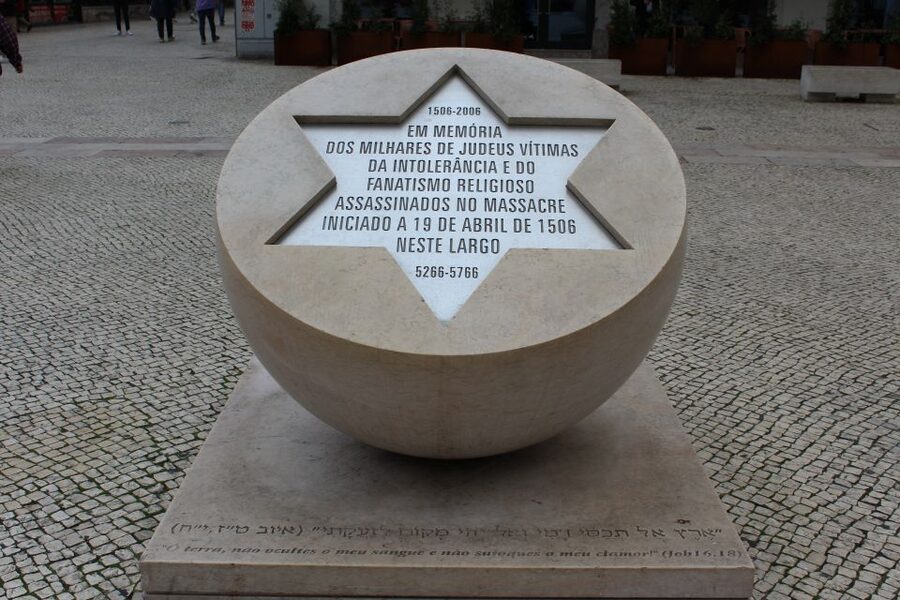
You’ll also hear about the expulsion in the 16th century and how Portuguese Jews later influenced communities in places like England, Holland, and the United States. This is one of the most satisfying parts for many visitors because it shows outcomes, not just wounds.
Why the guide’s storytelling pace matters on this walk
A 3-hour walking tour lives or dies on pacing. This one has a clear structure, but the guide’s delivery is what makes it feel smooth rather than rushed.
In the feedback, people repeatedly mention guides named Al and Luciano. They’re praised for being attentive and for handling the walk in a way that doesn’t bulldoze people through steep streets and central blocks. Some departures also include tailoring—like a focus on Sephardic heritage and personal family ties—if you share that interest with the guide.
That tailoring is more than a nice touch. It changes how you remember the tour. When the guide connects the story to what you already care about, you start noticing details you’d otherwise miss—street placement, architectural clues, and the way neighborhoods relate to each other.
Stop-and-savor moments: coffee, dates, and small breaks
Walking tours can become information marathons. This one builds in pauses. Reviews mention a coffee or tea break toward the end of the walk, which is a great time to reset and absorb what you just learned.
Some guides also add small treats like dates from Israel purchased at a local shop. It’s not about eating as a gimmick. It’s about connecting the historical Sephardic thread to present-day cultural life—something you can taste and carry home with you.
Think of these moments as checkpoints. After a couple of neighborhoods, you’ll be glad there’s a real break instead of constant motion.
What the tour includes (and why it’s enough)
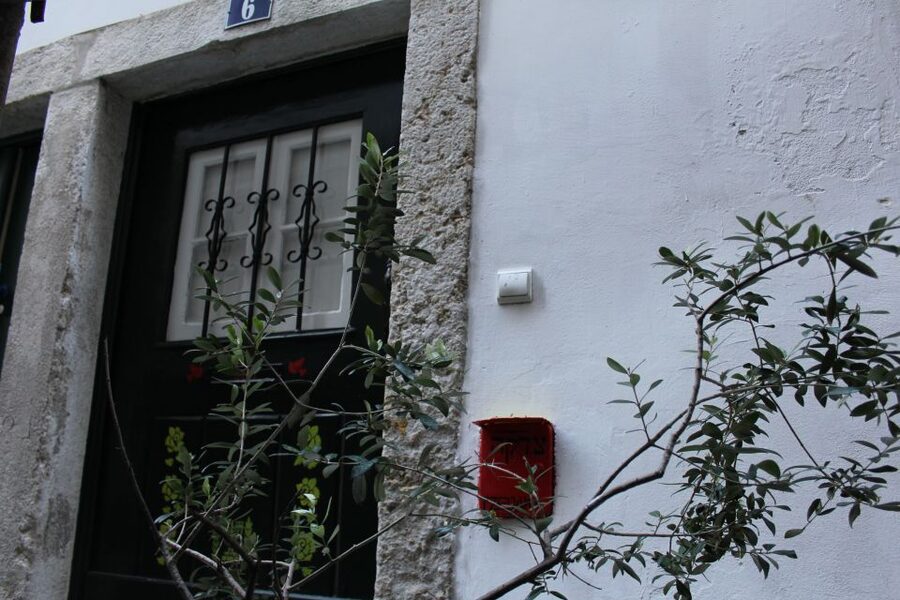
You get:
- a bottle of water
- a live guide (Portuguese or English)
- the walking tour itself
You don’t get transportation. That’s normal for a neighborhood walking format, but it does matter for planning. If you’re coming from outside central Lisbon, make sure you’re already positioned close enough to walk in comfortably before the tour starts.
The water is a small inclusion, but it’s the right kind: practical, not fancy. Lisbon can be warm, and Alfama’s slopes are no joke. Even in mild weather, you’ll thank yourself for bringing good shoes and using that bottle.
Price and value: what $141 buys you in real terms
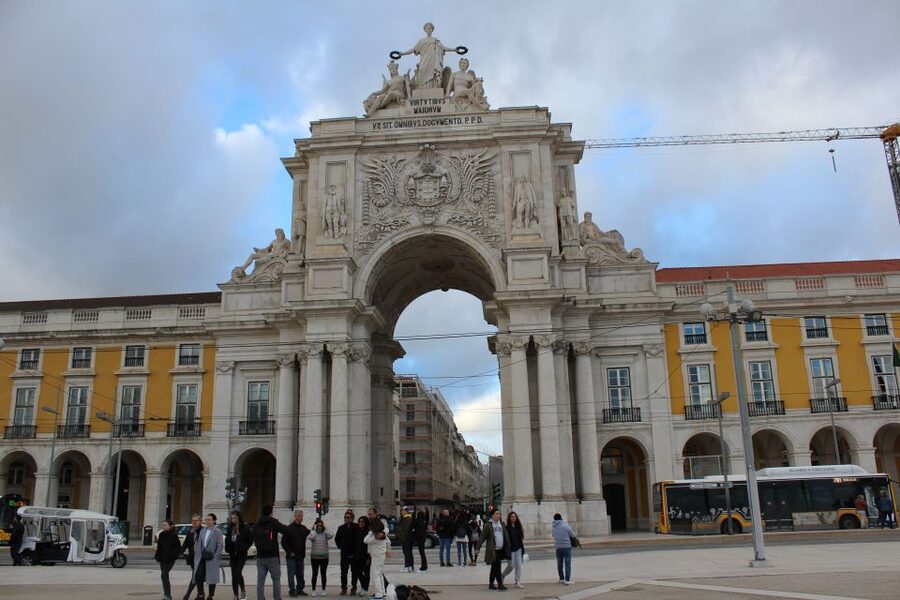
At $141 per person for 3 hours, the fair question is whether you’re paying for a list of sites or for interpretation. From the way people describe the experience, you’re paying for a guide who connects Lisbon’s neighborhoods to the Jewish story and then to the wider Portuguese timeline.
That interpretation is the value. Walking through Alfama and central streets is one thing. Getting the context—why Jews were influential in key sectors, what acceptance vs rejection did to everyday life, and how the 16th-century expulsion echoes into later communities—is what makes the money feel justified.
Also, the guide names show a pattern: multiple guides have similar strengths. That consistency suggests the operator puts time into training and subject control, not just logistics.
Practical tips so the day feels easy
This tour is short, but the walking is real. Here’s how I’d set yourself up:
- Wear grippy shoes for steep streets, especially if you’re heading into Alfama
- Bring layers. Lisbon weather can shift fast, and comfort beats heroics
- Arrive early at A Padaria Portuguesa so you’re not sprinting uphill before the tour begins
- If you have specific interests—Sephardic heritage, Marranos history, or the Lisbon-to-world connection—say so at the start. Guides can often adjust focus based on what you care about
And a small laugh at the start: you’ll begin at a bagel shop (A Padaria Portuguesa). It’s funny in a way that works. You’re swapping breakfast-mode for history-mode quickly.
Who should book this Lisbon Jewish history walk
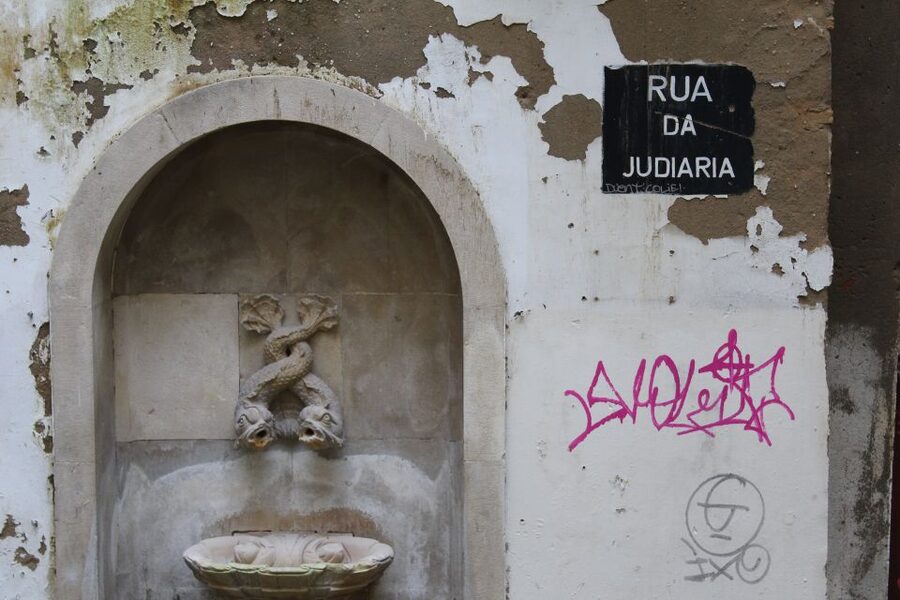
This is a good fit if you:
- want a focused history tour tied to actual neighborhoods (not museum-only learning)
- like cultural history that connects religion, daily life, and economics
- want a Sephardic and Marranos angle, including the sheltered-convert part of the story
- enjoy walking tours in classic areas like Alfama, Baixa, and Chiado
You might skip it if you:
- need a low-walking, mobility-friendly option (it’s not suitable for mobility impairments)
- hate steep streets and long uphill stretches without breaks
FAQ
FAQ
Where does the tour start?
Meet at A Padaria Portuguesa, a bagel shop.
How long is the Lisbon Jewish History guided walking tour?
It lasts 3 hours.
How much does it cost?
The price is $141 per person.
What languages is the tour offered in?
The tour guide speaks Portuguese and English.
Is transportation included?
No. Transportation is not included.
Is the tour suitable for people with mobility impairments?
No. It is not suitable for people with mobility impairments.
What is included in the price?
A bottle of water, the guide, and the walking tour are included.
Can I cancel for a refund?
Yes. Free cancellation is available up to 24 hours in advance for a full refund.
Should you book this Lisbon Jewish history walk?
I’d book it if you want a short, meaningful Lisbon history experience that’s anchored in neighborhoods you can picture afterward. The strong points are the Sephardic and Marranos focus, the neighborhood-to-Portugal connections, and the way guides like Al or Luciano keep the walk engaging and paced.
If you’re comfortable on foot and your interests line up with Jewish life in Portugal—especially the acceptance vs rejection theme—this is a solid use of 3 hours. If hills are a problem for you, look for a more accessible option instead.
More Tours in Lisbon
- Lisbon City Center Tour – The Unmissable Lisbon★ 5.0 · 22,234 reviews
- Lisbon: History, Stories and Lifestyle Walking Tour★ 4.8 · 10,902 reviews
- True 4Hour Private Tuk Tuk Tour: Discover Lisbon with a Local!★ 5.0 · 8,008 reviews
- Winner 2025 Undiscovered Lisbon Food & Wine Tour by Eating Europe★ 5.0 · 6,390 reviews
- Lisbon: Sintra, Pena, Cabo da Roca, Cascais Tour with Pickup★ 4.8 · 5,445 reviews
More Tour Reviews in Lisbon
- Lisbon City Center Tour – The Unmissable Lisbon★ 5.0 · 22,234 reviews
- Lisbon: Sintra, Pena, Regaleira, Cabo da Roca & Cascais★ 4.7 · 19,656 reviews
- Lisbon Card: 24, 48, or 72-Hour Pass★ 4.5 · 17,944 reviews
- Lisbon: Jerónimos Monastery Entrance Ticket★ 4.1 · 14,164 reviews
- Lisbon: History, Stories and Lifestyle Walking Tour★ 4.8 · 10,902 reviews
More of Lisbon, One Hill at a Time
- Lisbon: History, Stories and Lifestyle Walking Tour★ 4.8 · 10,902 reviews
- Best of Lisbon Small-Group Guided Walking Tour★ 5.0 · 4,869 reviews
- Lisbon: Food and Wine Small Group Walking Tour★ 4.9 · 4,082 reviews
- Best of Lisbon Walking Tour: Rossio, Chiado & Alfama★ 4.9 · 2,700 reviews
- Age of Discoveries Walking Tour in Belém★ 5.0 · 1,513 reviews
Just in: fresh Lisbon reviews from the team





Lisbon Walking Tours, compared.
 ★ 4.8History, Stories and Lifestyle Walking TourFrom $2910,902 reviews
 ★ 5.0Best of Lisbon Small-Group Guided Walking TourFrom $234,869 reviews
 ★ 4.9Food and Wine Small Group Walking TourFrom $724,082 reviews
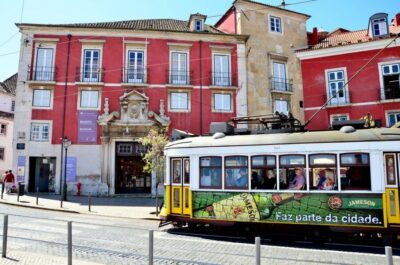 ★ 4.9Best of Lisbon Walking Tour: Rossio, Chiado & AlfamaFrom $232,700 reviews
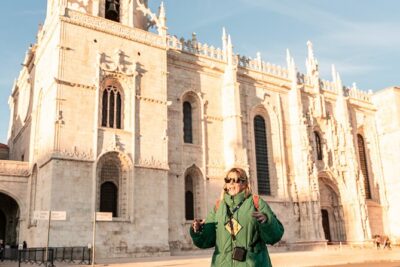 ★ 5.0Age of Discoveries Walking Tour in BelémFrom $31,513 reviews
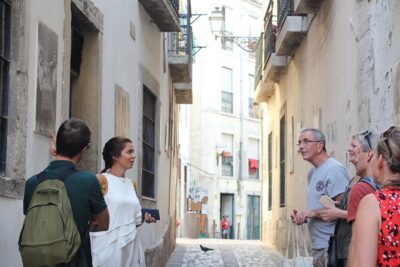 ★ 5.0Lisbon Roots – Small group Food & Culture Walking Tour w/tastingsFrom $168910 reviews
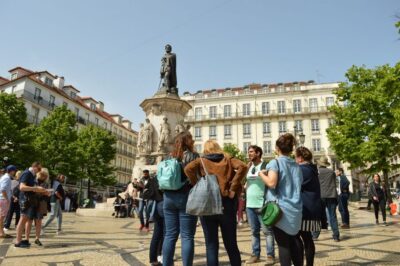 ★ 4.9Starter Walking Tour to the highlights in GermanFrom $33781 reviews
 ★ 4.1Lisbon Tram No. 28 Ride & Walking TourFrom $23766 reviews
Browse the lists this tour appears in