
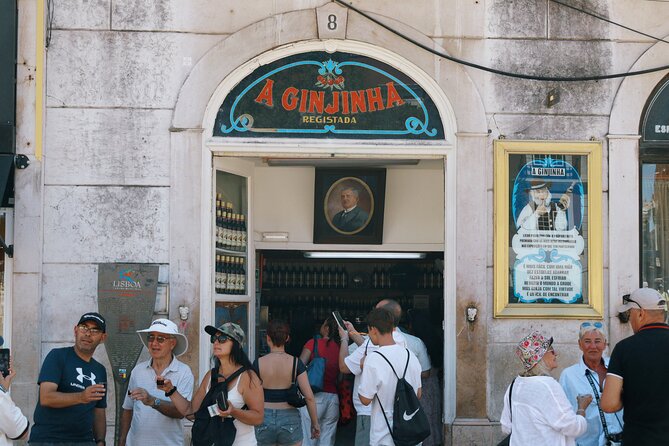
Reviewed · LISBON WALKING TOURS
Lisbon Downtown Walking Tour by Professional Tour Guide- 3 Hours
If you only have a few hours, this is a smart way to get your bearings and learn what you’re actually looking at. I like that the route mixes major landmarks with smaller historical stories, and you get repeated chances for big viewpoint moments without turning it into an all-day hike. Plus, guides here (for example Olcay, based on past feedback) tend to explain the why behind Lisbon’s places, not just list names.
One thing to plan for: it’s about 3 hours of mostly walking with a moderate fitness expectation, including time at stairs and slopes around viewpoints and old neighborhoods.
In This Review
- Key highlights you’ll actually notice
- Starting at Hard Rock Cafe: your easiest launch point
- Praca Dos Restauradores and the obelisk meaning
- Estacao do Rossio: why the station’s design matters
- Praca Dom Pedro IV and Lisbon’s old heart
- Igreja de S Domingos: tragedy, turning points, and the church vibe
- Praca da Figueira and market origins
- Miradouro de Santa Luzia to Portas do Sol: the views that explain Alfama
- Alfama’s streets: traditions, roots, and details you’d miss
- Lisbon Cathedral: mother church energy and local secrets
- Church of St. Anthony: Renaissance style plus a layered old story
- Praca do Comercio and Rua Augusta: riverfront power to city shopping street
- Elevador de Santa Justa: the lift that links Lisbon’s levels
- Pacing, walking load, and how long you should plan
- Price and value: paying $29.44 for guidance, not just sights
- Who should book this downtown walk
- Should you book this Lisbon Downtown Walking Tour?
- FAQ
- How long is the Lisbon Downtown Walking Tour?
- Where does the tour start?
- Does the tour end back at the meeting point?
- Is the tour offered in English?
- What is the group size?
- Are there admission fees for the stops?
- What is the price per person?
- Is a mobile ticket provided?
- Is the tour suitable if I have moderate fitness?
- Can I cancel for a refund?
Key highlights you’ll actually notice

- Praca Dos Restauradores starts with Lisbon’s iconic history and a clear explanation of the square’s obelisk
- Rossio Station (Estacao do Rossio) gets the architecture-and-purpose treatment in just a quick stop
- Alfama viewpoints at Miradouro de Santa Luzia and Miradouro das Portas do Sol frame the neighborhood before you walk into it
- Lisbon Cathedral and Church of St. Anthony connect religious sites with stories you can’t easily pick up on your own
- Praca do Comercio and Rua Augusta show the “main street and riverfront” Lisbon vibe in one continuous stretch
- Elevador de Santa Justa closes the loop with a 19th-century piece of engineering that ties downtown to the upper city
Starting at Hard Rock Cafe: your easiest launch point
The tour meets at Hard Rock Cafe on Av. da Liberdade (number 2). It’s a solid spot because it’s easy to find, and you’re right in Lisbon’s central grid where public transit options are nearby. Since the activity ends back at the same meeting point, you don’t have to worry about figuring out a separate finish.
This is designed as a small-group walk, with a maximum of 15 people. That matters because you’ll hear the guide better on tight streets, and you’re less likely to get stuck behind a long line of other groups at viewpoints.
If you’re arriving in Lisbon for the first time, I like doing this early. Not because you’ll see everything, but because you’ll learn the “shape” of the city: where old power centers were, where people gathered, and why the best angles show up in certain places.
Lisbon at walking pace, a few more routes
- Lisbon: History, Stories and Lifestyle Walking Tour
★ 4.8 · 10,902 reviews - Best of Lisbon Small-Group Guided Walking Tour
★ 5.0 · 4,869 reviews - Lisbon: Food and Wine Small Group Walking Tour
★ 4.9 · 4,082 reviews - Best of Lisbon Walking Tour: Rossio, Chiado & Alfama
★ 4.9 · 2,700 reviews
Praca Dos Restauradores and the obelisk meaning
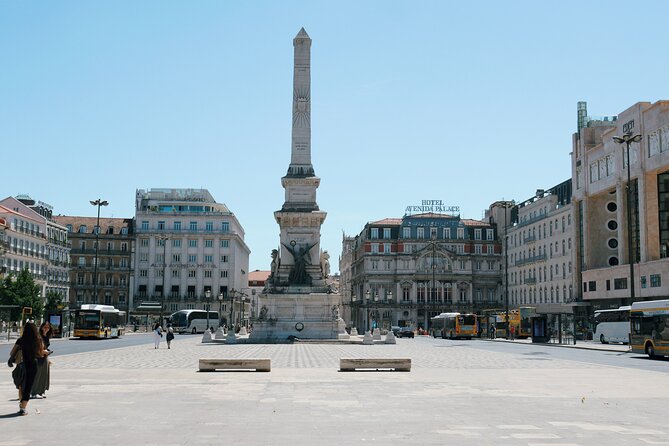
You start at Praca Dos Restauradores, where the guide sets the tone with big-picture Portuguese history and explains what the square’s obelisk represents. This stop is short, about 20 minutes, but it works as a mental warm-up.
Here’s why I think this matters. Lisbon’s downtown looks like a layered puzzle: squares, churches, stations, and streets all sit next to each other like they’re telling different chapters of the same story. Starting with a quick anchor gives you something to hang later details on.
The square also helps you understand the “feel” of Lisbon’s central streets: broad and ceremonial in places, yet constantly connected to older, more dramatic neighborhoods.
Estacao do Rossio: why the station’s design matters
Next up is Estacao do Rossio. You spend about 5 minutes here, with the guide focusing on the station’s architecture and its purpose.
Even in a short stop, this is a useful reminder: stations aren’t just transportation. In older European cities, they’re public buildings with political and social meaning. When you understand what a station was meant to do, you notice details faster when you walk past later.
It’s also a nice reset after the first square, because it’s more about observation than climbing or squeezing through streets.
Praca Dom Pedro IV and Lisbon’s old heart
At Praca Dom Pedro IV, you get two key ideas in about 15 minutes: what this square’s original purpose was and how it connects to the old Inquisition palace.
This stop is where Lisbon starts to feel emotionally heavier, because it brings in history that isn’t just decorative. The square helped shape daily life in the old city, and the Inquisition story adds context for how power worked in Portugal.
I like that the tour doesn’t treat history as a list. It treats it as something that influenced where people lived, gathered, and feared. That makes it easier to read Lisbon as you walk.
Worth a look before you lock anything else in around Lisbon:

Igreja de S Domingos: tragedy, turning points, and the church vibe
You’ll spend about 20 minutes at Igreja de S Domingos. The guide shares a sad event that the tour frames as changing the course of Portuguese history, and you’ll also hear about the church’s reputation (described as cursed).
Even if you already know the general outline of European religious conflict, the storytelling here tends to land differently when tied to a specific square. You don’t just hear facts—you see the place those facts happened in.
Practical note: church stops often mean slower movement and more pauses. If you’re sensitive to somber stories, take a breath and decide how long you want to mentally sit with it. The guide sets the tone, and you’ll move on before it drags.
Praca da Figueira and market origins
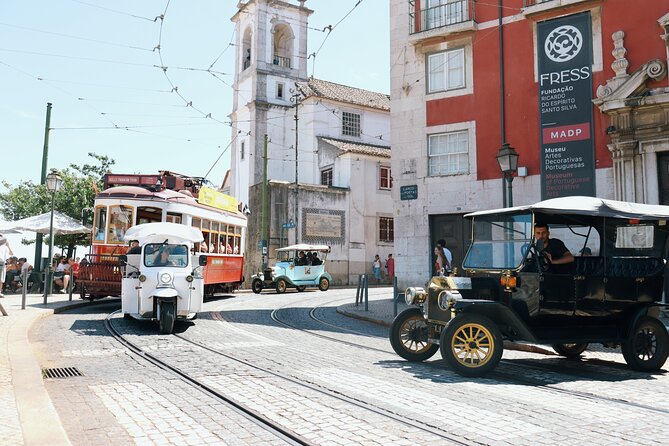
Praca da Figueira gets about 15 minutes. The focus is on how the square has been tied to markets since the middle ages—and then you look outward to connect it with nearby roots, including Saint George Castle in the wider context.
This is a smart pivot from monuments to everyday life. Lisbon wasn’t built just by kings and churches. It was built by trade, bargaining, deliveries, and the constant flow of people around market centers.
If you like cities where you can feel the “old daily rhythm,” this stop helps. You’ll start noticing which squares are designed for crowds and which are designed for ceremony.
Miradouro de Santa Luzia to Portas do Sol: the views that explain Alfama
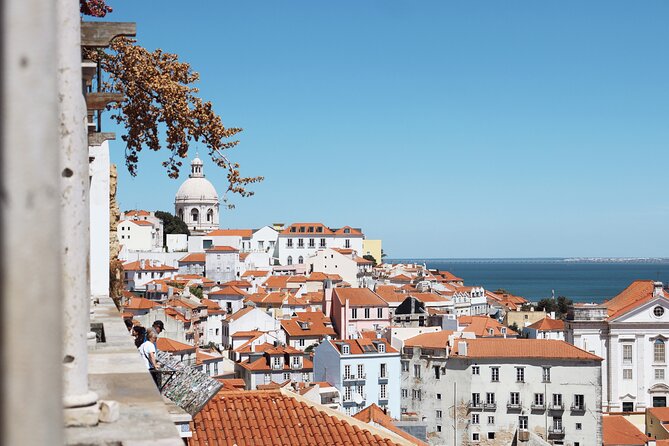
Then comes the good stuff for your photos and your brain. At Miradouro de Santa Luzia (about 10 minutes), the guide talks about how Lisbon was conquered from the Moors and you’ll get one of the best views over Lisbon and the Alfama area.
Soon after, you shift to Miradouro das Portas do Sol for about 20 minutes. This one is framed as the iconic view for the western side of Alfama, and it also sets you up to enter the neighborhood.
These two miradouros do something a viewpoint alone can’t. They explain why the city looks the way it does. When you understand the historical layers and the city’s defensive and cultural geography, Alfama stops feeling like just a pretty postcard neighborhood and starts feeling like a place shaped by real forces.
Alfama’s streets: traditions, roots, and details you’d miss
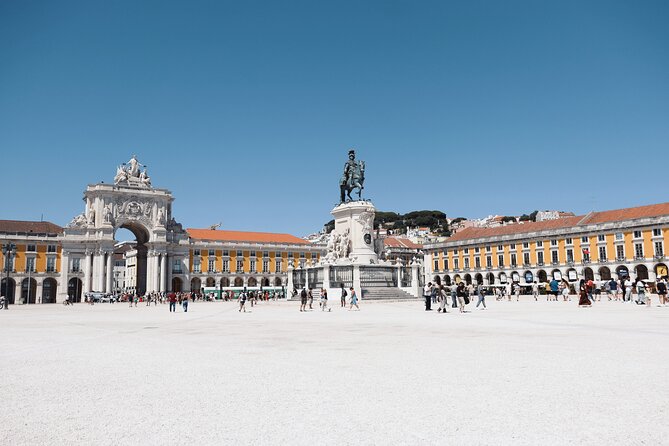
After the second viewpoint, you walk into Alfama for about 15 minutes. This is the neighborhood portion, focused on streets, traditions, roots, and smaller details.
What I like here is the shift from looking outward to looking close. Alfama is the kind of place where you can wander and still not know why something is positioned the way it is. A good guide points out the reasons—street angles, the sense of old paths, and the neighborhood’s character shaped by history.
Also, expect this section to be slower than it sounds. Even when the stop time is brief, you’ll likely pause a lot. And if you’re in a small group (sometimes it can shrink to just a couple of people, based on past experiences shared), that makes the walk feel personal.
Lisbon Cathedral: mother church energy and local secrets
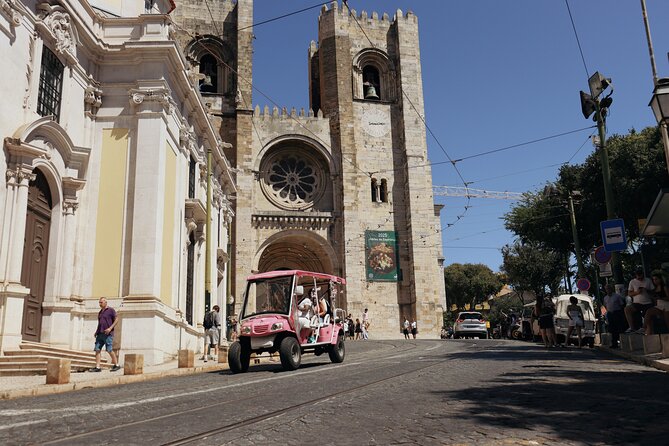
Next is Lisbon Cathedral for about 10 minutes. The tour frames it as the mother church of Lisbon and shares its secrets.
Cathedrals can feel intimidating on a tight timeline, but in this format the goal is quick orientation: what this building represents and what to notice when you look at it. With a guide, you’re not guessing which elements matter.
If you’ve ever walked into a church and wondered what’s worth focusing on, this stop is designed to help you look with intention.
Church of St. Anthony: Renaissance style plus a layered old story
You’ll spend about 15 minutes at the Church of St. Anthony. The tour highlights its Renaissance design and also connects it to the old house of Saint Anthony, noting that the church was built upon it and that it witnessed miracles.
This stop is where Lisbon can feel spiritual and historical at the same time. You get a sense of how later builders used earlier sacred spaces, which is a pattern you’ll notice elsewhere in the city if you keep looking.
One practical consideration: churches can be quieter and you might have moments where you pause so everyone can hear. If you’re traveling with anyone who needs frequent breaks, this is the section to slow down mentally.
Praca do Comercio and Rua Augusta: riverfront power to city shopping street
Then you head to Praca do Comercio (Terreiro do Paco) for about 15 minutes. The tour calls it one of the biggest and most beautiful squares in the world and points to the important history it witnessed.
This is a classic contrast with Alfama. Alfama is tight, old, and steep. Praca do Comercio is open, formal, and connected to the riverfront story of Lisbon’s rise. Standing in the square after the viewpoints gives your brain a full-city picture.
From there you move to Rua Augusta for about 10 minutes. It’s described as a commercial district with wide, lively streets. This is basically your downtown rhythm check: you see how Lisbon functions now, not just how it functioned centuries ago.
If you like mixing old and new without overplanning, this pairing makes the most of limited time.
Elevador de Santa Justa: the lift that links Lisbon’s levels
To close, you’ll hit Elevador de Santa Justa for about 5 minutes. The guide explains it as a 19th-century lift and notes that it connects Lisbon’s downtown with the upper town.
Even with a short stop, this is a great finale because it ties together the logic of Lisbon’s layout. Lisbon isn’t flat. It’s layered. When you understand that, everything else makes more sense: where you saw viewpoints, why streets feel like they climb, and why certain squares feel like you’re stepping into a different level of the city.
If you’re curious whether the lift ride is worth it later, this tour’s quick orientation helps you decide. You’ll know what the structure is doing before you spend money on it.
Pacing, walking load, and how long you should plan
This is billed as a 3-hour walk, and the stop times add up to a route with plenty of short pauses. You have multiple scenic moments (two miradouros) and several landmark clusters (squares plus major churches). So it rarely feels like a nonstop march.
Still, you should assume some uneven walking. Alfama streets and viewpoint areas typically mean cobbles and slopes. The tour also asks for moderate physical fitness, so if your mobility is limited, I’d think twice or bring a real plan for short breaks.
Good news: because it’s designed as a guided loop with a return to the starting point, you won’t end up stranded. You’ll also likely get natural regrouping time built into the narrative.
For footwear, go with something you’re comfortable walking a lot in. Your feet will remember Alfama before your camera does.
Price and value: paying $29.44 for guidance, not just sights
At $29.44 per person for about 3 hours, the value mostly comes from three things: a professional guide, a small max group (15), and no paid admission mentioned for the listed stops.
The tour includes free entry at every stop listed, which means your money goes toward interpretation and pacing rather than ticket lines. You’re also getting a route that connects multiple parts of downtown and Alfama into one guided arc.
Timing can help, too. This tour is often booked around a month in advance on average, so booking sooner can reduce last-minute stress. And since you receive a mobile ticket, you’ll spend less time tracking paper confirmations.
One more value point: past feedback highlights that guides can tailor with food suggestions. One review mentions local cherry liqueur, a pastel de nata shop, and even a rest stop at a hidden taverna. That’s not guaranteed by the route description alone, but it’s a sign the guide approach can include tastings and local recommendations when it fits.
Who should book this downtown walk
This tour is a strong fit if you:
- Want a first-day orientation to Lisbon’s main stories without planning a private itinerary
- Prefer guided explanations at key history points (squares, churches, and viewpoints)
- Like Alfama but don’t want to spend hours wandering without context
- Enjoy small-group pacing and clearer access to your guide
It may be less ideal if you:
- Struggle with slopes and uneven streets and want a fully accessible route (the tour only notes moderate fitness)
- Want long stays at a few museums rather than quick, story-driven stops
- Don’t like somber history moments tied to religious and political conflict
Should you book this Lisbon Downtown Walking Tour?
I’d book it if you want a smart, efficient way to learn Lisbon’s story in one afternoon. The route moves through central squares, viewpoints into Alfama, and then back toward the riverfront and the big downtown street, all while a guide gives you the meaning behind what you’re seeing. With free entry at the listed stops and a small max group, you’re paying for direction and context, not checkboxes.
If you’re the type who enjoys getting your bearings fast, this tour is a good starting point. Then you can break away afterward for longer independent time in the places that grabbed you most.
FAQ
How long is the Lisbon Downtown Walking Tour?
It lasts about 3 hours.
Where does the tour start?
The meeting point is Hard Rock Cafe | Lisboa, at Av. da Liberdade 2, 1250-144 Lisboa, Portugal.
Does the tour end back at the meeting point?
Yes, the activity ends back at the meeting point.
Is the tour offered in English?
Yes, it is offered in English.
What is the group size?
There is a maximum of 15 travelers.
Are there admission fees for the stops?
All listed stops show admission ticket free.
What is the price per person?
The price is $29.44 per person.
Is a mobile ticket provided?
Yes, the tour includes a mobile ticket.
Is the tour suitable if I have moderate fitness?
The tour notes a moderate physical fitness level. You should be comfortable walking for about 3 hours with some uneven areas.
Can I cancel for a refund?
You can cancel for a full refund if you cancel up to 24 hours in advance of the experience’s start time.
More Tours in Lisbon
- Lisbon City Center Tour – The Unmissable Lisbon★ 5.0 · 22,234 reviews
- Lisbon: History, Stories and Lifestyle Walking Tour★ 4.8 · 10,902 reviews
- True 4Hour Private Tuk Tuk Tour: Discover Lisbon with a Local!★ 5.0 · 8,008 reviews
- Winner 2025 Undiscovered Lisbon Food & Wine Tour by Eating Europe★ 5.0 · 6,390 reviews
- Lisbon: Sintra, Pena, Cabo da Roca, Cascais Tour with Pickup★ 4.8 · 5,445 reviews
More Tour Reviews in Lisbon
- Lisbon City Center Tour – The Unmissable Lisbon★ 5.0 · 22,234 reviews
- Lisbon: Sintra, Pena, Regaleira, Cabo da Roca & Cascais★ 4.7 · 19,656 reviews
- Lisbon Card: 24, 48, or 72-Hour Pass★ 4.5 · 17,944 reviews
- Lisbon: Jerónimos Monastery Entrance Ticket★ 4.1 · 14,164 reviews
- Lisbon: History, Stories and Lifestyle Walking Tour★ 4.8 · 10,902 reviews
More of Lisbon, One Hill at a Time
- Lisbon: History, Stories and Lifestyle Walking Tour★ 4.8 · 10,902 reviews
- Best of Lisbon Small-Group Guided Walking Tour★ 5.0 · 4,869 reviews
- Lisbon: Food and Wine Small Group Walking Tour★ 4.9 · 4,082 reviews
- Best of Lisbon Walking Tour: Rossio, Chiado & Alfama★ 4.9 · 2,700 reviews
- Age of Discoveries Walking Tour in Belém★ 5.0 · 1,513 reviews
Just in: fresh Lisbon reviews from the team





Lisbon Walking Tours, compared.
 ★ 4.8History, Stories and Lifestyle Walking TourFrom $2910,902 reviews
 ★ 5.0Best of Lisbon Small-Group Guided Walking TourFrom $234,869 reviews
 ★ 4.9Food and Wine Small Group Walking TourFrom $724,082 reviews
 ★ 4.9Best of Lisbon Walking Tour: Rossio, Chiado & AlfamaFrom $232,700 reviews
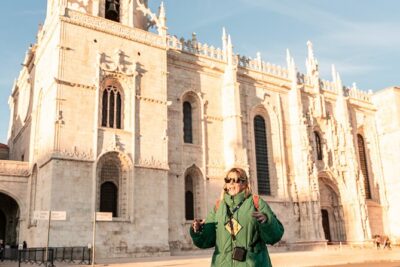 ★ 5.0Age of Discoveries Walking Tour in BelémFrom $31,513 reviews
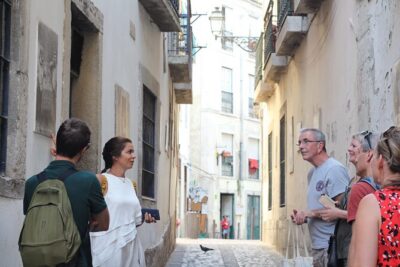 ★ 5.0Lisbon Roots – Small group Food & Culture Walking Tour w/tastingsFrom $168910 reviews
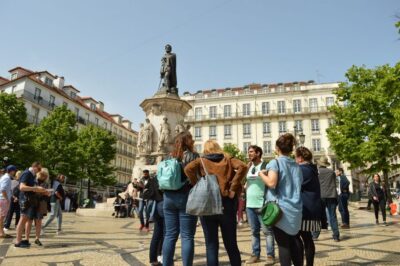 ★ 4.9Starter Walking Tour to the highlights in GermanFrom $33781 reviews
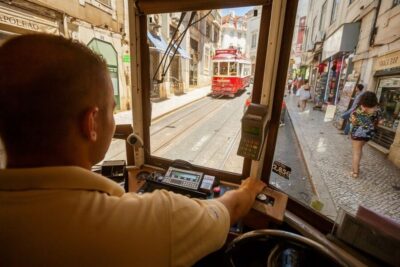 ★ 4.1Lisbon Tram No. 28 Ride & Walking TourFrom $23766 reviews
Browse the lists this tour appears in