
Reviewed · LISBON WALKING TOURS
Lisbon: City Highlights Guided Walking Tour
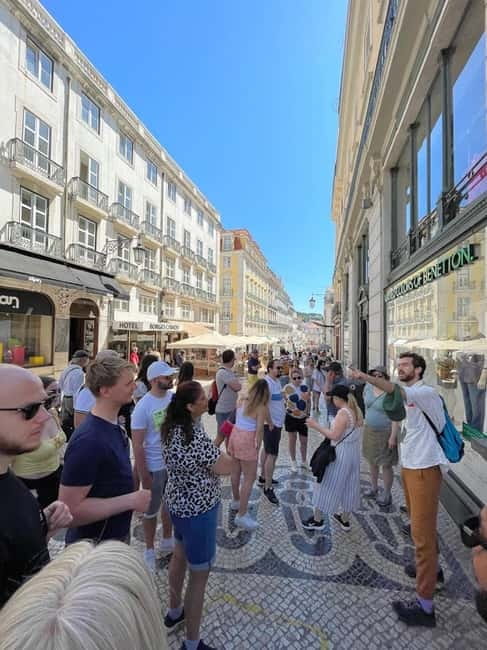
Lisbon makes more sense after you walk it. This 150-minute guided stroll strings together Praça do Comércio, Baixa Pombalina, and Chiado with standout stops like São Domingos Station (a church you’ll want to look up at). I especially like how the route ties big turning points—like the 1755 earthquake and the rebuilding of the city—into what you’re actually seeing on the street.
What also clicks is the people part. The guides bring the story with humor and practical suggestions (I’ve heard names like Claudia, Samuel, Tiago, Walter, Kate, and Jose come up again and again), so you’re not just collecting facts. One thing to consider: the walk stays pretty central and can get crowded, so if you hate tight streets or want a super quiet pace, you may want to time it carefully.
Key points worth knowing
- Start at Praça do Comércio and get the city layout in your head fast
- São Domingos Station makes for an unforgettable church stop
- Baixa + Chiado in one loop gives you context for Lisbon’s post-earthquake rebuild
- Your guide’s tips help with food, getting around, and what to skip or repeat
- Mostly easy walking with a few uphill bits, but you’ll still want good shoes
- Group size can vary, so plan for a lively group even on a short tour
In This Review
- Praça do Comércio to Baixa and Chiado: why this route works
- São Domingos Station: the church you’ll remember first
- Augusta Street, the Arch, and the city’s “big moments” in real view
- Santa Justa Elevator and Rossio: moving from monuments to everyday Lisbon
- Stopping at the Jewish memorial: history that doesn’t stay in the past
- Ginjinha and the original shop: a local stop you can taste, not just see
- Casa do Alentejo, Carmo Square and Monastery, and the café break vibe
- Camões Square and your final takeaway: a Lisbon map you can use later
- Walking comfort and what to wear for this 2.5-hour loop
- The tour price: is $17 worth it?
- Guide quality really matters, and this tour has strong marks
- Should you book Lisbon City Highlights Guided Walking Tour?
- FAQ
- How long is the Lisbon City Highlights Guided Walking Tour?
- Where do I meet the guide?
- What’s the price?
- What language is the tour in?
- Is Ginjinha included in the tour?
- What landmarks does the tour include?
- Is the walk physically demanding?
- Is free cancellation available?
- Can I pay later?
Praça do Comércio to Baixa and Chiado: why this route works
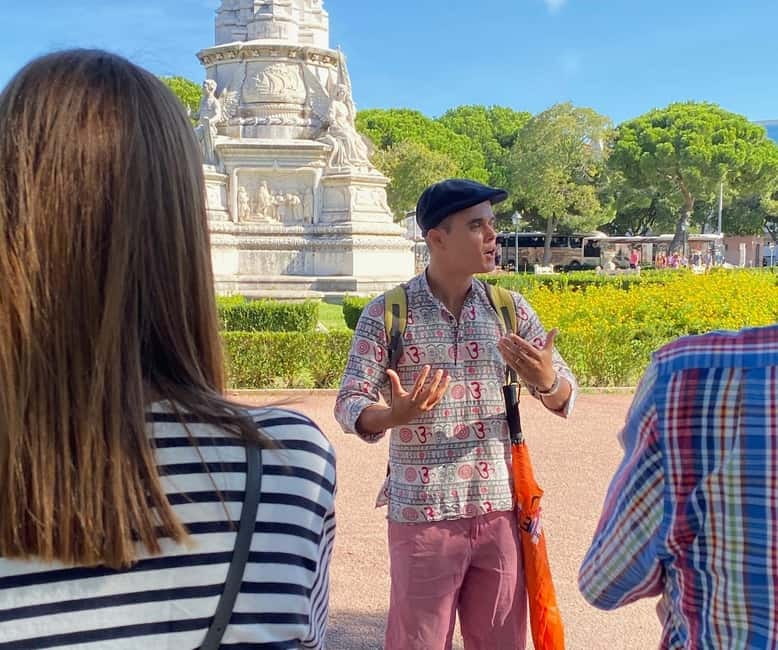
This tour is built for orientation. You start at Praça do Comércio, Lisbon’s grand riverfront square, where you instantly see the city’s “front door” energy. From there, the walk moves into Baixa Pombalina and Chiado—two areas that have been meeting points for artists, writers, poets, and politicians since the 1700s.
Even if you’ve seen photos of Lisbon, this route helps you connect the dots. Baixa is the geography of movement and commerce: wide streets, big stone facades, and famous addresses that feel like they have always been in motion. Chiado shifts the mood toward bookstores, cafés, and theater-adjacent streets where you can pause and people-watch. The tour doesn’t treat these neighborhoods like a checklist. It explains why they look the way they do—especially after the Great Earthquake of Lisbon in 1755.
One of the best parts is how quickly you understand the rebuilding story. Lisbon’s center was devastated, then rebuilt in the 18th century with earthquake-resistant thinking. Once you know that, the architecture feels less random and more purposeful.
São Domingos Station: the church you’ll remember first
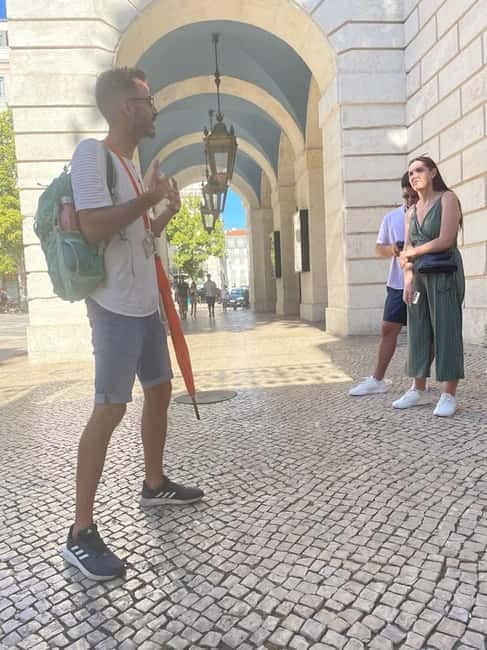
You can spot São Domingos Church as a “stop you don’t just pass.” This one is a real highlight because it’s described as one of the most unique churches in the world—and the way your guide talks about it makes you look at details instead of drifting past.
The church becomes a storytelling anchor. As you stand there, you’re not only seeing a landmark; you’re learning how Lisbon’s layered past shows up in places like this. That matters in Lisbon. The city often mixes grand, public spaces with deeply personal history. São Domingos is where that contrast feels tangible.
If you’re the type who enjoys a strong narrative, this is one of those stops where the guide’s pace and delivery really affect the whole experience. People singled out guides such as Walter and Samuel for making the church story land, with engaging storytelling rather than dry facts.
Lisbon at walking pace, a few more routes
- Lisbon: History, Stories and Lifestyle Walking Tour
★ 4.8 · 10,902 reviews - Best of Lisbon Small-Group Guided Walking Tour
★ 5.0 · 4,869 reviews - Lisbon: Food and Wine Small Group Walking Tour
★ 4.9 · 4,082 reviews - Best of Lisbon Walking Tour: Rossio, Chiado & Alfama
★ 4.9 · 2,700 reviews
Augusta Street, the Arch, and the city’s “big moments” in real view
After Praça do Comércio, the tour heads toward Augusta Street and the famous arch. This is classic Lisbon drama: a long, central avenue that feels made for walking, with architecture that frames the sky. It’s also a natural transition point. You go from the square’s scale to the city’s rhythms—cross streets, shift sightlines, and start noticing how people actually use these spaces.
This section matters because it teaches you how Lisbon organizes its highlights. Augusta Street isn’t just a view. It’s a route, a way the city funnels you toward other important squares and buildings. If you’re walking Lisbon on your own later, the mental map you build here pays off.
You’ll also hear about major historical shifts that shaped daily life: the end of the monarchy, changes tied to Portuguese power and capital, and the long political stretch that included dictatorship. It can sound heavy on paper, but on the ground it’s easier to hold, because your guide connects the politics to the buildings you’re passing.
Santa Justa Elevator and Rossio: moving from monuments to everyday Lisbon
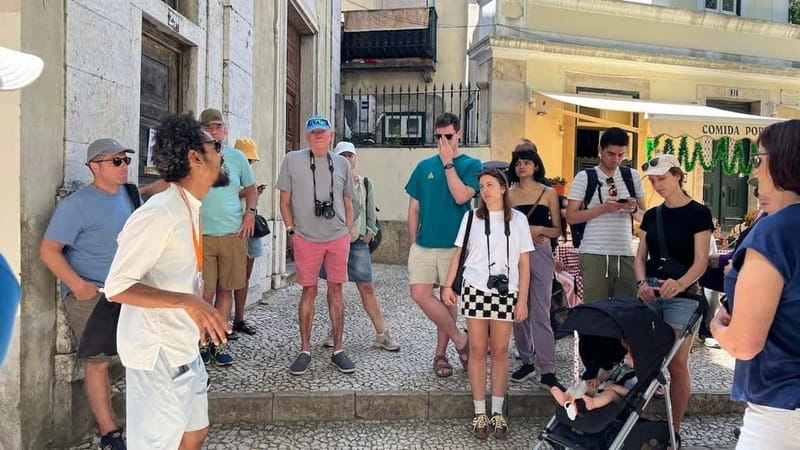
Santa Justa Elevator is a name you’ll recognize. On this tour, it’s part of the visual storyline rather than the full attraction itself. You get the sense of how Lisbon’s landmarks connect to its streets, and how the city’s dramatic vertical features work with a fairly walkable center.
Then you move toward Rossio Square and the nearby train station area. This part feels like the city’s pulse. Rossio has that “meet-up spot” energy, and you’ll likely notice how easily people switch between sightseeing and commuting. The train station zone adds a useful layer: Lisbon isn’t only a museum city. It’s also a working city, and Rossio is where motion is obvious.
From a value standpoint, this is smart. Many walking tours hit pretty façades but miss the “how people actually move” piece. Here, Rossio helps you understand Lisbon’s traffic patterns and why certain neighborhoods feel central.
Stopping at the Jewish memorial: history that doesn’t stay in the past
Lisbon’s history is complicated, and your guide covers that with specific events rather than generalities. One of the stops you’ll make connects to the Jewish memorial and the history of a Jewish massacre. It’s not the kind of topic you “browse past.” It changes the tone of the walk.
I like that the tour doesn’t treat memorials as trivia. A guide who’s good at this can make it respectful and clear without turning it into a lecture. The payoff is that you leave with a better grasp of why certain histories are visible in public spaces—even when they’re uncomfortable.
This is especially helpful if you’re only in Lisbon for a short time. You’ll understand that the city isn’t just built on kings and churches. It’s built on communities, conflicts, and the long aftermath.
Worth a look before you lock anything else in around Lisbon:

Ginjinha and the original shop: a local stop you can taste, not just see
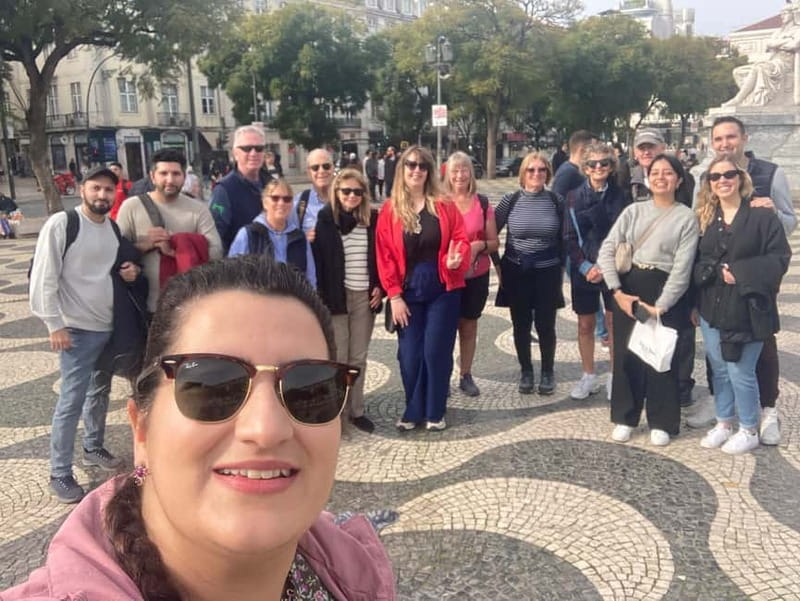
You’ll pass the original Ginjinha shop. The tour itself doesn’t include Ginjinha, so you’re not locked into a purchase—but the fact that it’s part of the route is useful. It helps you spot the real-world anchors of Lisbon food culture.
If you’re tasting your way through the city, this stop is a good moment to decide how bold you want to be. If you’re not into cherry liqueur, you can simply treat it as a context stop and move on.
This is one of those “optional” parts that still matters. The tour gives you the reference point, and you choose what fits your day.
Casa do Alentejo, Carmo Square and Monastery, and the café break vibe
As the walk continues, you pass Casa do Alentejo and then make your way toward Carmo Square and the Monastery of Carmo. These stops help you shift from pure sightseeing into atmosphere.
Carmo Square and the Monastery area is the kind of place where Lisbon’s past feels physical. The city has plenty of bright facades, but ruins and damaged stone make a different kind of impression. It’s where the earthquake story feels less abstract. Even if you only catch parts of that story on the first walk, you’ll feel it here.
You’ll also see stops like a Brasileira Café. That’s a nod to Lisbon’s café culture—the social glue of so many neighborhoods. A café stop isn’t about coffee snobbery. It’s about how people recharge and talk through the day’s plans. It also gives your legs a short mental break.
Camões Square and your final takeaway: a Lisbon map you can use later
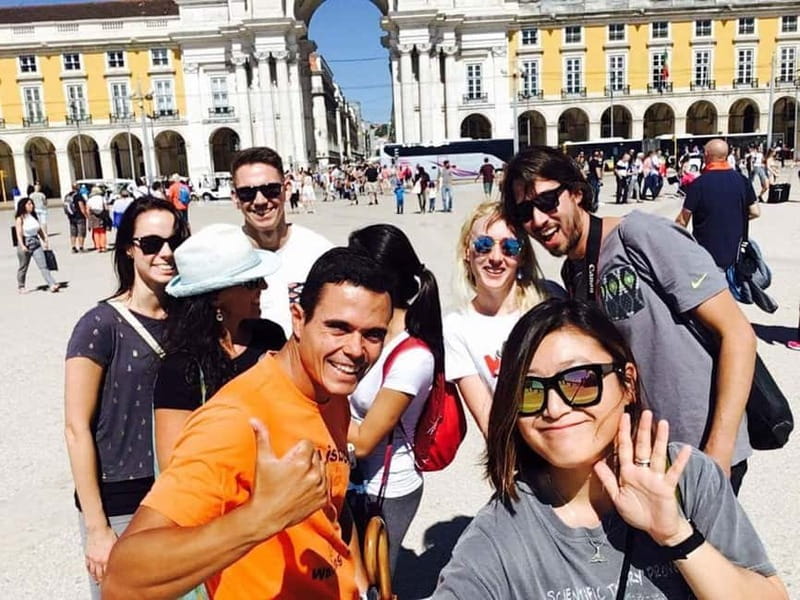
The tour wraps up around Camões Square and the central streets near where your first sights converge. By the end, you should feel like you can navigate Lisbon with more confidence—even if you still need to check maps.
This last section matters because it turns the tour into a tool. If you’re heading off to Alfama, Belém, or further afield, you’ll have an easier time understanding where you are in relation to the center. More importantly, you’ll know which stories to look for when you see a building again.
People consistently praised the guides for including practical advice: how to get around, where to eat, and what to do next. In particular, guides like Tiago and Jose were noted for adding useful suggestions around food and how to plan your time. That kind of add-on makes the 2.5 hours feel more like an investment than a walk.
Walking comfort and what to wear for this 2.5-hour loop
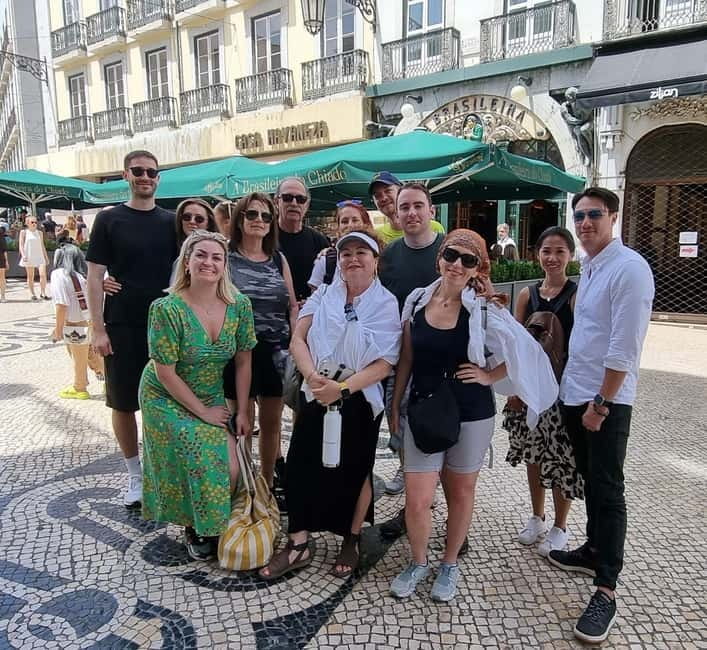
This is a walking tour in Lisbon’s core, so come ready for city textures—crowds, tight corners, and uneven sidewalk sections that you’ll want to step carefully on.
One reviewer described it as not physically demanding, with only a few uphill bits. That’s exactly what you should plan for: comfortable walking shoes, breathable layers, and a light rain layer if weather looks moody. Lisbon weather can change fast, and you’ll spend enough time outdoors that being unprepared gets annoying quickly.
Also, since you’ll be stopping often, you don’t need to train for a marathon. But you do need to be steady on your feet.
The tour price: is $17 worth it?
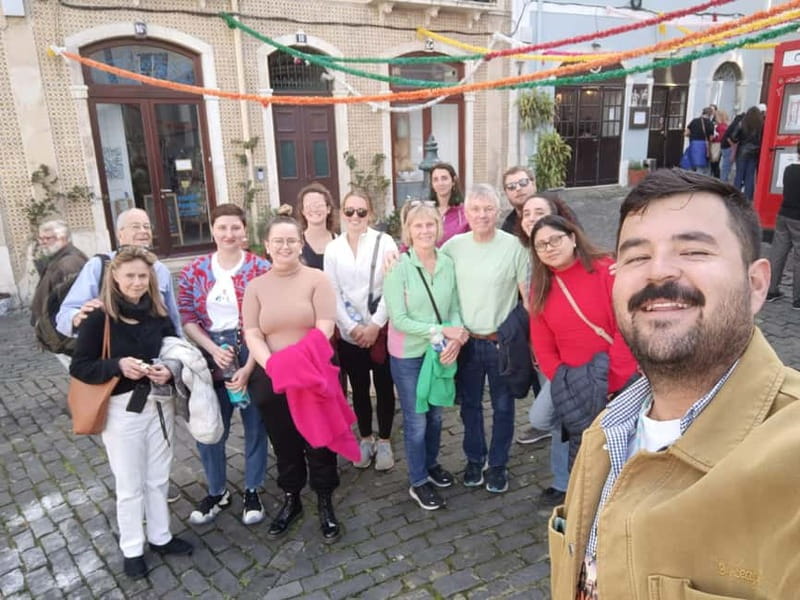
At $17 per person for about 150 minutes, you’re paying for three things: a local guide, a focused route through major landmarks, and the story that connects them.
Most of the cost you’d otherwise pay on your own would be either time (figuring out what you’re looking at) or missed context (seeing great buildings without understanding the earthquake and political backdrop that shaped them). Here, you’re buying clarity and momentum. You’re not just paying for photos. You’re paying for a way of reading Lisbon.
The best value is when you’re in your first few days. You get bearings fast, then you can choose what to revisit with your own pace. If you’re already deep into Lisbon research and you love independent wandering, you might still enjoy it, but you’ll squeeze less value out of the storytelling component.
Guide quality really matters, and this tour has strong marks
The consistent theme across the feedback is that the tour works when the guide is sharp, funny, and able to pace the group. Names that came up with strong ratings include Claudia, Samuel, Tiago, Walter, Kate, Beatrice, and Jose. People also mentioned that guides managed the information flow well—giving the right amount at each stop and keeping energy up for the whole 2.5 hours.
One improvement that came up: some people wished for audio devices. If your group is close and your guide projects clearly, you’ll be fine. If you’re in the back, you may struggle a bit when the street gets noisy, especially near crowded squares. This is a classic walking-tour issue, not unique to this one.
Group size is another variable. Some people expected a smaller group and ended up with more participants. That doesn’t automatically ruin the tour, but it can change the feel at each stop.
Should you book Lisbon City Highlights Guided Walking Tour?
Book it if:
- You want a strong orientation to Baixa and Chiado in one go
- You like history told with stories, including heavy topics handled in a readable way
- You want landmark coverage plus practical tips on what to do next (food and transit advice tend to show up)
Skip it or rethink if:
- You dislike crowds and tight city-center walking
- You’re only interested in things you can cover without a guide
- You already know Lisbon’s key events and you want a fully self-paced day
If you’re visiting Lisbon for the first time, this is a smart starter. It’s long enough to matter, focused enough to keep your brain engaged, and structured around stops you’ll genuinely remember after you leave the neighborhood.
FAQ
How long is the Lisbon City Highlights Guided Walking Tour?
It runs for about 150 minutes, around 2.5 hours.
Where do I meet the guide?
Meet at Praça do Comércio. Look for the guide holding an orange umbrella, between the big arch and the statue in the middle.
What’s the price?
The listed price is $17 per person.
What language is the tour in?
The live guided tour is in English.
Is Ginjinha included in the tour?
Ginjinha is not included. The tour includes walking past the original Ginjinha shop, but you’d need to pay if you want to try it.
What landmarks does the tour include?
You’ll see Praça do Comércio and landmarks and areas such as Baixa Pombalina and Chiado, plus stops that include São Domingos Church, Rossio Square and the train station area, and the Carmo Square and Monastery area.
Is the walk physically demanding?
It’s described as a pleasant walk with only a few uphill bits. It’s still a walking tour, so you should wear comfortable shoes.
Is free cancellation available?
Yes. You can cancel up to 24 hours in advance for a full refund.
Can I pay later?
Yes. The option is reserve now & pay later, so you can book first without paying immediately.
More Tours in Lisbon
- Lisbon City Center Tour – The Unmissable Lisbon★ 5.0 · 22,234 reviews
- Lisbon: History, Stories and Lifestyle Walking Tour★ 4.8 · 10,902 reviews
- True 4Hour Private Tuk Tuk Tour: Discover Lisbon with a Local!★ 5.0 · 8,008 reviews
- Winner 2025 Undiscovered Lisbon Food & Wine Tour by Eating Europe★ 5.0 · 6,390 reviews
- Lisbon: Sintra, Pena, Cabo da Roca, Cascais Tour with Pickup★ 4.8 · 5,445 reviews
More Tour Reviews in Lisbon
- Lisbon City Center Tour – The Unmissable Lisbon★ 5.0 · 22,234 reviews
- Lisbon: Sintra, Pena, Regaleira, Cabo da Roca & Cascais★ 4.7 · 19,656 reviews
- Lisbon Card: 24, 48, or 72-Hour Pass★ 4.5 · 17,944 reviews
- Lisbon: Jerónimos Monastery Entrance Ticket★ 4.1 · 14,164 reviews
- Lisbon: History, Stories and Lifestyle Walking Tour★ 4.8 · 10,902 reviews
More of Lisbon, One Hill at a Time
- Lisbon: History, Stories and Lifestyle Walking Tour★ 4.8 · 10,902 reviews
- Best of Lisbon Small-Group Guided Walking Tour★ 5.0 · 4,869 reviews
- Lisbon: Food and Wine Small Group Walking Tour★ 4.9 · 4,082 reviews
- Best of Lisbon Walking Tour: Rossio, Chiado & Alfama★ 4.9 · 2,700 reviews
- Age of Discoveries Walking Tour in Belém★ 5.0 · 1,513 reviews
Just in: fresh Lisbon reviews from the team





Lisbon Walking Tours, compared.
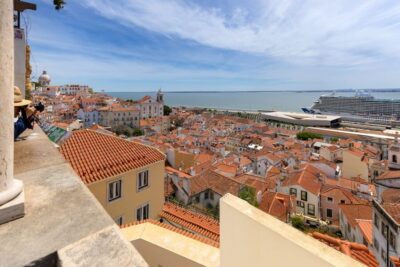 ★ 4.8History, Stories and Lifestyle Walking TourFrom $2910,902 reviews
 ★ 5.0Best of Lisbon Small-Group Guided Walking TourFrom $234,869 reviews
 ★ 4.9Food and Wine Small Group Walking TourFrom $724,082 reviews
 ★ 4.9Best of Lisbon Walking Tour: Rossio, Chiado & AlfamaFrom $232,700 reviews
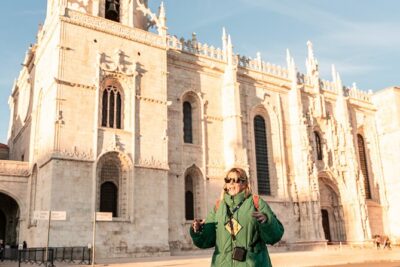 ★ 5.0Age of Discoveries Walking Tour in BelémFrom $31,513 reviews
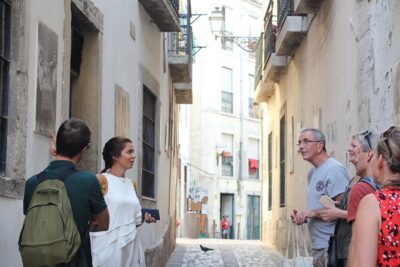 ★ 5.0Lisbon Roots – Small group Food & Culture Walking Tour w/tastingsFrom $168910 reviews
 ★ 4.9Starter Walking Tour to the highlights in GermanFrom $33781 reviews
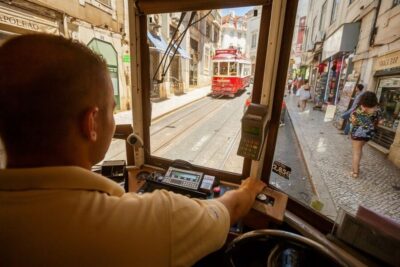 ★ 4.1Lisbon Tram No. 28 Ride & Walking TourFrom $23766 reviews
Browse the lists this tour appears in