
Reviewed · ALFAMA & OLD TOWN TOURS
Lisbon: Alfama Walking Tour
Lisbon reveals itself slowly in Alfama. I love the medieval lanes and Fado culture vibe, where you feel like you’re walking inside the city’s real everyday life, not a theme park. The 3-hour pace is friendly too, giving you enough time to look up, stop, and absorb the neighborhood.
I also like how the route mixes major sights with serious viewpoints. You’ll stand near Sé Cathedral and the Church of Saint Vincent, then get your best panoramas from the Graça and Nossa Senhora do Monte viewpoints. The only real catch: this is a lot of walking on uneven streets, and it’s not a good match if you have mobility limits.
In This Review
- Key things I’d bet on before you go
- Getting oriented fast in Lisbon’s oldest quarter
- Starting at Miradouro Sophia de Mello Breyner Andresen (and why that matters)
- From the Graça viewpoint into Alfama’s narrow streets
- Sé Cathedral and Church of Saint Vincent: more than check-the-box stops
- Panoramas at Graça and Nossa Senhora do Monte: the view + the meaning
- Alfama’s life today: social issues, current events, and real neighborhood talk
- Culinary and everyday culture notes you’ll actually use
- The Tuesday or Saturday bonus: Feira da Ladra flee market
- Why the guide makes or breaks a walking tour (and how this one tends to work)
- Public transportation tips: help that saves time later
- Wearing the right shoes in Alfama is not optional
- Price and value: what $35 buys you in 3 hours
- Should you book this Alfama walking tour?
- FAQ
- Where do I meet for the tour?
- How long is the Alfama walking tour?
- Is the tour guided in English?
- What’s the group size?
- What is included in the price?
- What should I bring?
- Is it suitable for mobility impairments?
Key things I’d bet on before you go
- Small group (up to 8): more time to ask questions without the tour becoming a lecture.
- Graça + Nossa Senhora do Monte viewpoints: you get the “wow” views early and again later with context.
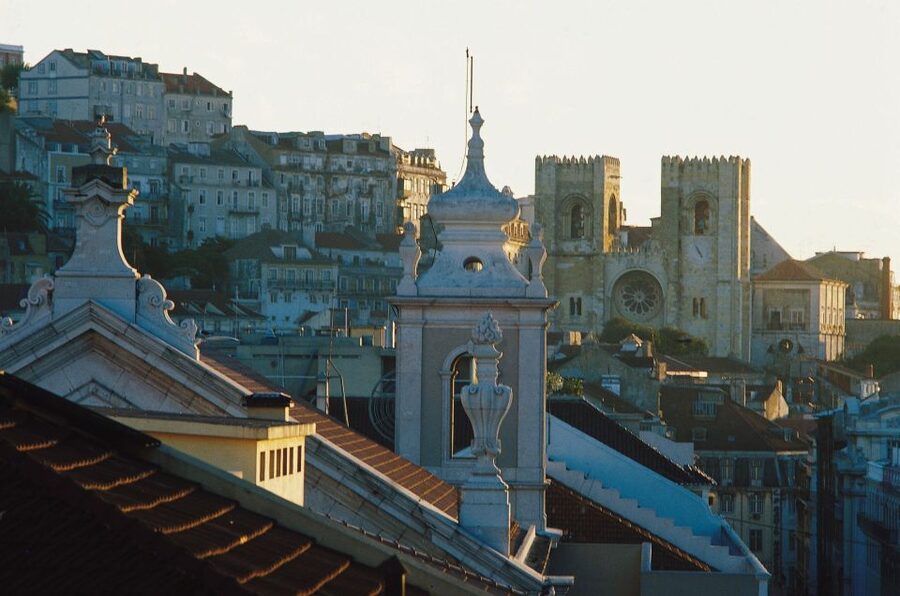
- Sé Cathedral and Church of Saint Vincent: big landmarks, shown at street level so they’re easier to place.
- Local guide focus: you’ll learn how Alfama works—past and present—plus practical Portugal tips.
- Tuesday or Saturday bonus: you may be able to visit the Feira da Ladra flee market.
- Fado culture explained in human terms: not just songs—more like the neighborhood’s social soundtrack.
Getting oriented fast in Lisbon’s oldest quarter
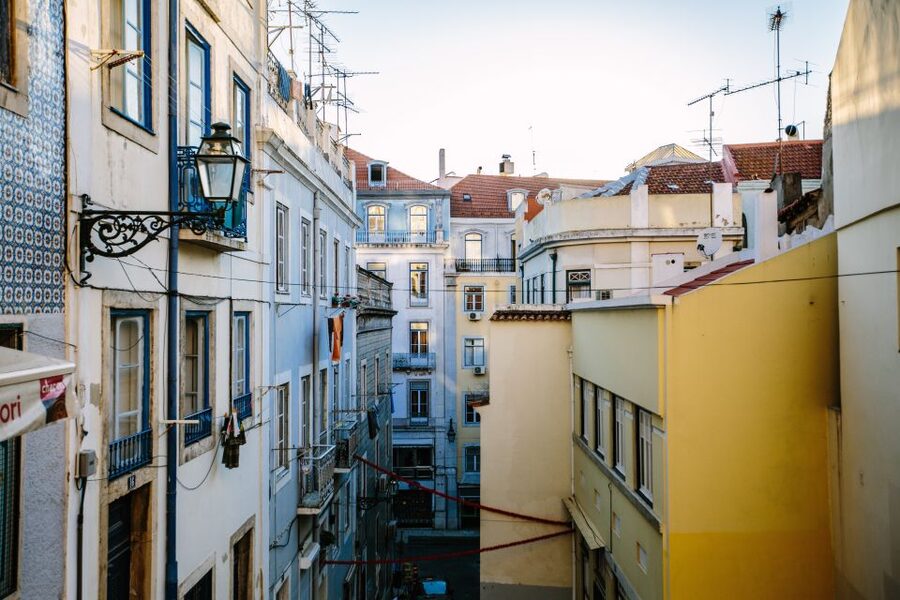
Alfama is Lisbon’s oldest quarter, and it shows. Streets twist. Hills rise. You’ll see why people remember this place for life on the street—because that’s what you’re walking through. On this tour, you don’t just hit postcard spots. You learn how the neighborhood’s layout and traditions connect, especially through Fado culture.
I like that the tour doesn’t treat Alfama as frozen in time. The guide talks about history, sure. But you also hear about life today—how the community lives, what challenges it faces, and how current events show up in local conversations. That makes the tour feel practical, not just scenic.
And because it’s a 3-hour walk with a small group, it stays manageable. You’re not sprinting from place to place. You’re walking at a human pace through the parts that matter.
Deeper into Alfama's lanes and miradouros
- Alfama Tour in Lisbon Old Town
★ 5.0 · 4,936 reviews - Private Lisbon Sightseeing Tuk-Tuk Tour: Alfama, Belém & More
★ 5.0 · 4,277 reviews - Lisbon: Hills, Alfama, and Mouraria Tour by Electric Bike
★ 4.8 · 3,438 reviews - Best of Lisbon Walking Tour: Rossio, Chiado & Alfama
★ 4.9 · 2,700 reviews
Starting at Miradouro Sophia de Mello Breyner Andresen (and why that matters)
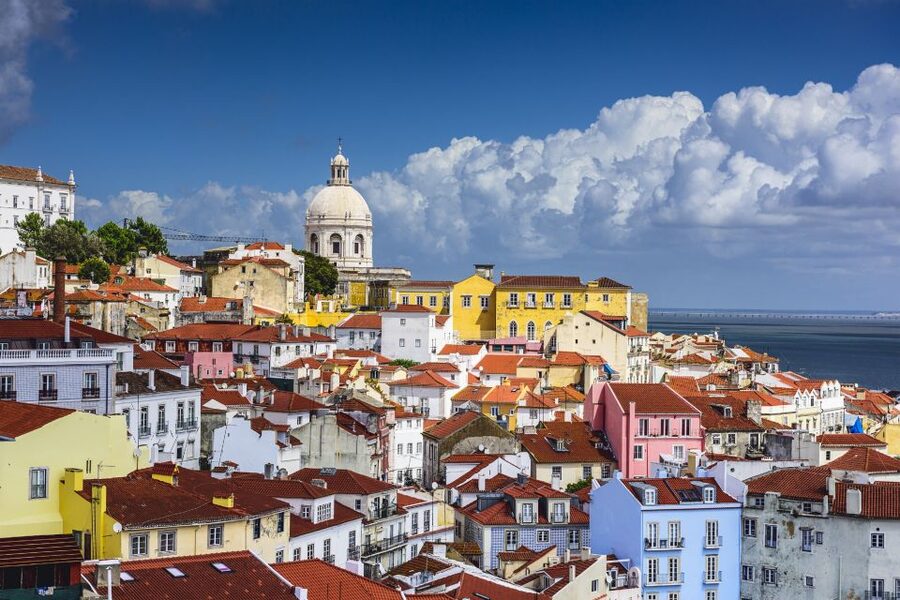
You’ll meet at the entrance to the church in the Miradouro Sophia de Mello Breyner Andresen viewpoint area. This is a smart starting choice. Miradouro spots in Lisbon usually do one thing well: they help you understand where you are right away.
So before the tour even gets underway, you’re set up to notice the geography of Alfama. You’ll start to see how the viewpoints connect to the neighborhoods below and how that matters for the flow of daily life. It’s also useful for your own navigation later—because after a few look-angles from a high point, the maze starts to feel less random.
Bring comfortable shoes. The tour is explicitly not set up for people with mobility impairments, and the streets can be rough underfoot. If you know you’ll be uncomfortable on cobbles or uneven pavement, plan ahead.
From the Graça viewpoint into Alfama’s narrow streets
One of the best parts of this tour is how it uses views as orientation. The route takes you to the Miradouro da Graça for panoramic looks before you go into Alfama’s tighter streets. That order helps your brain.
Here’s the way it usually works for me when I’m exploring Lisbon: if I start on the streets, everything feels like random turning. If I start from a viewpoint, then street-level details have meaning. You notice which direction you’re moving. You understand why a church or a square shows up where it does. And you’re better at retracing your steps afterward.
At Graça, you’re not just taking photos. The guide gives context so you understand what you’re seeing—then you transfer that understanding into the walking section that follows. It’s a smooth way to go from “I see a view” to “I understand the neighborhood.”
Expect small pauses too. The best moments in Alfama are often at the edge of a lane or a sudden opening in the street. The tour builds in time for those moments so the city doesn’t just blur past.
Sé Cathedral and Church of Saint Vincent: more than check-the-box stops
Alfama’s two church visits anchor the tour. First comes Sé Cathedral, one of the best-known landmarks in Lisbon. Instead of treating it like a must-see museum, the guide places it in the neighborhood’s fabric. That’s important here, because Alfama isn’t flat and it isn’t linear. Having a strong landmark helps you map the area.
Then you’ll visit the Church of Saint Vincent. Again, it’s not just about the building. You’ll get commentary that helps you connect the site to the life around it. The tour keeps the focus on how places shape daily rhythms—where people gather, where traditions live, and how the neighborhood’s identity has been shaped over time.
A practical note: museum entrance fees are not included. That means this tour is best if you’re happy with a guided focus on outside/accessible areas and the interpretive value from the guide, not if you’re expecting included paid museum tickets.
Lisbon at walking pace, a few more routes


Panoramas at Graça and Nossa Senhora do Monte: the view + the meaning
Lisbon viewpoints can turn into a photo factory if you’re not careful. This tour does a better job than most by pairing the views with explanation.
You’ll get standout panoramas from the Graça area and also from Nossa Senhora do Monte. Those viewpoints aren’t random stops. They’re where you can see the neighborhood’s shape and feel the scale of the hills. When you go back down into the street network, you understand why certain routes are steep and why certain areas feel more open.
What I like is that the guide doesn’t treat the viewpoint as the finish line. It’s part of the story. The city opens up, then you go back into the detailed street-level experience with clearer context.
Alfama’s life today: social issues, current events, and real neighborhood talk
This tour earns its keep when the conversation shifts from architecture to people. The guide shares information about the neighborhood and also about social issues the community faces today. You’ll also hear about current events in Portugal and how locals think about everyday life.
That might sound heavy, but it’s usually delivered in a human, conversational way. It changes how you look at everything else. A church isn’t only historic. A street isn’t only pretty. They’re part of how a community endures, adapts, and keeps moving.
In the same spirit, Fado culture isn’t handled as a distant cultural artifact. You’ll learn how it connects to the neighborhood’s identity and why the sound still matters in daily life. It’s one of those details that makes you understand Lisbon beyond the monuments.
And if you want to steer the talk, you can. The tour description mentions you can chat about subjects based on what you need, which is great if you’re trying to understand local routines, food traditions, or even how to handle transit.
Culinary and everyday culture notes you’ll actually use
Some tours toss out a few food words and call it a day. This one keeps culinary traditions in the mix, which makes sense in Alfama because food and street life belong together.
You can expect talk about Portuguese culinary traditions and local topics along the way. It’s not a meal tour, and meals and drinks aren’t included. But you’ll leave with a better sense of what to look for when you’re hungry later and what kind of places fit the neighborhood.
If you like to eat where locals eat, this helps you avoid the trap of choosing purely by convenience. Instead, you’ll know what questions to ask and what traditions to seek.
The Tuesday or Saturday bonus: Feira da Ladra flee market
If your timing lines up, you might get a chance to visit the Feira da Ladra flee market. This only happens on Tuesday or Saturday on the tour schedule.
Even if you’re not a hardcore shopper, market time gives you a different angle on the neighborhood. It’s a snapshot of local rhythms: what people buy, what they repair, what they carry home, and how the area functions beyond the sightseeing layer.
Just keep your expectations grounded. This is a bonus opportunity, not a guaranteed, long market program. If you’re hoping for a full market experience, show up with open eyes and use the guide to point out what’s worth your attention.
Why the guide makes or breaks a walking tour (and how this one tends to work)
The tour runs with a live English-speaking local guide and is limited to 8 participants, which matters more than you’d think. Smaller groups mean the route can adjust to the pace of the group. It also means you’re more likely to get clear answers instead of being stuck waiting your turn.
From the high praise in guide feedback I’ve seen for this experience, two names come up often: Ruiz (spelled Ruiz in one review and Rui in another) and Andriy. The common thread is responsiveness and thorough explanations. People also highlight the guide’s willingness to give space—like pointing out uneven pavement and taking a moment when something in the neighborhood catches the group’s attention.
That kind of guide energy is exactly what you want in Alfama. The streets are detailed. If your guide rushes, you miss the good stuff.
Public transportation tips: help that saves time later
One practical part I appreciate is that the guide is open to helping you figure out the basics of navigating public transportation. Lisbon’s transit can feel confusing at first, especially with hills, walk-ups, and how routes connect.
You’re not locked into a rigid Q-and-A format, but you can ask what you need. That makes the tour useful even after it ends. You’ll walk away with a clearer sense of how to get around without relying on luck.
Wearing the right shoes in Alfama is not optional
This tour is all about walking. It recommends comfortable shoes, and it’s not suitable for mobility impairments. So my advice is simple: if you plan to wear trendy footwear you’d never wear for a hike, don’t.
Also, expect uneven pavement and steep sections. Alfama is historic, which usually means it’s not smooth. Bring shoes with grip, ideally ones you can walk in for more than a short sprint.
And since there’s no mention of a rest room stop or meal break, you should plan on keeping your energy steady. Water and snacks aren’t included, so if you need them, plan your own rhythm before the tour starts.
Price and value: what $35 buys you in 3 hours
At $35 per person for a 3-hour walking tour, you’re paying for three things: a professional guide, local taxes and fees, and the small-group format.
You’re not paying for included museum tickets. You’re also not paying for meals or drinks. But you are paying for interpretation—someone to connect Alfama’s street layout, major sites like Sé and Saint Vincent, and the viewpoints at Graça and Nossa Senhora do Monte into one coherent walking experience.
The small group size (up to 8) is the real value lever. In a bigger group, you lose time to crowding and you stop asking questions. Here, you’re more likely to get the kind of back-and-forth that makes a neighborhood tour feel personal.
If you like Lisbon best when it feels lived-in, not staged, this price makes sense.
Should you book this Alfama walking tour?
Book it if:
- You want a guided walk through Alfama’s oldest-quarter streets with real context.
- You care about understanding Fado culture and how it connects to daily life.
- You’d enjoy viewpoints with explanation—especially Graça and Nossa Senhora do Monte.
- You like small groups and guides who answer questions thoughtfully.
Skip it (or choose a different option) if:
- You struggle with walking on uneven pavement or steep areas.
- You want lots of indoor museum time, since museum entrance fees are not included.
- You prefer a food-only or ticket-heavy tour structure.
If you’re visiting Lisbon for the first time, I think this tour is a strong way to learn the neighborhood quickly. You’ll leave with a better mental map, better context, and a stronger sense of what Alfama means beyond the photos.
FAQ
Where do I meet for the tour?
You meet by the entrance to the church in the Miradouro Sophia de Mello Breyner Andresen.
How long is the Alfama walking tour?
The tour lasts 3 hours.
Is the tour guided in English?
Yes. The live tour guide is English-speaking.
What’s the group size?
It’s a small group, limited to 8 participants.
What is included in the price?
A professional guide is included, along with local taxes and fees.
What should I bring?
Wear comfortable shoes, since it’s a walking tour.
Is it suitable for mobility impairments?
No, it’s not suitable for people with mobility impairments.
More Tour Reviews in Lisbon
- Lisbon City Center Tour – The Unmissable Lisbon★ 5.0 · 22,234 reviews
- Lisbon: Sintra, Pena, Regaleira, Cabo da Roca & Cascais★ 4.7 · 19,656 reviews
- Lisbon Card: 24, 48, or 72-Hour Pass★ 4.5 · 17,944 reviews
- Lisbon: Jerónimos Monastery Entrance Ticket★ 4.1 · 14,164 reviews
- Lisbon: History, Stories and Lifestyle Walking Tour★ 4.8 · 10,902 reviews
More of Lisbon, One Hill at a Time
- Lisbon: History, Stories and Lifestyle Walking Tour★ 4.8 · 10,902 reviews
- Best of Lisbon Small-Group Guided Walking Tour★ 5.0 · 4,869 reviews
- Lisbon: Food and Wine Small Group Walking Tour★ 4.9 · 4,082 reviews
- Best of Lisbon Walking Tour: Rossio, Chiado & Alfama★ 4.9 · 2,700 reviews
- Age of Discoveries Walking Tour in Belém★ 5.0 · 1,513 reviews
Keep Wandering Old Alfama
- Alfama Tour in Lisbon Old Town★ 5.0 · 4,936 reviews
- Private Lisbon Sightseeing Tuk-Tuk Tour: Alfama, Belém & More★ 5.0 · 4,277 reviews
- Lisbon: Hills, Alfama, and Mouraria Tour by Electric Bike★ 4.8 · 3,438 reviews
- Best of Lisbon Walking Tour: Rossio, Chiado & Alfama★ 4.9 · 2,700 reviews
- Lisbon: Baixa District Food Tour with Dinner and Drinks★ 4.9 · 1,997 reviews
Just in: fresh Lisbon reviews from the team





Alfama & Old Town Tours, compared.
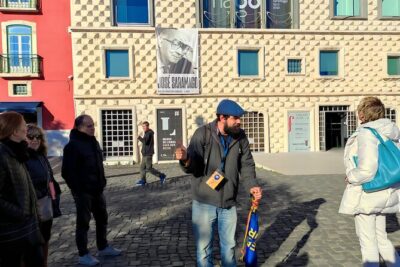 ★ 5.0Alfama Tour in Lisbon Old TownFrom $34,936 reviews
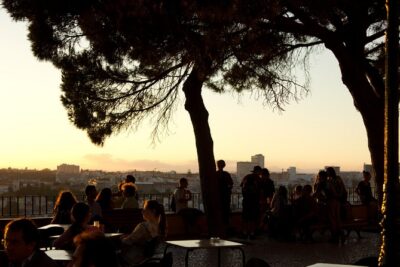 ★ 5.0Private Lisbon Sightseeing Tuk-Tuk Tour: Alfama, Belém & MoreFrom $524,277 reviews
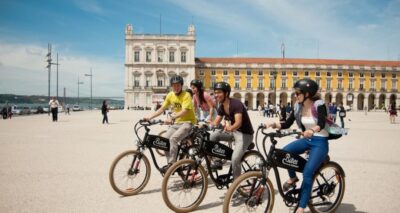 ★ 4.8Hills, Alfama, and Mouraria Tour by Electric BikeFrom $253,438 reviews
 ★ 4.9Best of Lisbon Walking Tour: Rossio, Chiado & AlfamaFrom $232,700 reviews
 ★ 4.9Baixa District Food Tour with Dinner and DrinksFrom $931,997 reviews
 ★ 5.0Lisbon Small-Group Food Tour with 18 Tastings in Alfama DistrictFrom $1261,967 reviews
 ★ 4.5Lisbon E-Bike Tour Commerce Square, Mouraria and AlfamaFrom $301,688 reviews
 ★ 5.0Old Town TukTuk Tour and Scenic Viewpoints in AlfamaFrom $35974 reviews
Browse the lists this tour appears in