
Reviewed · 7-DAY EXPERIENCES
Private Tour for small groups of 7 Days in Portugal from Lisbon
Portugal in a week, thoughtfully paced. This private small-group 7-day route strings together big highlights you usually have to pick and choose—Lisbon’s historic quarters, Sintra’s royal palaces, Fatima chapels and museum stops, and Douro Valley wine time. The best part is the flow: you keep moving through real neighborhoods and viewpoints, not just ticking off names.
I especially love how much you get for a private format: Lisbon on Day 1, then Sintra and the Atlantic coast, then north through Coimbra and Porto and into the wine region. I also like the way the day-to-day stops include both culture and food—think pastries, church art, train-station tiles, and port-cellar tastings—plus the kind of practical tips you’ll actually use while you’re traveling.
One possible drawback to plan for: it’s a full week of stops across multiple cities. If you want total downtime each day, you’ll likely feel the pace—especially on sightseeing-heavy days like Sintra, Porto, and Évora.
In This Review
- Key things that make this tour worth your attention
- Lisbon’s quake-era grid, Alfama fado lanes, and Belém pastry stops
- Sintra National Palace and the Atlantic edge at Cabo da Roca and Cascais
- Fatima’s chapels and basilicas, then Coimbra’s Joanine Library
- Porto icons you can actually plan around: São Bento, São Francisco, and Gaia port tasting
- Douro Valley at Pinhão station and a Sandeman-style winery visit
- Aveiro canals, Nazaré waves, and medieval Óbidos walls
- Évora’s Roman Temple of Diana, Chapel of Bones, and cork craft
- Price and what this private week is really buying
- Who should book this tour
- Should you book: my straight answer
- FAQ
- Is this tour private?
- What language is the tour offered in?
- Where does the tour start and where does it end?
- What time does the tour start?
- How long is the tour?
- Does the price include admission tickets?
- Will I need a mobile ticket?
- What is the cancellation policy?
- Is this tour suitable for most travelers?
Key things that make this tour worth your attention
- Miguel and Juan: praised for excellence, care, and making sure you get value from every stop
- A tight Lisbon intro: quake-era street planning in Baixa plus the viewpoints and fado atmosphere of Alfama
- Sintra plus Atlantic viewpoints: the Pena area paired with Cabo da Roca and a coastal break in Cascais/Estoril
- Fatima that includes museum context: not only the major basilicas, but also the Sanctuary Museum visit
- Porto that mixes icons and craft: São Bento tiles, São Francisco gold details, and a Gaia cellar tasting
- Douro Valley wine time without guesswork: a winery visit paired with Pinhão station’s azulejo storytelling
Lisbon’s quake-era grid, Alfama fado lanes, and Belém pastry stops
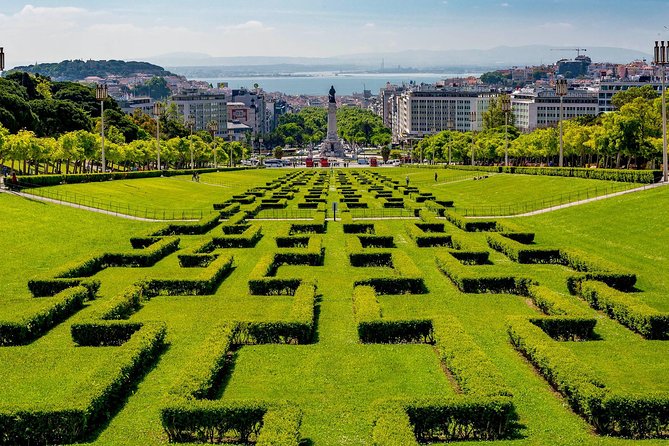
Your week starts in Baixa de Lisboa, the part of town designed after the 1755 earthquake. I like this stop because it gives you a built-in explanation for what you’re seeing. The streets are laid out with right angles and an organized axis around Rua Augusta, which wasn’t an accident—it was the city’s anti-seismic thinking made visible in stone and street maps.
From there, you head to Castelo de S. Jorge, one of the few surviving vestiges connected to Lisbon’s Arab past. Even if you skip an inside visit, you can still make the day work: the itinerary notes using a nearby viewpoint option, Miradouro de Nossa Senhora do Monte, for big Lisbon views. That flexibility matters because weather and energy can change fast.
Next comes Alfama, Lisbon’s oldest quarter and a place where the streets feel like they’re built for defense—especially from the Arab period, when the layout helped the area hold its ground. You’ll also get the cultural link to fado: it’s presented as music born here, in the mood of saudade. If you like culture that feels local rather than staged, this is the real payoff day one.
Then it’s Belém, with stops at Torre de Belém and Palácio de Belém, plus the obvious crowd-pleaser that’s also genuinely part of the story: Pastéis de Belém. The framing is good—Belém as a departure point for sailors who asked for protection, tied to the 16th–18th century golden age. You’ll get the vibe of an era when ocean travel wasn’t casual travel; it was risk, faith, and ambition.
Small planning note: a few major attractions in Lisbon are listed as not included (Castelo de S. Jorge and Jerónimos/Belém-adjacent items), while others are free. If you want to step into everything, I recommend budgeting separately for entrances.
Worth a look before you lock anything else in around Lisbon:
- True 4Hour Private Tuk Tuk Tour: Discover Lisbon with a Local!
★ 5.0 · 8,008 reviews - Lisbon: Private Guided Tuk-Tuk Tour with Hotel Pickup
★ 4.9 · 4,552 reviews - Private Lisbon Sightseeing Tuk-Tuk Tour: Alfama, Belém & More
★ 5.0 · 4,277 reviews - Lisbon Highlights: Private Tuk Tuk Tour Adventure Sightseeing
★ 5.0 · 3,284 reviews
Sintra National Palace and the Atlantic edge at Cabo da Roca and Cascais
Day 2 moves from Lisbon into Sintra, and it does it the way you’d hope: by starting with the Historic Center’s charm and shop-lined lanes. The stop around Piriquita’s pastry is more than a snack break. It’s your introduction to the local sugar identity—queijadas de Sintra and the famous travesseiros (pillows) of Sintra—the kind of food you remember because it’s tied to a place, not just a menu item.
From there, you’re looking at Sintra National Palace / Pena area, where the focus is on choice and timing. The itinerary suggests the Pena complex and also mentions other options like Quinta da Regaleira as a guide-driven recommendation. This is one of the smarter parts of the itinerary because Sintra can feel overwhelming. A good guide helps you pick a route that fits your energy and still lands the best details.
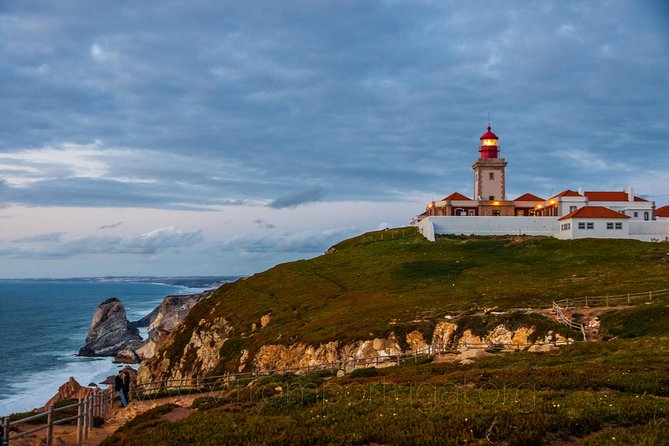
The day also includes Cabo da Roca, described as the Snout of the Rock, in the natural park Sintra-Cascais zone. I like this stop because it gives you the feeling of Portugal changing from land to sea. You’ll get that classic quote framing—where the land ends and the sea begins—and you can pair it with scenic walking routes (ecological rails are mentioned) if conditions allow.
Finally, you head to the coast with Marina de Cascais and a pass-by time around Casino Estoril. This is a nice contrast day after Sintra’s palaces: salt air, Atlantic light, and a coastal stroll feel more relaxed than castle corridors. Even the Casino Estoril stop is framed with a real-cultural note about its connection to the 007 universe.
Best for: people who want “Portugal scenery” without spending hours on research. If you like scenic viewpoints and historic design, this day is a strong match.
Fatima’s chapels and basilicas, then Coimbra’s Joanine Library
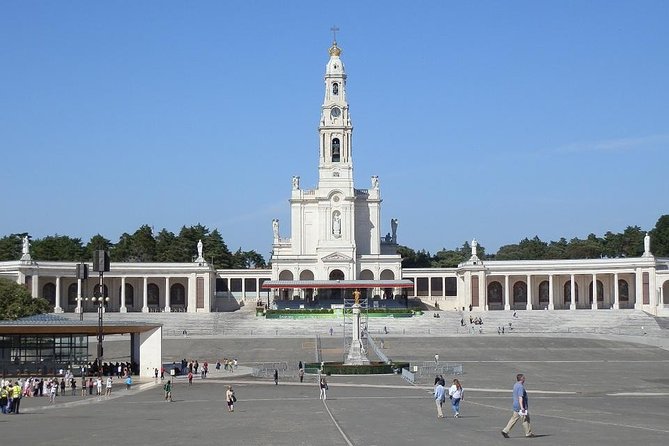
Day 3 is when the tour shifts tone. You leave Lisbon and go to Fatima, and the itinerary keeps it grounded in what you’re actually visiting. First comes the Museu do Santuário de Fátima. That museum stop matters because it gives context before you’re staring at the most famous religious spaces.
Next are the Chapel of the Apparitions and the Basilica de Nossa Senhora do Rosário de Fátima. I appreciate the way the description focuses on specifics: the tombs of the children, Sister Lucy’s tomb, and the fact that the Holy Trinity Basilica has over 8,000 seats. The neo-baroque style note also helps you set expectations—this isn’t subtle architecture. It’s built to be noticed.
You’re not just going for one photo moment. You’re set up for optional Mass attendance at the Sanctuary, and the chapels are presented in a way that connects size with meaning—like the Chapel of the Apparitions being highlighted more for its location than grandeur.
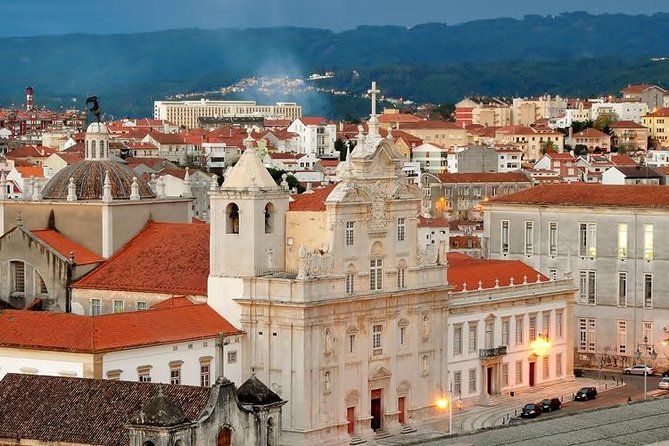
Then you roll into Coimbra, and the day turns academic and artistic. The University of Coimbra stop is centered on the Joanine Library, described as the oldest library linked to the university story and set in a former prison space. That’s a detail you can actually feel: the library isn’t just pretty; it has a dramatic past. You’ll also hear about the fresco artists named in the description (Mestre António Ribeiro and Vicente Nunes) and the Dom João V portrait by Domenico Dupra.
After that, the itinerary brings you to Sé Velha de Coimbra, then it gives you time to unwind in Coimbra’s center near the Mondego River. This is a good pacing move. You’ve had churches and museum-type context earlier; a walk through alleys, cafés, and squares helps the day land without burning out your feet.
One practical thing: the itinerary notes some admissions as not included (like the University library). If you’re set on inside visits, it’s worth confirming what’s included in your exact booking so you can avoid surprise ticket lines.
Porto icons you can actually plan around: São Bento, São Francisco, and Gaia port tasting
Porto day has the best “walkable highlights” mix. You start at Avenida dos Aliados and the imposing Porto City Hall, which gives you a sense of where the city’s energy gathers. Then comes Livraria Lello, where the standout is the famous staircase and architecture connection. It’s also a stop with a pop-culture hook, but the key value is the building’s design and the sense of place.
Next, you hit São Bento Railway Station, which is one of those rare transport stops that’s also a culture stop. The description mentions 20,000 pieces by Portuguese artist Jorge Colaco, turning a station platform into a kind of visual history lesson. And because it’s a functioning train station, it’s easy to work into your day without extra complexity.
Then it’s on to Igreja de São Francisco, and this is where Porto earns its reputation. The itinerary notes gold carvings and even the traditional detail about gold dust usage. Whether or not you obsess over the numbers, the point is clear: the church is meant to wow. The mention of the Tree of Jesse wooden sculpture also signals that you’re not just seeing architecture—you’re seeing crafted detail.
You finish on the fun side of Porto: Churchill’s in Vila Nova de Gaia. The visit is tied to how port is aged in cellars, and you’ll taste the wine as part of the experience. If you’ve ever wondered how port culture links to the city’s geography, this is where it clicks. Gaia’s cellars are the bridge between the view and the drink.
My tip: plan for this day as a “slow legs” day. You’ll be walking from station to station and church to viewpoints, so bring shoes you trust. Porto rewards you, but it does not do it gently.
Worth a look before you lock anything else in around Lisbon:
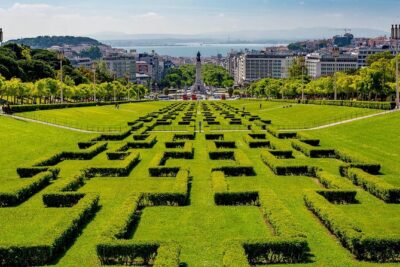
Douro Valley at Pinhão station and a Sandeman-style winery visit
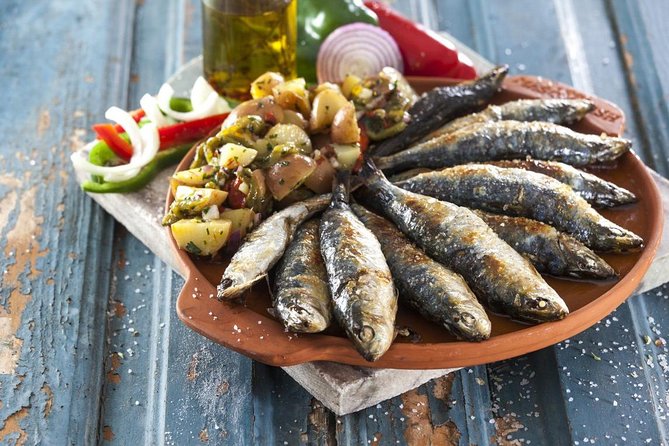
Day 5 is your wine country day, and it starts with an easy-to-love stop: the Douro Valley at Pinhão Railway Station. The itinerary highlights azulejos showing regional life—grape harvest scenes, port production, and even the famous rabelos boat transport. This matters because it turns the Douro story into something visual before you ever taste a wine. It’s a history lesson that doesn’t feel like homework.
Then you go to Quinta do Seixo (Sandeman) in Tabuaço for a winery visit and tastings. The description frames it as learning different aspects of winemaking plus tasting wines described as among the best, citing Wine Spectator. Even if you’re not a deep wine nerd, this is a great way to get oriented—how the region works, how grapes translate into wine styles, and what “old world” cellar time actually means.
One possible drawback: wine visits can sometimes feel like they run on a schedule that’s hard to control. Here, the itinerary lists a two-hour window and includes tasting, so you’ll likely have a set structure. Plan your pace and keep your expectations realistic: this is education plus tasting, not endless wandering.
Also, note that the tour lists the winery admission as not included. So again, you’ll want to expect extra costs for entries and tastings unless your booking says otherwise.
Aveiro canals, Nazaré waves, and medieval Óbidos walls
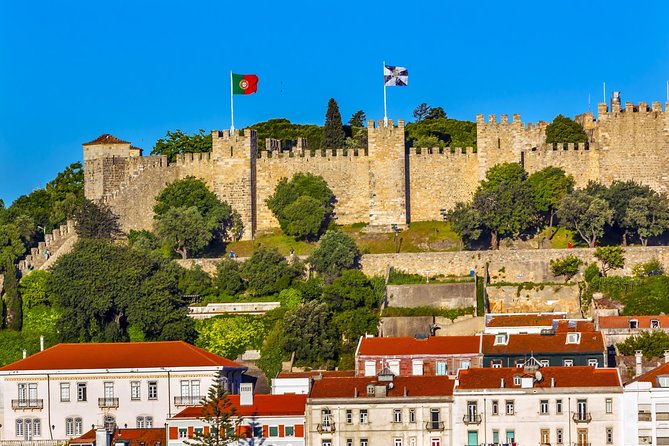
Day 6 is a “variety sampler” day, but it’s not random. It’s designed to give you three different types of Portugal flavor on the same route back toward Lisbon.
First is Aveiro, often called the Portuguese Venice. The itinerary suggests a boat trip in Moliceiro and points out the canals and the materials connected to local life—like moliça (seaweed used in agriculture and other uses) and salt. This is exactly the kind of local detail that makes a canal boat feel more meaningful than just a ride.
Next comes Nazaré, with time to explore crafts and design. The itinerary also brings in the reason Nazaré is known worldwide: the Nazaré Cannon and extremely large waves. It even includes the 2013 mention of McNamara breaking a record around 30 meters. If you’re not into surfing, you’ll still appreciate the context because the town’s identity is tied to ocean power.
Then it’s Óbidos, UNESCO-listed and built for walking. You’ll get narrow streets, traditional shops, and whitewashed houses along old walls. The description includes the story of Óbidos as a wedding gift from D. Dinis to D. Isabel, plus the village’s association with the Casa das Rainhas. You’ll also hear that D. Catarina ordered construction of an aqueduct and fountains—local infrastructure tied to royal decisions.
Why I like this pairing: Aveiro gives you water and everyday life, Nazaré gives you dramatic ocean legend, and Óbidos gives you medieval calm. It keeps you from feeling like you’re repeating “historic stop” all week.
Évora’s Roman Temple of Diana, Chapel of Bones, and cork craft
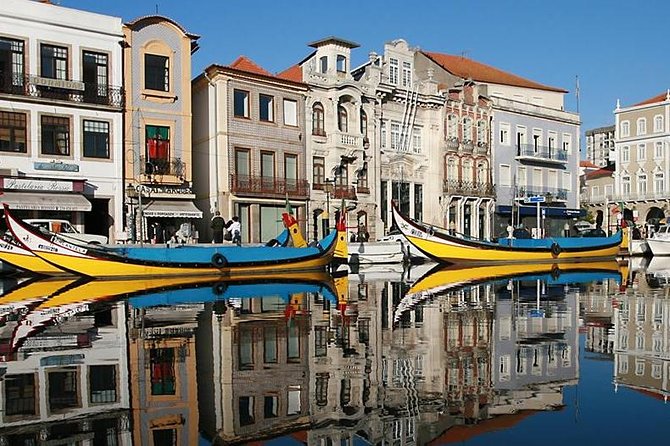
Your final day shifts into Alentejo. Évora is described as a crossroads of Portuguese kings and artists, and the route focuses on major visual anchors.
You start at Centro Histórico de Évora and get the Roman Temple of Diana near the cathedral area. The itinerary also calls out the Água da Prata aqueduct, including the 16th-century engineering role in water transportation. This is one of those stops where you’ll likely look longer than planned because Roman structures in a living city feel less staged.
Then comes the ex-libris: the Chapel of Bones. The description is blunt and unforgettable—skulls and bones of 500 monks and an entrance message that reads like a direct conversation with the visitor. This is not everyone’s idea of comfort, but it’s part of the reason Évora draws attention.
After that, you get a stop that many Portugal tours skip: Cortiçar – Arte em Cortica, a cork craft visit. The itinerary explains cork biology (oak bark removed after about nine years), Portugal’s scale in cork production (55% of world production), and why cork matters beyond bottles—decorative coatings, sporting goods, and even how cork is valued for wine aging due to oxygen exchange. Even if you don’t buy anything, you leave with a practical understanding of a Portuguese industry that’s tied to everyday products.
You finish with Igreja de São Francisco in Évora. The itinerary mentions its role as the first Franciscan house in Portugal and includes a historical note about the marriage of D. Pedro I with D. Constança Manuel. You also get that the temple was remodeled in the late 15th century and described as one of the most impressive Portuguese churches.
If you like your final day to be meaningful rather than just scenic, this works well. Évora gives you religion, empire leftovers, and a working craft—under one roof, so to speak.
Price and what this private week is really buying
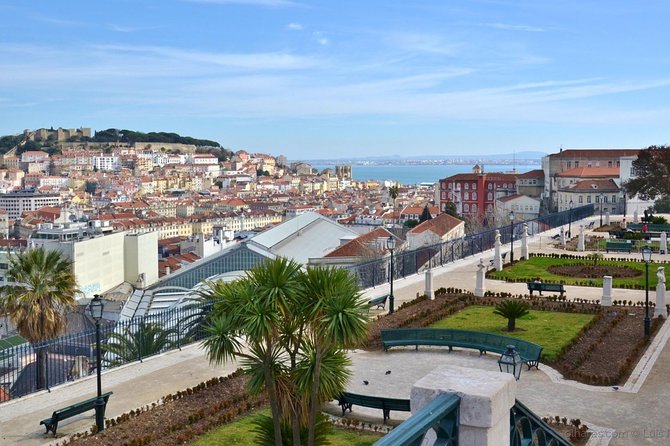
At $1,652.87 per person for about seven days, you’re paying for a private, guide-led experience that moves through multiple regions: Lisbon, Sintra/Cascais, Fatima/Coimbra, Porto/Gaia, the Douro area, Aveiro/Nazaré/Óbidos, and Évora. That’s a lot of geography packed into a week, so the value is mostly about reducing your mental load.
Also, the tour is listed as English and includes a mobile ticket. The “small group” and private format mean you’re not stuck in a giant shuffle where the guide can’t adjust. In the real feedback you’ve been given, Miguel and Juan are called out for excellence and for caring about service and details—those traits usually show up when a day gets tight and you need the plan to stay human.
One more value point: some stops are marked as free and others are “admission ticket not included.” That mix matters. It means you might spend less on entrances than a fully ticketed tour, but it also means you should expect to cover certain sites yourself if you want inside access.
Who should book this tour
This is a strong fit if you:
- want a private small-group tour with an organized week
- care about Portugal beyond the postcard version (fado, church art, cork craft, station tiles)
- like mixing major attractions with real food breaks (Pastéis de Belém, Sintra pastries, wine tastings)
- prefer guided pacing across several cities so you don’t waste time planning transfers
It’s less ideal if you:
- want lots of downtime daily
- dislike long days of walking and moving between different neighborhoods and cities
Should you book: my straight answer
If you want a guided route that covers the big hits—Sintra (Pena), Fatima chapels and museum, Douro wines, Porto churches and tile art, plus Évora’s Roman and bone-chapel shock—this is a solid booking choice. The strongest reason to lean in is the combination of a tight itinerary and guide attention, with Miguel and Juan highlighted for service and care.
Just go in with the right expectation: this is a full week with many stops. If you like planning that’s done for you and you’re happy to walk, taste, and look closely, you’ll likely love how much Portugal you see for the money. If you want a slow, one-city-at-a-time trip, pick a different style.
FAQ
Is this tour private?
Yes. It’s a private tour/activity where only your group participates.
What language is the tour offered in?
The tour is offered in English.
Where does the tour start and where does it end?
It starts at Pç do Marquês de Pombal 8, 1250-160 Lisboa, Portugal, and it ends back at the same meeting point.
What time does the tour start?
Start time is 9:00 am.
How long is the tour?
The duration is about 7 days.
Does the price include admission tickets?
Not always. Some stops list admission as free, while other stops list admission tickets as not included.
Will I need a mobile ticket?
Yes. A mobile ticket is provided.
What is the cancellation policy?
Free cancellation is available. You can cancel up to 24 hours in advance for a full refund.
Is this tour suitable for most travelers?
The tour notes that most travelers can participate.
More Private in Lisbon
- True 4Hour Private Tuk Tuk Tour: Discover Lisbon with a Local!★ 5.0 · 8,008 reviews
- Lisbon: Private Guided Tuk-Tuk Tour with Hotel Pickup★ 4.9 · 4,552 reviews
- Private Lisbon Sightseeing Tuk-Tuk Tour: Alfama, Belém & More★ 5.0 · 4,277 reviews
- Lisbon Highlights: Private Tuk Tuk Tour Adventure Sightseeing★ 5.0 · 3,284 reviews
- Welcome Lisbon Tour with Local Guide in Private Eco Tuk Tuk★ 5.0 · 1,691 reviews
More Tours in Lisbon
- Lisbon City Center Tour – The Unmissable Lisbon★ 5.0 · 22,234 reviews
- Lisbon: History, Stories and Lifestyle Walking Tour★ 4.8 · 10,902 reviews
- True 4Hour Private Tuk Tuk Tour: Discover Lisbon with a Local!★ 5.0 · 8,008 reviews
- Winner 2025 Undiscovered Lisbon Food & Wine Tour by Eating Europe★ 5.0 · 6,390 reviews
- Lisbon: Sintra, Pena, Cabo da Roca, Cascais Tour with Pickup★ 4.8 · 5,445 reviews
More Tour Reviews in Lisbon
- Lisbon City Center Tour – The Unmissable Lisbon★ 5.0 · 22,234 reviews
- Lisbon: Sintra, Pena, Regaleira, Cabo da Roca & Cascais★ 4.7 · 19,656 reviews
- Lisbon Card: 24, 48, or 72-Hour Pass★ 4.5 · 17,944 reviews
- Lisbon: Jerónimos Monastery Entrance Ticket★ 4.1 · 14,164 reviews
- Lisbon: History, Stories and Lifestyle Walking Tour★ 4.8 · 10,902 reviews
Just in: fresh Lisbon reviews from the team





7-Day Experiences, compared.
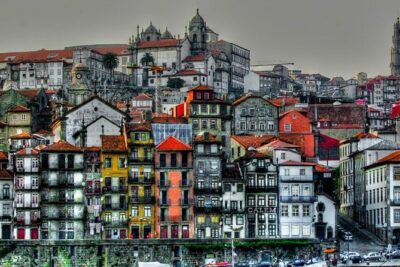 ★ 5.07 Days Private Tour In Portugal from LisbonFrom $2,16514 reviews
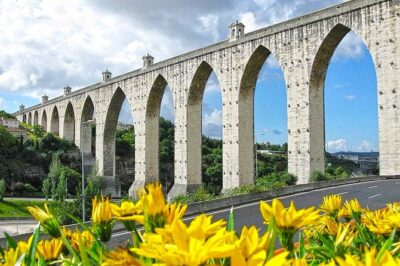 ★ 5.0Private tour Portugal 7 days from LisbonFrom $1,72410 reviews
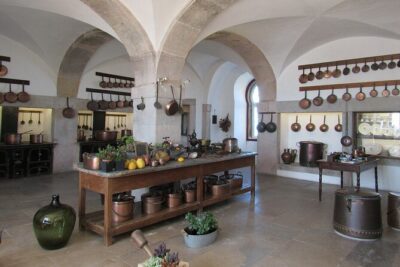 ★ 5.0Private 7-day itinerary in PortugalFrom $2,1294 reviews
 ★ 5.07-Day Classic Trip in Portugal and SpainFrom $2,8003 reviews
Browse the lists this tour appears in