
Reviewed · 7-DAY EXPERIENCES
Private 7-day itinerary in Portugal
Portugal moves fast on this route, in a good way. You start in Lisbon, then work your way through Sintra, Fátima, Coimbra, Porto, the Douro Valley, and on into Aveiro, Nazaré, Óbidos, and Évora. What makes it feel different is the private pace with Vitor Pais-style explanations in plain English, plus an air-conditioned vehicle so long legs between towns feel manageable.
I really like the balance here: you get the famous landmarks (Belém, Pena, Coimbra’s Joanina Library, Porto’s tiles, Sandeman in Gaia) and you also get the everyday texture—Alfama’s fado atmosphere, Sintra’s pastry stops, and market time in Porto. I also like that a couple of meals-like experiences are handled for you through tastings: port cellar time in Gaia and a winery visit with wine and regional bites in the Douro, then another tasting in Alentejo.
One thing to plan for: many of the big-ticket sights have admission tickets that are not included, so you’ll want to budget extra for places like Pena (and other palace options), the University of Coimbra areas, Livraria Lello, and the Capela dos Ossos. If you hate surprise costs, this needs a quick look at your personal “must enter” list.
In This Review
- Key things that make this Portugal plan work
- Lisbon’s anti-seismic grid, Alfama’s fado lanes, and Belém’s UNESCO icons
- Sintra’s Pena choice and the coast to Cabo da Roca, Cascais, and Estoril
- Fátima and Coimbra in one smooth cultural loop
- Porto by tiles, markets, cathedral rose window, and a port cellar in Gaia
- Douro Valley wine country with Amarante sweets, Pinhão station tiles, and Quinta do Tedo
- Aveiro canals, Nazaré waves and seven skirts, and Óbidos back to medieval time
- Évora’s Roman traces, Capela dos Ossos, Alentejo tastings, and cork factory views
- Price and logistics: is $2,129.27 per person a good deal?
- Should you book this private 7-day Portugal route?
- FAQ
- Is this a private tour?
- What time does the tour start?
- Is pickup available?
- What language is the tour in?
- Are meals or hotels included?
- What’s included in the tour price?
- Which tastings or winery visits are included?
- Are there extra admission fees?
- Can I cancel for a refund?
Key things that make this Portugal plan work
- Private, only your group: no sharing with strangers, so the pace can actually match your energy.
- Driver-guide in an air-conditioned van: you spend less time figuring out how to get from A to B.
- Fado, tiles, and terraces: Lisbon’s old lanes, Porto’s azulejos at São Bento, and viewpoints in the Douro.
- Wine time that feels practical: port in Gaia plus a real Douro winery visit and an Alentejo tasting.
- Small but memorable included stops: Pastéis de Belém factory visit and guided time in key areas.
- Flexibility in guide approach: the guide style described is attentive and adapts to family interests.
Lisbon’s anti-seismic grid, Alfama’s fado lanes, and Belém’s UNESCO icons
This first stretch is built around two sides of Lisbon: the city that was rebuilt after disaster, and the neighborhood identity that survived every era.
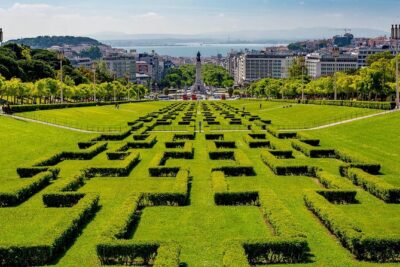
Start with Baixa de Lisboa. The area is famous for the logic of its layout. After the devastating 1755 earthquake, planners created streets designed to be more resilient—straight lines, perpendicular grids, and an organizing axis starting from Rua Augusta. It’s not just pretty architecture. It’s a way of understanding how Lisbon rebuilt itself with engineering and design at the center.
Then you shift to Alfama, Lisbon’s oldest neighborhood. The feel changes immediately: tight rows, winding lanes, and that Medina-like defensive layout that made sense from the Arab period through later Christian reconquest. This is also where fado’s emotional core makes sense. You’re not just hearing about saudade—you see how the neighborhood’s mood and history shaped the music’s melancholy.
From there, you head to Belém for the UNESCO-heavy hits. The day includes time around major monuments tied to the Portuguese Age of Discoveries and the Manueline style, plus modern companion sites that help complete the full story of empire and maritime ambition. A dedicated chunk of time is allotted, but keep in mind that some Belém monument admissions are not included.
Finally, you end in the Belém area with a visit tied to Pastéis de Belém. This is the “stop your day for a pastry” moment, and it’s a smart addition: after hours of walking, you get something you can actually taste immediately. If you’re the type who likes to avoid long lines, plan to treat this as one of the moments where being ready early helps.
Practical note for Lisbon day one: wear shoes that handle uneven sidewalks and stairs. You’ll be walking more than you expect, especially when Alfama funnels you into alley-to-alley exploring.
Worth a look before you lock anything else in around Lisbon:
- True 4Hour Private Tuk Tuk Tour: Discover Lisbon with a Local!
★ 5.0 · 8,008 reviews - Lisbon: Private Guided Tuk-Tuk Tour with Hotel Pickup
★ 4.9 · 4,552 reviews - Private Lisbon Sightseeing Tuk-Tuk Tour: Alfama, Belém & More
★ 5.0 · 4,277 reviews - Lisbon Highlights: Private Tuk Tuk Tour Adventure Sightseeing
★ 5.0 · 3,284 reviews
Sintra’s Pena choice and the coast to Cabo da Roca, Cascais, and Estoril

The second part of the trip is a classic Sintra-and-coast day, and it’s structured well: first the town vibe, then the palace option, then the dramatic Atlantic edge.
In Sintra’s Centro Histórico, the emphasis is on wandering narrow streets and browsing regional shops. The highlight is Piriquita and its well-known sweets—especially Travesseiros de Sintra and Queijadas. Even if desserts aren’t your main thing, this is a good way to learn Sintra without turning it into a checklist.
Next comes the Park and National Palace of Pena. Here the plan matters: the guide suggests which palace option to prioritize based on what you want to see. You’ll hear alternatives such as Quinta da Regaleira, Castle of the Moors, and Pena itself. The admissions aren’t included, so it’s worth deciding in advance what you truly want inside versus what you’re happy to view from outside.
Then you go to Cabo da Roca, part of the Sintra-Cascais Natural Park and known as the westernmost point of the European mainland. This is one of those places where the landscape is real and the wind is too. The route also connects the spot to Portuguese poetry through Camões’ Os Lusíadas, including the idea of where land ends and sea begins. You’ll feel why that line stuck around.
After the cliff time, you move toward Cascais, a former fishing village transformed into a coastal resort with a charming center and beach atmosphere. You get a sense of how the local economy shifted over time—from working boats to visitors and comfort.
And there’s an Estoril mention too. It’s known for its World War II role as a safer meeting point for royalty and aristocrats, and it still has the largest casino in Europe. Even if you don’t gamble, it’s a useful historical footnote that changes how you see the town’s modern identity.
Practical note: Cabo da Roca can be windy and cool. Bring a layer you’ll actually wear.
Fátima and Coimbra in one smooth cultural loop
On day three, you get spirituality and scholarship—two big Portugal themes—without the day turning chaotic.
In Fátima, the route focuses on the main sanctuary stops. You can attend mass if you want, then visit the Chapel of Apparitions and Casa dos Pastorinhos in Valinhos. The plan keeps the pace respectful: it’s about understanding the place, not rushing through it.
You also visit the Basilica of the Holy Trinity. The route calls out details that make it more than a photo stop: it houses the tombs of the children and Sister Lúcia, and it’s a modern, imposing basilica designed by Alexandros Tombazis, with seating capacity and a large footprint. This contrast is a big part of the day’s value—old devotion alongside newer architecture.
Next comes Coimbra. The University of Coimbra visit is a highlight for anyone who loves “old rooms with a purpose.” The Joanina Library is emphasized for good reason: it was built in the 18th century in what used to be a prison, and it’s known as one of the most beautiful libraries in the world. The route also points you toward artistic details—frescoes by António Ribeiro and Vicente Nunes, and the portrait of Dom João V by Domenico Dupra. You also see other university areas such as the Chapel of São Miguel, the Sala dos Capelos, and the cabra tower (cabra meaning the bull-like form linked to local tradition).
Then you end with Coimbra center time—relaxing in the sidewalk area between the river Mondego and the university zone. This isn’t just free time. It’s where the city’s day-to-day life shows up: cafés, sweet shops, squares, and that feeling of a long-running commercial center.
Practical note: Coimbra can feel hilly depending on where you walk. Keep your daypack light.
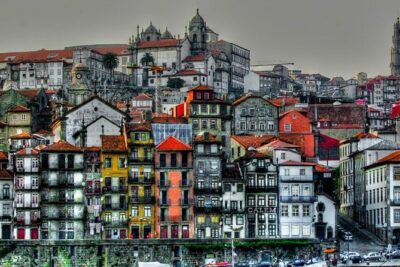
Porto by tiles, markets, cathedral rose window, and a port cellar in Gaia
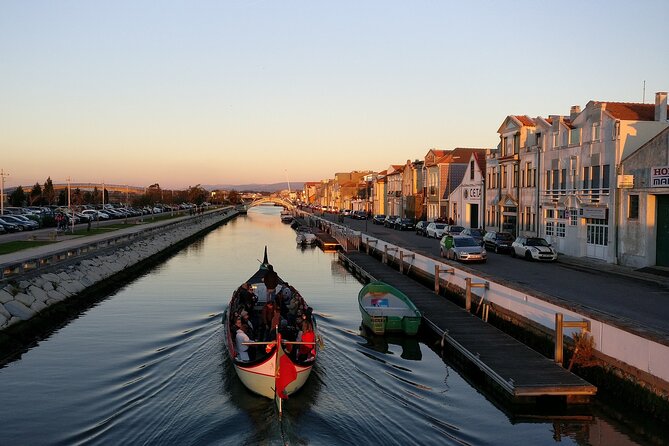
Porto is one of those cities where you feel the “north” in the streets. This route treats Porto like a walkable story: civic center first, then market energy, then iconic architecture, and finally food-and-wine payoff.
You begin around Avenida dos Aliados, Porto’s focal point. This is the “city center where people gather” road, with the Porto City Council building giving it an official, celebratory feel.
Next is Mercado do Bolhão. It’s a market stop with lifestyle value. You’re not buying a souvenir. You’re watching how people shop, eat, and move through the city’s daily rhythm.
Then comes Livraria Lello. The route makes it practical: it’s attractive for literature lovers and also for architecture fans. The staircase is the big draw, and it’s tied in the popular imagination to JK Rowling’s early writing life in Porto. Admission is not included, so if you care, plan for an extra ticket.
After that, you get one of Porto’s most famous “look up” moments: São Bento Railway Station. The station is known for its large collection of tiles—20,000 pieces by Portuguese artist Jorge Colaço—forming a visual journey through Portugal’s north and its changing civilizations and occupations. It’s the kind of place that’s worth standing still for a few minutes instead of rushing to the next stop.
You also visit Porto Cathedral. The plan highlights the Roman-Gothic structure that began in the 12th century, plus later renovations. The medieval rose window and the side gallery work (decorated with tiles) create a layered feel—medieval core, later embellishment, and local craftsmanship.
Finally, the route gives you the perfect bookend: Sandeman Cellars in Gaia. You get included time—visit one cellar, get the atmosphere, and taste port while learning the process from harvest to finished product. Since it’s included, it feels like value rather than another optional add-on.
Practical note: you’ll likely do more stairs and slopes than you expect in Porto. Comfortable shoes pay off.
Worth a look before you lock anything else in around Lisbon:
Douro Valley wine country with Amarante sweets, Pinhão station tiles, and Quinta do Tedo
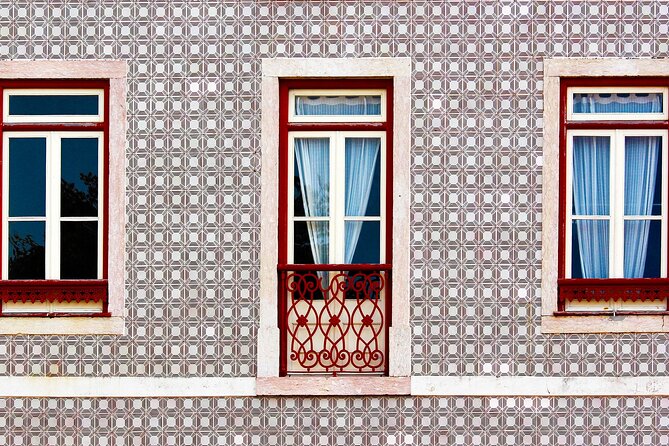
The Douro day is where the trip earns its “Portugal in one breath” reputation. You get the river valley drama, plus wine knowledge you can actually use at home.
The route starts with Igreja de São Gonçalo in Amarante. This is not just a church stop. It’s an architecture and atmosphere stop, with Romanesque-style buildings, medieval references, and the S. Gonçalo bridge in the convent area. There’s also a fun food detail: stalls selling S. Gonçalo sweets, known for their phallic appearance. It sounds silly, but it lands because it shows how local traditions use humor.
Then you reach Pinhão Railway Station, one of the most photogenic tile stops in the country. The 19th-century station tiles depict local landscapes and port wine life: harvest scenes, the traditional treading of grapes by foot, and transport by rabelo boats. It’s a visual history you don’t need a guidebook for.
Next is Quinta do Tedo. This is the included winery experience, with a guided visit plus tastings. The route specifically mentions Wine Spectator recognition for some of the wines, and it frames the learning clearly: how production works, what grapes matter, and what different wines taste like.
You also stop at a viewpoint over the valley near Ervedosa do Douro. This is built for photos, but it also helps you understand why the Douro is such a special wine region.
Practical note: bring a layer even if it’s warm. River valleys shift temperature quickly, especially near viewpoints.
Aveiro canals, Nazaré waves and seven skirts, and Óbidos back to medieval time
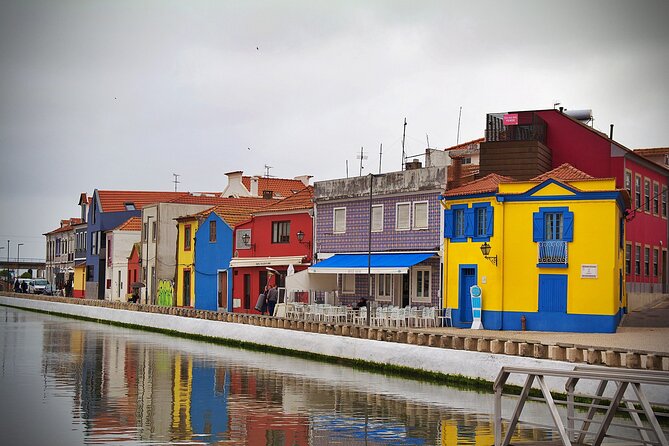
Day six is a change of pace: canals, Atlantic surf, then a walled village that feels like a time machine.
Aveiro is introduced as the Portuguese Venice, with canals that historically supported the city’s livelihood. The route suggests a boat trip on a moliceiro boat to explore the 3 kilometers of canals. The explanation is helpful because it connects the boats to resources like seaweed (moliceiro use in agriculture and pharmaceutical purposes) and salt. You also get a look at Aveiro’s railway station, an iron-and-glass structure often associated with Eiffel-style design, along with Art Nouveau buildings around it. Then there’s time around a market area and station-world architecture—good for people who like cities with a human scale.
Next is Nazaré. The route emphasizes its picturesque village atmosphere: churches and traditional houses create a strong visual identity. It also ties Nazaré’s fame to the Canhão da Nazaré phenomenon, and the big modern storyline of surf: in 2013, American surfer McNamara broke the world record by surfing around a 30-meter wave. You’ll also hear about the “seven skirts” tradition that wives of Nazaré proudly show to visitors. Even if you’re not a surfer, the cultural angle makes the waves feel connected to the town, not just a spectacle.
Then you head to Óbidos, a UNESCO world heritage village. The experience here is walking. Narrow streets, white-painted houses, traditional shops, aqueduct-and-fountain story details, and a sense of medieval Portugal that’s still physically present. The route includes the story of Óbidos as a wedding gift from D. Dinis to D. Isabel, plus how it became part of the Casa das Rainhas, which ended in 1834. That line about the queens passing through adds context to why the village matters beyond its cute streets.
Practical note: Óbidos is scenic but also easy to get “photo-traffic” stuck. If you want shots without crowd drama, walk the edges of streets before you aim for the center.
Évora’s Roman traces, Capela dos Ossos, Alentejo tastings, and cork factory views
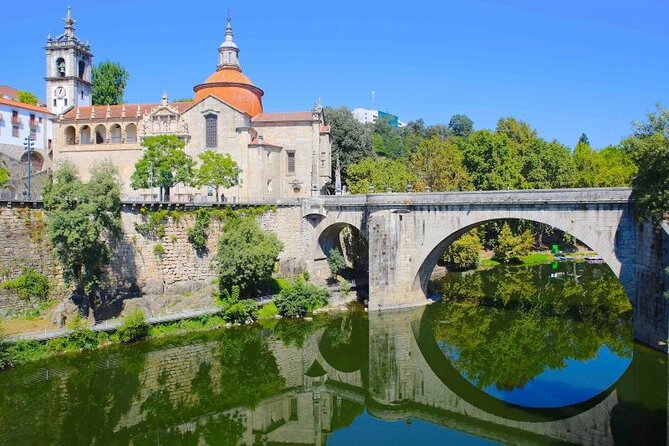
On the final stretch, the route shifts from the coast to inland Portugal, then into Alentejo’s slower rhythm—while still keeping your days packed with meaning.
Évora’s Centro Histórico is presented through what you can see in real space: it was home to Portuguese kings, attracted famous artists, and supported construction of aristocratic mansions during the glory period tied to the Age of Discoveries. You visit major references like the Temple of Diana near the cathedral, plus the Água da Prata aqueduct extending from outside the city walls with arches still visible inside.
Then you visit the Chapel of Bones (Capela dos Ossos) at the Church of São Francisco. This is the ex-libris stop of the region. The route notes it’s lined with skulls and bones of 500 monks, and that the entrance includes the warning We bones who are here We wait for you. If you’re sensitive to that kind of display, treat this stop like an intentional choice.
After Évora, you move into wine country and tasting culture. The route includes Ervideira Winery with a specific included package: a visit plus tasting of 5 wines paired with regional products. What I like about this segment is the way the route explains why Alentejo wines have their signature profile: hot, dry climate, sunny soils, and the role of adding water in vineyards to help grapes ripen. You’ll hear the simplified flavor logic—white wines smooth with slight acidity and tropical fruit aromas, red wines full-bodied with tannins and wild/red fruit notes. Even if you don’t become a wine expert, this framing helps you taste with a purpose.
The day ends with Corticarte – Arte em Cortica, a cork processing factory. This isn’t random: cork is a national specialty. The route explains cork oak bark harvest timing (every nine years), why it’s fire-resistant and light and elastic, and why the bark regenerates. It also gives you production context: Portugal is responsible for 55% of the world’s cork production. You learn where cork ends up beyond wine stoppers—decorative coverings, sports equipment materials, and more. It’s a hands-on way to end a trip that’s been full of centuries-old architecture and coast-to-valley travel.
Practical note: cork factory tours can be a little cooler inside due to processing areas. Bring a light layer.
Price and logistics: is $2,129.27 per person a good deal?
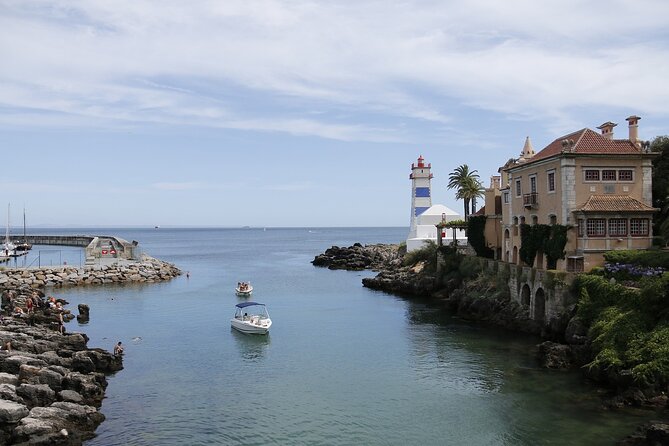
At $2,129.27 per person for a 7-day private route, this isn’t a budget tour. But it also isn’t just “someone drove us around.” The value is tied to four things you get in the package:
- Private transport plus a driver-guide for long-distance days. Lisbon to Porto, then Porto into the Douro and back toward the coast, plus inland days to Évora—this is where public transit planning gets exhausting.
- Included comfort details: air-conditioned vehicle, mineral water on board, and WiFi.
- Insurance coverage: personal accident insurance is included.
- Included tastings: port cellar time in Gaia, winery visit and tasting in the Douro at Quinta do Tedo, and the 5-wine tasting with regional products in Alentejo at Ervideira Winery.
On the other hand, many major admissions are not included. The cost is only fully fair if you’re willing to pay entry fees for what you care about (Pena and university areas, for example). And lunch and hotels are not included, so you’ll budget for your own meals and lodging.
If you want maximum value, you’ll get it by treating the guided time as the main event and planning ahead for paid admissions you want most.
Should you book this private 7-day Portugal route?
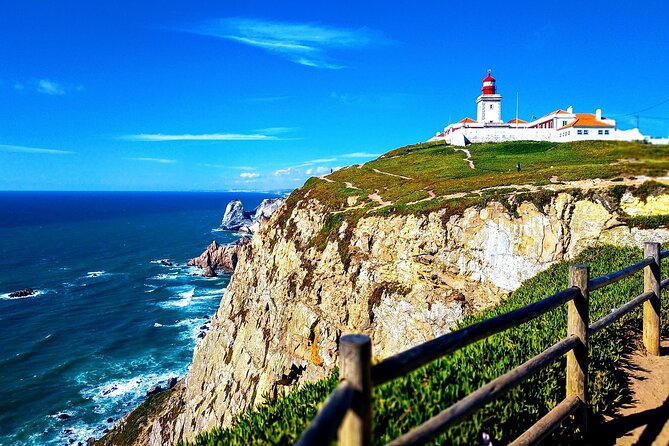
I’d book this if you want an efficient first-timer Portugal experience with private comfort, real guide explanations, and included tasting moments that feel like money well spent. It’s especially a good fit if your group includes kids, mixed ages, or anyone who dislikes changing plans every hour.
I wouldn’t book it if you’re trying to do Portugal on a strict shoe-string budget or if you hate paying separate tickets for top attractions. This route expects you’ll handle some admissions yourself, and it’s designed around a guide-led itinerary rather than total self-direction.
If your goal is to experience Lisbon’s rebuild-and-fado soul, Porto’s tile storytelling, the Douro’s wine logic, and Alentejo’s cork-and-cellar culture with less logistical stress, this is a strong match.
FAQ
Is this a private tour?
Yes. It’s a private tour/activity, so only your group participates.
What time does the tour start?
The start time is 9:00 am.
Is pickup available?
Pickup is offered. The starting location depends on another location and is set by mutual agreement in advance.
What language is the tour in?
The tour is offered in English.
Are meals or hotels included?
No. Lunch and hotels are not included, and you’ll also cover personal expenses.
What’s included in the tour price?
Included items are an air-conditioned vehicle, mineral water on board, WiFi on board, a driver guide, and personal accident insurance.
Which tastings or winery visits are included?
Port tasting at Sandeman Cellars is included. Quinta do Tedo in the Douro includes a visit and tasting of wines. Ervideira Winery includes a visit with tasting of 5 wines plus regional products.
Are there extra admission fees?
Yes. Several listed sites are marked as admission ticket not included, while others are free or included. You’ll want to budget for paid attractions you plan to enter.
Can I cancel for a refund?
You can cancel up to 6 days in advance for a full refund. Cancelling 2–6 days before gives a 50% refund, and less than 2 days before isn’t refunded.
More 7-Day Experiences in Lisbon
- 7 Days Private Tour In Portugal from Lisbon★ 5.0 · 14 reviews
- Private tour Portugal 7 days from Lisbon★ 5.0 · 10 reviews
- Private Tour for small groups of 7 Days in Portugal from Lisbon★ 5.0 · 5 reviews
- 7-Day Classic Trip in Portugal and Spain★ 5.0 · 3 reviews
More Private in Lisbon
- True 4Hour Private Tuk Tuk Tour: Discover Lisbon with a Local!★ 5.0 · 8,008 reviews
- Lisbon: Private Guided Tuk-Tuk Tour with Hotel Pickup★ 4.9 · 4,552 reviews
- Private Lisbon Sightseeing Tuk-Tuk Tour: Alfama, Belém & More★ 5.0 · 4,277 reviews
- Lisbon Highlights: Private Tuk Tuk Tour Adventure Sightseeing★ 5.0 · 3,284 reviews
- Welcome Lisbon Tour with Local Guide in Private Eco Tuk Tuk★ 5.0 · 1,691 reviews
More Tour Reviews in Lisbon
- Lisbon City Center Tour – The Unmissable Lisbon★ 5.0 · 22,234 reviews
- Lisbon: Sintra, Pena, Regaleira, Cabo da Roca & Cascais★ 4.7 · 19,656 reviews
- Lisbon Card: 24, 48, or 72-Hour Pass★ 4.5 · 17,944 reviews
- Lisbon: Jerónimos Monastery Entrance Ticket★ 4.1 · 14,164 reviews
- Lisbon: History, Stories and Lifestyle Walking Tour★ 4.8 · 10,902 reviews
Just in: fresh Lisbon reviews from the team




7-Day Experiences, compared.
 ★ 5.07 Days Private Tour In Portugal from LisbonFrom $2,16514 reviews
 ★ 5.0Private tour Portugal 7 days from LisbonFrom $1,72410 reviews
 ★ 5.0Private Tour for small groups of 7 Days in Portugal from LisbonFrom $1,6525 reviews
 ★ 5.07-Day Classic Trip in Portugal and SpainFrom $2,8003 reviews
Browse the lists this tour appears in