
Reviewed · WORKSHOPS
Portuguese Pastry Workshop in Lisbon
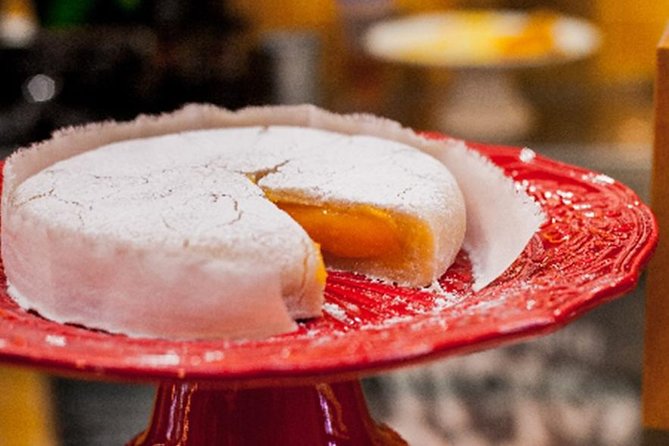
Two pastries make Lisbon taste better. At Casa dos Ovos Moles em Lisboa, you’ll learn the full process of making Pastel de Nata and Travesseiro de Sintra from scratch, including the puff dough, then you sit down to taste your work with Port wine, ginja liquor, coffee, and tea. I like that the class keeps a small group size (maximum 6), so you’re not stuck watching from the sidelines.
Do keep one thing in mind: this is a late-afternoon slot (the start time is listed as 3:00 pm and class times can vary by day), and the tasting includes alcohol. If you avoid wine or liqueur, you’ll want to think ahead. Also, good weather matters for the activity.
In This Review
- Key takeaways before you book
- A late-afternoon class in Casa dos Ovos Moles em Lisboa
- Pastel de Nata and Travesseiro de Sintra: what you learn to make
- From scratch, by hand: the baking workflow you follow
- History comes with your coffee: monasteries, Ovos Moles, and Portugal’s sweets
- What’s included in the $96.55 price and why it feels fair
- Alcohol, coffee, and tasting strategy (so you don’t rush)
- Getting there in Lisbon: meeting point and timing tips
- Who should take this Portuguese pastry workshop, and who should skip it
- Should you book this Portuguese pastry workshop?
- FAQ
- What pastries will I learn to make?
- How long is the Portuguese pastry workshop in Lisbon?
- What is included in the class tasting?
- Is the workshop taught in English?
- What group size should I expect?
- Where do I meet for the workshop?
- What happens if I need to cancel?
Key takeaways before you book
- Two famous Lisbon pastries: Pastel de Nata plus Travesseiro de Sintra
- Hands-on from scratch including working the puff dough by hand
- Small group limit of 6 for real coaching and time at the station
- Tasting is part of the lesson with Port wine or ginja liquor plus coffee/tea
- Recipe sharing after class so you can try again at home
- Central location near public transport with an easy meet-up and return
A late-afternoon class in Casa dos Ovos Moles em Lisboa
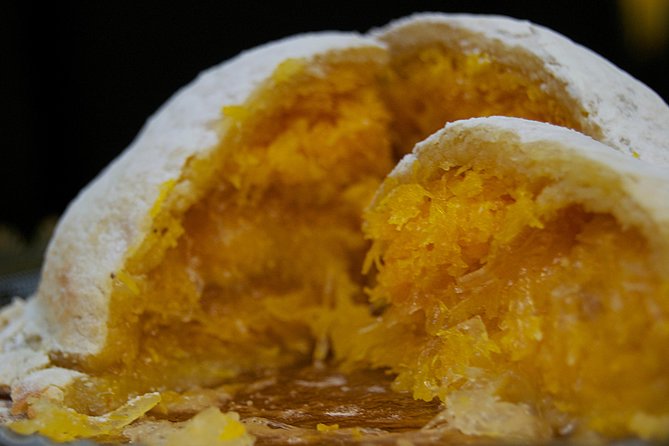
This workshop is set up like a friendly, focused studio session, not a big tour bus stop. You meet at Calçada do Sacramento 25 (1200-393 Lisboa), and the activity ends back at the same point. The shop is the hub for the whole experience, and the vibe is practical: you’ll be working with dough, not just listening to stories.
What I like most is that it’s built for attention. The group is capped at six people, and that matters because pastry-making needs hands-on correction. If you’ve ever tried to copy a recipe later, you know the “how” is everything: thickness, timing, and technique. Here, you’re guided while you do it.
This is also a good option if you want something that feels local. The provider, Casa dos Ovos Moles em Lisboa, is specialized in Ovos Moles, a tradition described as 500 years old. Even though your class centers on two different pastries, the setting and the background connect you to the real food culture of Lisbon instead of a generic cooking demo.
One more detail that affects your day: it’s scheduled for the afternoon, with a listed start time of 3:00 pm. If you like a slower morning and a clear plan for your afternoon, this slot works well. If you hate waiting until late in the day, you might look for another activity that fits your rhythm better.
Worth a look before you lock anything else in around Lisbon:
- Lisbon: Pastel de Nata Baking Class
★ 4.9 · 2,106 reviews - Lisbon: Traditional Portuguese Cooking Class
★ 4.9 · 592 reviews - Pastel de Nata Pastry Class: Bake and Enjoy Your Own Treats
★ 5.0 · 485 reviews - Lisbon: 2-Hour Pastel de Nata Cooking Class
★ 4.8 · 461 reviews
Pastel de Nata and Travesseiro de Sintra: what you learn to make
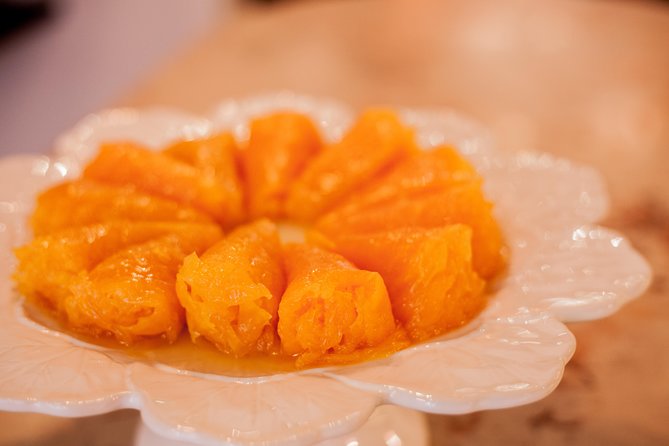
The core of the workshop is learning to make two Portuguese specialties from the Lisbon region: Pastel de Nata and Travesseiro de Sintra. That pairing is smart. They’re both iconic, but they teach you different parts of Portuguese pastry technique: puff dough handling for structure, and filling work for sweetness.
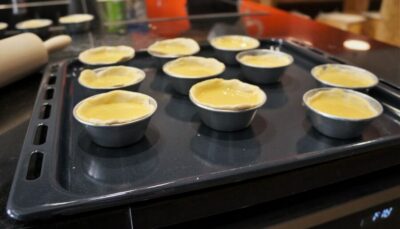
You’re not just “making one pastry and hoping for the best.” You learn the whole process from scratch, including the puff and the fact that it’s done by hand. In other words, you’ll get over the common frustration of pastry classes where you only assemble something pre-made for you. Here, you do the key work yourself.
The structure is also friendly for different skill levels. People in the group can do the steps alongside each other, and the class is paced so everyone can contribute. From the style of the teaching mentioned in feedback (patient, hands-on, and step-by-step), it’s clear the instructors aim for you to finish with pastries that look right and taste right.
You’ll also see how Portuguese pastry differs from the pastry you might associate with other European styles. One recurring theme in the experience feedback is how the techniques and feel of the finished product can be different from what you might expect if you’re used to French-style methods.
Finally, you finish with what pastry classes are really about: eating what you made. Each person gets two pastries to taste at the end—paired with drinks (more on that next).
From scratch, by hand: the baking workflow you follow
Plan for a true workshop rhythm. You’ll start at the shop, get your bearings, and then move into hands-on work. The process is built around making two pastries, but the teaching approach stays consistent: the instructor models the step, then you do it with guidance.
Here’s what’s specifically included in the “from scratch” portion:
- You work the dough process from the beginning
- You make the puff dough by hand
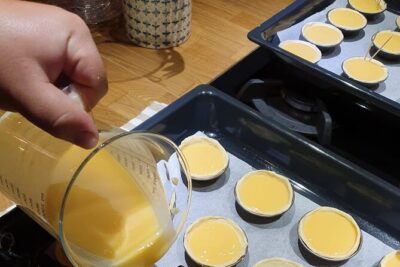
- You handle both the dough and the filling steps
- You cook the pastries during the session and then taste them at the end
Why does that matter? Because puff pastry isn’t just an ingredient. It’s technique. You can have the right recipe on paper and still get the wrong result if the dough is handled poorly. A class like this shortens the learning curve because you’re adjusting in real time, not guessing after the fact.
Also, small group size changes the experience. With a max of six people, you’re more likely to get quick fixes when you need them. And pastry-making is full of little moments where a teacher’s timing matters. For example, when to pause, how to shape, and when to move on so the end result doesn’t suffer.
From the descriptions of the teaching, the instruction is practical and patient. Named instructors like Filipa, Filipe, and Maria show up in feedback, and the shared theme is clear: you’re not just given instructions; you’re guided through technique. That’s the difference between a fun food event and a class that leaves you with skills.
One practical point: you’re there for about 2 hours. That’s long enough to learn real technique but short enough that you won’t feel stuck for half your vacation afternoon. If you’re planning your day, treat it like a dedicated activity, not something to squeeze in between errands.
History comes with your coffee: monasteries, Ovos Moles, and Portugal’s sweets
This class doesn’t separate “food” from “meaning.” You’ll get history while you work. One part that’s specifically mentioned is the idea that pastries like these were created inside Portuguese monasteries. That detail adds context to why certain techniques and flavors are taken seriously in Portugal. You start to see pastries as craft with roots, not just desserts invented for tourists.
You also get the broader shop context. Casa dos Ovos Moles em Lisboa is described as specialized in Ovos Moles, a tradition noted as 500 years old. Even if you aren’t making Ovos Moles during this workshop, you’ll learn about that heritage from the people running the shop. It helps the place make sense: this isn’t a random storefront; it’s a specialty pastry business with deep local ties.
Expect a bit of explanation around the culture of Portuguese pastries, including how these sweets fit into Portuguese identity. Some feedback calls it a strong cultural experience. It makes sense, because Portugal does a better job than many places of treating food like a story you can taste.
And then there’s the payoff: after you finish the baking work, you sit down with your pastries and drinks. That’s when history becomes more than trivia. You get a sweet, warm reminder of what all that technique was for.



What’s included in the $96.55 price and why it feels fair
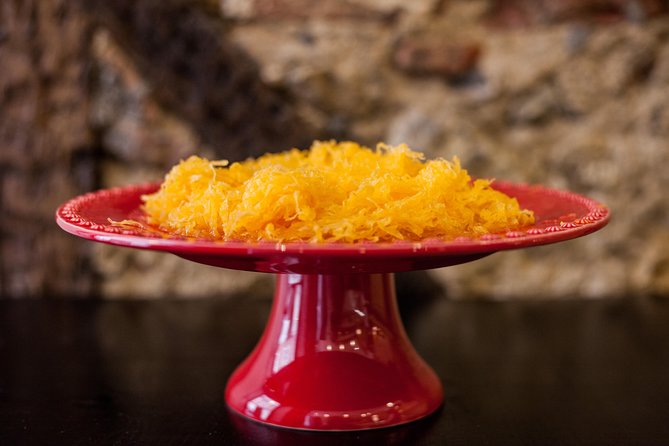
At $96.55 per person for about 2 hours, this isn’t a budget activity. But it’s also not overpriced for what’s included. The key is what you get for your money, and how that value compares to “paying to watch someone else cook.”
Included in the price:
- Beverages
- Food tasting
- Snacks
- Coffee and/or tea
- Alcoholic beverages (Port wine and/or ginja liquor)
And you’re not just tasting. You’re learning the process of making two pastries from scratch, including puff dough, with a small group.
Let’s translate that into value for your travel style. If you love food, you’re paying for:
- instruction (not just a meal)
- hands-on technique (the kind you can repeat at home)
- ingredients and baking during the session
- drinks that make the ending feel like a mini celebration
You’re also getting a group limit of 6 travelers per booking, which is the kind of small-number setup that often costs more when you book in popular cities.
One other detail that tells you it’s popular: the average booking window is 94 days in advance. That doesn’t guarantee availability, but it does suggest you shouldn’t wait until the last minute if your dates are firm.
If you’re comparing options, I’d treat this like a workshop plus a tasting menu rolled into one. You’re buying a skill and the chance to eat what you make immediately.
Alcohol, coffee, and tasting strategy (so you don’t rush)
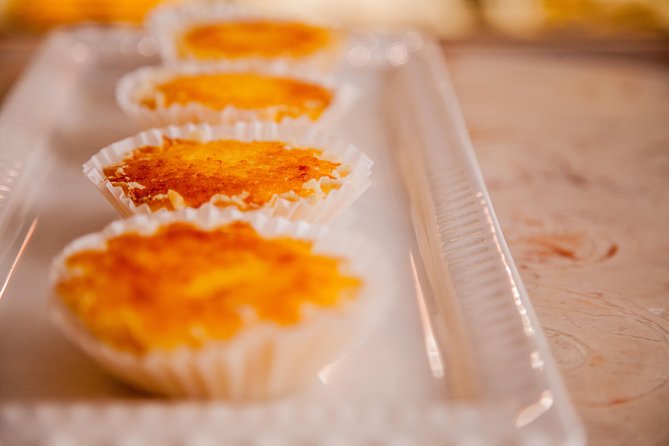
Your tasting is part of the curriculum, not an afterthought. You’ll be served two pastries—Pastel de Nata and Travesseiro de Sintra—along with Port wine or ginja liquor, plus coffee and/or tea.
This mix matters. Wine and liqueurs can overpower delicate flavors if you take big bites too fast. The better approach is to slow down, taste one pastry, then switch to a different drink. You’ll get a clearer sense of what’s happening with the pastry itself, like how the dough texture and the sweetness of the fillings change with each sip.
Also, note the practical reality: the class includes alcohol. It’s not just a glass for show. If you’re sensitive to wine or liqueur, you can still enjoy it, but you’ll want to pace yourself. If you’ll be walking after, think about water too, since the experience is about 2 hours and it’s easy to forget hydration while you’re focused on baking.
Coffee and tea are included, which helps if you’d rather keep the tasting lighter. A lot of the enjoyment here comes from the contrast: warm pastry, sweet filling, and a drink to balance it.
If you’re coming with kids or teens, the class can still work well. Feedback includes a family setup with younger participants, with instructors described as very patient. Still, because alcohol is part of the offered pairing, parents may want to confirm how that’s handled for non-drinkers when they check in.
Getting there in Lisbon: meeting point and timing tips
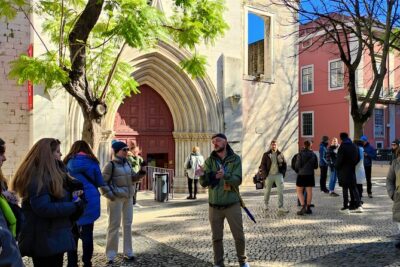
Logistics are simple and low-stress. Transportation to and from attractions is not included, but the meet-up point is central and listed as near public transportation. The workshop also ends back at the meeting point, so you don’t end up navigating the city right after you’re done baking.
The listed start time is 3:00 pm. Class times can differ depending on the day of the week, so when you book, double-check that day’s schedule. Plan your morning around something easy. This class is a hands-on activity, and you’ll want to arrive with enough energy to focus on technique.
Wear comfortable shoes. Even though you’re not hiking, you’ll be standing and moving around while you work dough and watch the baking steps. If you’re the kind of person who gets nervous about food prep, come anyway. The small group size and step-by-step pacing help.
Finally, bring a mindset shift: this is not a “take photos, taste, leave” experience. It’s a “make it right, learn, then eat” experience. If you show up ready to get flour on your sleeves, you’ll have a better time.
Who should take this Portuguese pastry workshop, and who should skip it
This workshop is best for:
- Foodies who want technique, not just a dessert tasting
- People who enjoy hands-on classes and want to leave with skills to try again
- Anyone traveling in a small group who wants a more personal experience
- Families with teens who like cooking activities (the teaching tone is described as patient)
You might skip it if:
- You dislike alcohol pairings and don’t want wine or liqueur in the tasting flow
- You only want a quick snack stop and don’t care about learning dough technique
- You’re short on time and need something shorter than about 2 hours
One more “fit” note: the group cap of six is a big plus for quality coaching. If you prefer private instruction or you need a very quiet, purely observational experience, this setup might still feel active. But if you like learning with your hands, it’s a strong match.
Should you book this Portuguese pastry workshop?
I’d book it if you want a Lisbon experience that feels practical and genuinely local—Portuguese pastries made with real technique, in a small group, with tastings and drinks included. The fact that you’re making Pastel de Nata and Travesseiro de Sintra from scratch, including puff dough by hand, is exactly what makes this worth your time.
I’d think twice if alcohol pairings are a hard no for your group or if the idea of a 3:00 pm afternoon commitment doesn’t fit your travel pace. For most people, though, this is one of those “learning + eating” activities that turns into a story you can repeat when you get home.
If you do book, do it sooner rather than later, since the average booking window is far in advance and the class is small.
FAQ
What pastries will I learn to make?
You’ll learn to cook two Portuguese pastries: Pastel de Nata and Travesseiro de Sintra.
How long is the Portuguese pastry workshop in Lisbon?
It lasts about 2 hours.
What is included in the class tasting?
You’ll taste 2 pastries (Pastel Nata and Travesseiro de Sintra) with Porto wine or ginja liquor, plus coffee and/or tea. Snacks and beverages are also included.
Is the workshop taught in English?
Yes, it’s offered in English.
What group size should I expect?
This activity has a maximum of 6 travelers per booking.
Where do I meet for the workshop?
The meeting point is Calçada do Sacramento 25, 1200-393 Lisboa, Portugal, and the activity ends back at the meeting point.
What happens if I need to cancel?
You can cancel for a full refund up to 24 hours before the experience’s start time. The experience also requires good weather, and if it’s canceled due to poor weather you’ll be offered a different date or a full refund.
More Workshops in Lisbon
- Lisbon: Pastel de Nata Baking Class★ 4.9 · 2,106 reviews
- Lisbon: Traditional Portuguese Cooking Class★ 4.9 · 592 reviews
- Pastel de Nata Pastry Class: Bake and Enjoy Your Own Treats★ 5.0 · 485 reviews
- Lisbon: 2-Hour Pastel de Nata Cooking Class★ 4.8 · 461 reviews
- Lisbon Portuguese Cooking Class with 3-Course Dinner★ 5.0 · 445 reviews
More Tour Reviews in Lisbon
- Lisbon City Center Tour – The Unmissable Lisbon★ 5.0 · 22,234 reviews
- Lisbon: Sintra, Pena, Regaleira, Cabo da Roca & Cascais★ 4.7 · 19,656 reviews
- Lisbon Card: 24, 48, or 72-Hour Pass★ 4.5 · 17,944 reviews
- Lisbon: Jerónimos Monastery Entrance Ticket★ 4.1 · 14,164 reviews
- Lisbon: History, Stories and Lifestyle Walking Tour★ 4.8 · 10,902 reviews
Just in: fresh Lisbon reviews from the team





Workshops, compared.
 ★ 4.9Pastel de Nata Baking ClassFrom $642,106 reviews
 ★ 4.9Traditional Portuguese Cooking ClassFrom $100592 reviews
 ★ 5.0Pastel de Nata Pastry Class: Bake and Enjoy Your Own TreatsFrom $66485 reviews
 ★ 4.82-Hour Pastel de Nata Cooking ClassFrom $64461 reviews
 ★ 5.0Lisbon Portuguese Cooking Class with 3-Course DinnerFrom $130445 reviews
 ★ 4.9Azulejos’ Design Create Your Own Tile WorkshopFrom $64420 reviews
 ★ 5.0Traditional Portuguese Cooking Class in LisbonFrom $102287 reviews
 ★ 4.81.5-Hour Surf LessonFrom $35275 reviews
Browse the lists this tour appears in