
Reviewed · PASTEL DE NATA CLASSES
Pastel de Nata Pastry Class
Tiny ovens, big flavor lessons. This pastel de nata class in Lisbon is a hands-on way to learn the steps behind Portugal’s most famous sweet, with an English-friendly setup and instruction from chefs like Beatriz (and others cited such as Bernardo and Carla). You’ll mix, shape, and cook, then get to eat what you made—not just stand nearby and watch.
I especially like the small-group feel (up to 15 people), which keeps the energy relaxed and lets the chef give attention while you work. I also love that you leave with English digital recipes plus a tasting and refreshments like tea, coffee, orange juice, and water—so the class isn’t just a one-time sugar hit.
One consideration: if the group feels close to the 15-person max, it can reduce how hands-on the session feels for everyone. It’s still designed for participation, but you’ll want smaller is better if you’re hoping for maximum personal coaching.
In This Review
- Key Things I’d Focus On
- Lisbon Pastel de Nata Class: The Setting You’re Really Buying
- Price and Value: Why $64.81 Can Make Sense Here
- Where It Starts: Lisbon Affair Meeting Point and What to Expect
- The 2-Hour Flow: From Dough to Custard to Tasting
- Dough Work: Why Feeling It Matters More Than Watching
- The Custard Cream Step (and the Nata Name Confusion)
- Refreshments Are Included for a Reason
- Digital Recipes in English: Your Real Souvenir
- Instructor Quality: Why Beatriz, Bernardo, and Carla Show Up in Reviews
- Group Size: The Upside and the One Possible Downside
- Who This Pastel de Nata Class Fits Best
- What to Do Before You Go (Practical Tips)
- Booking, Timing, and When You Should Plan Ahead
- Should You Book This Pastel de Nata Class?
- FAQ
- How long is the Pastel de Nata pastry class in Lisbon?
- Is the class offered in English?
- What’s the group size for this cooking class?
- What’s included in the price?
- Do I get recipes to use at home?
- Where does the class start, and do you return there?
- What is the cancellation policy?
Key Things I’d Focus On
- Up to 15 people means you’re not lost in a crowd while you handle dough and custard.
- Hands-on dough + custard gives you real technique, not just a guided snack.
- English digital recipes help you reproduce the flavors at home after the class ends.
- Tea, coffee, orange juice, and water keep the afternoon comfortable while you cook.
- Apron and cleaning/washing up are included, so you can focus on learning instead of logistics.
- Instructors like Beatriz, Bernardo, and Carla show up often in strong reviews for teaching that feels patient and fun.
Lisbon Pastel de Nata Class: The Setting You’re Really Buying
Lisbon’s famous custard tart can feel a little mysterious from a bakery case. You know what it looks like. You might even know it’s flaky on the outside and creamy inside. But the difference between a decent pastel de nata and a great one is technique—timing, texture, and how you treat the dough.
That’s why this class is worth your attention. It’s not just about eating a pastry; it’s about learning what to do with the pastry dough and how to cook the custard cream. The workshop also promises an explanation around the famous name: it notes that there’s no nata in the dessert, and the team will explain that during class.
It takes about 2 hours (approx.), and it runs in English. You’ll also get a mobile ticket and a confirmation at booking time, which makes it straightforward to show up without scrambling.
Roll your sleeves up for more nata baking
- Lisbon: Pastel de Nata Baking Class
★ 4.9 · 2,106 reviews - Pastel de Nata Masterclass at a Real Bakery in Downtown Lisbon
★ 5.0 · 491 reviews - Pastel de Nata Pastry Class: Bake and Enjoy Your Own Treats
★ 5.0 · 485 reviews - Lisbon: 2-Hour Pastel de Nata Cooking Class
★ 4.8 · 461 reviews
Price and Value: Why $64.81 Can Make Sense Here
At $64.81 per person for about 2 hours, it’s not the cheapest activity in Lisbon. But you’re not paying only for a pastry. You’re paying for instruction, ingredients, equipment like aprons, a tasting, and then the practical take-home part: digital recipes in English.
Here’s how I think about value for this kind of class:
- If you buy pastries in a bakery, you taste the result. You don’t automatically learn how to replicate it.
- This class teaches process—dough handling and custard cooking—so you can recreate the flavors later.
- You also get multiple drinks (tea/coffee and orange juice, plus water). Small, yes, but it makes the time feel complete.
Also, this is popular enough that it’s often booked about 16 days in advance on average. If you want a specific day or you’re traveling in busier weeks, it’s smart to lock it in early.
Where It Starts: Lisbon Affair Meeting Point and What to Expect
The class meets at Lisbon Affair – Cooking Classes Lisbon, at Av. de Roma 87B, 1700-344 Lisboa. It’s also listed as near public transportation, which matters in Lisbon because you’ll save energy for the sightseeing parts.
The session ends back at the meeting point, so you’re not dealing with extra transit during a food-focused activity. Think of it like a focused workshop block in your day—arrive, cook, eat, learn, then go back out to the city.
Timing is approximate, but plan on most of a morning or afternoon chunk. You’ll be standing, working, and tasting, not just sitting through a lecture.
The 2-Hour Flow: From Dough to Custard to Tasting
This workshop is structured around doing the key parts of pastel de nata yourself. The description is clear that you’ll:
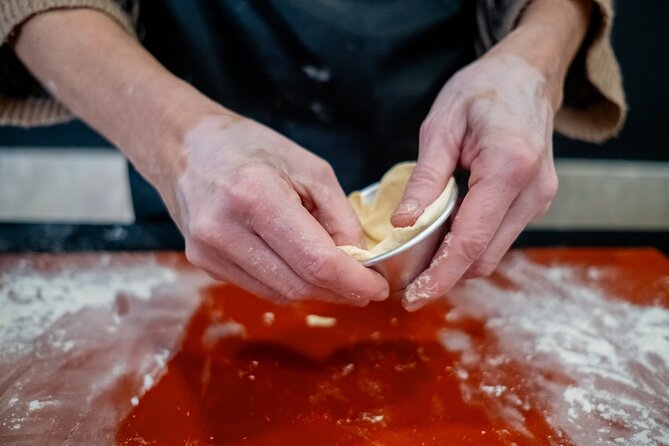
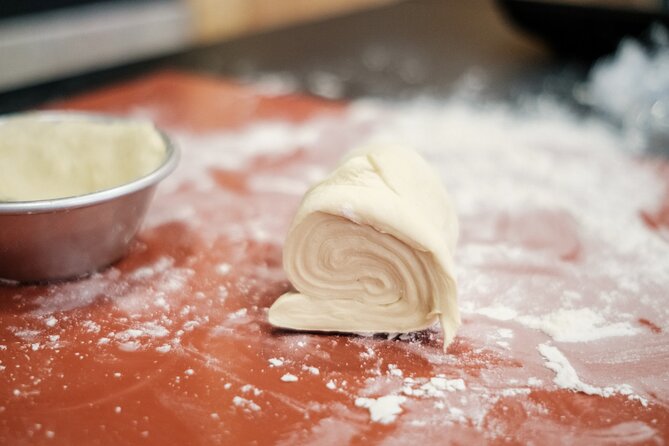
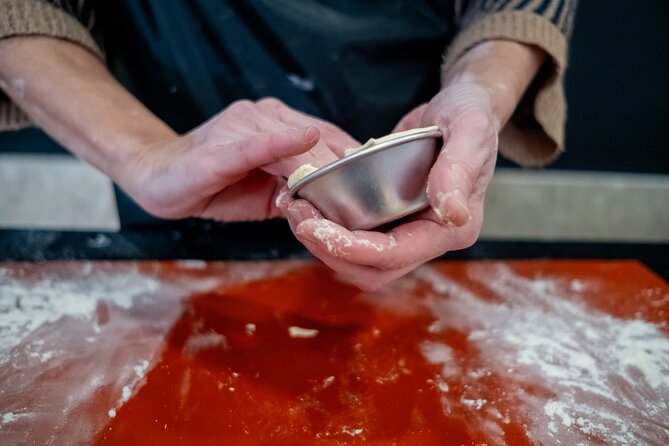
- Feel the dough
- Cook the delicious custard cream
- Receive tips for making the dessert more authentically
- Learn why the dessert name can be confusing (the workshop addresses the idea that there’s no nata)
In a practical sense, that means the class is built around skill-building. You’re not just copying a finished product. You’re learning the handling and the cooking part that affects the final texture.
You’ll also get a tasting. That’s important because you can compare what you made to what you expected. When you taste right after cooking, you can connect instruction to result—what worked, what needs a tweak next time.
One more plus: the class includes the small comforts that keep things moving—orange juice and water, and coffee or tea.
Worth a look before you lock anything else in around Lisbon:

Dough Work: Why Feeling It Matters More Than Watching
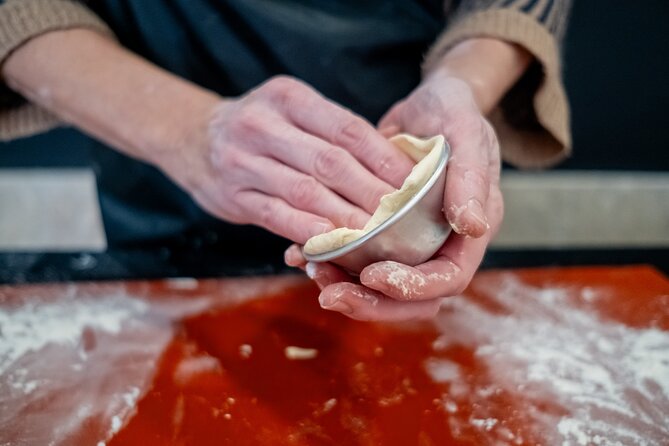
Pastel de nata dough has to behave a certain way. Too much handling, wrong pressure, or rushed steps can affect how it ends up baked and layered. That’s why the workshop emphasizes the sensory part: you’ll feel the dough.
If you’ve ever tried to make pastries from a recipe alone, you know the biggest gap is usually not ingredients—it’s technique. A hands-on class reduces that guesswork.
This kind of tactile learning is also where small groups help. With up to 15 travelers, there’s a better chance the chef can spot what you’re doing and correct you while you work.
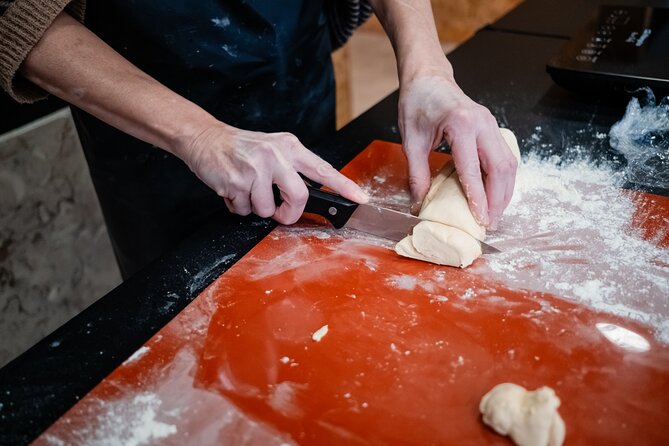
Also, you’ll have an apron and the cleaning/washing up is included. That nudges the whole experience toward learning rather than worrying about mess.
The Custard Cream Step (and the Nata Name Confusion)
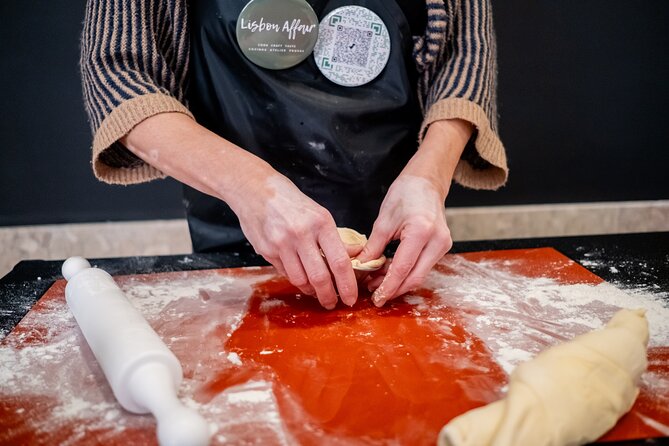
The custard is the heart of the pastel de nata. This class specifically mentions cooking the custard cream and includes instruction on the tips that create that signature flavor.
There’s also a neat bit of context baked into the teaching. The description notes that the dessert does not have nata, and the workshop will explain what’s going on with that. Without over-guessing the details, the takeaway is this: you’ll understand the name and concept enough to stop thinking of the tart as a simple ingredient list.
That explanation can change how you approach flavor and expectations. Sometimes with traditional foods, the name points you in the wrong direction unless someone clears it up.
Refreshments Are Included for a Reason
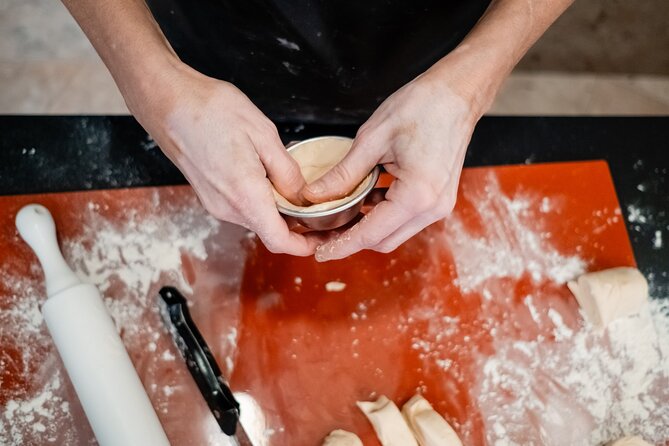
It’s easy to dismiss drinks as a throw-in. But here, the refreshments matter because the class is action-based for about 2 hours. You’re likely to be doing repetitive tasks, tasting, and adjusting as you go.
You’ll be offered:
- Tea or coffee
- Orange juice
- Water
I like that setup because it keeps the workshop comfortable. It also makes the tasting feel like part of the session, not a rushed afterthought.
Digital Recipes in English: Your Real Souvenir
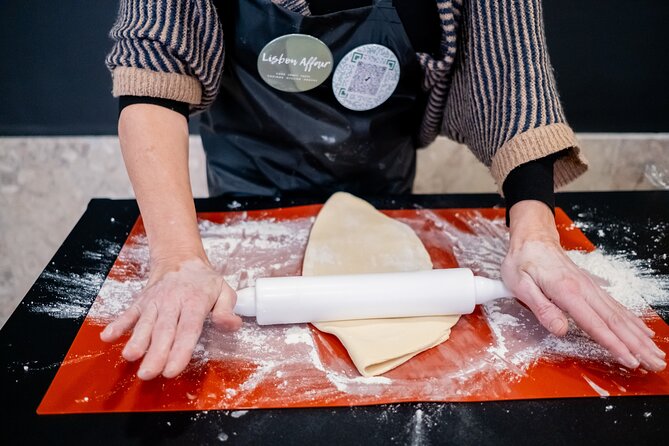
A lot of food classes give you a story and a photo. This one adds something more practical: digital recipes in English.
That means you can recreate the process later, with fewer gaps. If you’ve ever tried to bake from memory, you’ll appreciate having a clear reference right after you learn the technique.
It’s also useful if you’re traveling with limited time. You don’t need to pack paper notes in your bag. You can pull the recipe up on your phone when you cook at home.
Instructor Quality: Why Beatriz, Bernardo, and Carla Show Up in Reviews
Strong teaching makes or breaks a cooking class. The reviews for this experience repeatedly mention instructors by name—especially Beatriz, and also Bernardo and Carla—with praise for being fun, patient, and detail-oriented.
A few patterns show up in what people appreciated:
- Friendly guidance while you work step by step
- A light atmosphere that still teaches the technique
- A sense that the chef can answer questions without rushing you
Even one review that notes a chef feeling under the weather still highlights the positive vibe and fun atmosphere. That’s a good sign that the instruction style is resilient and focused on the class experience.
Group Size: The Upside and the One Possible Downside
This workshop has a maximum group size of 15. That’s the cap, not the promise of a tiny class.
The upside is that smaller groups generally mean more feedback on your technique. Reviews include examples of very small sessions (like groups around 5) and also larger ones (like groups around 12 with kids). When you’re in that range, you can still learn and participate.
The downside shows up when a class runs close to the max. One review expressed that it felt like too many people for a hands-on experience and suggested a smaller maximum. So if you’re the type who learns best with constant one-on-one corrections, you’ll want to aim for days that run smaller.
A simple way to handle this: when you book, check the class details and confirm the group size shown for your date if that info is available in the booking flow. If it’s capped at 15, just keep expectations flexible.
Who This Pastel de Nata Class Fits Best
This is ideal if you:
- Want a skill-based Lisbon food experience, not only a tasting
- Like traditional sweets and want the method behind them
- Prefer a small group setting
- Want English guidance and take-home recipes
It also works well for couples. Some reviews highlight the experience as a great afternoon together.
Families can fit too. One review mentions a group that included kids, with the chefs teaching effectively and keeping things fun. If you’re traveling with children, this is the kind of activity that can turn food curiosity into something hands-on and memorable.
What to Do Before You Go (Practical Tips)
No special gear is listed beyond what the class provides. You’ll get:
- Apron
- Instruction
- Drinks and tasting
- Cleaning/washing up
So your prep is mostly about comfort and expectations:
- Wear clothes you don’t mind getting a little pastry-adjacent.
- Bring your appetite—there’s tasting, and you’ll also want to enjoy what you make.
- If you care about hands-on coaching, consider choosing a date that might run smaller rather than one likely to fill the full cap.
And since it’s near public transportation, you won’t need to plan a long taxi ride if your Lisbon day already involves buses or trams.
Booking, Timing, and When You Should Plan Ahead
This activity has good demand. On average it’s booked around 16 days in advance, so if your trip overlaps a busy travel window, booking early can save you from picking a less convenient time slot.
You’ll also receive confirmation at booking, and you’ll use a mobile ticket on arrival. That’s convenient for travelers who prefer to travel light.
If you’re planning several food stops in Lisbon, pair this with something nearby after it ends. Since it returns to the starting point, it’s easy to roll right into a lunch or a stroll.
Should You Book This Pastel de Nata Class?
I’d book it if you want more than a dessert souvenir. For $64.81, you’re getting hands-on coaching for the two big parts—dough and custard—plus tasting and take-home English digital recipes. That combination makes it easier to turn Lisbon’s favorite sweet into something you can reproduce at home.
I’d hesitate only if you strongly require a very small class atmosphere for maximum hands-on attention. The cap is 15, and one review flagged that a fuller class can feel less personalized. If you’re okay with a bit of crowding risk and you’re mainly there to learn the process, you’ll likely still come away happy.
Bottom line: if pastel de nata is on your Lisbon must-do list, this is a practical way to learn the method behind the flavor—and leave with enough guidance to try again later.
FAQ
How long is the Pastel de Nata pastry class in Lisbon?
The class lasts about 2 hours.
Is the class offered in English?
Yes. The experience is offered in English.
What’s the group size for this cooking class?
It has a maximum of 15 travelers.
What’s included in the price?
Included are the pastry class, tasting, orange juice and water, coffee or tea, digital recipes in English, and use of an apron plus cleaning/washing up.
Do I get recipes to use at home?
Yes. You’ll receive digital recipes in English.
Where does the class start, and do you return there?
The class starts at Lisbon Affair – Cooking Classes Lisbon, Av. de Roma 87B, 1700-344 Lisboa, Portugal and ends back at the meeting point.
What is the cancellation policy?
You can cancel for a full refund up to 24 hours in advance of the experience’s start time.
More Workshops in Lisbon
- Lisbon: Pastel de Nata Baking Class★ 4.9 · 2,106 reviews
- Lisbon: Traditional Portuguese Cooking Class★ 4.9 · 592 reviews
- Pastel de Nata Pastry Class: Bake and Enjoy Your Own Treats★ 5.0 · 485 reviews
- Lisbon: 2-Hour Pastel de Nata Cooking Class★ 4.8 · 461 reviews
- Lisbon Portuguese Cooking Class with 3-Course Dinner★ 5.0 · 445 reviews
More Tour Reviews in Lisbon
- Lisbon City Center Tour – The Unmissable Lisbon★ 5.0 · 22,234 reviews
- Lisbon: Sintra, Pena, Regaleira, Cabo da Roca & Cascais★ 4.7 · 19,656 reviews
- Lisbon Card: 24, 48, or 72-Hour Pass★ 4.5 · 17,944 reviews
- Lisbon: Jerónimos Monastery Entrance Ticket★ 4.1 · 14,164 reviews
- Lisbon: History, Stories and Lifestyle Walking Tour★ 4.8 · 10,902 reviews
Bake Another Batch of Nata
- Lisbon: Pastel de Nata Baking Class★ 4.9 · 2,106 reviews
- Pastel de Nata Masterclass at a Real Bakery in Downtown Lisbon★ 5.0 · 491 reviews
- Pastel de Nata Pastry Class: Bake and Enjoy Your Own Treats★ 5.0 · 485 reviews
- Lisbon: 2-Hour Pastel de Nata Cooking Class★ 4.8 · 461 reviews
- Pasteis de Nata Baking Class from Lisbon★ 5.0 · 248 reviews
Just in: fresh Lisbon reviews from the team





Pastel de Nata Classes, compared.
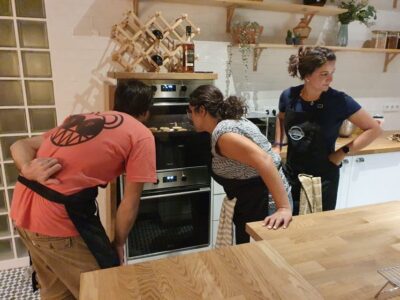 ★ 4.9Pastel de Nata Baking ClassFrom $642,106 reviews
 ★ 5.0Pastel de Nata Masterclass at a Real Bakery in Downtown LisbonFrom $84491 reviews
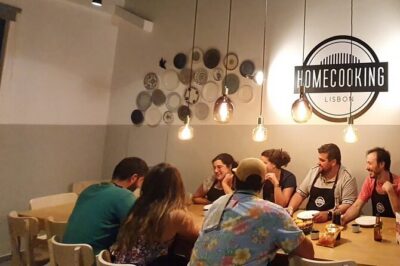 ★ 5.0Pastel de Nata Pastry Class: Bake and Enjoy Your Own TreatsFrom $66485 reviews
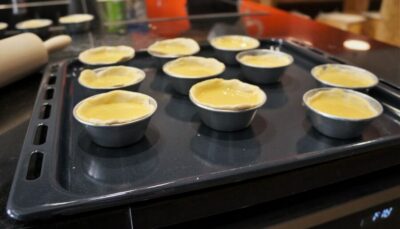 ★ 4.82-Hour Pastel de Nata Cooking ClassFrom $64461 reviews
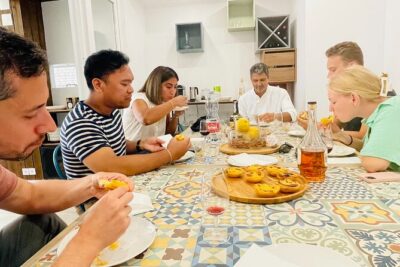 ★ 5.0Pasteis de Nata Baking Class from LisbonFrom $78248 reviews
 ★ 4.9Pastel de Nata Masterclass at a Real BakeryFrom $82206 reviews
 ★ 4.9Catamaran Cruise with Drinks & Pastel de NataFrom $47153 reviews
 ★ 5.0Pasteis de Nata Baking ClassFrom $76134 reviews
Browse the lists this tour appears in