
One walk, three centuries of Lisbon. I love how this 4-neighborhood route ties together the city’s big-picture turning points and everyday street life, and you also get a free pastel de nata tasting break that feels genuinely Lisbon, not touristy fluff. Plus, the pacing works for real sightseeing: a steady march with chances to stop and look around.
One watch-out: tipping works on a pay-what-it’s-worth vibe, and one guest said they’d rather handle costs upfront instead of separately for the guide. So if you’re the type who hates “extra steps,” plan for that before you go.
In This Review
- Key things I’d circle on your map
- Why this 3-hour walking tour hits the sweet spot
- Meeting at Praça Luís de Camões (and what to look for)
- Bairro Alto: views, street energy, and why people build up
- Chiado: the middle of the story
- Baixa and Praça do Comércio: the earthquake story in walking form
- The Santa Justa Elevator moment
- The short break and pastel de nata tasting: included, but plan your appetite
- Carmo Convent: one stop that shifts the mood fast
- Salazar, the Carnation Revolution, and Portugal’s “then and now”
- Jewish Memorial, Portuguese Inquisition, and Lisbon’s layered communities
- Alfama: Moorish legacy, long views, and ending at Portas do Sol
- Practical stuff that will make or break your experience
- Shoes and pacing
- Group size and vibe
- What’s allowed
- Value and price: what $3.69 actually means for your wallet
- Who should book this tour (and who should skip it)
- Should you book this Lisbon walking tour?
- FAQ
- Where do I meet for the tour?
- Which neighborhoods does the tour cover?
- Is the pastel de nata tasting included?
- How long is the tour, and what languages are offered?
- Do I need to tip the guide?
- Is the tour wheelchair accessible?
Key things I’d circle on your map
- Four historic districts in one loop: Bairro Alto, Chiado, Baixa, and Alfama, all connected by foot.
- Icon stops you can’t miss: views tied to Santa Justa Elevator and the mood-shift of Carmo Convent.
- 20th-century Portugal in plain language: the Salazar dictatorship and the Carnation Revolution are built into the street story.
- A food moment that’s actually included: a tasting of the best pastel de nata in Lisbon, plus optional vendor stops.
- You learn faster than reading alone: Roman and Barbarian invasions, Lisbon’s earthquake story, monarchy vs. republic, and more—woven into the walk.
- Small-group feel: around 15 people, which keeps Q&A and explanations from getting lost.
Why this 3-hour walking tour hits the sweet spot
Lisbon is one of those cities where the streets can feel like a movie set—pretty, yes, but also layered with events you only understand once someone points at the clues. That’s what this tour does well: it turns famous landmarks into story markers.
You get a tight 3-hour format that’s long enough to connect the dots, but short enough to still enjoy the rest of your day on your own. And because it’s a walking tour of compact areas, you’re not spending your limited time on logistics you can’t control.
Still hungry? More tastings around Lisbon
- Winner 2025 Undiscovered Lisbon Food & Wine Tour by Eating Europe
★ 5.0 · 6,390 reviews - Lisbon: Food and Wine Small Group Walking Tour
★ 4.9 · 4,082 reviews - Lisbon Small-Group Portuguese Food and Wine Tour
★ 5.0 · 3,972 reviews - Lisbon: Baixa District Food Tour with Dinner and Drinks
★ 4.9 · 1,997 reviews
Meeting at Praça Luís de Camões (and what to look for)
You start at Praça Luís de Camões, and you’ll spot the team from Tours Of My Life by their logo on black umbrellas and matching T-shirts. That simple cue matters in Lisbon, where street corners can look nearly identical from a distance.
From the start, you’ll know what the guide is planning to cover: neighborhoods, key landmarks, and the big historical threads (the ones that explain why Lisbon looks the way it does today). Guides for this tour are English and Spanish speakers, and in recent groups you might meet guides like Beatrice or Francisco, who both come across as genuinely enthusiastic about sharing Lisbon.
Bairro Alto: views, street energy, and why people build up
Bairro Alto is where you feel Lisbon’s character right away—tight streets, lots of movement, and neighborhoods layered on top of older ones. On this tour, it isn’t just about looking; it’s about understanding why this area developed the way it did.
You’ll also hear fun facts and culture notes that help you read what you see. Think of it as a primer in how Portuguese daily life and habits grew around the city’s geography and history. It’s a helpful mental warm-up before you move downhill and into the more formal-looking downtown areas.
If you come on a day with sun and you’re not used to hills, this is where comfortable shoes pay off. You’ll be standing, turning, and walking—less “marathon,” more steady exploration.
Chiado: the middle of the story
Chiado often feels like the bridge between Lisbon’s older bones and its more modern identity. It’s also a smart place to pause mentally, because the tour uses Chiado to connect the political and historical themes to what you’re seeing in real time.
This stop tends to work best if you like facts that explain behavior—like how Lisbon’s major events (earthquakes, regime changes, and social shifts) shaped what came next. You’re not just memorizing dates. You’re learning what those changes meant for neighborhoods, monuments, and even how the city tells its own story.
Lisbon at walking pace, a few more routes
Baixa and Praça do Comércio: the earthquake story in walking form
Then you step into Baixa (Downtown), and this is where the tour gets especially practical. Baixa isn’t just scenic; it’s designed, planned, and reshaped—so it’s the perfect place for the guide to talk about the Great Earthquake of 1755 and what followed.
You’ll hear how the city moved between monarchy and the republic, and how Lisbon’s structure reflects those upheavals. Walking through Baixa helps you understand history as “built environment,” not just classroom material.
Also, you’ll get references that go beyond architecture. The guide talks about Lisbon as a city of spies in World War II—one of those story angles that makes you look twice at streets that otherwise look ordinary. It’s a fun way to connect global events to local places.
The Santa Justa Elevator moment
As part of this downtown section, you’ll see the Santa Justa Elevator area. Even if you don’t ride it, it’s a landmark that signals how Lisbon blends steep terrain with clever design. The tour’s value here is context: you understand why this kind of structure belongs in Lisbon rather than treating it like a standalone postcard.
The short break and pastel de nata tasting: included, but plan your appetite
In the middle of the walk, there’s a short 10-minute break in Baixa and then a food tasting moment. This is where the tour earns its keep for many people: you don’t just hear about Portugal—you taste a signature dessert on the spot.
You get a tasting of the best pastel de nata in Lisbon, and the tour also includes access to local fair price vendors as optional tastings. That optional part is important. If you’re curious, you can sample more. If you’re not, you’re not forced into extra spending just to have a “full experience.”
Tip for your day: if it’s warm, pastel de nata can be best enjoyed slowly. Don’t rush the group pace here—take a minute, get water if you need it, and reset your energy.
Carmo Convent: one stop that shifts the mood fast
Later on, you’ll see Carmo Convent, and this is the kind of landmark that changes how you feel about Lisbon’s history. The tour uses it as a visual anchor for Portugal’s longer story—then it links those older layers to the country’s more recent political shifts.
What I like about this part is that it doesn’t treat 20th-century history like an academic add-on. It’s tied to the places you’re physically walking past. You’ll also hear about Salazar’s dictatorship and the Carnation Revolution, which helps you understand how Lisbon moved from one era of control to a different era of change.
Salazar, the Carnation Revolution, and Portugal’s “then and now”
When a walking tour mentions dictatorship and revolution, you might worry it will turn grim or complicated. Here, it’s presented as city-scale history: not just who ruled, but what changed and why the shift mattered.
You’ll also hear Lisbon as a city of spies in World War II, plus how Portugal’s earlier conflicts connect into later decades. It’s a lot of themes for three hours, but the guide keeps it moving with street-level context.
If you like history, you’ll leave with a clearer timeline—one that sticks because you attached it to landmarks like Carmo Convent and key downtown areas.
Jewish Memorial, Portuguese Inquisition, and Lisbon’s layered communities
Some cities feel like a single storyline told over and over. Lisbon is different. On this tour, you’ll also learn about the Jewish Memorial and hear about the Portuguese Inquisition.
This part works best if you’re the kind of traveler who enjoys “why this matters” conversations. You’re not only looking for ornate buildings—you’re learning about the human stories behind the walls. Even if you don’t consider yourself a history nerd, this angle tends to land well because it adds texture to the city.
Alfama: Moorish legacy, long views, and ending at Portas do Sol
Finally, you move into Alfama, Lisbon’s old-soul district with that classic mix of stone streets and viewpoints. This tour frames Alfama with Portugal’s Moorish legacy, which is one of those explanations that makes the area feel more coherent.
As you go, listen for how the guide connects the idea of older invasions and boundaries—like the Roman and Barbarian invasions—to the way Lisbon developed over time. It’s not just “old place.” It’s “old place with a reason.”
You end at Largo das Portas do Sol, a fitting finish because the name alone cues you to expect views. By the time you arrive, you’re usually ready to pause, take photos, and just watch the city.
Practical stuff that will make or break your experience
Shoes and pacing
This tour is walking-focused, and it’s not built for long, slow sightseeing breaks. Bring comfortable shoes and expect hills and uneven streets. If you’re someone who needs frequent rests, you might prefer a slower paced day plan after this.
Group size and vibe
A group of about 15 people keeps things friendly. That’s large enough for energy, small enough for questions and stop-and-go explanations without feeling chaotic.
What’s allowed
The tour states no alcohol and no drugs, and it also doesn’t allow party groups like bachelor or bachelorette parties. If you want a calm, respectful history and food break, that ruleset helps.
Value and price: what $3.69 actually means for your wallet
The price listed here is extremely low for a 3-hour guided walk with a included tasting. Even if that sounds almost too good to be true, the bigger value isn’t the number—it’s what’s included: a guaranteed place, a pastel de nata tasting, and a guided route through multiple neighborhoods.
The only thing you should actively plan for is gratuity. Tipping isn’t included, and the tour uses a fair, pay-what-it’s-worth approach. If you’re traveling on a strict budget, decide your tip amount before you start your walk. That removes the awkward moment at the end.
Who should book this tour (and who should skip it)
This tour is a strong fit if you:
- want a tight introduction to Lisbon’s history across neighborhoods
- like learning in small doses tied to what you see
- enjoy one included food tasting and optional vendor samples
- prefer a guided route so you don’t waste half a day figuring out what to visit
You should probably skip it if you:
- need a wheelchair-accessible itinerary (it’s listed as not suitable for wheelchair users)
- want a tour with zero “extra steps” at the end for the guide (because tipping isn’t included)
- want a party atmosphere (the tour rules prohibit that)
Should you book this Lisbon walking tour?
Yes—if you want an efficient, story-based way to understand Lisbon in three hours, this is the kind of tour that makes your next day easier. The mix of neighborhoods, major landmarks like Santa Justa Elevator and Carmo Convent, plus Portugal’s political story and a free pastel de nata tasting adds up fast.
Book it if you’ll enjoy walking and listening, and if you’re okay handling tip as your final decision. Skip it if mobility or a strict “no extras” budget style is a must.
FAQ
Where do I meet for the tour?
You meet on Praça Luís de Camões. Look for the Tours Of My Life team with the logo on black umbrellas and t-shirts.
Which neighborhoods does the tour cover?
The tour focuses on Bairro Alto, Chiado, Baixa (Downtown), and Alfama.
Is the pastel de nata tasting included?
Yes. The tour includes a tasting of the best pastel de nata in Lisbon, plus access to local fair price vendors for optional tastings.
How long is the tour, and what languages are offered?
The tour lasts 3 hours. Guides speak English and Spanish.
Do I need to tip the guide?
Gratuity for the guide is not included. If you enjoyed the tour, the guide says appreciation is welcomed through tipping, using a fair principle.
Is the tour wheelchair accessible?
No. The tour is listed as not suitable for wheelchair users.
More Tour Reviews in Lisbon
- Lisbon City Center Tour – The Unmissable Lisbon★ 5.0 · 22,234 reviews
- Lisbon: Sintra, Pena, Regaleira, Cabo da Roca & Cascais★ 4.7 · 19,656 reviews
- Lisbon Card: 24, 48, or 72-Hour Pass★ 4.5 · 17,944 reviews
- Lisbon: Jerónimos Monastery Entrance Ticket★ 4.1 · 14,164 reviews
- Lisbon: History, Stories and Lifestyle Walking Tour★ 4.8 · 10,902 reviews
More of Lisbon, One Hill at a Time
- Lisbon: History, Stories and Lifestyle Walking Tour★ 4.8 · 10,902 reviews
- Best of Lisbon Small-Group Guided Walking Tour★ 5.0 · 4,869 reviews
- Lisbon: Food and Wine Small Group Walking Tour★ 4.9 · 4,082 reviews
- Best of Lisbon Walking Tour: Rossio, Chiado & Alfama★ 4.9 · 2,700 reviews
- Age of Discoveries Walking Tour in Belém★ 5.0 · 1,513 reviews
More Lisbon Plates and Pours
- Winner 2025 Undiscovered Lisbon Food & Wine Tour by Eating Europe★ 5.0 · 6,390 reviews
- Lisbon: Food and Wine Small Group Walking Tour★ 4.9 · 4,082 reviews
- Lisbon Small-Group Portuguese Food and Wine Tour★ 5.0 · 3,972 reviews
- Lisbon: Baixa District Food Tour with Dinner and Drinks★ 4.9 · 1,997 reviews
- Lisbon Small-Group Food Tour with 18 Tastings in Alfama District★ 5.0 · 1,967 reviews
Just in: fresh Lisbon reviews from the team





Lisbon Walking Tours, compared.
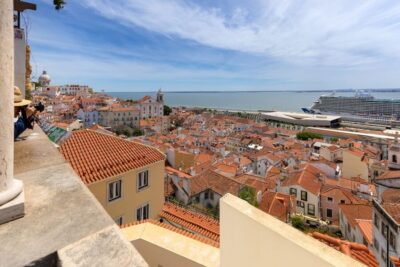 ★ 4.8History, Stories and Lifestyle Walking TourFrom $2910,902 reviews
 ★ 5.0Best of Lisbon Small-Group Guided Walking TourFrom $234,869 reviews
 ★ 4.9Food and Wine Small Group Walking TourFrom $724,082 reviews
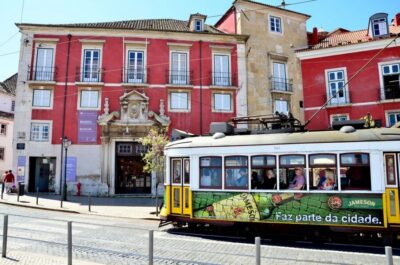 ★ 4.9Best of Lisbon Walking Tour: Rossio, Chiado & AlfamaFrom $232,700 reviews
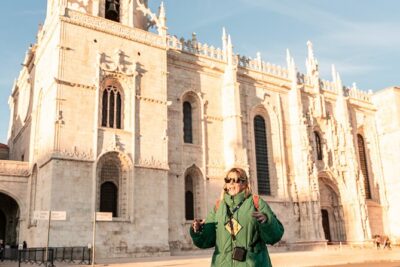 ★ 5.0Age of Discoveries Walking Tour in BelémFrom $31,513 reviews
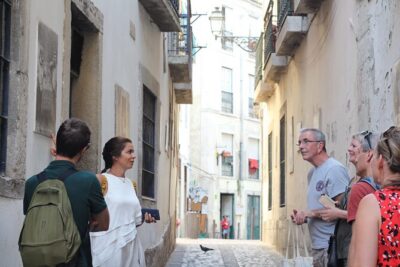 ★ 5.0Lisbon Roots – Small group Food & Culture Walking Tour w/tastingsFrom $168910 reviews
 ★ 4.9Starter Walking Tour to the highlights in GermanFrom $33781 reviews
 ★ 4.1Lisbon Tram No. 28 Ride & Walking TourFrom $23766 reviews
Browse the lists this tour appears in