
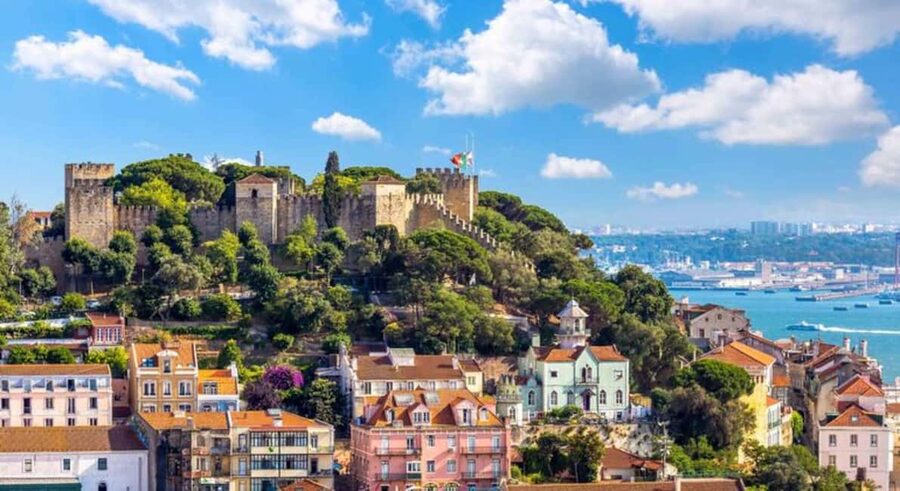
Reviewed · LISBON WALKING TOURS
Lisbon Through the Eyes of a Local – Food and Walking Tour
Lisbon is best learned one street at a time. This Baixa to Alfama walking tour pairs major sights with real food stops, so you walk away knowing where to go next. I especially like the way the guide stitches history and legends into what you’re looking at, not just recites dates.
I also love the tastings that hit the local classics in context: fresh pastéis de nata in Baixa, plus sweet cherry ginjinha and chocolate in Alfama. The main thing to consider is that it’s a walking-and-photo format with quick stops, so if you want long museum-style pacing or a full sit-down meal, this isn’t that kind of tour.
In This Review
- Key moments that make this tour worth your time
- From Rossio to Alfama: why this route feels local
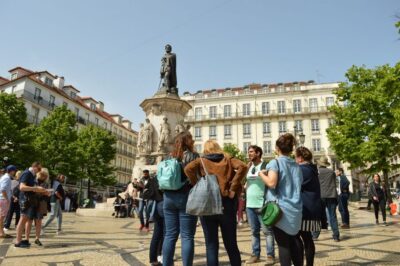
- Where you meet: the Rossio Square starting point
- São Domingos Square and Church: small stops with big meaning
- Praça da Figueira to Rua Augusta: walking the center like a pro
- The bakery stop: pastéis de nata, done the Lisbon way
- Rua Augusta Arch and Praça do Comércio: big views with context
- Alfama on foot: ginjinha, chocolate, and story-rich streets
- Lisbon Cathedral (Sé de Lisboa): where the tour slows just enough
- Elevador de Santa Justa: why it’s included and when to use it
- The guide’s recommendations: how you actually turn a tour into a plan
- Value and pacing: $17 for two hours of Lisbon
- Practical travel tips before you go
- Who this tour is best for
- Should you book this Lisbon local food and walking tour?
Key moments that make this tour worth your time
- Rossio Square meetup under the Column of Pedro IV, then you’re moving right away.
- São Domingos Square and Church for architecture and stories before the route really heats up.
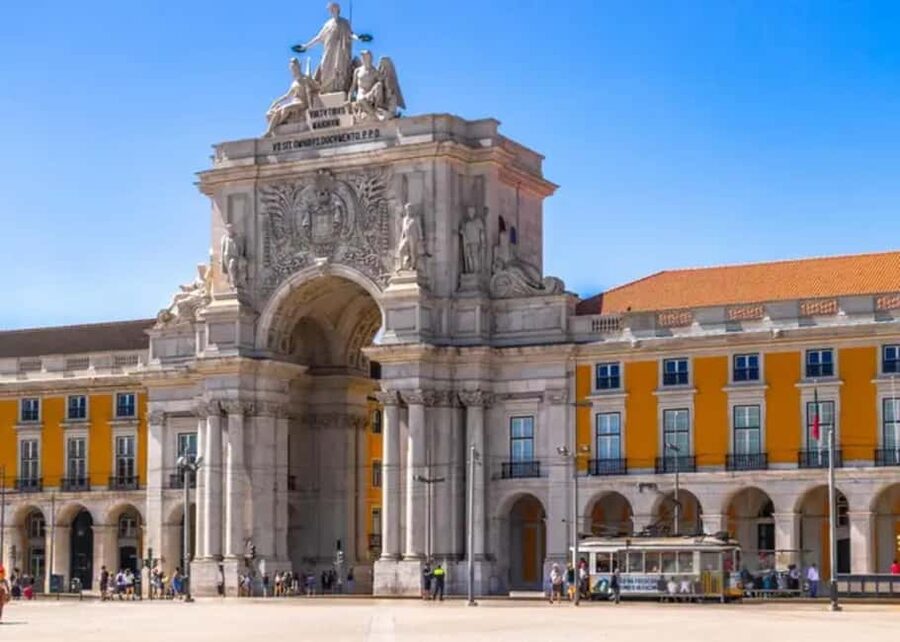
- Rua Augusta and its arch for big-city views and photo moments through central Baixa.
- A local bakery stop where you taste pastéis de nata as part of the walk.
- Alfama lanes with ginjinha + chocolate plus a wine tasting stop for a sweet, local payoff.
- A final restaurant list so your trip keeps going after the 2 hours.
From Rossio to Alfama: why this route feels local

If you’ve only got a couple hours in Lisbon, this tour is a smart way to get oriented fast. You start in the classic center and then work your way into Alfama, the area that feels oldest, most lived-in, and most full of story. The walk isn’t random. It’s paced so each neighborhood has a different mood: straight-and-busy Baixa, then winding Alfama.
The value here is not just the sights. It’s the guide’s ability to translate the city. You’re not only looking at landmarks; you’re learning why they matter, and you get little myths and legends that explain Lisbon’s quirks. Guides are often praised for being funny and animated too. Francisco is a common name you’ll see in feedback, with others like Chico and JLO also mentioned as great hosts—so the odds are good you’ll get a lively English guide.
The food is the other big reason this works. Lisbon’s best hits can feel scattered across the city, but here they’re built into the walk, including pastéis de nata and ginjinha with chocolate.
Lisbon at walking pace, a few more routes
- Lisbon: History, Stories and Lifestyle Walking Tour
★ 4.8 · 10,902 reviews - Best of Lisbon Small-Group Guided Walking Tour
★ 5.0 · 4,869 reviews - Lisbon: Food and Wine Small Group Walking Tour
★ 4.9 · 4,082 reviews - Best of Lisbon Walking Tour: Rossio, Chiado & Alfama
★ 4.9 · 2,700 reviews
Where you meet: the Rossio Square starting point
You’ll meet under the Column of Pedro IV in the middle of Praça do Rossio. This matters more than it sounds. Rossio is one of those squares that can be a little chaotic if you’re hunting for your group, and meeting at a clear, central landmark helps you start stress-free.
From the beginning, the tour keeps a steady rhythm: short guided stops plus time to take photos and ask questions. That pace is a big part of why the tour fits so well as an early trip activity. It helps you understand the layout of Baixa-Chiado and then connect it to Alfama’s geography.
If you want the best experience, arrive a few minutes early and be ready for the guide to set expectations right away—where you’re walking, what you’re looking for, and what to watch out for as a visitor.
São Domingos Square and Church: small stops with big meaning
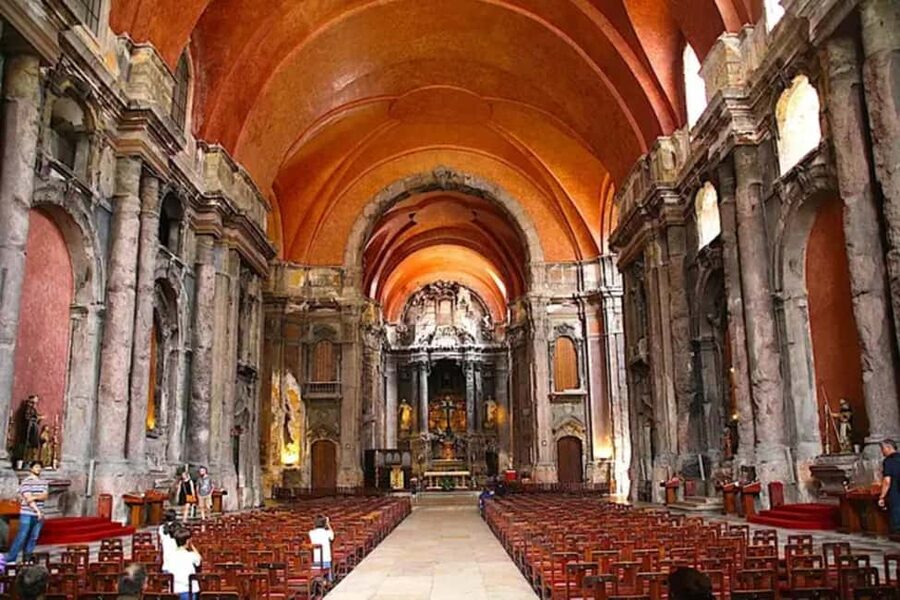
The route quickly pulls you into the older, more story-heavy side of Baixa. You’ll have a photo stop at St. Dominic’s Square, then move to the Church of São Domingos for another photo stop and a guided visit.
This is a good early anchor because it sets up Lisbon’s layers. The guide typically connects what you see—buildings, symbols, and the feel of the streets—to how the city developed. You’ll likely hear myths and legends in addition to straightforward history, which keeps these stops from feeling like a checklist.
One practical note: churches are usually calm, but your time there is still short. If you want extra time inside for photos or quiet viewing, treat the tour moment as a preview. Use what you learn to plan a longer return later.
Praça da Figueira to Rua Augusta: walking the center like a pro
Next comes the central corridor: Praça da Figueira and then Rua Augusta. This section is all about Lisbon’s main pedestrian axis and the sense of momentum. You’ll get photo stops and guided context as you move.
Rua Augusta is one of the places you’ll keep seeing in your trip photos, but the guide’s job is to make it more than a pretty street. You’ll learn what the area represents in the city’s identity, and you’ll pick up on the details that most people skip because they’re only thinking about shopping.
The tour keeps moving, so don’t expect a long sit-down break here. But you’ll understand the city’s center layout quickly, which pays off later when you’re trying to choose directions without doubling back.
Worth a look before you lock anything else in around Lisbon:

The bakery stop: pastéis de nata, done the Lisbon way
A highlight is the local bakery stop in the middle of the walk. You’ll have a photo stop, a visit, dessert time, and guided explanation—plus free time to enjoy what’s in front of you.
This is where pastéis de nata stop being just a must-try item and become something you can actually judge. You’ll taste them fresh as part of the tour flow, not hours later from a random stall. That timing changes the experience. They’re best when they’re warm, crisp around the edges, and creamy inside.
How to make the most of this stop:
- Eat yours soon after you’re served so the texture holds up.
- Pay attention to the custard-and-crisp contrast. This is what makes Lisbon’s version stand out.
- If you’re with a group, don’t get stuck in a long conversation before you taste. The pastry window is real.
There’s also often a lot of chatter during the food moment. That’s not a drawback—it’s part of why this stop lands well. It’s a natural pause that makes the next neighborhood feel like a change in atmosphere.
Rua Augusta Arch and Praça do Comércio: big views with context
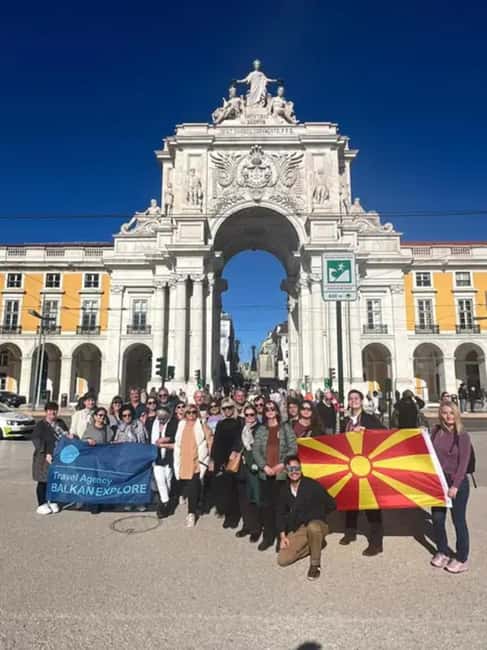
After Rua Augusta, you’ll reach the Rua Augusta Arch for another photo stop and guided sightseeing. Then you’ll arrive at Commerce Square (Praça do Comércio).
This section is your payoff for walking through the center. You get open space and classic Lisbon views that help you orient yourself. The arch frames the city in a way that makes the photos look instant and dramatic, even when you’re not trying.
Praça do Comércio is also where the city feels connected to the water. Even if you’re not taking a sunset cruise, this square helps you visualize where Lisbon sits and why it developed the way it did.
If you’re prone to motion sickness or tired legs, pace yourself here. The tour keeps it manageable, but this is the part where you’ll likely notice you’ve been walking for a bit.
Alfama on foot: ginjinha, chocolate, and story-rich streets
Alfama is the star segment for most people. The tour includes a stop for Alfama with photo time, guided sightseeing, and a wine tasting element. Then you’ll also try ginjinha (cherry liqueur) along with chocolate tasting.
This is a smart pairing. Ginjinha has that tart-sweet bite, and chocolate helps round it out. Together, they make the tasting memorable instead of just being a token sip.
In Alfama, the guide’s explanations tend to get more colorful—myths, legends, and the way Lisbon’s old quarters keep their personality even as visitors flow through. You’ll walk streets you might not pick on your own, and the guide typically points out details that don’t scream tourist appeal.
A tip that’s worth following: don’t rush through your Alfama photos. The lanes and angles can look similar if you’re moving fast. Slow down for a few frames, then listen for the story you’re being told. After that, you’ll notice more than you would otherwise.
Lisbon Cathedral (Sé de Lisboa): where the tour slows just enough
Next is Sé de Lisboa (Lisbon Cathedral). You’ll stop for a guided tour and sightseeing, with time that can include shopping nearby.
This is a good “final neighborhood anchor.” By now, you’ve seen the movement of Baixa and the texture of Alfama. The cathedral gives you a sense of Lisbon’s long timeline in a single place.
Practically, it also gives you a chance to reset. If your feet are feeling it, this stop is a better moment to stand, look around, and take in the atmosphere rather than pushing to keep snapping photos every second.
Elevador de Santa Justa: why it’s included and when to use it
The tour includes Elevador de Santa Justa. Even if you don’t ride it during the tour, it’s a big part of Lisbon’s visual identity. The fun is that it ties into the city’s dramatic slopes and how people move between levels.
If you want to use it during your trip, consider this tour your timing cue. You’ll know roughly where it fits into the route, and you’ll feel more confident choosing whether to spend the money or just enjoy the view from street level.
The guide’s recommendations: how you actually turn a tour into a plan
One of the most praised parts of this experience is what happens after the walking ends. Guides like Francisco (and others mentioned such as Chico and JLO) often share a long list of suggestions for places to eat and drink, and they’ll typically tailor recommendations to what you like.
That matters because Lisbon can be tricky if you only rely on apps. It’s easy to end up in a restaurant line that looks good but isn’t the best deal or isn’t what fits your style. A guide’s list saves time, and it can help you avoid the most obvious tourist traps.
What I’d do with those recommendations:
- Pick one food plan for the next day and reserve where needed.
- Choose one place for something classic and one place for something more local-feeling.
- If you’re interested in Fado, ask your guide about a reliable option. (This comes up in feedback where a guide steers people to the right kind of experience.)
Also, you’ll likely get honest guidance about what’s worth your time. That honesty is part of the value.
Value and pacing: $17 for two hours of Lisbon
At $17 per person for a 2-hour guided walking and food experience, this is the kind of tour that makes sense early in your trip. You get:
- A guided route through Baixa-Chiado and Alfama
- Tastings including pastéis de nata, ginjinha, and chocolate (plus a wine tasting stop)
- Major sights like Rossio, São Domingos, Rua Augusta, Praça do Comércio, and Sé de Lisboa
For comparison, two separate food purchases plus self-guided walking time could easily add up, especially once you factor in how much effort it takes to figure out the best order. Here, the order is built in. Even if you know Lisbon already, it’s often the guide notes—what to look for, what to ignore, and where to go next—that makes the price feel fair.
Pacing is another plus. The route uses short, efficient segments (often around 15 minutes at stops), which keeps it from dragging. And it’s described as easy paced in feedback, which helps if you’re jet-lagged or traveling solo.
Practical travel tips before you go
A couple things will help your tour day go smoothly:
- Wear comfortable shoes. Alfama is famously more uneven and stair-like than Baixa, and you’ll be walking between viewpoints and churches.
- Come hungry but not starving. You’ll get sweets and liqueur, so you don’t need a huge breakfast beforehand.
- Bring a small bottle of water if you tend to get thirsty while walking.
- Save questions for the guide. The tour invites conversation, and guides often answer everything from Lisbon neighborhoods to day-trip ideas.
Also, if you have questions before you book or before the tour starts, the organizer encourages contacting them on WhatsApp or Signal. That’s a real help if you’re trying to align your schedule with what’s open.
Who this tour is best for
This tour is a great match if:
- You want a quick first taste of Lisbon with food + walking
- You like explanations that connect landmarks to local stories, myths, and legends
- You’d rather follow a smart route than plan everything from scratch
- You want a ready-made list of where to eat and drink after the walk
If you’re traveling with kids who are picky eaters, you might want to check the food details first since the tastings focus on sweet classics and liqueur/chocolate pairings. And if you hate walking or prefer long stops at a museum, you may find the short sightseeing segments don’t match your style.
Should you book this Lisbon local food and walking tour?
Yes, if you want a fast, friendly way to understand Lisbon and eat your way through the highlights. This is especially worth booking early because you’ll leave with both city context and practical restaurant ideas, so your next 1–3 days become easier.
I’d skip it only if you’re looking for a slow pace, a full sit-down meal, or lots of time inside big-ticket attractions. For everyone else, $17 buys you an efficient orientation plus Lisbon’s classic flavors in the neighborhoods where they belong—Baixa for the pastéis de nata moments and Alfama for the ginjinha-and-chocolate payoff.
More Tours in Lisbon
- Lisbon City Center Tour – The Unmissable Lisbon★ 5.0 · 22,234 reviews
- Lisbon: History, Stories and Lifestyle Walking Tour★ 4.8 · 10,902 reviews
- True 4Hour Private Tuk Tuk Tour: Discover Lisbon with a Local!★ 5.0 · 8,008 reviews
- Winner 2025 Undiscovered Lisbon Food & Wine Tour by Eating Europe★ 5.0 · 6,390 reviews
- Lisbon: Sintra, Pena, Cabo da Roca, Cascais Tour with Pickup★ 4.8 · 5,445 reviews
More Tour Reviews in Lisbon
- Lisbon City Center Tour – The Unmissable Lisbon★ 5.0 · 22,234 reviews
- Lisbon: Sintra, Pena, Regaleira, Cabo da Roca & Cascais★ 4.7 · 19,656 reviews
- Lisbon Card: 24, 48, or 72-Hour Pass★ 4.5 · 17,944 reviews
- Lisbon: Jerónimos Monastery Entrance Ticket★ 4.1 · 14,164 reviews
- Lisbon: History, Stories and Lifestyle Walking Tour★ 4.8 · 10,902 reviews
More of Lisbon, One Hill at a Time
- Lisbon: History, Stories and Lifestyle Walking Tour★ 4.8 · 10,902 reviews
- Best of Lisbon Small-Group Guided Walking Tour★ 5.0 · 4,869 reviews
- Lisbon: Food and Wine Small Group Walking Tour★ 4.9 · 4,082 reviews
- Best of Lisbon Walking Tour: Rossio, Chiado & Alfama★ 4.9 · 2,700 reviews
- Age of Discoveries Walking Tour in Belém★ 5.0 · 1,513 reviews
Just in: fresh Lisbon reviews from the team





Lisbon Walking Tours, compared.
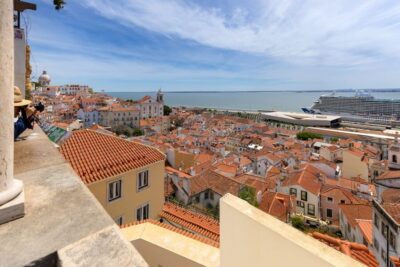 ★ 4.8History, Stories and Lifestyle Walking TourFrom $2910,902 reviews
 ★ 5.0Best of Lisbon Small-Group Guided Walking TourFrom $234,869 reviews
 ★ 4.9Food and Wine Small Group Walking TourFrom $724,082 reviews
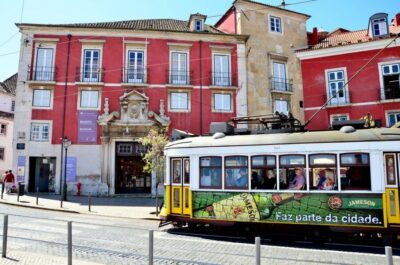 ★ 4.9Best of Lisbon Walking Tour: Rossio, Chiado & AlfamaFrom $232,700 reviews
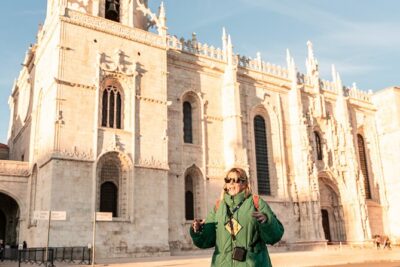 ★ 5.0Age of Discoveries Walking Tour in BelémFrom $31,513 reviews
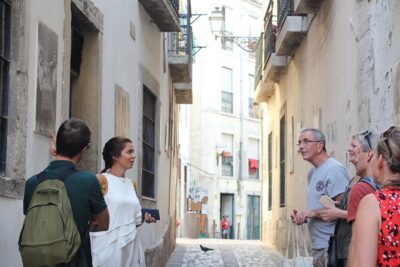 ★ 5.0Lisbon Roots – Small group Food & Culture Walking Tour w/tastingsFrom $168910 reviews
 ★ 4.9Starter Walking Tour to the highlights in GermanFrom $33781 reviews
 ★ 4.1Lisbon Tram No. 28 Ride & Walking TourFrom $23766 reviews
Browse the lists this tour appears in