
Reviewed · LISBON WALKING TOURS
Lisbon: Iconic Landmarks Walking Tour
Lisbon’s landmarks come with a plot twist. This 2-hour walking tour strings together the 1755 earthquake and the Carnation Revolution through streets you can actually stand on, with a local guide turning monuments into stories. I especially like the way it starts at the big riverfront square, then moves you through the city’s layers fast, so you leave with a clear sense of Lisbon’s past without needing a whole museum day.
My only real caution: it’s not suitable for wheelchair users, and you should come ready for sustained walking between viewpoints. Comfortable shoes matter here, even if the pace includes photo stops and guided breaks.
In This Review
- Key highlights worth your attention
- Starting at Praça do Comércio: Lisbon’s riverfront meeting place
- Baixa Pombalina Walk: The earthquake rebuilding plan you can still sense
- Carmo Convent ruins: A memorial you can walk around
- Miradouro de São Pedro de Alcântara and Santa Justa: Rooftop views without the ticket fuss
- Bairro Alto and the Age of Discovery: Explorers explained through everyday streets
- From Salazar to the Carnation Revolution: Peaceful democracy in street-level context
- Price, timing, and who this 2-hour walk fits best
- Getting the most out of your guide’s food and local tips
- Should you book this Lisbon landmarks walking tour?
- FAQ
- Where does the tour start?
- How long is the walking tour?
- What landmarks are included in the route?
- Is the Santa Justa Elevator entrance included?
- What’s included in the price?
- What language will the guide speak?
- Is food included?
- Is the tour suitable for wheelchair users?
- Is it easy to change your plans?
Key highlights worth your attention
- Praça do Comércio: Start at the riverfront hub where Lisbon’s merchant-and-traveler energy makes instant sense
- Baixa Pombalina rebuild: See the post-1755 rebuilding logic in the architecture as you walk
- Carmo Convent ruins: The earthquake reminder is blunt and powerful, not just a plaque
- Miradouro de São Pedro de Alcântara photo stop: A quick viewpoint that helps you orient yourself
- Santa Justa Lift area: You get the birds-eye vibe without needing to commit to paid access during the tour
- Age of Discovery to 1974 democracy: One guide thread connects explorers, dictatorship life, and peaceful change
Starting at Praça do Comércio: Lisbon’s riverfront meeting place

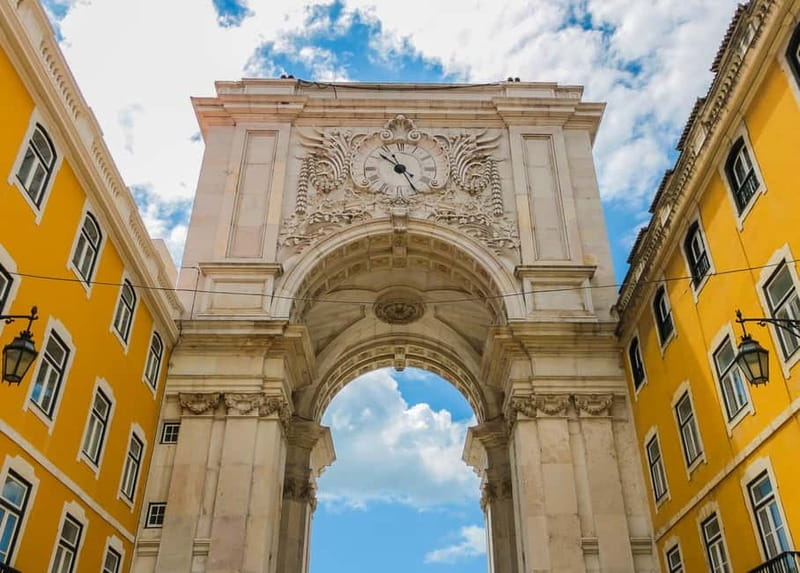
You begin at Praça do Comércio by the statue, right on Lisbon’s most iconic riverside stage. This is a smart start, because from here you get immediate context: Lisbon’s identity has long been tied to ships, trade, and people arriving from somewhere else. The tour guide sets the scene with the square’s role as a hub for merchants and travelers, so later stops don’t feel like random sights stitched together.
You’ll also get a chance to take in the atmosphere and the views. In plain terms, this matters because Lisbon can feel like a puzzle at first—hills, streets, viewpoints, and neighborhoods all pulling you in different directions. Starting on the waterfront is the fast way to get your bearings fast.
If you’re wondering how a two-hour tour can cover so much, it’s because the guide builds momentum here. You’re not just collecting landmarks. You’re learning the key turning points—especially the ones that shaped what Lisbon looks like today.
Lisbon at walking pace, a few more routes
- Lisbon: History, Stories and Lifestyle Walking Tour
★ 4.8 · 10,902 reviews - Best of Lisbon Small-Group Guided Walking Tour
★ 5.0 · 4,869 reviews - Lisbon: Food and Wine Small Group Walking Tour
★ 4.9 · 4,082 reviews - Best of Lisbon Walking Tour: Rossio, Chiado & Alfama
★ 4.9 · 2,700 reviews
Baixa Pombalina Walk: The earthquake rebuilding plan you can still sense
After the opening stop, the route takes you toward Bairro Alto and then over into Baixa. That movement isn’t random. You’re essentially walking through Lisbon’s cause-and-effect.
In Baixa Pombalina, the focus is the city’s rebuilding after the 1755 earthquake. The tour highlights this neighborhood because the architecture reflects decisions made after disaster—how to redesign streets and how to reshape urban life when the ground literally changed. Even if you don’t call yourself a history person, you’ll probably feel the difference as you walk through the rebuilt layout: it comes across as intentional and planned, not a street maze that grew slowly by accident.
This is where the tour earns its keep for first-timers. Many walking tours show you pretty buildings. This one uses them as evidence. The guide explains why the rebuild happened, and then you’re seeing the outcome in real stone and real street geometry. That turns a stroll into something closer to understanding the city’s logic.
A practical note: Baixa is a good time to keep your eyes up as you move. The tour gives you photo stops along the way, but you’ll also catch details you might miss if you’re only thinking about taking pictures.
Carmo Convent ruins: A memorial you can walk around
Next up are the Carmo Convent ruins, and this stop is one of the most gripping moments on the route. The ruins are described as a reminder of Lisbon’s 1755 earthquake, and you can see why: the damage isn’t hidden away or softened into a decorative background. It has a direct, physical presence.
The guided portion here is built around the idea of resilience. You’re not touring an empty shell for aesthetics; you’re learning what it meant that the earthquake was so destructive that even today the city retains visible scars. The guide uses the site to connect the past to present-day Lisbon, which helps you understand why people still talk about 1755 when they’re explaining the city.
What I like about this part is how it slows the pace emotionally. The tour still keeps moving, but the guide gives you enough time—about 20 minutes for the guided tour—so you’re not just passing through. If you’re the type who likes to pause, look, and let the story land, you’ll appreciate Carmo.
Potential drawback: because it’s a ruin-focused stop, it may feel heavier than some travelers expect. If you want only sunny postcard energy, this is the moment when the tour reminds you that Lisbon’s beauty came through hardship.
Miradouro de São Pedro de Alcântara and Santa Justa: Rooftop views without the ticket fuss

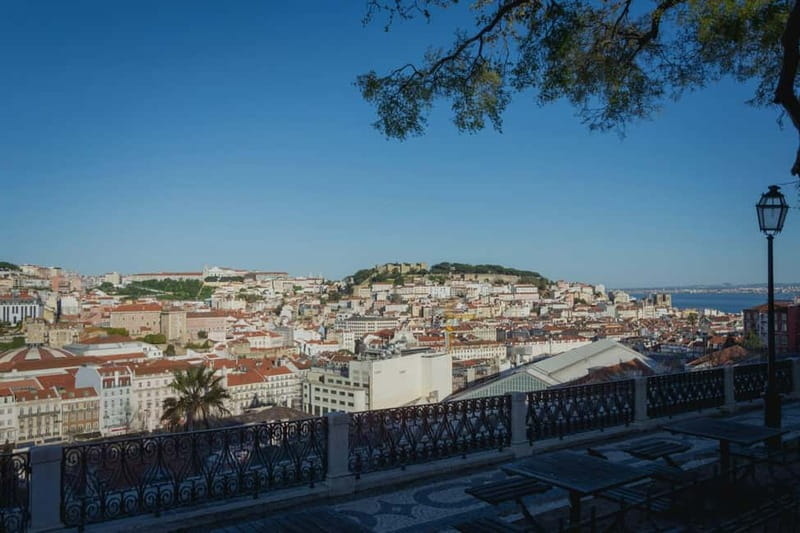
You get a photo stop at Miradouro de São Pedro de Alcântara, and that’s a useful ingredient for any Lisbon walk. Viewpoints do more than provide photos. They help you understand where you are relative to the river, the hills, and the neighborhoods you’ll walk through next. Even if you don’t plan to do a viewpoint circuit on your own, this one acts like a map you can see.
Then there’s the Santa Justa Lift stop, framed as a photo stop. The tour description notes it for a bird’s-eye view idea, which is exactly how you should use the stop: treat it as your chance to spot rooftops and visual patterns, not as the moment to rush into paying for something if you’re not sure it’s worth it for you.
This is a smart choice for value. You’re getting the viewpoint payoff without forcing you to buy additional tickets during the guided portion. After the tour, if you decide the elevator itself is a must-do, you can look into paid access then.
One tip for making these stops work for you: keep your phone charged and your camera ready, because Lisbon views reward quick positioning. The guide builds in time for photos, but you still need to move confidently when the group shifts.
Worth a look before you lock anything else in around Lisbon:

Bairro Alto and the Age of Discovery: Explorers explained through everyday streets
Bairro Alto is where the tour brings in the Age of Discovery story in a way that feels connected to place. The description mentions sailors and explorers who set off on daring voyages, and Bairro Alto is a good neighborhood for this angle because it carries an old-city, street-level feel that helps you imagine life beyond big monuments.
This is also where the tour starts layering in why Lisbon mattered globally. You’ll hear how Portugal’s maritime history shaped the capital, which gives you context for why the city’s story isn’t only about one empire or one war. It’s about movement: ships leaving, people arriving, and Portugal’s identity being formed by what happened beyond its borders.
Another reason I like this stop: guides tend to bring the story down to human scale here. The route moves on foot, so the explanations land like you’re walking inside the narrative, not watching it from a distance.
Based on feedback about guides such as Natalia, Nuno, and Antonio, the stronger guides also handle pacing well—stopping when needed, speaking clearly enough for everyone, and giving time for photos. If you care about a smooth flow rather than a strict march, this is worth noting.
From Salazar to the Carnation Revolution: Peaceful democracy in street-level context
Lisbon doesn’t just have ancient roots. It has modern political history that still affects how people talk about freedom and civic life.
The tour specifically covers life under the Salazar dictatorship and then moves to the Carnation Revolution of 1974, described as peaceful and tied to Portugal’s restored democracy. You won’t get this from a quick photo stop alone. This is the part of the tour that gives you a timeline you can carry around in your head while you’re wandering Lisbon afterward.
What makes it useful is the way the guide ties the political story to what you’re seeing and where you’re walking. Dictatorship and democracy can sound abstract until someone explains how life felt in everyday terms. The tour’s approach helps you connect the fall of the old regime to a place-based reality: Lisbon as the stage where change happened.
I also like that the tour frames the Carnation Revolution as peaceful. It’s a different tone from the way many European history lessons get taught. You’re not only learning what changed—you’re learning how and why it mattered.
Price, timing, and who this 2-hour walk fits best

Let’s talk about value. The price is listed at $4.72 per person for a 2-hour walking tour, and that’s low enough that you should judge the experience by what it includes, not what it excludes. You get an expert local guide and insider tips on where to eat, drink, and explore. You also get multiple major Lisbon landmarks in one loop: Praça do Comércio, Miradouro de São Pedro de Alcântara, Carmo Convent ruins, Santa Justa area, Bairro Alto, and Baixa Pombalina.
So where’s the real value? It’s in the storytelling structure. If you’re new to Lisbon, it’s easy to wander and collect sights without understanding what connects them. This tour gives you that connection in a short window.
Timing is another strength. Two hours is long enough to cover meaningful ground and still short enough to fit into a travel schedule that includes neighborhoods, meals, and a day trip or two.
Who it suits best:
- First-timers who want an organized introduction to Lisbon
- People who like history told through actual streets and buildings
- Anyone who wants a few high-impact landmarks without stacking paid tickets
Who might hesitate:
- Anyone who needs wheelchair accessibility, since it’s not suitable for wheelchair users
- People who don’t want political history woven into the sightseeing
And bring comfortable shoes. The tour is straightforward, but you’ll want legs that are ready for continued walking.
Getting the most out of your guide’s food and local tips

The tour includes insider tips, and this can matter as much as the landmarks. The best guides don’t just explain what you’re looking at; they help you choose what to do next.
Feedback highlights that guides like Natalia, Nuno, and Antonio have been praised for clear explanations and for giving time to explore and sample local drinks, along with recommending where to eat and places to check out after the tour. Even if you’re not planning a food-focused itinerary, that kind of guidance can steer you away from generic convenience and toward neighborhoods that fit your pace.
My practical advice: after the tour, immediately act on one or two recommendations while the neighborhood context is still fresh in your head. Lisbon is full of options. A good guide helps you narrow them down fast.
Should you book this Lisbon landmarks walking tour?
I’d book it if you want a compact, story-driven Lisbon introduction. Starting at Praça do Comércio and working through the earthquake reminder at Carmo, the rebuilt logic in Baixa Pombalina, the viewpoint moments, and then the Age of Discovery plus 20th-century politics gives you a sense of Lisbon that goes beyond postcards.
I would not book it if wheelchair accessibility is essential. Also, if you dislike political and historical context and only want scenery, Carmo and the Salazar-to-Carnation Revolution portion may feel more intense than you want.
If you’re on your first or second day in Lisbon and want a low-commitment way to get your bearings, this is a strong pick.
FAQ
Where does the tour start?
The tour starts at the statue at Praça do Comércio in Lisbon.
How long is the walking tour?
It lasts about 2 hours.
What landmarks are included in the route?
You’ll cover Praça do Comércio, Bairro Alto, Miradouro de São Pedro de Alcântara (photo stop), Carmo Convent (guided), Santa Justa Lift (photo stop), Baixa de Lisboa, and a final photo stop back at Commerce Square.
Is the Santa Justa Elevator entrance included?
Entrance to paid attractions is not included. The Santa Justa Lift stop is described as a photo stop, with paid access optional after the tour.
What’s included in the price?
You get an expert English-speaking local guide and insider tips on where to eat, drink, and explore in Lisbon.
What language will the guide speak?
Guides are listed as Spanish and English.
Is food included?
Food and drinks are not included, though the guide may share recommendations.
Is the tour suitable for wheelchair users?
No, it is not suitable for wheelchair users.
Is it easy to change your plans?
You can cancel up to 24 hours in advance for a full refund, and you can reserve now and pay later.
More Tours in Lisbon
- Lisbon City Center Tour – The Unmissable Lisbon★ 5.0 · 22,234 reviews
- Lisbon: History, Stories and Lifestyle Walking Tour★ 4.8 · 10,902 reviews
- True 4Hour Private Tuk Tuk Tour: Discover Lisbon with a Local!★ 5.0 · 8,008 reviews
- Winner 2025 Undiscovered Lisbon Food & Wine Tour by Eating Europe★ 5.0 · 6,390 reviews
- Lisbon: Sintra, Pena, Cabo da Roca, Cascais Tour with Pickup★ 4.8 · 5,445 reviews
More Tour Reviews in Lisbon
- Lisbon City Center Tour – The Unmissable Lisbon★ 5.0 · 22,234 reviews
- Lisbon: Sintra, Pena, Regaleira, Cabo da Roca & Cascais★ 4.7 · 19,656 reviews
- Lisbon Card: 24, 48, or 72-Hour Pass★ 4.5 · 17,944 reviews
- Lisbon: Jerónimos Monastery Entrance Ticket★ 4.1 · 14,164 reviews
- Lisbon: History, Stories and Lifestyle Walking Tour★ 4.8 · 10,902 reviews
More of Lisbon, One Hill at a Time
- Lisbon: History, Stories and Lifestyle Walking Tour★ 4.8 · 10,902 reviews
- Best of Lisbon Small-Group Guided Walking Tour★ 5.0 · 4,869 reviews
- Lisbon: Food and Wine Small Group Walking Tour★ 4.9 · 4,082 reviews
- Best of Lisbon Walking Tour: Rossio, Chiado & Alfama★ 4.9 · 2,700 reviews
- Age of Discoveries Walking Tour in Belém★ 5.0 · 1,513 reviews
Just in: fresh Lisbon reviews from the team





Lisbon Walking Tours, compared.
 ★ 4.8History, Stories and Lifestyle Walking TourFrom $2910,902 reviews
 ★ 5.0Best of Lisbon Small-Group Guided Walking TourFrom $234,869 reviews
 ★ 4.9Food and Wine Small Group Walking TourFrom $724,082 reviews
 ★ 4.9Best of Lisbon Walking Tour: Rossio, Chiado & AlfamaFrom $232,700 reviews
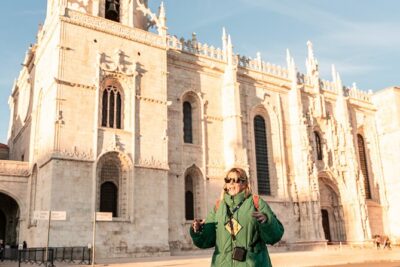 ★ 5.0Age of Discoveries Walking Tour in BelémFrom $31,513 reviews
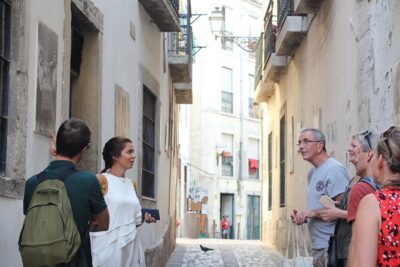 ★ 5.0Lisbon Roots – Small group Food & Culture Walking Tour w/tastingsFrom $168910 reviews
 ★ 4.9Starter Walking Tour to the highlights in GermanFrom $33781 reviews
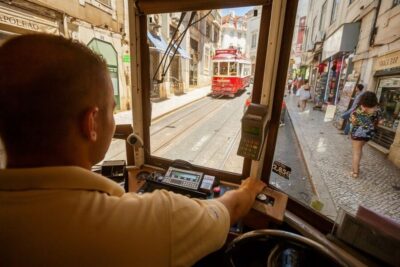 ★ 4.1Lisbon Tram No. 28 Ride & Walking TourFrom $23766 reviews
Browse the lists this tour appears in