
Reviewed · LISBON WALKING TOURS
Lisbon Food and Wine Walking Tour
Lisbon’s best map is on a fork. This 3-hour walking tour turns Portuguese gastronomy into a city-story you can taste, with 5–6 stops and a stack of samples. I love that it’s aimed at typical places, not cookie-cutter dining rooms, and that the guide weaves Lisbon history through what you’re eating and drinking.
Two things I like a lot: first, you get multiple food-and-drink tastings (often 10–12) in just a few hours, so you don’t have to pick one meal and hope it’s the right one. Second, the guide focus goes beyond food facts and into Portuguese culture, with history and context that make the flavors land better.
One consideration: it’s a walking tour with several stops, so if you’re sensitive to being on your feet or hate sharing bites with a group, you may want a slower, sit-down option instead.
In This Review
- Key highlights at a glance
- A Lisbon food tour that teaches by tasting
- The pace: 3 hours, but it won’t drag
- What “10–12 tastings” feels like in real life
- Stop-by-stop: what each moment is really for
- Stop 1: the first bite that sets your flavor map
- Stop 2: typical neighborhood food, not tourist shortcuts
- Stop 3: Portuguese recipes in snack-sized form
- Stop 4: the wine and liqueur moments that make it click
- Stop 5: finishing tastings that feel like a wrap-around meal
- Price and value: $100 for 3 hours with tastings included
- Guides and vibe: Julia, David, Sofia, and the human touch
- Practical tips so you enjoy every stop
- Who this tour suits best (and who should think twice)
- Should you book Lisbon Food and Wine Walking Tour?
- FAQ
- How long is the Lisbon Food and Wine Walking Tour?
- How many people are in the group?
- What language is the tour guide?
- How many tastings are included?
- How many stops will we visit?
- Is the tastings cost included in the price?
- Is alcohol included?
- What’s the cancellation policy?
- Is pay later available?
- What should I bring for the walking portion?
Key highlights at a glance
- Small group of up to 10 people keeps things conversational
- 5–6 stops and 10–12 tastings makes sampling efficient
- Portuguese wines and liqueurs help you learn what you’re actually drinking
- Traditional places only is the point, not a side effect
- English live guide adds story and history to every bite
- Pace adjusted to you so it doesn’t feel like a rushed conveyor belt
A Lisbon food tour that teaches by tasting
Lisbon can be a lot at first: bright tiles, steep streets, and menus that all start to look similar. This tour helps you sort it out fast. You’re not just eating randomly. You’re moving through the city while the guide explains how Portuguese food and drink fit into local life, from everyday staples to special-occasion choices.
The setup is simple: you walk, you stop, and you sample. The tour description leans funny and story-driven, and the vibe in the guide feedback matches that. Guides like Julia and David are described as sweet, passionate, and able to connect Portuguese history to the food in a way that feels more like a conversation than a lecture.
And because it’s built around tasting, you get a practical “flavor education.” You leave knowing what to look for later when you’re on your own in Lisbon. That’s the big value.
Still hungry? More tastings around Lisbon
- Winner 2025 Undiscovered Lisbon Food & Wine Tour by Eating Europe
★ 5.0 · 6,390 reviews - Lisbon: Food and Wine Small Group Walking Tour
★ 4.9 · 4,082 reviews - Lisbon Small-Group Portuguese Food and Wine Tour
★ 5.0 · 3,972 reviews - Lisbon: Baixa District Food Tour with Dinner and Drinks
★ 4.9 · 1,997 reviews
The pace: 3 hours, but it won’t drag
The duration is 3 hours, and the group is limited to 10 participants. That combination matters. In a big tour group, you spend time waiting and trying to hear over everyone else. Here, you usually get to move with the group and actually ask questions when something catches your attention.
One review detail that’s worth taking seriously: the tour is described as not locked into a strict timetable, with the guide adjusting to your tempo and interests. That doesn’t mean chaos. It means you’re more likely to feel in control. If you want to ask about a wine or linger over a specific bite, you can.
Still, it is a walking tour. You’re covering multiple stops in a short window. My practical advice: wear comfortable shoes and go in with a normal hunger level so you can enjoy each sample instead of rushing through it.
What “10–12 tastings” feels like in real life
On paper, 10–12 tastings can sound like a lot. In practice, it’s a smart way to get variety without committing to a full menu item at each place. You’re sampling portions small enough to keep you moving, but frequent enough that you actually notice patterns in flavor.
This tour is also described as having 5–6 stops. That means you’re not hopping every five minutes. Each stop gives you time to taste, listen, and understand what you’re eating or drinking.
Here’s what I think makes this structure work so well:
- You learn the “why” behind the “what.” The guide connects Portuguese products and recipes to place and history.
- You get a range: the tastings can include food and/or drinks, so you don’t end up with a tour that’s only pastries or only wine.
- You avoid decision fatigue. Lisbon menus are great, but choosing alone at the start of a trip can lead to meh meals. This gets you oriented.
One small note: the highlights mention 6 different tastings, while the overview points to 10–12 tastings. Either way, you’re covered for variety. Just treat the exact count as “plan for lots of sampling,” not as a coupon for a specific number of bites.
Stop-by-stop: what each moment is really for
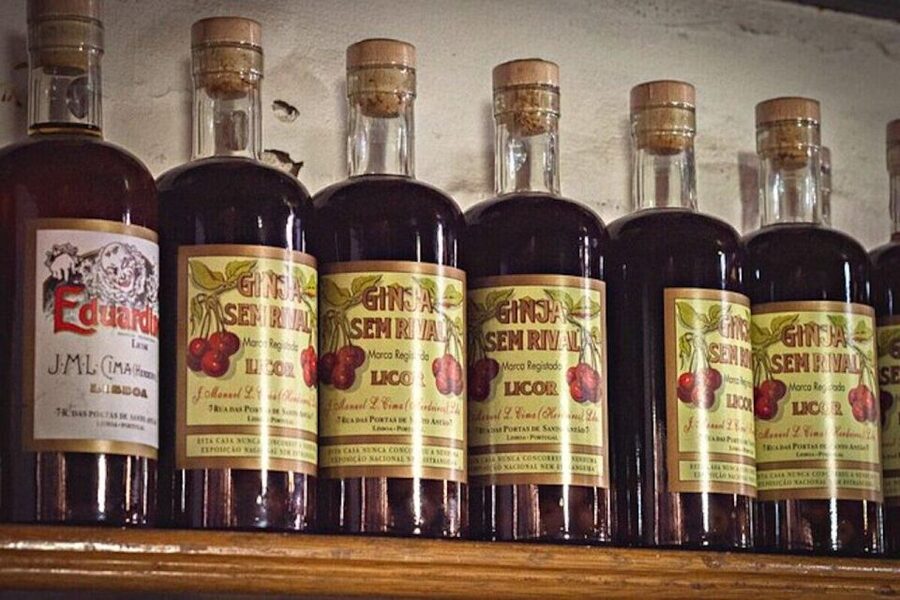
You won’t be given one long meal. You’ll experience a sequence of traditional tastings around the city, guided by Portuguese food themes. Since the tour describes “5–6 stops” rather than naming every single dish, I’ll focus on what each stop is designed to do, and what to watch for.
Lisbon at walking pace, a few more routes
Stop 1: the first bite that sets your flavor map
At the start, you usually get an introductory tasting—something familiar enough to get you into the groove, and specific enough to show you the local angle. This matters because your first samples act like a “calibration.” After that, every other bite makes more sense.
What you’re likely to notice: the guide doesn’t just name items. They explain what makes Portuguese versions distinct, whether it’s a style of bread, a traditional snack format, or a drink pairing logic.
Drawback to keep in mind: if you show up full, the first stop can feel like a repeat. If you show up properly hungry, it feels like your trip just started tasting the way it should.
Stop 2: typical neighborhood food, not tourist shortcuts
The tour’s promise is to visit very traditionally placed locations where locals eat. That’s not just a marketing phrase. It changes the types of flavors you encounter. Portuguese food can be comforting and simple, but it also has strong regional habits. Local-style stops make those habits easier to recognize.
One review even calls out the Mouraria neighborhood. That’s a good sign if you want Lisbon with texture—older streets, everyday energy, and a sense of place that feels lived-in.
What to watch for here: ask what you’re tasting and how it’s typically eaten. The best guides make you think like a local by telling you the order, the pairing, or the cultural reason behind it.
Stop 3: Portuguese recipes in snack-sized form
By the middle of the tour, the tastings should start to click. You’ll likely move from one type of flavor profile to another, and the guide’s story helps you connect them to Portuguese gastronomy rather than treating them as random bites.
This stop is often where the tour turns from tasting to learning. You might hear how ingredient choices, preparation styles, and local traditions shape Portuguese meals. And because you’re tasting while listening, it’s easier to remember.
Possible drawback: pace can feel like a sprint here if you’re the type who needs time to read a menu. If you’re slow-and-thoughtful, go into it knowing you’ll trade some “shopping time” for sampling and stories.
Stop 4: the wine and liqueur moments that make it click
A major part of Portuguese food culture is what you drink alongside it. The tour explicitly focuses on Portuguese wines and liqueurs, and that’s where many people get the biggest upgrade in taste confidence.
You’re not just sampling. You’re learning how Portuguese wines and liqueurs fit into meals, and likely what to expect in terms of flavor and style. That matters because wine tours can sometimes turn into random sipping with no framework. Here, you’re being taught.
If you like to order drinks later, this stop is where you’ll want to pay attention. Ask how you’d choose something similar in a shop or on a restaurant menu.
Stop 5: finishing tastings that feel like a wrap-around meal
The last part of the tour typically blends more food and/or drinks, often with a final tasting that feels like a payoff. This is where you judge what you actually enjoyed, not what seemed interesting on a menu.
By this point, you can usually tell which flavors match your preferences. If you’re the type who keeps notes, you’ll start writing mentally: I liked that style of sweet, I liked that drink profile, I want more of that kind of snack later.
What to watch for: don’t overdo it if alcohol is involved. You want to finish the tour enjoying it, not feeling sleepy on the walk.
Price and value: $100 for 3 hours with tastings included
At $100 per person for a 3-hour walk, this isn’t a budget snack crawl. But it can still be good value if you think of what you’re buying.
You’re paying for:
- a live English guide (time, storytelling, and pacing)
- tastings included, spread over 5–6 stops
- the structure that helps you understand Portuguese gastronomy instead of randomly sampling
If you tried to recreate this alone, you’d still need to hunt down multiple traditional spots, figure out what to order, and accept that your picks might not be well matched. With the tour, the tastings are the planning. That’s a real convenience.
The small group size (up to 10) also nudges the value. You get more interaction than in a large walking group, which makes it easier to ask questions about what you’re tasting.
Guides and vibe: Julia, David, Sofia, and the human touch
One of the most consistently praised aspects in the feedback is the guide quality. Names you might see in recent tours include Julia, David, and Sofia. Across those mentions, the theme is consistent: friendly, informative, and able to connect Lisbon’s food to its cultural story.
Here’s why that matters for you, not just for them:
- A good guide helps you taste with context, so flavors feel meaningful instead of random.
- Humor and flexibility keep the tour feeling like Lisbon, not like a checklist.
- Clear explanations help you order better later in restaurants and wine shops.
If you care about learning as much as eating, this is where the tour earns its place.
Practical tips so you enjoy every stop
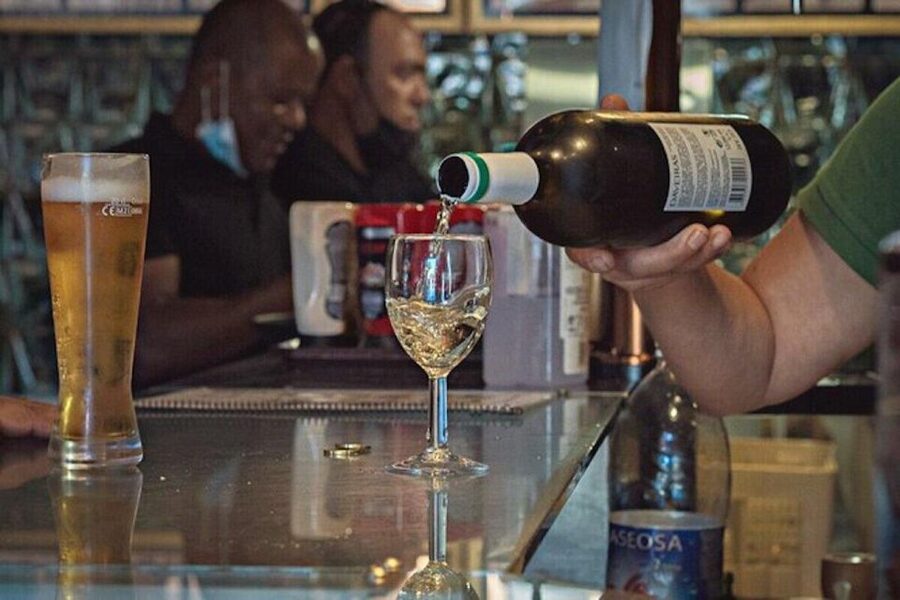
The tour is short, but you still need to show up prepared. Based on what people highlighted, here are the practical moves that help most:
- Bring runners or comfortable walking shoes. You’ll be on your feet for a solid stretch.
- Go with an empty tummy or at least not a heavy meal. With 10+ tastings possible, starting too full makes the tour feel smaller than it is.
- Keep your curiosity active. The guide is there to explain Portuguese gastronomy, Portuguese wines, and liqueurs. Ask what something is, how it’s eaten, and what you should try next.
- Pace yourself on alcohol if you’re sensitive. The walk continues after tastings, so you’ll want to stay steady.
And if you’re thinking about booking: the tour includes all tastings, and there’s free cancellation up to 24 hours in advance plus a reserve now, pay later option. That reduces the stress when your schedule is still shifting.
Who this tour suits best (and who should think twice)
This is a great fit if you:
- want a fast, tasty orientation to Lisbon
- like learning through food and drink, not just sightseeing photos
- enjoy guided context for Portuguese wines and liqueurs
- want traditional places rather than the same menu you see everywhere
It might not be ideal if you:
- have trouble walking for 3 hours with several stops
- dislike group settings or sharing space while sampling
- want a fully seated meal experience rather than multiple short tastings
If you’re unsure, choose this tour as your “first Lisbon food day.” It gives you a strong baseline for the rest of the trip.
Should you book Lisbon Food and Wine Walking Tour?
I’d book it if your goal is to understand Lisbon through traditional flavors and you like the idea of a small-group, guide-led walk with lots of tastings. The structure is efficient: you get city context, Portuguese food education, and the chance to try multiple items in a short time.
I’d think twice if walking is a deal-breaker or if you already plan to spend the whole day in long, sit-down dining. In that case, you may prefer a slower food experience.
Overall, this tour is a solid value for the price because tastings are included and the guide effort is part of what you’re paying for. If you go in hungry, wear good shoes, and ask questions, you’ll leave with clearer taste preferences and a better handle on Portuguese gastronomy than you would from a single restaurant meal.
FAQ
How long is the Lisbon Food and Wine Walking Tour?
The tour lasts 3 hours.
How many people are in the group?
It’s a small group limited to 10 participants.
What language is the tour guide?
The live tour guide speaks English.
How many tastings are included?
You can expect 6 different tastings, and the experience description also mentions 10–12 tastings across 5–6 stops.
How many stops will we visit?
Plan for 5–6 stops.
Is the tastings cost included in the price?
Yes. All tastings are included.
Is alcohol included?
The tour includes food and/or drinks, and it specifically mentions Portuguese wines and liqueurs as part of the tastings.
What’s the cancellation policy?
Free cancellation is available up to 24 hours in advance for a full refund.
Is pay later available?
Yes. There is a reserve now & pay later option.
What should I bring for the walking portion?
Wear comfortable walking shoes, since it’s a walking tour with multiple stops.
More Tour Reviews in Lisbon
- Lisbon City Center Tour – The Unmissable Lisbon★ 5.0 · 22,234 reviews
- Lisbon: Sintra, Pena, Regaleira, Cabo da Roca & Cascais★ 4.7 · 19,656 reviews
- Lisbon Card: 24, 48, or 72-Hour Pass★ 4.5 · 17,944 reviews
- Lisbon: Jerónimos Monastery Entrance Ticket★ 4.1 · 14,164 reviews
- Lisbon: History, Stories and Lifestyle Walking Tour★ 4.8 · 10,902 reviews
More of Lisbon, One Hill at a Time
- Lisbon: History, Stories and Lifestyle Walking Tour★ 4.8 · 10,902 reviews
- Best of Lisbon Small-Group Guided Walking Tour★ 5.0 · 4,869 reviews
- Lisbon: Food and Wine Small Group Walking Tour★ 4.9 · 4,082 reviews
- Best of Lisbon Walking Tour: Rossio, Chiado & Alfama★ 4.9 · 2,700 reviews
- Age of Discoveries Walking Tour in Belém★ 5.0 · 1,513 reviews
More Lisbon Plates and Pours
- Winner 2025 Undiscovered Lisbon Food & Wine Tour by Eating Europe★ 5.0 · 6,390 reviews
- Lisbon: Food and Wine Small Group Walking Tour★ 4.9 · 4,082 reviews
- Lisbon Small-Group Portuguese Food and Wine Tour★ 5.0 · 3,972 reviews
- Lisbon: Baixa District Food Tour with Dinner and Drinks★ 4.9 · 1,997 reviews
- Lisbon Small-Group Food Tour with 18 Tastings in Alfama District★ 5.0 · 1,967 reviews
Just in: fresh Lisbon reviews from the team





Lisbon Walking Tours, compared.
 ★ 4.8History, Stories and Lifestyle Walking TourFrom $2910,902 reviews
 ★ 5.0Best of Lisbon Small-Group Guided Walking TourFrom $234,869 reviews
 ★ 4.9Food and Wine Small Group Walking TourFrom $724,082 reviews
 ★ 4.9Best of Lisbon Walking Tour: Rossio, Chiado & AlfamaFrom $232,700 reviews
 ★ 5.0Age of Discoveries Walking Tour in BelémFrom $31,513 reviews
 ★ 5.0Lisbon Roots – Small group Food & Culture Walking Tour w/tastingsFrom $168910 reviews
 ★ 4.9Starter Walking Tour to the highlights in GermanFrom $33781 reviews
 ★ 4.1Lisbon Tram No. 28 Ride & Walking TourFrom $23766 reviews
Browse the lists this tour appears in