
Reviewed · LISBON WALKING TOURS
Lisbon: African History and Heritage Walking Tour
African history in Lisbon isn’t hidden, it’s written into streets. This 3.5-hour walking tour links Moors, the transatlantic slave route, and everyday traces of African life across the city. I like how the route points to specific landmarks and uses them to explain connections, not just dates.
I also like the way the tour pushes historical honesty. You’ll hear how social class, religion, and commerce shaped Portuguese-African interactions, from port arrivals to neighborhood life. One thing to plan for: it’s a walking tour in hilly areas, and it’s not suitable for mobility impairments.
In This Review
- Key things to know before you go
- Starting at A Padaria Portuguesa: getting your bearings fast
- Alfama: Lisbon’s oldest neighborhood and a Moorish beginning
- Chafariz d’El Rei: how a fountain can explain social class
- Campo das Cebolas: a port area tied to early African arrivals
- Praça do Comércio and Baixa: empire, earthquake, and a city reshaped
- Rua Cor de Rosa and Rossio: integration in neighborhoods, not ideals
- Church of S. Domingos: African presence through Catholic practice
- Rossio train station: Manueline style and the 1884 Berlin Conference link
- Guide style: why people keep praising Jose, Al, Alcides, and Alfie
- Price and value: $176 for 3.5 hours of very specific stops
- Practical tips: shoes, uphill streets, and what to bring
- Who should book this Lisbon African history and heritage walk
- Should you book this tour?
- FAQ
- FAQ
- How long is the Lisbon African History and Heritage Walking Tour?
- Where do I meet the guide?
- What languages are available for the live guide?
- What is included in the price?
- What is not included?
- Is it suitable for people with mobility impairments?
- How much does it cost?
- Can I cancel and get a refund?
Key things to know before you go
- Start at A Padaria Portuguesa so you can find the group quickly.
- Alfama gives you a Moorish beginning for Lisbon’s African connections.
- Campo das Cebolas is tied to Lisbon’s early role as a European port for enslaved Africans.
- Praça do Comércio and Baixa help you read history through a public square and a city rebuilt after the 1755 earthquake.
- Rua Cor de Rosa and Rossio show how integration happened in real neighborhoods, not in textbooks.
- Rossio Train Station adds the 19th-century Portugal story, including a link to the Berlin Conference of 1884.
Starting at A Padaria Portuguesa: getting your bearings fast
Most Lisbon walks start with views. This one starts with orientation. You meet your guide at A Padaria Portuguesa, and that choice matters because it gets you in motion early, before the route turns into one long uphill slog.
The tour is designed for a steady pace and focused stops. It runs about 3.5 hours, so you’ll see a meaningful chunk of central Lisbon without feeling like you’re sprinting from one photo spot to the next. You get a guide, a bottle of water, and the format is simple: walk, stop, look, listen, ask questions.
English, Spanish, and Portuguese are available. From guide feedback, the experience tends to feel well paced and responsive, with time for answers along the way rather than a strict one-way lecture.
Lisbon at walking pace, a few more routes
- Lisbon: History, Stories and Lifestyle Walking Tour
★ 4.8 · 10,902 reviews - Best of Lisbon Small-Group Guided Walking Tour
★ 5.0 · 4,869 reviews - Lisbon: Food and Wine Small Group Walking Tour
★ 4.9 · 4,082 reviews - Best of Lisbon Walking Tour: Rossio, Chiado & Alfama
★ 4.9 · 2,700 reviews
Alfama: Lisbon’s oldest neighborhood and a Moorish beginning
Your first big theme is Alfama, often described as Lisbon’s oldest neighborhood. Here, the connection to Africa begins indirectly but clearly, through the Moorish presence that helped shape Iberian culture for centuries. The point isn’t to reduce Lisbon to one origin story. It’s to show that Africa’s influence in Portugal goes back long before the transatlantic slave trade era.
In practical terms, Alfama is also where you learn to read the city. Streets feel older. Slopes make you notice how neighborhoods connect to each other. And when the guide talks about roots and connections, you can actually match the story to place—rather than imagining it from a map.
If you like travel that links architecture and history, Alfama is a smart opening. You’re not just collecting facts; you’re learning a way to look at Lisbon.
Chafariz d’El Rei: how a fountain can explain social class
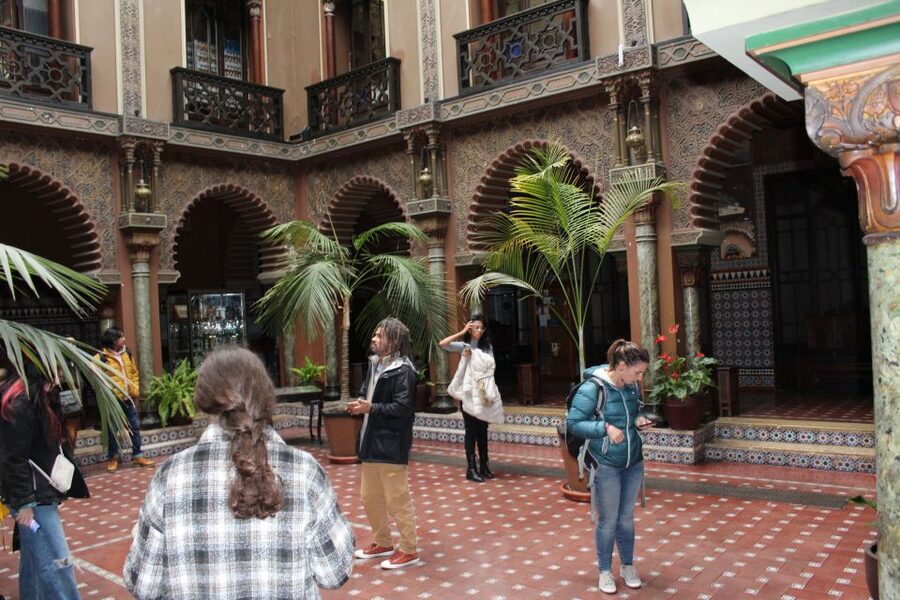
One stop uses an object most people ignore: a fountain. Chafariz d’El Rei shows a theme the tour returns to again and again: how societies organized people.
You’ll see how the fountain reflects divisions in the medieval social order. The key detail is that Africans appear in this representation. That matters because it challenges the idea that African presence in Portugal only begins with the later slave-trade period. The tour nudges you to see Africans as part of the city’s structure, not only as a side note.
This is also where the tour’s “historical honesty” shows up. Instead of vague statements, you’re guided to look for evidence in the built environment—where class, power, and status can be read in physical form.
Campo das Cebolas: a port area tied to early African arrivals
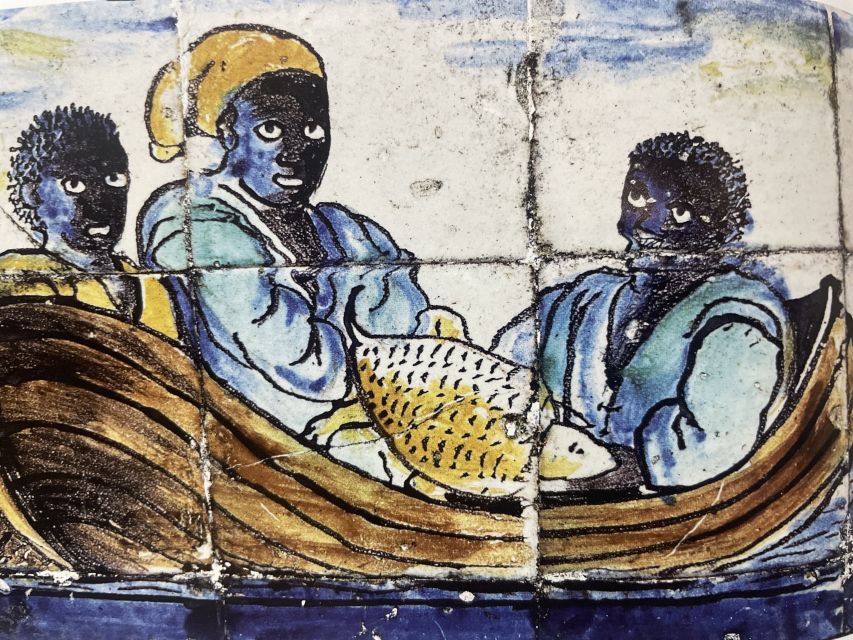
Then comes Campo das Cebolas, associated with Lisbon’s older port area. This stop is one of the most direct links in the whole route: it’s tied to the idea that the first African slaves arrived in Europe through Lisbon’s port.
The lesson here is not just that the trade happened. It’s that Lisbon’s waterfront connected local life to global systems. A place name, a waterfront district, and the shape of the city all become evidence of how far-reaching decisions were made.
This part of the tour can feel heavy, and that’s normal. The value is that you’re not treated as if you’re learning only facts. You’re guided to connect those facts to place—so the story stops being abstract.
Worth a look before you lock anything else in around Lisbon:

Praça do Comércio and Baixa: empire, earthquake, and a city reshaped
Next, you reach Praça do Comércio, one of the most emblematic public spaces in Lisbon. It’s a central stage for Portuguese history, and it’s also described as an important place in the slave trade. That dual role matters. Public squares are where a city performs itself—politically, economically, socially.
From there, the route moves into Baixa, the central neighborhood that was destroyed by the 1755 earthquake and later rebuilt. This stop gives you a chance to talk about interaction between Africans in Portuguese society after catastrophe—how rebuilding doesn’t erase social dynamics, it can also reinforce them.
You’ll get a sense of how Lisbon’s “center” connects to the city’s power structure. It’s the kind of stop that makes you rethink postcards. If you normally think of Baixa as just shops and wide streets, you’ll come away seeing it as a place where systems of trade and labor shaped everyday life.
Rua Cor de Rosa and Rossio: integration in neighborhoods, not ideals
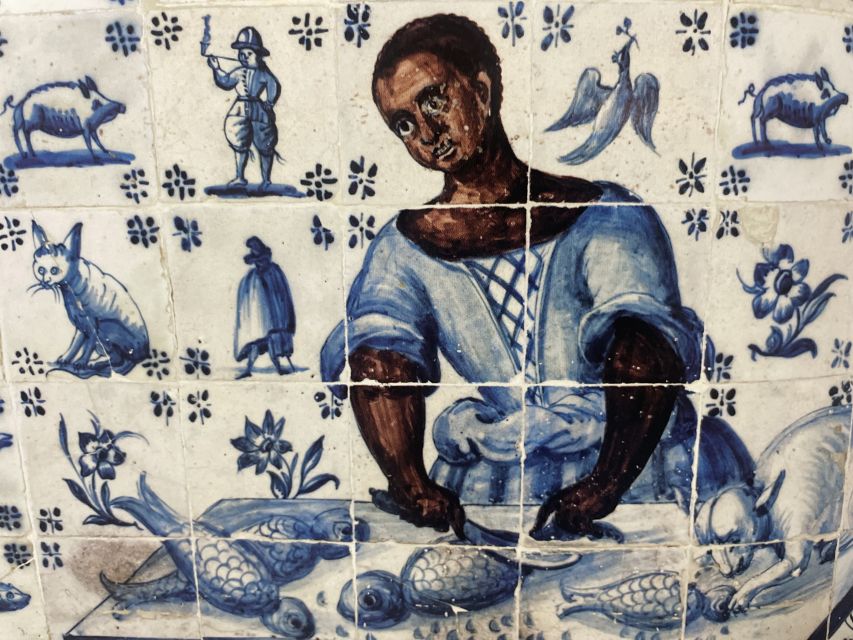
Two of the route’s most telling stops are Rua Cor de Rosa and Rossio.
Rua Cor de Rosa is described as the place where several African women provided services. That’s direct and uncomfortable, but the tour’s framing helps you avoid sensationalism. The point is social reality: work, gender, vulnerability, and the ways people were pushed into certain roles by economics and power.
Then you reach Rossio, another central area of Lisbon and a busy hub. Here, the tour shifts to how African communities were integrated and how colonies formed. It’s a reminder that integration wasn’t a clean story of acceptance. It was layered—shaped by law, religion, commerce, and neighborhood life.
If you like travel that tells the truth without adding drama, these stops are a highlight. They show how history sits in ordinary streets, not just monuments.
Church of S. Domingos: African presence through Catholic practice
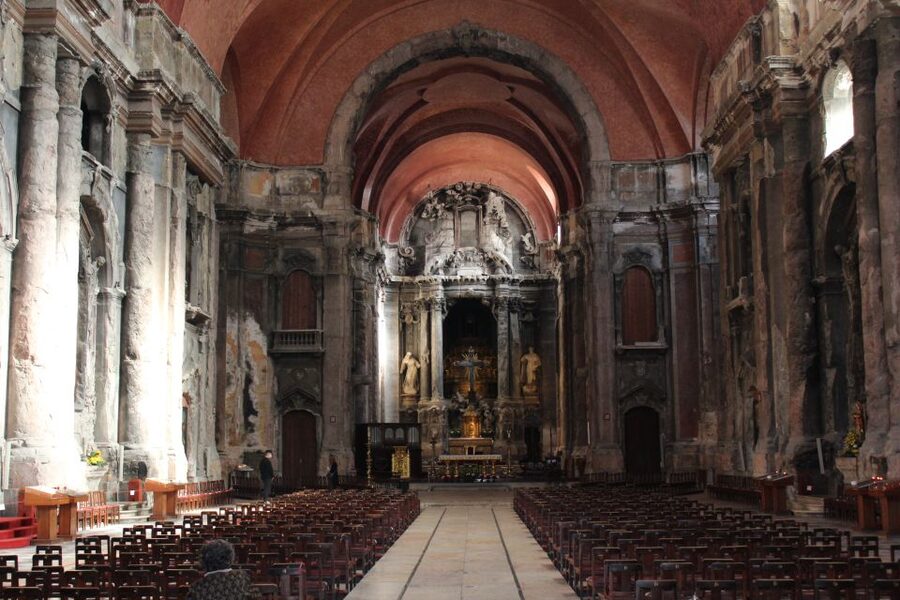
One stop that adds a different angle is Church of S. Domingos. The tour uses it to explain forms of integration of Africans into Catholic religion and highlights achievements connected to that process.
This is where you start to see the “how” behind the “what.” Yes, the city has sites tied to slavery and class division. But Lisbon also became a place of religious change and cultural mixing. The guide’s role is crucial here, because the connection can be easy to miss if you only walk past church architecture and move on.
If you care about how people adapt under pressure, this is one of the route’s best pauses. It gives you a way to understand religion as both institution and lived experience.
Rossio train station: Manueline style and the 1884 Berlin Conference link
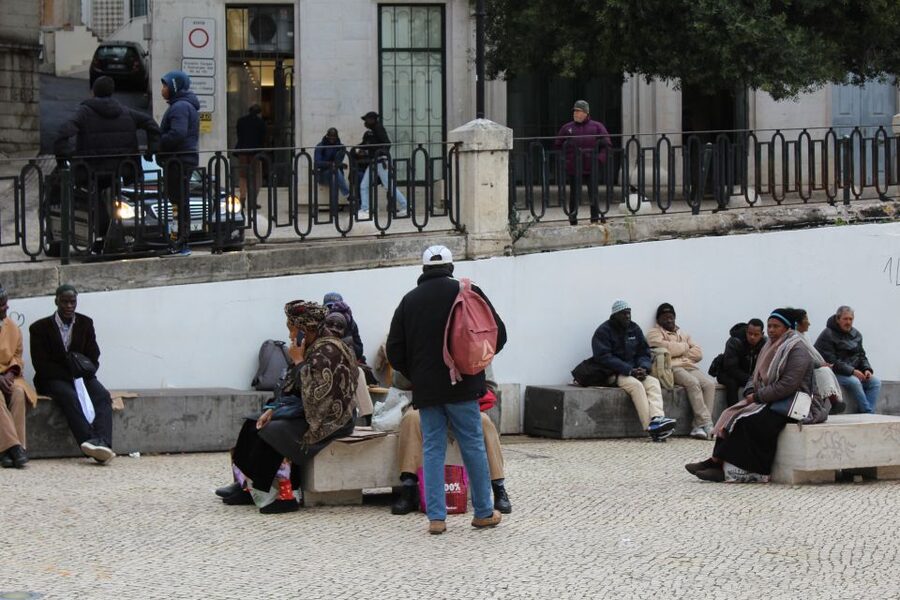
The last major big stop is the Rossio train station, built during the 19th century with Manueline architectural style. The tour uses it as a symbol of Portugal’s so-called golden times—and then asks you to connect that pride to what was happening overseas.
Here you get a connection to the Berlin Conference of 1884, when European powers carved up territories in Africa. The point of the station in the tour is not the train. It’s the message: architecture and national confidence can sit beside coercion and colonial control.
This is also a good moment for you to ask questions. The guide’s job is to tie the local scene to global decisions so you leave with a bigger picture than the walk alone provides.
Guide style: why people keep praising Jose, Al, Alcides, and Alfie
The loudest praise in the feedback focuses on guide delivery. Names that appear include Jose, Al, Alcides, and Alfie. Across these guides, the common theme is that they’re friendly, professional, and willing to answer questions.
What I like about this setup is the balance. You get stories that connect eras—Moorish influence, port trade, Catholic integration, then the later colonial framing tied to 1884. And you don’t just hear facts tossed out. You get enough context to place those facts onto the city you’re standing in.
This kind of guiding matters more than most people think. When you walk through Lisbon’s older districts, you’ll see a lot of stone and tiles. A good guide gives that stone meaning, and a strong one makes you feel comfortable asking why something matters.
Price and value: $176 for 3.5 hours of very specific stops
At $176 per person for about 3.5 hours, this isn’t a budget add-on. But it can still feel fair if you care about the specifics: African heritage, the transatlantic slave route starting in Lisbon, and how that history shows up in neighborhoods and buildings.
Walking tours at this price are usually about one of two things: either a famous name or a niche topic with strong expertise. Here, you’re paying for a route that targets landmarks tied to African presence and Portuguese-African interaction, including difficult subjects tied to slavery and social class.
I’d call this good value if you:
- want a focused story rather than general sightseeing,
- like learning from the built environment,
- and are comfortable with heavy history when it’s handled with care.
If you want only light, scenic Lisbon photos, you might prefer a different tour style.
Practical tips: shoes, uphill streets, and what to bring
This is a walking tour, and the terrain in Lisbon can be unforgiving. Expect uphill stretches. Comfortable shoes aren’t optional here.
You’re provided a bottle of water, which helps. Food and drinks are not included, so plan to handle meals on your own. If you tend to get hungry during walking tours, consider bringing a small snack just in case the day runs long for you.
Also note: the tour is not suitable for people with mobility impairments. That’s worth taking seriously, because Lisbon’s streets can limit options quickly.
Who should book this Lisbon African history and heritage walk
This tour fits you best if you want:
- a clear connection between African heritage and Lisbon’s neighborhoods,
- a route that includes both Moorish-era roots and later slave-trade context,
- and context for how Catholic integration and everyday life intersected with African presence.
You’ll likely enjoy it if you’re the type of traveler who likes to ask questions, or who wants to do one “serious” tour early so the rest of the city makes more sense.
Should you book this tour?
If you’re visiting Lisbon and you want your trip to include more than viewpoints and pastel streets, I think this is worth booking. The stop list is specific, and the route is built around evidence you can see: Alfama, fountains, port-adjacent history, public squares, neighborhood streets, a major church, and the station.
Book it if you’re open to difficult topics and you want to understand Lisbon’s role in African-European history with real context on the ground. Skip it if you want a purely scenic walk, or if walking uphill will be an issue for you.
FAQ
FAQ
How long is the Lisbon African History and Heritage Walking Tour?
It lasts 3.5 hours.
Where do I meet the guide?
Meet your guide at A Padaria Portuguesa.
What languages are available for the live guide?
The tour offers live guidance in English, Spanish, and Portuguese.
What is included in the price?
Included items are a bottle of water, the guide, and the walking tour.
What is not included?
Food and drinks are not included, and there is no hotel pickup or drop-off.
Is it suitable for people with mobility impairments?
No. The tour is listed as not suitable for people with mobility impairments.
How much does it cost?
The price is $176 per person.
Can I cancel and get a refund?
Yes. You can cancel up to 24 hours in advance for a full refund.
More Tours in Lisbon
- Lisbon City Center Tour – The Unmissable Lisbon★ 5.0 · 22,234 reviews
- Lisbon: History, Stories and Lifestyle Walking Tour★ 4.8 · 10,902 reviews
- True 4Hour Private Tuk Tuk Tour: Discover Lisbon with a Local!★ 5.0 · 8,008 reviews
- Winner 2025 Undiscovered Lisbon Food & Wine Tour by Eating Europe★ 5.0 · 6,390 reviews
- Lisbon: Sintra, Pena, Cabo da Roca, Cascais Tour with Pickup★ 4.8 · 5,445 reviews
More Tour Reviews in Lisbon
- Lisbon City Center Tour – The Unmissable Lisbon★ 5.0 · 22,234 reviews
- Lisbon: Sintra, Pena, Regaleira, Cabo da Roca & Cascais★ 4.7 · 19,656 reviews
- Lisbon Card: 24, 48, or 72-Hour Pass★ 4.5 · 17,944 reviews
- Lisbon: Jerónimos Monastery Entrance Ticket★ 4.1 · 14,164 reviews
- Lisbon: History, Stories and Lifestyle Walking Tour★ 4.8 · 10,902 reviews
More of Lisbon, One Hill at a Time
- Lisbon: History, Stories and Lifestyle Walking Tour★ 4.8 · 10,902 reviews
- Best of Lisbon Small-Group Guided Walking Tour★ 5.0 · 4,869 reviews
- Lisbon: Food and Wine Small Group Walking Tour★ 4.9 · 4,082 reviews
- Best of Lisbon Walking Tour: Rossio, Chiado & Alfama★ 4.9 · 2,700 reviews
- Age of Discoveries Walking Tour in Belém★ 5.0 · 1,513 reviews
Just in: fresh Lisbon reviews from the team




Lisbon Walking Tours, compared.
 ★ 4.8History, Stories and Lifestyle Walking TourFrom $2910,902 reviews
 ★ 5.0Best of Lisbon Small-Group Guided Walking TourFrom $234,869 reviews
 ★ 4.9Food and Wine Small Group Walking TourFrom $724,082 reviews
 ★ 4.9Best of Lisbon Walking Tour: Rossio, Chiado & AlfamaFrom $232,700 reviews
 ★ 5.0Age of Discoveries Walking Tour in BelémFrom $31,513 reviews
 ★ 5.0Lisbon Roots – Small group Food & Culture Walking Tour w/tastingsFrom $168910 reviews
 ★ 4.9Starter Walking Tour to the highlights in GermanFrom $33781 reviews
 ★ 4.1Lisbon Tram No. 28 Ride & Walking TourFrom $23766 reviews
Browse the lists this tour appears in