
Reviewed · LISBON WALKING TOURS
Lisbon: 3-Hour The Slave Trade – An Historical Walking Tour
Lisbon has a darker ledger. This 3-hour historical walking tour connects Lisbon’s city-center sights to the early Atlantic slave trade, told with an economist’s clarity and a local guide who knows the subject in depth. You start at Largo do Chafariz de Dentro and move through back streets and main avenues where the past still shows up in street names and building clues.
What I like most is the guiding story through Portugal’s choices, from Prince Henry the Navigator to the long aftermath that reached the Americas. I also like the way Rui Fernandes runs the group: patient delivery, lots of Q&A time, and a pace that stays friendly even when the topic is heavy.
One drawback to plan for: this is not a casual stroll. It’s a sensitive, serious subject, and you’ll be walking for about three hours on cobblestones, so comfortable shoes matter.
In This Review
- Key Things To Know Before You Go
- Why a Slave-Trade Walking Tour Fits Lisbon’s Real Story
- Where You Meet and How the Walk Gets Rolling in Alfama
- Prince Henry to the Atlantic Trade: The Core Narrative You’ll Hear
- How Lisbon’s Streets, Churches, and Squares Reflect the Slave Trade
- Brazil, Colonies, and the Economics Behind the System
- The Human Side: Daily Life and What the Tour Says You Should Remember
- Rui Fernandes and the Small-Group Advantage (Coffee Included)
- Price and Value: Is $35 Worth It?
- Who This Tour Suits Best in Lisbon
- Should You Book This 3-Hour Lisbon Walk?
Key Things To Know Before You Go
- Small-group format (up to 6 people) keeps the discussion personal, not scripted
- Led by Rui Fernandes, with a background tied to history, political science, and economics
- Starts near Largo do Chafariz de Dentro and links Lisbon’s older streets to the slave trade story
- You focus on more than dates and ships: you’ll hear about daily life and how Lisbon functioned
- Coffee and a restroom break are built in, so you can keep going without rushing
- Visual support appears during the walk, helping you picture what the guide is describing
Why a Slave-Trade Walking Tour Fits Lisbon’s Real Story

Lisbon looks elegant from the postcard angle. But Portugal’s rise during the Age of Discovery is tied to a system that treated human beings as cargo. This tour forces you to connect the dots between the city you see today and the trade that helped power it.
I like that it doesn’t stay trapped in abstract history. You’re walking through the spaces where power, religion, commerce, and law intersected, so the story lands in your body, not just your head. If you’re the type who wants context for what you’re seeing, this kind of tour is a strong match.
Lisbon at walking pace, a few more routes
- Lisbon: History, Stories and Lifestyle Walking Tour
★ 4.8 · 10,902 reviews - Best of Lisbon Small-Group Guided Walking Tour
★ 5.0 · 4,869 reviews - Lisbon: Food and Wine Small Group Walking Tour
★ 4.9 · 4,082 reviews - Best of Lisbon Walking Tour: Rossio, Chiado & Alfama
★ 4.9 · 2,700 reviews
Where You Meet and How the Walk Gets Rolling in Alfama
You meet your guide at Largo do Chafariz de Dentro. From there, the route leans into Lisbon’s older character, including the kind of cobblestone streets that make Alfama feel like a living museum.
One practical win: the walking is described as mostly flat with minimal inclines, which makes the three-hour format easier to handle. You still need sturdy shoes, but you’re not signing up for a “climb every hill” day.
Expect your guide to use what you’re passing—streets, building features, and public spaces—as the starting point for each theme. That’s a key difference from tours that only talk at you from a bench.
Prince Henry to the Atlantic Trade: The Core Narrative You’ll Hear

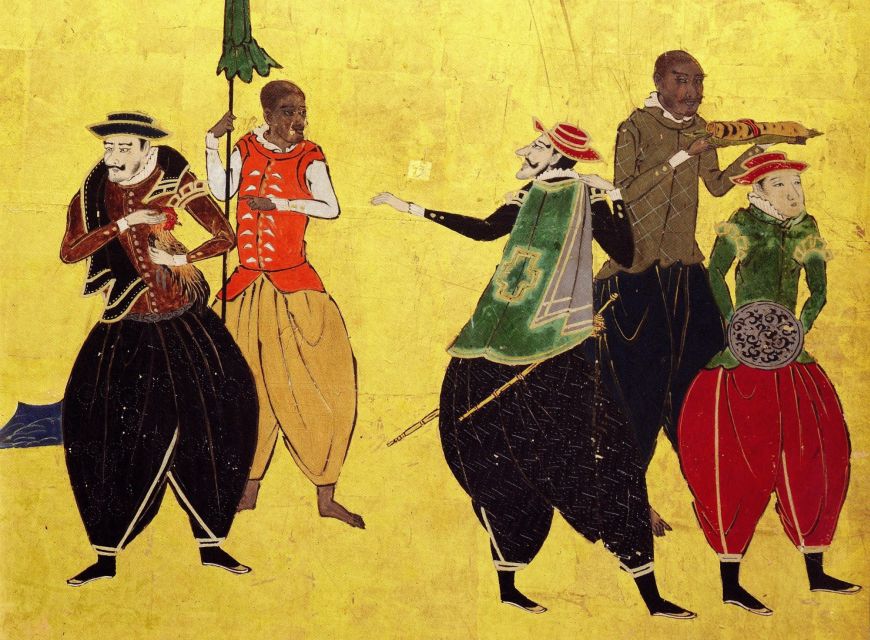
The story begins in the early 15th century, when Portugal—under Prince Henry the Navigator—helped launch what’s now called the Atlantic slave trade. You’re given the scale: between 12 and 14 million Africans sold into slavery and transported across the ocean to the Americas, with the crime lasting for about four centuries.
What makes this segment click is how your guide frames it as cause-and-effect, not just horror. You’ll learn how this trade shaped Portuguese development, and how the Age of Discovery wasn’t only about maps and voyages—it was also about profit, institutions, and the structures that made exploitation work.
This part of the tour is where you should pay close attention if you want to understand the logic of how history repeats. Human beings didn’t “vanish” from the system; they were processed through it.
How Lisbon’s Streets, Churches, and Squares Reflect the Slave Trade
This tour doesn’t rely on a single museum room. Instead, you move through back streets, main avenues, monuments, churches, and public squares that have connections to slavery.
You’ll hear how the guide reads the city like a document: street names, reused spaces, and the visible power of historic buildings become evidence. In practical terms, that means you stop looking at Lisbon as “pretty architecture,” and you start recognizing how wealth and control were displayed.
Some of the strongest moments come when the guide answers your questions on the spot. The format is built for back-and-forth, and the small group size makes that possible.
Worth a look before you lock anything else in around Lisbon:

Brazil, Colonies, and the Economics Behind the System
Lisbon isn’t just a departure point in this story—it’s a hub where trade decisions mattered. You’ll spend time on the importance of Brazil, along with how Portuguese colonies in Africa fit into the overall machine.
The tour’s emphasis on economics stands out. Instead of only describing suffering, it explains what made the trade sustainable: the incentives, the institutions, and the political logic that turned violence into policy and policy into routine.
This is also where you’ll learn about the broader arc: the abolition of trade in Portugal and the shifting conditions over time. The guide doesn’t treat abolition as a neat ending card; it’s more like a turning point in a long struggle with ongoing consequences.
The Human Side: Daily Life and What the Tour Says You Should Remember
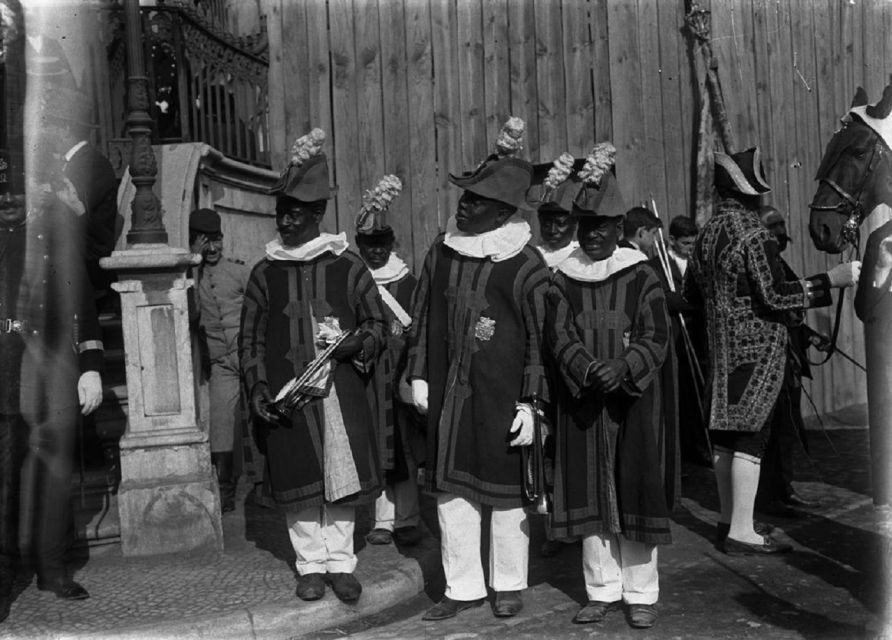
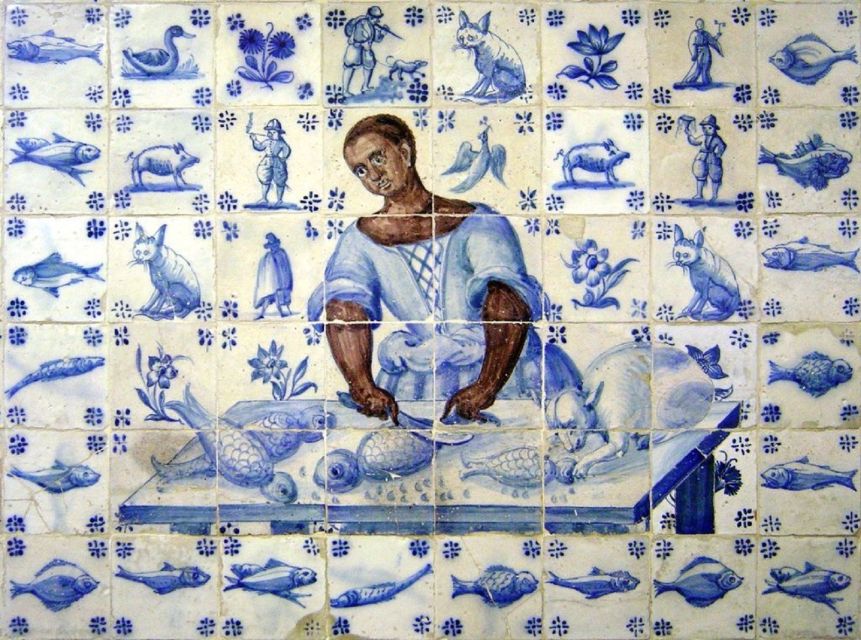
One of the most important themes is the day-to-day aspects of the life of a slave living in historical Lisbon. That can be uncomfortable listening, but it’s one of the reasons the tour feels different from history lectures that only show ships and dates.
The goal isn’t to shock you into silence. It’s to help you understand how a city’s normal rhythms can be built on cruelty. When your guide connects those daily realities back to places in Lisbon, the city becomes harder to simplify.
I also appreciated how the guide stays respectful while still being direct. The tone is serious, but the conversation keeps moving, and you’re never left guessing what matters.
Rui Fernandes and the Small-Group Advantage (Coffee Included)
The tour is run in English by Rui Fernandes, who’s known for clear pacing and answering questions. A pattern shows up in the details: he remembers names, keeps the group included, and makes time for pause and shade when the weather is hot.
You’ll also get one coffee break and one WC break included. In the real world, that matters. A three-hour walk can feel long if you’re tense, rushing, or dehydrated, and the built-in break helps you stay present.
If you’re trying to plan a Lisbon day, this schedule is nicely compact. You can fit it between other city stops without losing the whole afternoon to transit and long lines.
Price and Value: Is $35 Worth It?
At $35 per person for a 3-hour walking tour, this isn’t priced like a quick overview. It costs about what you’d expect for a focused, guided experience—but you’re paying for the specific angle: Portugal’s role in the Atlantic slave trade, with local context you won’t get on most general walking tours.
The value comes from four places:
- Small group size (up to 6) means more interaction and less “passive listening”
- Specialized subject matter that most mass tourism skips
- A guide with academic grounding in history, political science, and economics
- Place-based storytelling, so the city becomes part of the lesson, not a backdrop
If you like tours that leave you with something to carry into your next museum visit or dinner conversation, this one pays off fast. If you want a light, entertainment-first stroll, you might find it emotionally demanding.
Who This Tour Suits Best in Lisbon
This is a good fit if:
- You want more than the usual highlights and you like hard context
- You enjoy asking questions and getting direct answers
- You care about how historic institutions shape today’s society
- You want a small-group guide who can adjust the flow to the group
It may be less ideal if you’re looking for a casual, carefree walking day. Also, if you struggle with heavy historical topics, you should consider whether this is the right time in your trip to process that information.
One more practical note: bring comfortable shoes. Cobblestones are part of the texture here.
Should You Book This 3-Hour Lisbon Walk?
I’d book it if you want Lisbon to make sense as more than scenery. The strength of this tour is that it ties the city you walk through to the trade that helped shape Portuguese prosperity and the wider Atlantic world.
Book it early in your stay if you can. You’ll get a framework for reading Lisbon’s past while you’re still fresh enough to explore other neighborhoods and interpret what you see with better context.
If your trip includes museums and neighborhoods you like to understand deeply, this tour earns a spot on your itinerary. Just plan for a serious topic, a bit of walking, and a guide-led pace that asks you to think.
More Tours in Lisbon
- Lisbon City Center Tour – The Unmissable Lisbon★ 5.0 · 22,234 reviews
- Lisbon: History, Stories and Lifestyle Walking Tour★ 4.8 · 10,902 reviews
- True 4Hour Private Tuk Tuk Tour: Discover Lisbon with a Local!★ 5.0 · 8,008 reviews
- Winner 2025 Undiscovered Lisbon Food & Wine Tour by Eating Europe★ 5.0 · 6,390 reviews
- Lisbon: Sintra, Pena, Cabo da Roca, Cascais Tour with Pickup★ 4.8 · 5,445 reviews
More Tour Reviews in Lisbon
- Lisbon City Center Tour – The Unmissable Lisbon★ 5.0 · 22,234 reviews
- Lisbon: Sintra, Pena, Regaleira, Cabo da Roca & Cascais★ 4.7 · 19,656 reviews
- Lisbon Card: 24, 48, or 72-Hour Pass★ 4.5 · 17,944 reviews
- Lisbon: Jerónimos Monastery Entrance Ticket★ 4.1 · 14,164 reviews
- Lisbon: History, Stories and Lifestyle Walking Tour★ 4.8 · 10,902 reviews
More of Lisbon, One Hill at a Time
- Lisbon: History, Stories and Lifestyle Walking Tour★ 4.8 · 10,902 reviews
- Best of Lisbon Small-Group Guided Walking Tour★ 5.0 · 4,869 reviews
- Lisbon: Food and Wine Small Group Walking Tour★ 4.9 · 4,082 reviews
- Best of Lisbon Walking Tour: Rossio, Chiado & Alfama★ 4.9 · 2,700 reviews
- Age of Discoveries Walking Tour in Belém★ 5.0 · 1,513 reviews
Just in: fresh Lisbon reviews from the team





Lisbon Walking Tours, compared.
 ★ 4.8History, Stories and Lifestyle Walking TourFrom $2910,902 reviews
 ★ 5.0Best of Lisbon Small-Group Guided Walking TourFrom $234,869 reviews
 ★ 4.9Food and Wine Small Group Walking TourFrom $724,082 reviews
 ★ 4.9Best of Lisbon Walking Tour: Rossio, Chiado & AlfamaFrom $232,700 reviews
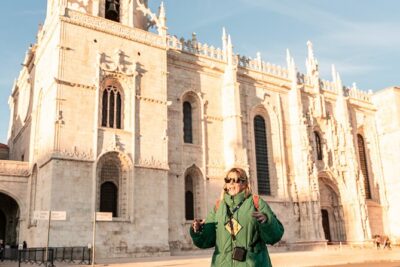 ★ 5.0Age of Discoveries Walking Tour in BelémFrom $31,513 reviews
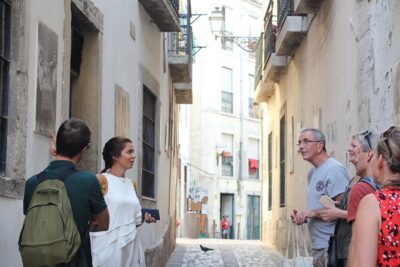 ★ 5.0Lisbon Roots – Small group Food & Culture Walking Tour w/tastingsFrom $168910 reviews
 ★ 4.9Starter Walking Tour to the highlights in GermanFrom $33781 reviews
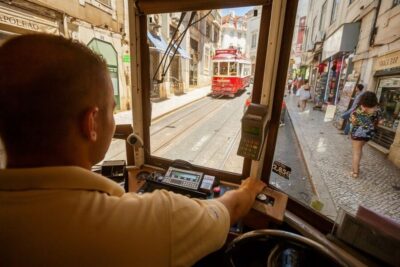 ★ 4.1Lisbon Tram No. 28 Ride & Walking TourFrom $23766 reviews
Browse the lists this tour appears in