
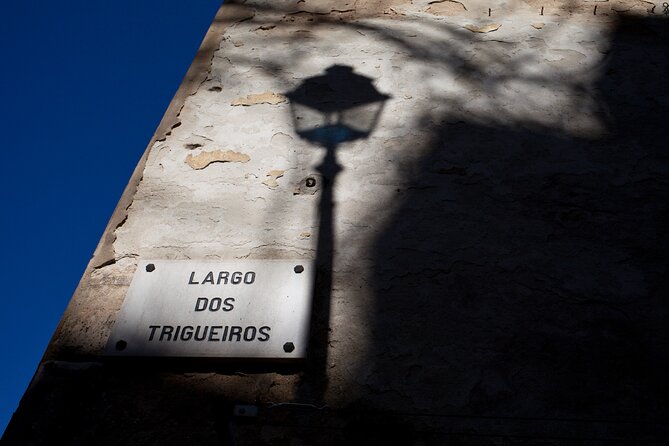
Reviewed · LISBON WALKING TOURS
Fado: A Story of Thugs, Harlots and Poets – Private Walking Tour
Lisbon’s fado was born on steep streets. This private walking tour links Mouraria’s alleys to the songs people still sing, with an English-speaking guide named Luis who tells the story of how the music grew out of the neighborhood’s edge. I especially liked how the walk ties together the physical places of fado’s origins with the human stories behind them.
What also works: you get context for fado’s evolution, including how it changes from the 20th century into today’s world, and the tour is punctuated with samples of recorded fado so the music clicks with the sites. One consideration: this is a real walking route with hills and stairs, and it’s weather-dependent, so wear proper shoes and expect to move.
In This Review
- Key Highlights You’ll Care About
- Mouraria: Where Fado’s Story Starts
- How This Private Walk Works (And What It Means for You)
- Escadinhas da Saude: The Stairs, the Wall, and the Lift
- Igreja de Nossa Senhora do Socorro: From Mosque to Jesuit Center
- Rua do Capelão and the Mouraria “Cradle” Monument
- Casa Fernando Maurício: Meeting a Legend Through a Birthplace
- Capela de Nossa Senhora da Saúde: Resistance in Popular Culture
- What You’ll Learn Beyond the Stops
- Timing, Weather, and Walking Comfort Tips
- Price and Value: What $31.31 Buys You
- Who This Tour Fits Best
- Should You Book Fado: A Story of Thugs, Harlots and Poets?
- FAQ
- How long is the private walking tour?
- What language is the tour offered in?
- Is this tour private or group-based?
- Are there any food or drinks included?
- Where do I meet the guide, and where does the tour end?
- What happens if the weather is bad?
Key Highlights You’ll Care About

- A Mouraria focus: You’re not doing a generic Lisbon highlights walk; you’re learning the neighborhood behind fado.
- Recorded fado on the route: Audio samples help you connect lyrics, places, and themes fast.
- Stops tied to real names: You visit sites linked to Fernando Maurício and the local religious landmarks that shaped the community.
- Multiple guide roles: You get a private guide plus a local guide and a professional local photographer guide for photo-friendly attention.
- Mostly admission-free stops: The listed stops are free to enter, which makes the experience feel light and practical.
- Ends near Martim Moniz: Plan your next meal or transport from the Martim Moniz area.
Mouraria: Where Fado’s Story Starts
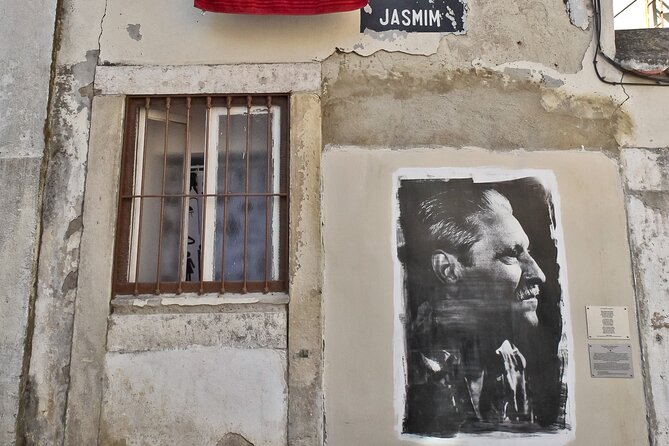
If you want to understand fado, you have to understand Mouraria. This neighborhood sits at the center of the fado world—part geography, part attitude. The tour builds that idea step by step, so you’re not memorizing dates. You’re learning how people and place shaped the sound.
You’ll also hear fado described with its rough edges: thugs, harlots, and poets isn’t just a dramatic label. It’s a way of explaining the mixed, lived-in reality that produced the music. Mouraria’s story includes hard life, street-side characters, and community pride. Then, as the tour moves forward in time, you’ll see how those same themes kept showing up as fado moved from earlier traditions into modern performances.
The biggest payoff is how the walk makes fado feel local, not museum-like. You’re standing where the stories happened—then Luis connects it to what people sang, why they sang it, and why Mouraria mattered so much.
Another night of fado and a glass of red
- Lisbon: Live Fado Show with Port Wine at Lisboa em Fado
★ 4.7 · 5,097 reviews - Lisbon: Fado Show and Wine inside Medieval Walls
★ 4.8 · 3,819 reviews - Lisbon: Fado Show and Portuguese Dinner
★ 4.5 · 1,531 reviews - Lisbon: Alfama Tour and Live Fado with Traditional Dinner
★ 4.4 · 970 reviews
How This Private Walk Works (And What It Means for You)
This is a private tour. That matters because you can take your time at the corners that catch your eye and ask questions without feeling like you’re holding up a big group. It also means the guide can pace the story around your reactions—especially helpful if you’re new to fado.
Plan on 2 to 3 hours of walking. The route is made of short stops—often around 15 to 20 minutes—so you’ll feel progress without long stretches of standing still. It’s offered in English, and you’ll meet at R. da Mouraria 16, 1100-584 Lisboa.
The tour ends at Centro Comercial Martim Moniz, R. da Palma, 1150-199 Lisboa. I like ending near a transport hub because it makes the rest of your day easier—grab a ride, find a snack nearby, and keep your schedule simple.
One more practical note: there’s no food or drink offered. If you’re doing this earlier in the day, I’d bring water and plan a meal afterward. You’ll be moving and listening, and your brain will be doing more work than you expect.
Escadinhas da Saude: The Stairs, the Wall, and the Lift
Stop 1 is Escadinhas da Saude, described as the backbone of Mouraria. You’ll see a big medieval wall, plus a steep staircase associated with the 19th century, and a newer lift that helps the climb. This blend matters. It’s not just architecture for architecture’s sake—it’s the neighborhood in motion, changing over time while keeping its core shape.
What I like about this first stop is that it sets the tone immediately. Mouraria isn’t flat, neat, and tidy. It’s built for stories—short routes, sudden views, and that feeling of turning a corner into something unexpected. The guide’s job here is to show you why the physical layout mattered for community life and why it’s still part of the fado atmosphere.
This stop is also admission-free, so you can focus on the walk and the storytelling without adding tickets or extra steps. You’ll likely spend about 20 minutes here.
Practical tip: treat the first stop like a warm-up. After a few steps, you’ll know if you need to slow your pace or take it step by step. Good shoes are a real quality-of-life upgrade on this route.
Igreja de Nossa Senhora do Socorro: From Mosque to Jesuit Center
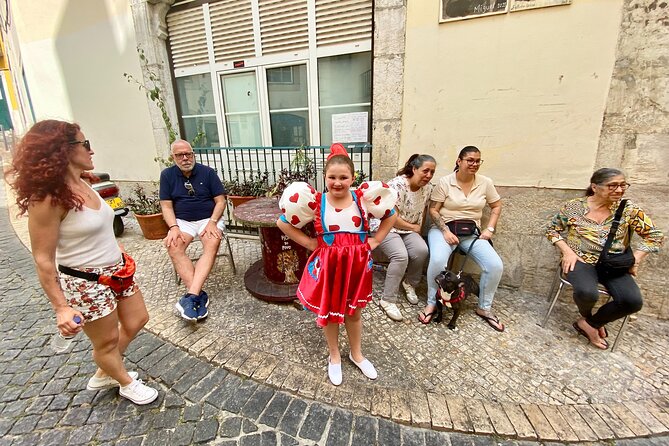
Next you’ll head to Igreja de Nossa Senhora do Socorro. This is where the neighborhood history gets extra interesting. The site is described as the place where a big mosque later became a Jesuit center—so you’re looking at layers of faith and power, not one single “original” story.
The timing here is short (about 15 minutes), but the stop is packed with meaning. It helps you understand Mouraria as a place where cultures and institutions overlapped. And the guide connects this to fado culture, including references to nearby Vila Andrade and its connections to fado.
Why this stop works for a fado fan: you start to see that fado didn’t grow in a vacuum. It grew in a neighborhood shaped by politics, religion, and social change. That’s the kind of context that makes a song’s mood feel earned.
Also, it’s another admission-free stop. So you get a lot of interpretive value without overhead.
Lisbon at walking pace, a few more routes
Rua do Capelão and the Mouraria “Cradle” Monument
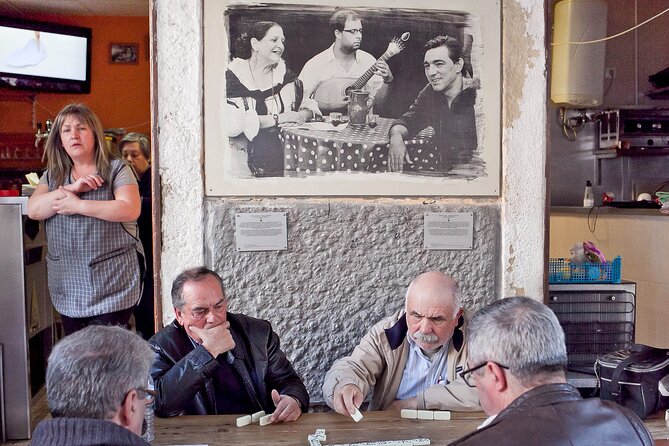
Stop 3 is Monumento Mouraria Berço do Fado on Rua do Capelão. This is described as the cradle of fado, and the street itself is tiny—full of history and legends tied to Lisbon song.
This is the part of the walk where the mood often shifts. The guide uses the physical space—tight street, small scale, and the feeling of an old pathway—to explain why fado is so closely tied to neighborhood memory. The sound of fado isn’t only about the instruments and the voice. It’s also about storytelling and place. On Rua do Capelão, you’re meant to feel that connection.
You’ll spend around 20 minutes here. My advice: don’t rush it. If you let the street’s tightness sink in, the stories the guide tells land better.
Once again, this stop is listed as free, so you’re getting maximum time-for-effort.
Casa Fernando Maurício: Meeting a Legend Through a Birthplace

Stop 4 takes you to Casa Fernando Maurício, tied to the streets where Fernando Maurício was born, lived, and died. The tone here is more personal. Fernando Maurício is framed as a fado figure who never wanted to be a star—more legend than celebrity—yet still carried Mouraria’s name forward through the art.
You’ll hear how his story fits the wider fado world and how Mouraria shaped (and was shaped by) performers. This is where the guide’s passion can really come through. In particular, the tour’s storytelling is designed to show you why older performers and their reputation still matter in how people talk about fado today.
This stop is around 15 minutes and is listed as free.
If you love music history, you’ll probably enjoy the way Luis links Fernando Maurício to the neighborhood itself, not just the man. It keeps the story grounded.
Capela de Nossa Senhora da Saúde: Resistance in Popular Culture
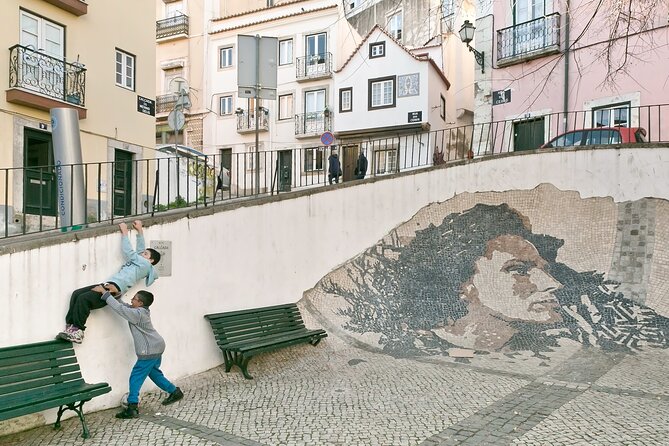
Stop 5 is the Capela de Nossa Senhora da Saude. It’s described as a small church that sits at the center of one of Lisbon’s most popular processions. That alone makes it worth your attention—processions tend to show how religion, street life, and local identity come together.
But the stop goes further. The capela is also presented as a symbol of resistance of fado and popular culture against the Estado Novo totalitarian regime, which vowed to destroy Mouraria in the name of progress. That’s a heavy theme for a walking tour, and it’s handled through context rather than lectures.
What this does for you as a visitor: it explains why fado feels like more than entertainment. In Mouraria, fado reads as a form of stubborn cultural survival—an art that refuses to be erased.
You’ll spend around 20 minutes at this final stop. Admission is listed as free, so you can finish the walk without any added costs.
What You’ll Learn Beyond the Stops

This tour doesn’t treat fado as a static tradition. It traces a story that moves across decades, including the transition from 20th-century fado into the 21st century. That matters because fado today still carries older emotional patterns, but the context changes—venues, audiences, and the way people experience the music.
The guide also builds connections between songs and the neighborhood’s social identity. Mouraria isn’t only a backdrop. It’s part of why the themes of longing, hardship, love, and pride ring true. The tour also includes recorded fado samples, which I found useful because it takes you out of pure talking mode and puts the music into your ears at the right moments.
And since the tour includes a professional local photographer guide, you can expect photo attention—help with timing, viewpoints, and how to capture the neighborhood without making it a chore. I’d still keep your phone handy, but don’t treat it like a sightseeing sprint.
Timing, Weather, and Walking Comfort Tips
This experience requires good weather, and since you’re outside, plan around that. If rain hits, Lisbon can still be walkable—but your experience changes fast when the streets get slick.
Also remember: it’s a walk with no food or drink offers. That’s not a dealbreaker, just smart planning. Bring water, and if you know you get hungry, schedule a meal right after the tour ends near Martim Moniz.
Dress for stairs. Even if you’re in decent shape, Mouraria’s elevation and tight routes mean you’ll work a bit. Think supportive shoes and a light layer. Lisbon can switch temperatures quickly.
Duration is listed as about 2 to 3 hours, so I’d treat it like an afternoon commitment, not a quick pre-dinner stroll.
Price and Value: What $31.31 Buys You
At $31.31 per person, this tour is priced in a way that feels realistic for what you’re actually getting: a private experience focused on one neighborhood, with storytelling that connects place, people, and cultural change.
You’re also getting more than one “role” included: a private guide, a local guide, and a professional local photographer guide. Even if those roles overlap in practice, the point is that this isn’t only a route description. It’s designed to be a guided, interpretive walk with attention to how the neighborhood shows up visually.
Most importantly, many stops are admission-free, which boosts value. When you’re not paying to enter a set of venues, your money goes toward the guide’s context and your time on the street.
One more detail: it’s commonly booked about 102 days in advance on average. That doesn’t guarantee it sells out instantly, but it does suggest this is a popular, plan-ahead type of experience—especially if you’re traveling in peak season or during busy weeks.
Who This Tour Fits Best
This tour is a strong match if you:
- Love music history and want the “where” behind fado
- Enjoy walking tours with stories, not only photos
- Want a smaller, private feel in a neighborhood that moves at street level
- Prefer explanations in English from a guide who clearly cares about the subject
It’s also a good choice if you’re only here a short time and want a focused theme: fado through Mouraria, not fado as a distant abstraction.
If you hate hills or need long periods of sitting, you might find parts of Mouraria challenging. But if you can handle stairs and short walking segments, you’ll likely enjoy the route.
Should You Book Fado: A Story of Thugs, Harlots and Poets?
If your goal is to understand fado as a living culture tied to real places, I’d book this. The walk connects the neighborhood’s physical layout to the emotions and themes people sing about. The best part is that it doesn’t stop at monuments—it includes recorded fado samples and a story that moves from older traditions into modern times.
Skip it only if you want a low-effort, flat, casual stroll with no stamina required. Mouraria asks you to walk and pay attention. In return, you get a fado education that feels grounded, practical, and very Lisbon.
FAQ
How long is the private walking tour?
It lasts about 2 to 3 hours.
What language is the tour offered in?
The tour is offered in English.
Is this tour private or group-based?
It’s private, so only your group participates.
Are there any food or drinks included?
No. This is a walking tour with no food or drink offers.
Where do I meet the guide, and where does the tour end?
The start is at R. da Mouraria 16, 1100-584 Lisboa, Portugal. The tour ends at Centro Comercial Martim Moniz, R. da Palma, 1150-199 Lisboa, Portugal.
What happens if the weather is bad?
The experience requires good weather. If it’s canceled due to poor weather, you’ll be offered a different date or a full refund.
More Tour Reviews in Lisbon
- Lisbon City Center Tour – The Unmissable Lisbon★ 5.0 · 22,234 reviews
- Lisbon: Sintra, Pena, Regaleira, Cabo da Roca & Cascais★ 4.7 · 19,656 reviews
- Lisbon Card: 24, 48, or 72-Hour Pass★ 4.5 · 17,944 reviews
- Lisbon: Jerónimos Monastery Entrance Ticket★ 4.1 · 14,164 reviews
- Lisbon: History, Stories and Lifestyle Walking Tour★ 4.8 · 10,902 reviews
More of Lisbon, One Hill at a Time
- Lisbon: History, Stories and Lifestyle Walking Tour★ 4.8 · 10,902 reviews
- Best of Lisbon Small-Group Guided Walking Tour★ 5.0 · 4,869 reviews
- Lisbon: Food and Wine Small Group Walking Tour★ 4.9 · 4,082 reviews
- Best of Lisbon Walking Tour: Rossio, Chiado & Alfama★ 4.9 · 2,700 reviews
- Age of Discoveries Walking Tour in Belém★ 5.0 · 1,513 reviews
One More Night of Fado
- Lisbon: Live Fado Show with Port Wine at Lisboa em Fado★ 4.7 · 5,097 reviews
- Lisbon: Fado Show and Wine inside Medieval Walls★ 4.8 · 3,819 reviews
- Lisbon: Fado Show and Portuguese Dinner★ 4.5 · 1,531 reviews
- Lisbon: Alfama Tour and Live Fado with Traditional Dinner★ 4.4 · 970 reviews
- Lisbon: Tapas & Drinks with Fado Live Performance★ 4.6 · 749 reviews
Just in: fresh Lisbon reviews from the team





Lisbon Walking Tours, compared.
 ★ 4.8History, Stories and Lifestyle Walking TourFrom $2910,902 reviews
 ★ 5.0Best of Lisbon Small-Group Guided Walking TourFrom $234,869 reviews
 ★ 4.9Food and Wine Small Group Walking TourFrom $724,082 reviews
 ★ 4.9Best of Lisbon Walking Tour: Rossio, Chiado & AlfamaFrom $232,700 reviews
 ★ 5.0Age of Discoveries Walking Tour in BelémFrom $31,513 reviews
 ★ 5.0Lisbon Roots – Small group Food & Culture Walking Tour w/tastingsFrom $168910 reviews
 ★ 4.9Starter Walking Tour to the highlights in GermanFrom $33781 reviews
 ★ 4.1Lisbon Tram No. 28 Ride & Walking TourFrom $23766 reviews
Browse the lists this tour appears in