
Reviewed · LISBON WALKING TOURS
A Walking Tour of Old Lisbon
Lisbon has hills, lanes, and stories packed into short distances. This 3-hour Old Lisbon walking tour is a smart way to see the oldest areas of the city without wandering aimlessly. I really liked the small-group size and the way the guide, Maria (a native Lisboan), gave you practical, first-time visitor tips while explaining what you were actually looking at. You’ll cover Mouraria, head up toward Castelo de São Jorge, then finish in Alfama with a Portuguese pastry tasting and a quick stop at Lisbon Cathedral. The main thing to consider is the walking: the hills are real, so you’ll want a comfortable pace and good shoes.
Two things I’d call out right away: the tour includes 2 tastings and the key admissions, so you’re not constantly stopping to pay or decide what to skip. Also, Maria’s humor and personality make the history feel less like a lecture and more like a conversation in the streets. Still, if you’re very sensitive to slopes, this isn’t a flat stroll, and it helps to know the tour is broken into short stages to manage the terrain.
In This Review
- Key highlights you’ll feel on the ground
- Why this Old Lisbon walk fits 3 hours (and doesn’t waste your time)
- From Rossio Square to the medieval climb: your orientation starts fast
- Mouraria streets and the birthplace angle for Fado
- Castelo de São Jorge: 40 minutes of hilltop payoff
- Alfama’s pastry moment and why the neighborhood matters
- Lisbon Cathedral: a 1147 anchor with earthquake survival in mind
- The tour’s price and whether it’s good value at $63.67
- What the group size and pace really change for you
- Weather, shoes, and practical tips for steep-old-street success
- Who should book this Old Lisbon walk (and who might not)
- Should you book this tour?
- FAQ
- How long is the Walking Tour of Old Lisbon?
- What is the price per person?
- Is it a small group tour?
- What’s included in the tour price?
- Which stops are on the walking route?
- Are there any activities or admissions fees not included?
- What should I wear or bring for the tour?
- What is the cancellation policy?
Key highlights you’ll feel on the ground
- Mouraria plus Fado origins in the places where the city’s music story began
- São Jorge Castle included with time for the views from the hilltop
- Alfama pastry tasting as a warm, local finish before you move on
- Lisbon Cathedral stop tied to its long survival through earthquakes and restorations
- Max 12 people so you can actually hear and ask questions without chasing the group
Why this Old Lisbon walk fits 3 hours (and doesn’t waste your time)

If you only have a limited window in Lisbon, this tour hits a strong set of neighborhoods that show Lisbon’s “old layers” quickly. You start near Rossio, then you work your way up and through the medieval parts of town, ending in a classic Alfama-feeling finish area. The pacing is built for understanding the city, not just collecting photos.
The biggest value for most people is that the tour handles the logistics that usually slow walking tours down. You get admission fees included and you’ll skip the queues, which matters a lot when you’re trying to keep the tour moving on schedule. It also means less time standing around, more time watching how the neighborhoods function.
And because it’s capped at 12 travelers, you’re not stuck in a crowd where the guide’s voice gets swallowed. That smaller group size is one reason the tour feels more personal, especially in narrower streets where everyone is close together.
Lisbon at walking pace, a few more routes
- Lisbon: History, Stories and Lifestyle Walking Tour
★ 4.8 · 10,902 reviews - Best of Lisbon Small-Group Guided Walking Tour
★ 5.0 · 4,869 reviews - Lisbon: Food and Wine Small Group Walking Tour
★ 4.9 · 4,082 reviews - Best of Lisbon Walking Tour: Rossio, Chiado & Alfama
★ 4.9 · 2,700 reviews
From Rossio Square to the medieval climb: your orientation starts fast
You meet at Rossio Square (Praça do Rossio), which is a useful anchor point because it’s one of the most central, recognizable areas in Lisbon. From there, the walk ramps up as you climb through the older hill district. Even if you think you know Lisbon, this kind of start helps you understand the city’s layout: you feel how the neighborhoods stack on slopes and how people historically moved between them.
What I liked is that the guide doesn’t just point to buildings. You get context for why these streets exist and how different communities have interacted here over time. That matters because Lisbon’s older areas can look “random” until someone explains the logic behind the street patterns and the neighborhood vibe.
There’s also a practical reality to this climb: it’s not a slow, flat walk. The guide moves in short stages, which makes a steep route much easier to handle. If you’re the type who gets tired early, this staging approach can be the difference between enjoying the tour and counting the minutes.
Mouraria streets and the birthplace angle for Fado
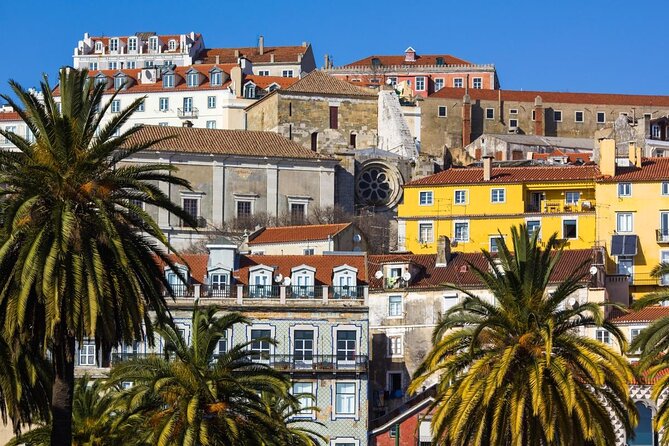
Mouraria is one of those Lisbon neighborhoods you can feel before you fully understand it. The streets are tight, the atmosphere is old, and it’s tied to cultural mixing in a way that’s more than a marketing line. On this tour, you pass through Mouraria as you head up from the Rossio area, and you learn how the neighborhood connects to the Fado tradition.
The tour’s Mouraria stop is positioned as the place where different cultures and traditions meet, with Fado highlighted as a strongest thread tied to the neighborhood. Even if you’re not a music nerd, the way the guide connects the music story to real streets helps you notice details you’d otherwise glide past.
A drawback to consider: Mouraria is part of a hillside walking route, so your experience here depends on your willingness to keep moving. If you prefer long museum-style stops, you might find this part more “walk and listen” than “stand and linger.” For the right pace, though, it’s a meaningful start to the day.
Castelo de São Jorge: 40 minutes of hilltop payoff
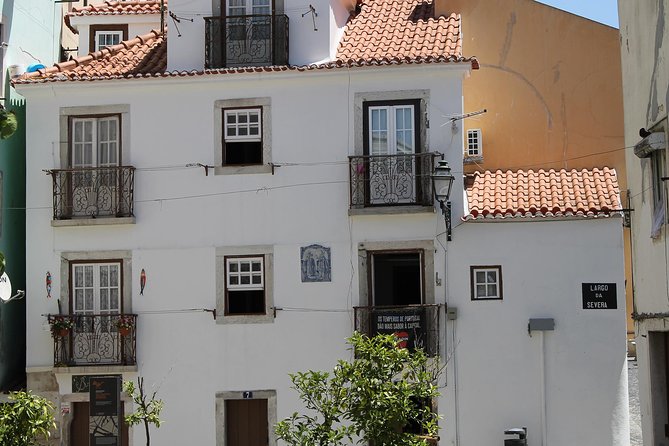
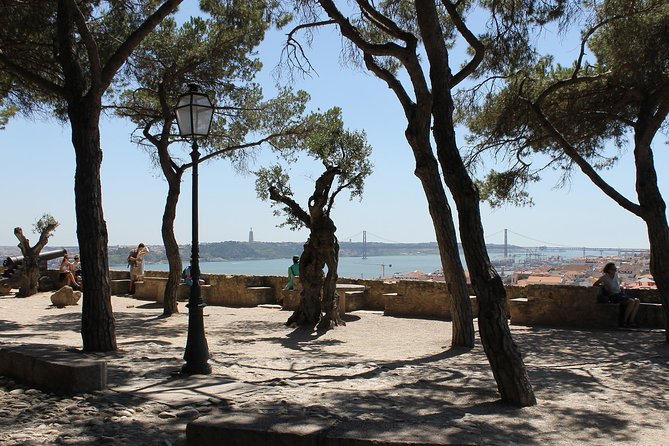
Castelo de São Jorge is the kind of place where you instantly understand why people built castles on hills. The fortress sits above the city, and the payoff is the view. On this tour, you spend about 40 minutes at the castle, and admission is included.
That time can go two ways depending on your style. If you like to read, look, and take photos, you can still get a solid feel for the place, especially because the guide helps you focus on what matters. If you’re more of a “I just want the best viewpoints” person, 40 minutes is also enough to hit the highlights without turning into an all-day commitment.
One value point worth repeating: the tour includes admission fees for the castle and helps you avoid queue time. That’s a quiet win, because it prevents the castle visit from eating into the rest of your planned walking route.
Worth a look before you lock anything else in around Lisbon:

Alfama’s pastry moment and why the neighborhood matters
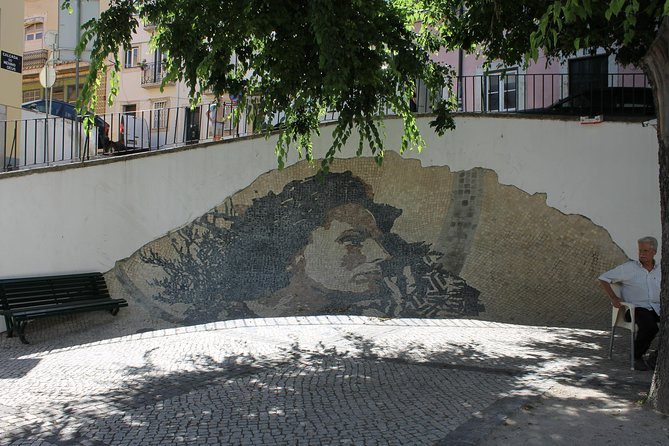
After the castle, you head toward Alfama, the neighborhood many people picture when they imagine Old Lisbon. The tour doesn’t treat Alfama as a checklist stop. You learn about local traditions and spend time feeling the atmosphere of the area.
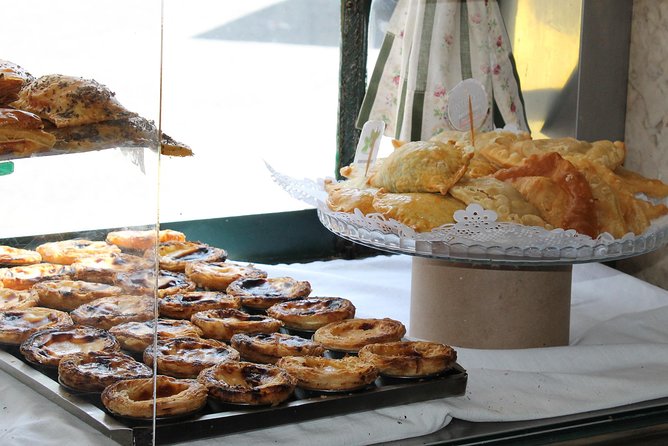
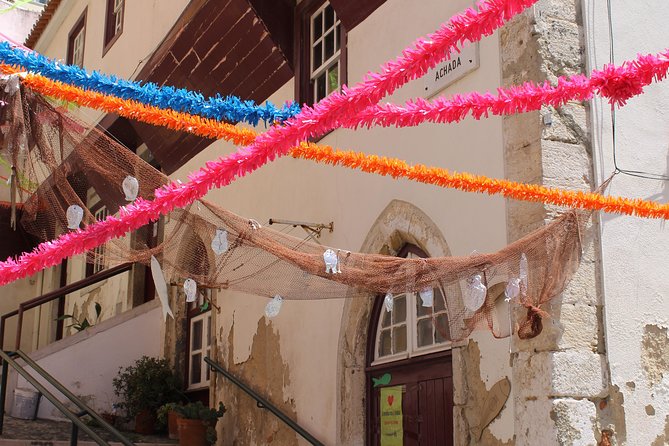
A key part of the experience here is the sweet finish: you’ll stop for Portuguese pastries as part of the included tastings. This is more than a snack break. It’s a gentle rhythm shift after time on higher ground. Plus, having the tasting before you move deeper into the streets makes the learning feel lighter and more human.
In Alfama, the walking continues with the goal of helping you notice the details of daily life and the historical flavor of the neighborhood. You get a guide-led sense of where to look and what to pay attention to, rather than guessing based on guidebook photos.
Potential consideration: Alfama is where you’ll likely feel the most “old neighborhood” walking experience. That can be great for atmosphere, but it also means uneven footing in places and more time moving through narrow lanes. If your shoes grip well, you’ll enjoy it more.
Lisbon Cathedral: a 1147 anchor with earthquake survival in mind
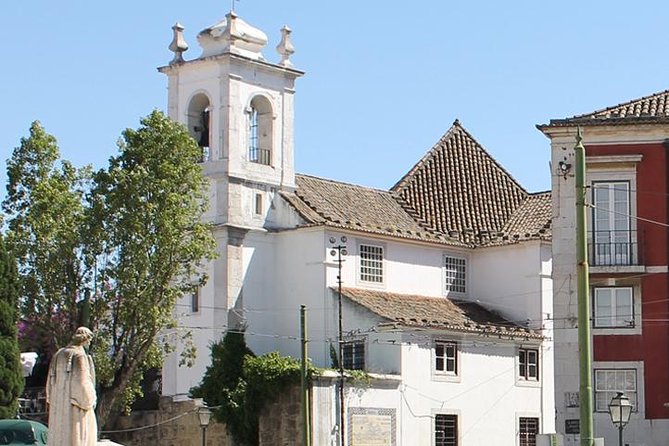
The last major highlight is Lisbon Cathedral, known for its age and its survival through major events that reshaped Lisbon. The cathedral was built in 1147, and it has endured multiple earthquakes. It’s also been modified, renovated, and restored over time, so you see a mix of architectural styles rather than one single design era.
The tour stop here is shorter (about 20 minutes), so it’s not meant to replace a full cathedral visit. Instead, it’s the kind of stop that gives you a framework for understanding Lisbon’s layers. Once you learn the cathedral’s timeline, the building stops being just a pretty exterior and becomes a clue to how Lisbon kept rebuilding itself.
Because it’s brief, you’ll get the most from it if you’re okay with quick observations and guide narration rather than slow wandering.
The tour’s price and whether it’s good value at $63.67
At $63.67 per person, you’re paying for more than just walking. You’re paying for:
- a professional guide throughout the full tour,
- skip-the-queue help,
- included admissions (including Castelo de São Jorge), and
- 2 tastings plus the Alfama pastry experience.
That combo tends to make a difference on a city like Lisbon, where timed entries and peak foot traffic can quietly add friction to your day. When you compare this to buying tickets on your own, the tour saves you time and decision-making. It also bundles the explanation, which is often the part that turns “sightseeing” into “understanding where to go next.”
Is it the cheapest option? Probably not. But for many visitors, the value sits in the time saved and the small-group experience with a guide like Maria, who clearly improves your entire stay with recommendations you can use after the tour.
What the group size and pace really change for you
This tour maxes out at 12 people, which is small enough to keep the walking tour feeling like a guided walk rather than a moving lecture with a crowd. In narrow streets and stairy segments, that small group size matters. It keeps you from losing the guide’s voice and helps you actually hear answers when you ask questions.
The guide also breaks things into short stages, which is a smart way to handle Lisbon’s steep parts. That’s exactly the kind of pacing you want if you’re not a fearless hill climber. It’s also helpful if you’re coming from a full day already and you don’t want the tour to feel like physical punishment.
One more note: the tour calls for moderate physical fitness and comfy walking shoes. If you know you get sore on slopes, treat that as a planning cue. Bring shoes with good grip and plan to slow down when the terrain steepens.
Weather, shoes, and practical tips for steep-old-street success
Lisbon weather can shift, and the tour is mostly outdoors. If rain is forecast, bring an umbrella since you’ll be outside for most of the tour. Even light rain can make older streets slicker, especially on worn stone surfaces.
Shoes are not a minor detail here. Choose something comfortable for walking and with solid grip. A steady step beats speed on hills.
Also, plan your day so you don’t schedule something too intense right before or after. Even though the tour is only about 3 hours, it includes climbing and multiple neighborhood changes. This is the kind of activity that feels better when you’re not rushing from one thing to another.
Who should book this Old Lisbon walk (and who might not)
This tour is a strong fit if you want a quick, guided introduction to Old Lisbon’s main older neighborhoods: Mouraria, Alfama, and key viewpoints up near São Jorge Castle. It’s also great if you appreciate practical guidance, because Maria’s recommendations can steer what you do next in Lisbon.
It may be less ideal if you:
- hate steep climbs and want a flat route,
- need long indoor stops at every step, or
- want a long, self-paced museum-style visit (this is a short stop format).
It is family-friendly in the sense that children under 6 don’t pay and are welcome, but the tour notes that walking tours with children and baby trolleys can be hard to manage in some situations. If that applies to you, plan carefully and expect the steep segments to be the challenge.
Should you book this tour?
I’d book it if you want Old Lisbon in a compact time window and you value guidance over guesswork. The combo of Mouraria + Fado context, an included castle visit with views, and an Alfama finish with pastries makes the route feel well thought out rather than random.
I’d skip it if you want minimal walking or if hills are a deal-breaker. In that case, you’d likely feel the steep terrain more than the guide’s staging helps.
If you’re flexible, bring good shoes, and arrive ready to walk and listen, this tour is one of the better ways to get oriented fast and leave with a clearer idea of where Lisbon’s older soul lives.
FAQ
How long is the Walking Tour of Old Lisbon?
The tour lasts about 3 hours.
What is the price per person?
The price is $63.67 per person.
Is it a small group tour?
Yes. The tour has a maximum of 12 travelers.
What’s included in the tour price?
It includes local and professional guidance, admission fees, skip-the-queue access, and 2 tastings.
Which stops are on the walking route?
You’ll visit Rossio Square area into Mouraria, Castelo de São Jorge, Alfama, and Lisbon Cathedral.
Are there any activities or admissions fees not included?
Lunch is not included.
What should I wear or bring for the tour?
Wear comfortable walking shoes. If rain is forecast, bring an umbrella since you’ll be outside for most of the tour.
What is the cancellation policy?
Free cancellation is available up to 24 hours in advance for a full refund.
More Tours in Lisbon
- Lisbon City Center Tour – The Unmissable Lisbon★ 5.0 · 22,234 reviews
- Lisbon: History, Stories and Lifestyle Walking Tour★ 4.8 · 10,902 reviews
- True 4Hour Private Tuk Tuk Tour: Discover Lisbon with a Local!★ 5.0 · 8,008 reviews
- Winner 2025 Undiscovered Lisbon Food & Wine Tour by Eating Europe★ 5.0 · 6,390 reviews
- Lisbon: Sintra, Pena, Cabo da Roca, Cascais Tour with Pickup★ 4.8 · 5,445 reviews
More Tour Reviews in Lisbon
- Lisbon City Center Tour – The Unmissable Lisbon★ 5.0 · 22,234 reviews
- Lisbon: Sintra, Pena, Regaleira, Cabo da Roca & Cascais★ 4.7 · 19,656 reviews
- Lisbon Card: 24, 48, or 72-Hour Pass★ 4.5 · 17,944 reviews
- Lisbon: Jerónimos Monastery Entrance Ticket★ 4.1 · 14,164 reviews
- Lisbon: History, Stories and Lifestyle Walking Tour★ 4.8 · 10,902 reviews
More of Lisbon, One Hill at a Time
- Lisbon: History, Stories and Lifestyle Walking Tour★ 4.8 · 10,902 reviews
- Best of Lisbon Small-Group Guided Walking Tour★ 5.0 · 4,869 reviews
- Lisbon: Food and Wine Small Group Walking Tour★ 4.9 · 4,082 reviews
- Best of Lisbon Walking Tour: Rossio, Chiado & Alfama★ 4.9 · 2,700 reviews
- Age of Discoveries Walking Tour in Belém★ 5.0 · 1,513 reviews
Just in: fresh Lisbon reviews from the team





Lisbon Walking Tours, compared.
 ★ 4.8History, Stories and Lifestyle Walking TourFrom $2910,902 reviews
 ★ 5.0Best of Lisbon Small-Group Guided Walking TourFrom $234,869 reviews
 ★ 4.9Food and Wine Small Group Walking TourFrom $724,082 reviews
 ★ 4.9Best of Lisbon Walking Tour: Rossio, Chiado & AlfamaFrom $232,700 reviews
 ★ 5.0Age of Discoveries Walking Tour in BelémFrom $31,513 reviews
 ★ 5.0Lisbon Roots – Small group Food & Culture Walking Tour w/tastingsFrom $168910 reviews
 ★ 4.9Starter Walking Tour to the highlights in GermanFrom $33781 reviews
 ★ 4.1Lisbon Tram No. 28 Ride & Walking TourFrom $23766 reviews
Browse the lists this tour appears in