

Reviewed · HISTORICAL TOURS
Queer Lisbon History Tour: scene/history
Listen for Lisbon’s queer echoes. This 3.5-hour walk turns ordinary streets into queer history and then links it to today’s LGBTQ nightlife in Principe Real and Bairro Alto. You’ll hear fun (and sometimes absurd) stories, scandals, and side-threads of Portuguese history that explain why the city feels the way it does.
What I really like is the mix of centuries: you get big moments like how the Inquisition dealt with gay men, and also smaller, street-level details like cruising spots from the 17th century. I also love the practical angle built into the walk—right as you learn the past, you’re pointed toward the present-day venues where you can actually go after the tour.
One consideration: it’s a real walk. You’ll cover about 4 km (2.5 miles) in comfortable walking shoes, and it’s 16+ only, so it’s not the kind of tour to half-lie through in sandals or bring large bags for.
In This Review
- Key things that make this tour worth your time
- Why Principe Real and Bairro Alto make the perfect queer timeline
- Getting there at Principe Real: the Rainbow Umbrella start
- The story arc: Inquisition punishments to police-era danger
- Cruising, censorship, and community: the harder parts of Lisbon’s queer past
- WWII, drag origins, and Portuguese rights: from Josephine Baker to the Two Fernandes
- Modern scene stops in Principe Real and Bairro Alto: where the tour turns practical
- Alex’s LONG LIST guide: the 150-page planning tool you’ll actually use
- Price and logistics: what you’re really paying for
- Who this walk fits best (and who might prefer something else)
- Should you book the Queer Lisbon History Tour?
- FAQ
- What areas does the tour cover?
- How long is the walking tour?
- Where do I meet the guide?
- What is the price?
- Is food or drinks included?
- What language is the tour in?
- Is it suitable for kids?
Key things that make this tour worth your time
- Rainbow Umbrella meeting point in Principe Real keeps it simple to start
- Principe Real + Bairro Alto covers the two biggest LGBTQ nightlife zones
- Stories spanning the 1600s to today, including censorship, policing, and cruising culture
- Built-in night-out strategy, so you leave knowing where to go next
- Free updated Alex’s LONG LIST guide (150 pages) for month-by-month planning
Why Principe Real and Bairro Alto make the perfect queer timeline
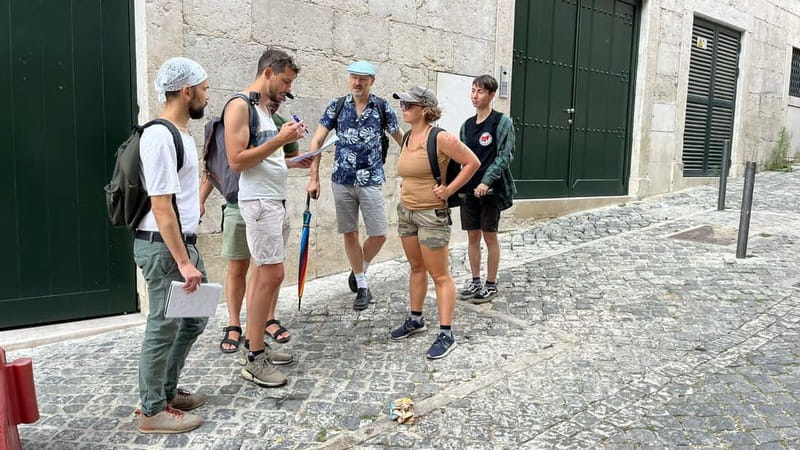
Lisbon’s LGBTQ story isn’t stuck in one museum room. It lives in neighborhoods, bar clusters, and the kind of street layout that lets people be seen or hidden depending on the hour. This tour leans into that. You’re guided through Principe Real and Bairro Alto, two areas that have long pulled social life together—and still do.
What you get from choosing these neighborhoods is continuity. The past isn’t treated like a distant ancestor; it’s used to explain patterns. For example, when you learn about persecution and censorship, you also understand why certain spaces matter for connection and safety. When you learn about how Pride works differently in Portugal, you start to see how activism fits local politics, culture, and public space.
And because this is a walking tour rather than a lecture, the city becomes the “text.” You’re not just told that people found community; you’re shown the places where that community tends to gather now, so the history lands with context.
Worth a look before you lock anything else in around Lisbon:
- Lisbon: History, Stories and Lifestyle Walking Tour
★ 4.8 · 10,902 reviews - Lisbon: Daytime or Sunset Boat Cruise with History and Wine
★ 5.0 · 1,053 reviews - Explore Lisbon by Tuk Tuk: History and Viewpoints
★ 5.0 · 840 reviews - Private Tuk Tuk Tour Through Lisbon’s Historical Streets
★ 5.0 · 734 reviews
Getting there at Principe Real: the Rainbow Umbrella start
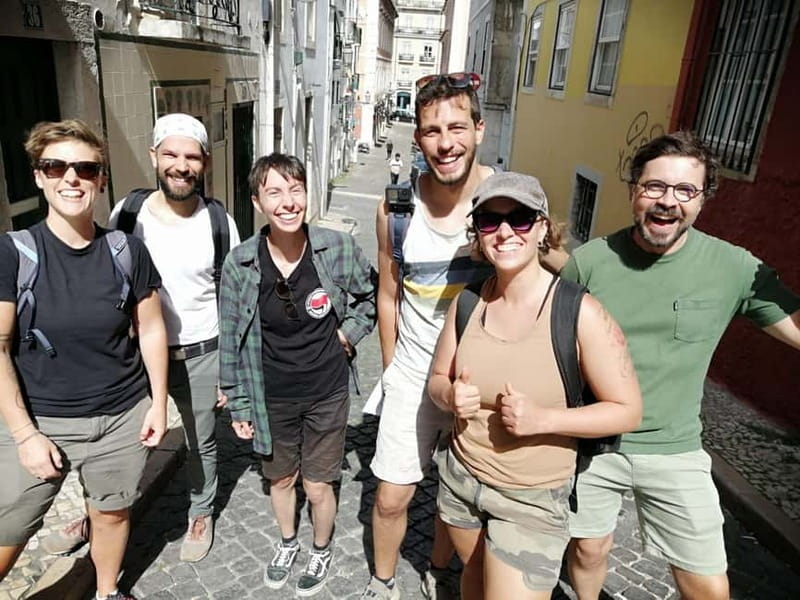
The meet-up is in the garden square of Príncipe Real—outside number 18 on Praça/Jardim do Príncipe Real, by the children’s play corner. The easiest cue is that your group looks for the Rainbow Umbrella.
If you like using your phone’s map app, you can plug in the provided coordinates: 38.715994, -9.149382. No transfer, no pickup. You start on your own, then the guide handles the pacing once everyone’s together.
This tour covers about 4 km total and runs around 3.5 hours. There’s no food or drinks included, so plan to eat before or after. Since you’ll be walking and sometimes pausing in the open, you’ll be happiest in comfortable shoes.
Also note the baggage rule: no luggage or large bags. Keep it light. Bring what you need for a walking afternoon, plus water if you know you’ll get thirsty in the weather.
The story arc: Inquisition punishments to police-era danger

The tour’s biggest strength is how it connects fear, law, and public life—without turning it into pure gloom. The story begins with old, brutal power structures, then moves into social survival and reinvention.
You’ll hear how the Inquisition dealt with gay men. That matters because it explains how sexuality could become a legal and moral target. From there, the tour moves forward into periods where the pressure didn’t vanish—it changed form. One of the recurring themes is dodging attention: how gay men navigated 1950s police pressure, and how people learned to read the city like a safety system.
This is where the guide’s storytelling style really helps. The details sound like scandals and courtroom drama because that’s how the records and culture often show it: names, rumors, consequences, and the strange mix of punishment and public fascination. You get the sense that in Lisbon, private lives were constantly negotiating with public risk.
A possible downside of heavy historical content is that it can feel intense in the afternoon heat. The good news: the tour is designed as a walking route, and the guide is experienced at keeping momentum while still managing comfort. On hot days, expect pauses in shady spots rather than nonstop exposure.
Cruising, censorship, and community: the harder parts of Lisbon’s queer past
After you’ve got the legal pressure in your head, the tour turns toward how people still lived. This is where you’ll hear about 17th-century cruising sites—and why “where” mattered for closeness, discretion, and the rhythms of desire. Even when the details are hard, the tour frames them in a human way: not just as scandal, but as evidence that queer life existed even under threat.
Next comes the theme of censorship. The tour includes stories about how lesbians battled 1960s censorship. That’s not just an old-time footnote. It helps you understand why later LGBTQ culture had to become strategic—using code, performance, and carefully chosen venues.
Then you get cultural threads that many visitors miss. One example: why Fado is queer. The tour treats music and performance as part of the historical record, not only as entertainment. When you connect queer experience to Portuguese culture in this way, you stop thinking of culture as separate from politics. You start seeing the city’s art as a mirror—and sometimes as a hiding place.
You’ll also hear about 19th-century sex-work and stories that include lesbian nuns. These aren’t random shocks; they show how different social roles could collide with sexual identity, and how religious and social institutions were part of the pressure system.



WWII, drag origins, and Portuguese rights: from Josephine Baker to the Two Fernandes
The tour keeps widening its lens, moving from Lisbon streets into international history and back again.
One standout is the story of Josephine Baker, described here as a bisexual jazz legend who was also a spy in WWII. That kind of story does two things. First, it reminds you queer icons weren’t confined to one country or one type of fame. Second, it makes it easier to understand why later queer culture often borrowed from performance, style, and public persona.
You’ll also hear a Trans love story from the 1800s, plus references to the Two Fernandes. These names and stories help show that queer history isn’t one straight line. It’s scattered, sometimes partially documented, and often only visible through local records, gossip, and what survived.
Then the tour tackles rights. You’ll hear about how LGBT rights were established in Portugal, and you’ll also get historical notes on the first drag shows and queer gay writers. The presence of straight censors and disgraced politicians in the story is important too. It highlights how often queer expression had to fight not only social attitudes, but the machinery of culture approval and public authority.
And because you’re walking past modern venues while learning this arc, the time jump doesn’t feel like whiplash. Lisbon becomes a living timeline: the same neighborhoods that once carried risk now carry nightlife, community, and visibility—often with different rules, but similar stakes around being seen.
Modern scene stops in Principe Real and Bairro Alto: where the tour turns practical

The past is the hook, but the present is the payoff. You’ll pass by major LGBTQ scene venues in and around Principe Real and Bairro Alto, including bars, clubs, cafes, and other hangouts. The goal isn’t just to point and say, That’s a bar. The guide gives context so you know what kind of night to expect.
One practical thing you can use fast: the guide shares current information about queer clubs and bars, including details like demographic vibe and party hours. That turns your tour from history-only into a real tool for your schedule. If you do this early in your trip, you can use it to plan your next evenings without guessing.
This is also a tour that encourages questions. You’ll be meeting fellow travelers along the walk, and the guide is ready for curiosity—why something is where it is, how a specific neighborhood became a scene hub, or how Portuguese LGBTQ life differs from what you know from home.
The other practical benefit: you’ll get your bearings. Lisbon is famous for hills and twists, and getting your mental map aligned early makes the city feel easier later. This walk helps you understand how to move between the two core areas rather than treating each one like an isolated party pocket.
Alex’s LONG LIST guide: the 150-page planning tool you’ll actually use
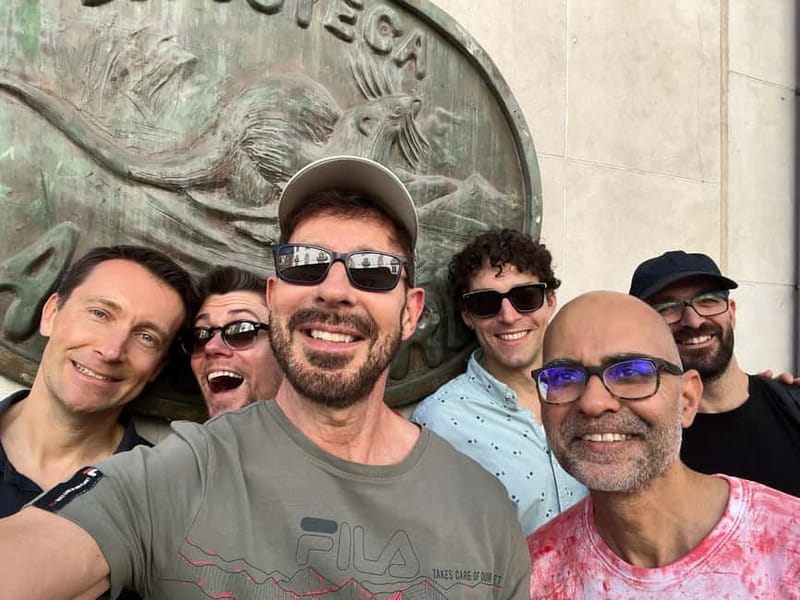
A big part of the value here is what you leave with: a free copy of Alex’s LONG LIST Guide to LGBTQ Lisbon & Portugal.
This isn’t described as a thin pamphlet. It’s a 150-page guide, written by locals and updated every month. It’s designed for mobile reading and also includes a PDF download option. That matters because Lisbon nightlife changes—new spots pop up, and events shift.
In practical terms, the guide includes:
- venue lists and maps for Queer Lisbon/Portugal
- monthly queer events
- a gay beaches guide plus how to get there
- coverage of nightclubs, bars, saunas, and women’s venues
- info on relaxed bars, cabaret-style spaces, queer and Trans spaces
- community and sports/social groups, plus health services
If you’re the type who likes to choose where to go based on your mood—chill night vs big dance floor—this guide supports that. Even if you don’t use every section, having it means you can stop relying on last-minute internet searches.
One more quiet benefit: a local-written guide plus a guided walk means you’re not just receiving information. You’re getting a way to interpret the city’s social map.
Price and logistics: what you’re really paying for
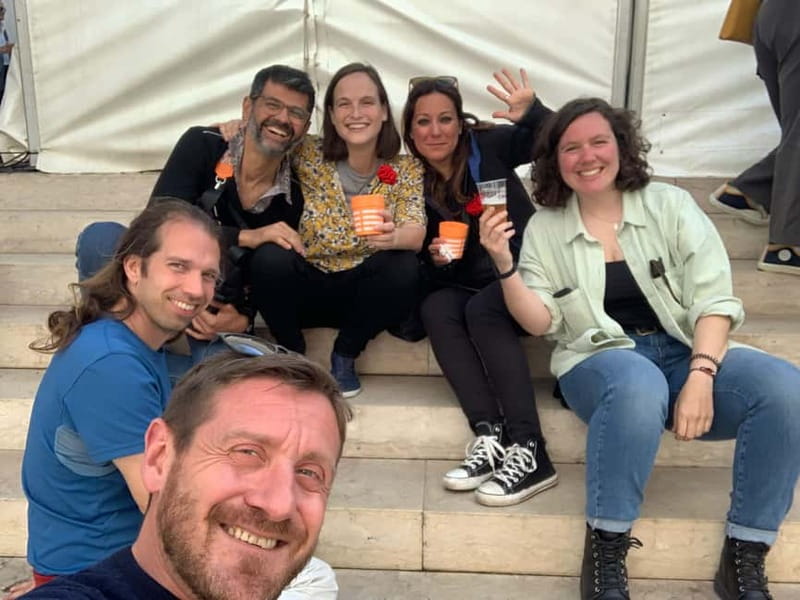
At $58 per person for roughly 3.5 hours, this tour sits in the category where value depends on what you want: storytelling plus planning help, not just sightseeing.
Here’s the value math I’d use:
- You get a guided, English-language walking experience with historical depth and scene context.
- You get a paid-catalog style resource for free: Alex’s LONG LIST (150 pages, updated monthly).
- You get a walking route designed around two main LGBTQ nightlife districts, so the walk has a clear purpose.
It’s not a “cheap” add-on, but it’s also not only entertainment. You’re paying for someone to connect queer Portuguese history to the modern places you’ll be using during your stay.
Logistically, keep it simple: eat before, wear comfortable shoes, travel light (no large bags). If weather is rough, expect tour adjustments rather than a cancellation stop. The tour always aims to run, based on the guide’s weather handling.
Who this walk fits best (and who might prefer something else)

This tour is built for people who want Lisbon to feel personal. It works especially well if you:
- care about queer history but also want modern context
- want LGBTQ venue direction in Principe Real and Bairro Alto
- are traveling solo and want an easy way to meet others while walking
- like asking questions and getting answers while standing in the actual neighborhood
It’s not suitable for children under 16. Beyond that, if you hate walking or dislike long story-heavy stops, you might find the 4 km route a stretch. Still, it’s paced around pauses and shade when needed.
If you’re new to Lisbon, I’d do this early. The walk helps you understand what you’re seeing later—where the queer scene lives, and how history shaped the present layout of nightlife.
Should you book the Queer Lisbon History Tour?
If you want Lisbon to make sense beyond viewpoints and photo stops, I’d book this. The combination is rare: centuries of queer stories connected directly to the neighborhoods where LGBTQ life happens now, plus a ready-to-use 150-page guide that’s updated monthly.
Skip it only if you’re looking for a monument-focused tour or you can’t handle a 4 km walk. Otherwise, this is the kind of outing that turns a city into something you can navigate after the tour ends.
FAQ
What areas does the tour cover?
The tour focuses on the LGBTQ scene venues in Príncipe Real and Bairro Alto, with stops around the main gay scene venues in those areas.
How long is the walking tour?
It lasts about 3.5 hours, covering roughly 4 km (2.5 miles).
Where do I meet the guide?
Meet in the garden square of Príncipe Real, outside number 18 on Praça/Jardim do Príncipe Real, by the children’s play corner. Look for the Rainbow Umbrella.
What is the price?
The price is listed as $58 per person (and in another note as £50 for age 16+).
Is food or drinks included?
No. Food and drinks are not included.
What language is the tour in?
The tour is guided in English.
Is it suitable for kids?
No. It is not suitable for children under 16.
More Historical Tours in Lisbon
- Lisbon: History, Stories and Lifestyle Walking Tour★ 4.8 · 10,902 reviews
- Lisbon: Daytime or Sunset Boat Cruise with History and Wine★ 5.0 · 1,053 reviews
- Explore Lisbon by Tuk Tuk: History and Viewpoints★ 5.0 · 840 reviews
- Private Tuk Tuk Tour Through Lisbon’s Historical Streets★ 5.0 · 734 reviews
- Lisbon Sunset Sailing with Portuguese Wine and History★ 5.0 · 668 reviews
More Tours in Lisbon
- Lisbon City Center Tour – The Unmissable Lisbon★ 5.0 · 22,234 reviews
- Lisbon: History, Stories and Lifestyle Walking Tour★ 4.8 · 10,902 reviews
- True 4Hour Private Tuk Tuk Tour: Discover Lisbon with a Local!★ 5.0 · 8,008 reviews
- Winner 2025 Undiscovered Lisbon Food & Wine Tour by Eating Europe★ 5.0 · 6,390 reviews
- Lisbon: Sintra, Pena, Cabo da Roca, Cascais Tour with Pickup★ 4.8 · 5,445 reviews
More Tour Reviews in Lisbon
- Lisbon City Center Tour – The Unmissable Lisbon★ 5.0 · 22,234 reviews
- Lisbon: Sintra, Pena, Regaleira, Cabo da Roca & Cascais★ 4.7 · 19,656 reviews
- Lisbon Card: 24, 48, or 72-Hour Pass★ 4.5 · 17,944 reviews
- Lisbon: Jerónimos Monastery Entrance Ticket★ 4.1 · 14,164 reviews
- Lisbon: History, Stories and Lifestyle Walking Tour★ 4.8 · 10,902 reviews
Just in: fresh Lisbon reviews from the team





Historical Tours, compared.
 ★ 4.8History, Stories and Lifestyle Walking TourFrom $2910,902 reviews
 ★ 5.0Daytime or Sunset Boat Cruise with History and WineFrom $471,053 reviews
 ★ 5.0Explore Lisbon by Tuk Tuk: History and ViewpointsFrom $19840 reviews
 ★ 5.0Private Tuk Tuk Tour Through Lisbon’s Historical StreetsFrom $27734 reviews
 ★ 5.0Lisbon Sunset Sailing with Portuguese Wine and HistoryFrom $54668 reviews
 ★ 4.8Live Fado Show in Historic Alfama with Port WineFrom $17572 reviews
 ★ 4.8Guided Tuk-Tuk Tour Along the Historic Tram Line 28From $147475 reviews
 ★ 5.0Private Lisbon-Arrábida Wine Tour: 3 Wineries, Coast & HeritageFrom $156450 reviews
Browse the lists this tour appears in