
If you like art that has a timeline, this fits. MAC/CCB mixes Portugal’s contemporary collections with a strong focus on context, so you can see how artists and movements connect. One ticket gets you into multiple exhibitions, and the museum also links visual art with architecture through its Architecture Centre.
What I like most is the way the collections cover both permanent and temporary shows without making you plan like a project manager. I also love the chronological layout, which makes heavy modern art feel less random and more like a story you can follow. One thing to consider: the rules are strict inside (including no umbrellas and no backpacks), so travel light.
In This Review
- Key things I’d mark on your map first
- MAC/CCB: Contemporary Art and Architecture in One Lisbon Stop
- What your ticket actually gets you (and why it’s good value)
- Collections that connect the dots: CACE, Teixeira de Freitas, and Berardo
- Chronological layout: why it makes modern art feel less chaotic
- Temporary exhibitions + the Centre’s broader mission
- How I’d plan a 2-day visit inside MAC/CCB
- Inside rules: what can trip you up at the door
- Free Wi‑Fi and a calm visit flow
- Who this experience is perfect for
- Should you book this MAC/CCB ticket?
- FAQ
- How much does the entry ticket cost?
- How long is the ticket valid?
- What does the ticket include?
- Which museums or collections are included?
- What are the museum opening hours?
- Is it wheelchair accessible?
- Are there reduced rates for residents in Portugal?
- Are selfie sticks allowed?
- Is it allowed to bring a backpack or an umbrella?
- Are pets allowed?
- Should You Book This MAC/CCB Ticket?
Key things I’d mark on your map first
- One ticket, four exhibitions across permanent and changing displays
- Portugal’s Contemporary Art Collection + Berardo Collection in the same museum
- Chronological presentation that helps you place artists and art movements in time
- Modern and twentieth-century names shown in context, not as disconnected trophies
- Architecture Centre connection for a second angle on contemporary creativity
MAC/CCB: Contemporary Art and Architecture in One Lisbon Stop
MAC/CCB (Museu de Arte Contemporânea e Centro de Arquitetura) is part of the Centro Cultural de Belém complex in Lisbon. That matters because you’re not just visiting “a museum room.” You’re entering a cultural zone built for crossovers: visual art, architecture, and also performing arts in the broader Centro Cultural de Belém orbit.
The museum describes itself as one of the most international contemporary art options in Portugal, and you can feel that in the range of artists and the international art movements referenced throughout the displays. You’ll see modern and twentieth-century work alongside contemporary pieces, and you’ll get a sense of what shaped the big shifts in art—how styles changed, how ideas traveled, and how artists responded to their time.
Practical note: you’re planning for Lisbon museum hours, not beach time. MAC/CCB is open Tuesday through Sunday, from 10:00 a.m. to 6:30 p.m. That’s a solid window, but it means mornings matter if you’re trying to fit this between other sights.
Worth a look before you lock anything else in around Lisbon:
- Lisbon: Jerónimos Monastery Entrance Ticket
★ 4.1 · 14,164 reviews - Lisbon: Oceanário de Lisboa Entrance Ticket
★ 4.6 · 9,943 reviews - Lisbon: São Jorge Castle E-Ticket and Audio Guide
★ 4.3 · 2,182 reviews - Lisbon: 72/96-Hour Hop-On Hop-Off Bus, Tram & Boat Ticket
★ 4.4 · 2,170 reviews
What your ticket actually gets you (and why it’s good value)
This entry ticket is priced at $17 per person and gives you a lot more than the single “pay once, see one room” model. Your admission covers:
- entrance to the museum
- access to all exhibitions
- free Wi‑Fi
And the biggest headline: one ticket, four exhibitions. That’s the kind of setup that makes sense if you don’t want to overthink your day. You can wander, re-check areas you care about, and still know you’ve paid for the core experience.
Also worth noting: the ticket is valid for 2 days. So if you want to split your time—say, one day for the permanent displays and another for temporary exhibitions—you can do that instead of trying to cram everything into one visit.
Portugal resident pricing is a real deal if it applies to you. If you live in Portugal, reduced rates are available when you show valid ID proving Portuguese residency. You’ll need to proceed to the museum reception to sort it out, so don’t assume it’s automatic at checkout.
Collections that connect the dots: CACE, Teixeira de Freitas, and Berardo
MAC/CCB houses several major collection strands in one place:
- the Portuguese State Contemporary Art Collection (CACE)
- the Teixeira de Freitas Collection
- the Berardo Collection
For you, that combination is the point. Instead of seeing Portuguese contemporary art in isolation, you see it alongside a wider twentieth-century and contemporary range, with the museum framing artists and movements together. It’s a useful way to understand where modern Portuguese art fits in the bigger story.
Here’s what stands out: the museum doesn’t treat the permanent collection like a background display. It gives it structure through the permanent exhibition of the Berardo Collection, while temporary exhibitions let new voices and themes enter the conversation.
The museum also names a lot of big figures across art history, including Pablo Picasso, Salvador Dalí, Marcel Duchamp, Piet Mondrian, Joan Miró, Max Ernst, Vieira da Silva, Andy Warhol, Donald Judd, Bruce Nauman, Lourdes Castro, Helena Almeida, and Cindy Sherman—and it places them in context with the movements they helped define.
You don’t need to be an art-history student to benefit from that. You just need to slow down enough to read the movement cues as you go. That’s how the museum turns famous names into something you can actually use.
Chronological layout: why it makes modern art feel less chaotic
One of the museum’s strongest design choices is how the displays are arranged in chronological order. For many people, modern art feels like a jumble because it spans decades, styles, and mediums. Chronology fixes that problem.
As you move through time, you get “cause and effect” vibes: you can see what came before, what broke from it, and how later artists borrowed, rejected, or reshaped earlier ideas. Instead of asking yourself, What am I looking at?, you can ask, Why did this happen when it did?
And because MAC/CCB mixes contemporary works with twentieth-century pieces, you get a helpful bridge. You’ll see movements that shaped the present, not just the present floating in space.
If you’re the type who likes to understand your art before you photograph it, this layout will feel like a gift.
Worth a look before you lock anything else in around Lisbon:
Temporary exhibitions + the Centre’s broader mission
MAC/CCB isn’t only about the permanent shows. It also runs temporary exhibitions that keep the museum from feeling like one long replay.
The museum also includes the Architecture Centre, and that’s where it gets interesting. The Architecture Centre’s mission is to connect visual arts, architecture, and performing arts through temporary exhibitions by contemporary artists. In plain terms: you’re nudged to think about buildings and space as part of culture, not just as background.
A key update: the Architecture Centre reopened in April 2025, with an architectural project by the Swiss-Portuguese studio BUREAU. Their design reimagines the south garage of CCB as a flexible space—one that can host exhibitions, workspaces, public events, and communal gatherings.
Even if you only skim the design notes, you’ll still feel the intention. The Architecture Centre aims to make contemporary creation feel practical and shared, not distant and museum-silent.
How I’d plan a 2-day visit inside MAC/CCB
You don’t need a minute-by-minute schedule, but a smart two-day plan makes the experience smoother.
Day 1: focus on the structure
Start with the core chronological flow and the permanent displays, especially the Berardo Collection areas. Give yourself time to read movement context. That’s where the museum’s “story” works best.
Day 2: aim at change and contrast
On your second day, spend more energy on temporary exhibitions and any parts that complement what you saw first. This is also the day to connect the visual art with the architecture angle—since the Architecture Centre is part of the overall experience.
For timing, plan around the open hours: Tuesday to Sunday, 10:00 a.m. to 6:30 p.m. If you’re also juggling other Belém sights, mid-morning is usually easier than late afternoon.
Also, if you like a calm pace, don’t treat the museum like a sprint. MAC/CCB is a “take a minute” kind of place.
Inside rules: what can trip you up at the door
Museums are not always lenient, and MAC/CCB is clear about what isn’t allowed. Here’s what to watch:
- no weapons or sharp objects
- no pets (assistance dogs allowed)
- no selfie sticks
- no smoking indoors
- no food
- no tripods
- no backpacks
- no umbrellas
- no walking sticks
- no alcohol or drugs
- no explosive substances
That list can matter more than it sounds. “No backpacks” is the big one for most people. I recommend traveling with as little as possible and keeping your essentials easy to carry. If you normally bring a full daypack, leave it in your lodging and switch to a smaller bag you can manage.
Also, because food and umbrellas are not allowed inside, don’t rely on last-minute convenience. You’ll want to eat before or after your visit, and keep rain gear planned for outside.
Free Wi‑Fi and a calm visit flow
You’ll get free Wi‑Fi on site. That’s useful for:
- quick map checks inside larger cultural complexes
- looking up background terms you keep seeing in captions (artist names, movement labels)
- translating your thoughts into something you can actually remember later
Even with Wi‑Fi, don’t let your phone run the show. The museum’s value is in the pacing and the context provided by the layout and exhibitions.
Who this experience is perfect for
MAC/CCB is a strong match if you:
- want one ticket that covers a lot of exhibitions
- like modern art but don’t want it to feel random
- prefer museum design that helps you understand chronology
- are curious about how architecture and art talk to each other
- want both Portuguese contemporary context and internationally recognized names
It’s also a good fit for independent travelers who like to wander. The ticket gives you access to all exhibitions, and the 2-day validity helps you avoid the pressure of cramming everything in one go.
If you only want quick, casual browsing with no reading, this may feel like too much. The museum’s strength is context—so bring patience.
Should you book this MAC/CCB ticket?
Yes, if you care about contemporary art with context. For $17, you’re getting access to all exhibitions, free Wi‑Fi, and a structure that connects major Portuguese collections with the international modern art conversation. The chronological setup is the standout practical advantage because it makes the experience easier to follow.
Book it especially if you’ll use the 2-day validity to split permanent vs temporary highlights. Just go in with the understanding that the museum rules are strict—skip the umbrella and leave the big backpack behind—so your visit starts smoothly instead of turning into a storage-line problem.
FAQ
How much does the entry ticket cost?
The price is $17 per person.
How long is the ticket valid?
The ticket is valid for 2 days.
What does the ticket include?
It includes entrance to the museum, access to all exhibitions, and free Wi‑Fi.
Which museums or collections are included?
The museum includes Portugal’s State Contemporary Art Collection (CACE), the Teixeira de Freitas Collection, and the Berardo Collection, plus it includes the Architecture Centre.
What are the museum opening hours?
MAC/CCB is open Tuesday to Sunday from 10:00 a.m. to 6:30 p.m.
Is it wheelchair accessible?
Yes, the museum is wheelchair accessible.
Are there reduced rates for residents in Portugal?
Yes. Reduced rates are available if you present valid ID proving Portuguese residency, and you should proceed to the museum reception.
Are selfie sticks allowed?
No, selfie sticks are not allowed.
Is it allowed to bring a backpack or an umbrella?
No. Backpacks and umbrellas are not allowed.
Are pets allowed?
Pets are not allowed, but assistance dogs are allowed.
Should You Book This MAC/CCB Ticket?
If you’re in Lisbon and you want a contemporary art museum that makes you feel oriented—not lost—this is a solid buy. The mix of multiple collections, the chronological layout, and the added Architecture Centre angle make it more than a one-room stop, especially since the same ticket covers all exhibitions over 2 days.
More Museums in Lisbon
- Lisbon: Luz Stadium Tour & SL Benfica Museum Entry★ 4.7 · 4,102 reviews
- Lisbon: National Tile Museum Entry Ticket★ 4.6 · 868 reviews
- Lisbon: MAAT Gallery and MAAT Central Entry Tickets★ 4.0 · 559 reviews
- Lisbon: Banksy Museum Permanent Exhibition Entry Ticket★ 4.7 · 506 reviews
- Lisbon: Belem, Jeronimos Monastery, and Coach Museum Tour★ 4.8 · 478 reviews
More Tickets in Lisbon
- Lisbon: Jerónimos Monastery Entrance Ticket★ 4.1 · 14,164 reviews
- Lisbon: Oceanário de Lisboa Entrance Ticket★ 4.6 · 9,943 reviews
- Lisbon: São Jorge Castle E-Ticket and Audio Guide★ 4.3 · 2,182 reviews
- Lisbon: 72/96-Hour Hop-On Hop-Off Bus, Tram & Boat Ticket★ 4.4 · 2,170 reviews
- Lisbon Oceanario: Aquarium Entrance Ticket★ 4.5 · 1,454 reviews
More Tour Reviews in Lisbon
- Lisbon City Center Tour – The Unmissable Lisbon★ 5.0 · 22,234 reviews
- Lisbon: Sintra, Pena, Regaleira, Cabo da Roca & Cascais★ 4.7 · 19,656 reviews
- Lisbon Card: 24, 48, or 72-Hour Pass★ 4.5 · 17,944 reviews
- Lisbon: Jerónimos Monastery Entrance Ticket★ 4.1 · 14,164 reviews
- Lisbon: History, Stories and Lifestyle Walking Tour★ 4.8 · 10,902 reviews
Just in: fresh Lisbon reviews from the team





Museums, compared.
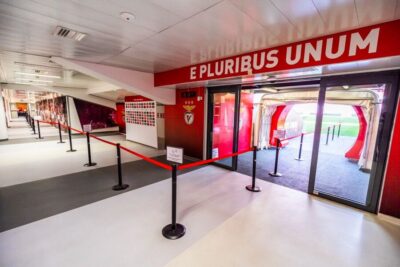 ★ 4.7Luz Stadium Tour & SL Benfica Museum EntryFrom $314,102 reviews
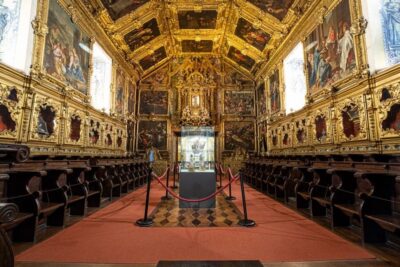 ★ 4.6National Tile Museum Entry TicketFrom $11868 reviews
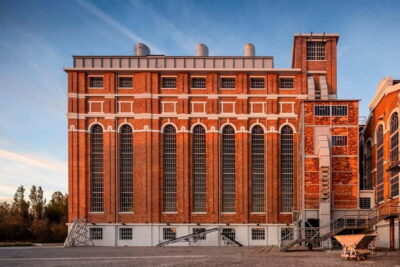 ★ 4.0MAAT Gallery and MAAT Central Entry TicketsFrom $17559 reviews
 ★ 4.7Banksy Museum Permanent Exhibition Entry TicketFrom $15506 reviews
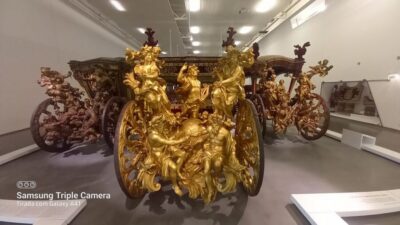 ★ 4.8Belem, Jeronimos Monastery, and Coach Museum TourFrom $94478 reviews
 ★ 4.63D Fun Art Museum Admission TicketFrom $15401 reviews
 ★ 4.5Lisbon SL Benfica Stadium & Museum Tour with ScarfFrom $32327 reviews
 ★ 4.8Customized Luz Stadium and Guided Museum TourFrom $29147 reviews
Browse the lists this tour appears in