
Reviewed · MUSEUMS
Lisbon: National Tile Museum Entry Ticket
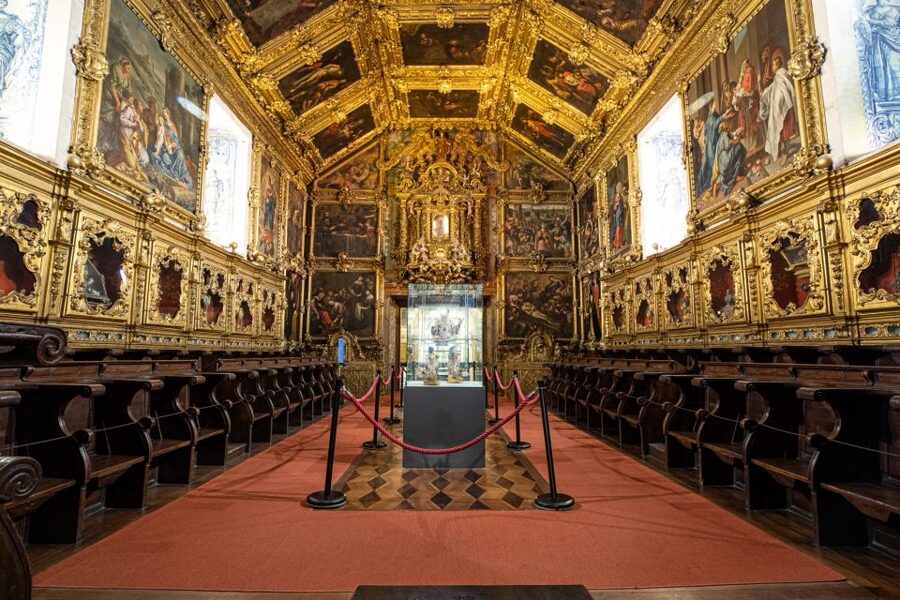
A church turned tile museum sounds unlikely, but it works. The National Tile Museum (Museu Nacional do Azulejo) lets you follow azulejos from the 1400s onward, and you also get the thrill of seeing Portuguese history staged inside a former convent church. I especially love how the exhibits move in time order, and how the building itself—cloister and chapel—adds drama beyond the tiles. The main drawback is simple: this place is indoors and can feel warm, so plan for comfort and slow, unhurried pacing.
What makes this ticket worth your time is the setting. You’re not just staring at decorative ceramics; you’re walking through the former Convent of Madre Deus, founded by Queen D. Leonor in 1509, with later building campaigns shaping the cloister, church, and chapels. Plan on about 1.5 hours if you want to read what you see and look closely; rush it and you’ll miss the point.
In This Review
- Key things to know before you go
- Stepping into the Madre Deus Convent (Where the Tile Museum Lives)
- How the Tile Museum’s Timeline Makes Sense
- From 15th-Century Azulejos to Today: What You’ll See
- The Cloister, Church, Sacristy, and High Choir: Tilework Beyond the Walls
- The church decorated with paintings and tiles
- The sacristy and its carved wood details
- The high choir with rich giltwood embellishments
- The Chapel of Saint Anthony and Baroque decoration
- What a Typical Visit Feels Like (And How Long to Plan)
- The On-Site Coffee Shop: A Nice End Point
- Value and the $11 Ticket: Is It Worth It?
- Timing, Opening Hours, and Last Entry (So You Don’t Get Trapped)
- Getting Tickets: What Matters Day-of
- What to Bring for a Better Azulejo Day
- Who Should Book This National Tile Museum Ticket?
- Should You Book This Ticket?
- FAQ
- How much does the National Tile Museum Lisbon ticket cost?
- How long is the ticket valid?
- What are the opening hours?
- What time is the last entry?
- What days is the museum closed?
- Is this a skip-the-line ticket?
- Where do I meet the tour?
- What is included with the ticket?
- Is the museum wheelchair accessible?
- What should I bring?
- Is the ticket refundable?
Key things to know before you go
- Former Convent of Madre Deus setting: your tile walk happens inside a 1509 convent complex, including church and chapel spaces.
- Chronological layout: you can trace production and styles from the 15th century to modern ceramic design.
- Manufacturing basics first: early galleries explain materials and techniques before the timeline takes over.
- Big visual moments: the church and chapel areas feature notable painted and tiled décor.
- Plan for indoor comfort: some rooms can feel warm, so wear breathable layers and take water breaks.
Stepping into the Madre Deus Convent (Where the Tile Museum Lives)
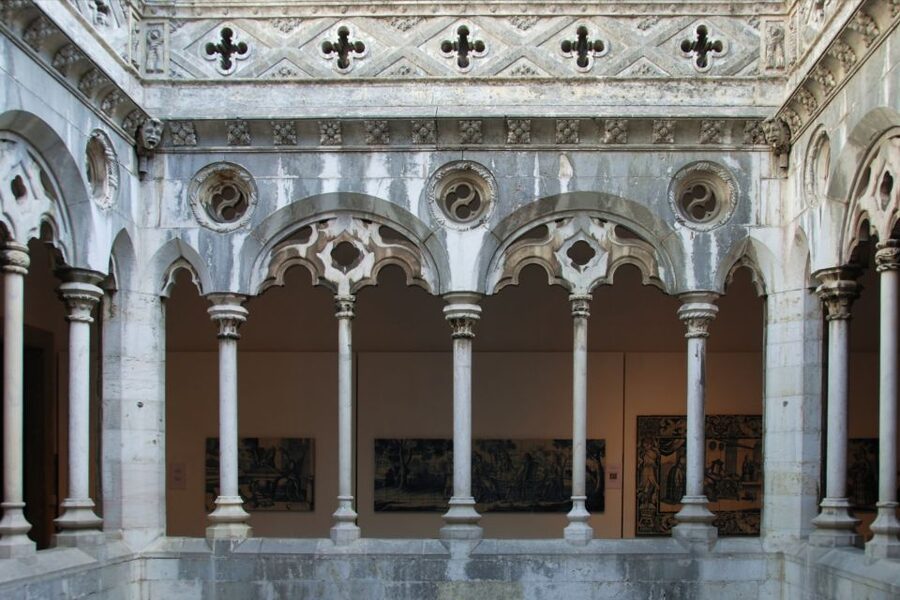
This museum is housed in the former Convent of Madre Deus, which matters because the tiles aren’t stuck on blank walls. They’re part of a sacred, architectural space that Portuguese designers and artisans literally wrapped in ceramic storytelling. The convent was founded by Queen D. Leonor in 1509, and the museum later formed from different building campaigns that changed how the site looks today.
When you enter at the main entrance, your ticket is checked on arrival. That’s the whole start—no complicated route find once you’re inside. The payoff comes fast: you’ll quickly feel how the museum uses the building’s “rooms” like scenes in a play, not just hallways for display.
One practical tip: wear comfortable shoes. You’ll move through several sections, including areas where it’s easy to stop and stare for longer than you planned.
Worth a look before you lock anything else in around Lisbon:
- Lisbon: Jerónimos Monastery Entrance Ticket
★ 4.1 · 14,164 reviews - Lisbon: Oceanário de Lisboa Entrance Ticket
★ 4.6 · 9,943 reviews - Lisbon: São Jorge Castle E-Ticket and Audio Guide
★ 4.3 · 2,182 reviews - Lisbon: 72/96-Hour Hop-On Hop-Off Bus, Tram & Boat Ticket
★ 4.4 · 2,170 reviews
How the Tile Museum’s Timeline Makes Sense
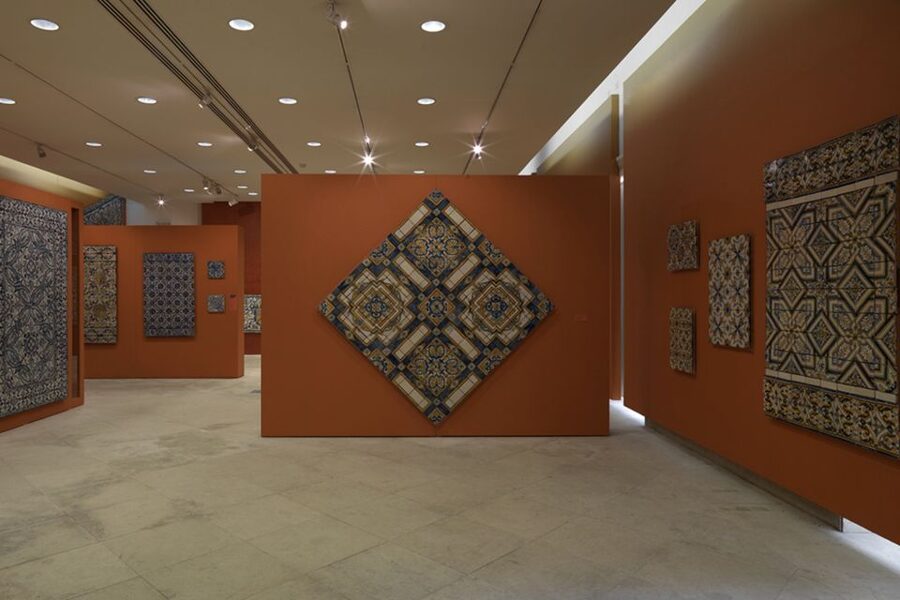
A lot of tile collections are just pretty. This one is built to help you understand what you’re looking at. The permanent exhibition starts with a short grounding section on materials and techniques used for manufacturing tiles, which is a smart move if you’ve never studied azulejos before.
After that, the exhibition route follows a chronological order. That pacing is the difference between seeing “a lot of tiles” and actually catching the evolution of Portuguese styles. As you move forward, you’re not only noticing different designs—you’re picking up how production, color, and decoration shift over time.
The museum was established in 1965 and became a national museum in 1980. That background helps explain why the collection and setup feel intentional: they want you to connect the art to craft and to Portuguese history, not just admire it as décor.
From 15th-Century Azulejos to Today: What You’ll See
The core of the museum focuses on decorative ceramic tiles—azulejos—from the second half of the 15th century to the present day. You’ll see the arc of Portuguese tilework as it changes in technique and style, and the route is designed so you can keep “time” in your head while you browse.
While azulejos are the headline, the museum also includes ceramics and related decorative wares. Alongside tiles, you’ll find ceramics, porcelain, and faience spanning roughly the 17th through the 21st century. That variety is helpful if you have mixed interests: maybe tiles are your main focus, but you’ll still get enough neighboring ceramic art to keep things fresh.
This is a good museum for slowing down. Tiles reward close looking. Small differences in motifs, layout, and color choices become easier to spot once you’re not trying to rush to the next room.
The Cloister, Church, Sacristy, and High Choir: Tilework Beyond the Walls
The building isn’t just a backdrop. The museum’s former convent spaces shape what you experience, and several areas bring tilework and painting into the same visual conversation.
Worth a look before you lock anything else in around Lisbon:

The church decorated with paintings and tiles
One of the standout parts of this site is the church, which is decorated with remarkable sets of paintings and tiles. Even if you’re a “quick museum” person, this is the area where you’ll likely pause longer than expected, because it’s harder to take in all at once. The church space also helps you understand how tiles were used historically—not only as decoration, but as atmosphere.
The sacristy and its carved wood details
In the sacristy, you’ll see a Brazilian wood display cabinet and carved wood frames with paintings. That mix of woodwork and visual art is important because it shows tile culture existed in a broader world of Portuguese decorative arts. You’re not just learning tile history; you’re watching how tiles fit into a full interior design language.
The high choir with rich giltwood embellishments
The high choir is another interior area that leans into “wow” factor. Expect giltwood embellishments and carved detail that make the space feel layered and ceremonial. It’s one more reminder that this museum’s best moments happen where tiles meet architecture.
The Chapel of Saint Anthony and Baroque decoration
The Chapel of Saint Anthony brings an 18th-century Baroque feel, with lots of canvases by the painter André Gonçalves. If you’re thinking tiles are only meant for flat, decorative wall scenes, this chapel area nudges you toward a bigger idea: in Portugal, the decorative arts often work together inside one unified space.
What a Typical Visit Feels Like (And How Long to Plan)
From the way the museum is laid out, I’d treat it as a “real stop,” not a quick in-and-out. A common visit length is about 1 hour 30 minutes, which works well if you read the labels and don’t sprint from room to room.
If you like museums that teach you something, plan a bit longer. You’ll likely spend extra time in the early section explaining manufacturing techniques, and you’ll probably circle back for a second look once you understand what you’re seeing.
A good strategy: start with the introductory manufacturing galleries, then let the chronological route carry you. If you reverse that order, the timeline can feel more like random design changes than an evolution you can track.
The On-Site Coffee Shop: A Nice End Point
At the end of your walk, you’ll find a cafe setup that can be a pleasure after you’ve been staring at ceramics and color. There’s a coffee shop experience that many people treat as part of the visit, and it can be a good moment to sit in peace before you head back into Lisbon.
One practical note from people’s real-world pacing: cafe lines can build up. If you’re timing your day, consider grabbing a bite before you head deep into the museum’s busiest hours.
Value and the $11 Ticket: Is It Worth It?
The price is listed at about $11 per person, and for what you get, it’s strong value if you’re even mildly curious about Portuguese art. This isn’t only a tile gallery—it’s the combination of a major National Tile Museum collection plus the convent’s church and chapel spaces.
If you only want “a pretty photo spot,” you might feel impatient. But if you want to understand why azulejos look the way they do—through time order, techniques, and context—this ticket pays off quickly.
Also, the museum isn’t a half-day commitment in the way some big city museums are. It fits neatly into a day that already includes other central Lisbon sights, without eating your whole afternoon.
Timing, Opening Hours, and Last Entry (So You Don’t Get Trapped)
The museum is open Tuesday through Sunday in two blocks: 10:00 am to 1:00 pm and 2:00 pm to 6:00 pm. Last entry is at 5:30 pm, so don’t wander in at the last minute expecting to take your time.
It’s closed on January 1, Easter Sunday, May 1, June 13, and December 25. On those dates, your plan needs a backup.
Your ticket is valid for one day, and the start time depends on availability. That matters because if your day in Lisbon is tight, you’ll want to choose a time window that gives you enough room to browse and still catch a return to your next stop without stress.
Getting Tickets: What Matters Day-of
Your meeting point is straightforward: enter the National Tile Museum at the main entrance and show your ticket on arrival. That’s it.
One caution: this listing does not describe the ticket as skip-the-line. So if you’re relying on a guaranteed shortcut, don’t count on it. What you can do is buy ahead when possible, because it typically reduces uncertainty, even if it doesn’t promise zero waiting.
If you’re the type who likes to arrive, scan, and go, this works well. If you’re sensitive to lines, aim for an earlier time slot within the opening window.
What to Bring for a Better Azulejo Day
You’ll walk and spend time indoors, so pack for comfort. Bring:
- Passport or ID card
- Comfortable shoes
- Camera
- Water
- Comfortable clothes
That “comfortable clothes + water” part isn’t fluff. Rooms can feel warm, and tiles tempt you to stop and stay longer than you planned. If you’ve got a small daypack, water is the easiest win.
If you care about context as you move, know that there is an audio option mentioned in feedback. It may require downloading an app and using your own headphones, so plan accordingly.
Who Should Book This National Tile Museum Ticket?
I think you’ll enjoy this most if:
- You like art museums but also want craft and technique explained, not only aesthetic impressions.
- You enjoy architectural spaces as part of the story, not just the objects inside them.
- You want something that’s a little different from the classic Lisbon checklist.
It’s also a solid choice for rainy-day Lisbon because you get a full indoor experience with church, chapel, and cloister areas.
If you’re traveling with kids, it can still work. There’s enough variety—tiles, ceramics, decorative interiors—that even less art-obsessed minds usually find something they like.
Should You Book This Ticket?
Yes, if you want a Lisbon experience that connects azulejos to place, history, and visual craft. For about $11, you’re paying for much more than decoration: you’re getting a national collection laid out in a timeline, inside a major convent site with church and chapel highlights.
Skip it only if you’re rushing and only want something extremely short and purely photo-based. Otherwise, this is the kind of museum that rewards your attention, and it leaves you with new eyes for the tiles you’ll see all over Lisbon afterward.
FAQ
How much does the National Tile Museum Lisbon ticket cost?
The ticket is priced at $11 per person.
How long is the ticket valid?
The ticket is valid for 1 day (check availability for starting times).
What are the opening hours?
The museum is open Tuesday to Sunday, 10:00 am to 1:00 pm and 2:00 pm to 6:00 pm.
What time is the last entry?
Last entry is at 5:30 pm.
What days is the museum closed?
It is closed on January 1, Easter Sunday, May 1, June 13, and December 25.
Is this a skip-the-line ticket?
This activity is not described as a skip-the-line entry ticket.
Where do I meet the tour?
Start by entering the National Tile Museum at the main entrance and show your ticket on arrival.
What is included with the ticket?
The ticket includes National Tile Museum entry.
Is the museum wheelchair accessible?
Yes, the venue is wheelchair accessible.
What should I bring?
Bring your passport or ID card, comfortable shoes, camera, water, and comfortable clothes.
Is the ticket refundable?
No. The activity is listed as non-refundable.
More Museums in Lisbon
- Lisbon: Luz Stadium Tour & SL Benfica Museum Entry★ 4.7 · 4,102 reviews
- Lisbon: MAAT Gallery and MAAT Central Entry Tickets★ 4.0 · 559 reviews
- Lisbon: Banksy Museum Permanent Exhibition Entry Ticket★ 4.7 · 506 reviews
- Lisbon: Belem, Jeronimos Monastery, and Coach Museum Tour★ 4.8 · 478 reviews
- Lisbon: 3D Fun Art Museum Admission Ticket★ 4.6 · 401 reviews
More Tickets in Lisbon
- Lisbon: Jerónimos Monastery Entrance Ticket★ 4.1 · 14,164 reviews
- Lisbon: Oceanário de Lisboa Entrance Ticket★ 4.6 · 9,943 reviews
- Lisbon: São Jorge Castle E-Ticket and Audio Guide★ 4.3 · 2,182 reviews
- Lisbon: 72/96-Hour Hop-On Hop-Off Bus, Tram & Boat Ticket★ 4.4 · 2,170 reviews
- Lisbon Oceanario: Aquarium Entrance Ticket★ 4.5 · 1,454 reviews
More Tour Reviews in Lisbon
- Lisbon City Center Tour – The Unmissable Lisbon★ 5.0 · 22,234 reviews
- Lisbon: Sintra, Pena, Regaleira, Cabo da Roca & Cascais★ 4.7 · 19,656 reviews
- Lisbon Card: 24, 48, or 72-Hour Pass★ 4.5 · 17,944 reviews
- Lisbon: Jerónimos Monastery Entrance Ticket★ 4.1 · 14,164 reviews
- Lisbon: History, Stories and Lifestyle Walking Tour★ 4.8 · 10,902 reviews
Just in: fresh Lisbon reviews from the team





Museums, compared.
 ★ 4.7Luz Stadium Tour & SL Benfica Museum EntryFrom $314,102 reviews
 ★ 4.0MAAT Gallery and MAAT Central Entry TicketsFrom $17559 reviews
 ★ 4.7Banksy Museum Permanent Exhibition Entry TicketFrom $15506 reviews
 ★ 4.8Belem, Jeronimos Monastery, and Coach Museum TourFrom $94478 reviews
 ★ 4.63D Fun Art Museum Admission TicketFrom $15401 reviews
 ★ 4.5Lisbon SL Benfica Stadium & Museum Tour with ScarfFrom $32327 reviews
 ★ 4.8Customized Luz Stadium and Guided Museum TourFrom $29147 reviews
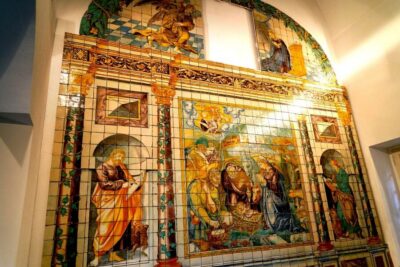 ★ 4.3National Tile Museum E-Ticket & Audio GuideFrom $16121 reviews
Browse the lists this tour appears in