
Reviewed · ALFAMA & OLD TOWN TOURS
Lisbon Tour: Walled City, Alfama & Viewpoints
Lisbon’s hills are basically a history lesson. This relaxed walking tour strings together Alfama’s oldest lanes, bits of ancient wall, and three major viewpoints so you see how the city grew, broke, and rebuilt. You’ll also hear how the 1755 earthquake reshaped Lisbon’s streets and architecture, right as you walk through the neighborhoods it affected.
Two things I really love: the way the route mixes lived-in street corners with landmark stops, and the payoff of those panoramic terraces at the moments your legs finally earn a rest. One thing to consider up front: it’s uphill and uneven, so comfortable shoes matter more than sightseeing patience.
In This Review
- Key Highlights Worth Your Time
- Getting Oriented in Praça do Comércio (Before Alfama Steals the Show)
- Casa dos Bicos to Porta do Mar: Lisbon’s Details That Most People Miss
- St. Anthony, Public Lavabos, and Lisbon Cathedral: Faith, Everyday Life, and Architecture
- Alfama in Full Color: Medieval and Moorish Walls, Azulejos, and Street-Level Time
- Arco de Jesus, Chafariz d’El-Rei, and São Miguel: Small Stops With Big Context
- Viewpoints Built for Photos: Santo Estevão, Portas do Sol, and Miradouro da Graça
- Walking Along Old Walls: The Quiet Part of Lisbon’s Story
- How the Tiago Effect Improves the Whole Tour
- Symbolic Booking Price and Tipping for Independent Guides
- Practical Tips to Make the 2 Hours Feel Smooth
- Should You Book This Lisbon Walled City, Alfama & Viewpoints Tour?
- FAQ
- FAQ
- Where is the meeting point?
- How long is the tour?
- What language is the tour guided in?
- What is included in the experience?
- What is not included?
- Can I cancel, and how late?
- Is there a pay-later option?
Key Highlights Worth Your Time
- Alfama on foot: narrow lanes, traditional azulejos, and local life in the oldest Lisbon feel
- Ancient wall traces: walking sections that hint at medieval and Moorish boundaries
- The 1755 earthquake story: explained through streets and architecture you can actually see
- Three viewpoints: Tagus River and city panoramas, plus photo stops built into the rhythm
- Small-group energy with Tiago: thoughtful answers and recommendations that go beyond the obvious
Getting Oriented in Praça do Comércio (Before Alfama Steals the Show)
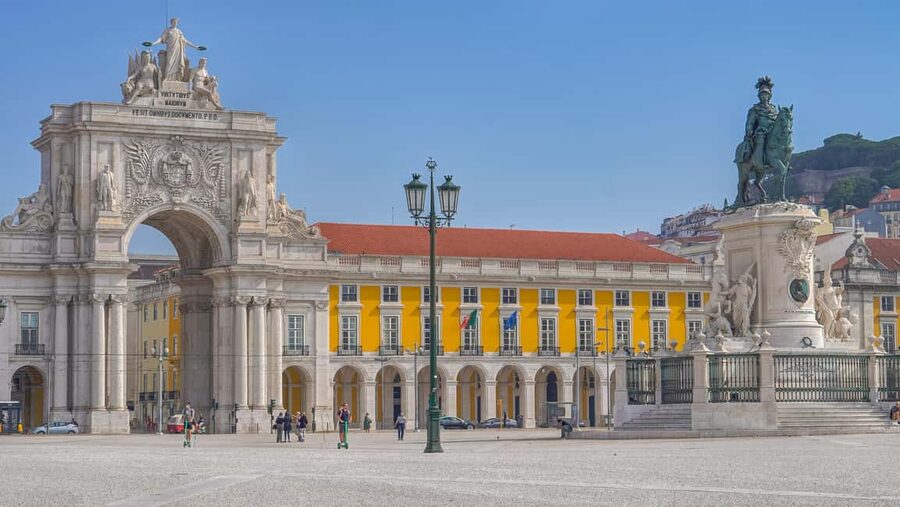
I like tours that start in the right mental place, and this one begins near the river at Praça do Comércio. That stretch helps you understand Lisbon’s basic layout fast: where the city spreads out, where the hills begin, and why Alfama feels like it’s clinging to the side of the city.
From there, you head uphill with a guide who sets context as you go. You’re not just collecting sights. You’re learning how the river, the slope, and the changing street lines create the Lisbon you see today. The pacing is relaxed, but it’s steady enough that you’ll feel the “Lisbon shift” from open waterfront spaces into tight, older streets.
If you like getting your bearings early, this tour works well. If you prefer a flat, sit-and-sip kind of sightseeing plan, you’ll want to bring better shoe support and a patient mindset for stairs and uneven paving.
Deeper into Alfama's lanes and miradouros
- Alfama Tour in Lisbon Old Town
★ 5.0 · 4,936 reviews - Private Lisbon Sightseeing Tuk-Tuk Tour: Alfama, Belém & More
★ 5.0 · 4,277 reviews - Lisbon: Hills, Alfama, and Mouraria Tour by Electric Bike
★ 4.8 · 3,438 reviews - Best of Lisbon Walking Tour: Rossio, Chiado & Alfama
★ 4.9 · 2,700 reviews
Casa dos Bicos to Porta do Mar: Lisbon’s Details That Most People Miss
Early stops are short, but they’re chosen for a reason. You pass by Casa dos Bicos, then move toward Porta do Mar and other points that help explain Lisbon’s older layers. Even without long explanations at each doorway, you start noticing how buildings, arches, and openings communicate history.
This is where a good local guide makes the walk feel personal. You’re guided through small transitions—like moving from a more open street feel into a lane that suddenly narrows and changes character. Those transitions are the whole point in Alfama. Lisbon history isn’t only in museums; it’s in the way streets force you to slow down.
You’ll also get the kind of local framing that helps you later. When you see a church facade or a public feature, you won’t just file it away as a photo moment. You’ll know what to look for and what it meant in the neighborhood’s story.
St. Anthony, Public Lavabos, and Lisbon Cathedral: Faith, Everyday Life, and Architecture
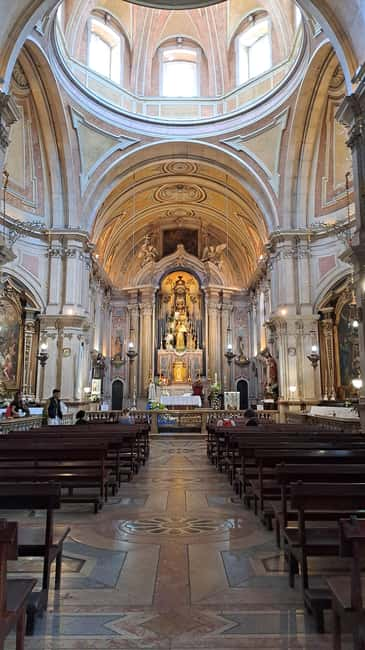
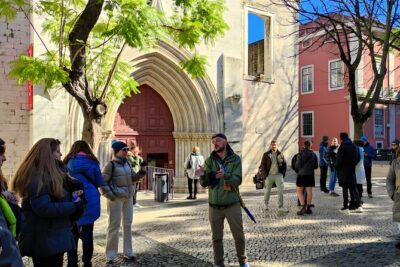
As the route climbs, church stops show you how religion shaped community space. The Church of Saint Anthony of Lisbon is part of that story, and nearby, you’ll also encounter Lavabos Públicos. That public wash space feels small, but it’s exactly the kind of everyday detail that turns a “tour” into actual neighborhood understanding.
Then comes Lisbon Cathedral, another anchor point. What I like about including a major cathedral on a walking route like this is that it doesn’t feel random. It gives your eyes a reference frame before you enter the maze-like streets of Alfama.
One practical note: these stops can be visually rewarding, but they’re still quick. If you want extra time inside every church, this probably isn’t your only stop. Think of it as the guided map and story layer that makes your later independent exploring much smarter.
Alfama in Full Color: Medieval and Moorish Walls, Azulejos, and Street-Level Time
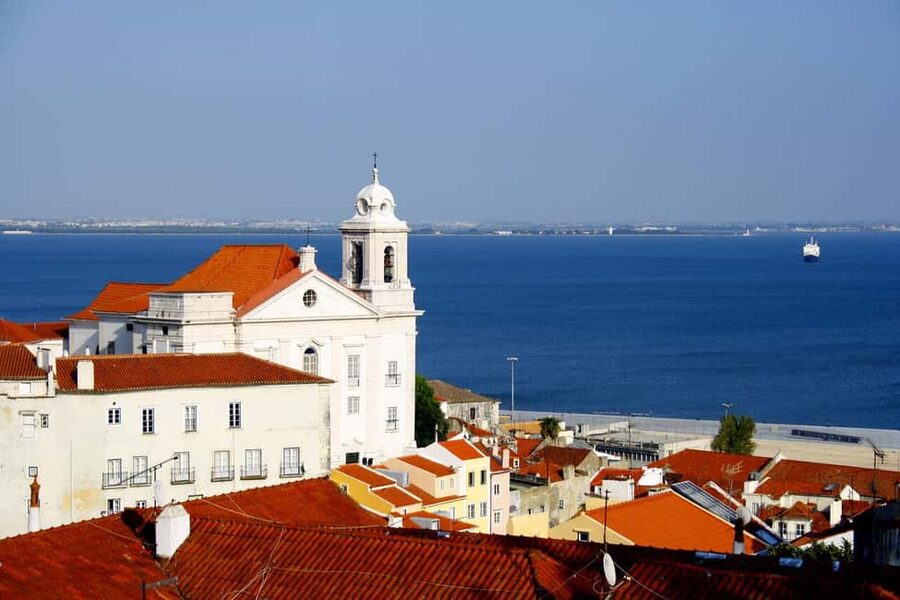
Once you’re in Alfama, the tour shifts gears into what you came for: atmosphere. You’ll walk through charming streets full of history and local life, and you’ll learn to spot traces of medieval and Moorish walls as part of the neighborhood structure.
I find this kind of “street archaeology” more useful than memorizing dates. When a guide points out how the walls and boundary lines influence how streets bend and concentrate, it clicks. Lisbon stops feeling like a postcard and starts feeling like a place that evolved over centuries.
You’ll also notice the visual language of azulejos as you pass tiled facades. These aren’t just decoration; they mark identity in a neighborhood where the built environment keeps talking long after people stop speaking.
And yes, you’ll connect the dots to the 1755 earthquake. You won’t get a lecture you can’t use. Instead, you’ll hear how that disaster reshaped streets and architecture, and you’ll look around to see what that change means in practice: how the city reads in its street patterns and building forms.
Worth a look before you lock anything else in around Lisbon:


Arco de Jesus, Chafariz d’El-Rei, and São Miguel: Small Stops With Big Context
The middle section is paced with short guided moments that prevent fatigue while keeping your attention sharp. Arco de Jesus and Chafariz d’El-Rei are quick, but fountains and arches in Lisbon often carry more than function. They’re social points, landmark anchors, and proof that public space mattered here.
I also like the inclusion of Igreja Paroquial de São Miguel. Parishes matter in older districts because they organize community life. Even if you can’t stay long, the guided stop gives you a sense of where local daily rhythm lived, not just where tourists tend to cluster.
These short stops are also a helpful rhythm for a hilly walk. You get mini “reset moments” to regroup, take a photo if you’re ready, and listen for the next context piece before the next climb.
Viewpoints Built for Photos: Santo Estevão, Portas do Sol, and Miradouro da Graça
The payoff of this tour is how it schedules the best city views. You don’t just stumble onto a lookout; you reach it with context about the neighborhood below you.
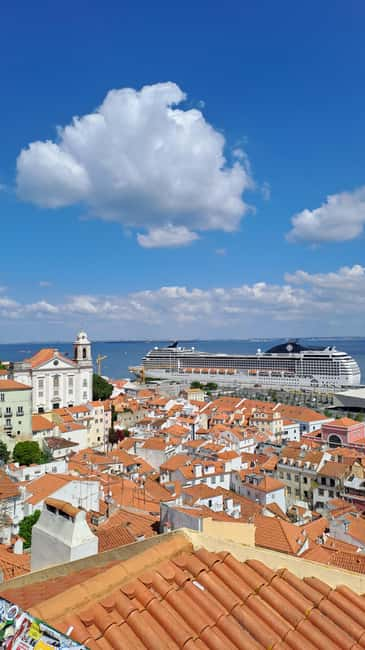
At Santo Estevão Belvedere, you get a photo stop that feels like a reward break. The view helps you understand how the hills fold the city into layers. You can see why Alfama’s layout feels intimate from street level and dramatically open from above.
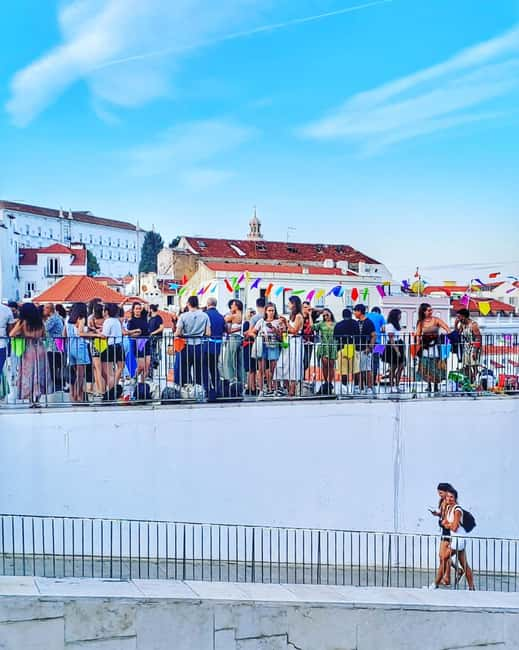
Then the tour pauses around Largo Portas do Sol, another classic overlook area. What I appreciate is that the group time includes room for photos without turning into a frantic scramble. You’re also still learning: each viewpoint works like a “chapter break” that lets you connect what you just walked with what you’re now looking at.
Finally, you finish at Miradouro da Graça, one of Lisbon’s most beautiful panoramic terraces. This is a strong ending because it gives you a wide view of both the city and the Tagus River perspective—exactly the kind of final scene that makes the climb feel worth it.
If you’re traveling with a camera, plan to shoot steadily, not frantically. The best angle often comes from waiting for the light to settle.
Walking Along Old Walls: The Quiet Part of Lisbon’s Story
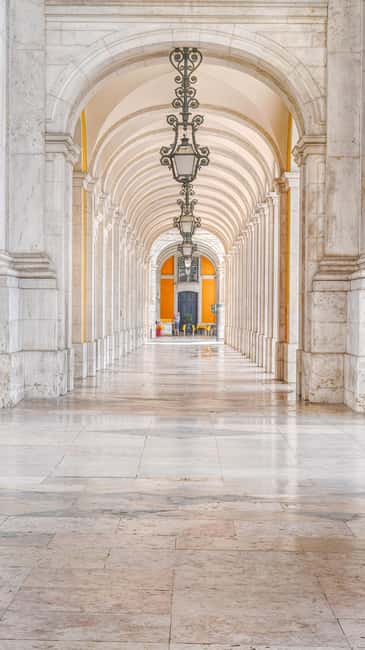
One of the most memorable elements is the walk along parts of the old city walls. It’s not a single dramatic segment with a big-ticket wow moment. Instead, it’s a steady “you are literally following history” experience.
Those traces of medieval and Moorish walls help you understand Alfama’s structure. The walls explain why certain lanes feel like corridors and why other streets suddenly open into small spaces. It’s Lisbon’s logic in stone and slope, and it helps you navigate later without constantly checking your map.
This portion also keeps the tour from becoming only a checklist of attractions. You’re learning how boundaries shaped everyday movement—where people could go, where they had to funnel through, and how neighborhoods protected themselves.
How the Tiago Effect Improves the Whole Tour

I’d book this style of tour for the storytelling alone, but the best part is how the guide interacts. In English, Tiago brings real city knowledge and answers questions without shutting down curiosity. One thing I especially like is how small-group pacing lets you take your time when you need it.
That shows up in the way the tour can feel adjusted to what the group cares about—more time on street corners, more explanation around a specific stop, or more recommendations after the tour for what to see next. It’s the difference between a route that recites facts and a route that helps you understand how Lisbon works.
If you enjoy getting local restaurant or site suggestions you can actually use right away, this tour format makes that easy.
Symbolic Booking Price and Tipping for Independent Guides
The tour price is listed as a symbolic booking price—$1.18 per person—and you’re welcome to tip based on enjoyment and budget at the end. I like this model because it keeps the tour accessible for people who want the guide’s help but don’t want to feel locked into a fixed premium.
Value here isn’t about “cheap.” It’s about what you get for a short window: a coherent route, three major viewpoints, a guided explanation of how history shaped the streets, and insider pointers for what to do next in Lisbon. In two hours, it gives you a framework that pays off on your other days.
You should also factor in what’s not included. There’s no food or drinks, and you’ll handle getting to the meeting point on your own.
Practical Tips to Make the 2 Hours Feel Smooth
This is a hill-and-stones kind of walk. Lisbon’s older paving can be uneven, so wear comfortable clothing and shoes you trust. You’ll be stopping for photo moments, but you’ll also be moving often enough that you’ll feel it in your legs.
Bring a camera. The viewpoints are the kind where you’ll want a few angles, not just one quick snap. Also, keep your water plan simple: since food and drinks aren’t included, it’s smart to go in prepared.
If you like small, authentic neighborhood time over big bus-group stops, this tour fits your style. If you’re the kind of traveler who prefers long museum sessions, use this as your “orientation and texture” piece, not the only sightseeing plan.
Should You Book This Lisbon Walled City, Alfama & Viewpoints Tour?
I think it’s a great booking if you want Alfama’s real street feel, plus guidance that makes the 1755 earthquake and the old wall traces make sense in the places you’re standing. The ending at Miradouro da Graça is a strong payoff, and the three viewpoint rhythm is one of the best ways to learn a hilly city without feeling lost.
You might skip it if you can’t handle uneven, uphill walking, or if you’re only interested in spending lots of time inside major attractions. For most people, though, this two-hour route is exactly the kind of Lisbon experience that improves the rest of your trip.
FAQ
FAQ
Where is the meeting point?
Meet the guide right in front of the Lisboa Story Centre. You should spot someone wearing a green shirt or coat with a Lisbon Free Tours identification badge.
How long is the tour?
The walking tour lasts about 2 hours.
What language is the tour guided in?
The tour is guided in English.
What is included in the experience?
You’ll get a guided walking tour in English, visits through Alfama and other historic neighborhoods, walking along parts of the old city walls, stops at three scenic viewpoints, and stories about Lisbon’s history, culture, and architecture.
What is not included?
Food and drinks are not included, and transportation to the meeting point is not included.
Can I cancel, and how late?
Free cancellation is available up to 24 hours in advance for a full refund.
Is there a pay-later option?
Yes. You can reserve now and pay later, keeping your plans flexible.
More Tours in Lisbon
- Lisbon City Center Tour – The Unmissable Lisbon★ 5.0 · 22,234 reviews
- Lisbon: History, Stories and Lifestyle Walking Tour★ 4.8 · 10,902 reviews
- True 4Hour Private Tuk Tuk Tour: Discover Lisbon with a Local!★ 5.0 · 8,008 reviews
- Winner 2025 Undiscovered Lisbon Food & Wine Tour by Eating Europe★ 5.0 · 6,390 reviews
- Lisbon: Sintra, Pena, Cabo da Roca, Cascais Tour with Pickup★ 4.8 · 5,445 reviews
More Tour Reviews in Lisbon
- Lisbon City Center Tour – The Unmissable Lisbon★ 5.0 · 22,234 reviews
- Lisbon: Sintra, Pena, Regaleira, Cabo da Roca & Cascais★ 4.7 · 19,656 reviews
- Lisbon Card: 24, 48, or 72-Hour Pass★ 4.5 · 17,944 reviews
- Lisbon: Jerónimos Monastery Entrance Ticket★ 4.1 · 14,164 reviews
- Lisbon: History, Stories and Lifestyle Walking Tour★ 4.8 · 10,902 reviews
Keep Wandering Old Alfama
- Alfama Tour in Lisbon Old Town★ 5.0 · 4,936 reviews
- Private Lisbon Sightseeing Tuk-Tuk Tour: Alfama, Belém & More★ 5.0 · 4,277 reviews
- Lisbon: Hills, Alfama, and Mouraria Tour by Electric Bike★ 4.8 · 3,438 reviews
- Best of Lisbon Walking Tour: Rossio, Chiado & Alfama★ 4.9 · 2,700 reviews
- Lisbon: Baixa District Food Tour with Dinner and Drinks★ 4.9 · 1,997 reviews
Just in: fresh Lisbon reviews from the team





Alfama & Old Town Tours, compared.
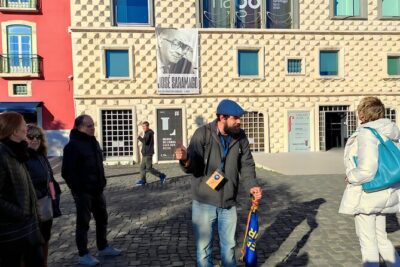 ★ 5.0Alfama Tour in Lisbon Old TownFrom $34,936 reviews
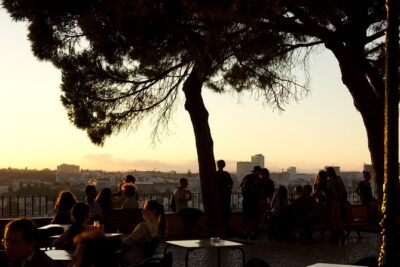 ★ 5.0Private Lisbon Sightseeing Tuk-Tuk Tour: Alfama, Belém & MoreFrom $524,277 reviews
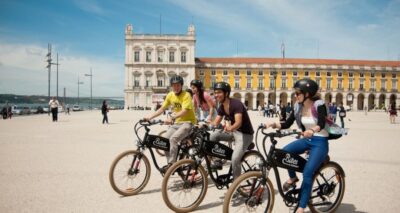 ★ 4.8Hills, Alfama, and Mouraria Tour by Electric BikeFrom $253,438 reviews
 ★ 4.9Best of Lisbon Walking Tour: Rossio, Chiado & AlfamaFrom $232,700 reviews
 ★ 4.9Baixa District Food Tour with Dinner and DrinksFrom $931,997 reviews
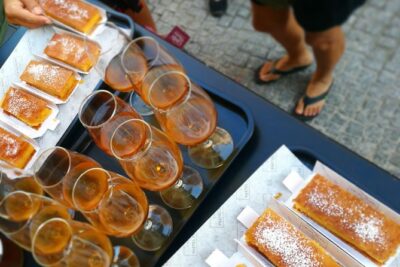 ★ 5.0Lisbon Small-Group Food Tour with 18 Tastings in Alfama DistrictFrom $1261,967 reviews
 ★ 4.5Lisbon E-Bike Tour Commerce Square, Mouraria and AlfamaFrom $301,688 reviews
 ★ 5.0Old Town TukTuk Tour and Scenic Viewpoints in AlfamaFrom $35974 reviews
Browse the lists this tour appears in