
Reviewed · LISBON TUK-TUK TOURS
Lisbon Private Guided Tour with a Local and Tuk Tuk Ride
You can cover a lot of Lisbon fast. This private tour strings together major neighborhoods, big views, and “skip-the-planning” context, all paired with a tuk tuk ride and a local guide who explains what you’re actually looking at. It’s also the kind of route where small details matter, from the tiles and monuments to the city’s street-level character.
I especially love two things here: the way the tour helps you understand the city in context (architecture tied to Portugal’s history), and the fact that food is built in rather than tacked on as an afterthought, including a Pastéis de Belém stop and a ginja taste. A quick extra plus: the guide is set up to take photos for you, which is handy when you’re bouncing between viewpoints.
One possible drawback: the timing is tight. Many stops are brief, so if you want long museum time (or you plan to pay for every ticketed site), you’ll need to be selective.
In This Review
- Key highlights you’ll feel right away
- Price and what $106.94 per person actually buys
- How the route gets you oriented fast (Baixa, Rossio, Restauradores)
- Lisbon Cathedral area: quick context, optional entry
- Roman heritage stop: Museu de Lisboa – Teatro Romano
- Miradouro de Santa Luzia: Alfama views and the reconquest story
- Graça and São Vicente: real streets, real pace, street art moments
- Miradouro da Senhora do Monte: the high-water mark for views
- Mosteiro de São Vicente de Fora: royalty, organs, and pantheon energy
- Panteão Nacional: short stop, possible ticket cost
- Alfama time: narrow streets plus the ginja-and-chocolate moment
- Praça do Comércio and Arco da Rua Augusta: wind-off-the-Tagus break
- Chiado and Largo do Carmo: surviving the quake and the politics
- Santa Justa Elevator: Eiffel connection and a codfish pastry
- Miradouro São Pedro de Alcântara: second-hill perspective
- Bica Funicular and Pink Street photos: Lisbon’s signature visuals
- Time Out Market Lisboa and the Triângulo da Ribeira tip
- LX Factory: creativity in an old industrial shell
- Pastéis de Belém: the included sweet stop you should plan around
- Jerónimos and Torre de Belém area: big monuments, with options
- Tuk tuk practical notes: why it changes the day
- Who this tour fits best
- Should you book it? My honest take
- FAQ
- How long is the Lisbon private guided tour?
- Is the tour in English?
- What’s included with the price?
- Which parts cost extra?
- Does the tour offer pickup?
- Is this a private tour?
Key highlights you’ll feel right away
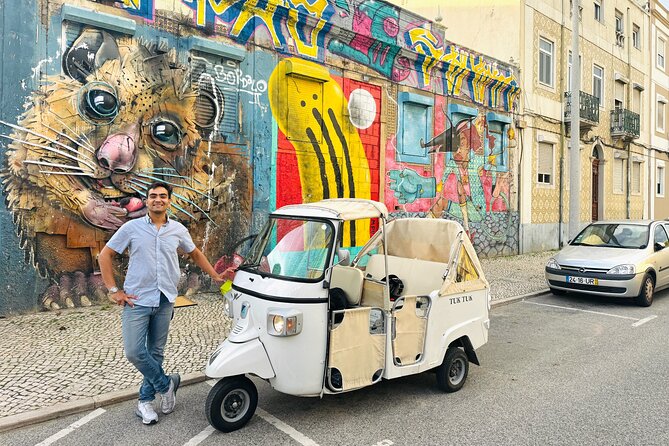
- Tuk tuk + hills: You get sweeping views without turning the day into a stair workout.
- Street-level Lisboa: Graça/São Vicente include urban art moments and photo stops beyond the obvious tourist track.
- Photo-friendly planning: You’ll have time at the right overlooks for pictures, not just pass-through glances.
- Included Portugal tastes: Pastéis de Belém, typical pastries or snacks, bottled water, and ginja are part of the experience.
- Free monuments, optional tickets: Several key sights are covered without extra entry fees, while ticketed places stay your choice.
Price and what $106.94 per person actually buys
At $106.94 per person for about 4.5 hours, the value hinges on one idea: you’re paying for a private guide plus transport, and then the tour “spends” that time on Lisbon’s recognizable highlights and viewpoints that are hard to stitch together efficiently on your own.
Here’s what you get that’s not just sightseeing theater:
- Private transportation by tuk tuk
- Pickup and drop-off, with the team contacting you in advance to align pickup with your preferences
- A local guided narrative that connects buildings, hills, and churches to Portugal’s history and culture
- Included tastings: a Pastéis de Belém for each participant plus additional snacks (described as typical Portuguese sandwiches or codfish pastries), plus bottled water
- A ginja/alcohol tasting and a photo-support approach from your guide
What you don’t get is unlimited museum time. Some major sights are either outside-only or free-to-enter for certain parts, while ticketed areas cost extra. That’s normal for this kind of packed, high-impact day.
The hills done the easy way, more tuk-tuk runs
- True 4Hour Private Tuk Tuk Tour: Discover Lisbon with a Local!
★ 5.0 · 8,008 reviews - Lisbon: Private Guided Tuk-Tuk Tour with Hotel Pickup
★ 4.9 · 4,552 reviews - Private Lisbon Sightseeing Tuk-Tuk Tour: Alfama, Belém & More
★ 5.0 · 4,277 reviews - Lisbon Highlights: Private Tuk Tuk Tour Adventure Sightseeing
★ 5.0 · 3,284 reviews
How the route gets you oriented fast (Baixa, Rossio, Restauradores)
The tour starts in the downtown spine—Baixa, Rossio, and Restauradores—and this is a smart warm-up. Instead of dropping you at landmarks like a scavenger hunt, your guide walks you through streets and facades and explains what you’re looking at.
Expect short, practical stops where architecture and urban layout become the story. You’ll hear why specific elements link to Portugal’s history and culture. It’s not just trivia; it changes how you see Lisbon’s streets once you start moving uphill later.
Good for you if: you’re arriving to Lisbon and want to understand the “map” before the viewpoints steal the show.
Possible trade-off: early on, the stops are tight, so bring your questions and good walking shoes if you want a deeper conversation.
Lisbon Cathedral area: quick context, optional entry
Next comes Lisbon Cathedral, one of the city’s oldest anchors. You’ll pause long enough for your guide to explain what makes it historically important, and then you can decide if you want to go inside.
There’s also mention of the church of Santo Antônio as part of the area experience. Even if you skip tickets or entry, the stop still works because it gives you a reference point for Lisbon’s deeper layers.
Tip: if you care about churches and early Lisbon history, this is one of the stops worth choosing to enter. If you’re more into viewpoints and photos, you can keep it outside and stay on pace.
Roman heritage stop: Museu de Lisboa – Teatro Romano
At Museu de Lisboa – Teatro Romano, you get a look at one of the oldest and best-preserved historical monuments tied to Roman influence in Portugal. The guide offers a free tour during your stop if you’re interested.
This kind of stop is valuable because Lisbon’s story isn’t just medieval and post-1755 earthquake era. Romans help explain why the site matters even before the later kingdoms shaped what you see today.
Worth a look before you lock anything else in around Lisbon:




Miradouro de Santa Luzia: Alfama views and the reconquest story

Then you climb to Miradouro de Santa Luzia, and this is where Lisbon starts to feel like Lisbon. You’ll reach a top-of-wall view tied to one of the city’s seven hills, with the old neighborhood of Alfama spread out below.
Expect a strong storytelling moment: the guide connects the Christian reconquest of the Moors in Iberia and links it to the founding narrative of Portugal. You’ll also get time for photos in a spot known for that classic contrast—gray tones, colorful accents, and pergola roofs.
This viewpoint is also practical. Even short time here gives you a “photo memory” you can match later when you wander Alfama on your own.
Graça and São Vicente: real streets, real pace, street art moments
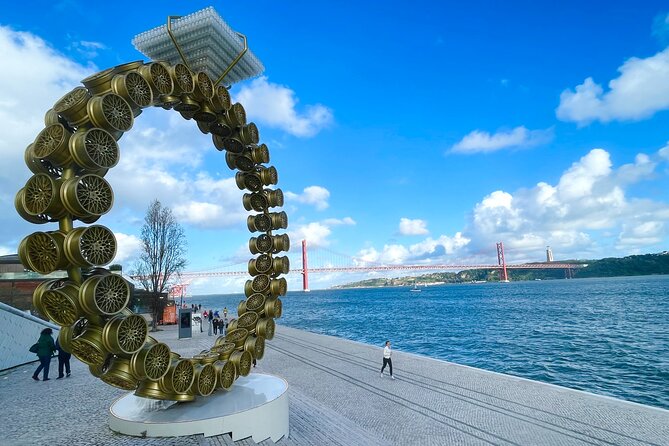
After Santa Luzia, the tour passes through Graça and São Vicente. This section is built for people who want more than monuments. You’ll notice different architecture, the quality of houses, and local businesses that hint at day-to-day life.
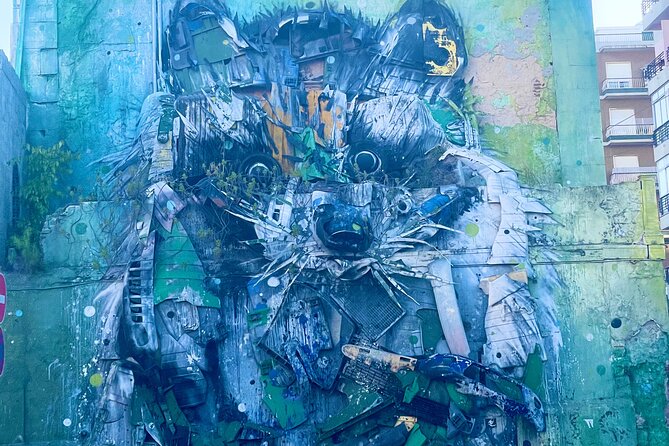
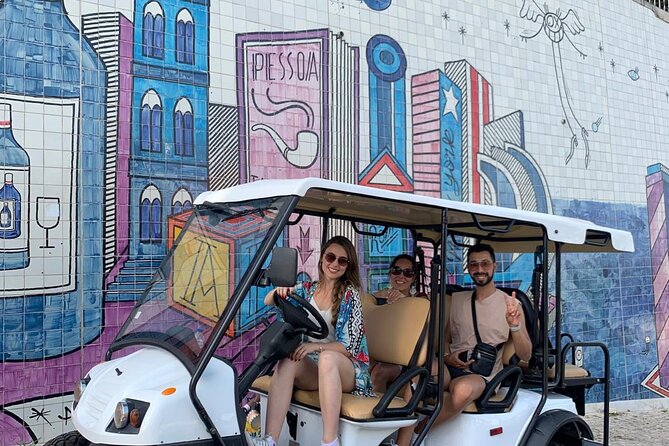
The itinerary also flags urban arts and “some of the most beautiful street in Lisbon.” Translation: expect photo moments and street-level art stops, which is exactly where a tuk tuk helps. You can cover more ground without walking every slope.
A practical note: if street art is a big priority for you, ask your guide to steer the conversation that way. From guide styles in the same operator, the best experiences happen when you match your interests to the driver/guide’s strengths.
Miradouro da Senhora do Monte: the high-water mark for views
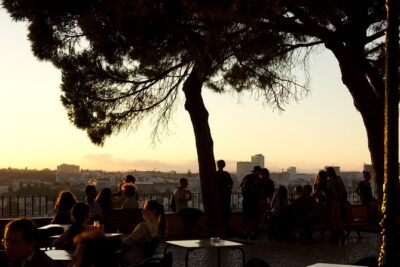
The tour’s most special panoramic moment is Miradouro da Senhora do Monte. It’s described as the highest point among the seven hills, and it’s the kind of place where the city finally looks organized enough to feel graspable.
You get time for wide monument views and a chance at a sensational sunset if your timing lines up. There’s also mention of a secret local art gallery stop here.
If you only want one “wow view,” pick this one. It’s the day’s emotional peak in most sightseeing routes, and this itinerary places it where it should be: after you’ve built context lower down.
Mosteiro de São Vicente de Fora: royalty, organs, and pantheon energy
Next is Mosteiro de São Vicente de Fora. The focus here is the church built outside São Jorge Castle’s walls by Afonso Henriques, and later rebuilt by a king of Spain and given to the Portuguese. You’ll hear why it matters, beyond the building being “old.”
The stop highlights two big points:
- It houses the largest organ in Portugal (as stated in the tour description).
- It serves as a Royal Pantheon tied to the Bragança family.
This is a stop that rewards you if you like political history and dynasties. Even if you don’t go inside, the explanation helps you see what the site represents.
Panteão Nacional: short stop, possible ticket cost
Then comes Panteão Nacional, described as one of the six pantheons in Europe. The tour text mentions it took over 300 years to complete, and that part of the story involves the first church not being finished, creating an iconic Portuguese expression.
Behind it, you can admire a tile mural mixing elements from France and Portugal. The stop is brief (about 5 minutes) and admission is not included.
My practical take: use the guide’s context to decide quickly. If you love cemeteries-as-history or architecture tied to national identity, you might pay. If not, you can still get plenty from the explanation and the exterior details.
Alfama time: narrow streets plus the ginja-and-chocolate moment
Now you get deeper into Alfama itself: narrow, picturesque streets where Lisbon feels less staged. The tour includes cultural notes about who Portuguese people are in the region and gives you a chance for a walk with the guide if you want it.
There’s also a tasting moment: ginja, described as cherry liqueur, paired with chocolate cups. This is exactly the kind of small, local ritual you’ll remember long after the photos fade.
Tip: plan to move slowly here. Alfama is not a place where you “win by rushing.” The charm comes from the turns and the pace.
Praça do Comércio and Arco da Rua Augusta: wind-off-the-Tagus break
The route passes through Praça do Comércio to see the architecture and the Arco da Rua Augusta, with the Tagus River breeze as your natural break.
If your day feels like nonstop viewpoints, this stop balances it out. You get a wide square, space to breathe, and a classic Lisbon photo angle without needing to pay entry to anything.
Chiado and Largo do Carmo: surviving the quake and the politics
Next you pass through Chiado, then head to Museu Arqueológico do Carmo in Largo do Carmo. This is a 14th-century convent that survived the earthquake of 1755, with only walls and Gothic arches remaining.
The guide’s narrative includes a battle with Spain that changed Portugal’s destiny and a mention of the country’s 40-year dictatorship ending at this monument.
Admission is not included, and your stop is about 10 minutes, so this functions best as a context stop rather than a deep museum hour. If you want to add paid time here, you can, but don’t expect it to happen in full unless you’ve chosen it deliberately.
Santa Justa Elevator: Eiffel connection and a codfish pastry
Then you go to the Santa Justa elevator area. The description says you’ll walk through a narrow hidden alley, then go up in the elevator free of charge like local citizens do. You’ll also hear stories about Gustave Eiffel and his collaboration in some of Portugal’s iconic works.
After that, there’s time for a codfish pastry—a practical snack that fits the route because it doesn’t require a long sit-down.
If you care about engineering/history connections, this stop lands well. It also gives you another chance to see the city from higher angles without needing a separate ticketed viewpoint.
Miradouro São Pedro de Alcântara: second-hill perspective
Next is Miradouro São Pedro de Alcântara, another viewpoint with the seven hills theme. You’ll get yet another angle on Lisbon so the city starts to feel like a 3D object, not just a backdrop for postcards.
These viewpoint repeats sound redundant on paper. On the ground, they work because each angle shows a different neighborhood pattern.
Bica Funicular and Pink Street photos: Lisbon’s signature visuals
You continue with Bica Funicular, including the famous photo next to Lisbon’s yellow cable car. Then the tour reaches Pink Street (Rua Rosa de Lisboa), where you can take the well-known umbrella street photo, and there’s a chance you’ll see an artist playing music or dancing.
This is the part of the day that’s about energy. It’s also where your guide’s driving and timing matter, because getting photos in tight places is easier when someone else handles the timing.
Time Out Market Lisboa and the Triângulo da Ribeira tip
You pass by Time Out Market Lisboa (old Mercado da Ribeira) and hear how it’s become a gastronomic hub. The itinerary adds a specific, practical note: the best is behind this space, a well-known Portuguese tavern called Triângulo da Ribeira.
Your stop is brief, so treat this as “orientation plus guidance,” not a full meal stop. If you want a longer food pause, this is a great area to come back to later on your own with a game plan.
LX Factory: creativity in an old industrial shell
Next: LX Factory, an old factory complex revived into a creative arts and shopping zone in 2008. You’ll see industrial spaces repurposed with shops, cafes, and restaurants, plus around 50 shops of varied brands.
This matters because Lisbon isn’t frozen in time. LX Factory is a glimpse of modern Portuguese creative culture—useful if your trip includes only historic sites and you don’t want a one-note itinerary.
Pastéis de Belém: the included sweet stop you should plan around
Then it’s time for Pastéis de Belém, tied to tradition since 1873. The tour description says it’s the only factory where you can taste the originals, have coffee, and take a tour inside, including Portuguese tile manufacturing and rare items.
This is one of the included moments worth protecting in your mind. If you’re hungry, plan for it. If you’re already full, you’ll still probably want at least one taste, because the experience is part of the ritual.
Admission for the factory/tour is included here, based on the tour’s included items.
Jerónimos and Torre de Belém area: big monuments, with options
The itinerary then reaches Mosteiro dos Jeronimos, a Manueline architecture masterpiece. It survived the 1755 earthquake and houses tombs tied to the monarchy and navigators like Vasco da Gama. The church visit is free, but there is a fee for the museum. The Navy Museum is also mentioned at the same stop.
Your time here is about 15 minutes and museum entry is not included, so expect explanation and exterior-to-church focus unless you decide to pay.
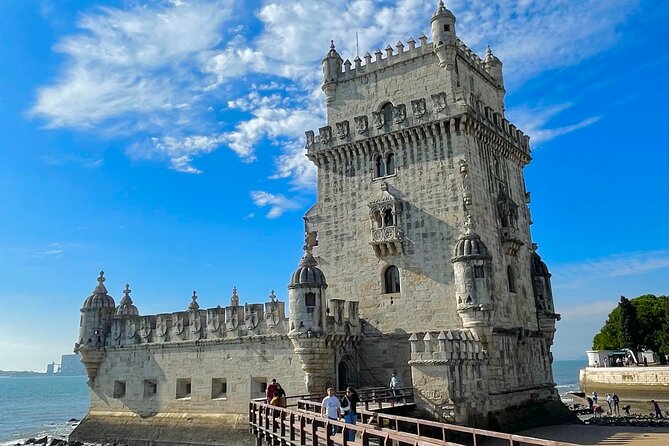
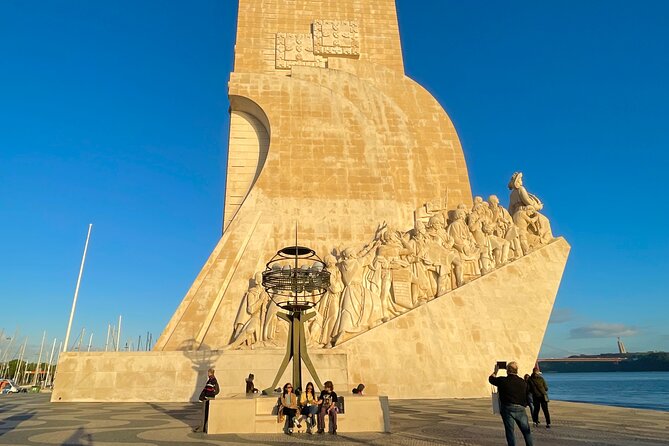
After that, you stop at the outside of Torre de Belem and get more historical context about why and when it was built. The same goes for the Monument to the Discoveries (Padrão dos Descobrimentos), which you can view for photos and stone-carved figures and a large world map showing countries once connected to Portugal.
These late-day stops are where you need to manage expectations. You’ll get context and photo time, but ticketed museum time is not automatic.
Tuk tuk practical notes: why it changes the day
A tuk tuk isn’t just a fun ride. On this route, it solves two real problems:
1) Hills add up. Lisbon’s seven hills aren’t only scenery; they’re effort.
2) Photo stops need timing. Quick access to viewpoints keeps you from spending the best light walking between them.
Based on guide styles from the same tour brand, safety and driving comfort are a priority. If you have mobility limits, a tuk tuk approach can make an itinerary like this possible when walking-only street art tours would be harder.
That said, the trade-off is that some stops are still short. You’re gaining coverage, not gaining hours inside each site.
Who this tour fits best
This is a strong choice if:
- You want a private guide and don’t want to piece together logistics citywide.
- You care about both Lisbon’s big historic names and the street-level vibe (including urban art and photo moments).
- You like your day structured with included food and tastings so decisions feel lighter.
- You want viewpoints across multiple hills rather than just one.
It may not be ideal if:
- You want slow museum time and long entry tickets at each major monument.
- You’re the type who prefers reading independently and skipping guided context.
Should you book it? My honest take
Book this tour if you want Lisbon in one efficient day: downtown orientation, Alfama vibes, high viewpoints, and Belem’s monument zone, all with tastings that feel genuinely Portuguese. The $106.94 price makes sense when you value transport, a private guide, and the built-in Pastéis de Belém and ginja moments.
Skip (or scale your expectations) if you’re planning to spend most of the day inside paid museums. This itinerary is designed for moving with meaning, not for a slow, deep “one museum” kind of visit.
If you do book, send your guide a short note about what you care about most—street art, churches, viewpoints, food—then let them shape the day inside the tour’s time limits.
FAQ
How long is the Lisbon private guided tour?
It runs for about 4 hours 30 minutes.
Is the tour in English?
Yes, it’s offered in English.
What’s included with the price?
The tour includes private transportation, pickup and drop-off, bottled water, snacks (including a Pastéis de Belém for each participant and typical Portuguese snacks such as sandwiches or codfish pastries), and an alcoholic ginja tasting. Free monument stops are included too.
Which parts cost extra?
Monuments and museums that require tickets are an extra cost. The tour notes that admission/ticket fees are not included for some sites (for example, Panteão Nacional, Museu Arqueológico do Carmo, and Mosteiro dos Jerónimos museum areas, plus other Belem attractions).
Does the tour offer pickup?
Yes. Pickup is offered, and the team contacts you in advance to confirm your preferred pickup.
Is this a private tour?
Yes. Only your group participates.
More Tours in Lisbon
- Lisbon City Center Tour – The Unmissable Lisbon★ 5.0 · 22,234 reviews
- Lisbon: History, Stories and Lifestyle Walking Tour★ 4.8 · 10,902 reviews
- True 4Hour Private Tuk Tuk Tour: Discover Lisbon with a Local!★ 5.0 · 8,008 reviews
- Winner 2025 Undiscovered Lisbon Food & Wine Tour by Eating Europe★ 5.0 · 6,390 reviews
- Lisbon: Sintra, Pena, Cabo da Roca, Cascais Tour with Pickup★ 4.8 · 5,445 reviews
More Tour Reviews in Lisbon
- Lisbon City Center Tour – The Unmissable Lisbon★ 5.0 · 22,234 reviews
- Lisbon: Sintra, Pena, Regaleira, Cabo da Roca & Cascais★ 4.7 · 19,656 reviews
- Lisbon Card: 24, 48, or 72-Hour Pass★ 4.5 · 17,944 reviews
- Lisbon: Jerónimos Monastery Entrance Ticket★ 4.1 · 14,164 reviews
- Lisbon: History, Stories and Lifestyle Walking Tour★ 4.8 · 10,902 reviews
More Hills by Tuk-Tuk
- True 4Hour Private Tuk Tuk Tour: Discover Lisbon with a Local!★ 5.0 · 8,008 reviews
- Lisbon: Private Guided Tuk-Tuk Tour with Hotel Pickup★ 4.9 · 4,552 reviews
- Private Lisbon Sightseeing Tuk-Tuk Tour: Alfama, Belém & More★ 5.0 · 4,277 reviews
- Lisbon Highlights: Private Tuk Tuk Tour Adventure Sightseeing★ 5.0 · 3,284 reviews
- Welcome Lisbon Tour with Local Guide in Private Eco Tuk Tuk★ 5.0 · 1,691 reviews
Just in: fresh Lisbon reviews from the team





Lisbon Tuk-Tuk Tours, compared.
 ★ 5.0True 4Hour Private Tuk Tuk Tour: Discover Lisbon with a Local!From $1088,008 reviews
 ★ 4.9Private Guided Tuk-Tuk Tour with Hotel PickupFrom $1534,552 reviews
 ★ 5.0Private Lisbon Sightseeing Tuk-Tuk Tour: Alfama, Belém & MoreFrom $524,277 reviews
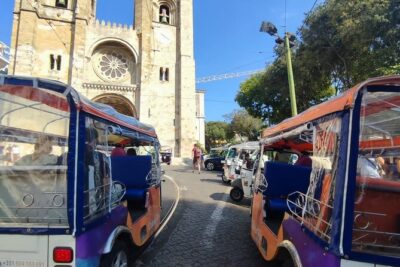 ★ 5.0Lisbon Highlights: Private Tuk Tuk Tour Adventure SightseeingFrom $843,284 reviews
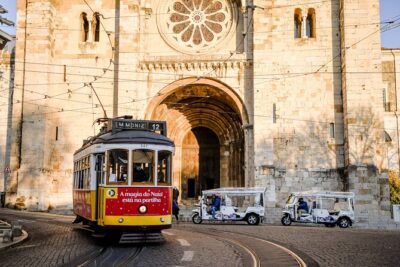 ★ 5.0Welcome Lisbon Tour with Local Guide in Private Eco Tuk TukFrom $171,691 reviews
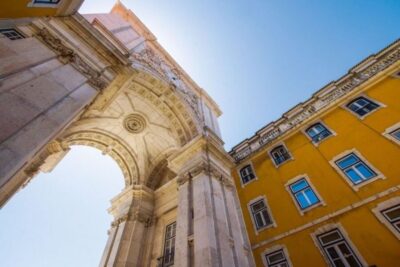 ★ 4.9Private City Tour by Eco Tuk TukFrom $281,215 reviews
 ★ 5.0Old Town TukTuk Tour and Scenic Viewpoints in AlfamaFrom $35974 reviews
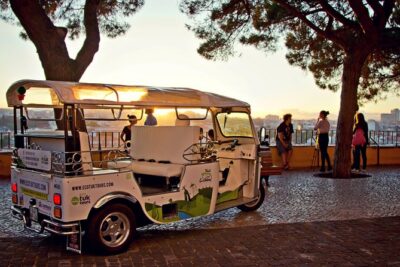 ★ 5.0Explore Lisbon by Tuk Tuk: History and ViewpointsFrom $19840 reviews