
Asian art meets Portugal on the riverfront. The Museu do Oriente in Alcântara turns Lisbon into a shortcut to multiple Asian worlds, with a mix of objects that feel both artistic and lived-in. I love how the museum frames everything through the Portuguese presence in Asia, where trade and contact shaped religion, science, and everyday culture. I also love the strong pull toward craftsmanship, especially the museum’s standout focus on Chinese porcelain and the special section devoted to Namban art.
If you’re planning a tight schedule, the main drawback is simple: you’re only allowed into exhibitions up to 30 minutes before closing. That means you’ll want to arrive with enough time to wander, not just sprint from room to room. The good news is that your entry ticket covers all current exhibitions, so once you’re inside, you can shape the day to what interests you most.
The museum sits in a distinctive building on Lisbon’s riverside front, and the vibe is calm and focused on material culture. With the right pace, you’ll get a clear sense of how galleries, textiles, ceramics, furniture, and decorative arts can also tell stories about people and performative traditions.
In This Review
- Key things I’d plan around
- Why Museu do Oriente feels different from a typical museum day
- Getting in at Alcântara: voucher exchange and a calm start
- Portuguese Presence in Asia: how contact becomes culture
- The Kwok On collection and the power of Chinese porcelain
- Namban art: a standout cross-cultural artistic thread
- Performative arts: getting meaning beyond still objects
- A practical 1-day game plan inside the museum
- Rules that can make or break your day
- Price and value: what $11 buys you in real terms
- Who this ticket fits best
- Should you book this Museu do Oriente ticket?
- FAQ
- Where do I exchange my voucher for the ticket?
- How much does the Lisbon Museu do Oriente entry ticket cost?
- How long is the ticket valid for?
- What do I need to bring with me?
- Is the museum wheelchair accessible?
- What time can I enter the exhibitions before closing?
- Are there restrictions on what I can bring or do inside?
- Are there free entry days?
Key things I’d plan around
- One ticket, all exhibitions: you can choose your route without extra add-ons once you’re in.
- Portuguese presence in Asia focus: the museum connects West-East contact across India, Sri Lanka, China, Macao, Japan, and East Timor.
- Chinese porcelain nucleus: the collection emphasis gives you a satisfying “center of gravity” for the day.
- Namban art as a named highlight: a clear artistic thread that’s worth slowing down for.
- More than objects: the museum also aims to transport you into Asian performative arts through its displays.
- Time cutoff near closing: exhibitions are only accessible up to 30 minutes before the museum ends.
Why Museu do Oriente feels different from a typical museum day
Lisbon has plenty of big-ticket museums. This one is smaller in feel, but smart in concept. Instead of separating cultures like they’re museum specimens, the Museu do Oriente looks at contact: what happens when Portuguese traders, sailors, and communities meet places across Asia.
You’ll also notice the museum is built to make material culture feel readable. The displays move across categories like porcelain, textiles, jewelry, furniture, ivory objects, and cabinets. That’s a lot of variety, but it’s not chaotic. It’s the kind of day where you can pick a theme—decorative arts, craftsmanship, or cross-cultural influence—and follow it without getting lost.
Worth a look before you lock anything else in around Lisbon:
- Lisbon: Jerónimos Monastery Entrance Ticket
★ 4.1 · 14,164 reviews - Lisbon: Oceanário de Lisboa Entrance Ticket
★ 4.6 · 9,943 reviews - Lisbon: São Jorge Castle E-Ticket and Audio Guide
★ 4.3 · 2,182 reviews - Lisbon: 72/96-Hour Hop-On Hop-Off Bus, Tram & Boat Ticket
★ 4.4 · 2,170 reviews
Getting in at Alcântara: voucher exchange and a calm start
Your visit begins with a simple step: exchange your voucher at the museum ticket counter before you go in. This is one of those tiny details that can waste 10 minutes if you show up expecting everything to be automatic.
Bring an ID card or passport. It’s not a “nice to have” item here; the information provided clearly lists it as what you should carry. Then think about your bag situation early, because the museum has strict rules about what you can bring inside.
Plan to travel light. Luggage or large bags, backpacks, umbrellas, and bags of any kind aren’t allowed. Also, selfie sticks and flash photography are not allowed, and you can’t eat or drink inside. If you’re used to browsing while snacking, you’ll need a different mindset—this is a show-you-what-you came-for museum.
Portuguese Presence in Asia: how contact becomes culture
This museum’s core structure is built around two collections, and the first one is Portuguese Presence in Asia. The idea is that the Portuguese presence in Eastern territories—India, Sri Lanka, China, Macao, Japan, and East Timor—wasn’t only about commerce. It involved cultural life experience, scientific and technical exchanges, and religious contact too.
That matters for your visit because it changes how you interpret the objects. You’re not just looking at beautiful things. You’re also asking why a certain style appears in a place far from its origin, or why materials and design habits travel.
As you move through the exhibition content, keep an eye on how the museum groups categories such as porcelain, textiles, jewelry, furniture, ivory objects, and cabinets. Those aren’t random assortments. They help you understand how people used decorative arts in real life—inside homes, ceremonies, and social spaces—when cultures met and learned from each other.
The Kwok On collection and the power of Chinese porcelain
One of the highlights here is the museum’s remarkable nucleus of porcelains produced in China. That phrase matters because it signals focus. This is not a museum where porcelain appears only as a small side note.
So what should you do with that knowledge once you’re inside? Slow down. Let your eyes adjust to the range: shapes, glaze styles, and decorative choices. Even without knowing every technical term, you’ll be able to compare pieces and feel the difference between categories.
Porcelain can be easy to treat as decorative background. In this museum, it’s central. That makes the experience more satisfying if you love craftsmanship, because you’re getting a clearer “story” rather than a scattered showcase.
If you only have one day, this is the area I’d protect most. Everything else can be faster, but the porcelain focus is what gives the museum its strong identity.
Worth a look before you lock anything else in around Lisbon:
Namban art: a standout cross-cultural artistic thread
The museum also spotlights Namban art, described as a unique artistic manifestation within the collection. Even if you’ve never heard the term before, the museum gives it enough prominence that you can find it and treat it as a must-see.
I like this kind of labeled highlight because it helps you avoid spending your whole day guessing what the museum thinks is important. Namban art becomes a named route through the broader theme of West-East contact.
When you reach this section, give it attention instead of rushing. In art museums, the biggest regret is always the same: spending five minutes where you should have spent fifteen. With Namban art, aim for curiosity. Ask yourself what changes when artistic forms travel. Look at materials and design choices, and see how the museum uses them to show cultural meeting points.
Performative arts: getting meaning beyond still objects
One of the more interesting promises is that you’ll be transported to various Asian performative arts. That’s a different goal than you get in museums that only present objects in display cases.
Here’s how to get the most out of it: don’t treat the museum like a photo-op route. Instead, read the room like a set. Even if you can’t hear anything, the museum’s organization nudges you to imagine motion, ceremony, and performance contexts.
This section of your visit is where a little patience pays off. If you’re the type who wants everything “explained” before you see it, you might prefer having a slower pace and taking time to look at how the museum connects art forms to cultural practice.
A practical 1-day game plan inside the museum
You have a one-day ticket, and the museum’s entry is access to all current exhibitions. That means your day can be flexible, but you still need a plan that respects the time cutoff.
Here’s a practical way I’d structure it:
1) Start with the big thematic anchors first. Go toward Portuguese Presence in Asia and the Kwok On porcelain focus early, while your energy is fresh.
2) Then route into the labeled highlights. Find the Namban art section when you still have time to slow down.
3) Use the performative arts portion as your pacing brake. After intense visual detail, this can feel more reflective.
4) Finish with a second pass for anything you skipped too fast. You won’t see it all, but you can correct your own route.
Remember: access to exhibitions is only allowed up to 30 minutes before closing. So don’t schedule anything else too close to the end of your visit. Leave time to settle into the last rooms rather than being forced to stop mid-thought.
Rules that can make or break your day
The museum’s rules are clear, and they affect comfort more than people expect. Since food and drinks aren’t allowed, plan on eating before or after your visit. The museum itself is a “focus zone,” not a hangout.
No touching the exhibits also changes the feel of the visit. It’s a museum you observe, not one where you learn by hands-on interaction. If you’re traveling with kids, you’ll want to set expectations early so it feels like a mission, not a disappointment.
Photography rules matter too. Flash photography is not allowed, and selfie sticks are banned. If you like taking photos, you may still be able to do normal photos, but assume the museum wants a quiet, distraction-free viewing experience.
And because luggage, large bags, and backpacks are not permitted, it’s worth arriving with a simple carry. If your day in Lisbon involves multiple sights, consider storing larger items before you come here.
Price and value: what $11 buys you in real terms
At about $11 per person, this ticket is positioned as a value move, but the value isn’t only the number. The ticket includes museum entry and access to all current exhibitions. That’s the key.
If you’re the kind of traveler who hates paying for add-on rooms, the all-exhibitions access is what makes this work. You can follow your curiosity instead of trying to guess which display is worth the extra step.
Also, the experience is designed for a 1-day visit. That makes it a good “slot filler” on a Portugal trip when you want culture but don’t want to commit to a whole multi-day plan.
Who this ticket fits best
This is a strong choice if you:
- love Asian art and decorative arts, especially objects like porcelain and textiles
- want a museum that ties craft to the bigger idea of cultural exchange
- like the feeling of a focused collection visit rather than a giant museum maze
It may be less ideal if you:
- need hands-on activities (touching exhibits is not allowed)
- plan to carry large bags or bulky gear (the museum restrictions are strict)
- want a relaxed snack-and-scroll museum visit (food and drinks are not allowed)
Should you book this Museu do Oriente ticket?
I’d book it if you want a one-day Lisbon experience that’s clearly themed and not generic. The museum’s strengths are specific: Portuguese presence in Asia, a strong emphasis on Chinese porcelain, and the standout category of Namban art, plus the museum’s goal of bringing in ideas of performative arts.
Skip it if you’re mainly looking for wide-open city views, nightlife energy, or a museum you can treat casually while you carry everything on your back. This place rewards calm focus.
If your goal is meaningful cultural wandering with clear highlights, this ticket is a solid value at $11 and a smart use of a day in Alcântara.
FAQ
Where do I exchange my voucher for the ticket?
You need to exchange your voucher at the museum ticket counter before your visit begins.
How much does the Lisbon Museu do Oriente entry ticket cost?
The price listed is $11 per person.
How long is the ticket valid for?
The ticket is valid for 1 day.
What do I need to bring with me?
You should bring a passport or ID card.
Is the museum wheelchair accessible?
Yes, the activity is wheelchair accessible.
What time can I enter the exhibitions before closing?
Access to exhibitions is only allowed up to 30 minutes before closing.
Are there restrictions on what I can bring or do inside?
Yes. Smoking, food and drinks, luggage or large bags, pets (assistance dogs allowed), selfie sticks, flash photography, backpacks, umbrellas, bags, unaccompanied minors, and touching exhibits are not allowed.
Are there free entry days?
Yes. Free entrance is listed for 17.02.26 (Chinese New Year) and 08.05.26 (museum anniversary).
More Museums in Lisbon
- Lisbon: Luz Stadium Tour & SL Benfica Museum Entry★ 4.7 · 4,102 reviews
- Lisbon: National Tile Museum Entry Ticket★ 4.6 · 868 reviews
- Lisbon: MAAT Gallery and MAAT Central Entry Tickets★ 4.0 · 559 reviews
- Lisbon: Banksy Museum Permanent Exhibition Entry Ticket★ 4.7 · 506 reviews
- Lisbon: Belem, Jeronimos Monastery, and Coach Museum Tour★ 4.8 · 478 reviews
More Tickets in Lisbon
- Lisbon: Jerónimos Monastery Entrance Ticket★ 4.1 · 14,164 reviews
- Lisbon: Oceanário de Lisboa Entrance Ticket★ 4.6 · 9,943 reviews
- Lisbon: São Jorge Castle E-Ticket and Audio Guide★ 4.3 · 2,182 reviews
- Lisbon: 72/96-Hour Hop-On Hop-Off Bus, Tram & Boat Ticket★ 4.4 · 2,170 reviews
- Lisbon Oceanario: Aquarium Entrance Ticket★ 4.5 · 1,454 reviews
More Tour Reviews in Lisbon
- Lisbon City Center Tour – The Unmissable Lisbon★ 5.0 · 22,234 reviews
- Lisbon: Sintra, Pena, Regaleira, Cabo da Roca & Cascais★ 4.7 · 19,656 reviews
- Lisbon Card: 24, 48, or 72-Hour Pass★ 4.5 · 17,944 reviews
- Lisbon: Jerónimos Monastery Entrance Ticket★ 4.1 · 14,164 reviews
- Lisbon: History, Stories and Lifestyle Walking Tour★ 4.8 · 10,902 reviews
Just in: fresh Lisbon reviews from the team





Museums, compared.
 ★ 4.7Luz Stadium Tour & SL Benfica Museum EntryFrom $314,102 reviews
 ★ 4.6National Tile Museum Entry TicketFrom $11868 reviews
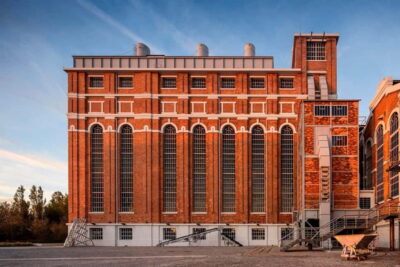 ★ 4.0MAAT Gallery and MAAT Central Entry TicketsFrom $17559 reviews
 ★ 4.7Banksy Museum Permanent Exhibition Entry TicketFrom $15506 reviews
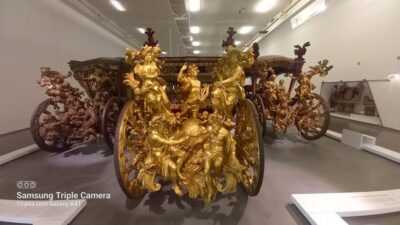 ★ 4.8Belem, Jeronimos Monastery, and Coach Museum TourFrom $94478 reviews
 ★ 4.63D Fun Art Museum Admission TicketFrom $15401 reviews
 ★ 4.5Lisbon SL Benfica Stadium & Museum Tour with ScarfFrom $32327 reviews
 ★ 4.8Customized Luz Stadium and Guided Museum TourFrom $29147 reviews
Browse the lists this tour appears in