
Reviewed · TOURS
Lisbon: Highlights and Hidden Gems Tour
Lisbon tells its story on foot. This 2.5-hour walk through Graça and the old-city walls brings you face-to-face with the events that shaped Portugal, including the 1755 Lisbon earthquake. You’ll hear the city explained by Peter, the guide behind Lisbon Lives Walking Tours, as he connects everyday streets to big eras and big decisions.
I especially like the tour’s mix of art and legend. You’ll see street art tied to Lisbon’s music culture, including a portrait of fado singer Amalia Rodrigues, and you end with a simple included taste—either pastel de nata or ginginha.
One drawback: it’s mostly walking on uneven ground, and it’s not set up for wheelchair users or people with mobility impairments.
In This Review
- Key highlights you’ll remember
- Why Graça and the Castle walls change how you see Lisbon
- Meeting Peter in a small group (and getting the right pacing)
- Church of Our Lady of Grace and the Graça streets that tell everyday stories
- São Vicente Monastery: royalty, the English connection, and a quieter kind of Lisbon
- Street art in Alfama and the fado connection through Amalia Rodrigues
- Castle quarter: medieval walls, Roman theatre echoes, and Cathedral stables
- The dictatorship prison and Lisbon’s scars from 1755
- Santa Maria Maior and the less-visited corners that round out the story
- Baixa to Praça do Comércio: the former Royal Palace site and the statues explained
- Price and value: why $41 can make sense for this much history
- Practical notes: shoes, time on your feet, and the best kind of traveler
- Should you book this Lisbon history walk?
- FAQ
- How long is the Lisbon Highlights and Hidden Gems Tour?
- What does the tour cost, and is any food included?
- How big is the group?
- Where does the tour start?
- What languages are offered?
- Is this tour suitable for wheelchair users or people with mobility impairments?
Key highlights you’ll remember
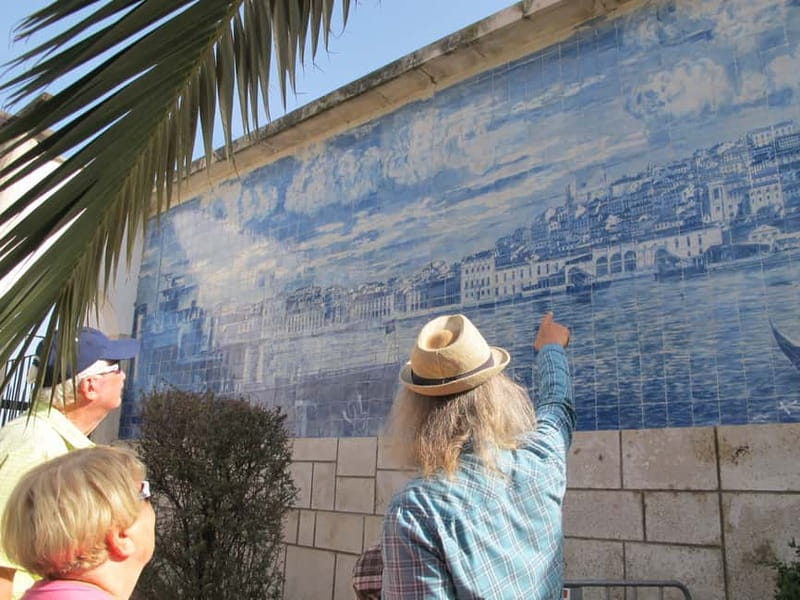
- Peter’s Portugal timeline: Celts, Romans, Visigoths, Arabs, and Portuguese, all linked to what you can see today
- Street art with fado roots: A portrait of Amalia Rodrigues gives Lisbon’s music a physical place on the walls
- 1755 earthquake evidence: ruins and the story of a buried street plus earthquake-resistant buildings in Baixa
- Castle area views and walls: medieval fortification vibes, Roman echoes, and old structures like the Cathedral and its stables
- A big finish with meaning: Praça do Comércio, the former Royal Palace site, explained statue by statue
Why Graça and the Castle walls change how you see Lisbon
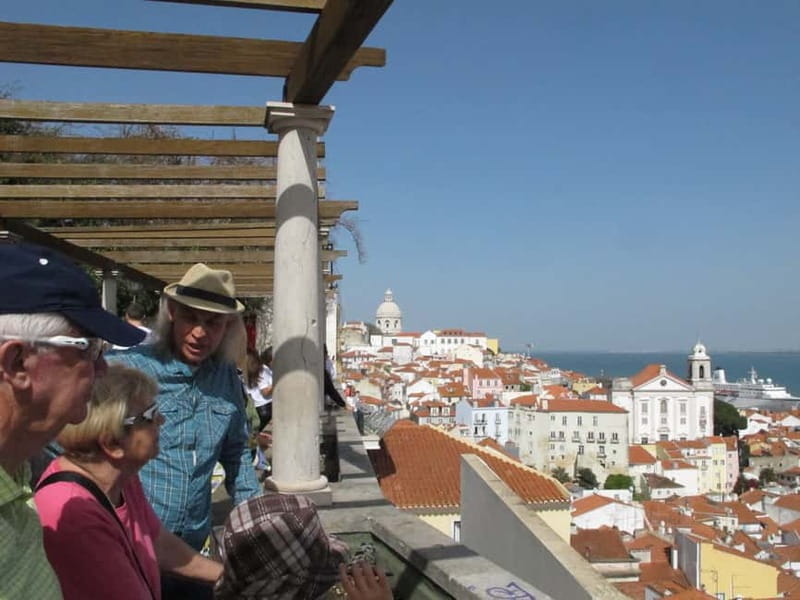
Lisbon’s not short on viewpoints. But this walk helps you read the city instead of just looking at it. The route starts in the hills of Graça and works your way toward the Castle area, so each climb adds context—who lived where, what got rebuilt, and why certain streets still feel “layered.”
In Graça, you get the kind of street-level history most people skip. You’ll visit the Church of Our Lady of Grace and spend time in the surrounding historic district, including old workers’ housing. It’s not just pretty stonework. It’s a clue to how Lisbon functioned beyond the postcards.
Then you move into the Castle quarter, where the medieval walls change the feeling of the city. The walls don’t just frame views; they explain why this area mattered for defense and control. Even if you’re not a medieval-history person, standing near those walls makes Lisbon’s geography click.
This tour is also heavy on cause-and-effect. You’ll connect the present city to the earthquake of 1755—what was damaged, what survived, and how Lisbon was reshaped afterward.
Still deciding? See how this one measures up against a few Lisbon favourites.
- Lisbon City Center Tour – The Unmissable Lisbon
★ 5.0 · 22,234 reviews - Lisbon: Sintra, Pena, Regaleira, Cabo da Roca & Cascais
★ 4.7 · 19,656 reviews - Lisbon: Jerónimos Monastery Entrance Ticket
★ 4.1 · 14,164 reviews - Lisbon: History, Stories and Lifestyle Walking Tour
★ 4.8 · 10,902 reviews
Meeting Peter in a small group (and getting the right pacing)
This is a small group experience, limited to 8 participants. That matters in old Lisbon, where streets tighten up and corners get tight. With fewer people, you can hear explanations without fighting for attention, and you can ask questions when you spot something odd or specific.
Your start point depends on what option you booked, with meeting locations around Miradouro da Graça or the Church of Our Lady of Grace. From there, the pace stays manageable for a two-and-a-half-hour walk, with a short break built into the route around Alfama.
Guiding language is English or French, and Peter comes across like a teacher with a plan. One detail I really like from the experience is how organized and prepared the explanations feel—like you’re getting a guided lesson, not a wandering chat.
If you’re hoping for a modern-fashion, food-only, or nightlife-focused route, keep your expectations clear. This one is mostly history-based, and it’s happiest when you want the why behind the walls.
Church of Our Lady of Grace and the Graça streets that tell everyday stories
The first stop is the Church of Our Lady of Grace, a short visit that sets the tone for the neighborhood. You’re not spending a long time inside, but you’re given enough background to understand what you’re seeing and how the area relates to later Lisbon.
From there, you head through the Graça Historic District. This is where the tour earns its place as more than a quick highlights loop. You get time to notice older building patterns and the way the neighborhood developed—especially when the guide points out old workers’ housing.
This matters because Lisbon’s famous sights can feel like set pieces if you only see them from afar. In Graça, you start to grasp daily life and social layering: where different groups lived, how neighborhoods evolved, and why certain routes exist where they do.
And because the walk is timed to flow toward viewpoints, you’ll also get moments where you can look out and connect the view back to the streets you just walked.
São Vicente Monastery: royalty, the English connection, and a quieter kind of Lisbon
As you continue, you reach the São Vicente monastery, one of the tour’s most memorable stops for its specific human story. It’s described as the resting place for members of the Portuguese royal family and the Queen of England. That detail pulls the city’s history out of “local only” territory and reminds you Lisbon sat inside wider European power networks.
This is also the kind of stop that breaks the momentum of walking without turning into a long museum detour. You get a chance to slow down, absorb the significance of who is buried here, and then move on with your mind already calibrated for “why” rather than “what.”
If you like history that’s tied to real places (not just dates floating in the air), this monastery stop works well.


Street art in Alfama and the fado connection through Amalia Rodrigues
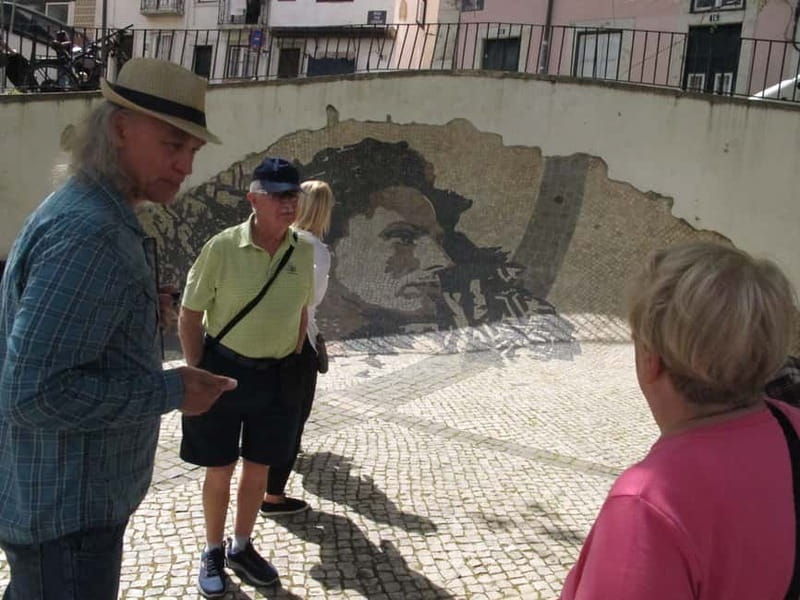
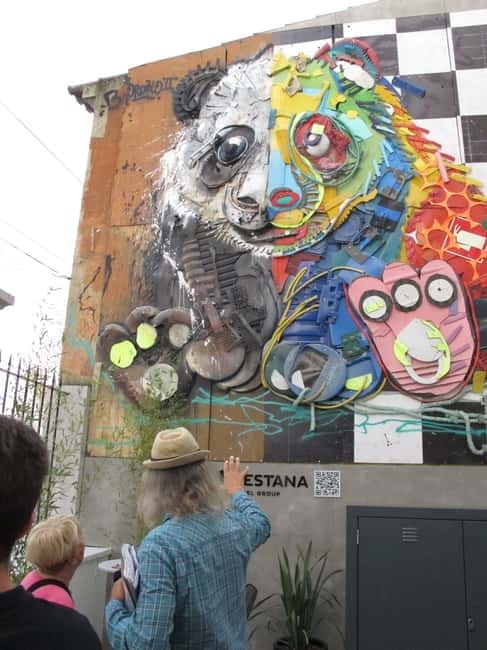
Lisbon has street art, but this tour uses it like a chapter marker. One standout moment is the visible portrait of Amalia Rodrigues, a fado singer who’s woven into the city’s identity.
You don’t just pass a wall and keep moving. The guide connects the artwork to the broader cultural story—how fado is part of Lisbon’s public memory, and how artists translate emotion into images you can literally walk up to.
Then you make your way through Alfama for a break. This gives you a reset before the route pushes back up toward the Castle zone. Alfama’s atmosphere can be intense if you don’t pause. The built-in break makes it easier to enjoy the streets instead of just surviving the walking.
Castle quarter: medieval walls, Roman theatre echoes, and Cathedral stables
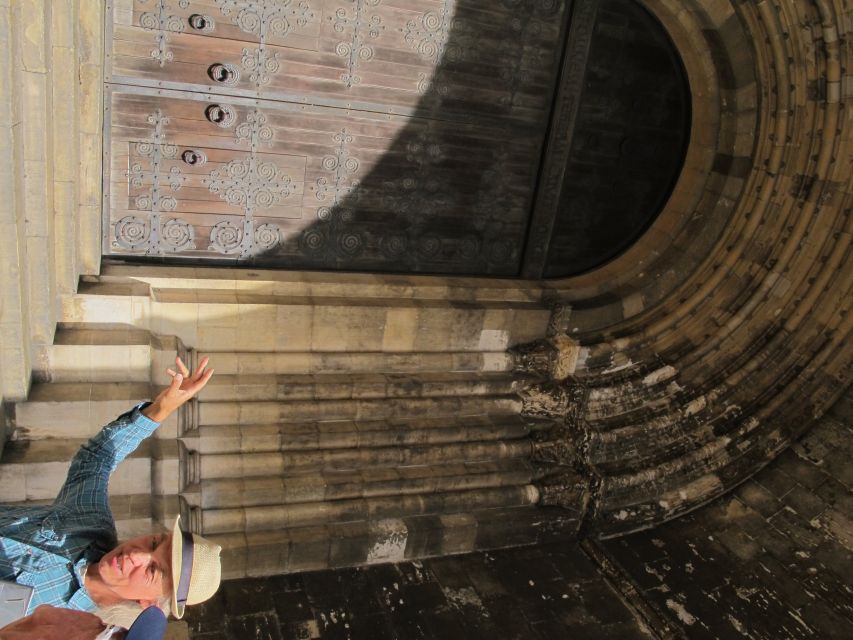
The Castle area is where the tour becomes truly “Lisbon in 3D.” You’re in the zone of old walls, older ruins, and layered architecture. The medieval walls create a dramatic sense of enclosure, and the guide helps you understand why that kind of fortification mattered.
Along the way, you’ll see references to older civilizations in the mix—like the Roman theatre. Seeing that while you’re still walking along medieval pathways helps you visualize how Lisbon kept rebuilding, reusing, and repurposing the city space.
You’ll also spend time around the Cathedral and its stables. That pairing is a good reminder that big religious sites weren’t only about worship. They were also about operations—daily logistics of a city that never stopped running.
And don’t ignore the viewpoints on this part of the walk. Even without chasing a perfect photo, the viewpoint stops help you relate the streets below to the defensive and strategic thinking that built this area.
The dictatorship prison and Lisbon’s scars from 1755
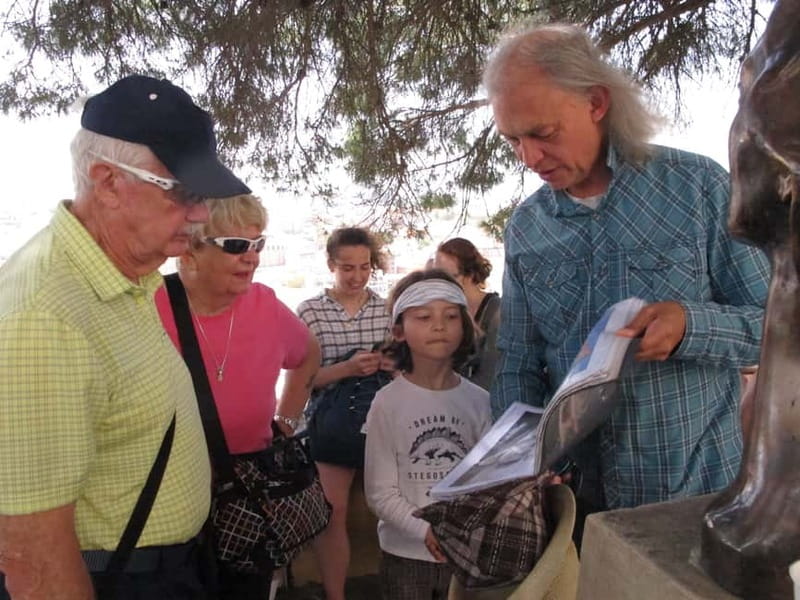
This is the part of the tour that most directly turns “sightseeing” into “understanding.” You’ll visit a prison connected to the dictatorship period, and the guide uses it to explain how political power can shape a city’s physical spaces.
Then the walking shifts again toward the earthquake story. Lisbon’s earthquake of 1755 isn’t treated like a single dramatic moment. You’ll witness ruins connected to it, including the story of a buried street. Standing near these remnants is the quickest way to grasp that natural disaster can permanently rewrite the map.
The tour also points out earthquake-resistant buildings in the Baixa district. This is practical history: how engineering and rebuilding responded to what happened. You start to see Baixa not just as a shopping-square area, but as a planned response to catastrophe.
If you like the feeling of connecting the dots—earthquake, rebuilding, layout changes—this tour is built for you.
Santa Maria Maior and the less-visited corners that round out the story
Between the major set pieces, the route includes Santa Maria Maior and time spent in a less-frequented “tucked away” stop. These smaller segments are valuable because they fill the gaps most tours skip.
Santa Maria Maior gives you another anchor in the city’s administrative and historic layers, while the smaller corner stop adds texture—an in-between place that makes the overall route feel less like a checklist.
This is also where Peter’s teaching style helps. He tends to give just enough context so those stops mean something. Without that, these places can pass by as background.
Baixa to Praça do Comércio: the former Royal Palace site and the statues explained
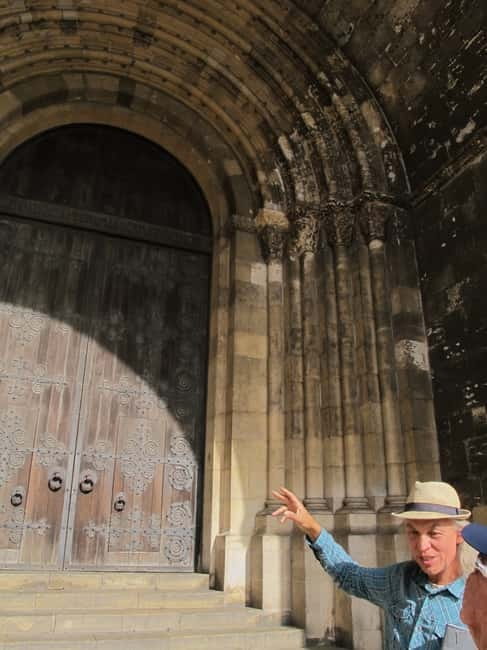
By the time you reach Baixa and make your way into Praça do Comércio, the city feels like it’s unfolding in front of you. The route culminates in one of Lisbon’s standout public spaces: Praça do Comércio, celebrated for its scale and elegance.
The former Royal Palace site is part of the story. You’ll learn what happened there over the centuries and how the square’s symbolism works, including the meaning of the statues.
This finish isn’t just a nice ending. It’s the payoff for everything earlier: Graça’s layers, Castle’s defensive past, dictatorship-era reminders, and the earthquake’s remodeling. Praça do Comércio becomes Lisbon’s “public face,” and the guide helps you read it like a historical document.
It also helps that you’re ending in a big open square. After a couple hours of navigating hills and narrow lanes, it feels like a reset button for your legs and your attention.
Price and value: why $41 can make sense for this much history
At $41 per person for a 2.5-hour small-group walk, the value comes from three things you don’t always get in Lisbon tours.
First, you get a tight group size (max 8), which improves the experience in areas where space gets cramped. Second, you get a long arc of history tied to physical locations—Graça, Castle, earthquake damage, and Praça do Comércio—not just a quick loop of landmarks.
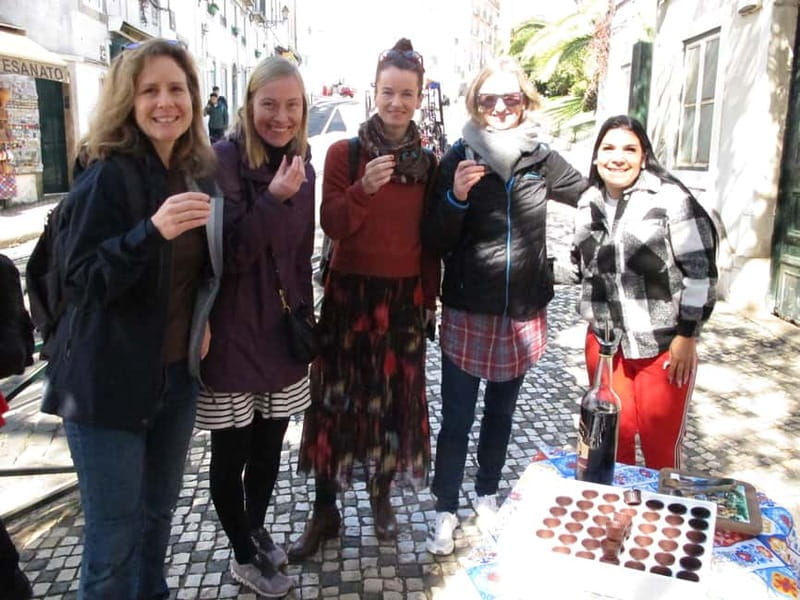
Third, there’s a built-in taste: pastel de nata or ginginha included. It’s not a huge meal, but it’s a fun, easy cultural add-on that fits the walking style. If you’re the kind of traveler who likes small included moments, you’ll appreciate this.
Also worth noting: you can reserve and pay later, and free cancellation is available up to 24 hours in advance. That gives you flexibility if your Lisbon days shift.
Practical notes: shoes, time on your feet, and the best kind of traveler
You should wear comfortable shoes. The route is walk-heavy, includes viewpoints, and involves climbing and descending through older streets. Even if you’re a confident walker, expect uneven surfaces and steep sections to slow you down a bit.
Plan to keep your day open enough to enjoy the tour without rushing. Because the focus is history, it’s best for you if you genuinely want to understand Lisbon’s layers. If your priority is contemporary neighborhoods, street food stops, or nightlife energy, this may feel like the wrong tempo.
This is also not suitable for wheelchair users or people with mobility impairments, and it’s not designed for children under 5. If you’re traveling with kids, it’s the kind of tour where attention and walking stamina matter.
Best fit: curious adults who like stories, history tied to place, and a guide who can explain why Lisbon looks the way it does.
Should you book this Lisbon history walk?
If you want Lisbon with context—not just views and photos—this is an easy yes. The experience is strongest when you like history you can physically trace through neighborhoods, ruins, and memorial spaces. Peter’s guiding style, plus the small group size, makes it feel structured and personal.
Book it if you’re excited by the earthquake story, drawn to the Castle walls, and curious about how fado culture connects to real walls and real faces like Amalia Rodrigues. You’ll also like the satisfying finish at Praça do Comércio, where the Royal Palace story and statues finally snap into meaning.
Skip it if you need a low-walking, accessible route, or if you’re only here for contemporary Lisbon and don’t want a history-heavy pace.
If you’re standing in Lisbon wondering where to start, start here. You’ll leave with a clearer sense of how the city kept changing—and how much of that change still shows up when you look closely.
FAQ
How long is the Lisbon Highlights and Hidden Gems Tour?
It lasts 2.5 hours.
What does the tour cost, and is any food included?
The price is $41 per person, and it includes either pastel de nata (cream tart) or ginginha (cherry liqueur).
How big is the group?
It’s a small group limited to 8 participants.
Where does the tour start?
The meeting point can vary depending on the option booked, with starting locations around Miradouro da Graça or the Church of Our Lady of Grace.
What languages are offered?
The live tour guide offers English and French.
Is this tour suitable for wheelchair users or people with mobility impairments?
No. It’s not suitable for wheelchair users or people with mobility impairments.
More Tours in Lisbon
- Lisbon City Center Tour – The Unmissable Lisbon★ 5.0 · 22,234 reviews
- Lisbon: History, Stories and Lifestyle Walking Tour★ 4.8 · 10,902 reviews
- True 4Hour Private Tuk Tuk Tour: Discover Lisbon with a Local!★ 5.0 · 8,008 reviews
- Winner 2025 Undiscovered Lisbon Food & Wine Tour by Eating Europe★ 5.0 · 6,390 reviews
- Lisbon: Sintra, Pena, Cabo da Roca, Cascais Tour with Pickup★ 4.8 · 5,445 reviews
More Tour Reviews in Lisbon
- Lisbon City Center Tour – The Unmissable Lisbon★ 5.0 · 22,234 reviews
- Lisbon: Sintra, Pena, Regaleira, Cabo da Roca & Cascais★ 4.7 · 19,656 reviews
- Lisbon Card: 24, 48, or 72-Hour Pass★ 4.5 · 17,944 reviews
- Lisbon: Jerónimos Monastery Entrance Ticket★ 4.1 · 14,164 reviews
- Lisbon: History, Stories and Lifestyle Walking Tour★ 4.8 · 10,902 reviews
Just in: fresh Lisbon reviews from the team





Tours, compared.
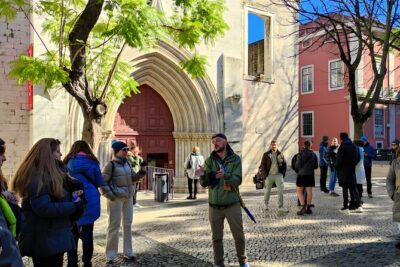 ★ 5.0Lisbon City Center Tour – The Unmissable LisbonFrom $322,234 reviews
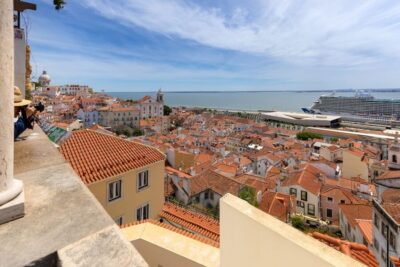 ★ 4.8History, Stories and Lifestyle Walking TourFrom $2910,902 reviews
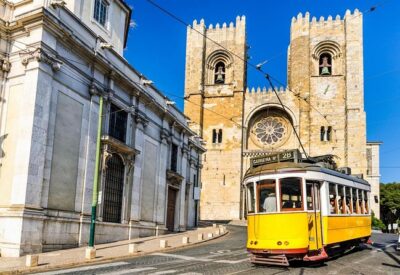 ★ 5.0True 4Hour Private Tuk Tuk Tour: Discover Lisbon with a Local!From $1088,008 reviews
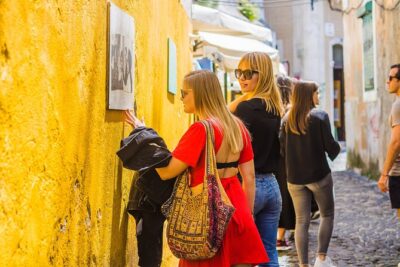 ★ 5.0Winner 2025 Undiscovered Lisbon Food & Wine Tour by Eating EuropeFrom $1256,390 reviews
 ★ 4.8Sintra, Pena, Cabo da Roca, Cascais Tour with PickupFrom $585,445 reviews
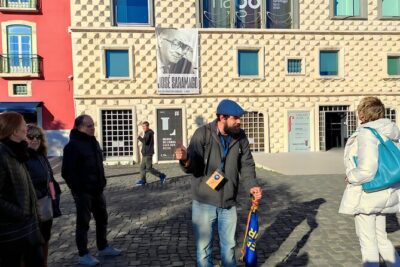 ★ 5.0Alfama Tour in Lisbon Old TownFrom $34,936 reviews
 ★ 5.0Best of Lisbon Small-Group Guided Walking TourFrom $234,869 reviews
 ★ 4.11-or 2-Day Hop-On Hop-Off Bus TourFrom $254,774 reviews