
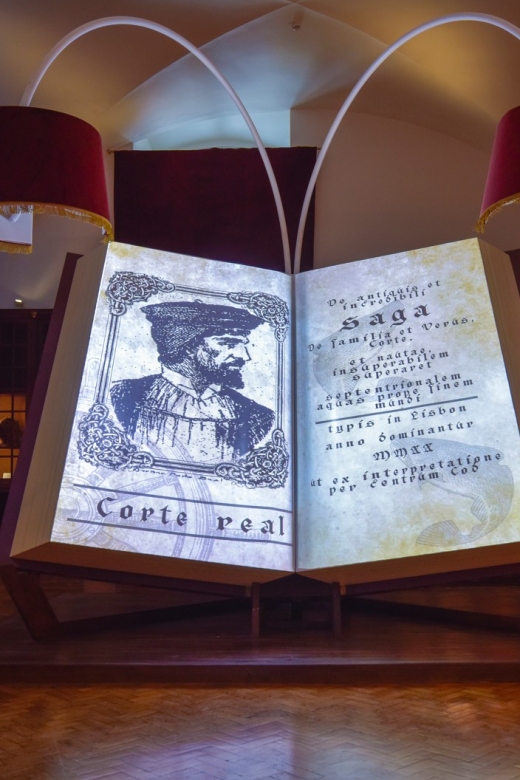
Reviewed · TICKETS
Lisbon: Entry Ticket for the History of Cod Visitor Center
Cod is Lisbon in edible form.
I love how a tiny museum turns bacalhau into a whole Portugal story, from food to seafaring life. It’s self-guided, so you can move at your pace while the exhibits connect cod to culture, trade, and everyday table lore. You’ll be learning by walking—simple, clear, and very Lisbon (waterfront location in the historical city center).
Two things I especially like: first, the focus on people’s lived history—sailors and fishermen passing stories down through generations. Second, you don’t just get facts about fishing; you also see how new recipes and future ideas fit into what cod means now.
The one drawback to consider: the exhibition is small. If you’re expecting a huge, multi-hour museum experience, you might find it moves fast and doesn’t feel worth your time.
In This Review
- Key Things You’ll Notice Inside
- Entering The Centro Interpretativo Da História Do Bacalhau
- Self-Guided Museum Time: A Small Slot With Room to Breathe
- What You Learn: Cod as Portugal’s Food and Identity
- Portuguese Fishing Routes: Greenland and Newfoundland
- The Faithful Friend Myth and Table Traditions
- How Cod Is Fished, and How the Future Fits In
- Price and Value: What $4.72 Buys You in Lisbon
- Who Should Book This Ticket
- Tips for Planning Your Day Around It
- Should You Book the History of Cod Visitor Center?
- FAQ
- FAQ
- Where is the meeting point for entry?
- What’s included with the ticket?
- Is a guided tour included?
- How long is the experience?
- What languages are available?
- How many people can enter per timeslot?
- Can I cancel for a refund?
- Can I reserve now and pay later?
- Are there specific starting times?
Key Things You’ll Notice Inside

- Small-group entry with a maximum of 4 people per timeslot, spaced 4 minutes apart
- Self-paced exploring—no guided tour included, so you choose what to linger on
- Cod as a cultural symbol, not just seafood: food, history, and identity
- Portuguese fishing reach, including routes linked to Greenland and Newfoundland
- Myths at the table, including how the faithful friend story started
- Past, present, and future, with how cod is fished and how it can be cooked
Entering The Centro Interpretativo Da História Do Bacalhau
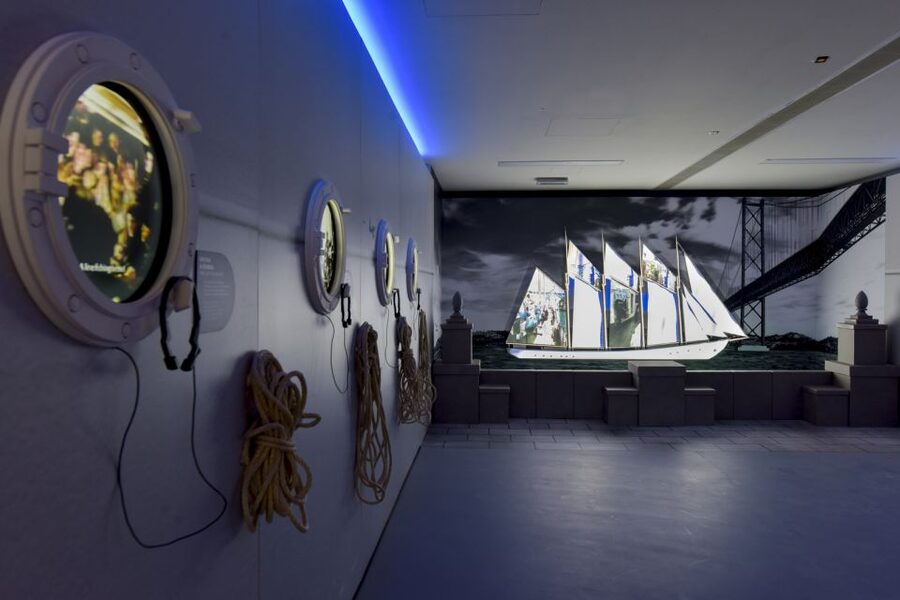
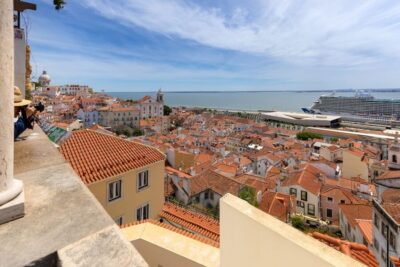
Your ticket gets you into the Centro Interpretativo Da História Do Bacalhau (the History of Cod Visitor Center). It’s in Lisbon’s historical city center on the waterfront, which is handy because you can build the visit into a day already filled with walking.
What I like about the location is how it supports the theme. You’re learning about a fish that shaped Portuguese life, and you’re doing it where Lisbon’s seafaring culture still feels close. Even if you only take a short stroll afterward, the area fits the mood: maritime Lisbon, close to other sights, easy to combine.
You’ll enter at the center’s location (that’s your practical “meeting point”). Once inside, there’s no tour bus routine, no forced rhythm. You’re there for the exhibits, in the language you select.
Language options: English and Portuguese. A host or greeter is available (English and Portuguese), so if you want help orienting yourself, you should be able to get it.
Worth a look before you lock anything else in around Lisbon:
- Lisbon: Jerónimos Monastery Entrance Ticket
★ 4.1 · 14,164 reviews - Lisbon: Oceanário de Lisboa Entrance Ticket
★ 4.6 · 9,943 reviews - Lisbon: São Jorge Castle E-Ticket and Audio Guide
★ 4.3 · 2,182 reviews - Lisbon: 72/96-Hour Hop-On Hop-Off Bus, Tram & Boat Ticket
★ 4.4 · 2,170 reviews
Self-Guided Museum Time: A Small Slot With Room to Breathe
This is a self-guided experience with your entry ticket. The idea is simple: reserve ahead, arrive for your timeslot, and explore at your own leisure.
The timeslot setup matters. A maximum of 4 people can enter the exhibition per timeslot, with a 4-minute interval between timeslots. Translation for your planning: the museum likely won’t feel crowded, and you may have an easier time focusing on the displays.
Also, plan for a visit that fits a “museum snack” style rather than a marathon. Duration is listed as 1 day, but the exhibit itself is described as small. That’s not automatically a bad thing. If your goal is targeted, food-and-culture learning without a long time commitment, this is a good match.
If you’re the type who likes to read every sign slowly, you’ll still likely get through everything without stressing your schedule. If you’re more “scan, move on,” you can finish sooner and spend the rest of your day on Lisbon streets.
What You Learn: Cod as Portugal’s Food and Identity
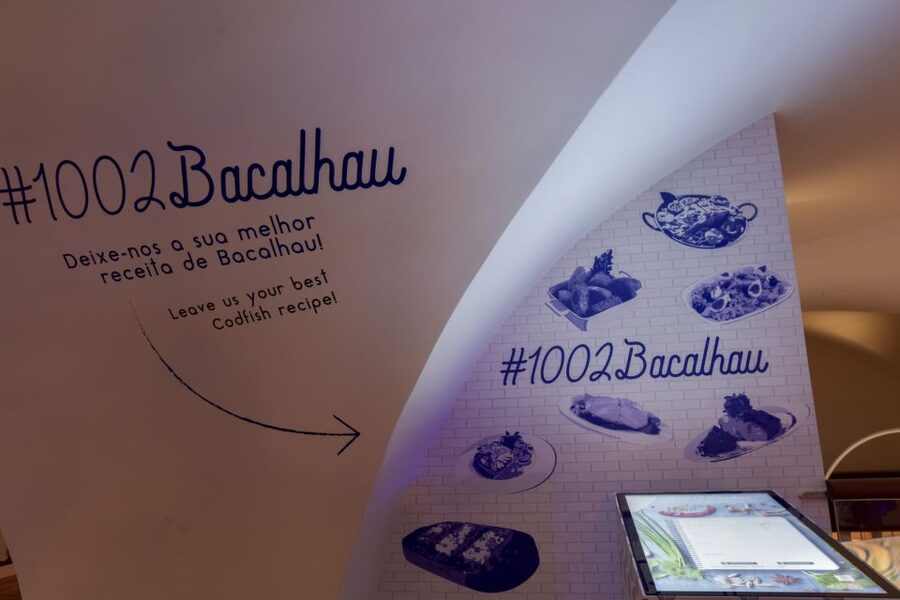
The main theme is cod as a symbol of Portuguese food, culture, and history. In practice, that means the museum doesn’t treat cod as a random ingredient. It frames cod as a thread connecting sailors, markets, home cooking, and national identity.
You’ll follow the exhibition sections to build the story step by step:
- how Portuguese cod became defining,
- how fishing trips stretched far beyond local waters,
- and how cod’s cultural meaning grew into table traditions and recipes.
I like that the museum treats this like a continuing story, not a sealed-in-past object. You move from origin and fishing life toward how cod is eaten today and what might come next.
If you’re a food person, this is also a good way to understand why certain Portuguese preparations are so culturally loaded. It’s hard to appreciate a beloved dish on repeat without the “why” behind it.
Portuguese Fishing Routes: Greenland and Newfoundland
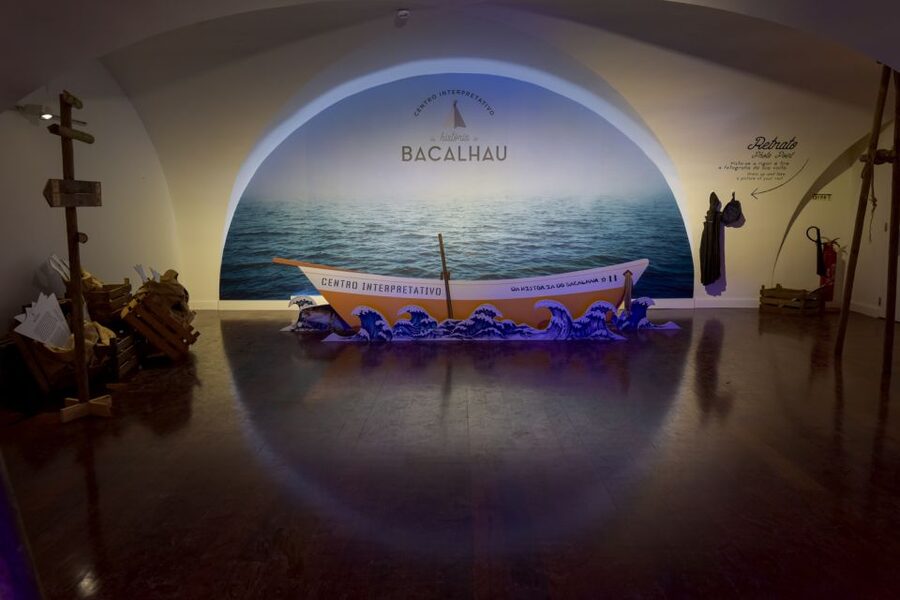
One of the most striking parts of the exhibition is the distance story: Portuguese sailors traveling to the ends of the Earth to fish. The museum specifically highlights routes reaching places like Greenland and Newfoundland.
Even without getting technical, this part gives context. Cod wasn’t just valuable because it tasted good. It was valuable because it was part of a tough, long-distance livelihood. When you see cod tied to those routes, you understand why it became so important historically.
For me, that’s the “click moment” you want from a cultural museum like this. You stop thinking of bacalhau as a menu item and start seeing it as an outcome of navigation, risk, seasonal work, and long-term food storage needs.
If you enjoy maritime history in a human scale, this section should land well. You’re not looking at ships and maps for their own sake; you’re learning how people lived and why cod mattered enough to justify those voyages.
Worth a look before you lock anything else in around Lisbon:



The Faithful Friend Myth and Table Traditions
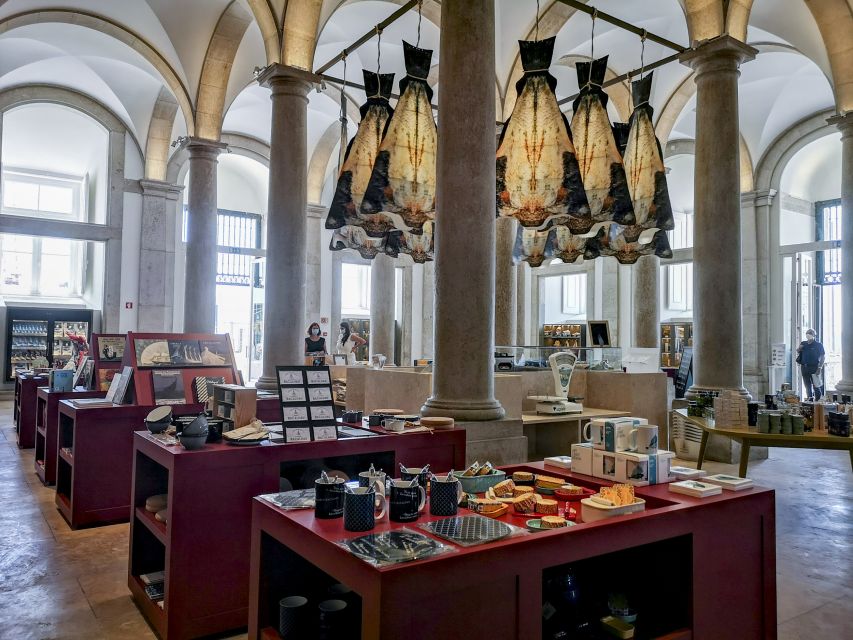
Another standout theme is the legend of the faithful friend at table. The museum explains how this idea emerged.
This is the kind of detail that makes food history fun. It’s not only about commerce and fishing. It’s also about how communities create meaning around what they eat. A myth like this shows how cod worked its way into identity—something people referenced at home, not just something traded at sea.
When you learn that a table tradition has a story behind it, you’ll likely connect it to how Portuguese families talk about food. Even if you don’t know the folklore already, you’ll come away with a stronger sense that bacalhau is part of social life, not just survival and economics.
If you like reading about how traditions form, spend a little extra time here. It’s the part that turns history into something you can picture at dinner.
How Cod Is Fished, and How the Future Fits In
This center doesn’t stop at the past. It includes how cod is fished and what’s ahead for cod consumption.
What I appreciate is that the museum frames the issue in practical terms:
- the reality of fishing,
- new ways of preparing cod,
- and questions about the future of cod as an ingredient people keep relying on.
That combination makes the visit feel current rather than dusty. You’ll see the cultural arc, but you also get a sense of what the next chapter might be. For food lovers, the recipe angle also helps you translate the museum back into something you can do after your visit—try a dish, look for a preparation style you didn’t know about, or at least order more thoughtfully.
If you’re in Lisbon for a food-focused trip, I’d treat this as a “why” museum. It helps you understand what’s behind the bacalhau choices you’ll see on menus.
Price and Value: What $4.72 Buys You in Lisbon
At about $4.72 per person, this ticket price is low enough that you can take it seriously without overthinking your budget.
Here’s where I think the value comes from:
- You’re getting focused cultural education tied to a major Portuguese food symbol.
- You can go at your own pace, which usually matters more than people realize. If you’re tired from walking, self-guided beats a structured tour.
- The small timeslot format likely keeps things calm and easier to absorb.
Could you spend that same amount elsewhere in Lisbon and get entertainment? Sure. But if you care about food culture and want something different from the usual “look and leave” museums, this is a good trade.
The only reason I wouldn’t oversell the value is the size. Since the exhibition is small, you’ll want to go in with the right expectations: this is a short, sharp story about cod’s role in Portuguese life, not an all-day mega-museum.
Who Should Book This Ticket
This works best if you:
- love Portuguese food culture and want context behind bacalhau
- enjoy maritime stories but don’t want a huge time commitment
- prefer self-guided sightseeing
- like learning through themes (food + identity + fishing) rather than random facts
It might disappoint you if you:
- want a large museum with lots of room to roam for hours
- prefer guided commentary and structured storytelling
- hate smaller exhibits that you finish quickly
Based on the mix of ratings, the experience clearly lands well when you’re in the mood for this kind of focused, compact learning. If you want a big production, you should probably look elsewhere.
Tips for Planning Your Day Around It

Because it’s located on the waterfront in Lisbon’s historical center, I’d treat it like an easy “anchor stop” in a walking day.
A good plan:
- Start with nearby waterfront time, then pop into the visitor center when you want a slower indoor break.
- Afterward, use what you learned as a lens while you’re eating. You’ll likely notice how cod is talked about and prepared.
Also, since it’s limited to 4 people per timeslot, don’t show up late expecting to slide in. If you can, book the timeslot you actually want and arrive with a little cushion.
Finally, if you’re traveling with someone who wants more “activity” than reading, agree on expectations before you go. The value here is in the exhibits.
Should You Book the History of Cod Visitor Center?
If you’re the type of traveler who likes food history and cultural meaning, yes, book it. For the price, you’re getting a themed museum experience with strong storytelling beats: long-distance Portuguese fishing, myths at the table, and how cod connects past to present.
If you’re expecting a massive museum or you hate small exhibits, you might feel shortchanged. In that case, keep it optional or save your energy for a bigger, more visual attraction.
FAQ
FAQ
Where is the meeting point for entry?
Enter at the Centro Interpretativo Da História Do Bacalhau.
What’s included with the ticket?
The ticket includes entry to the History of Cod Visitor Center.
Is a guided tour included?
No. A guided tour is not included.
How long is the experience?
The experience is listed as lasting 1 day.
What languages are available?
English and Portuguese.
How many people can enter per timeslot?
A maximum of 4 people can enter the exhibition per timeslot, with an interval of 4 minutes between timeslots.
Can I cancel for a refund?
Yes. Free cancellation is available up to 24 hours in advance for a full refund.
Can I reserve now and pay later?
Yes. Reserve now & pay later is available, so you can book your spot and pay nothing today.
Are there specific starting times?
Yes. The ticket is valid for 1 day, and you should check availability to see starting times.
More Historical Tours in Lisbon
- Lisbon: History, Stories and Lifestyle Walking Tour★ 4.8 · 10,902 reviews
- Lisbon: Daytime or Sunset Boat Cruise with History and Wine★ 5.0 · 1,053 reviews
- Explore Lisbon by Tuk Tuk: History and Viewpoints★ 5.0 · 840 reviews
- Private Tuk Tuk Tour Through Lisbon’s Historical Streets★ 5.0 · 734 reviews
- Lisbon Sunset Sailing with Portuguese Wine and History★ 5.0 · 668 reviews
More Tickets in Lisbon
- Lisbon: Jerónimos Monastery Entrance Ticket★ 4.1 · 14,164 reviews
- Lisbon: Oceanário de Lisboa Entrance Ticket★ 4.6 · 9,943 reviews
- Lisbon: São Jorge Castle E-Ticket and Audio Guide★ 4.3 · 2,182 reviews
- Lisbon: 72/96-Hour Hop-On Hop-Off Bus, Tram & Boat Ticket★ 4.4 · 2,170 reviews
- Lisbon Oceanario: Aquarium Entrance Ticket★ 4.5 · 1,454 reviews
More Tour Reviews in Lisbon
- Lisbon City Center Tour – The Unmissable Lisbon★ 5.0 · 22,234 reviews
- Lisbon: Sintra, Pena, Regaleira, Cabo da Roca & Cascais★ 4.7 · 19,656 reviews
- Lisbon Card: 24, 48, or 72-Hour Pass★ 4.5 · 17,944 reviews
- Lisbon: Jerónimos Monastery Entrance Ticket★ 4.1 · 14,164 reviews
- Lisbon: History, Stories and Lifestyle Walking Tour★ 4.8 · 10,902 reviews
Just in: fresh Lisbon reviews from the team





Tickets, compared.
 ★ 4.2Sintra: Pena Palace and Park Entrance TicketFrom $1117,410 reviews
 ★ 4.1Jerónimos Monastery Entrance TicketFrom $2114,164 reviews
 ★ 4.6Oceanário de Lisboa Entrance TicketFrom $299,943 reviews
 ★ 4.2Quinta da Regaleira Skip-the-Ticket-Line Entry & AudioguideFrom $313,316 reviews
 ★ 4.6Sintra: Castle of the Moors Skip-the-Line TicketFrom $142,893 reviews
 ★ 4.3São Jorge Castle E-Ticket and Audio GuideFrom $302,182 reviews
 ★ 4.472/96-Hour Hop-On Hop-Off Bus, Tram & Boat TicketFrom $552,170 reviews
 ★ 4.2Sintra: Quinta da Regaleira Skip-the-Line TicketFrom $312,115 reviews
Browse the lists this tour appears in