
Reviewed · DOLPHIN WATCHING TOURS
Lisbon: Dolphin Watching with Marine Biologist
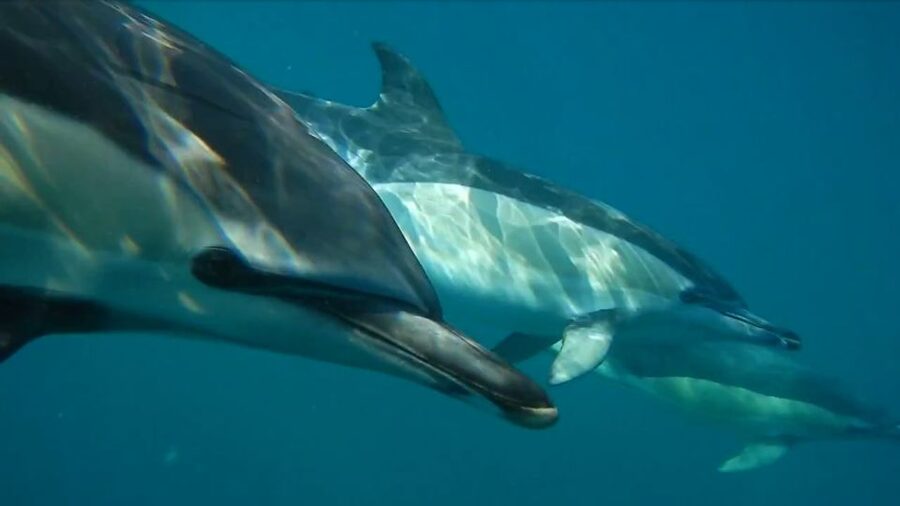
Wild dolphins near Lisbon make this trip feel like an instant nature film. You’ll head out on a fast RIB speedboat with a marine biologist onboard, then scan for dolphins and seabirds while learning how cetaceans use these waters. I also like that the guides focus on respectful, low-impact viewing, and on tours I’ve studied closely, guides such as Sid and Lunor are often singled out for clear spotting info. One consideration: dolphins are wild, so sightings aren’t guaranteed even if the odds are strong.
What really elevates it is the combination of speed and science. You’ll get a safety briefing and debrief, then use that time to get comfortable with what you’re doing out there, from spotting behavior to reading the sea state for better chances. A second big plus is the close-to-coast feel: you’ll see the Lisbon coastline and landmarks from the river, not just ocean blur. The main drawback is practical—on choppier days the small boat can get bumpy, so bring gear that helps your body handle movement.
In This Review
- Key things to know before you go
- Finding SeaEO and the red-bridge dock in Doca de Santo Amaro
- The speedboat start: safety briefing, rigid-inflatable comfort, and real rules
- Out on the water: how dolphin scanning works with a marine biologist
- Bugio Lighthouse and the Cascais side: why the route helps your chances
- Beyond dolphins: learning marine behavior, conservation habits, and what to expect
- Belém Tower and the Discoveries monuments: the land-based finish you’ll actually notice
- Comfort, seasickness, and what to pack for a small-boat day
- Price and value: why $76 can make sense here
- Who should book (and who should skip this day at sea)
- Should you book SeaEO’s dolphin watching in Lisbon?
- FAQ
- How long is the Lisbon dolphin watching tour?
- Where do I meet the tour?
- Is dolphin sightings guaranteed?
- What’s included in the price?
- What should I bring?
- What if I get seasick easily?
- Who is this tour not suitable for?
Key things to know before you go
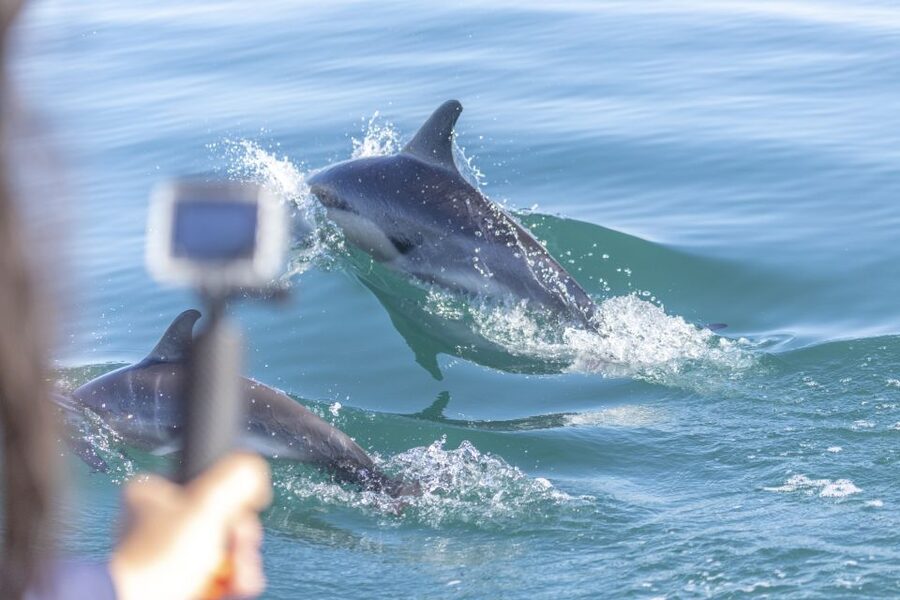
- Marine biologist onboard: you’re not just watching; you’re learning what you’re seeing.
- Small, wildlife-respectful approach: the goal is close viewing without forcing the animals to change their behavior.
- Fast RIB speedboat: you can cover ground quickly once dolphins are spotted.
- Trip length fits the goal: about 3 hours out on the water for searching and watching.
- Belém and Discoveries views included: you get quick landmark time on the way back.
Finding SeaEO and the red-bridge dock in Doca de Santo Amaro
Your day starts at SeaEO Tours – Sea & Estuary Odyssey, at Doca de Santo Amaro, Gate 3. The easiest landmark is the dock under the big red bridge, with Alcântara’s riverside area right in front. If you’re using maps, give yourself extra time, because a couple of people noted the directions can feel slightly confusing until you see the bridge and dock in person.
Plan to arrive with time to get set up before you board. Bring a camera, sunscreen, and comfortable clothes, then add a jacket even if it’s warm in the city—wind on the water can cool you fast. You’ll also want comfortable shoes. High heels are not allowed, and the floor on a boat isn’t the place to test stylish footing.
More chances to spot dolphins off the coast
- Lisbon: Tagus River Cruise to the Ocean & Dolphin Watching
★ 4.0 · 3,019 reviews - Lisbon: Dolphin Watching with Marine Biologist
★ 4.9 · 1,853 reviews - Lisbon: Dolphin Watching with Marine Biologist – Small Group
★ 4.9 · 867 reviews - Lisbon: Dolphin Watching with a Marine Biologist – Ocean Safari
★ 5.0 · 812 reviews
The speedboat start: safety briefing, rigid-inflatable comfort, and real rules
Once you’re on board, the crew and marine biologist run a safety briefing, and they do it in a way that helps you enjoy the ride instead of feeling tense. You’re also getting a debrief at the end, which matters because you’ll remember more when the guide connects what you saw to how the animals behave.
The boat itself is a fast rigid inflatable boat (RIB). Several guides and captains are praised for professionalism, and many people describe the ride as fun rather than stressful—more like a controlled outdoor adventure than a rough commuter ride. Still, it’s a small craft, so when the sea picks up, expect some bouncing. People specifically warn that your back should be able to handle it, so if you’re sensitive to motion, come prepared.
You’ll wear lifejackets, and the tour includes insurance, taxes, and fuel. Food and water are not included, so bring your own water if you want it—especially helpful if you’re out for a longer stretch than you planned.
Out on the water: how dolphin scanning works with a marine biologist
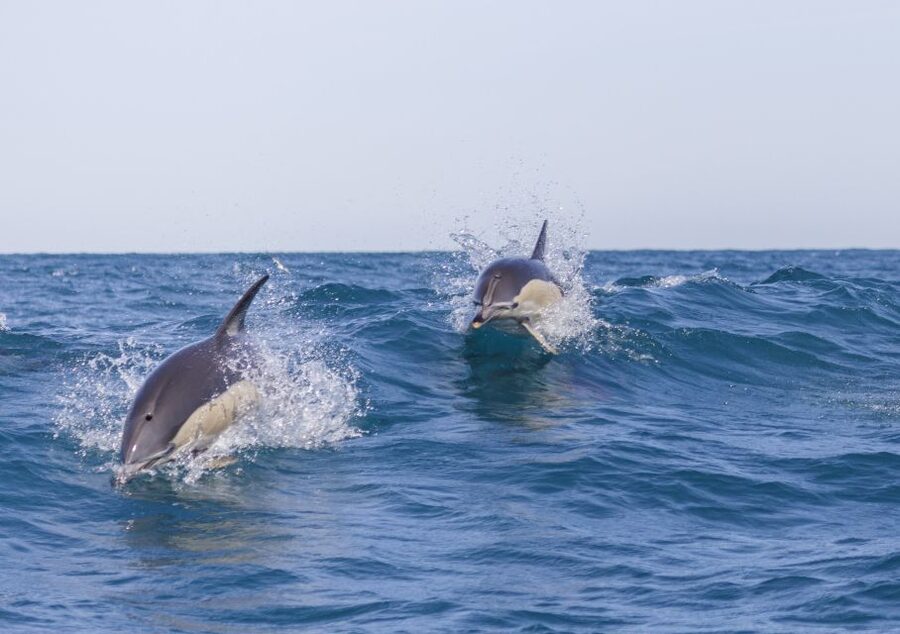
The core of this experience is simple: you go out, you scan, you learn, and you wait for the ocean to tell you where life is moving. The marine biologist will explain what to look for and what the species are doing, including dolphins and seabirds. In practice, this turns your “search” into something active. You’re not just hoping; you’re getting guided cues so you can understand what’s happening when it appears.
The tour runs up to three hours venturing out to watch for dolphins and other marine life. The guide may help you understand what you’re seeing beyond dolphins—like schools of fish that attract predators, or seabird behavior that can hint at feeding activity. People also repeatedly mention that the guides keep a respectful distance so they don’t push the animals around.
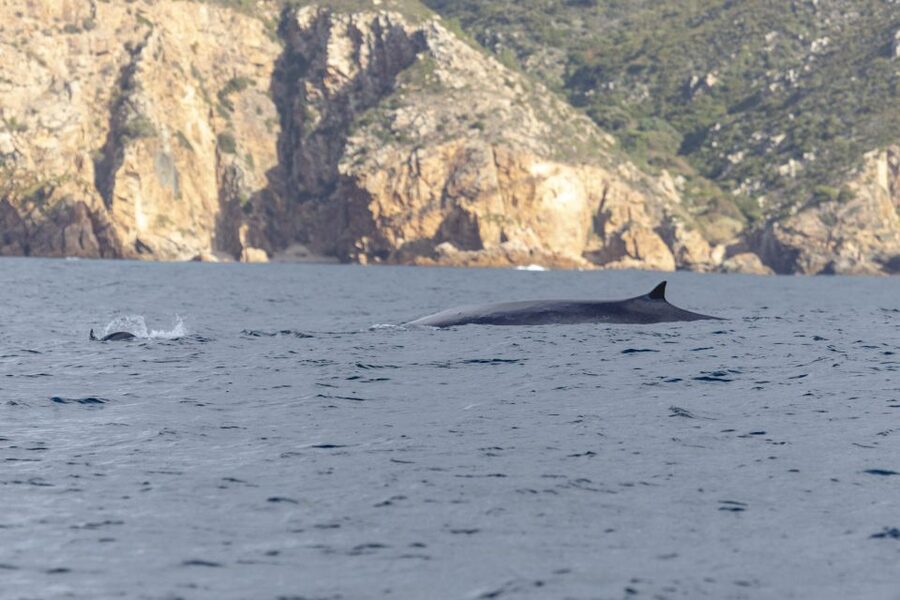
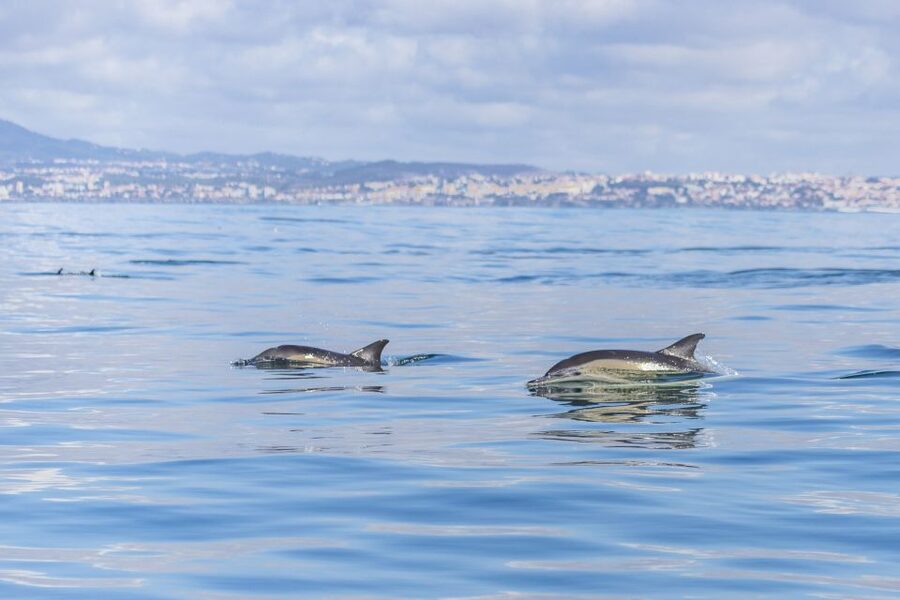
And yes, you might see more than dolphins. The activity description includes the possibility of sea fish, sharks, jellyfish, or even sea-turtles. In real outings, people reported species like bottlenose dolphins and harbour porpoises, plus occasional sightings such as sunfish and even orcas. None of this is guaranteed, but the point is that the guide’s expertise helps you notice the full picture, not just the headline animal.
Bugio Lighthouse and the Cascais side: why the route helps your chances
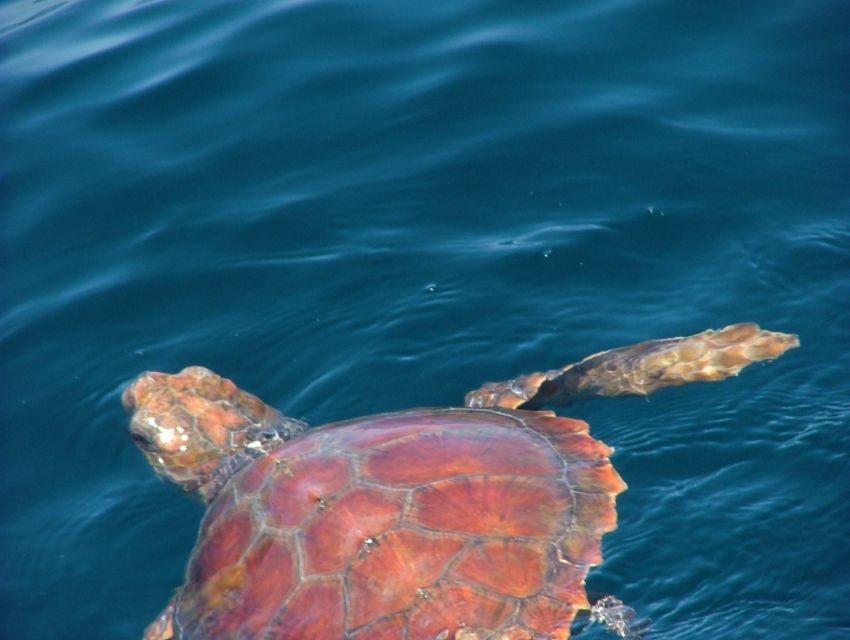
From Lisbon, you cruise beyond the immediate river area and into waters where the mix of environments can support lots of marine life. Your itinerary includes a stop by the Fort of São Lourenço do Bugio, and the name alone is a clue about what you’re doing: you’re using a strategic coastal point to study the sea and navigate toward likely sightings.
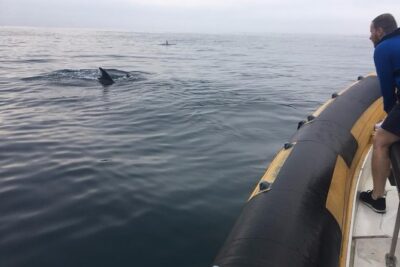
The route also includes the Cascais area (listed as JJ85+VG Cascais). That’s not just a scenic detour. The goal is to reach zones where pods are more likely to surface and where you can scan efficiently. Several people mention that it can take time to find dolphins, and that once they’re located, the experience feels suddenly intense—in a good way.
This is also where the speedboat makes sense. A faster craft can reposition quickly if dolphins move, instead of wasting time. When the guide reports findings and you move with them, the trip feels purposeful rather than drifting.
Worth a look before you lock anything else in around Lisbon:
Beyond dolphins: learning marine behavior, conservation habits, and what to expect
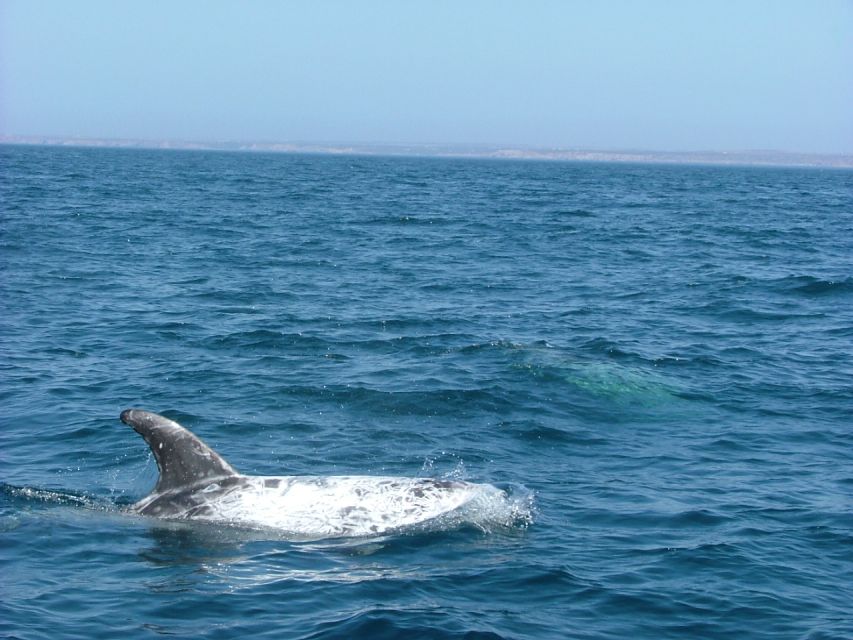
A big reason people rate this so highly is the emphasis on respectful viewing. You’ll likely hear the same theme from multiple guide styles: don’t crowd the animals, don’t interfere, and keep the interaction about observation. When dolphins come close on their own, that’s part of nature doing nature things, not humans forcing the moment.
You’ll also get practical education about cetaceans—why they’re in these waters, and how their behavior changes as they feed or travel. People highlight how engaged guides are during the search phase, and that questions get answered instead of ignored. Names that come up often include captains and guides like Bart, Sarah, Sid, and Lunor—so if you’re curious, don’t hesitate to ask who your team is when you meet them.
One detail worth appreciating: some guides go beyond teaching. In one account, the crew was praised for picking up plastic they spotted in the water. Whether or not you see that specific action on your day, it fits the broader theme: the tour is built around wildlife welfare, not just spectacle.
Belém Tower and the Discoveries monuments: the land-based finish you’ll actually notice
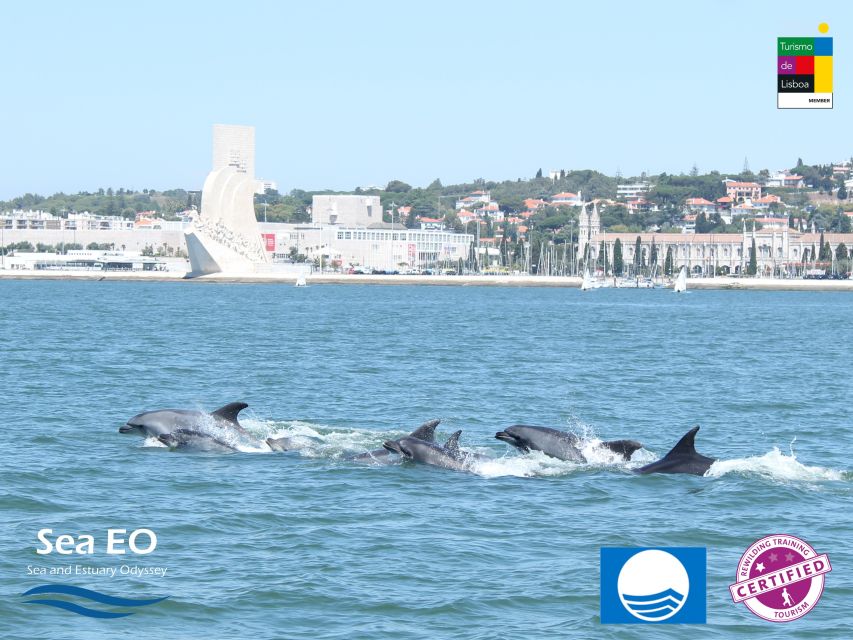
You don’t spend all your time staring at open water. Before heading back, the itinerary includes quick monument time and river views. You’ll see landmarks from the water route, including the Monuments for the Discoveries, the Jerónimos Monastery, and the Tower of Belém.
There’s also a brief visit to Belém Tower (listed as a short stop, about five minutes). Don’t expect a museum deep-dive. This is more like a postcard moment with a guide’s quick context, timed so you don’t lose the rhythm of the sea portion. If you’re the kind of visitor who hates missing iconic shots, this structure helps you get both: wildlife in the morning/afternoon and Belém landmarks without needing a separate plan.
Comfort, seasickness, and what to pack for a small-boat day
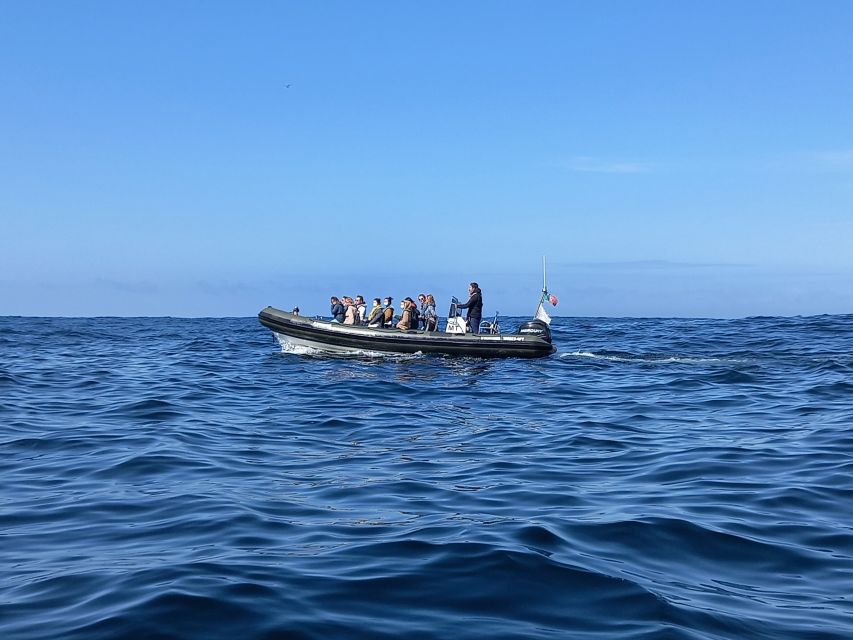
This is the part that can make or break the experience if you’re sensitive to motion. The tour includes wind jackets for colder conditions, and multiple people stress the importance of bringing a jacket. If you tend to get seasick easily, the advice is to eat a good breakfast, but skip milk, cream, and yogurt. That’s the specific nutrition tip given, and it’s the kind of thing you’ll thank yourself for later.
Your clothing matters in two ways: warmth and movement. You want layers that keep you comfortable when the boat speed brings wind. Comfortable clothes are best, and you’ll want shoes that work if you need to shift positions on deck.
Also follow the basic onboard rules: no smoking, no alcohol and drugs, and no littering. Don’t feed or touch marine life—this protects both you and the animals. It also aligns with the tour’s low-impact approach, so you’re not accidentally undermining what makes the experience special.
Price and value: why $76 can make sense here
At about $76 per person for roughly 3 hours, the key question is whether you’re paying for a generic boat ride or for expertise and a wildlife-respectful format. In this case, you’re not just buying time on water. You’re paying for a marine biologist onboard, plus crew support, lifejackets, insurance, and fuel included in the price.
That’s why the value feels strong to many people. The science element matters: you’ll understand dolphins as living animals with behavior patterns, not just camera targets. And because it’s designed to be less crowded than some large-ship options, you usually get more human attention while still keeping your distance from wildlife.
One thing to watch: transfers from hotels aren’t included, and food or water aren’t included. So your real cost depends on how you’re getting to Doca de Santo Amaro and whether you want to buy snacks before boarding.
Who should book (and who should skip this day at sea)
This tour fits best if you want dolphin watching in the wild with real instruction. If you like learning why animals do what they do, you’ll likely enjoy the marine biologist angle. If you prefer an active, fast-moving search rather than a slow cruise, the RIB format works well.
It may not be right for everyone. The activity is listed as not suitable for children under 5, pregnant women, people with severe back problems, and people with mobility impairments or wheelchair users. If any of those apply, you’ll want to look for a different type of wildlife experience that better matches your needs.
If you’re traveling as a couple, with friends, or even solo, the small-boat style can feel personal. If you hate motion, still consider it—but come with the jacket and motion-prep plan, and be honest about your comfort level.
Should you book SeaEO’s dolphin watching in Lisbon?
If your goal is dolphins plus education, I think this is a smart pick. The combination of a marine biologist onboard, a fast RIB that can reach areas quickly, and a wildlife-respectful approach is exactly what you want in Lisbon when the goal is real marine life, not mass spectacle.
Book it if you’re okay with the fact that sightings depend on wild animals and sea conditions. If you’re prone to seasickness or you know rough water affects your body, plan carefully and bring your best comfort tools. And if you love iconic Lisbon views, the Belém Tower and Discoveries monuments timing means you’ll leave with both wildlife memories and landmark photos.
If you want a “safe bet” for dolphins, no tour can promise that—but the reported sighting likelihood is high, and the way the team searches and explains makes the time on the water feel worthwhile even before you see anything.
FAQ
How long is the Lisbon dolphin watching tour?
It runs for about 3 hours, including time on the water for scanning and watching.
Where do I meet the tour?
Meet at SeaEO Tours – Sea & Estuary Odyssey, at Doca de Santo Amaro, Gate 3. The dock under the big red bridge is the easiest reference point.
Is dolphin sightings guaranteed?
No. Since dolphins are wild animals, sightings cannot be guaranteed, though the local partner reports a 97% chance of sightings on the tour.
What’s included in the price?
Included are the marine biologist guide, crew members, lifejackets, insurance, taxes, and fuel.
What should I bring?
Bring comfortable shoes, a camera, sunscreen, a jacket, and comfortable clothes.
What if I get seasick easily?
The guidance is to have a good breakfast, but without milk, cream, or yogurt, and to be ready for wind and movement out at sea.
Who is this tour not suitable for?
It’s not suitable for children under 5, pregnant women, people with severe back problems, people with mobility impairments, or wheelchair users.
More Dolphin Watching in Lisbon
- Lisbon: Tagus River Cruise to the Ocean & Dolphin Watching★ 4.0 · 3,019 reviews
- Lisbon: Dolphin Watching with Marine Biologist – Small Group★ 4.9 · 867 reviews
- Lisbon: Dolphin Watching with a Marine Biologist – Ocean Safari★ 5.0 · 812 reviews
- Lisbon: Arrábida Natural Park Dolphin Watching Boat Tour★ 4.9 · 212 reviews
- Lisbon: Dolphin Watching with Marine Biologist – Small Group★ 5.0 · 131 reviews
More Tour Reviews in Lisbon
- Lisbon City Center Tour – The Unmissable Lisbon★ 5.0 · 22,234 reviews
- Lisbon: Sintra, Pena, Regaleira, Cabo da Roca & Cascais★ 4.7 · 19,656 reviews
- Lisbon Card: 24, 48, or 72-Hour Pass★ 4.5 · 17,944 reviews
- Lisbon: Jerónimos Monastery Entrance Ticket★ 4.1 · 14,164 reviews
- Lisbon: History, Stories and Lifestyle Walking Tour★ 4.8 · 10,902 reviews
Out to Sea for the Dolphins
- Lisbon: Tagus River Cruise to the Ocean & Dolphin Watching★ 4.0 · 3,019 reviews
- Lisbon: Dolphin Watching with Marine Biologist – Small Group★ 4.9 · 867 reviews
- Lisbon: Dolphin Watching with a Marine Biologist – Ocean Safari★ 5.0 · 812 reviews
- Lisbon: Arrábida Natural Park Dolphin Watching Boat Tour★ 4.9 · 212 reviews
- Lisbon: Dolphin Watching with Marine Biologist – Small Group★ 5.0 · 131 reviews
Just in: fresh Lisbon reviews from the team




Dolphin Watching Tours, compared.
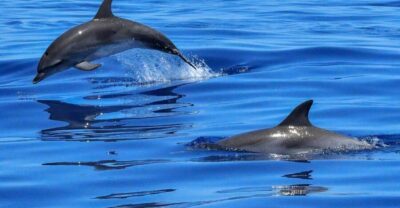 ★ 4.0Tagus River Cruise to the Ocean & Dolphin WatchingFrom $383,019 reviews
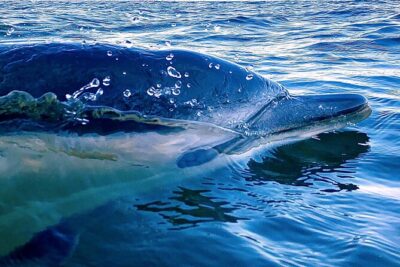 ★ 4.9Dolphin Watching with Marine Biologist – Small GroupFrom $61867 reviews
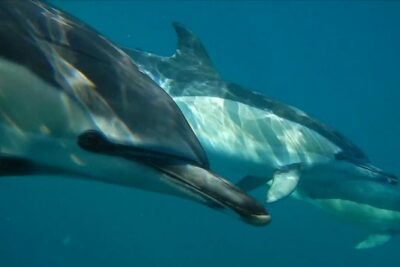 ★ 5.0Dolphin Watching with a Marine Biologist – Ocean SafariFrom $62812 reviews
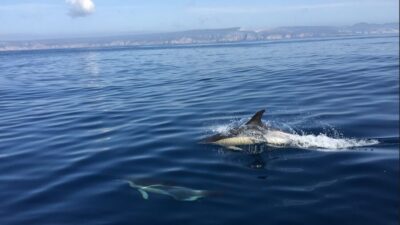 ★ 4.9Arrábida Natural Park Dolphin Watching Boat TourFrom $58212 reviews
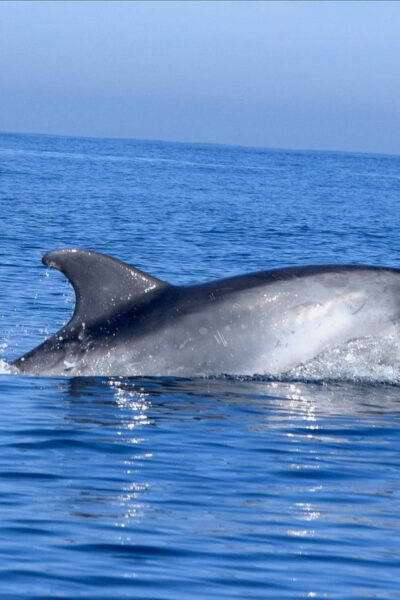 ★ 4.9Cascais: Dolphin Watching Speedboat TourFrom $76156 reviews
★ 5.0Dolphin Watching with Marine Biologist – Small GroupFrom $78131 reviews
★ 4.9Cascais: Dolphin Watching Speedboat TourFrom $76156 reviews
★ 5.0Dolphin Watching with Marine Biologist – Small GroupFrom $78131 reviews
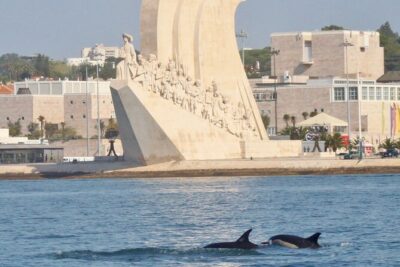 ★ 5.0Meet the Lisbon Dolphins – Dolphin Watching in LisbonFrom $78118 reviews
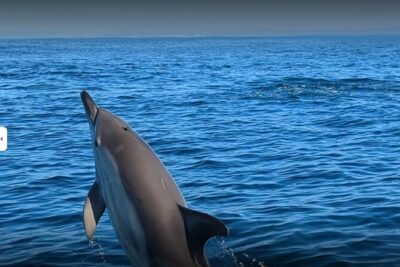 ★ 5.0Lisbon Dolphin Watching Ocean SafariFrom $7235 reviews
Browse the lists this tour appears in