
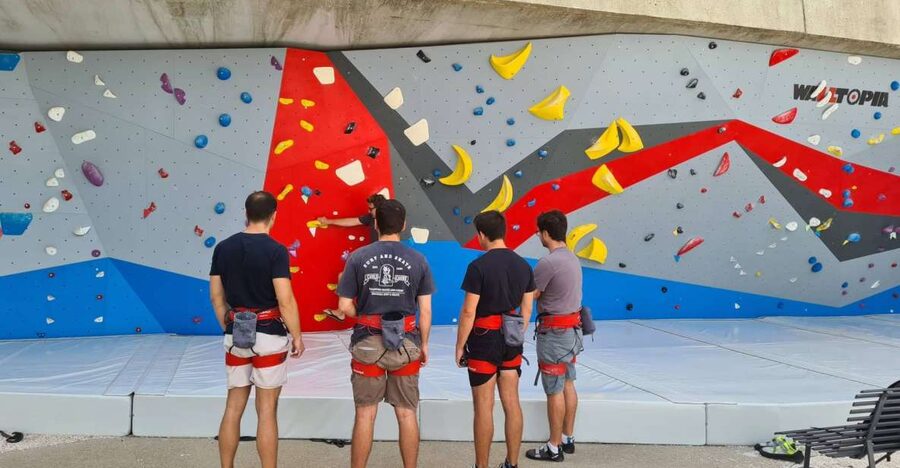
Reviewed · GUIDED
Lisbon: 25 de Abril Bridge Guided Climbing Experience
Want to climb a Lisbon icon? This guided experience takes you right onto the Ponte 25 de Abril climbing setup, where you learn how to move safely on a bridge that feels more like an adventure park than a monument. Two things I love: you get hands-on coaching for auto-belay, and you’re not stuck in one lesson bubble—you can keep climbing afterward. One consideration: the course still involves height, with climbing up to around 40 feet.
If you’re the type who learns best by doing, you’ll like the way the session mixes fundamentals with real practice. In the beginner option, you work on bouldering-style problem solving and get comfortable with how the systems keep you secure. If you’ve climbed before, the middle-level course focuses more on roped climbing mechanics, including knot and rope work plus belaying and top-rope basics.
The main drawback is that it’s not for everyone physically or age-wise. It’s not suitable for kids under 6, people with mobility impairments, or people over 95, and you should be comfortable managing your gear while being up off the ground.
In This Review
- Key things to know before you climb the 25 de Abril
- Why the Ponte 25 de Abril climbing setup feels special
- Choosing the right course: beginner climbing vs. middle-level rope skills
- Beginner course (new to climbing)
- Middle-level course (ropes, knots, and top-roping)
- Your 1-hour guided lesson: what you actually do
- Meeting and getting kitted up
- The first part: basics and safety
- The second part: practice on the bridge zones
- Bouldering and auto-belay on a bridge: up to ~40 feet
- Why bouldering here is useful
- Why auto-belay feels like a smart bridge between beginner and confidence
- Exploring the Ponte 26 de Abril climbing facilities on your own
- What this freedom gives you
- What to expect from the climbing variety
- Price and value: is $35 a fair deal for a bridge climb?
- Who should book this climb in Lisbon (and who should pass)
- Great fit if you:
- Not a fit if you:
- Practical tips for climbing comfortably in Lisbon
- What to bring
- Wear what you can move in
- Language and communication
- Height expectation
- My take: the best way to enjoy this experience
- Should you book the Escala25 Ponte 25 de Abril climbing experience?
- FAQ
- What’s the duration of the climbing experience?
- Where do I meet for the experience?
- How much does it cost?
- What’s included in the price?
- Do I need to bring climbing gear?
- What courses are available?
- How high do you climb?
- Is food and drink included?
- Who is the activity not suitable for?
Key things to know before you climb the 25 de Abril
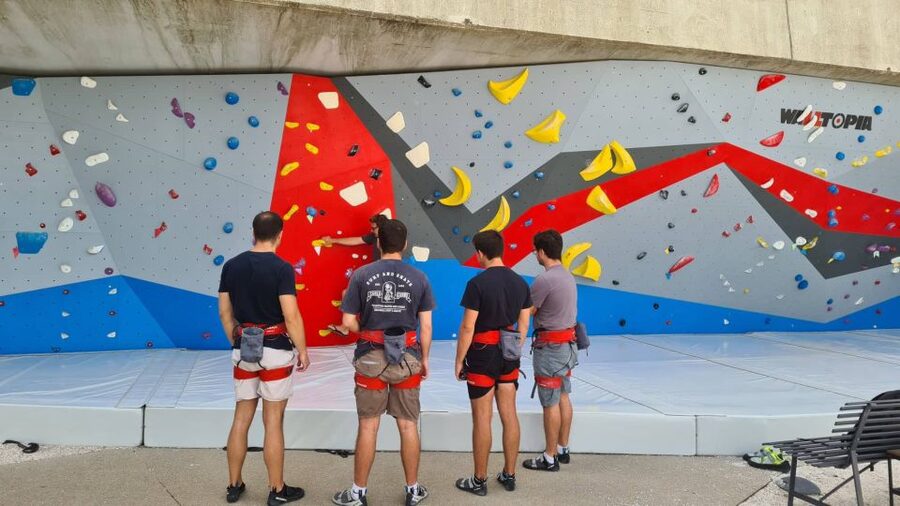
- A real bridge climb: you practice on climbing areas built into the Ponte 25 de Abril experience zone.
- Two course levels: newcomers learn climbing basics; intermediate focuses on rope and knot skills.
- Auto-belay + bouldering: you’ll learn both movement and how the safety system works.
- Routes up to ~40 feet: height is part of the point here, even for shorter sessions.
- Small groups (max 10): more time with the instructor and less waiting around.
Why the Ponte 25 de Abril climbing setup feels special
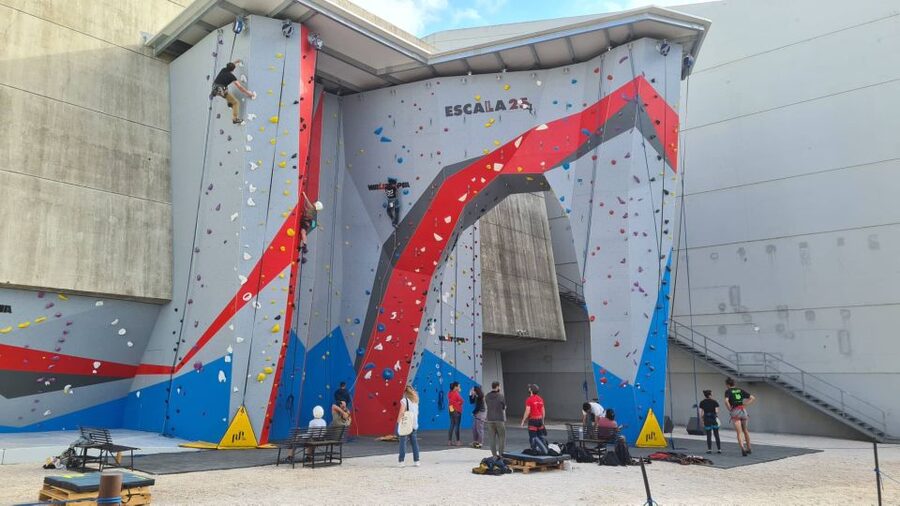
Lisbon has plenty of viewpoints. This is different. Instead of looking at the 25 de Abril Bridge from below, you climb inside its climbing zones. The vibe feels practical and outdoorsy: you show up, get fitted with safety gear, learn the basics, and then start moving. It’s the kind of activity where you leave with new skills, not just photos.
The bridge setting also changes the way you think about height. When you’re higher off the ground, you naturally pay attention to body position and calm breathing. The coaching here is built around that reality: you learn what to do before you start committing to bigger moves.
And yes, it’s fun. The “I can do this” feeling comes fast when the setup is designed for beginners to get secure quickly, and for more experienced climbers to practice real techniques.
Worth a look before you lock anything else in around Lisbon:
- Best of Lisbon Small-Group Guided Walking Tour
★ 5.0 · 4,869 reviews - Lisbon: Private Guided Tuk-Tuk Tour with Hotel Pickup
★ 4.9 · 4,552 reviews - From Lisbon: Fátima, Nazaré, Batalha, and Óbidos Guided Tour
★ 4.7 · 3,060 reviews - Guided Tour to Sintra, Pena, Regaleira, Cabo da Roca and Cascais
★ 5.0 · 2,978 reviews
Choosing the right course: beginner climbing vs. middle-level rope skills
This experience splits into two course styles, and picking the right one matters.
Beginner course (new to climbing)
If you’re new—or you’ve climbed only a little—the beginner option is designed to teach you how to climb in the bridge’s bouldering and auto-belay areas. Expect basics like:
- how to handle movement and balance on short routes
- how bouldering-style routes feel when you’re solving problems with your hands and feet
- how the auto-belay system works so you stay focused on climbing, not constant manual handling
It’s a good choice if you want quick confidence and a clear set of skills you can use the rest of the day.
Middle-level course (ropes, knots, and top-roping)
If you’ve already climbed before, you’ll likely get more value from the middle-level course. The focus shifts toward roped climbing fundamentals and essential rope work, including:
- knot and rope work
- belaying basics
- top roping techniques
This course is the one to choose if you feel comfortable with climbing gear but want cleaner technique and better control of the rope system.
If you’re unsure, go with the course that matches your comfort level with ropes. Being underprepared wastes energy and can slow you down.




Your 1-hour guided lesson: what you actually do
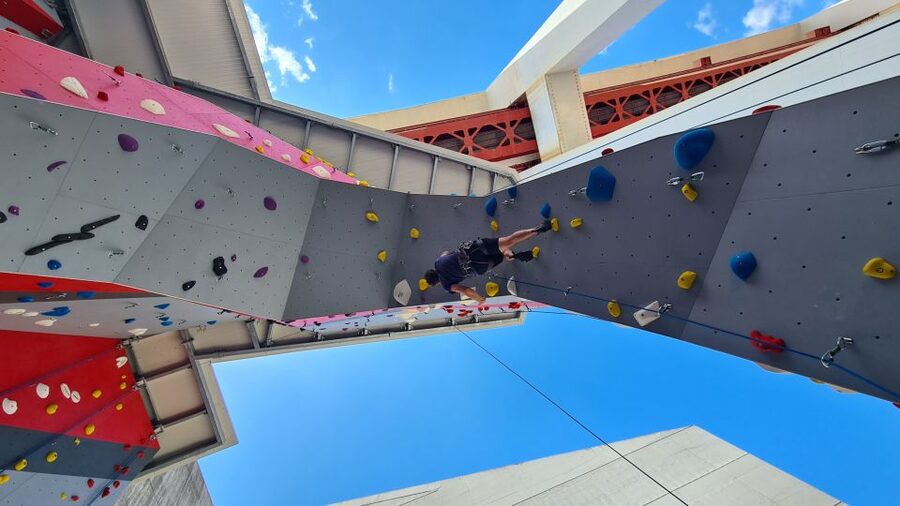
The core experience is a 1-hour climbing course led by an instructor. Even with just an hour, the lesson structure is built to get you from zero to climbing quickly.
Meeting and getting kitted up
You start at the Pilar 7 Experience parking lot, then go to the reception area to collect your entry ticket. From there, you’ll get your safety gear and meet your instructor. This matters because climbing gear isn’t just “extra.” Fit and setup affect how easily you can move, how safe you feel, and how quickly you can get started.
The first part: basics and safety
Before you go up, you learn what you need to know to climb in these areas. Depending on your course level, that includes:
- how to use the auto-belay setup (beginner)
- how rope systems, knots, and belaying mechanics fit together (middle-level)
The goal is simple: you should leave the intro knowing the why behind the actions, not just the checklist.
The second part: practice on the bridge zones
After the safety and basics, the lesson turns into actual movement. For both courses, practice happens in the bouldering and auto-belaying section of the bridge. That’s where the “learn by doing” payoff hits: you try routes, adjust your technique, and build comfort fast.
And because the activity includes access to the climbing areas for the rest of the day, your lesson isn’t a dead-end. You’re learning toward continued time on the walls.
Bouldering and auto-belay on a bridge: up to ~40 feet
This is the heart of the experience. You’re climbing in a dedicated bouldering and auto-belay area with multiple route options, reaching heights up to about 40 feet.
Why bouldering here is useful
Even if you’re thinking about roped climbing later, the bouldering portion builds the fundamentals you need:
- better foot placement and body tension
- problem-solving with limited time on each move
- comfort moving your weight without second-guessing
In a real-world outdoor structure, those skills carry over. You start to notice how small adjustments change everything.
Why auto-belay feels like a smart bridge between beginner and confidence
Auto-belay helps you learn climbing without the constant mental load of handling every step of the safety system. You still need good technique, but you’re not spending your whole session worrying about how you’re secured. That makes it easier to:
- focus on movement
- try different routes
- repeat what worked right away
It’s also one reason people get hooked. Once you realize you can climb with support built in, the bridge stops feeling intimidating and starts feeling playful.
Exploring the Ponte 26 de Abril climbing facilities on your own
After your course, you spend the rest of the day exploring the climbing facilities and climbing routes on your own. That “keep going” time is a big part of the value.
What this freedom gives you
A guided hour is great for learning. But you learn faster when you can try variations at your own pace. After the instructor teaches the essentials, you get to:
- choose routes that match your level that day
- repeat moves that felt tricky
- take breaks without feeling rushed
What to expect from the climbing variety
The setup includes multiple routes with different levels, plus options in both bouldering and auto-belay areas. That means you can progress during the same day rather than feeling like you only “touched” one section before it ended.
The bridge experience becomes less like a timed event and more like a day of practice.
Price and value: is $35 a fair deal for a bridge climb?
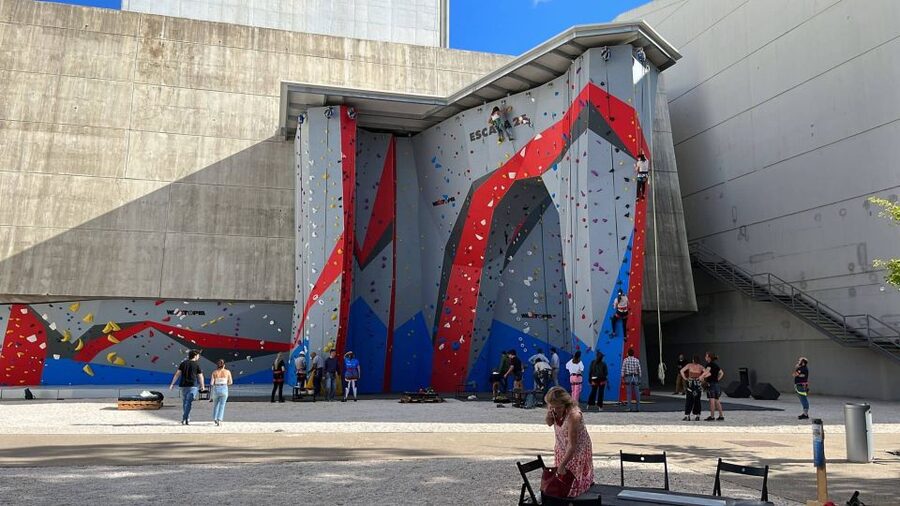
$35 for a 1-hour guided course might sound simple, but it’s worth looking at what’s included.
You get:
- the instructor-led training
- safety gear
- access to bouldering and auto-belay areas
You also get the big hidden value: after the course, you can use the facilities for more climbing on your own. That turns the price from “pay for an intro” into “pay for an intro plus time to climb.”
Food and drinks aren’t included, but on-site purchase is available. That’s common for active experiences, and it helps you avoid spending energy trying to find a café at the wrong moment.
If you’ve been thinking about trying climbing in Lisbon, this is one of those formats that makes it easier to justify the first day—because you’re not just learning, you’re actively using what you learn.
Who should book this climb in Lisbon (and who should pass)
This activity is best for people who want hands-on outdoor training in a dramatic setting.
Great fit if you:
- want a guided first experience without spending all day in a lecture
- want to learn auto-belay basics and start climbing confidently
- have climbed before and want focused practice with rope and knot skills
- like small groups and personalized instruction (max 10 participants)
Not a fit if you:
- need mobility accommodations (not suitable for people with mobility impairments)
- are traveling with kids under 6
- are over 95
Also, be honest with yourself about comfort around height. You’ll climb up to about 40 feet, so your mindset matters as much as technique.
Practical tips for climbing comfortably in Lisbon
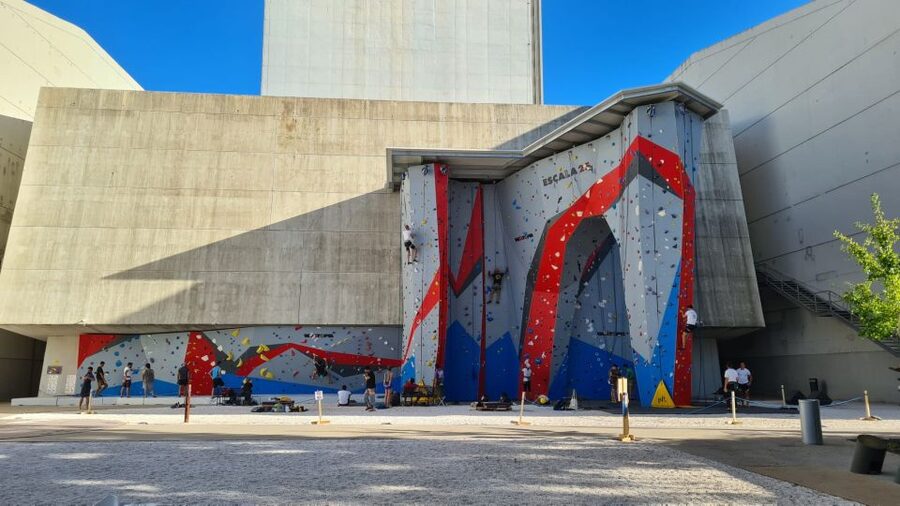
A bridge climb is still an outdoor activity. You’ll enjoy it more if you plan like it.
What to bring
Bring:
- sunscreen
- water
- comfortable clothes
That’s it, but it’s the right trio. Lisbon sun can be strong, and climbing involves heat even with short sessions. Water keeps your energy steady while you move between routes.
Wear what you can move in
Choose clothes that don’t restrict your hips or shoulders. You’ll be using your legs a lot, reaching high, and adjusting your position repeatedly.
Language and communication
Instructors speak English and Portuguese, which is a big plus if you’re not fluent. Small group size helps too, because it’s easier to ask questions and get clear feedback.
Height expectation
The activity involves climbing to heights up to 40 feet. That doesn’t mean you’re up there the whole hour, but it does mean you should be mentally prepared for the sensation of being off the ground.
My take: the best way to enjoy this experience
I like experiences where you leave with something usable. This one does that. In a single guided session, you learn the key mechanics—how the safety system fits into climbing, and how to move with better control. Then you get to practice with freedom, which is how skills actually stick.
If you choose beginner and you use the hour to ask questions, you’ll likely leave feeling capable enough to keep trying routes without freezing up. If you choose middle-level, you’ll get a chance to tighten rope habits—things that matter when climbing stops being casual and starts being serious.
One more bonus: the bridge setting makes every route feel like more than just a wall. Even short climbs feel like an achievement because of where you’re doing them.
Should you book the Escala25 Ponte 25 de Abril climbing experience?
Book it if you want a guided climbing lesson that actually leads to more climbing time afterward, on an iconic Lisbon structure. The setup is built for learning—beginner-friendly with auto-belay and bouldering, and more technical if you opt for the rope-focused course. The small group size also makes it easier to get the exact help you need in the moment.
Skip it if you’re uncomfortable with heights, need mobility accommodations, or you’re looking for a long multi-hour guided tour with lots of sightseeing. This is training plus climbing time, not a slow city walk.
If your goal is to try climbing in Lisbon in a way that feels safe, real, and repeatable, this is a strong choice.
FAQ
What’s the duration of the climbing experience?
The climbing course lasts 1 hour.
Where do I meet for the experience?
You meet at the Pilar 7 Experience parking lot, then go to the reception area to collect your entry ticket.
How much does it cost?
The price listed is $35 per person.
What’s included in the price?
Included are the 1-hour climbing course, safety gear, access to bouldering and auto-belay areas, and an instructor.
Do I need to bring climbing gear?
No. Safety gear is included. You should bring sunscreen, water, and comfortable clothes.
What courses are available?
There’s a beginner course for newcomers and a middle-level intro course for people with prior climbing experience. Beginners focus on climbing basics, bouldering-style movement, and auto-belay. Middle-level focuses on roped climbing and essentials like knot and rope work, belaying, and top roping.
How high do you climb?
The activity involves climbing to heights of up to around 40 feet.
Is food and drink included?
No. Food and drinks are available for purchase on-site.
Who is the activity not suitable for?
It’s not suitable for children under 6 years, people with mobility impairments, or people over 95 years.
More Guided in Lisbon
- Best of Lisbon Small-Group Guided Walking Tour★ 5.0 · 4,869 reviews
- Lisbon: Private Guided Tuk-Tuk Tour with Hotel Pickup★ 4.9 · 4,552 reviews
- From Lisbon: Fátima, Nazaré, Batalha, and Óbidos Guided Tour★ 4.7 · 3,060 reviews
- Guided Tour to Sintra, Pena, Regaleira, Cabo da Roca and Cascais★ 5.0 · 2,978 reviews
- Lisbon: São Jorge Castle E-Ticket and Audio Guide★ 4.3 · 2,182 reviews
More Tour Reviews in Lisbon
- Lisbon City Center Tour – The Unmissable Lisbon★ 5.0 · 22,234 reviews
- Lisbon: Sintra, Pena, Regaleira, Cabo da Roca & Cascais★ 4.7 · 19,656 reviews
- Lisbon Card: 24, 48, or 72-Hour Pass★ 4.5 · 17,944 reviews
- Lisbon: Jerónimos Monastery Entrance Ticket★ 4.1 · 14,164 reviews
- Lisbon: History, Stories and Lifestyle Walking Tour★ 4.8 · 10,902 reviews
Just in: fresh Lisbon reviews from the team




Guided, compared.
 ★ 5.0Best of Lisbon Small-Group Guided Walking TourFrom $234,869 reviews
 ★ 4.9Private Guided Tuk-Tuk Tour with Hotel PickupFrom $1534,552 reviews
 ★ 4.7From Lisbon: Fátima, Nazaré, Batalha, and Óbidos Guided TourFrom $473,060 reviews
 ★ 5.0Guided Tour to Sintra, Pena, Regaleira, Cabo da Roca and CascaisFrom $952,978 reviews
 ★ 4.3São Jorge Castle E-Ticket and Audio GuideFrom $302,182 reviews
 ★ 4.2Quinta da Regaleira: Skip-The-Booth E-Ticket and Audio GuideFrom $322,067 reviews
 ★ 5.0Welcome Lisbon Tour with Local Guide in Private Eco Tuk TukFrom $171,691 reviews
 ★ 4.6Sao Jorge Castle Skip-the-Line Ticket with GuideFrom $371,191 reviews