

Reviewed · LISBON WALKING TOURS
Half Day Historical Walking Tour about the Slave Trade in Lisbon
Lisbon hides answers in plain sight. This half-day walk connects Portugal’s Age of Discovery story to the slave trade, showing how slavery shaped daily life, commerce, and culture. You’ll follow a small-group route through historic neighborhoods rather than relying on museum walls.
What I like most is the way Rui Fernandes keeps the discussion factual and balanced, with clear explanations and room for questions. You also get visuals—pictures and historical documents—to make the links between places and people feel real. One consideration: the subject is heavy, and the walk is best for people with at least a moderate walking level.
In This Review
- Key Things to Know Before You Go
- A 3-Hour Walk Through Lisbon’s Age of Discovery Dark Side
- Small-Group Format, Mobile Ticket, and What That Means for You
- Stop 1: Largo do Chafariz de Dentro Sets the Theme
- Stop 2: Alfama and the Long Presence of Slavery in Portugal
- Stop 3: Campo das Cebolas and the Coming Monument
- Stop 4: Praca do Comercio (Terreiro do Paco) and Colonial Trade
- Stop 5: Baixa, Rossio & Restauradores and the Daily Lives of Enslaved People
- Stop 6: Igreja de S Domingos and How Religion Interacted with Captives
- Stop 7: Largo do Carmo, the 25 April Coup, and the End of the Colonial Empire
- What You’ll Take Away (Beyond the Main Facts)
- Value for Your Money: Is $39.78 a Fair Deal?
- Who This Tour Suits Best (and Who Might Skip It)
- Should You Book This Lisbon Slave Trade Walking Tour?
- FAQ
- How long is the Half Day Historical Walking Tour about the Slave Trade in Lisbon?
- What does the tour cost?
- What language is the tour offered in?
- Where does the tour start and end?
- Is food included?
- Is hotel pick-up and drop-off included?
- How large is the group?
- Can I get a full refund if I cancel?
Key Things to Know Before You Go
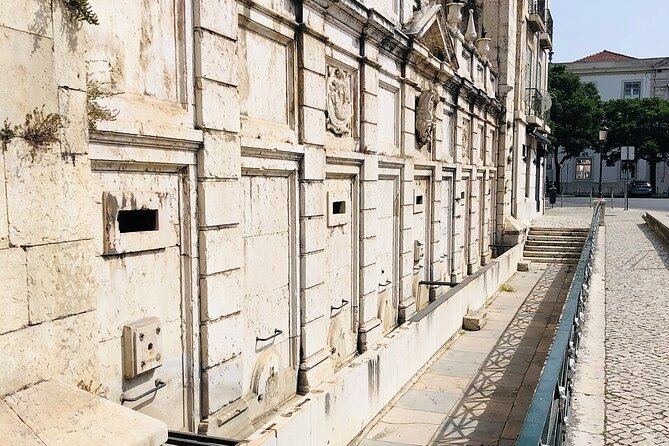
- Max 8 people keeps the tour feeling personal and makes questions easy to ask
- Rui Fernandes’ delivery pairs facts with context, without soft-pedaling uncomfortable details
- You walk the actual neighborhoods tied to slavery—Alfama, Baixa, and the commercial center
- Religion and colonial trade both appear so the story doesn’t stay stuck in one chapter
- The ending at Largo do Carmo connects the colonial past to the 25 April coup and the empire’s mid-1970s demise
A 3-Hour Walk Through Lisbon’s Age of Discovery Dark Side
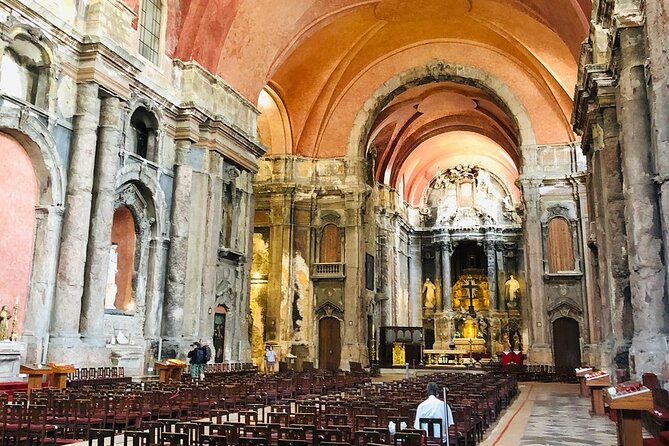
This is the rare Lisbon tour that treats slavery as part of the city’s real foundation, not a footnote. You’ll hear how different civilizations that lived in Portugal used slavery—then how Portuguese power fed into the Atlantic Slave Trade in the mid-15th century. The goal isn’t to shock you for shock’s sake. It’s to show the machinery behind human commodification, and where Lisbon fits.
The route also forces a change in how you read the city. Lisbon’s postcard scenes are here, but you’re learning to notice what they hide: economic networks, social rules, and institutions that shaped who had power. If you want “Old Lisbon” only, this may feel too frank. If you want the whole story, this is strong.
Lisbon at walking pace, a few more routes
- Lisbon: History, Stories and Lifestyle Walking Tour
★ 4.8 · 10,902 reviews - Best of Lisbon Small-Group Guided Walking Tour
★ 5.0 · 4,869 reviews - Lisbon: Food and Wine Small Group Walking Tour
★ 4.9 · 4,082 reviews - Best of Lisbon Walking Tour: Rossio, Chiado & Alfama
★ 4.9 · 2,700 reviews
Small-Group Format, Mobile Ticket, and What That Means for You
With a maximum of 8 people, you’re not stuck listening from far back. You can ask follow-up questions, and Rui Fernandes is set up to answer them. The tour runs about 3 hours, and it’s offered in English with a mobile ticket.
You’ll also do better if you plan for a walking tour day. The pace is described as moderate in practice, with breaks built into the program. Bring comfy shoes and be ready to stand and walk through narrow old-street sections—Alfama is not the place for slick soles.
Stop 1: Largo do Chafariz de Dentro Sets the Theme
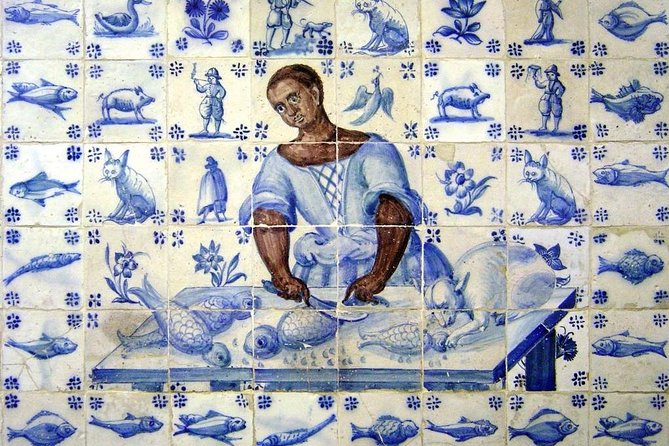
You start at Largo do Chafariz de Dentro 30 (nearpublic transportation). The first stop works like a briefing: the guide sets the theme and frames what you’re about to see, so the rest of the walk doesn’t feel like random history facts.
This matters more than it sounds. Slave trade history can get confusing fast because it overlaps empires, religions, trade routes, and long time spans. Starting with a clear structure helps you keep track of the “who did what” and “how Lisbon benefited.”
Stop 2: Alfama and the Long Presence of Slavery in Portugal
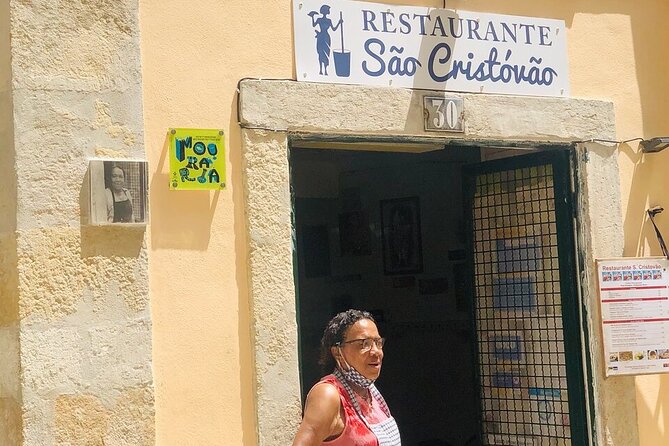
Alfama is Lisbon’s oldest neighborhood, and it’s where the tour anchors the story in lived place. You’ll walk and learn how multiple civilizations settled in Portugal and practiced slavery, including the Romans and the Moors. Then the conversation shifts to Portugal’s involvement in the Atlantic Slave Trade in the mid-15th century.
Why this stop hits: Alfama is still a neighborhood, not a staged exhibit. When you connect slavery to real streets and real civic space, it stops being abstract. You start noticing how power and inequality can persist even when the original system is gone.
A practical note: Alfama’s streets can be uneven. You don’t need to be a marathoner, but this isn’t the tour for anyone who avoids walking challenges.
Worth a look before you lock anything else in around Lisbon:

Stop 3: Campo das Cebolas and the Coming Monument
Next is Campo das Cebolas, where the tour focuses on an important detail: a monument to the victims of the Slave Trade is planned for the future. Even if construction isn’t something you can control, the message is clear—this story is not finished, and Lisbon is still deciding how it wants to remember.
This is also one of the more reflective points in the walk. After discussing who benefited from slavery, the guide points you toward the human cost and the need for public memory. If you prefer tours that only “name names” and move on, you might want a bit more processing time here. This stop is built for it.
Stop 4: Praca do Comercio (Terreiro do Paco) and Colonial Trade
At Praca do Comercio, also known as Terreiro do Paco, the tour turns to Lisbon’s commercial heart. You’ll learn how the slave trade was part of colonial trade, meaning it wasn’t just a distant horror—it was tied to how the city functioned economically.
This stop is useful for understanding Lisbon beyond monuments. It’s where the story connects to ships, markets, and money—how an entire system could be justified, organized, and kept moving. If you want to understand “why Lisbon” in a concrete way, this is one of the strongest moments.
Stop 5: Baixa, Rossio & Restauradores and the Daily Lives of Enslaved People
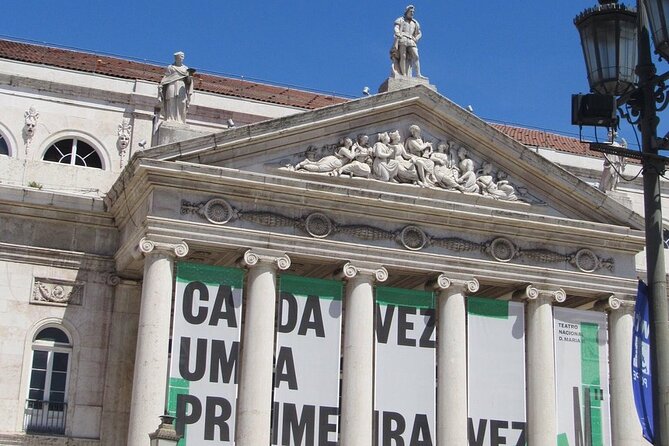
In the Baixa, Rossio, and Restauradores area, the tour shifts from trade mechanics to daily life. You’ll hear about enslaved captives from Africa and around the globe who lived in Lisbon—and how ordinary city spaces absorbed that reality.
I like that the guide doesn’t keep the topic only at the level of big history. Human lives included routines, vulnerability, forced labor, and constant exposure to systems of control. Putting that into a walk through central Lisbon makes the “Age of Discovery” story feel less like a distant era and more like a lived process happening in real neighborhoods.
This is also a good section to ask questions. If you’re trying to reconcile modern Lisbon with what came before, this is where the guide can help you connect the dots.
Stop 6: Igreja de S Domingos and How Religion Interacted with Captives
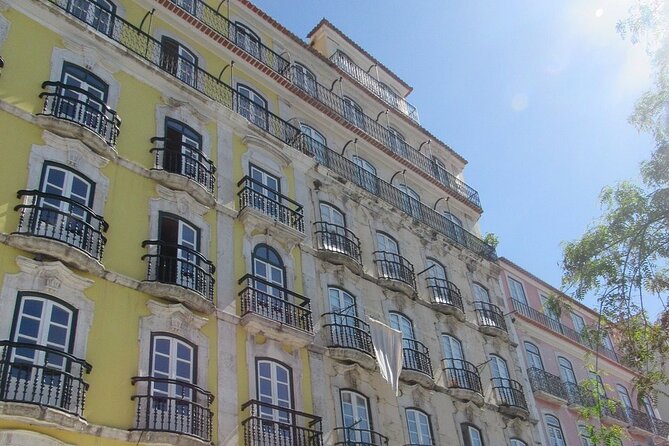
At Igreja de S Domingos, the tour examines how Lisbon’s enslaved captives interacted with religious organizations. This is a sensitive topic, but it’s handled as part of the broader system, not as a moral monologue.
Why include religion in a slave trade walk? Because institutions often shape what people consider acceptable, justified, and “normal.” When you hear how religious organizations intersected with slavery, you get a clearer picture of how systems maintain themselves—through law, power, and belief.
If you’re worried this part will feel uncomfortable in a way you can’t handle, consider going anyway but bringing a calm mindset. The tour is designed to be respectful, and Rui Fernandes makes space for questions.
Stop 7: Largo do Carmo, the 25 April Coup, and the End of the Colonial Empire
The final stop is Largo do Carmo. Here, the tour connects the slave-trade legacy to a later political turning point: the 25 April coup and the subsequent demise of the Portuguese colonial empire in the mid-1970s.
This ending can be oddly satisfying. You’re not just leaving with sadness; you’re also seeing how Portugal’s colonial era ended, and how that relates to the stories Lisbon carries today. It’s a reminder that history doesn’t stay locked in the past—it changes politics, borders, and national self-image.
The tour finishes here, so plan the rest of your afternoon with an easy next step—coffee, a museum visit, or just time to sit and process.
What You’ll Take Away (Beyond the Main Facts)
The biggest takeaway is the change in framing. You’ll come away understanding how Portuguese culture and contemporary history was shaped by Africa, and how slavery is tied into multiple layers: economic trade, social hierarchy, and institutional influence.
Another strong point is how Rui Fernandes handles difficult conversations. Many guides steer away when discussions get tense. Here, the tone stays grounded and factual, with plenty of chances to ask questions. If you care about getting straight answers without politeness fogging the facts, this tour is built for that.
And because this is a walking route through Lisbon’s core neighborhoods, the memory sticks. You don’t just hear about the slave trade. You associate the story with places where it happened and places where its legacy still lingers.
Value for Your Money: Is $39.78 a Fair Deal?
At $39.78 per person for about 3 hours, this is priced like a standard half-day history tour, but the content is more unusual. You’re paying for a professional guide, local taxes included, and a route that focuses on a topic rarely covered in typical sightseeing itineraries.
The best value part isn’t just the price. It’s the combination of small group size, Q-and-A time, and the way the guide brings documents and visuals into street-level context. If you’ve done one general “Lisbon highlights” tour already, this makes a strong second step. It adds meaning to the same city you thought you understood.
Who This Tour Suits Best (and Who Might Skip It)
This tour is for you if you want history with consequences. You’ll like it if you care about how Portuguese power connected to Africa and the Atlantic Slave Trade, and you want the story explained with sensitivity and sources, not slogans.
It’s also a good fit if you learn well through walking and discussion. The format works well for people who prefer active learning over listening in one museum room.
Skip it if you’re looking for a light sightseeing reset. The topic is heavy, and it’s not recommended if you have walking difficulties. Moderate walking and old-street navigation are part of the deal.
Should You Book This Lisbon Slave Trade Walking Tour?
I think it’s a yes if you want the real Lisbon story, not the cleaned-up version. The small group size, the guide’s clear explanations, and the place-based route make it feel serious and worth your time. At $39.78, you’re not paying extra for a gimmick—you’re paying for depth and a guided approach to history most visitors never see.
If the idea of confronting slavery and colonial systems makes you feel too drained, pick a different tour. But if you want honest context and you’re ready to walk through the uncomfortable parts of Lisbon’s legacy, book this one.
FAQ
How long is the Half Day Historical Walking Tour about the Slave Trade in Lisbon?
It’s listed as about 3 hours.
What does the tour cost?
The price is $39.78 per person.
What language is the tour offered in?
The tour is offered in English.
Where does the tour start and end?
It starts at Largo do Chafariz de Dentro 30, 1100-605 Lisboa and ends at Largo do Carmo, 1200-092 Lisboa.
Is food included?
No, food and drinks are not included.
Is hotel pick-up and drop-off included?
No, hotel pick-up and drop-off are not included.
How large is the group?
The tour has a maximum of 8 travelers.
Can I get a full refund if I cancel?
Yes. You can cancel up to 24 hours in advance for a full refund. If you cancel less than 24 hours before the start time, the amount paid isn’t refunded.
More Tours in Lisbon
- Lisbon City Center Tour – The Unmissable Lisbon★ 5.0 · 22,234 reviews
- Lisbon: History, Stories and Lifestyle Walking Tour★ 4.8 · 10,902 reviews
- True 4Hour Private Tuk Tuk Tour: Discover Lisbon with a Local!★ 5.0 · 8,008 reviews
- Winner 2025 Undiscovered Lisbon Food & Wine Tour by Eating Europe★ 5.0 · 6,390 reviews
- Lisbon: Sintra, Pena, Cabo da Roca, Cascais Tour with Pickup★ 4.8 · 5,445 reviews
More Tour Reviews in Lisbon
- Lisbon City Center Tour – The Unmissable Lisbon★ 5.0 · 22,234 reviews
- Lisbon: Sintra, Pena, Regaleira, Cabo da Roca & Cascais★ 4.7 · 19,656 reviews
- Lisbon Card: 24, 48, or 72-Hour Pass★ 4.5 · 17,944 reviews
- Lisbon: Jerónimos Monastery Entrance Ticket★ 4.1 · 14,164 reviews
- Lisbon: History, Stories and Lifestyle Walking Tour★ 4.8 · 10,902 reviews
More of Lisbon, One Hill at a Time
- Lisbon: History, Stories and Lifestyle Walking Tour★ 4.8 · 10,902 reviews
- Best of Lisbon Small-Group Guided Walking Tour★ 5.0 · 4,869 reviews
- Lisbon: Food and Wine Small Group Walking Tour★ 4.9 · 4,082 reviews
- Best of Lisbon Walking Tour: Rossio, Chiado & Alfama★ 4.9 · 2,700 reviews
- Age of Discoveries Walking Tour in Belém★ 5.0 · 1,513 reviews
Just in: fresh Lisbon reviews from the team





Lisbon Walking Tours, compared.
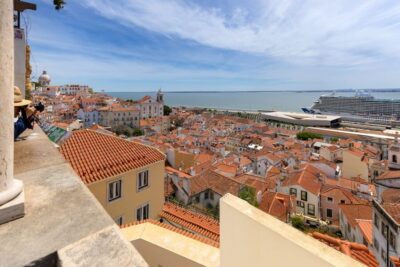 ★ 4.8History, Stories and Lifestyle Walking TourFrom $2910,902 reviews
 ★ 5.0Best of Lisbon Small-Group Guided Walking TourFrom $234,869 reviews
 ★ 4.9Food and Wine Small Group Walking TourFrom $724,082 reviews
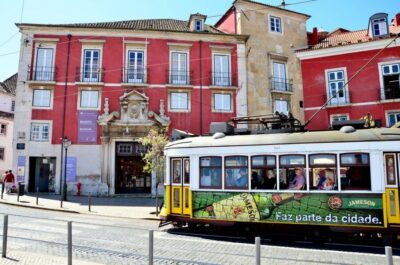 ★ 4.9Best of Lisbon Walking Tour: Rossio, Chiado & AlfamaFrom $232,700 reviews
 ★ 5.0Age of Discoveries Walking Tour in BelémFrom $31,513 reviews
 ★ 5.0Lisbon Roots – Small group Food & Culture Walking Tour w/tastingsFrom $168910 reviews
 ★ 4.9Starter Walking Tour to the highlights in GermanFrom $33781 reviews
 ★ 4.1Lisbon Tram No. 28 Ride & Walking TourFrom $23766 reviews
Browse the lists this tour appears in