

Reviewed · BELÉM TOURS
Full day Small Group Tour of Historical Lisbon and Belém
Lisbon’s story is written street by street. This full-day historical Lisbon and Belém tour strings together central neighborhoods, big squares, and the waterfront monuments in one smart route. You also get a small group size (max 8), which keeps the pace human.
What I like most is the pairing of art, architecture, and local lore. You start with a guided look at the Baroque church Igreja de São Roque, then later you get focused time at Mosteiro dos Jerónimos and Belém’s UNESCO sights. The Belém stop also includes guide help to get you moving faster for Pastéis de Belém.
One thing to plan for: this is an 8-hour walking day with stops across different neighborhoods, so you’ll want comfortable shoes and a moderate pace.
In This Review
- Key highlights worth marking on your map
- Why this Lisbon-and-Belém route works in one full day
- Getting started at Igreja de São Roque: Baroque art in a compact stop
- Old Lisbon’s tight streets: Bairro Alto, Trindade, and Largo do Carmo
- Santa Justa Lift to Chiado: views, shops, and the Baixa rebound
- Religious and community history around Largo de São Domingos
- Downtown squares and the Praça do Comércio finale by the water
- Afonso de Albuquerque Square, the presidential palace area, and royal coach context
- Pastéis de Belém: tasting with guide support
- Jerónimos Monastery: church time plus cloister focus (and extra tickets)
- Belém Tower and Monument of the Discoveries: UNESCO explained from outside
- Price and logistics: does $103 feel fair?
- Who this tour is best for
- Should you book this Historical Lisbon and Belém small-group tour?
- FAQ
- How long is the full-day tour?
- How many people are in the group?
- What time does the tour start, and where is the meeting point?
- Where does the tour end?
- Is food included in the price?
- Are entry tickets included for Jerónimos cloisters, Belém Tower, and the Monument of the Discoveries?
- Does the guide help with skip-the-line service?
- Does the tour include hotel pickup or drop-off?
- What’s the cancellation policy?
Key highlights worth marking on your map
- Baroque church inside time at Igreja de São Roque, with an actual guided walkthrough
- Santa Justa Elevator viewpoint for high-city views toward the River Tagus
- Lisbon’s earthquake memory at Largo do Carmo, tied to the 1755 rebuilding story
- Jewish history in the squares at Largo de São Domingos and a visit to Igreja de S Domingos
- Belém’s big-ticket monuments explained from the street: Jerónimos, Torre de Belém, and the Monument of the Discoveries
- Skip-the-line help for Pastéis de Belém and for Jerónimos cloisters
Why this Lisbon-and-Belém route works in one full day
This tour is built for travelers who want Lisbon’s layers without bouncing between separate tours. You get the older, walkable core first—where you can feel how neighborhoods formed—then you move west toward Belém for the grand explorers-era landmarks. It’s a classic “city center to riverfront monuments” flow.
The other thing that makes it work is how often you’re not just looking, you’re learning while you’re there. The guide sets context at the stops: what you’re seeing, why it matters, and how it connects to Portuguese history. That turns landmarks like squares and churches into something you can actually place on your mental map.
Finally, the small-group format helps you keep your energy. With a maximum of 8 travelers, you’re not stuck in a giant line that forces everyone to shuffle at once. You can also ask quick questions without derailing the day.
More mornings among the monuments of Belém
- Lisbon: Jerónimos Monastery Entrance Ticket
★ 4.1 · 14,164 reviews - Private Lisbon Sightseeing Tuk-Tuk Tour: Alfama, Belém & More
★ 5.0 · 4,277 reviews - Age of Discoveries Walking Tour in Belém
★ 5.0 · 1,513 reviews - Lisbon: Bike Tour from Lisbon to Belém + Liquor & Pastry
★ 4.7 · 688 reviews
Getting started at Igreja de São Roque: Baroque art in a compact stop
You meet at Igreja de São Roque (Largo Trindade Coelho) and begin with a guided tour inside one of Lisbon’s standout churches. The focus here is the Saint Roque Mission and its strong Baroque art presence. If you like religious art that’s more than just decoration—this stop is a good anchor.
This is also a smart opening. Starting with an interior gives you a break from sun and street noise early, and it gives you a cultural baseline for the rest of the day. After that, the neighborhoods feel less random because you’ve already been introduced to Portuguese artistic style and heritage.
Time is short—about 15 minutes—so the goal is impact, not an all-day church marathon. You’ll get the key points the guide wants you to notice.
Old Lisbon’s tight streets: Bairro Alto, Trindade, and Largo do Carmo
Next you move into Bairro Alto, one of the city’s oldest neighborhoods. The vibe is exactly what you’d hope for: narrow streets, historic edges, and the kind of atmosphere that makes Lisbon feel lived-in. The guide’s job here is to point out what you might miss if you were just wandering.
From there, you get a brief stop at Trindade, tied to one of Lisbon’s peculiar restaurant stories. The connection you’ll hear about links Catholic worship with beer and freemasonry. It’s a quick detour—only about 5 minutes—but it adds a fun layer of meaning to everyday places.
Then comes Largo do Carmo, one of those “look up for the drama” squares. You’ll stand with the Gothic ruins of the Carmelite Convent, left as a reminder of the 1755 earthquake. If you’ve ever wondered why Lisbon’s cityscape feels shaped by rebuilding, this is where you see it.
These three stops together do something valuable: they show how history isn’t only in famous monuments. It’s in street-level neighborhood identity, local myths, and the physical scars that never fully disappeared.
Santa Justa Lift to Chiado: views, shops, and the Baixa rebound
The Santa Justa Elevator stop is built for payoff. You get time at Lisbon’s iconic lift and a chance to take in the city from above—plus views toward the River Tagus. The guide gives the explanation, but the main point is simple: you’re seeing Lisbon with a wider lens than street-level offers.
After that, you head into Chiado, known for a concentration of traditional stores and businesses. This isn’t just a shopping stop on paper. It’s where Lisbon’s old commercial life and cultural identity overlap, which makes the walk feel more like a living city than a museum loop.
You’ll also pass by Praça Dom Pedro IV in the Baixa Pombalina district, one of Lisbon’s quintessential squares. The guide points out major attractions nearby, including the Queen Mary National Theater and Opera house, plus Tabacaria Mónaco. This area is a good reminder that Lisbon’s center was rebuilt with intention after the 1755 catastrophe.
And right after that, you get a look at a late 19th-century train station with neo-Manueline style. Even if you only admire the architecture from outside, it’s a useful “when Portugal turned to style and symbolism” moment before you move on to the more solemn historical sites.
Worth a look before you lock anything else in around Lisbon:
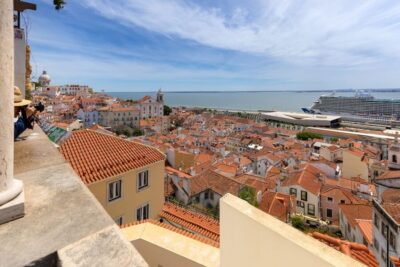



Religious and community history around Largo de São Domingos
Lisbon’s story includes Jewish and Christian histories that intersect in complicated ways. At Largo de São Domingos, you’ll learn about the Jewish massacre of 1506 and reflect on the memorial honoring the victims of religious persecution. Even with a short stop time, it lands because it’s anchored in a specific place, not just a general lecture.
You then have a chance to visit Igreja de S Domingos, described as one of Lisbon’s unique places of worship. The highlight here is the interior, where you can see how architecture and faith show up in tangible form.
This section is brief by design, but it adds balance. Earlier you had churches and ruins tied to artistic and earthquake history. Here you get a darker chapter, still connected to the city’s real geography.
If you’re someone who likes understanding the “why” behind what you see—this part is worth slowing down for.
Downtown squares and the Praça do Comércio finale by the water
From the religious sites, the tour keeps moving through central Lisbon’s classic spaces. At Praca da Figueira, you admire another historical city square and look around for historic businesses in the vicinity. It’s small, but it helps you keep your bearings as the route narrows into the riverfront approach.
Then you walk along one of Lisbon’s main pedestrian streets in the downtown area, with coffee shops and historic businesses along the way. You’ll also have Santa Justa Elevator visible nearby, which creates a nice “you’ve been there, now you see it from street rhythm” moment.
The big finish of the city-center portion is Praça do Comércio (Terreiro do Paço). This is one of Lisbon’s most famous squares, and the guide ties it to key historical figures and events—like the Marquis of Pombal and the regicide of 1908. Standing here, you can understand why this space matters: it feels like Lisbon’s public front porch toward the water.
You also get a short transition moment after the square, moving toward the Belém side of the day.
Afonso de Albuquerque Square, the presidential palace area, and royal coach context
Before you jump into Belém, you’ll spend a bit of time around Afonso de Albuquerque Square, an early 20th-century garden. It’s flanked by the presidential palace and the National Coaches Museum area, and the guide explains how the museum connects to the Portuguese royal family.
Even though you’re not spending a full day inside the museum, this stop helps you frame what you’ll see later. It also gives you a breather between longer UNESCO-focused moments.
There’s also time to view the exterior of the presidential palace area. It’s not about “inside access”—it’s about tying the political center to the cultural story of Portugal, which helps the day feel coherent.
Pastéis de Belém: tasting with guide support
Now you hit Belém for one of Portugal’s most famous food moments. At Pastéis de Belém, the tour includes time for tasting the world-famous pastries, and your guide helps arrange skip-the-line service. The exact “skip” benefit matters here: instead of standing around sorting out queues, you use the time for eating and moving on.
A practical note: the tour’s pricing says food and drink aren’t included. So assume the pastries are on you to purchase, but you get guidance and help to get through the line faster. That’s still a win on a full-day schedule.
If you’ve got even mild interest in Portuguese culinary tradition, this is a high-value stop. It also works as a natural energy reset before the long, iconic monastery and monument section.
Jerónimos Monastery: church time plus cloister focus (and extra tickets)
The Jerónimos Monastery section is where the day turns into major monuments. First you visit the church inside the Mosteiro dos Jerónimos with guided time. This is the “see the centerpiece” part, designed to give you context quickly so you don’t treat it like just another stunning building.
Then you move to the cloisters with a longer guided visit (about an hour). Here’s the important logistics: the guided cloister time lists an admission ticket not included. The tour also offers skip-the-line service help for this part, which can save you serious waiting.
Why this matters for your planning: even with skip-the-line support, you’ll want to have your mindset set for a longer, more structured monument visit. This is where you slow down and look at details: stonework, scale, and the overall UNESCO-era style you’ll also see echoed in the Belém Tower and the Monument of the Discoveries.
If you want the “Portugal at its grandest” feeling, this is the anchor.
Belém Tower and Monument of the Discoveries: UNESCO explained from outside
After the monastery, you continue with exterior visits to Torre de Belém and the Monument of the Discoveries (Padrao dos Descobrimentos). In both cases, you’ll get explanations on history and architecture, but the admission tickets for these are also listed as not included.
The timing is designed to keep momentum without turning the day into endless museum lines. You’ll spend about 20 minutes at the tower exterior and about 30 minutes at the monument.
This is also where you connect the dots from earlier parts of Lisbon. The earthquake-era story you learned in the city center shows how Portugal rebuilt itself. The Belém waterfront story is about Portugal projecting power and exploring the wider world. Seeing both in one day makes the big monuments feel less isolated.
The tour ends at the Monument of the Discoveries area (Av. Brasília), so you finish in exactly the right place for photos and a smooth wrap-up.
Price and logistics: does $103 feel fair?
At around $103 for approximately 8 hours, this tour is positioned as a guided, small-group historical walk rather than a pure hop-on/hop-off sightseeing product. What you’re paying for is a professional guide, local taxes, and a route that includes meaningful stops across Lisbon and Belém.
The value gets stronger because two stops include guide assistance for skipping lines: Pastéis de Belém and the Jerónimos cloisters. That matters because Belém attractions can eat time, and a full-day itinerary doesn’t forgive wasted minutes.
The trade-offs are straightforward. Food and drinks aren’t included in the price, and several entries are marked as not included—specifically the Jerónimos cloisters, Belém Tower, and the Monument of the Discoveries. So the total cost may climb depending on what you choose to pay for at those points.
Also, there’s no hotel pick-up or drop-off. You’ll need to get yourself to the meeting point near Igreja de São Roque and plan your own end-of-tour return after you finish near the Monument.
Who this tour is best for
This one is ideal if you want a guided historical day without feeling trapped in a huge group. The maximum of 8 travelers helps a lot if you like asking questions and getting direct attention.
It’s also a good fit if you’re interested in architecture and how history shows up in places you’d otherwise just pass by. You’ll cover Baroque church art, earthquake-era ruins, Lisbon squares tied to major events, and Belém’s explorer-age monuments.
If you hate walking or you want a slower pace with long breaks for sitting, you might find the schedule tight. The tour runs about 8 hours, and the stops are spaced across multiple neighborhoods.
Should you book this Historical Lisbon and Belém small-group tour?
Book it if you want one day that ties together central Lisbon landmarks and Belém’s UNESCO sights with real guidance. The small group size, plus line-skipping help at Pastéis de Belém and Jerónimos cloisters, makes it feel efficient rather than rushed.
Skip it if you’d rather do Belém at your own pace and you’re counting hard on tickets for Jerónimos, Belém Tower, and the Monument to be fully included. This tour sets you up for those stops, but some admissions are not covered, and the day does include substantial walking.
If you’re doing Lisbon for the first time and you want a structured route you can trust, this is a solid way to get oriented fast and still see the big icons.
FAQ
How long is the full-day tour?
It’s approximately 8 hours.
How many people are in the group?
The tour has a maximum of 8 travelers.
What time does the tour start, and where is the meeting point?
It starts at 10:00 am. The meeting point is Church of Saint Roch, Largo Trindade Coelho, 1200-470 Lisboa, Portugal.
Where does the tour end?
The tour ends at the Monument to the Discoveries, Av. Brasília, 1400-038 Lisboa, Portugal.
Is food included in the price?
Food and drinks are not included in the pricing. The itinerary includes a stop for Pastéis de Belém tasting.
Are entry tickets included for Jerónimos cloisters, Belém Tower, and the Monument of the Discoveries?
No. The Jerónimos cloisters (guided, 1 hour), the Torre de Belem exterior, and the Padrao dos Descobrimentos exterior all list admission tickets as not included.
Does the guide help with skip-the-line service?
Yes. The guide helps with skip-the-line service at Pastéis de Belém and for the Jerónimos Monastery cloisters.
Does the tour include hotel pickup or drop-off?
No. Hotel pick up and drop-off are not included.
What’s the cancellation policy?
You can cancel for a full refund if you cancel up to 24 hours in advance of the experience’s start time. If you cancel within 24 hours of the start time, the amount paid is not refunded.
More Tours in Lisbon
- Lisbon City Center Tour – The Unmissable Lisbon★ 5.0 · 22,234 reviews
- Lisbon: History, Stories and Lifestyle Walking Tour★ 4.8 · 10,902 reviews
- True 4Hour Private Tuk Tuk Tour: Discover Lisbon with a Local!★ 5.0 · 8,008 reviews
- Winner 2025 Undiscovered Lisbon Food & Wine Tour by Eating Europe★ 5.0 · 6,390 reviews
- Lisbon: Sintra, Pena, Cabo da Roca, Cascais Tour with Pickup★ 4.8 · 5,445 reviews
More Tour Reviews in Lisbon
- Lisbon City Center Tour – The Unmissable Lisbon★ 5.0 · 22,234 reviews
- Lisbon: Sintra, Pena, Regaleira, Cabo da Roca & Cascais★ 4.7 · 19,656 reviews
- Lisbon Card: 24, 48, or 72-Hour Pass★ 4.5 · 17,944 reviews
- Lisbon: Jerónimos Monastery Entrance Ticket★ 4.1 · 14,164 reviews
- Lisbon: History, Stories and Lifestyle Walking Tour★ 4.8 · 10,902 reviews
Belém: More Monuments and Pastéis
- Lisbon: Jerónimos Monastery Entrance Ticket★ 4.1 · 14,164 reviews
- Private Lisbon Sightseeing Tuk-Tuk Tour: Alfama, Belém & More★ 5.0 · 4,277 reviews
- Age of Discoveries Walking Tour in Belém★ 5.0 · 1,513 reviews
- Lisbon: Bike Tour from Lisbon to Belém + Liquor & Pastry★ 4.7 · 688 reviews
- Bike Tours Lisbon – Center of Lisbon to Belém★ 5.0 · 686 reviews
Just in: fresh Lisbon reviews from the team





Belém Tours, compared.
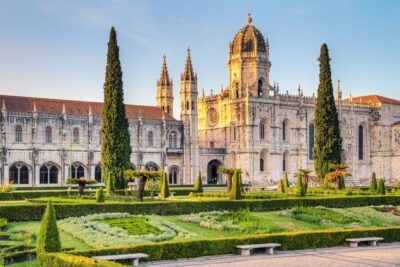 ★ 4.1Jerónimos Monastery Entrance TicketFrom $2114,164 reviews
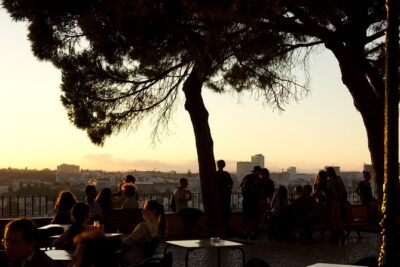 ★ 5.0Private Lisbon Sightseeing Tuk-Tuk Tour: Alfama, Belém & MoreFrom $524,277 reviews
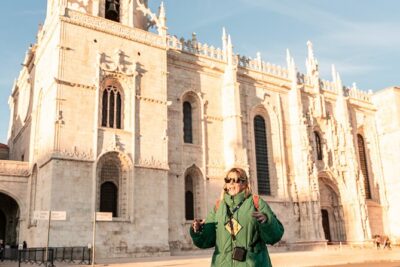 ★ 5.0Age of Discoveries Walking Tour in BelémFrom $31,513 reviews
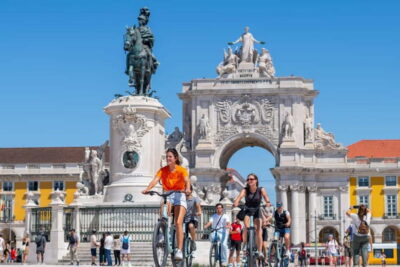 ★ 4.7Bike Tour from Lisbon to Belém + Liquor & PastryFrom $46688 reviews
 ★ 5.0Bike Tours Lisbon – Center of Lisbon to BelémFrom $19686 reviews
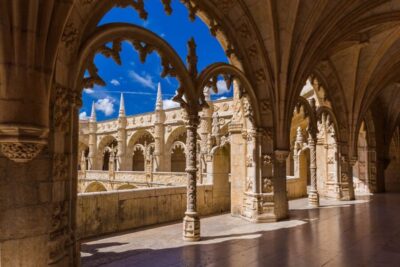 ★ 3.7Jerónimos Monastery E-Ticket and Audio GuideFrom $33660 reviews
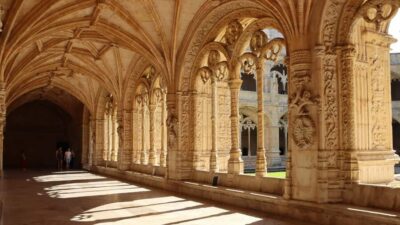 ★ 4.9Belém Walking Tour with Jerónimos Monastery TicketFrom $69637 reviews
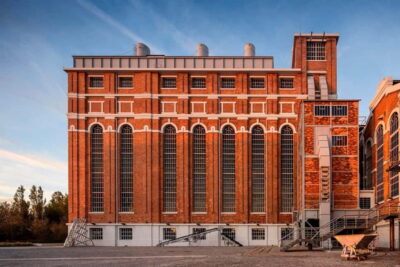 ★ 4.0MAAT Gallery and MAAT Central Entry TicketsFrom $17559 reviews
Browse the lists this tour appears in