
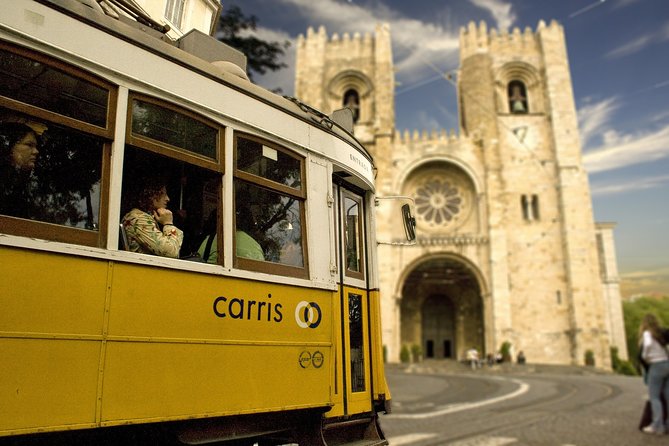
Reviewed · ALFAMA & OLD TOWN TOURS
Discover Lisbon’s Alfama: Secrets of the Old Town
Alfama is Lisbon’s storybook, in stone and stairs. This 2.5-hour walk threads you from Rossio into the Alfama old-town world, with quick stops at Lisbon icons and the legends that explain why the city looks the way it does. You’ll hear earthquake-and-rebuilding stories along the way, the kind of background that makes the streets feel personal, not just pretty.
Two things I really like about this experience are the guide-led pacing and the mix of sights. Guides such as Valeria come up in feedback for being friendly, easy to talk to, and strong on historical context, which matters on a short tour. And I like that you get both exterior landmarks and an interior moment: you’ll see Lisbon’s famous theater from the outside and then actually go inside Igreja de São Domingos.
One possible drawback: this is still a walking tour in a hilly old neighborhood, so pack comfortable shoes and keep your expectations realistic for moderate fitness. It also needs decent weather to run, since you’re outside most of the time.
In This Review
- Key highlights you’ll actually feel
- Getting your bearings at Praça do Rossio before Alfama’s twists
- Teatro Nacional Dona Maria II: a quick look with real context
- Iglesia de São Domingos: go inside, then notice everything
- Castelo de São Jorge in 15 minutes: the history-and-views payoff
- Why the earthquake and destruction stories make Alfama click
- Group size, guide style, and the pace that fits real schedules
- Price and logistics: what $3.62 actually buys you
- Where the tour starts and ends (and why that helps your day)
- Before you go: comfort, weather, and how to get the most
- Should you book this Alfama Old Town walk?
Key highlights you’ll actually feel
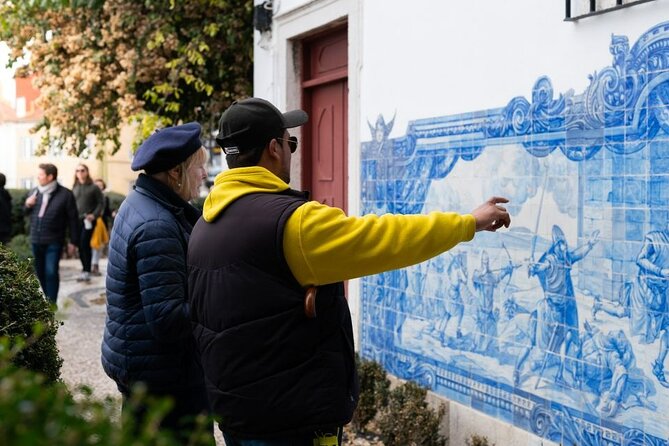
- 2.5 hours of guided orientation through Lisbon’s old-town core, starting at Praça do Rossio
- Story-first explanations covering legends plus the history of earthquakes and destructions
- An interior church stop (Igreja de São Domingos) so you’re not just looking from the curb
- A focused Castelo de São Jorge visit with deep historical context in a short time window
- Ends by Lisbon Cathedral in an area packed with restaurant options for lunch
Getting your bearings at Praça do Rossio before Alfama’s twists
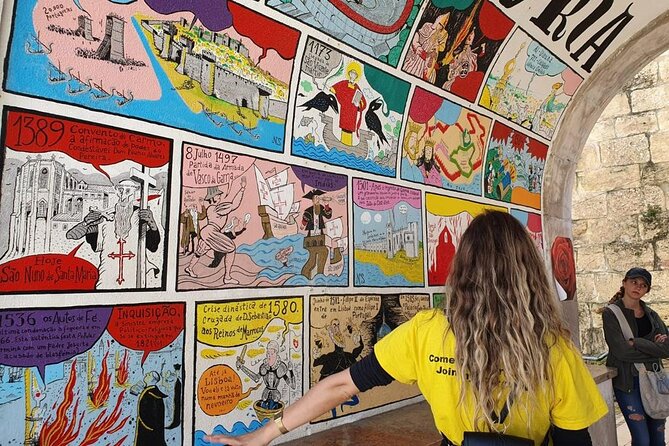
Most Alfama walks begin with you already standing inside the maze. This one starts at Praça do Rossio, which is smart. Rossio is a classic central anchor, so you can mentally map where you are right away and understand how the route feeds into older Lisbon.
From there, you’ll move through key areas for about 20 minutes before reaching the heart of Alfama. The tour doesn’t just move you forward—it helps you sort out direction in your head. That matters here because streets don’t follow clean lines. If you’ve ever felt like you blinked and suddenly went uphill, you know why a short guided “setup” helps.
I also like that this start gives you a warm-up for the kind of details the guide will point out later—street layouts, architectural cues, and why certain spots became important in the city’s past. Even if you’re only in Lisbon for a few days, you’ll leave with a better sense of how Alfama connects to the rest of town.
Deeper into Alfama's lanes and miradouros
- Alfama Tour in Lisbon Old Town
★ 5.0 · 4,936 reviews - Private Lisbon Sightseeing Tuk-Tuk Tour: Alfama, Belém & More
★ 5.0 · 4,277 reviews - Lisbon: Hills, Alfama, and Mouraria Tour by Electric Bike
★ 4.8 · 3,438 reviews - Best of Lisbon Walking Tour: Rossio, Chiado & Alfama
★ 4.9 · 2,700 reviews
Teatro Nacional Dona Maria II: a quick look with real context
The tour then stops at Teatro Nacional Dona Maria II for about 10 minutes—and yes, you’ll mainly see it from the outside.
That sounds brief, but it’s efficient. The goal here isn’t to schedule a full theater visit. It’s to show you how the “famous landmark” layer of Lisbon sits next to its older, more story-heavy neighborhoods. The guide’s commentary is what turns a building facade into something you can place in the city’s timeline.
This is also a good pause point. The walking pace stays manageable because the stop is short and focused. If you’re someone who likes to understand why a city has certain landmark clusters (instead of collecting photos), you’ll get value from this exterior stop.
Iglesia de São Domingos: go inside, then notice everything
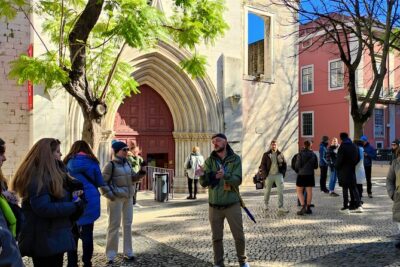
Next comes the best “you’ll feel it” stop: Igreja de São Domingos, where you go inside for around 15 minutes. This is your chance to slow down and take in Lisbon’s religious history in a way you can’t get just by looking from outside.
The guide includes history and interesting facts during your visit. That’s the key. Churches can turn into background scenery if you don’t have someone showing you what to look for. With a guided interior, you learn how to spot elements that signal different eras and why the building mattered to Lisbon’s people.
There’s also a practical advantage: a church interior is a natural break from sun, wind, and steep streets. It’s a short reset for your body, too. If you’re walking with a moderate fitness level, this kind of “indoors for a bit” stop helps keep the tour enjoyable.
Castelo de São Jorge in 15 minutes: the history-and-views payoff
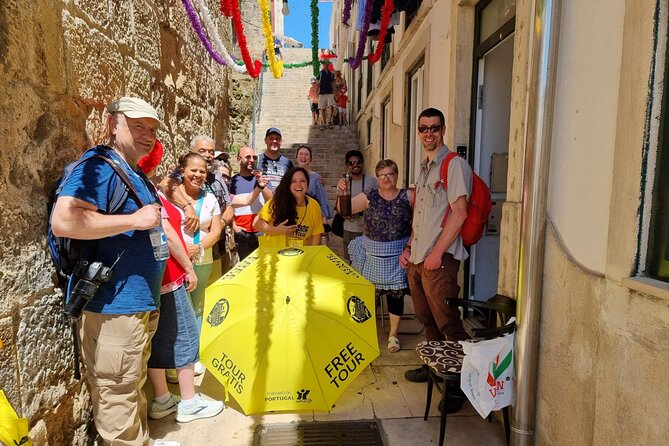
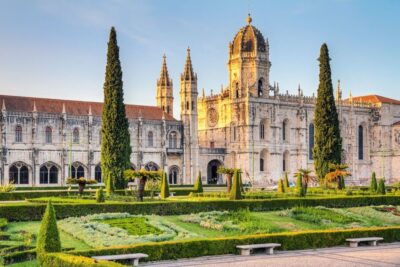
You’ll finish with Castelo de São Jorge for about 15 minutes. Even in a short window, this castle works because it gives you the big-picture view of Lisbon’s geography—hill life, lookout points, and why fortifications were built where they were.
The tour includes historical context about the hill itself. Human occupation goes back at least to VIII BC, and the first fortifications date to the first century BC. That’s the sort of timeline that makes your photos feel different. Instead of taking a picture of a castle, you’re looking at the long-term logic of the place.
Time here is the trade-off. Fifteen minutes is great for orientation and a first feel of the site, but it won’t replace a full independent castle visit. If you want to linger in multiple corners, plan extra time on your own after the tour. Still, for a 2.5-hour old-town experience, you get a strong “why it matters” moment.


Why the earthquake and destruction stories make Alfama click
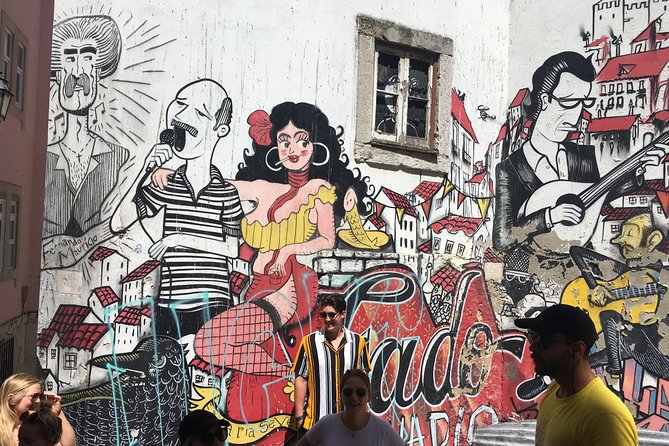
A lot of walking tours tell you what you’re seeing. This one also explains why things survived and why Lisbon rebuilt the way it did. The included highlights specifically call out the history of earthquakes and destructions, plus intriguing stories and legends.
For you, that changes the experience. Alfama’s streets can feel like they’re all about texture—stone, tiles, steep lanes. But when you understand that the city has been damaged and rebuilt in the past, those same visual details start to read like evidence. You’ll likely notice more: repairs, patterns, and the way Lisbon’s layers stack.
This is also where a good guide earns their pay. The stops are fairly short by design, so the storytelling has to do heavy lifting. If you’ve got a guide who’s easy to talk to and clear about history (again, Valeria is mentioned for exactly that style of guidance), the tour feels smoother and more memorable.
Group size, guide style, and the pace that fits real schedules
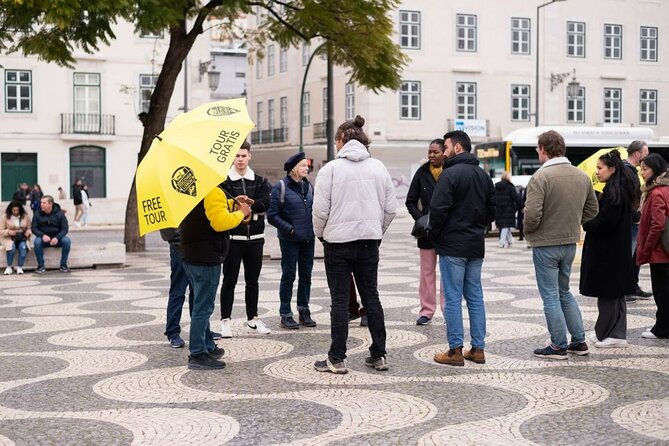
This walk runs with a maximum of 100 travelers. That’s a wide number, so don’t assume it’s a private tour—but it also means the route is built for a standard sightseeing flow.
You should expect an active walking rhythm with frequent “look here, notice this” moments. Since the whole tour is about 2 hours 30 minutes, the pace is designed to keep you moving while still covering several major stops.
The tour is offered in English, and you’ll get an expert local guide plus a mobile ticket. That combo is practical: you’re not wasting time on check-in hassles, and the guide can focus on the storytelling and guidance instead of logistics.
It’s also worth noting that included perks mention discounts for other tours on the day and nights. If you’re building a Lisbon schedule, that can help you stitch together a second or third experience without feeling like you’re paying full price each time.
Price and logistics: what $3.62 actually buys you
The listed price is $3.62 per person, which is low enough that you’ll wonder what the catch is. Here’s the honest read: you’re mainly paying for the guided structure, the local expertise, and admission tickets that are included at specific stops.
Included admissions are part of the experience at the tour’s first stop area (Praca Dom Pedro IV has an admission ticket included), while other stops are free-entry during the tour window (like the theater exterior and church/castle context as listed). In addition to the guide, you’re paying for the route itself and the curated history so you don’t have to piece it together alone.
What’s not included is also clear:
- No transport ticket (so you’ll likely use public transit or walk to the meeting point)
- No alcohol tasting (like wine or ginjinha)
- And there’s a suggested contribution to the guide (10–20€)
One review note that really matters for your planning: the price can feel like a token booking, and some participants are told it’s free in practice at the meeting point. Either way, don’t assume you can skip tipping. Build in the guide contribution so the experience feels fair and respectful to the people doing the work.
Where the tour starts and ends (and why that helps your day)
You’ll meet at Rossio Square, Praça do Rossio, 1100-200 Lisboa. That’s convenient because it’s central and close to public transport.
The tour ends at Lisbon Cathedral (Largo da Sé 1, 1100-585 Lisboa). This matters because it drops you into a food and sightseeing zone right when you’re probably hungry and ready to reset. The tour specifically sets you up with restaurants nearby for lunch.
If you’re doing this early, you can use the late-afternoon time for neighborhoods that feel different from Alfama—just keep in mind the tour already gave you a strong old-town intro. If you do it later, it still works as a “cultural compass,” helping you understand what you’ll see next without needing to study maps obsessively.
Before you go: comfort, weather, and how to get the most
This tour asks for moderate physical fitness. That doesn’t mean you need to be an athlete, but Alfama’s streets can be uneven and steep. Wear shoes you trust. Bring water if it’s warm. And keep your phone charged, because you’ll want photos at Rossio and Castelo de São Jorge.
Weather is a real factor: the experience requires good weather. If it’s canceled due to poor conditions, you’ll be offered a different date or a full refund. That’s a sensible policy because this route is outdoors for most of the time.
Language is English, and the tour runs at a scale that’s friendly for sightseeing but not private. The best way to enjoy it is to stay close to the guide during narration, even if you’re tempted to drift for a photo. The timing is tight by design.
Should you book this Alfama Old Town walk?
Yes—if you want an efficient way to understand Alfama without spending the whole day guessing.
Book it if:
- You like history that explains what you’re seeing, especially earthquake-and-rebuilding context
- You want a structured route starting at Rossio and ending near Lisbon Cathedral
- You prefer guided stops that include at least one inside visit (Igreja de São Domingos), not only exterior photos
- You’re working with a short schedule (about 2.5 hours) and want maximum value per hour
Skip it or add extra time if:
- You plan to spend a lot of time wandering Castelo de São Jorge on your own later
- You want a deeper, slower “every alley” experience with long museum-style stops
If you’re trying to get Lisbon’s old-town story straight fast, this walk is a smart buy—especially when the guide quality and friendly, clear explanations are part of what you’re paying for.
More Tour Reviews in Lisbon
- Lisbon City Center Tour – The Unmissable Lisbon★ 5.0 · 22,234 reviews
- Lisbon: Sintra, Pena, Regaleira, Cabo da Roca & Cascais★ 4.7 · 19,656 reviews
- Lisbon Card: 24, 48, or 72-Hour Pass★ 4.5 · 17,944 reviews
- Lisbon: Jerónimos Monastery Entrance Ticket★ 4.1 · 14,164 reviews
- Lisbon: History, Stories and Lifestyle Walking Tour★ 4.8 · 10,902 reviews
Keep Wandering Old Alfama
- Alfama Tour in Lisbon Old Town★ 5.0 · 4,936 reviews
- Private Lisbon Sightseeing Tuk-Tuk Tour: Alfama, Belém & More★ 5.0 · 4,277 reviews
- Lisbon: Hills, Alfama, and Mouraria Tour by Electric Bike★ 4.8 · 3,438 reviews
- Best of Lisbon Walking Tour: Rossio, Chiado & Alfama★ 4.9 · 2,700 reviews
- Lisbon: Baixa District Food Tour with Dinner and Drinks★ 4.9 · 1,997 reviews
Just in: fresh Lisbon reviews from the team





Alfama & Old Town Tours, compared.
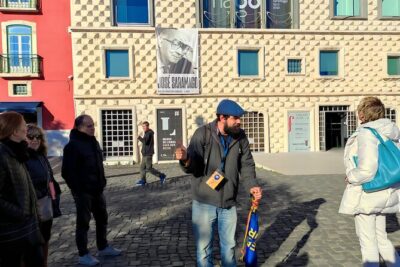 ★ 5.0Alfama Tour in Lisbon Old TownFrom $34,936 reviews
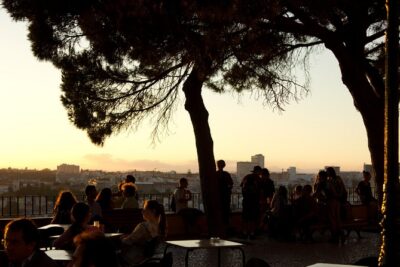 ★ 5.0Private Lisbon Sightseeing Tuk-Tuk Tour: Alfama, Belém & MoreFrom $524,277 reviews
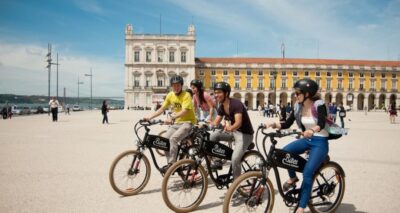 ★ 4.8Hills, Alfama, and Mouraria Tour by Electric BikeFrom $253,438 reviews
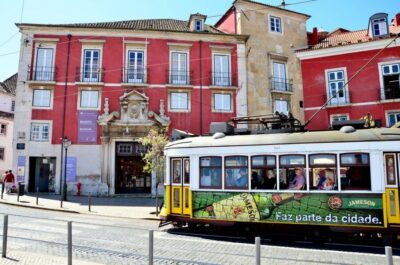 ★ 4.9Best of Lisbon Walking Tour: Rossio, Chiado & AlfamaFrom $232,700 reviews
 ★ 4.9Baixa District Food Tour with Dinner and DrinksFrom $931,997 reviews
 ★ 5.0Lisbon Small-Group Food Tour with 18 Tastings in Alfama DistrictFrom $1261,967 reviews
 ★ 4.5Lisbon E-Bike Tour Commerce Square, Mouraria and AlfamaFrom $301,688 reviews
 ★ 5.0Old Town TukTuk Tour and Scenic Viewpoints in AlfamaFrom $35974 reviews
Browse the lists this tour appears in