

Reviewed · ALFAMA & OLD TOWN TOURS
Alfama tour
Alfama looks different from a tuktuk. This guided tour strings together classic Lisbon spots with quick stops you can actually enjoy, especially the miradouros with big views over Alfama and the Tagus. I like that the route is built for photos, not just photo ops.
I’m also a fan of the human touch. Guides like Otoni and Marlon get praised for being funny, gentle, and genuinely helpful, which makes the whole loop feel personal rather than rushed. One thing to consider: each stop is brief (about 10 minutes), so if you want to linger long inside one place, you’ll probably need to plan extra time on your own.
Another practical note: admission is included for most listed stops, but not for the National Pantheon. That’s not a deal-breaker, but it’s the kind of detail that matters when you’re budgeting your day in Lisbon.
In This Review
- Key highlights at a glance
- A tuktuk-powered loop through Alfama’s best viewpoints
- Lisbon Cathedral: where the story starts (and you can go inside)
- Santa Luzia and Portas do Sol: miradouros with real river-and-city drama
- Graça viewpoint and the São Jorge connection
- São Vicente de Fora: monastery vibes after all that viewpoint time
- National Pantheon: a meaningful stop, but budget for admission
- Museu do Fado and an Alfama taste test of everyday life
- Price and what makes this feel worth it
- Who should book this Alfama tuktuk tour
- Book or skip? My decision guide
- FAQ
- How long is the Alfama tour?
- What time does the tour start?
- Where does the tour begin?
- Does the tour offer pickup?
- Is the tour private?
- Do I get admission tickets included for the stops?
- Is there a fado-related stop?
- Is there a food or drink moment?
- Are mobile tickets used?
- What’s the weather requirement and cancellation rule?
Key highlights at a glance
- Tuktuk transportation that helps you cover viewpoints without wearing yourself out
- Photo-friendly timing: short, structured stops built around the best angles
- Iconic Alfama viewpoints including Santa Luzia, Portas do Sol, Graça, and Senhora do Monte
- Lisbon Cathedral inside visit with admission included
- Fado Museum + Alfama stroll with a quick ginjinha test
- One optional-pay sight: National Pantheon admission isn’t included
A tuktuk-powered loop through Alfama’s best viewpoints

This is a guided, private Alfama tour in a tuktuk, lasting about 1 hour 30 minutes. You start at Praça da Figueira (9:00am), and the experience ends back at the same meeting point, so you’re not left figuring out your next move. Pickup is offered, and you’ll get a mobile ticket, which is handy if you’re jumping between tram rides and walking.
The big value here is efficiency with personality. Alfama’s streets are famous for being steep and twisty. A tuktuk helps you get to the viewpoints with less scrambling, and the guide’s stories make the short stops feel purposeful. You’re not stuck in a long monologue either; you get a chance to look, photograph, and move on.
Just keep expectations realistic. With multiple viewpoints and monuments on the schedule, you’re not doing a slow, sit-down museum day. You’re doing a guided “great hits” route, with enough time to appreciate each place and still keep energy for the rest of Lisbon.
Deeper into Alfama's lanes and miradouros
- Alfama Tour in Lisbon Old Town
★ 5.0 · 4,936 reviews - Private Lisbon Sightseeing Tuk-Tuk Tour: Alfama, Belém & More
★ 5.0 · 4,277 reviews - Lisbon: Hills, Alfama, and Mouraria Tour by Electric Bike
★ 4.8 · 3,438 reviews - Best of Lisbon Walking Tour: Rossio, Chiado & Alfama
★ 4.9 · 2,700 reviews
Lisbon Cathedral: where the story starts (and you can go inside)
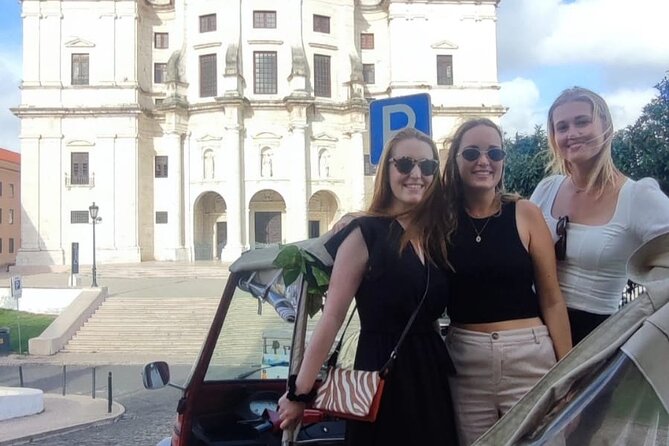
The first stop is Lisbon Cathedral, a Romanesque-style church whose construction began in 1147 and finished in the early decades of the 13th century. Even if you’re not a medieval architecture superfan, this is the kind of site that makes Lisbon feel older than you thought. It’s the oldest church in Lisbon, and that alone gives the visit weight.
You get about 10 minutes there, including admission to visit inside. That’s a smart choice for a tour like this: you get the interior without needing an entire hour to yourself. If you like photographing churches, aim for a couple of wide interior shots first, then shift to details (stone textures, arches, and light). Ten minutes can vanish fast if you’re waiting for the perfect moment, so plan to grab a few good images early.
Possible drawback: if your group likes slow contemplation, 10 minutes may feel short. Still, it’s a great “starter dose” that helps you understand what you’re looking at later in Alfama.
Santa Luzia and Portas do Sol: miradouros with real river-and-city drama
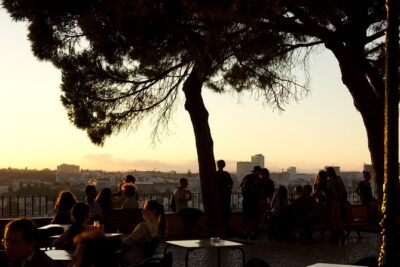
From the cathedral zone, the tour heads into the viewpoint rhythm—those small plazas where the city suddenly opens up. Stop 2 is Miradouro de Santa Luzia, known for a wide view over Alfama and the Tagus River. Stop 3 is Miradouro das Portas do Sol, described as balcony-like, with a view that pairs Lisbon’s eastern parts with the Tagus.
These are exactly the kind of places where Lisbon’s postcards make sense in real life. You can understand the layout of the neighborhoods and why Alfama is so tightly packed up the hills. Even if you’ve seen photos, seeing the river cut through the city gives the whole area context.
Tips for these quick viewpoint breaks:
- Bring your camera low and ready. People often crane upward for photos, then waste time adjusting.
- Be aware of wind. Viewpoints near the river can feel breezy, especially at certain times of day.
- If you want the cleanest photos, look for a slightly shifted angle rather than standing directly in the busiest line.
The time here is short, but the payoff is big. Two miradouros back-to-back means you’ll get variety: one with a broad river sweep and one with that classic eastern-city balcony feel.
Graça viewpoint and the São Jorge connection
Stop 4 is Miradouro da Graça, named for Sophia de Mello Breyner Andresen. It’s in Largo da Graça, next to a church, and the setup matters: it’s a terrace-style viewpoint. From here, you get one of the best angles that ties the neighborhoods to São Jorge Castle.
What I like about this stop is the “sense-making.” You’re not only seeing a pretty view; you’re seeing how Alfama climbs toward its landmarks. The castle is one of those anchors in Lisbon, and when it appears in your line of sight, the whole city starts to feel connected.
Stop 5 is Miradouro da Senhora do Monte. This viewpoint sits in the churchyard of a small hermitage and was remodeled twice in the 20th century. It’s also at the highest point in Bairro da Graça, so you get panoramic views—especially over Mouraria and Castelo de São Jorge.
This is the kind of moment that makes people stop talking and just look. That said, your time is still capped at around 10 minutes. If your group is the type that loves lingering, I’d treat Senhora do Monte as your “last chance” for the best panoramas and then plan a separate return later if you’re still hungry for more.
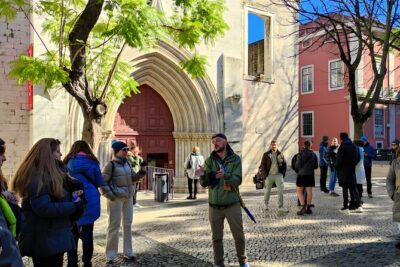

São Vicente de Fora: monastery vibes after all that viewpoint time
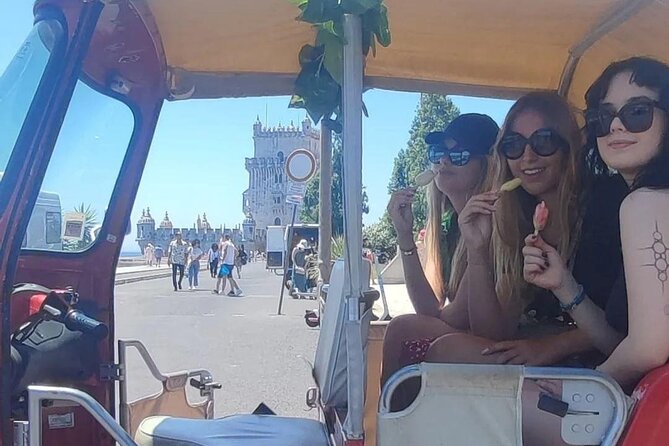
After several vantage points, the tour shifts to Mosteiro de Sao Vicente de Fora (Stop 6). This is a monastery complex with a church that began in 1582, and it reflects the medieval surroundings of Lisbon in the 16th century.
This stop is included with admission, and again, you get about 10 minutes. That short window works well because it resets your pace. Viewpoints are about looking outward. A monastery stop gives you a different kind of attention—light, stone, and the calm feeling you get when the city noise drops for a moment.
If your group is moving quickly, use the time for a quick orientation: where the main church space sits, how the complex is laid out, and any standout details you’d want to remember. Even a brief visit can help you appreciate why Lisbon’s hills feel so built-up with history, not just buildings.
National Pantheon: a meaningful stop, but budget for admission

Stop 7 is the Panteao Nacional—the National Pantheon. The purpose is to honor Portuguese citizens who distinguished themselves through public service, military service, and cultural or artistic creation, or in defense of civilization and freedom.
It’s a powerful concept, and it’s worth knowing what you’re looking at. That helps turn a quick stop into something more than a quick photo.
Here’s the practical catch: admission is not included for this stop. Your tour duration is set, so if you’re determined to go in fully, plan for both time and extra cost. If you’re more of an exterior-photo person, you still get something from the stop, since the tour includes the stop itself, just not the ticket.
Museu do Fado and an Alfama taste test of everyday life
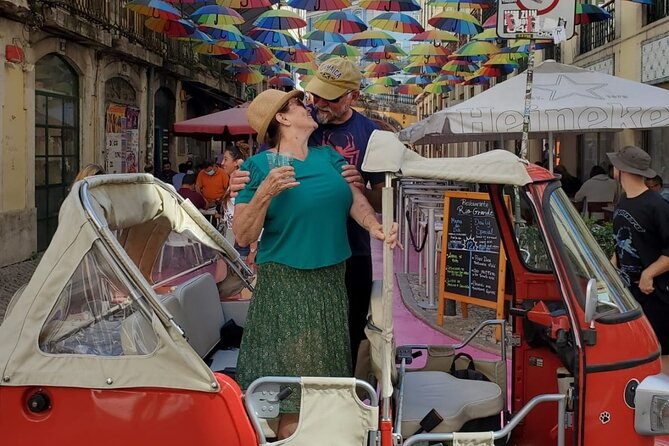
Stop 8 is the Museu do Fado. The museum opened on September 25, 1998 and is dedicated to the world of fado and the guitar. Like the cathedral, this is a “short inside visit” type of stop that fits the tour’s structure: enough time to connect the art form to Lisbon, without turning it into a half-day commitment.
The schedule also includes a brief walk inside Alfama. You’ll get a taste of the area with time to notice alleys, local restaurants, and traditional shops. This is one of the reasons I think this tour works: it’s not only viewpoints and official monuments. It nudges you into the everyday street-level atmosphere that makes Alfama feel like Alfama.
And yes, you’ll get a ginjinha test—a small taste of cherry liqueur. It’s a fun, local touch, and it’s exactly the kind of “one sip” moment that feels more real than another souvenir stop.
Practical note: if you’re sensitive to alcohol, consider pacing yourself. The tour includes the test, but you still control your comfort level.
Price and what makes this feel worth it

At $55.85 per person for about 1 hour 30 minutes, you’re paying for a guided route plus transportation in a tuktuk and included admission for many key stops. The value isn’t just the ticket price—it’s how the tour packages the logistics.
Think about what you’d otherwise do on your own:
- You’d need to plan transit or manage steep walking between miradouros.
- You’d be juggling which viewpoints connect best.
- You’d likely spend time searching for the right order to avoid backtracking.
Here, the stops are arranged so you get a logical climb through Alfama’s highlights and end with fado culture and a small neighborhood wander. That’s the real convenience win.
Also, guides matter. The feedback specifically calls out guides like Otoni and Marlon as gentle, helpful, funny, and story-driven. When a guide talks with warmth instead of lecturing, a short tour feels longer in the good way.
One more detail: you book it around 15 days in advance on average, which suggests it’s popular enough that you’ll want to lock in your preferred date, especially if you’re traveling during peak weeks.
Who should book this Alfama tuktuk tour
This is a strong fit if:
- You want a high-impact highlights route without planning a full day.
- You like viewpoints and photo stops but don’t want to do steep hill cardio nonstop.
- You want a guided narrative that ties monuments and neighborhoods together.
- You’re pairing this with other Lisbon activities and need something efficient.
It may be less ideal if:
- You want long museum time at a slow pace.
- Your group dislikes structured timing and prefers unhurried wandering.
- You’re traveling with strict “must go inside everything” priorities, since at least one major stop (National Pantheon) has admission not included and most other stops are brief.
Book or skip? My decision guide
If your goal is to get oriented fast and see Alfama’s best viewpoints plus fado culture in a single morning, I think this tour is an easy yes. It’s practical, it uses the right kind of transport for the area, and it builds in meaningful moments like Lisbon Cathedral, multiple miradouros, São Vicente de Fora, and the Museu do Fado.
If you’re the type who loves lingering for an hour in every church or museum, you’ll probably end up wishing for more time at your favorite stop. In that case, consider booking this as your orientation and then plan a return visit later.
FAQ
How long is the Alfama tour?
It’s about 1 hour 30 minutes.
What time does the tour start?
The start time listed is 9:00am.
Where does the tour begin?
The meeting point is Praça da Figueira, 1100-241 Lisboa, Portugal.
Does the tour offer pickup?
Yes, pickup is offered.
Is the tour private?
Yes. It’s private, so only your group participates.
Do I get admission tickets included for the stops?
Admission is included for Lisbon Cathedral, Miradouro de Santa Luzia, Miradouro das Portas do Sol, Miradouro da Graça, Miradouro da Senhora do Monte, Mosteiro de Sao Vicente de Fora, and Museu do Fado. National Pantheon (Panteao Nacional) admission is not included.
Is there a fado-related stop?
Yes, you’ll visit the Museu do Fado.
Is there a food or drink moment?
Yes, the tour includes a ginjinha test (cherry liqueur).
Are mobile tickets used?
Yes, the tour includes a mobile ticket.
What’s the weather requirement and cancellation rule?
The experience requires good weather. It also offers free cancellation up to 24 hours before the start time for a full refund.
More Tours in Lisbon
- Lisbon City Center Tour – The Unmissable Lisbon★ 5.0 · 22,234 reviews
- Lisbon: History, Stories and Lifestyle Walking Tour★ 4.8 · 10,902 reviews
- True 4Hour Private Tuk Tuk Tour: Discover Lisbon with a Local!★ 5.0 · 8,008 reviews
- Winner 2025 Undiscovered Lisbon Food & Wine Tour by Eating Europe★ 5.0 · 6,390 reviews
- Lisbon: Sintra, Pena, Cabo da Roca, Cascais Tour with Pickup★ 4.8 · 5,445 reviews
More Tour Reviews in Lisbon
- Lisbon City Center Tour – The Unmissable Lisbon★ 5.0 · 22,234 reviews
- Lisbon: Sintra, Pena, Regaleira, Cabo da Roca & Cascais★ 4.7 · 19,656 reviews
- Lisbon Card: 24, 48, or 72-Hour Pass★ 4.5 · 17,944 reviews
- Lisbon: Jerónimos Monastery Entrance Ticket★ 4.1 · 14,164 reviews
- Lisbon: History, Stories and Lifestyle Walking Tour★ 4.8 · 10,902 reviews
Keep Wandering Old Alfama
- Alfama Tour in Lisbon Old Town★ 5.0 · 4,936 reviews
- Private Lisbon Sightseeing Tuk-Tuk Tour: Alfama, Belém & More★ 5.0 · 4,277 reviews
- Lisbon: Hills, Alfama, and Mouraria Tour by Electric Bike★ 4.8 · 3,438 reviews
- Best of Lisbon Walking Tour: Rossio, Chiado & Alfama★ 4.9 · 2,700 reviews
- Lisbon: Baixa District Food Tour with Dinner and Drinks★ 4.9 · 1,997 reviews
Just in: fresh Lisbon reviews from the team




Alfama & Old Town Tours, compared.
 ★ 5.0Alfama Tour in Lisbon Old TownFrom $34,936 reviews
 ★ 5.0Private Lisbon Sightseeing Tuk-Tuk Tour: Alfama, Belém & MoreFrom $524,277 reviews
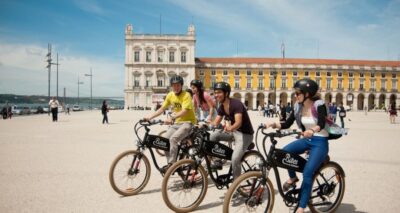 ★ 4.8Hills, Alfama, and Mouraria Tour by Electric BikeFrom $253,438 reviews
 ★ 4.9Best of Lisbon Walking Tour: Rossio, Chiado & AlfamaFrom $232,700 reviews
 ★ 4.9Baixa District Food Tour with Dinner and DrinksFrom $931,997 reviews
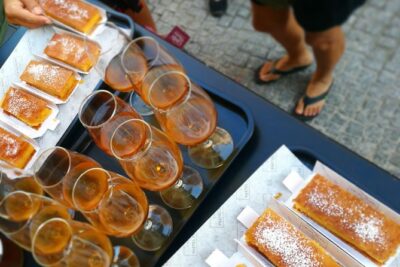 ★ 5.0Lisbon Small-Group Food Tour with 18 Tastings in Alfama DistrictFrom $1261,967 reviews
 ★ 4.5Lisbon E-Bike Tour Commerce Square, Mouraria and AlfamaFrom $301,688 reviews
 ★ 5.0Old Town TukTuk Tour and Scenic Viewpoints in AlfamaFrom $35974 reviews
Browse the lists this tour appears in