
Reviewed · FOOD
Traditional Lisbon Food Tasting Experience
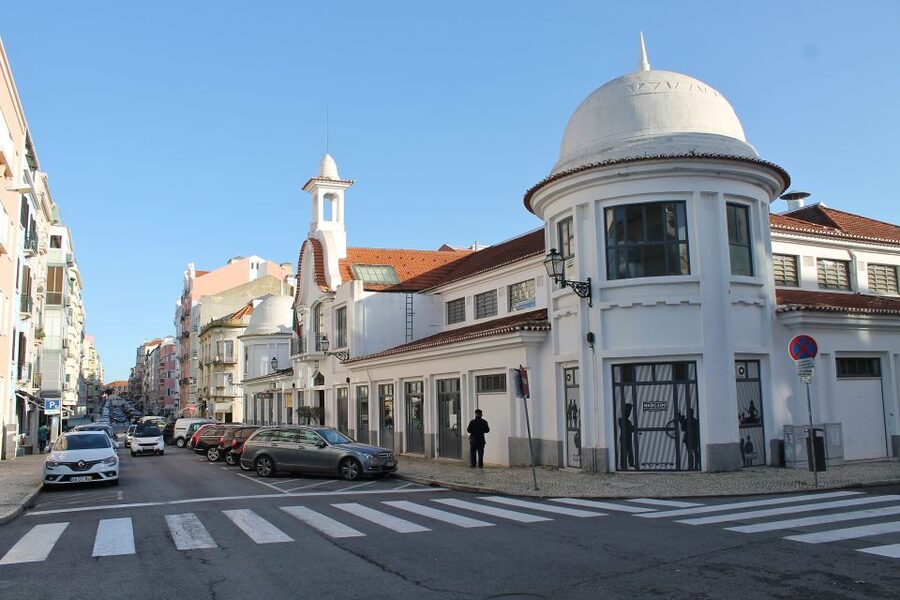
Food is the quickest way to read Lisbon. This traditional Lisbon food tasting sends you into Campo de Ourique and a restored market for an eat-first look at Portuguese culture, with storytelling by local guide João. I especially like the calm neighborhood pace and the chance to taste more “real life” food than menu-copy tourism. The main downside: don’t come expecting big sights and classic viewpoints.
You’ll sample 14 tastings across 4 stops, moving from entrees through mains and finishing with dessert. Expect comfortable walking, small pours and bites, and explanations of where the flavors come from. If you’re traveling with dietary needs, plan for the fact that a few dishes may not be available.
In This Review
- Key Highlights Worth Marking
- Campo de Ourique: Lisbon Beyond the Usual Photo Spots
- The 3-Hour Structure: 4 Stops and 14 Tastings
- Starting Outside Igreja de Santo Condestável: Set the Taste Context
- Entrees Around Campo de Ourique: Your First Bites Set the Tone
- The Fully Restored Market Stop: Where Portugal Feels Most Practical
- Dessert Finale: Pastel de Nata, Chocolate Cake, Almonds, and Ginjinha
- How to Get the Most From It: Walking Pace, Food Size, and Questions
- Price and Value: $200 for Up to 2, and What You Really Pay For
- Dietary Restrictions and Allergies: What to Expect Before You Book
- Languages, Group Size, and the Feel of the Tour
- Who Should Book This Food Tasting (and Who Might Not Love It)
- Should You Book This Traditional Lisbon Food Tasting?
- FAQ
- How long is the traditional Lisbon food tasting?
- How many dishes will I taste?
- Where do I meet, and where does the tour end?
- Is transportation or pickup included?
- Are drinks included?
- What languages are available for the live guide?
- What if I have dietary restrictions or allergies?
Key Highlights Worth Marking
- Campo de Ourique focus with a guide who actually lives there and knows the neighborhood by heart
- 14 tastings across 4 stops spread through about 3–4 hours, from entrees to dessert
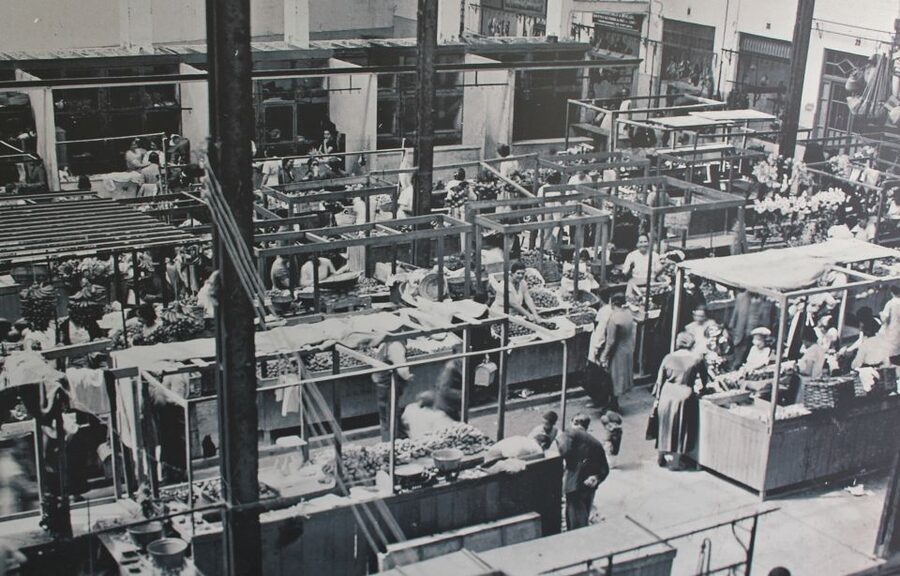
- Portuguese market experience at a fully restored, refurbished market area
- Standout savory plates including porco preto and bife de atum (tuna steak)
- Dessert finale with pastel de nata, roasted almonds, and ginjinha
- João’s background stories linking food, tradition, and Portuguese history (plus tips for your stay)
Campo de Ourique: Lisbon Beyond the Usual Photo Spots
Lisbon has a “center stage” side—tram lines, tiled facades, the same few viewpoints. This tour goes the other direction, into Campo de Ourique, a quieter neighborhood where local life still drives the rhythm. That matters because Portuguese food is tied to everyday markets, family habits, and regional ingredients—not just to famous dishes.
I like the way this experience is framed as food first. You’re not herded from one landmark to the next. Instead, your guide uses the neighborhood as a living classroom: where people shop, what’s served often, and why certain flavors became so Portuguese in the first place.
You’ll also get practical help that doesn’t feel generic. The guide is there to point you toward what to eat next (and what to skip) for the rest of your Lisbon days. Think of it as building your own food map, not just collecting photos.
Worth a look before you lock anything else in around Lisbon:
- Winner 2025 Undiscovered Lisbon Food & Wine Tour by Eating Europe
★ 5.0 · 6,390 reviews - Lisbon: Food and Wine Small Group Walking Tour
★ 4.9 · 4,082 reviews - Lisbon Small-Group Portuguese Food and Wine Tour
★ 5.0 · 3,972 reviews - Lisbon: Baixa District Food Tour with Dinner and Drinks
★ 4.9 · 1,997 reviews
The 3-Hour Structure: 4 Stops and 14 Tastings
This is built for people who want variety without committing to a full dinner marathon. The tour runs about 3 hours (sometimes listed as 3–4, depending on the departure), and it’s organized into 4 tasting stops. Across those stops, you get 14 tastings—broken up across the typical flow of Portuguese meals: entrees, main dishes, and desserts.
Here’s the practical part: 14 tastings doesn’t mean 14 giant plates. It’s more like a smart progression of bites so you can taste multiple specialties and still keep moving. You’ll likely leave satisfied rather than stuffed, which is what you want when you still have the rest of Lisbon waiting.
The tour also starts and ends in the same place, so there’s no awkward “now you’re on your own” feeling. You meet in front of Igreja de Santo Condestável, then you return there after the last stop. And you’ll walk through the neighborhood at a pace designed to keep the focus on food, not rushing.
Starting Outside Igreja de Santo Condestável: Set the Taste Context
The meeting point is in front of the Igreja de Santo Condestável church. That’s a good start because it helps you orient quickly and avoid the confusion of wandering for a group in the middle of a neighborhood.
From there, the tone turns relaxed and local. The tour avoids the mass-tourism feel and instead leads you through small streets where it’s easier to spot real food culture—shops, eateries, and the kind of everyday places you’d otherwise walk past.
A key value here is the way the guide frames what you’ll eat before you eat it. You get context on traditional dishes and their origins, including how Portuguese cuisine influenced other cultures. That historical thread isn’t heavy. It’s there to make the dishes make sense—why the ingredients, the prep, and the flavor combinations feel the way they do.
Entrees Around Campo de Ourique: Your First Bites Set the Tone
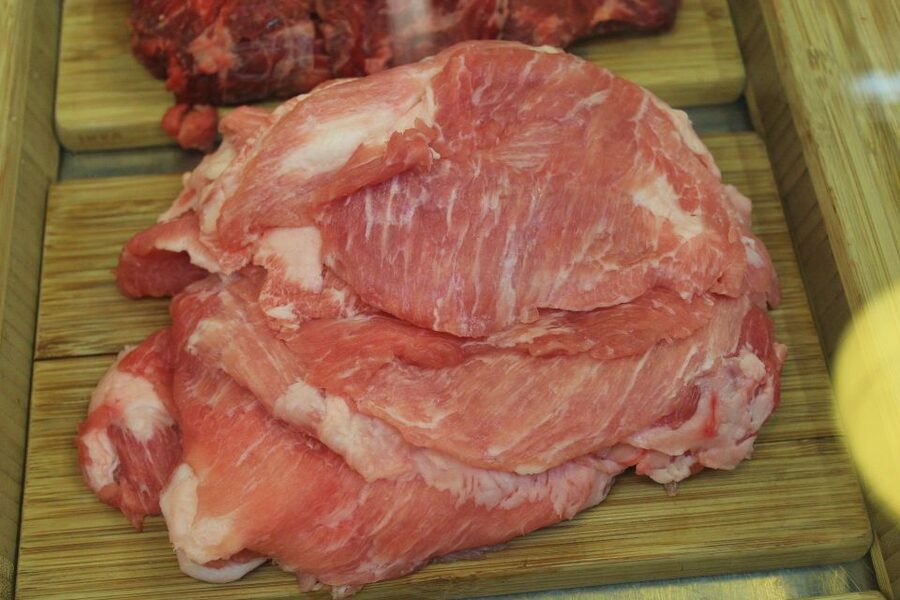
Early on, you’ll work through typical Portuguese entrees in multiple locations around Campo de Ourique. This is the part that helps you understand the “building blocks” of Portuguese dining—salty starters, savory bites, and familiar flavors that show up again later in the meal structure.
What I like about this section is that it’s not trying to impress you with rare ingredients. It’s designed to show you the classics—things you can recognize later when you order on your own. You’ll also get explanations of curious flavors and traditions, plus info on how the food is produced.
One consideration: if you’re the type who wants one perfect dish at a time, tasting tours can feel like a buffet of questions and bites. The upside is you learn faster. The downside is you’ll need to be okay with switching gears often and walking while eating.
Worth a look before you lock anything else in around Lisbon:
The Fully Restored Market Stop: Where Portugal Feels Most Practical
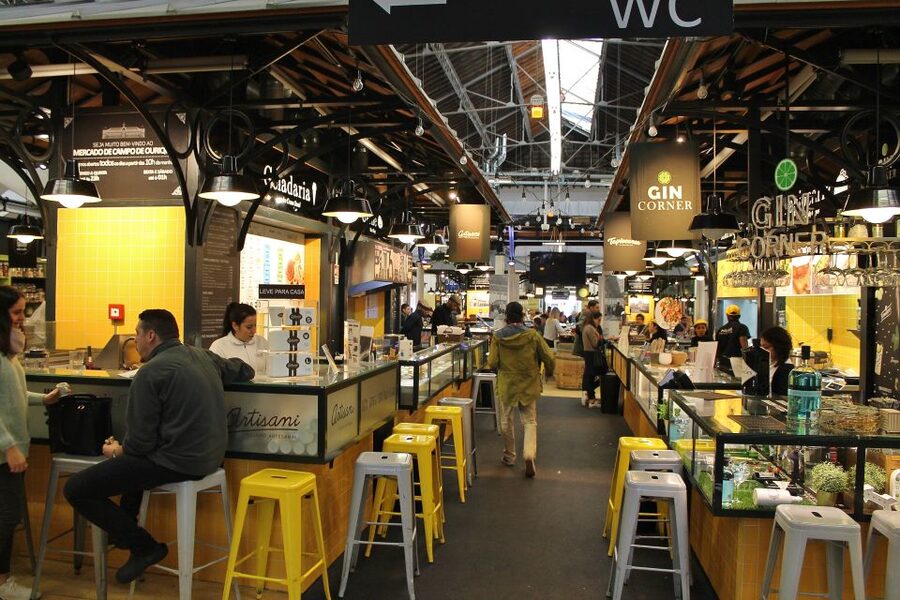
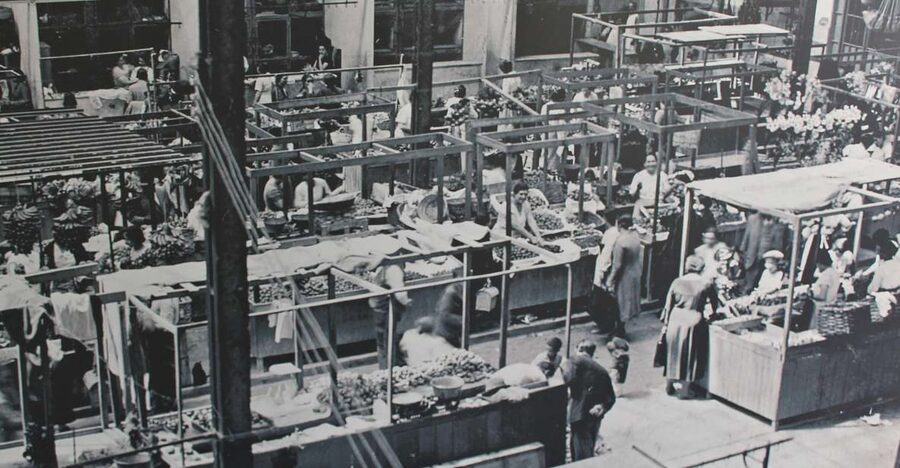
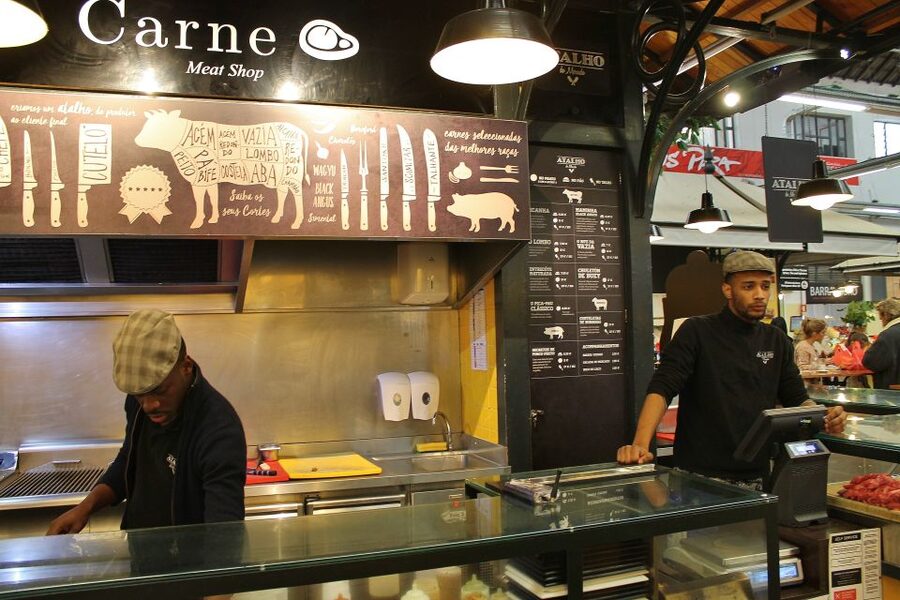
Next comes the market portion. The tour takes you to a local, completely refurbished market—and this is where the experience shifts from neighborhood browsing to a more “refined” set of tastings.
Markets in Portugal aren’t just places to buy things. They’re community food engines. People come for ingredients, chat, and grab lunch. So when the tour uses a refurbished market space, it’s giving you a modern version of a very old idea: food as daily culture.
At this stage, you’ll taste highlights that really define Portuguese cuisine for many visitors:
- Porco preto (Iberian black pork), a standout pork choice known for its distinct character
- Bife de atum (grilled tuna steak), bringing that classic Portuguese seafood-meets-grill feel
You’ll also taste other dishes along the way, with the guide connecting each one to tradition and origin. That’s the difference between simply eating and actually understanding what you’re eating.
Drawback to keep in mind: markets can be lively and busy in general life. This tour is set up for calm pacing, but you should still wear comfortable shoes and expect close quarters during tastings.
Dessert Finale: Pastel de Nata, Chocolate Cake, Almonds, and Ginjinha
If the tour has a “finish line,” it’s dessert. And this one is serious about ending on something memorable.
You’ll taste:
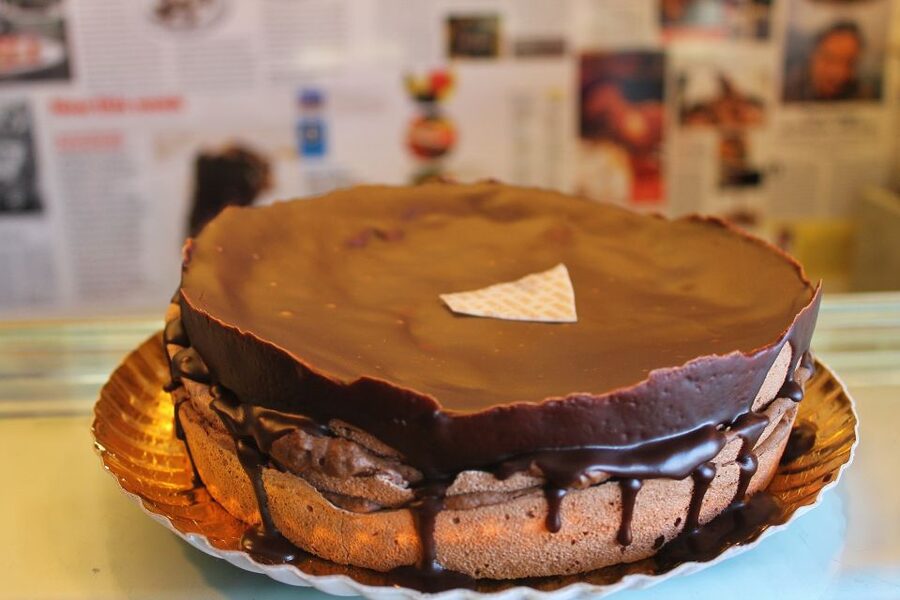
- The best chocolate cake in the world (as described)
- Pastel de nata, highlighted for winning an international contest
- Roasted almonds
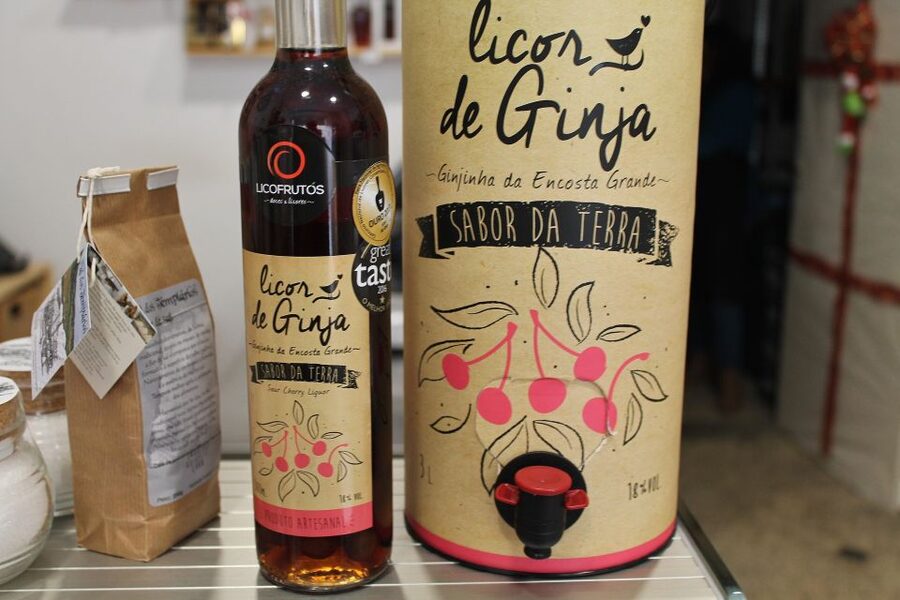
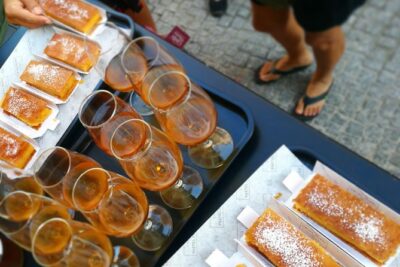
- A final sip-taste of ginjinha (cherry liqueur), noted as a winner of the international 2016 Great Taste Award
This dessert run works because it balances textures and flavors. You go from rich cake to creamy custard in pastel de nata, then to the crunch of roasted almonds, and finally to the tangy cherry finish of ginjinha. It’s a smooth sequence that helps the meal feel complete.
Also, notice what’s missing: no awkward “mystery sweet” that doesn’t feel Portuguese. Everything here points back to Portugal’s bakery and liqueur culture. If you want a sweet souvenir that isn’t only a pastry box, this is the logic.
How to Get the Most From It: Walking Pace, Food Size, and Questions
Because you’re tasting 14 dishes in 3–4 hours, you’ll want to plan like a foodie, not like a sightseeing tourist with a full timeline. Here are the things that will help the experience land well:
- Wear comfortable shoes. This is neighborhood walking with multiple stops.
- Bring sunscreen if you’re visiting in warmer months. You’re outside for a good chunk of the tour.
- Ask questions while you still have the dish in front of you. The guide’s job is to connect flavors to culture, and it’s easiest to learn when the taste is fresh.
You also have a big advantage here: it’s a private group (with pricing for up to 2 people). That usually means less “follow the crowd” stress and more room for your own pace—helpful if you’re a slow eater or if you want extra explanation.
And yes, the activity notes skip the ticket line, which generally means fewer delays during the experience. You’ll still be moving and tasting, but the timing should stay tight.
Price and Value: $200 for Up to 2, and What You Really Pay For
At $200 per group up to 2, this isn’t a budget “grab-and-go” option. But it also isn’t priced like a full private restaurant tour with set menus. The value comes from three things working together:
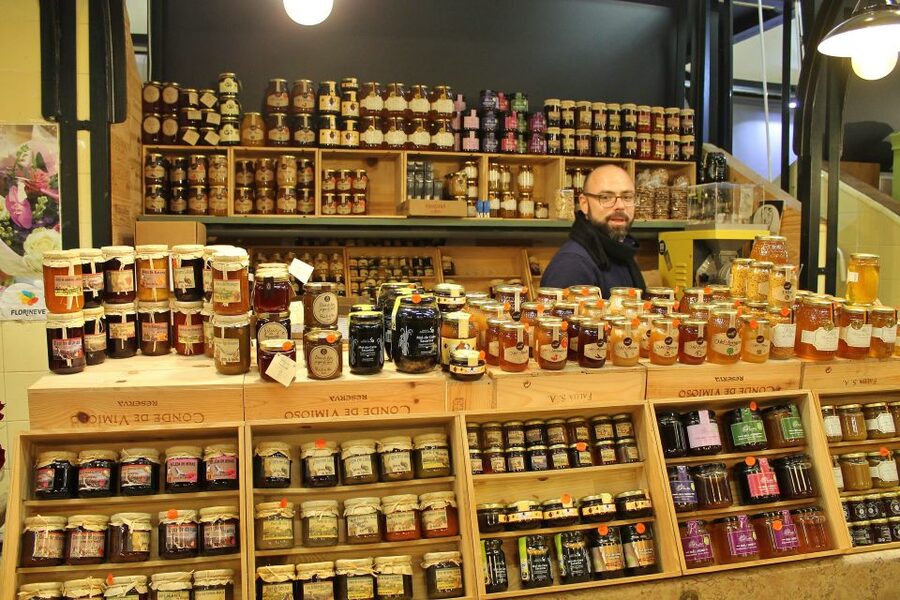
- 14 tastings across 4 stops. You’re not just paying for a single meal. You’re sampling a full mini journey through Portuguese flavors.
- A local guide in Campo de Ourique (João), with food and culture context baked in. That’s often the missing ingredient on self-guided food days.
- Market + neighborhood structure. You get both everyday local vibes and a more curated market tasting flow.
If you’re a couple, or two friends, this can be a very efficient way to eat well and learn quickly without building an itinerary from scratch. If you’re traveling solo, the per-group pricing means you should check whether the private format fits your budget.
Dietary Restrictions and Allergies: What to Expect Before You Book
The tour is built for traditional Portuguese dishes, so it isn’t automatically a fully customized menu. The key heads-up is that if you have dietary restrictions (Kosher, Halal, Vegetarian, etc.), there will be a few dishes you won’t be able to taste.
Same goes for allergies. You should advise the provider ahead of time so the guide can steer you appropriately. This matters because tasting tours are about sequence. If you’re avoiding certain foods, you’ll want a plan for what’s substituted (or what you’ll skip).
If you’re flexible and can handle a few missing bites, it’s still a great way to sample widely. If your restrictions are strict, you’ll want to confirm options before you commit.
Languages, Group Size, and the Feel of the Tour
The guide can conduct the tour in Spanish, English, Portuguese, or German. For most travelers, that’s a comfort factor: you won’t be stuck guessing what you’re eating or why it matters.
As for group size, this is a private group, which usually makes the experience more conversational. You get a guide who can answer your Lisbon food questions without speaking over a big crowd. That’s part of why people walk away feeling looked after and connected to the neighborhood instead of processed through a script.
Who Should Book This Food Tasting (and Who Might Not Love It)
Book it if you:
- Love Portuguese food and want a structured tasting plan
- Want to see Campo de Ourique instead of only the usual tourist corridors
- Enjoy learning how food connects to culture and history, in a practical way
- Prefer private or small-group attention over crowded tours
You might skip it if you:
- Want a classic sightseeing-heavy day with major monuments
- Are trying to avoid walking and want a sit-down-only meal format
- Have strict dietary needs and want a fully catered menu (this tour notes some dishes can’t be tasted)
Should You Book This Traditional Lisbon Food Tasting?
I think this is a smart booking when your priorities are taste, local context, and a calm neighborhood route. The combination of 14 tastings, a refurbished market, and a neighborhood guide like João makes it feel more like a guided food day than a checklist tour.
If you’re on a short Lisbon trip and you want to get your bearings fast with food choices, this helps you understand what to order later. If you come expecting lots of viewpoints, you’ll feel disappointed. But if you’re hungry for traditional Portuguese flavors and the stories behind them, this tour is exactly the kind of experience that makes Lisbon stick.
FAQ
How long is the traditional Lisbon food tasting?
It runs about 3 hours, with some start times varying by availability. The experience is described as 3–4 hours depending on the schedule.
How many dishes will I taste?
You’ll taste 14 different dishes total across 4 tasting stops, including entrees, main dishes, and desserts.
Where do I meet, and where does the tour end?
You meet in front of the entrance of the Igreja de Santo Condestável church, and the tour ends back at the same meeting point.
Is transportation or pickup included?
No. Transportation plus pickup are not included.
Are drinks included?
Drinks (alcoholic or non-alcoholic) are not included, though the tasting includes specific items like ginjinha as part of the food experience.
What languages are available for the live guide?
The live tour guide can speak Spanish, English, Portuguese, and German.
What if I have dietary restrictions or allergies?
If you have dietary restrictions (Kosher, Halal, Vegetarian, etc.), there will be a few dishes you won’t be able to taste. You should also advise the provider about allergies so the guide can account for them.
More Food in Lisbon
- Winner 2025 Undiscovered Lisbon Food & Wine Tour by Eating Europe★ 5.0 · 6,390 reviews
- Lisbon: Food and Wine Small Group Walking Tour★ 4.9 · 4,082 reviews
- Lisbon Small-Group Portuguese Food and Wine Tour★ 5.0 · 3,972 reviews
- Lisbon: Baixa District Food Tour with Dinner and Drinks★ 4.9 · 1,997 reviews
- Lisbon Small-Group Food Tour with 18 Tastings in Alfama District★ 5.0 · 1,967 reviews
More Food & Drink in Lisbon
- Winner 2025 Undiscovered Lisbon Food & Wine Tour by Eating Europe★ 5.0 · 6,390 reviews
- Lisbon: Food and Wine Small Group Walking Tour★ 4.9 · 4,082 reviews
- Lisbon Small-Group Portuguese Food and Wine Tour★ 5.0 · 3,972 reviews
- Lisbon: Baixa District Food Tour with Dinner and Drinks★ 4.9 · 1,997 reviews
- Lisbon Small-Group Food Tour with 18 Tastings in Alfama District★ 5.0 · 1,967 reviews
More Tour Reviews in Lisbon
- Lisbon City Center Tour – The Unmissable Lisbon★ 5.0 · 22,234 reviews
- Lisbon: Sintra, Pena, Regaleira, Cabo da Roca & Cascais★ 4.7 · 19,656 reviews
- Lisbon Card: 24, 48, or 72-Hour Pass★ 4.5 · 17,944 reviews
- Lisbon: Jerónimos Monastery Entrance Ticket★ 4.1 · 14,164 reviews
- Lisbon: History, Stories and Lifestyle Walking Tour★ 4.8 · 10,902 reviews
Just in: fresh Lisbon reviews from the team





Food, compared.
 ★ 5.0Winner 2025 Undiscovered Lisbon Food & Wine Tour by Eating EuropeFrom $1256,390 reviews
 ★ 4.9Food and Wine Small Group Walking TourFrom $724,082 reviews
 ★ 5.0Lisbon Small-Group Portuguese Food and Wine TourFrom $763,972 reviews
 ★ 4.9Baixa District Food Tour with Dinner and DrinksFrom $931,997 reviews
 ★ 5.0Lisbon Small-Group Food Tour with 18 Tastings in Alfama DistrictFrom $1261,967 reviews
 ★ 5.0Devour Lisbon: The Ultimate Portuguese Food TourFrom $951,782 reviews
 ★ 5.0Lisbon Food Tour with 10+ Tastings of Local Delicacies & WinesFrom $971,339 reviews
 ★ 5.0Award-Winning Original Lisbon Food Wine Tour: 19 Curated TastingsFrom $1371,288 reviews
Browse the lists this tour appears in