
Reviewed · LISBON BIKE & E-BIKE TOURS
The Heart of Lisbon by Electric Bike
Lisbon maps? You get one on two wheels. I love the included electric bike and helmet, and I love how the route strings together Alfama, Roman-port ruins at Campo das Cebolas, and the 1755 tsunami story at Praca do Comercio. The main catch: you should already be comfortable riding a bicycle and keep a moderate fitness pace.
This 3-hour tour is built for lots of short stops, not long stretches. I also like the mix of city squares and viewpoints, including Miradouro Da Senhora Do Monte, plus a final push to other lookout points. The group stays small (max 12), which makes it easier for the guide to keep things moving and answer questions.
You’ll finish back where you started, with fresh ideas for lunch or snacks around spots like Time Out Market and Praça dos Restauradores. Expect a morning that feels like a guided “what to see first” checklist—without treating Lisbon like a museum room.
In This Review
- Key things I’d circle before you book
- Why an electric bike morning is such a smart way to start Lisbon
- Alfama plus Campo das Cebolas: starting in Lisbon’s oldest streets
- Praca do Comercio and the 1755 tsunami story you can actually picture
- Rossio, Praca Dom Pedro IV, and Praça dos Restauradores: squares that shape your day
- Santa Justa Elevator: the symbol stop, kept short and useful
- Miradouros: Senhora do Monte and Graça views that make the ride worth it
- Feira da Ladra and the Tagus River viewpoint you can time your way into
- Where food fits in: Time Out Market and local suggestions
- Price and what you’re really paying for (and why it still feels fair)
- Who this tour fits best (and who should skip it)
- Practical planning: how to get the most out of your 3 hours
- Should you book The Heart of Lisbon by Electric Bike?
- FAQ
- How long is the Heart of Lisbon by Electric Bike tour?
- What is the price per person?
- What time does the tour start?
- Where is the meeting point?
- Is the tour offered in English?
- What’s included with the tour?
- Do I need to know how to ride a bicycle?
- What fitness level do I need?
- Are bottled water or snacks included?
- What happens if the weather is poor?
Key things I’d circle before you book
- Electric bike + helmet included, so you can focus on sights instead of effort.
- A compact 3-hour route that links old neighborhoods, big squares, and major viewpoints.
- Clear Lisbon stories tied to real places, from Roman ruins to the 1755 tsunami aftermath.
- Top guides in the mix, with strong English and extra restaurant tips showing up again and again.
- Small group size (max 12), which usually means smoother pacing and more personal help.
- No hill-climbing stress, with reports that the ride is mostly flat for the experience level.
Why an electric bike morning is such a smart way to start Lisbon
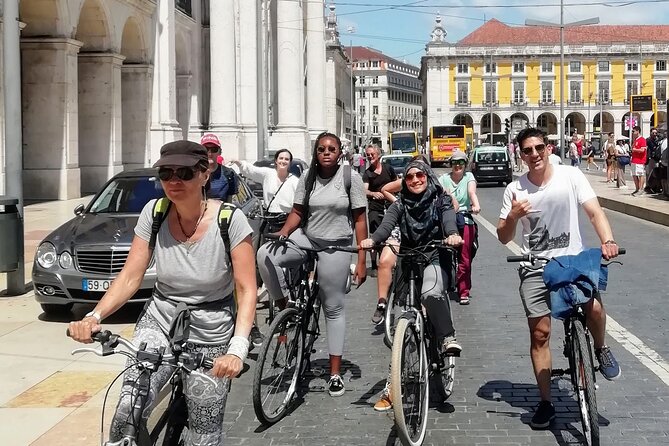
Lisbon can be gorgeous and annoying in the same hour. Steep streets, sudden stairs, and long walks add up fast—especially on a first day when you still don’t know the grid. This tour uses an electric bike, which keeps the ride more about orientation and atmosphere than grinding uphill.
I also like the “stop and look” style. You’re not just zooming past landmarks; you’re pausing in the exact places where Lisbon’s story makes sense. That means you can actually connect what you’re seeing—squares, churches, viewpoints—to what the guide is explaining in plain terms.
And you get a helmet. It sounds basic, but it’s one of those details that makes the whole thing feel more responsible and less like a casual joyride.
Seven hills on two wheels, a few more routes
- Lisbon: Hills, Alfama, and Mouraria Tour by Electric Bike
★ 4.8 · 3,438 reviews - Lisbon E-Bike Tour Commerce Square, Mouraria and Alfama
★ 4.5 · 1,688 reviews - Lisbon: 7 Hills Half-Day Electric Bike Tour
★ 4.9 · 1,592 reviews - Lisbon: City Highlights and Viewpoints E-Bike Tour
★ 4.9 · 1,556 reviews
Alfama plus Campo das Cebolas: starting in Lisbon’s oldest streets
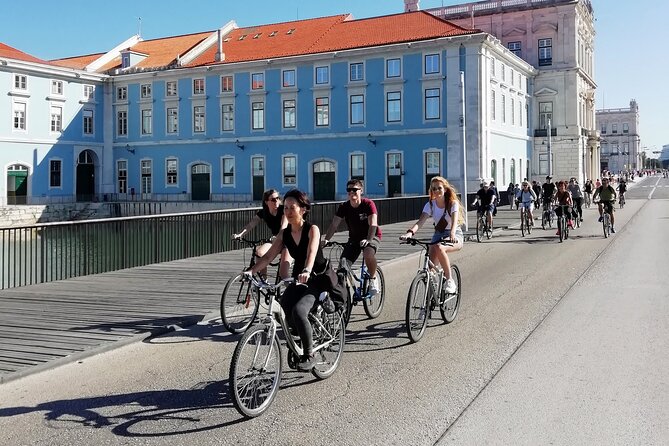
The tour begins in Alfama, Lisbon’s oldest and most traditional neighborhood. Starting here matters because it’s a reminder that Lisbon didn’t grow in one neat plan. You’ll get a feel for how the city’s character changes as you move from older, winding areas toward the more formal downtown layouts.
From there, you cycle to Campo das Cebolas, where you can see part of the ruins tied to the ancient Roman port. This isn’t a generic lecture about Rome. It’s pointed at a specific location, so the idea is easier to hold: Lisbon sat at an important crossroads long before modern Portugal ever existed.
What to watch for: Roman Lisbon doesn’t feel like a separate “chapter.” It’s layered under newer streets and buildings. Even with short time at each stop, you can start noticing how the city keeps reusing key geography.
Possible downside: Alfama’s streets can be visually tight and active. If you’re the type who gets tense in crowded lanes, just take a breath—then trust the guide to control the pace.
Praca do Comercio and the 1755 tsunami story you can actually picture
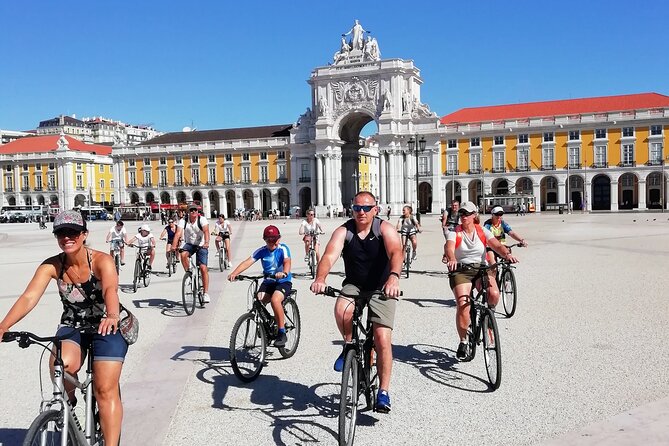
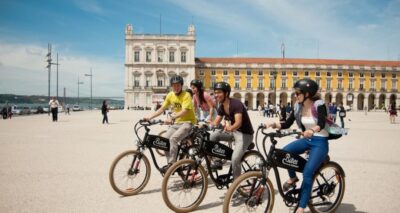
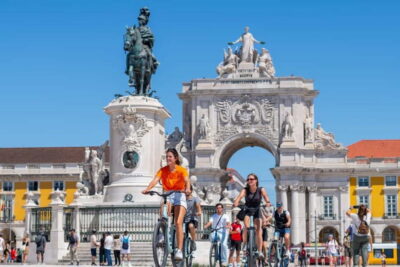
Next comes Praca do Comercio, the monumental square facing the Tagus River. This is Lisbon at full scale—the gateway vibe, the big-open space, the feeling that you’re looking at the city’s main stage.
The standout here is the explanation of how the devastating tsunami of 1755 happened, and what followed socially and architecturally. It’s not the kind of story that stays abstract. By grounding it in the square that was tied to the city’s access and movement, the tour helps you connect disaster to real rebuilding choices you can still sense today.
Why it’s valuable: Lisbon is full of impressive buildings, but those structures didn’t appear by magic. When you understand the shock and the response, the city feels more human—and the architecture starts to make more sense.
You’ll also be perfectly positioned for photos and for understanding why the Tagus matters. It’s one of those “look up and look around” moments, even if you’re only stopped for about 20 minutes.
Rossio, Praca Dom Pedro IV, and Praça dos Restauradores: squares that shape your day
After cycling through downtown for around 10 minutes, you reach Praca Dom Pedro IV and the Rossio area. This is one of Lisbon’s key hubs: the National Theater, Lisbon’s first major train station, and the São Domingos Church sit in this same zone of everyday life and landmark power.
What I like about this part is how it blends grandeur with street-level energy. You’re seeing major civic buildings, but you’re also getting a sense of how commerce and culture sit next to each other.
Then it’s on to Praça dos Restauradores, with a monument centered to remember Portugal’s restoration of independence in 1640. The guide explains why Portugal lost independence for 60 years, and that timeline connects neatly to Lisbon’s long habit of political and architectural change.
The food-idea factor: This is also where the tour naturally feeds into eating plans. You’ll get recommendations for meals and a sense of where to spend your next free hour, including pointers toward Time Out Market and the area around Praça dos Restauradores.
Small consideration: Since the stops are designed to pack in a lot, you won’t get a long sit-down moment. If you want slow travel, plan to use Lisbon’s cafés as your pace-break after the ride.
Worth a look before you lock anything else in around Lisbon:
Santa Justa Elevator: the symbol stop, kept short and useful
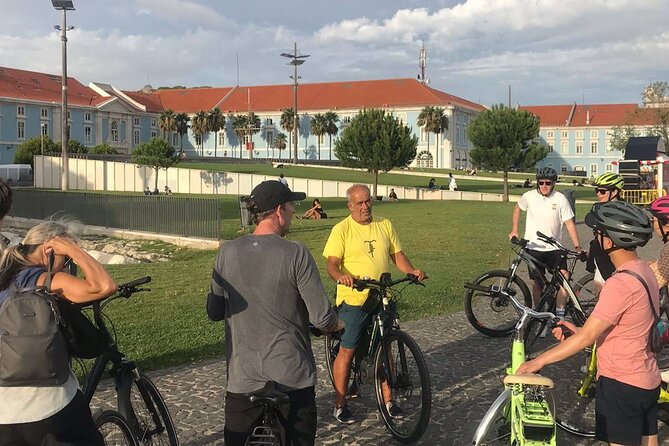
You’ll pause at the Elevador de Santa Justa, built over 100 years ago and one of Lisbon’s most recognizable symbols. The tour doesn’t try to turn it into a long line mission. Instead, you get a brief explanation of why it exists and why it mattered.
This is a smart approach for first-timers. You learn what the elevator represents before you decide whether you want to go inside or revisit later with more time.
Tip for your photo plan: Even if you’re not going upstairs, the exterior views and the sense of the structure stepping through the city are worth the stop. This is also a good moment to regroup because you’ve been moving continuously.
Miradouros: Senhora do Monte and Graça views that make the ride worth it
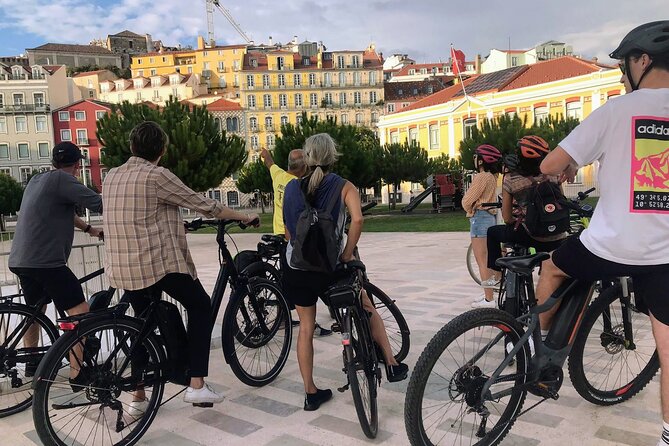
Lisbon’s viewpoints are where the city turns from pretty to unforgettable. This tour hits two of the best angles with realistic time blocks.
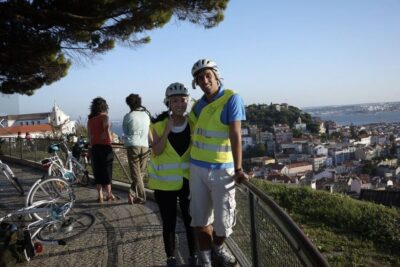
First, you reach Miradouro Da Senhora Do Monte, described as the highest point in old Lisbon. You’re there for about 20 minutes, with an extraordinary view over the entire city. Even if you’ve already seen Lisbon photos online, seeing the sweep in person tends to do something to your brain—like, okay, now I get why everyone chases rooftops here.
Next comes Miradouro da Graça, next to the Church and Convent of Graça, with views over São Jorge Castle. There’s also an option to visit the church while you’re in the area, with about 30 minutes allocated for this stop.
Why these viewpoint stops work on an e-bike tour: You’re not hiking for your view. You’re cycling to it, absorbing the context, and then having the chance to look long enough to actually read the city from above.
Possible drawback: Viewpoints can be windy and bright. If you’re the type who gets cold easily in open-air spots, bring a light layer even in mild weather.
Feira da Ladra and the Tagus River viewpoint you can time your way into
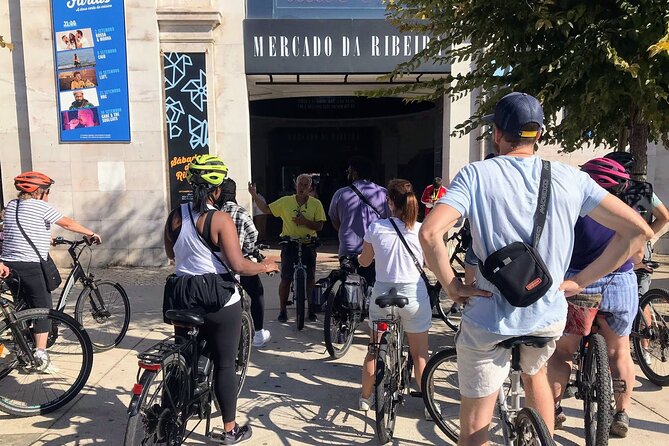
The final sightseeing push includes Feira Da Ladra (Campo de Santa Clara). This is where Lisbon’s most famous street market takes place on Tuesdays and Saturdays, and the stop also gives you a fantastic view over the Tagus River.
You’ll also see landmarks up close, including the Monastery of São Vicente and the National Pantanal (as described for the stop area). The point isn’t to turn this into a shopping sprint. It’s to end with an energetic, local-feeling location paired with serious sightlines.
A practical note: Since you’re out for views and walking a bit around the area, this is where your shoes matter more than your fashion sense. Comfortable footwear wins.
Where food fits in: Time Out Market and local suggestions
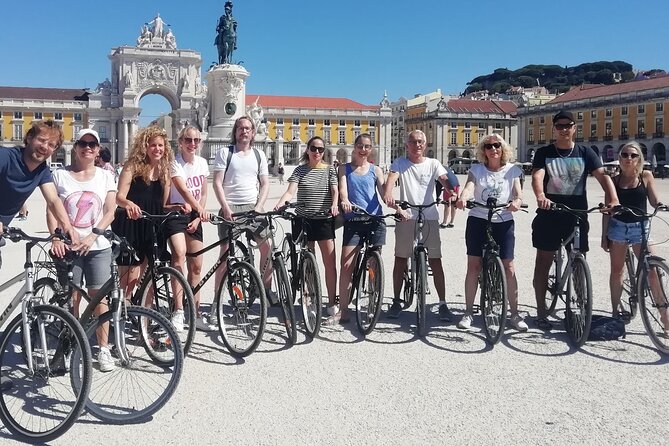
This tour doesn’t include bottled water or snacks, so plan ahead if you get snacky. That said, the structure is designed so you can grab bites or drinks around the squares as you go, and the guides are known for sharing restaurant ideas.
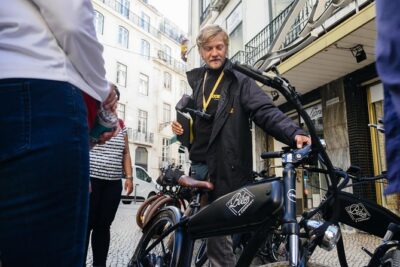
In the feedback, guides like André and Rodrigo show up specifically for restaurant and what-to-do advice beyond the standard script. That’s useful because Lisbon has a lot of food options, and having a local-sounding plan saves you from wandering hungry with a half-working map.
I’d treat the food angle like this: use the ride to set your bearings, then use your first post-tour meal to start your Lisbon routine.
Price and what you’re really paying for (and why it still feels fair)
At $28.83 per person, this tour is one of those “you buy time and guidance” deals. For the price, you get an electric bike and a helmet included. You’re also stopping at multiple major landmarks without paying for entrance tickets at each scheduled stop—many of the stops list admission ticket as free.
You’re also paying for something harder to measure: a guide who can connect what you see to what it means. The tsunami story at Praca do Comercio and the Roman-port ruins at Campo das Cebolas aren’t just trivia stops. They turn landmark photos into understanding.
Also, the group size cap of 12 matters. Bigger groups often turn into a line you follow. Here, the smaller size helps keep the pace friendly, especially on a route with lots of brief look-and-learn moments.
Who this tour fits best (and who should skip it)
This is best for active people who want history, architecture, and food ideas in a short morning window. The ride is designed for moderate physical fitness, and everyone must know how to drive a bicycle.
It’s also a strong match if you want a first-day orientation. The route covers old Lisbon and then swings into the downtown squares and viewpoints that define your later plans.
Skip it if: you’re a brand-new bike rider who isn’t confident in traffic-like situations, or if you know you’ll struggle with any kind of sustained cycling. The tour is paced for movement between stops, so hesitation can slow the whole group.
Families should note the age guidance: kids 0 to 4 can participate with baby seats on the bike, but kids 5 to 12 can’t take part on this tour. Kids also need to be able to fit the tour’s requirements safely.
Practical planning: how to get the most out of your 3 hours
Start with clothing that handles sun and wind, especially around viewpoints. Wear comfortable shoes for the short walk sections near viewpoints and market areas.
Bring your own water and a small snack if you tend to feel low energy mid-morning. The tour includes a helmet and the bike, but bottled water and snacks are not included.
Finally, treat the ride like a “choose your next moves” session. You’ll pass by major squares and viewpoints, and you’ll collect meal ideas around Praça dos Restauradores and Time Out Market. Plan to turn those suggestions into your first real Lisbon meal after the tour ends.
Should you book The Heart of Lisbon by Electric Bike?
Yes, if you want a fast, high-signal first taste of Lisbon. The electric bike setup makes the tour feel doable, while the stop choices give you a real sense of how Lisbon developed—from Alfama through Roman layers, the 1755 tsunami aftermath, and iconic squares and miradouros.
I’d book it if you like guided context, want photo-worthy viewpoints without a long hike, and appreciate a guide who also shares restaurant ideas. It’s also a solid pick when you’re short on time and want to cover a lot of ground in one morning.
I’d pass if you’re not comfortable riding a bicycle or you’d rather spend your morning at one place deeply instead of seeing many in sequence. For everyone else, it’s a smart, friendly way to get your bearings fast—then enjoy the rest of your Lisbon day on your own terms.
FAQ
How long is the Heart of Lisbon by Electric Bike tour?
It’s about 3 hours.
What is the price per person?
The price is $28.83 per person.
What time does the tour start?
It starts at 10:00 am.
Where is the meeting point?
The meeting point is Rua dos Caminhos de Ferro 62, 1100-108 Lisboa, Portugal.
Is the tour offered in English?
Yes, it’s offered in English.
What’s included with the tour?
The electric bike and a helmet are included.
Do I need to know how to ride a bicycle?
Yes. All participants must know how to drive a bicycle.
What fitness level do I need?
Travelers should have a moderate physical fitness level.
Are bottled water or snacks included?
No. Bottled water and snacks are not included.
What happens if the weather is poor?
If it’s canceled due to poor weather, you’ll be offered a different date or a full refund.
More Cycling Tours in Lisbon
- Lisbon: Hills, Alfama, and Mouraria Tour by Electric Bike★ 4.8 · 3,438 reviews
- Lisbon E-Bike Tour Commerce Square, Mouraria and Alfama★ 4.5 · 1,688 reviews
- Lisbon: 7 Hills Half-Day Electric Bike Tour★ 4.9 · 1,592 reviews
- Lisbon: City Highlights and Viewpoints E-Bike Tour★ 4.9 · 1,556 reviews
- Lisbon: 3-Hour Tour by E-Bike★ 4.8 · 1,150 reviews
More Tour Reviews in Lisbon
- Lisbon City Center Tour – The Unmissable Lisbon★ 5.0 · 22,234 reviews
- Lisbon: Sintra, Pena, Regaleira, Cabo da Roca & Cascais★ 4.7 · 19,656 reviews
- Lisbon Card: 24, 48, or 72-Hour Pass★ 4.5 · 17,944 reviews
- Lisbon: Jerónimos Monastery Entrance Ticket★ 4.1 · 14,164 reviews
- Lisbon: History, Stories and Lifestyle Walking Tour★ 4.8 · 10,902 reviews
The Seven Hills on Two Wheels
- Lisbon: Hills, Alfama, and Mouraria Tour by Electric Bike★ 4.8 · 3,438 reviews
- Lisbon E-Bike Tour Commerce Square, Mouraria and Alfama★ 4.5 · 1,688 reviews
- Lisbon: 7 Hills Half-Day Electric Bike Tour★ 4.9 · 1,592 reviews
- Lisbon: City Highlights and Viewpoints E-Bike Tour★ 4.9 · 1,556 reviews
- Lisbon: 3-Hour Tour by E-Bike★ 4.8 · 1,150 reviews
Just in: fresh Lisbon reviews from the team




Lisbon Bike & E-Bike Tours, compared.
 ★ 4.8Hills, Alfama, and Mouraria Tour by Electric BikeFrom $253,438 reviews
 ★ 4.5Lisbon E-Bike Tour Commerce Square, Mouraria and AlfamaFrom $301,688 reviews
 ★ 4.97 Hills Half-Day Electric Bike TourFrom $271,592 reviews
 ★ 4.9City Highlights and Viewpoints E-Bike TourFrom $291,556 reviews
 ★ 4.83-Hour Tour by E-BikeFrom $471,150 reviews
 ★ 4.9From Lisbon: Atlantic Coast Guided Quad Bike TourFrom $152864 reviews
 ★ 5.03-Hour Lisbon 7 Hills Electric Bike TourFrom $32818 reviews
 ★ 4.7Bike Tour from Lisbon to Belém + Liquor & PastryFrom $46688 reviews
Browse the lists this tour appears in