
Reviewed · HISTORICAL TOURS
Queer Lisbon – A Treasure Hunt in LGBT History
Lisbon has a second storyline if you know where to look. This Queer Lisbon tour turns streets in Príncipe Real into a guided treasure hunt through LGBT history, from memorials and court cases to clubs, drag bars, and the institutions that shaped nightlife. It’s small-group, laid-back, and built for people who want more than postcards.
Two things I really like: you get short, focused stops (so you’re learning without getting bored), and you finish somewhere you can actually continue the conversation—Late Birds, a major gay hotel with a lounge/ bar/ garden/ pool vibe. One possible drawback: it’s still a walking tour, with a moderate fitness level needed, and it runs about 3.5 hours—so plan your energy and comfy shoes.
In This Review
- Key highlights worth planning around
- A 3.5-Hour Treasure Hunt Through LGBT Lisbon
- Starting in Príncipe Real Playground, Then Getting Oriented Fast
- Stop-by-Stop: Jardim do Príncipe Real to the Homophobia Memorial
- GAT Checkpoint LX to Trumps: Health, Cruising, and the Club Scene
- Bars, Drag, and Bear Pride: From First Lesbian Bars to Drag Queens
- Constitutional Court to Manifestos: The Legal Side of Love
- From Two Fernandes to “Sex in Church”: Big Scandals, Big Risk
- Teatro da Trindade to Hospital St. Louis: Josephine Baker, Censorship, and Pessoa
- Late Birds Hotel: The Social Finish That Makes the Tour Stick
- Price and Value: Why $60.34 Works for This Format
- Who Should Book This Queer Lisbon Tour
- Should You Book Queer Lisbon: A Treasure Hunt in LGBT History?
- FAQ
- How long is the Queer Lisbon tour?
- What language is the tour offered in?
- Where do I meet and where does the tour end?
- How much does it cost?
- What’s included in the tour price?
- Is there anything to know about age or drinking?
Key highlights worth planning around
- Small group (up to 15) with time for questions and a friendly pace
- Alex’s storytelling links queer life in Lisbon to Portugal’s bigger political and legal changes
- A PDF guide included (Alex’s LONG LIST) with LGBTQ Lisbon recommendations for after the tour
- Free entry stops that keep the focus on the people and places, not ticket hassles
- Nightlife relevance: dance venues, drag history, and bear culture show up in the walk, not just at the end
- End at Late Birds Hotel where you can have a drink and join a pub-quiz with prizes
A 3.5-Hour Treasure Hunt Through LGBT Lisbon
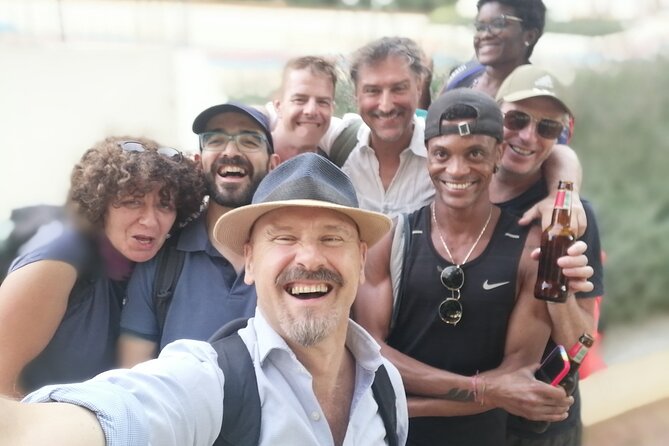
This isn’t a “look at the monument, move on” kind of tour. It’s more like a walking storybook where each stop has a job: explain a chapter of queer history, then point you to where the city went next. You get a mix of serious moments and club-night context, all connected by Lisbon’s streets.
The time also feels right. At about 3 hours 30 minutes, you cover a lot of ground, but each location is kept short—most stops are around 6 minutes, with one longer Church history stop. You’re constantly moving, yet you’re not rushed.
And yes, the ending matters. You don’t just get dropped off at a random viewpoint. You finish at Late Birds Hotel (Lisbon’s largest gay hotel), where you can keep hanging out.
Worth a look before you lock anything else in around Lisbon:
- Lisbon: History, Stories and Lifestyle Walking Tour
★ 4.8 · 10,902 reviews - Lisbon: Daytime or Sunset Boat Cruise with History and Wine
★ 5.0 · 1,053 reviews - Explore Lisbon by Tuk Tuk: History and Viewpoints
★ 5.0 · 840 reviews - Private Tuk Tuk Tour Through Lisbon’s Historical Streets
★ 5.0 · 734 reviews
Starting in Príncipe Real Playground, Then Getting Oriented Fast
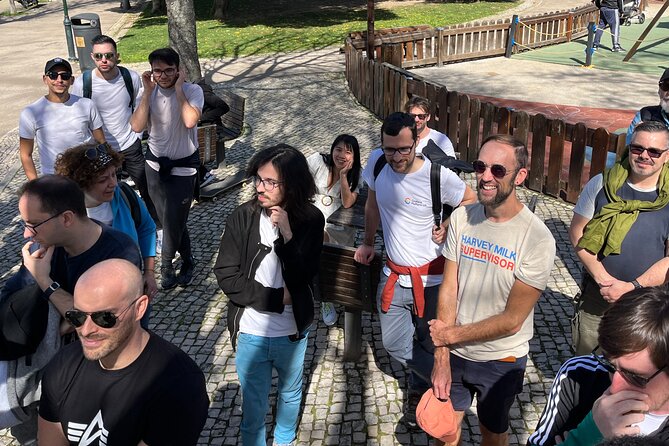
The tour meets at Principe Real Playground, Praça do Príncipe Real, 1250-184 Lisboa at 10:00 am. From the start, you’re in the kind of Lisbon neighborhood where queer history feels close to the sidewalks—because many key stories happened right here.
One detail I appreciate: it’s a mobile ticket experience, and you’re near public transportation. That makes it easier to plug into a day that already has trams, coffee, and a few museum stops.
Most importantly, you’re not just “seeing Lisbon.” You’re learning how Lisbon’s queer neighborhoods formed, changed, fought back, and built community. And the guide, Alex, sets the tone fast—warm, friendly, and ready to answer questions (even when the weather is not cooperating). One review even mentioned him showing up with umbrellas.
Stop-by-Stop: Jardim do Príncipe Real to the Homophobia Memorial
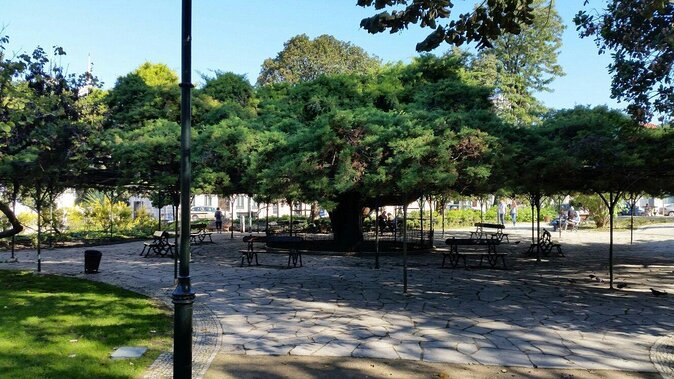
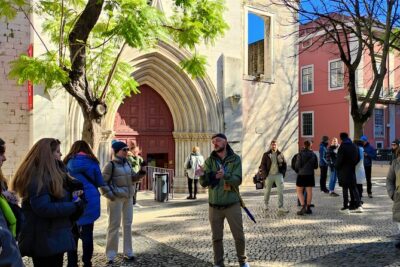
Your first stops are in Jardim do Príncipe Real, a garden area that works as a natural warm-up. Alex introduces the group right there, then you start touring Lisbon’s weird, wonderful queer history.
At the Jardim do Principe Real introduction stop, the focus is orientation—what you’re about to see and why it matters. This is helpful because Lisbon’s LGBT story isn’t one single timeline; it’s a patchwork of activism, survival, art, and nightlife that evolves street by street.
Then you hit the Monument to the victims of homophobia. This is where the tour slows down emotionally. It acknowledges the past clearly, without turning it into a doom spiral. The point is contrast: the memorial stands as a sober reminder while the tour also shows how Lisbon’s queer scene has grown into something thriving.
The next stop at Praça do Príncipe Real ties the square to modern identity. You learn about Lisbon Pride and how it connects to international moments like EuroPride 2025—including why Lisbon Pride is unique and why it matters. If you’re going to be in town around Pride season, this adds context fast.
GAT Checkpoint LX to Trumps: Health, Cruising, and the Club Scene
After the Pride and memorial moments, the tour moves into institutions and nightlife spaces. This is one of the best parts of the whole experience because it’s a reminder that queer history is not only about symbols—it’s also about health services, policing, and social survival.
At GAT Checkpoint LX, the tour addresses how Lisbon managed the HIV/AIDS pandemic. You’ll also get essential health service info for queer men and women. This stop isn’t performative. It’s practical, and it lands because the tour has already built a foundation: people lived through systems that were hostile, then created support and care.
Next you reach Construction Lisbon Club, a long-standing dance venue. Alex connects this club and neighboring lesbian spaces to stories about queer nights out. That’s a smart approach: you’re not just hearing names; you’re learning how spaces functioned as social hubs.
Then the tour heads to the Botanical Garden of Lisbon, where Alex shares stories from cruising in the 1950s parks. The description is blunt about the risks—offending morals, dodging police, and the reality that even private encounters could become public trouble. It’s not comfortable history, but it’s honest, and it helps explain Lisbon’s modern cruising culture and codes.
Finally, you reach Trumps, Lisbon’s largest queer nightclub with two floors and two different vibes, running since 1980. It’s a perfect closing beat for this section because you end with where people go now, not only where people suffered then.


Bars, Drag, and Bear Pride: From First Lesbian Bars to Drag Queens

The middle stretch of the tour becomes more street-level. You’re not just learning politics—you’re learning where queer people built community after dark.
At R. de Gustavo de Matos Sequeira 42, you get stories from Lisbon’s first lesbian bar, O Gato Verde (The Green Cat). That matters because lesbian history in Lisbon is often harder to find in casual sightseeing. This stop makes it feel real: you’re walking to the kind of place that offered belonging when visibility was risky.
Then you move to Praça das Flores 7 for the story of Lisbon’s first drag bar. You learn how the 1974 revolution affected drag—then how it didn’t last forever. The tour treats drag as culture and as power, not just entertainment.
At Bar 106, you’ll leave a message for friends. That’s a small moment, but it fits the tour’s social tone: it asks you to participate, even briefly, instead of acting like a passive listener.
The tour continues with Shelter Bar Lisboa for Where the Bears are (part 1). Then comes Finalmente Club, tied to Lisbon’s older drag scene with different shows and times. The pacing here works: you’re hearing about identities (bear culture, performance drag) alongside the spaces that supported them.
You then reach Bar TR3S Lisboa for Where the Bears are (part 2), with stories touching bear pride, beach clubs, party nights, a sauna, and sports sponsorship. The balance is key. The tour doesn’t reduce bear culture to one stereotype; it shows it as a network of social life.
Constitutional Court to Manifestos: The Legal Side of Love
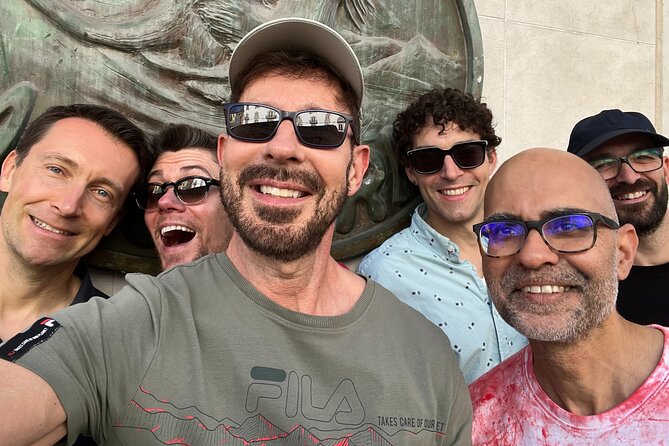
Not every “queer history” tour spends time on courts and constitutional rights. This one does, and it helps you connect street-level community to national legal change.
At the Constitutional Court, you hear about legal challenges and Portugal’s path from dictatorship-era values to constitutional protection for LGBTQ rights. This stop is valuable because it explains why rights can suddenly improve while also showing how hard that progress can be.
Then you go to R. Luz Soriano 44, tied to the idea of Long Live Homosexuality. Alex shares the story of an early homosexual manifesto, including that initial suppression and the eventual success. Even if you’ve read about activism before, it hits differently when it’s attached to a place you can stand in.
From Two Fernandes to “Sex in Church”: Big Scandals, Big Risk
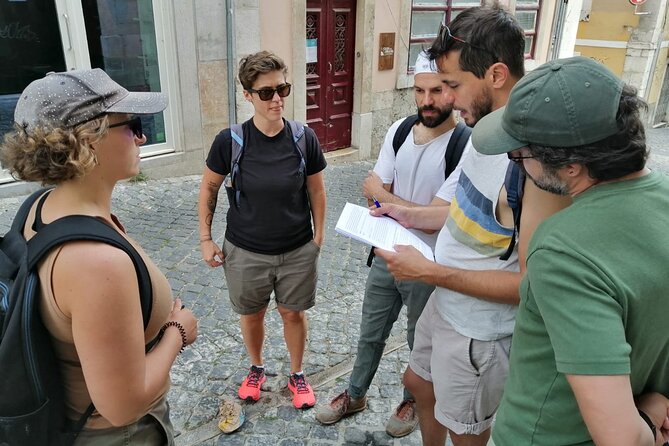
After the legal stops, the tour leans into personal stories—scandals, relationships, and consequences. It’s the part of the tour that feels the most like Lisbon gossip, but with serious stakes behind it.
At R. do Trombeta 10, you hear the steamy story of the Two Fernandes from the 19th century, including love-nests and modern saunas. This stop also connects to how queer behavior was handled over time, from secret arrangements to later forms of public/private expression.
Next comes Purex, described as a dance floor for everyone, run by women, with mentions of vagina jewelry. I like this stop because it highlights queer nightlife beyond the most famous male club narratives.
Then you reach Maria Caxuxa, where the focus is on a woman who confounded conventions and dismissed nosey journalists in the 1940s. The tour uses her story to show how gender nonconformity and power could show up in public life long before modern terminology existed.
At Tv. da Espera 50, you get a 19th-century scandal: the Marquis of Valada naked in the arms of a common soldier, plus disgraced politicians, blackmail, and survival. This might sound like pure drama, but Alex uses it as a way to talk about public morality and who had the power to shame or protect others.
Teatro da Trindade to Hospital St. Louis: Josephine Baker, Censorship, and Pessoa
Now the tour moves into culture and censorship—how queer identity survived through art, language, and secrecy.
At Teatro da Trindade, Alex shares wartime Lisbon stories involving bisexual jazz legend Josephine Baker and her work as a spy, including dodging secret police and spying. It’s a strong stop for anyone who wants queer history to include international talent, not just local bars.
Then at R. da Misericórdia 125, the story is about queer fiction, censorship, and compromised censors, with the theme of Women in love, but not with men. This stop shows how writing and publishing could become a battleground when authorities controlled what people were allowed to read or say.
At Igreja de São Roque, the tour goes longer (about 15 minutes) and is one of the most intense stops. You get a window into queer history via the Portuguese Inquisition, including sex in church, lesbian nuns, a story involving a demonic penis, and a trans love story that survived through the 16th, 17th, and 18th centuries. It’s uncomfortable material, but it’s also one of the clearest reminders that records exist—and queer lives existed—long before modern acceptance.
Finally, the tour lands at Hospital St. Louis for the reclaimed legacy of writer Fernand Pessoa and the line I love you because I love you. It’s a closing reminder that Lisbon’s queer story isn’t only about institutions and scandals. It’s also about authorship and how reputations can be rewritten over time.
Late Birds Hotel: The Social Finish That Makes the Tour Stick
The final stop is at Tv. André Valente 25, 1200-236 at Late Birds Hotel. This is where you shift from history to present-day community.
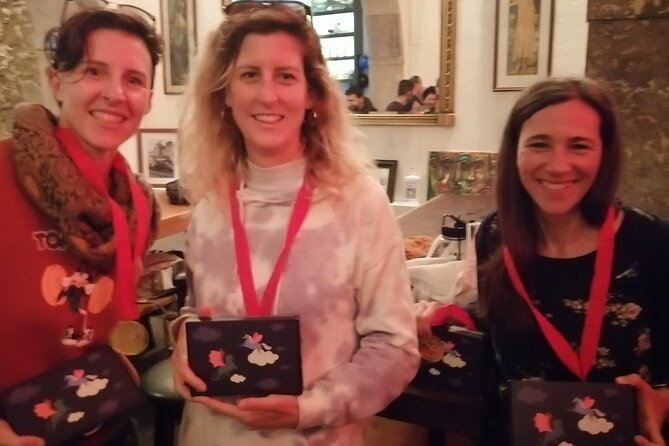
The tour includes a pub-quiz with prizes, and you can have a drink in the lounge/ bar/ garden/ pool area. If the weather is good, the stop description even asks you to bring a swimming costume. Even if you don’t swim, the point is clear: you’re ending somewhere designed for connection.
Also note the tour is for age 16+, but the legal drinking age is 18+. So if you’re traveling with friends in the younger end of the range, you can still enjoy the atmosphere without needing alcohol.
Price and Value: Why $60.34 Works for This Format
At $60.34 per person for about 3 hours 30 minutes, this isn’t the cheapest walking tour in Lisbon. But you’re not just paying for movement and landmarks. You’re paying for a guide who can connect personal stories to national changes, plus a built-in nightlife orientation.
The value gets sharper because a PDF guide is included: Alex’s LONG LIST, normally listed at 15 euros. If you use it, it can pay off quickly. Even if you only use a few recommendations, it helps you avoid that problem where you leave Lisbon knowing you had fun but not knowing where to go next time.
And because the group is capped at 15 travelers, you’re more likely to get direct answers during question time. That matters. A queer-history tour works best when you can ask follow-ups and not feel rushed.
Who Should Book This Queer Lisbon Tour
I think this tour fits best if you want:
- A queer-focused way to see Lisbon’s neighborhoods, especially Príncipe Real
- A mix of serious history and nightlife reality
- A guide who’s friendly and responsive, like Alex in the reviews
- A solid after-tour resource via the included LONG LIST PDF
You might consider something else if you hate walking, hate crowds, or want a purely sightseeing-based route. This is history that happens on your feet. Also, because the tour covers LGBTQ topics and ends in a gay hotel lounge setting, it’s best for adults and open-minded allies who are ready for a frank approach.
That said, the tone seems to stay relaxed. One review mentioned Alex makes sure you have time to rest, and that you can ask questions. That’s exactly what you want in a long, story-heavy walk.
Should You Book Queer Lisbon: A Treasure Hunt in LGBT History?
Yes, I’d book it if you want queer history with street-level context and real-world places to follow up on. The stops are short, the storytelling style sounds engaging, and the ending at Late Birds turns the tour into a social experience rather than a lecture you forget the next day.
For best results, go in with two things: good shoes, and curiosity about both the hard parts of history and the nightlife that grew after. If you do that, you’ll leave with a clearer sense of Lisbon beyond its monuments—and a practical list of where to go next.
FAQ
How long is the Queer Lisbon tour?
It runs for about 3 hours 30 minutes (approx.), with most stops lasting around 6 minutes and one stop lasting about 15 minutes.
What language is the tour offered in?
The tour is offered in English.
Where do I meet and where does the tour end?
You meet at Principe Real Playground, Praça do Príncipe Real, 1250-184 Lisboa. The tour ends at Tv. André Valente 25, 1200-236 Lisboa at Late Birds Hotel.
How much does it cost?
The price is $60.34 per person.
What’s included in the tour price?
You get fun queer-history storytelling and the modern scene walk, time to meet new people, and an included PDF guide (Alex’s LONG LIST).
Is there anything to know about age or drinking?
It’s for age 16+, but the legal drinking age is 18+. The tour includes an ending at Late Birds where you can have a drink if you’re of legal age.
More Historical Tours in Lisbon
- Lisbon: History, Stories and Lifestyle Walking Tour★ 4.8 · 10,902 reviews
- Lisbon: Daytime or Sunset Boat Cruise with History and Wine★ 5.0 · 1,053 reviews
- Explore Lisbon by Tuk Tuk: History and Viewpoints★ 5.0 · 840 reviews
- Private Tuk Tuk Tour Through Lisbon’s Historical Streets★ 5.0 · 734 reviews
- Lisbon Sunset Sailing with Portuguese Wine and History★ 5.0 · 668 reviews
More Tour Reviews in Lisbon
- Lisbon City Center Tour – The Unmissable Lisbon★ 5.0 · 22,234 reviews
- Lisbon: Sintra, Pena, Regaleira, Cabo da Roca & Cascais★ 4.7 · 19,656 reviews
- Lisbon Card: 24, 48, or 72-Hour Pass★ 4.5 · 17,944 reviews
- Lisbon: Jerónimos Monastery Entrance Ticket★ 4.1 · 14,164 reviews
- Lisbon: History, Stories and Lifestyle Walking Tour★ 4.8 · 10,902 reviews
Just in: fresh Lisbon reviews from the team





Historical Tours, compared.
 ★ 4.8History, Stories and Lifestyle Walking TourFrom $2910,902 reviews
 ★ 5.0Daytime or Sunset Boat Cruise with History and WineFrom $471,053 reviews
 ★ 5.0Explore Lisbon by Tuk Tuk: History and ViewpointsFrom $19840 reviews
 ★ 5.0Private Tuk Tuk Tour Through Lisbon’s Historical StreetsFrom $27734 reviews
 ★ 5.0Lisbon Sunset Sailing with Portuguese Wine and HistoryFrom $54668 reviews
 ★ 4.8Live Fado Show in Historic Alfama with Port WineFrom $17572 reviews
 ★ 4.8Guided Tuk-Tuk Tour Along the Historic Tram Line 28From $147475 reviews
 ★ 5.0Private Lisbon-Arrábida Wine Tour: 3 Wineries, Coast & HeritageFrom $156450 reviews
Browse the lists this tour appears in