
Reviewed · HISTORICAL TOURS
Private Tour – African History in Lisbon
African history shows up everywhere in Lisbon, once you know where to look. This private tour connects Lisbon’s 16th-century slave-linked economy to neighborhoods you already recognize, but through a human, historical lens. Expect a walk that blends history, anthropology, and everyday Lisbon life.
I especially loved two things: the focus on lived realities (not just dates) and the way Filipa Oliveira keeps the story grounded and respectful as you move from square to square. You’ll also get helpful context that makes later Portuguese history and architecture easier to understand.
One consideration: while many people find her communication excellent, one booking flagged English clarity as a challenge for their group. If English comprehension is a deal-breaker for you, it’s worth messaging the provider when you book.
In This Review
- Key Points Before You Go
- Why African History Belongs in Lisbon’s Everyday Streets
- The Route From Rossio to Praça do Comércio: How Long It Really Takes
- Stop-by-Stop: Lisbon’s African Heritage in Plain Sight
- Stop 1: Lisbon Focus on Enslavement’s City Role
- Stop 2: Praça Dom Pedro IV and Black African Connections
- Stop 3: Castelo, Alfama & Mouraria (Where Immigrant Life Shapes the City)
- Stop 4: Chafariz D’El Rei Fountain and the Water Story
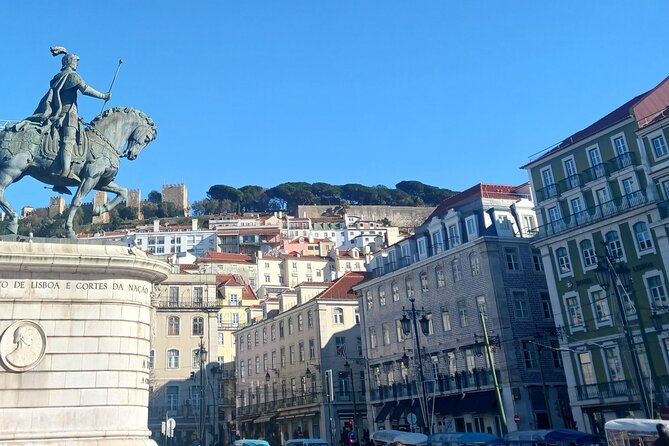
- Stop 5: Praça do Comércio, the Main Square and Lisbon’s Big Picture
- Stop 6: Campo das Cebolas, Commerce and Arrival Routes
- The Guide Factor: Filipa Oliveira’s Story Style
- Price and Value: $93.62 for a Private 2–3 Hour History Walk
- Who This Tour Fits Best (and Who Might Want to Adjust Expectations)
- Getting the Most From Your Walk
- Should You Book This Lisbon African History Tour?
- FAQ
- How long is the private African History in Lisbon tour?
- Where does the tour start and end?
- Is this tour private?
- What language is the tour offered in?
- Are there admission fees for the stops?
- Is there free cancellation?
Key Points Before You Go
- Private, small-group feel: only your group participates, so you can ask questions as you walk.
- Six history stops, mostly free outdoor sights: you’ll spend time in the city, not in ticket lines.
- The tour’s signature detail: the Chafariz D’El Rei fountain story about enslaved people drawing water.
- Neighborhood change of pace: Alfama and Mouraria bring the story into Lisbon’s immigrant and street life.
- Often includes a food break: some groups report a pause for coffee and pastéis de nata, and even lunch at a historical café.
- Good rating momentum: a 4.8/5 average with 95% recommending it suggests most people leave satisfied.
Why African History Belongs in Lisbon’s Everyday Streets
Lisbon is a city that tells its stories in stone, tiles, and street names. But for a lot of visitors, the African chapter gets skipped, even though it shaped the city’s wealth, labor, and global reach. This tour is built to help you see that missing thread, while staying in the real places where Lisbon’s history still breathes.
What I like most is the tone. This isn’t a lecture from a distance. You walk through squares and old corners while the guide explains how enslaved Africans were part of Lisbon’s systems from the 1500s onward, and how that legacy still matters. It turns your usual postcard stroll into something more meaningful—without making the route exhausting.
The other big win is perspective. You’ll hear Lisbon’s history connected to people, not just kings and dates. That shift is what makes the walk stick, even after you’ve left.
Worth a look before you lock anything else in around Lisbon:
- True 4Hour Private Tuk Tuk Tour: Discover Lisbon with a Local!
★ 5.0 · 8,008 reviews - Lisbon: Private Guided Tuk-Tuk Tour with Hotel Pickup
★ 4.9 · 4,552 reviews - Private Lisbon Sightseeing Tuk-Tuk Tour: Alfama, Belém & More
★ 5.0 · 4,277 reviews - Lisbon Highlights: Private Tuk Tuk Tour Adventure Sightseeing
★ 5.0 · 3,284 reviews
The Route From Rossio to Praça do Comércio: How Long It Really Takes
The tour runs about 2 to 3 hours (approx.), paced as a walking experience with short stops. It starts at Lisboa Rossio (R. 1º de Dezembro 125) and ends at Praça do Comércio. This timing usually works well when you want an early or mid-day “story anchor” before you explore on your own.
What to expect in practice: you’ll move at an easy city-walking pace, with most stops lasting 10 to 30 minutes. The itinerary’s rhythm is designed to give you a quick “what you’re seeing” moment, then connect it to the bigger history of African presence in Lisbon. If you like asking follow-up questions, the private format helps.
Shoes matter. Lisbon sidewalks can be uneven and steep in spots, and the route includes areas like Alfama and Mouraria where comfortable footwear is not optional. Bring something you can walk in all day.
Stop-by-Stop: Lisbon’s African Heritage in Plain Sight
This tour is organized around places where Lisbon’s history is visible—sometimes obvious, sometimes hidden in plain architectural details.
Stop 1: Lisbon Focus on Enslavement’s City Role
The first stop sets the stage: African heritage and history in Lisbon, including how slavery was a “latent reality” in the city’s economy from the 16th century to today. This is the moment where the tour’s lens locks in.
If you do only one thing on this walk, let it be this context. Once the guide explains the city’s labor and trade connections, the later stops don’t feel random. They feel like clues.
Worth a look before you lock anything else in around Lisbon:
Stop 2: Praça Dom Pedro IV and Black African Connections
Next comes Praca Dom Pedro IV, described as a place where you can connect with histories of black Africans and enslaved people across multiple city activities. It’s a strong contrast stop: you’re in a recognizable civic space, but the discussion reframes who helped build Lisbon and who paid the cost.
A practical tip here: pause and look around at the space layout. Squares in old European cities were never just scenic; they were stages for commerce, movement, and power. The guide’s story helps you “read” that.
Stop 3: Castelo, Alfama & Mouraria (Where Immigrant Life Shapes the City)
This is the longest stretch: about 1 hour in Castelo, Alfama & Mouraria. The focus is on typical Lisbon areas where immigrants are part of the city’s everyday fabric—and where heritage isn’t only museum content.
One review mentioned the tour included ancient amphitheater ruins, which fits the idea of uncovering layers while you walk. You might not think of Alfama and Mouraria as history stacks, but this tour treats them like living archives.
Drawback to plan for: because this is part of the city’s lived-in fabric, there’s no big indoor “reset” button. If you’re sensitive to crowds or want a totally quiet experience, you may find the street environment adds noise.
Stop 4: Chafariz D’El Rei Fountain and the Water Story
Then you hit a detail that feels very specific, and that’s why it works: Chafariz D’El Rei, an old fountain where enslaved people had their own tap to draw water. This kind of physical, everyday detail makes history real fast.
It also shows you how to look at architecture. You start seeing that fountains were about more than public convenience. They were part of how a city organized access to basic needs.
Stop 5: Praça do Comércio, the Main Square and Lisbon’s Big Picture
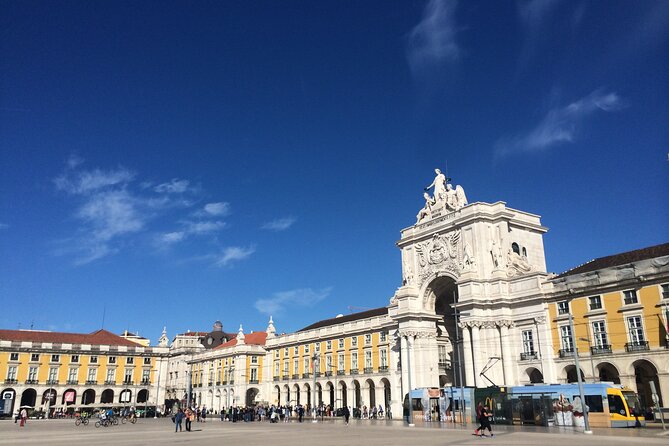
Praça do Comércio gets about 30 minutes. This main square is where you can connect Lisbon’s public face to its deeper economic story. It’s easy to think of this area as a scenic finale, but the tour keeps it tied to how trade and power shaped the city.
If you’ve already been wandering, this stop can feel like a “resume button.” It gives you a clean place to gather the story before you break off on your own.
Stop 6: Campo das Cebolas, Commerce and Arrival Routes
The last stop is Campo das Cebolas, about 20 minutes. This place is described as a commerce area where enslaved people arrived from the colonies, particularly Africa. It’s also noted for architectural remains and layered history.
This is where the walking story tends to land hardest. You’re finishing in an area connected to commerce routes and movement, and the tour uses that context to show how Lisbon’s global links were not abstract—they were human lives.
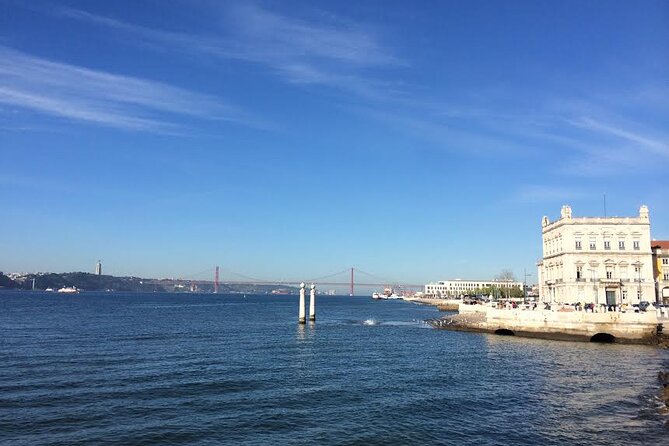
Some groups report the walk ends near the water along the way to the square, which makes the finale feel open and breezy after the heavier topic.
The Guide Factor: Filipa Oliveira’s Story Style
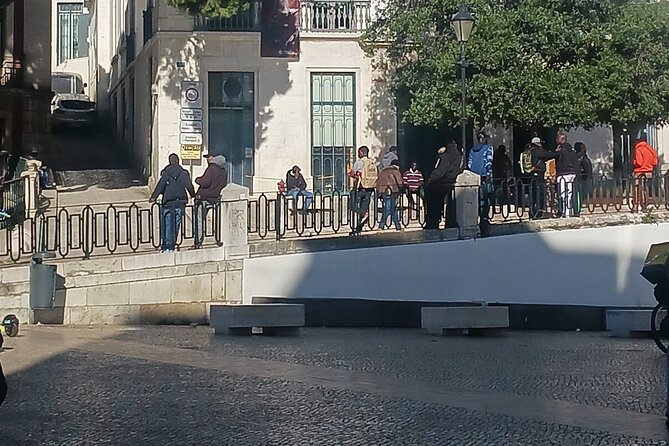
The guide listed in the standout feedback is Filipa Oliveira, and she shows up in the reviews as patient, friendly, and emotionally careful. More than one person highlighted that she explained history with a blend of facts and empathy, not just memorized facts.
That matters because this tour covers a hard subject. It’s not enough to know what happened; you need a guide who can connect it responsibly. Filipa’s approach, as described by multiple bookings, seems built to keep the conversation humane.
There’s also a small “Lisbon comfort” element. Some groups mention a pause for coffee and custard pies (pastéis de nata), and one booking even notes lunch at a historical café in the commercial area. Those aren’t part of the formal stop times, but they suggest the guide may build in a practical break for energy and digestion—because walking and thinking is tiring.
Again, one booking questioned English clarity. The majority of the feedback strongly contrasts that, but it’s still a fair heads-up if you’re planning around language.
Price and Value: $93.62 for a Private 2–3 Hour History Walk
At $93.62 per person for a private tour lasting about 2 to 3 hours, the value depends on your priorities. If you want a standard guidebook-style overview, you could probably find cheaper group options. But this experience is designed around a specialized topic and a guided “city reading” approach.
Here’s what you’re paying for, in practical terms:
- A private format, which means you can ask questions without feeling rushed.
- A multi-neighborhood walk (Rossio → squares → Alfama/Mouraria → fountains → Praça do Comércio → Campo das Cebolas).
- A story framework that connects slavery, trade, and everyday spaces so your city time feels more purposeful.
Also, the itinerary’s stops are mostly outdoors and described with free admission tickets, so you’re not paying extra for museum entries during the walk. That helps the overall value, especially if you’re already paying for other sights.
Who This Tour Fits Best (and Who Might Want to Adjust Expectations)
This tour is a great match if you:
- want African history in Lisbon explained where it actually shows up in streets and squares
- like walking tours that feel like conversation, not just a slideshow
- care about a balanced, human approach to painful history
It’s also a good pick if you’re traveling with a mix of interests—history buffs and regular city explorers—because the route goes through classic Lisbon places while reframing what they mean.
If you prefer very light, carefree sightseeing, you might find the subject matter emotionally heavy even when the guide keeps the tone gentle. And if your group relies on flawless English comprehension, do a quick check before you book.
Getting the Most From Your Walk
To get maximum value, plan for two things: attention and comfort.
First, bring curiosity. This tour works best when you look at what’s right in front of you—fountain details, square layouts, neighborhood textures—then let the guide’s connections click.
Second, plan your day so you don’t rush. Because the story is layered, you’ll enjoy it more if you’re not trying to “stack” five major sights right before or after.
If the guide offers a food break like coffee or pastéis de nata, take it. It’s not just a snack; it’s also a chance to keep momentum when your brain has been working hard.
Should You Book This Lisbon African History Tour?
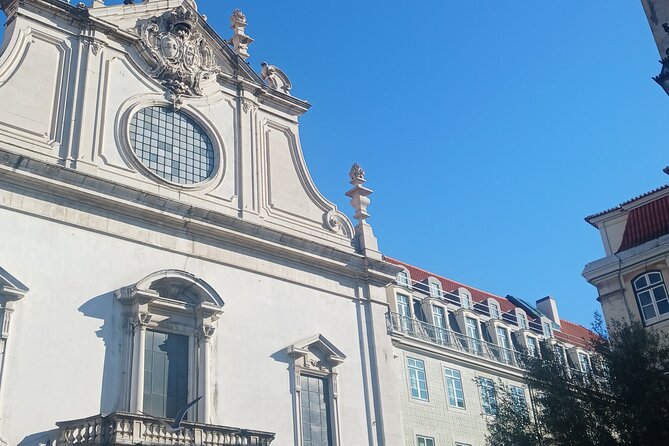
Book it if you want your Lisbon time to feel more honest and connected—if you’d rather learn how Lisbon actually worked than just collect surface photos. The private format, the strong guide feedback around storytelling, and the specific places like Chafariz D’El Rei make it stand out as a topic-focused walk with real city texture.
Skip or consider carefully if:
- your group has strict needs around English clarity, given one negative note
- you want an easy, purely scenic walking tour with minimal heavy content
If you’re on the fence, here’s my practical advice: treat this as a story foundation. You’ll walk back through Lisbon afterward with better questions, better eyes, and fewer blanks in the timeline.
FAQ
How long is the private African History in Lisbon tour?
It runs about 2 to 3 hours (approx.), with short stops and walking between key areas.
Where does the tour start and end?
The start point is Lisboa Rossio (R. 1º de Dezembro 125, 1249-970 Lisboa, Portugal). The tour ends at Praça do Comércio (1100-148 Lisbon, Portugal).
Is this tour private?
Yes. It’s a private tour/activity, so only your group will participate.
What language is the tour offered in?
The tour is offered in English.
Are there admission fees for the stops?
The stops are listed with admission ticket free, so you’re not expected to pay separate entry fees during the walk.
Is there free cancellation?
Yes. You can cancel up to 24 hours in advance for a full refund. If you cancel less than 24 hours before the start time, the amount paid will not be refunded.
More Private in Lisbon
- True 4Hour Private Tuk Tuk Tour: Discover Lisbon with a Local!★ 5.0 · 8,008 reviews
- Lisbon: Private Guided Tuk-Tuk Tour with Hotel Pickup★ 4.9 · 4,552 reviews
- Private Lisbon Sightseeing Tuk-Tuk Tour: Alfama, Belém & More★ 5.0 · 4,277 reviews
- Lisbon Highlights: Private Tuk Tuk Tour Adventure Sightseeing★ 5.0 · 3,284 reviews
- Welcome Lisbon Tour with Local Guide in Private Eco Tuk Tuk★ 5.0 · 1,691 reviews
More Tours in Lisbon
- Lisbon City Center Tour – The Unmissable Lisbon★ 5.0 · 22,234 reviews
- Lisbon: History, Stories and Lifestyle Walking Tour★ 4.8 · 10,902 reviews
- True 4Hour Private Tuk Tuk Tour: Discover Lisbon with a Local!★ 5.0 · 8,008 reviews
- Winner 2025 Undiscovered Lisbon Food & Wine Tour by Eating Europe★ 5.0 · 6,390 reviews
- Lisbon: Sintra, Pena, Cabo da Roca, Cascais Tour with Pickup★ 4.8 · 5,445 reviews
More Tour Reviews in Lisbon
- Lisbon City Center Tour – The Unmissable Lisbon★ 5.0 · 22,234 reviews
- Lisbon: Sintra, Pena, Regaleira, Cabo da Roca & Cascais★ 4.7 · 19,656 reviews
- Lisbon Card: 24, 48, or 72-Hour Pass★ 4.5 · 17,944 reviews
- Lisbon: Jerónimos Monastery Entrance Ticket★ 4.1 · 14,164 reviews
- Lisbon: History, Stories and Lifestyle Walking Tour★ 4.8 · 10,902 reviews
Just in: fresh Lisbon reviews from the team





Historical Tours, compared.
 ★ 4.8History, Stories and Lifestyle Walking TourFrom $2910,902 reviews
 ★ 5.0Daytime or Sunset Boat Cruise with History and WineFrom $471,053 reviews
 ★ 5.0Explore Lisbon by Tuk Tuk: History and ViewpointsFrom $19840 reviews
 ★ 5.0Private Tuk Tuk Tour Through Lisbon’s Historical StreetsFrom $27734 reviews
 ★ 5.0Lisbon Sunset Sailing with Portuguese Wine and HistoryFrom $54668 reviews
 ★ 4.8Live Fado Show in Historic Alfama with Port WineFrom $17572 reviews
 ★ 4.8Guided Tuk-Tuk Tour Along the Historic Tram Line 28From $147475 reviews
 ★ 5.0Private Lisbon-Arrábida Wine Tour: 3 Wineries, Coast & HeritageFrom $156450 reviews
Browse the lists this tour appears in