
Reviewed · FOOD
Private Cultural and Foodie Experience in Lisbon
Lisbon tastes best with a plan. This private food-and-drink experience pairs Portuguese small plates with major neighborhoods and their architecture, so you’re not just eating in the dark. I like that the private guide helps you get past the language barrier and make smart choices on the menu. The main drawback is simple: you’ll do a decent amount of walking on uneven streets and hills, so comfy shoes matter.
You start in Cais do Sodré and work through classic stops like Baixa de Lisboa, Bairro Alto, and Alfama, then finish toward Chiado. It’s a great way to learn where things are, what to order next, and what to skip when you’re on your own later.
In This Review
- Key highlights worth caring about
- Price and what you’re really paying for
- The route: from Cais do Sodré to Chiado (and why the flow works)
- Baixa de Lisboa: settling in with iconic streets and the main tasca
- Bairro Alto: sleepy by day, eating by night
- Alfama: medieval alleys, views, and the 1755 story in the stones
- Cais do Sodré after dark: bohemian energy and bar-crawl potential
- Rua da Bica and the funicular: traditional streets with stairs and views
- What the included food and wine experience actually means
- Pacing: casual walking with a sense of timing
- Alcohol and food choices: how to get the most out of it
- Who this tour suits best
- The one real risk: weather and last-minute changes
- Should you book this private cultural and foodie tour?
- FAQ
- How long is the Lisbon private cultural and foodie tour?
- Is this tour private or shared?
- What food and drinks are included?
- Where does the tour start and end?
- Do I need an admission ticket for the stops?
- Is the tour good for people with moderate physical fitness?
- Are children allowed?
- Can I get a refund if plans change?
Key highlights worth caring about
- A private guide who steers both food and city context, not just a checklist
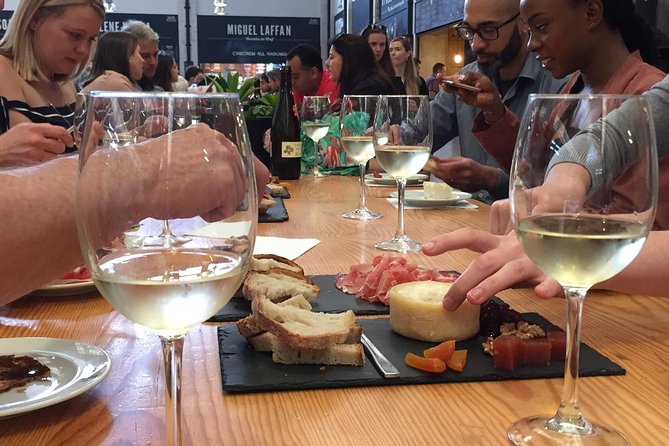
- 8 Portuguese small plates plus 2 alcoholic drinks, enough for more than a light snack
- Neighborhood variety in one go, from historic Alfama lanes to bohemian Bairro Alto energy
- Tasca-focused main tasting, where the meal feels like Lisbon at its most local
- Practical local tips, so your next meal during the rest of your trip gets better
- A late-night vibe opportunity around Cais do Sodré, depending on timing
Price and what you’re really paying for
At $232.71 per person for a 4 to 5 hour private tour, the price won’t feel low. But it also isn’t just “a guide with a clipboard.” You’re paying for three things that add up fast in Lisbon: time, access, and food value.
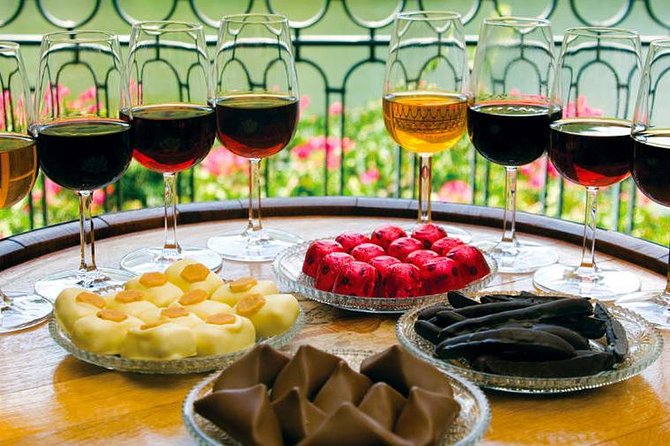
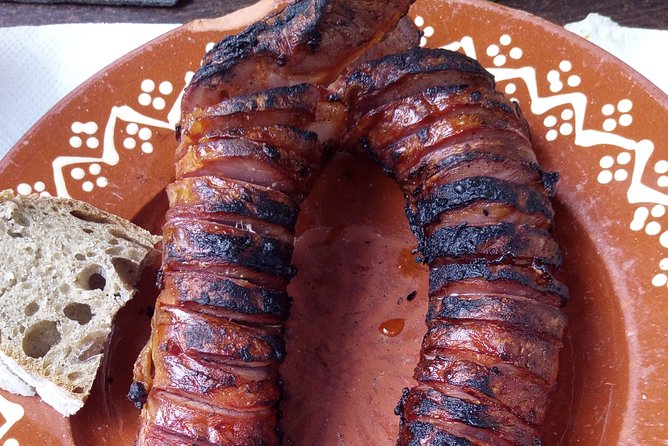
First, you get eight Portuguese small plates that add up to more than a full meal, plus two alcoholic drinks. If you try to recreate that on your own, you’ll quickly stack up multiple venues, menus, and wait times.
Second, it’s private. That means you can ask questions without translating them into polite silence. When your guide knows what to order and when, you waste less time chasing the wrong restaurant or a dish that sounds good but isn’t the move.
Third, you’re getting culture built into the eating. The route doesn’t just hop between landmarks. It uses neighborhoods—Baixa, Bairro Alto, Alfama, and others—as a frame for why certain foods and traditions fit that area.
Worth a look before you lock anything else in around Lisbon:
- Winner 2025 Undiscovered Lisbon Food & Wine Tour by Eating Europe
★ 5.0 · 6,390 reviews - Lisbon: Food and Wine Small Group Walking Tour
★ 4.9 · 4,082 reviews - Lisbon Small-Group Portuguese Food and Wine Tour
★ 5.0 · 3,972 reviews - Lisbon: Baixa District Food Tour with Dinner and Drinks
★ 4.9 · 1,997 reviews
The route: from Cais do Sodré to Chiado (and why the flow works)
This tour begins around Cais do Sodré and ends in the Chiado area, so it’s designed as a readable loop across central Lisbon. The big advantage is that you’re not zigzagging through the city randomly. You’re walking a story.
You’ll feel a shift as you go:
- Baixa de Lisboa sets the foundation with classic old-town streets and the tour’s main tasting spot.
- Bairro Alto adds the food-and-drink pulse and a more bohemian feel.
- Alfama turns the volume down for medieval lanes, views, and that old neighborhood texture.
- Then the route leans back toward nightlife energy with stops near Cais do Sodré and Rua da Bica.
This kind of path is especially useful if it’s your first time in Lisbon. You come away with mental geography—where the hills are, where the crowds show up, and where to aim for your next meal.
Baixa de Lisboa: settling in with iconic streets and the main tasca
You start in Baixa de Lisboa, where the tour blends walking with tastings until you reach the main food-and-drink stop: a classic Lisbon tasca. The structure here matters. You don’t get thrown straight into a restaurant with no context. You spend time in the district first, so the food later feels like it belongs, not like you dropped into a random place.
What you can expect at this stage:
- A look at some of the most iconic old-city parts you’ll want to recognize later.
- Food and drink along the way, building momentum rather than pausing everything for one long meal.
- Then the centerpiece tasting at the tasca, where the flavors land as the real reward for walking.
A practical note: Baixa is central, but it can still involve stop-and-go movement. If you prefer a slower start, just pace yourself early and let the guide’s rhythm set the tempo.
Bairro Alto: sleepy by day, eating by night

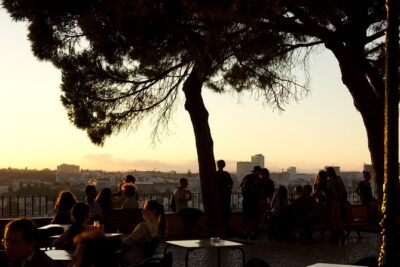
Next up is Bairro Alto, which gets described as sleepy in the daytime and then transforms into a bohemian zone after dark. Even if your tour timing isn’t exactly midnight, you’ll still get the idea: this is one of Lisbon’s key restaurant districts, helped by its central location and its proximity to major sights.
The stop here is shorter, but it’s meant for impact—think quick access to where people actually eat. You’ll pass through an area where food ranges from familiar Portuguese staples to more modern or fusion options. That variety is useful because it helps you understand the Lisbon menu ecosystem instead of only learning one style.
One drawback to consider: Bairro Alto can feel tight and lively. If you’re someone who gets overwhelmed by crowds, keep your group moving with the guide and don’t try to slow-walk for every photo opportunity.
Worth a look before you lock anything else in around Lisbon:

Alfama: medieval alleys, views, and the 1755 story in the stones
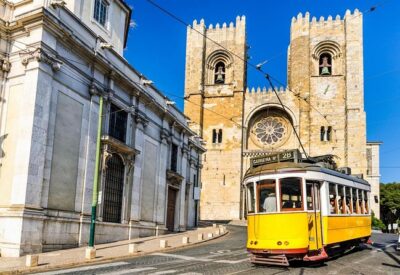
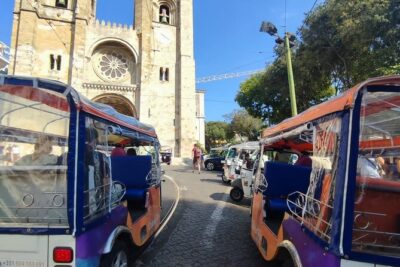
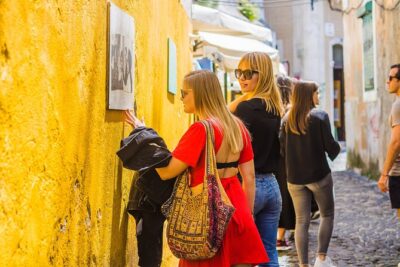
Then the tour shifts into Alfama, Lisbon’s most emblematic quarter and a favorite for walkers and photographers. This stop is short, but it’s packed with atmosphere: narrow medieval alleys, tiny squares, churches, and whitewashed houses with tile panels and wrought-iron balconies.
Here’s the part I’d highlight for you: Alfama’s texture is not just pretty. It’s part of Lisbon’s survival story. The neighborhood’s dense bedrock is one reason it endured the 1755 earthquake, which helps explain why the area still feels like an older Lisbon layer on top of modern life.
What you’ll notice as you walk:
- Houses with tile details and balconies that often show little everyday life cues like flowers and laundry.
- A geography of hills and lookouts that makes the views feel earned rather than random.
Practical consideration: Alfama-style streets can mean uneven footing and steps. Keep your shoes ready for cobbles, and move at a steady pace with your guide’s timing.
Cais do Sodré after dark: bohemian energy and bar-crawl potential

The tour includes Cais do Sodré, a neighborhood with a vibe similar to Bairro Alto—more bohemian, more nightlife-focused. The key timing tip here is clear: the crowds really descend later, around midnight. So if your route lands later in the evening, you’ll feel more of the electric bar scene. If not, you’ll still see why people come back here again and again.
This stop is positioned as a quick orientation to the late-night side of Lisbon. Your guide points you toward the area’s hot bars and venues with live music. Even if you’re not planning a full bar crawl, it helps you know where the action is clustered so you can decide later without guessing.
Rua da Bica and the funicular: traditional streets with stairs and views
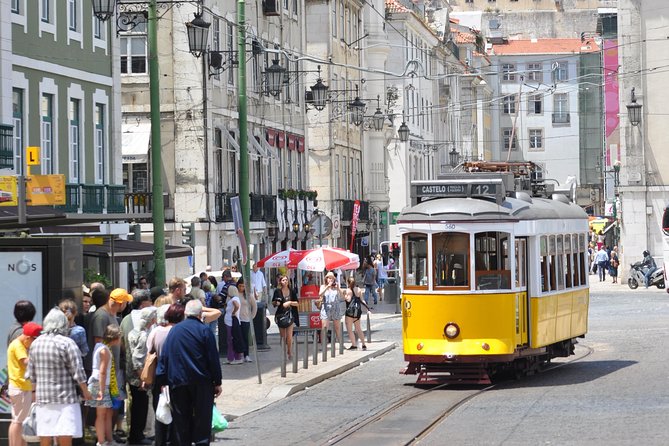
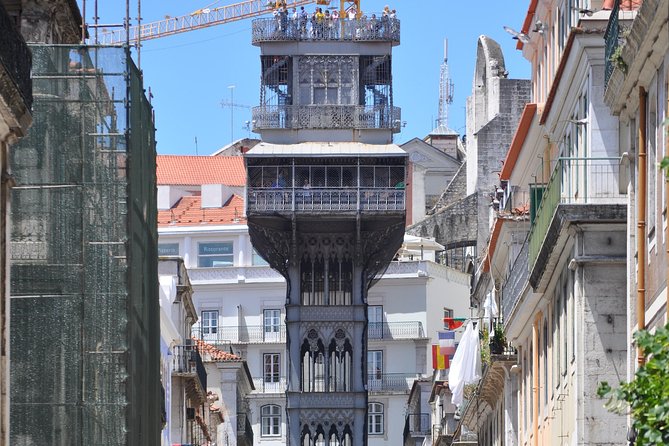
Finally, the tour heads to Rua da Bica, a traditional pocket known for small bars and the neighborhood’s iconic funicular system, which has been running up and down the hill since 1892. This isn’t just a photo stop. The street layout and the hill energy help you understand why Lisbon feels so different block to block.
A couple of historical details make this area feel real:
- Rua da Bica was founded in 1597 after a landslide.
- It was first inhabited by fishermen.
- The streets are narrow with stairs and cobbled stones, which is part of why it still feels so distinctly old-school.
There’s also a standout street name: Rua da Bica de Duarte Belo, which is listed among the most beautiful streets in Europe. Even if you don’t recognize the exact ranking, you’ll likely see what people mean once you’re there.
What the included food and wine experience actually means

This tour doesn’t treat food as an extra. It uses food as your learning tool.
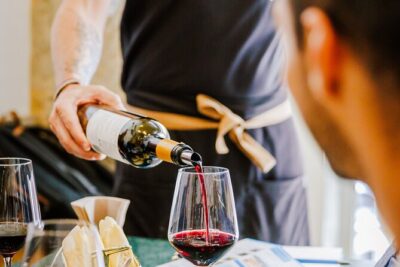
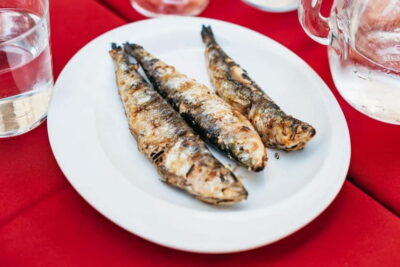
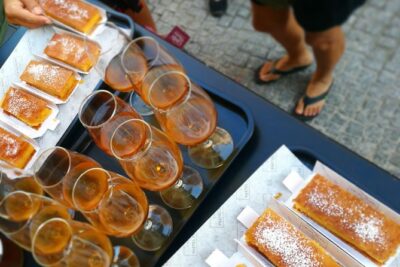
You’ll be tasting across multiple stops, and the final “main” tastings are built around the idea that Lisbon eats in small, steady bursts—rather than one huge plated meal only. The eight Portuguese small plates and two alcoholic drinks are designed to add up to a full meal, so you shouldn’t walk into it starving and thinking you’ll need a separate dinner afterward.
That matters for value. You’re not paying just to try a dish or two. You’re paying to solve the most annoying first-time visitor problem: figuring out what to order without wasting time or money.
The language barrier part also matters. Food choices in Portugal can be very specific—names, regional styles, and the way places do their classics. A private guide helps you order what you’ll actually enjoy, not what sounds easiest.
Pacing: casual walking with a sense of timing
The experience is described as casual and paced for a real walk-through. That matches what you want from a private tour like this: enough structure to keep you moving and eating, but not so rushed that you can’t enjoy the streets.
You’ll get multiple short stops plus one larger focus stop in the tastings. That mix is smart because it gives you variety without exhausting you right away. It also makes it easier to ask questions—since you’re not stuck in one place for hours.
Still, wear good shoes. Even with a casual pace, the Lisbon streets can be uneven, and you’ll be moving between neighborhoods.
Alcohol and food choices: how to get the most out of it
Since you’ll have two alcoholic drinks included, I’d use this tour as a chance to sample what fits Lisbon’s style rather than trying to “win” the tasting.
Here’s how you can make it work for you:
- Ask your guide what the local favorite is for the day’s foods.
- If you don’t drink much, mention it early so you can adjust within the tour structure.
- Pay attention to what you like. Those answers turn into your next meal plan later.
The added bonus is that your guide can give recommendations for the rest of your trip. That’s one of the most practical parts of a guided food experience: it reduces the guesswork when you’re tired and hungry and want to pick well fast.
Who this tour suits best
This one is a strong match if you want:
- A first-time Lisbon orientation that doesn’t feel like a museum tour
- A guided way to learn Portuguese food through small plates
- Private attention so you can ask questions and move at a comfortable pace
- A route that includes both iconic views and neighborhood texture
It’s also ideal if you like walking but still want your time organized. The tour is designed for moderate physical fitness, and the route includes hills and old-street surfaces. If you have trouble with steps or cobbles, you might want to think twice—or go slower and plan breaks.
Two more fit notes from the tour setup:
- Children must be accompanied by an adult.
- It runs near public transportation, which helps if you need to adjust your own schedule around it.
The one real risk: weather and last-minute changes
Lisbon weather can shift, and that can affect outdoor walking plans. There has been at least one reported last-minute cancellation scenario tied to weather warnings, which means you should plan like a smart adult: keep an eye on conditions close to your start time, and don’t book a dinner reservation that can’t move.
The good part is that if an outdoor route gets unsafe, cancellations or postponements make sense. The only thing you’ll want to avoid is being stuck waiting at the meeting point with no updates—so check messages the day of your tour.
Should you book this private cultural and foodie tour?
I think you should book if you want Lisbon through its food, with real neighborhood context, and you value a plan that saves time. The included meal structure—eight small plates plus two drinks—is what makes this feel like a true food experience, not a short snack tour. If you love casual, walkable sightseeing and want your guide’s help with ordering, this is a solid choice.
I’d skip it or consider an alternative if you:
- Don’t like uneven streets or hills and can’t manage the walking comfort level
- Prefer to set your own schedule without any “tour timing” structure
- Are traveling at a time when weather worries would ruin your day
If your goal is to leave Lisbon with better food instincts and a clear feel for where things are, this private route is a practical way to do it.
FAQ
How long is the Lisbon private cultural and foodie tour?
It runs about 4 to 5 hours.
Is this tour private or shared?
It is private, so only your group participates.
What food and drinks are included?
The tour includes food tasting, wine tasting, eight Portuguese small plates, and two alcoholic drinks.
Where does the tour start and end?
It starts at Cais do Sodré (1200-161 Lisbon, Portugal) and ends in the Chiado area (1200-445 Lisbon, Portugal).
Do I need an admission ticket for the stops?
All listed stops show admission ticket free.
Is the tour good for people with moderate physical fitness?
Yes, it’s geared for travelers with a moderate physical fitness level.
Are children allowed?
Children must be accompanied by an adult.
Can I get a refund if plans change?
Yes. You can cancel up to 24 hours in advance for a full refund. Changes made less than 24 hours before the experience start time aren’t accepted.
More Private in Lisbon
- True 4Hour Private Tuk Tuk Tour: Discover Lisbon with a Local!★ 5.0 · 8,008 reviews
- Lisbon: Private Guided Tuk-Tuk Tour with Hotel Pickup★ 4.9 · 4,552 reviews
- Private Lisbon Sightseeing Tuk-Tuk Tour: Alfama, Belém & More★ 5.0 · 4,277 reviews
- Lisbon Highlights: Private Tuk Tuk Tour Adventure Sightseeing★ 5.0 · 3,284 reviews
- Welcome Lisbon Tour with Local Guide in Private Eco Tuk Tuk★ 5.0 · 1,691 reviews
More Food in Lisbon
- Winner 2025 Undiscovered Lisbon Food & Wine Tour by Eating Europe★ 5.0 · 6,390 reviews
- Lisbon: Food and Wine Small Group Walking Tour★ 4.9 · 4,082 reviews
- Lisbon Small-Group Portuguese Food and Wine Tour★ 5.0 · 3,972 reviews
- Lisbon: Baixa District Food Tour with Dinner and Drinks★ 4.9 · 1,997 reviews
- Lisbon Small-Group Food Tour with 18 Tastings in Alfama District★ 5.0 · 1,967 reviews
More Tour Reviews in Lisbon
- Lisbon City Center Tour – The Unmissable Lisbon★ 5.0 · 22,234 reviews
- Lisbon: Sintra, Pena, Regaleira, Cabo da Roca & Cascais★ 4.7 · 19,656 reviews
- Lisbon Card: 24, 48, or 72-Hour Pass★ 4.5 · 17,944 reviews
- Lisbon: Jerónimos Monastery Entrance Ticket★ 4.1 · 14,164 reviews
- Lisbon: History, Stories and Lifestyle Walking Tour★ 4.8 · 10,902 reviews
Just in: fresh Lisbon reviews from the team





Food, compared.
 ★ 5.0Winner 2025 Undiscovered Lisbon Food & Wine Tour by Eating EuropeFrom $1256,390 reviews
 ★ 4.9Food and Wine Small Group Walking TourFrom $724,082 reviews
 ★ 5.0Lisbon Small-Group Portuguese Food and Wine TourFrom $763,972 reviews
 ★ 4.9Baixa District Food Tour with Dinner and DrinksFrom $931,997 reviews
 ★ 5.0Lisbon Small-Group Food Tour with 18 Tastings in Alfama DistrictFrom $1261,967 reviews
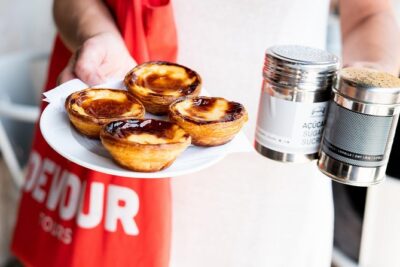 ★ 5.0Devour Lisbon: The Ultimate Portuguese Food TourFrom $951,782 reviews
 ★ 5.0Lisbon Food Tour with 10+ Tastings of Local Delicacies & WinesFrom $971,339 reviews
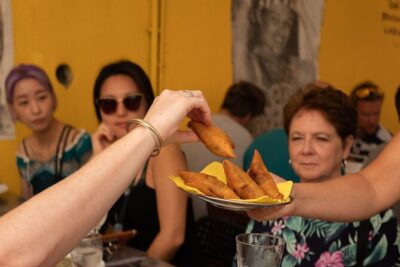 ★ 5.0Award-Winning Original Lisbon Food Wine Tour: 19 Curated TastingsFrom $1371,288 reviews