
Reviewed · SURF LESSONS
Lisbon: Surf Lesson
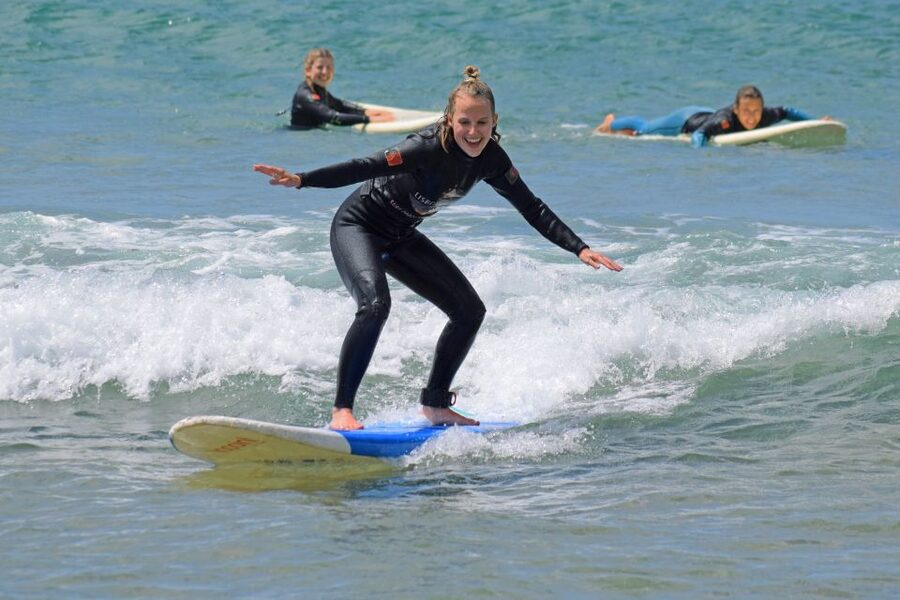
Surfing in Lisbon sounds fancy, then it turns into simple technique. This beginner surf lesson in Carcavelos is built for your first attempts in the Atlantic, with a coach right there to help you get it right. I like the format: small groups (max 5) and a real focus on safety and wave skills, not just getting you in the water.
I also love that you show up, get outfitted, and start learning immediately. You get your wetsuit and board, plus instruction that covers paddling, standing up, and how to choose a wave. One thing to consider: Lisbon ocean days can be crowded, and the surf spot may switch between Carcavelos and Guincho depending on weather.
Carcavelos is close to central Lisbon, but it still feels like the coast. If you’re aiming for a relaxed first step into surfing, this lesson checks the boxes—and you’ll understand what to do the next time you come back.
In This Review
- Key things to know before you go
- Carcavelos as Your Surf Classroom (and how Guincho may replace it)
- Meeting Lisbon Surfaris at Carcavelos Beach (easy to find)
- Gear up fast: wetsuit, board, and why it helps you learn sooner
- What happens during the 2 hours: from safety basics to your stand-up attempt
- Learning surf basics that actually matter: paddling, wave choice, and timing
- Small group energy: why max 5 surfers changes everything
- Coaching styles you’ll likely notice in real lessons (names included)
- Price and value: what $47 gets you for 2 hours
- Beach reality check: crowds, weather, and staying flexible
- Who this lesson fits best (and who should skip it)
- What to bring for a smooth lesson day
- Should you book this Lisbon surf lesson?
Key things to know before you go
- Carcavelos or Guincho selection based on the weather that day
- Max 5 surfers per instructor, so you’re not stuck watching from shore
- Safety and ocean-reading basics built into the lesson, not tacked on
- Your first-wave practice with paddling and the stand-up sequence
- Gear and insurance included, plus transport to the beach if needed
- Multi-language coaching (Spanish, English, Portuguese, French) for smoother learning
Carcavelos as Your Surf Classroom (and how Guincho may replace it)
Most days you’ll meet and launch from Carcavelos, which is the classic starting point for beginner surfing near Lisbon. The idea is straightforward: easier logistics, real ocean time, and enough swell variety to learn without making things too complicated.
But your lesson can also head to Guincho Beach if conditions there are better. That’s a useful detail, because ocean lessons go faster when you’re surfing the right kind of waves for your skill level. On windy or choppy days, choosing the better beach can make the difference between a frustrating hour and a productive one.
Either way, you’re getting a taste of what makes Lisbon surf culture work: teachers adapting to the ocean, not forcing beginners into the wrong conditions.
More time in the water on the Lisbon coast
- Surf Experience in Cascais
★ 5.0 · 423 reviews - Cascais: Local Surf Experience
★ 4.9 · 135 reviews - Lisbon: Surf Lesson
★ 4.5 · 110 reviews - Surf Lesson on Praia de Carcavelos
★ 5.0 · 84 reviews
Meeting Lisbon Surfaris at Carcavelos Beach (easy to find)
The meeting point is right at Carcavelos Beach, next to Bar o Moinho. That matters more than it sounds. When you’re new to surfing, you don’t want extra transfers or confusing meetups—just gear, people, and a plan.
You’ll meet with your professional instructor at the surf school, then you’ll get equipped before going to the water. If you’ve been using Lisbon’s public transport, you’ll still want to plan a little extra time to get to the coast and avoid showing up rushed.
Gear up fast: wetsuit, board, and why it helps you learn sooner
This lesson includes your surfing equipment—including a wetsuit and board. For beginners, that’s a big value piece because buying or renting gear adds friction and often leads to wrong fit issues.
One detail worth noting from actual surf students’ experiences: the school has wetsuits in different sizes and thicknesses. That’s smart for the Atlantic, because cold water can turn a “fun first lesson” into a tense one. If you’re comfortable, you’ll focus on technique instead of thinking about getting warm.
You’ll also get insurance included, which is comforting when you’re stepping into a sport with real physical risk. You still need to follow instructions, but the setup is designed to keep things professional.
What happens during the 2 hours: from safety basics to your stand-up attempt
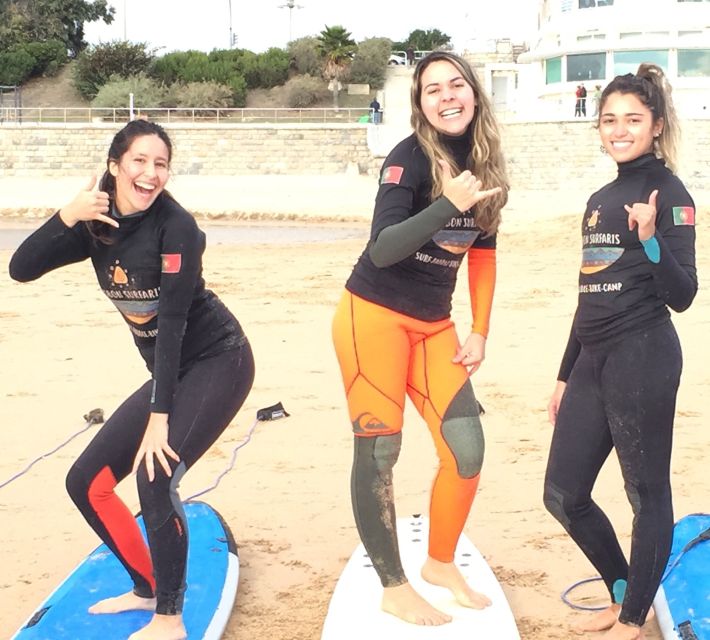
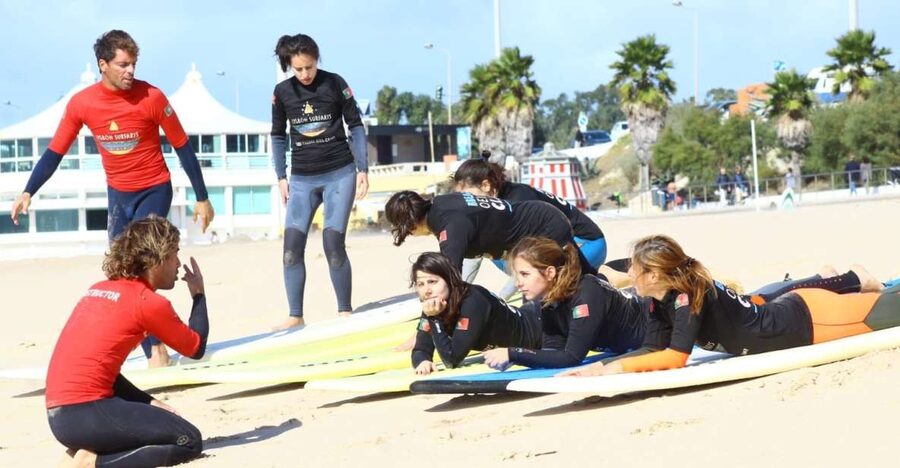
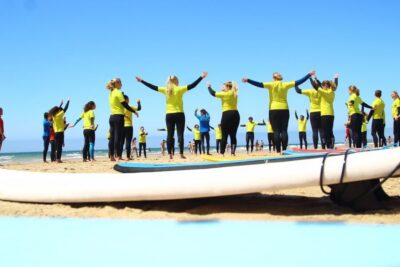
The lesson runs 2 hours. In that time, you should expect a guided progression: learn what to do, practice it repeatedly, and then try it on real waves as safely as conditions allow.
Here’s the flow you can plan around:
- Meet, outfit, and head to the best beach based on weather
- Safety and instruction on reading the ocean, so you know what you’re facing
- Technique practice, especially paddling and standing up
- Wave selection coaching, because choosing the right wave is part of surfing
A key part of beginner lessons is that you’re not just learning movement. You’re learning the ocean basics that prevent panic. Instructors cover how to stay safe, how to spot workable wave sets, and what it means to position your board so the next attempt has a better chance.
This is also where the coaching style makes a difference. Several students highlighted how the teacher stays close by and gives guidance in real time—exactly what you want when your body is figuring out new motions.
Worth a look before you lock anything else in around Cascais:

Learning surf basics that actually matter: paddling, wave choice, and timing
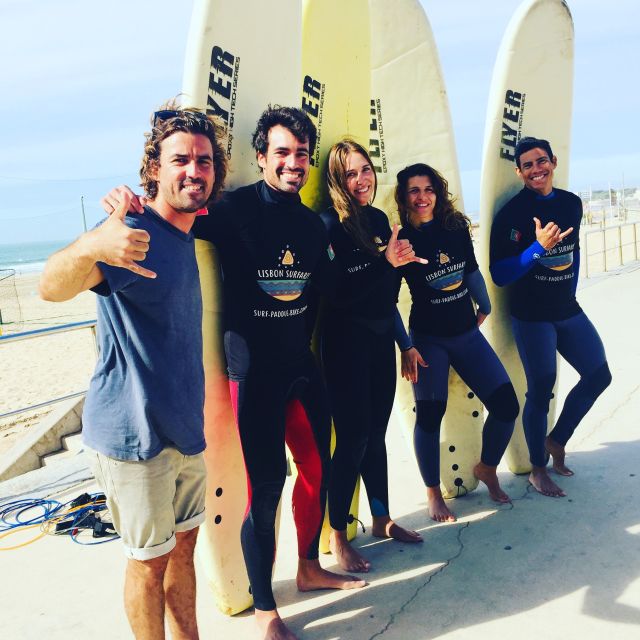
Beginners often think the lesson is all about standing up. Standing up matters, but timing and wave choice matter just as much.
During this class, you’ll get instruction on:
- Paddling: how to move efficiently so you can get into position
- Standing up: the practical movement sequence that turns your board into something you can balance on
- How to choose a wave: you learn to look for the kind of wave that lets you get the timing right
- Ocean awareness: understanding basic patterns so you don’t fight the sea blindly
What I like here is that the curriculum is built around the skills that lead to progress. You’re not only jumping into the water and hoping. You’re being taught the steps that make your effort count.
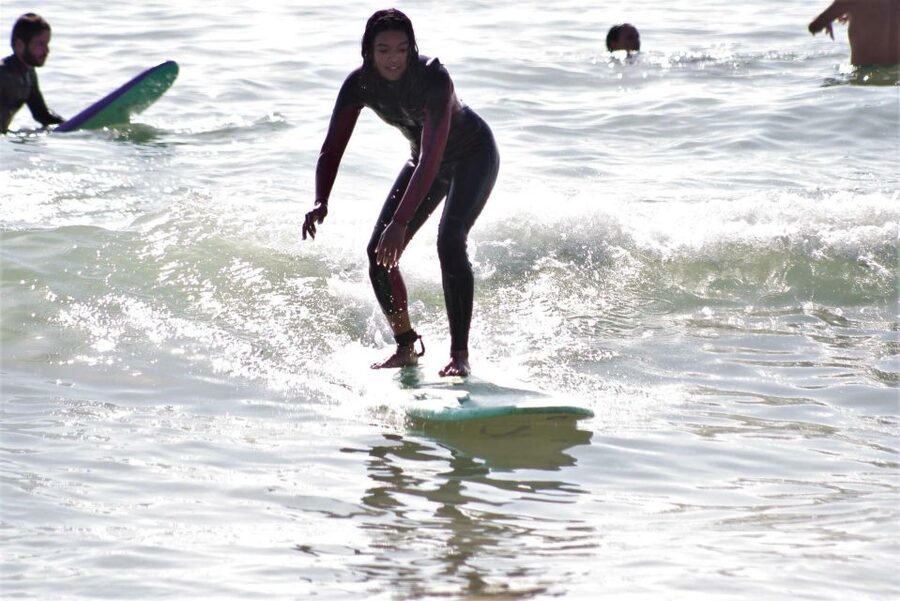
And it’s not just generic talk. Students praised instructors for individual feedback, including guidance on how to improve your technique. With a group size capped at one instructor for up to five people, there’s more time to troubleshoot what’s happening with your specific attempt.
Small group energy: why max 5 surfers changes everything
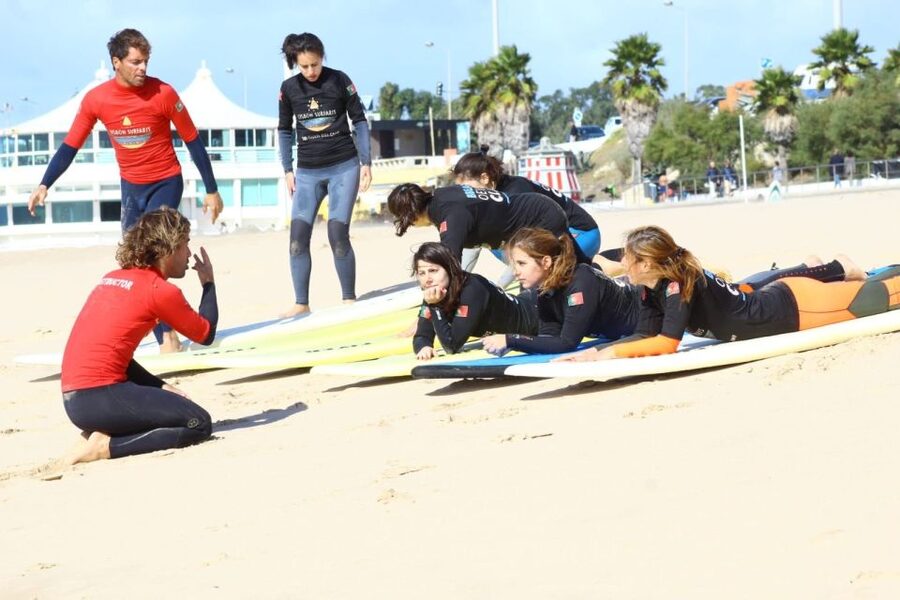
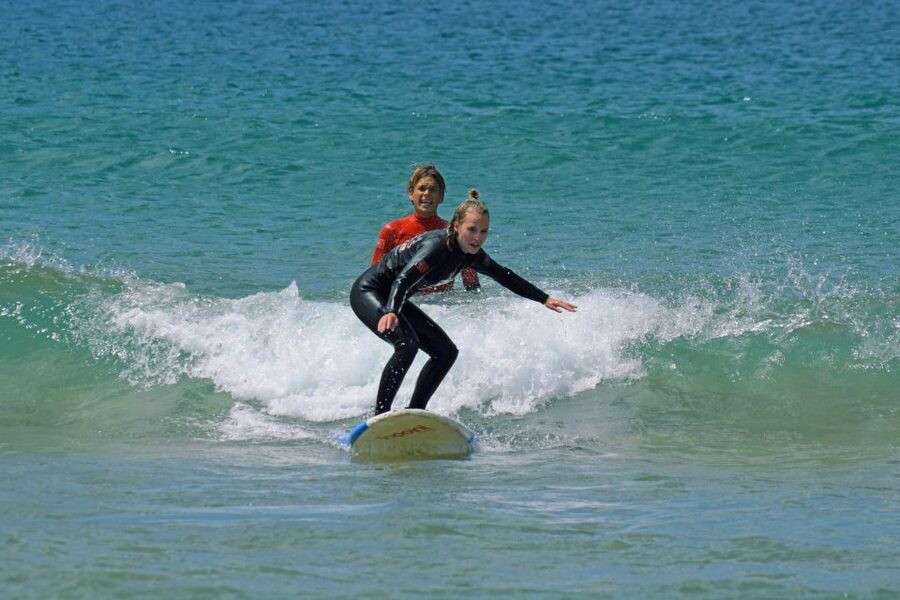
The group structure is 1 instructor and a maximum of 5 persons. That’s a sweet spot for beginners. You get enough people for energy, but not so many that you wait your turn.
In small groups, you tend to get:
- Faster corrections when you’re doing something unsafe or ineffective
- More chances to try again during the same session
- A calmer learning environment, because the coach can watch you closely
Students also mentioned the lesson felt like it moved at the right speed—enough practice to feel like you were progressing, not just going through the motions. If your goal is to catch waves rather than just learn theory, this structure is a strong advantage.
Coaching styles you’ll likely notice in real lessons (names included)
Instructors here teach across multiple languages—Spanish, English, Portuguese, French—which makes a difference when you’re learning something as physical as surfing. You’re less likely to get stuck translating in your head while trying to coordinate your arms, legs, and balance.
From student experiences, a few instructor names come up often: Ivo, Patrick, Tiago, and PePe. The common thread isn’t their personalities on paper—it’s how actively they guide you. People specifically pointed out that teachers explain clearly, keep safety front and center, and give feedback tailored to each person.
If you want a lesson where you feel supported while still being challenged, this model tends to deliver.
Price and value: what $47 gets you for 2 hours
At about $47 per person for a 2-hour session, the value is strong when you look at what’s included. You’re not paying extra for the essentials:
- surf equipment (wetsuit and board)
- an instructor
- insurance
- and transport to the beach if necessary
What’s not included is also clear: food and drinks and hotel pick-up/drop-off. That helps you budget realistically.
So where’s the value? It’s in the combination of (1) coaching for beginners, (2) enough time to practice, and (3) no surprise add-ons for gear. For first-timers, that’s exactly what you want. You get a structured start without committing to lots of gear costs or confusing logistics.
One more value point: you’re not just learning to stand. You’re learning how to interpret waves and choose moments. Those basics carry over if you book another lesson later or try a second session.
Beach reality check: crowds, weather, and staying flexible
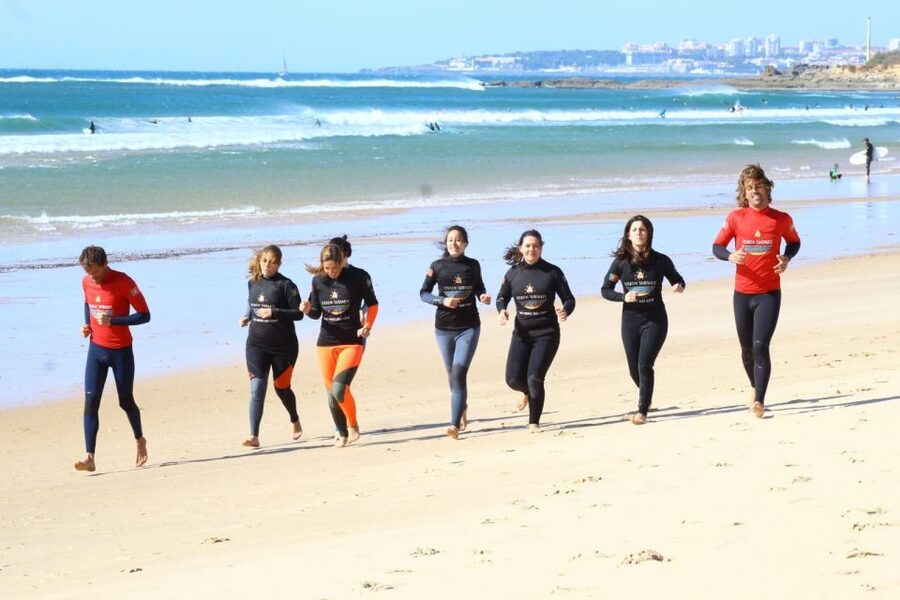
The ocean is never entirely predictable, and Lisbon surf days can come with wind or shifting wave conditions. One student noted that Carcavelos can be crowded, but the experience still worked out well.
Here’s how to think about that as you plan:
- Expect the beach to have other surfers and swimmers, especially in good weather
- Trust your instructor’s call on where to surf that day (Carcavelos vs Guincho)
- Dress like you’re going to be outside for 2 hours plus gear time
If you’re coming with a mindset of flexibility, you’ll enjoy the lesson more. Surfing teaches you to work with conditions, not fight them.
Who this lesson fits best (and who should skip it)
This surf lesson is set up for beginners and it’s best for adults and older kids. It is not suitable for children under 6 years, pregnant women, or people with mobility impairments.
If you’re generally healthy and comfortable with active time in cold coastal water (wetsuit helps), this is a solid first try. The coaching ratio is designed to keep you safe and progressing.
If you’re dealing with mobility limitations or are unsure about safety for your situation, it’s worth asking the provider directly before booking. The activity clearly states this isn’t appropriate for those categories.
What to bring for a smooth lesson day
Bring what’s listed—don’t make it harder on yourself:
- Passport or ID card
- Towel
- Sunscreen
Sunscreen matters even when it feels cool. Coastal wind plus ocean glare can catch you off guard.
Also, plan to arrive ready for wetsuit time. If you’re late or underprepared, you’ll lose practice minutes, and that’s the main currency of a 2-hour lesson.
Should you book this Lisbon surf lesson?
If you want a beginner-friendly way to learn real surfing basics in Lisbon, I’d book it. The strongest reasons are the small group size, the clear focus on safety plus wave-reading, and the fact that you get the gear and coaching without extra add-ons.
Book it especially if:
- you’re a first-timer who wants hands-on feedback
- you like structured instruction that teaches wave choice, not just the pop-up
- you want a practical ocean skill you can build on later
Skip or reconsider if:
- you fall under the stated unsuitability categories
- you need hotel pick-up (because it’s not included)
- you want food included on top of the lesson
If you time it well and keep an open mind about beach conditions, this is a fun, efficient first surf session near Lisbon—and a good way to leave the coast with more than photos.
More Workshops in Cascais
- Surf Lesson★ 5.0 · 99 reviews
- Surf Lesson on Praia de Carcavelos★ 5.0 · 84 reviews
- Beginners, intermediate and advanced surf lessons★ 5.0 · 64 reviews
- Your First Surf Class!★ 5.0 · 53 reviews
- Surf Lesson with transfer★ 5.0 · 17 reviews
More Tour Reviews in Cascais
- Surf Experience in Cascais★ 5.0 · 423 reviews
- Cascais: Sunset Boat Trip with Welcome Drinks★ 4.7 · 248 reviews
- Lisbon: Sintra Private Day Trip with Pena Palace & Wine Tasting★ 5.0 · 226 reviews
- Cascais: Dolphin Watching Speedboat Tour★ 4.9 · 156 reviews
- Cascais: Local Surf Experience★ 4.9 · 135 reviews
More Surf on the Lisbon Coast
- Surf Experience in Cascais★ 5.0 · 423 reviews
- Cascais: Local Surf Experience★ 4.9 · 135 reviews
- Surf Lesson★ 5.0 · 99 reviews
- Surf Lesson on Praia de Carcavelos★ 5.0 · 84 reviews
- Beginners, intermediate and advanced surf lessons★ 5.0 · 64 reviews
Just in: fresh Cascais reviews from the team




Surf Lessons, compared.
 ★ 4.9Lisbon Surf ExperienceFrom $35876 reviews
 ★ 5.0Surf Experience in CascaisFrom $50423 reviews
 ★ 5.0The Surf Instructor in Costa da CaparicaFrom $60403 reviews
 ★ 5.0Surf Experience at Costa da CaparicaFrom $35376 reviews
 ★ 4.81.5-Hour Surf LessonFrom $35275 reviews
 ★ 5.0Lisbon Surf Guide – Surf class & Pick UpFrom $58210 reviews
★ 5.0Lisbon Surf ExperienceFrom $60152 reviews
★ 5.0Lisbon Surf Guide – Surf class & Pick UpFrom $58210 reviews
★ 5.0Lisbon Surf ExperienceFrom $60152 reviews
 ★ 4.9Cascais: Local Surf ExperienceFrom $47135 reviews
Browse the lists this tour appears in